
Importance of Video in Miami Real Estate Marketing
In the fiercely competitive Miami real estate market, high-quality property videos have become a vital tool for showcasing homes effectively. These videos serve as dynamic visual agents that enhance online listings, making them more appealing and engaging to potential buyers. As buyers increasingly turn to the internet for property searches, standing out in a crowded digital landscape requires compelling visual content that captures the essence of each property.
Property videos significantly improve visibility by providing an immersive experience that static photos often cannot deliver. They allow real estate agents and property owners to highlight unique features, the layout, and the ambiance of a residence, thereby attracting a broader audience. This enhanced presentation not only accelerates the decision-making process but also helps filter serious buyers from casual browsers, ultimately increasing the likelihood of faster sales conversions.
Miami’s real estate market is characterized by diversity, luxury developments, and a vibrant urban lifestyle. Visual storytelling through property videos aligns perfectly with this environment, elevating marketing efforts and creating a lasting impression. Well-produced videos build trust and credibility with viewers, demonstrating professionalism and attention to detail that are critical in high-stakes property transactions.
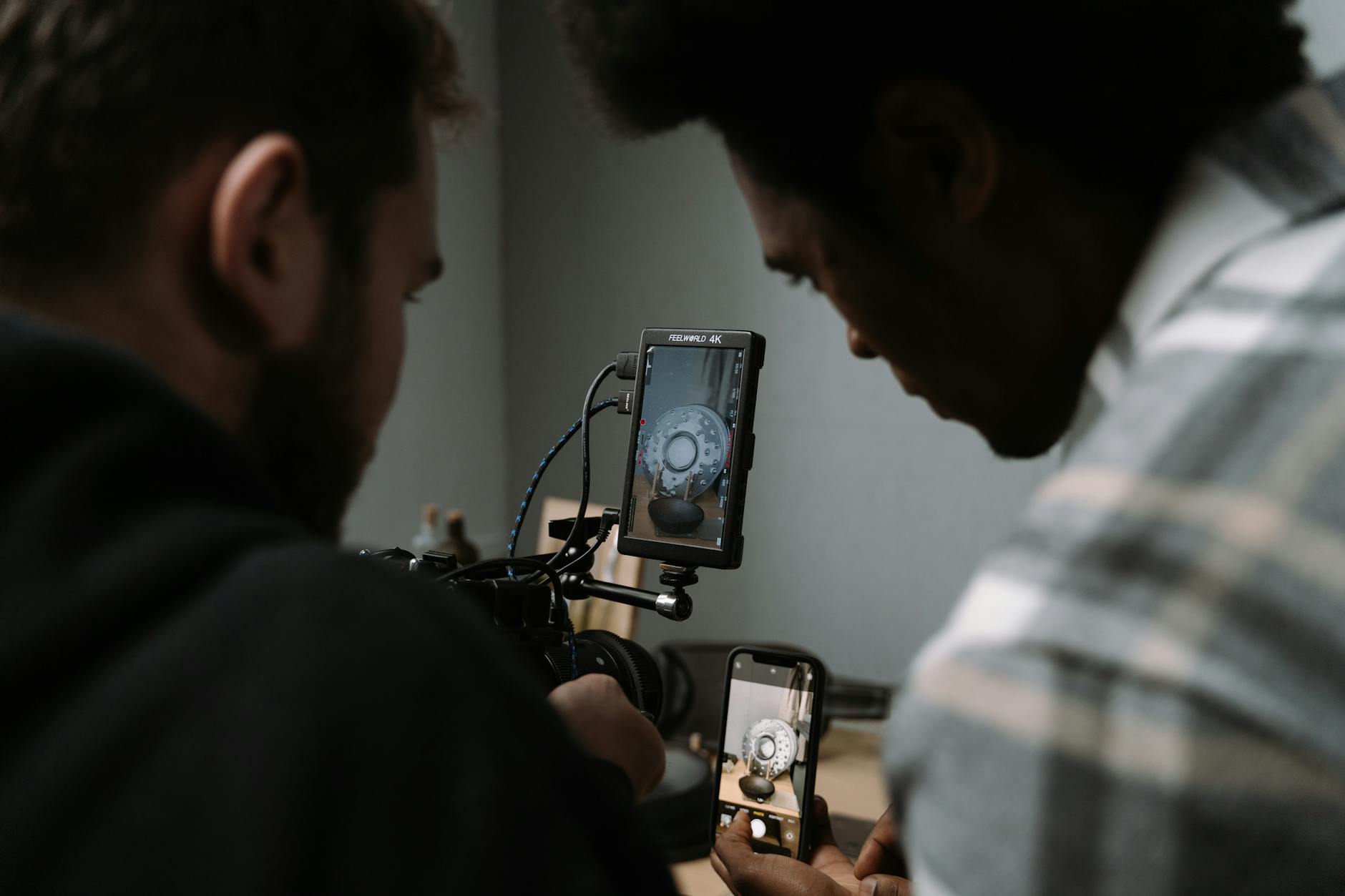
The strategic use of cinematic techniques, professional narration, and comprehensive walkthroughs ensures that potential buyers receive a realistic and inviting view of what each property offers. This approach helps buyers visualize themselves living in the space, which can significantly influence their purchasing decisions. Given Miami's diverse demographic and international buyers, property videos bridge geographical gaps, making properties accessible to a global audience and increasing sales opportunities.
Key Benefits of Incorporating Property Videos in Real Estate Marketing
- Enhanced Online Engagement: Videos increase view times and interactions on property listings across various platforms.
- Better Listing Visibility: Video content is favored by search algorithms and social media algorithms, boosting organic reach.
- Higher Conversion Rates: Listings with videos attract more inquiries and showings, leading to quicker sales.
- Showcasing Unique Features: Uniquely stylish interiors, scenic views, and outdoor amenities gain prominence through video walk-throughs.
- Building Buyer Trust: Professionally produced videos reflect credibility and professionalism of the listing agent or owner.
As the demand for immersive and informative content grows, property videos are no longer optional but essential in Miami’s strategic real estate marketing. Their ability to communicate a property’s story visually and emotionally makes them a powerful asset in achieving sales goals efficiently and effectively.
Types of Property Videos for Real Estate
In Miami’s competitive real estate market, leveraging diverse video formats can significantly enhance property presentation and attract a broader audience. Each format offers unique advantages, catering to different buyer preferences and property features.
- Virtual Tour Videos: These comprehensive walkthroughs provide an immersive experience, enabling viewers to navigate through the property as if they were physically present. High-quality virtual tours highlight room layouts, interior design, and spatial flow, offering a realistic sense of scale and ambiance. They are particularly effective for out-of-town buyers or those unable to visit in person.
- Drone Footage: Aerial videos captured via drone technology showcase the property's exterior, landscaping, and surrounding neighborhood. Drone shots are especially valuable for waterfront properties, large estates, or developments with scenic views. They also offer a perspective of the property's proximity to local amenities, parks, and transportation routes, enriching the overall visual storytelling.
- Neighborhood Showcases: Short videos that spotlight the community, local attractions, schools, and amenities. These videos help buyers understand the lifestyle associated with the property’s location, adding context and appeal to the listing.
- Exterior and Interior Highlight Clips: Brief, focused videos that emphasize specific features such as a modern kitchen, luxury bathroom, outdoor entertaining area, or smart home technology. These clips can be used as supplementary content to draw attention to the property’s standout elements.
- Lifestyle and Lifestyle Environment Videos: Combining property visuals with scenes of local activities or cultural events in Miami, these videos help potential buyers visualize the vibrant lifestyle they could enjoy. They strengthen emotional engagement and create a compelling narrative around the property.
Planning and Pre-Production for Effective Property Videos
The foundation of a successful property video lies in meticulous planning and preparation. This stage involves understanding the property's unique features, target audience, and the desired emotional tone. Developing a detailed shot list ensures all key areas—interior, exterior, amenities, and neighborhood highlights—are covered systematically. Engaging with the property owner or listing agent beforehand helps in scheduling and gaining necessary permissions.
Location assessment is crucial to determine the best times for shooting, considering lighting conditions and weather forecast to maximize visual quality. Creating a storyboard or outline helps visualize the flow of the video, aligning shots and transitions with the overall marketing message. Equally important is selecting the right equipment—high-resolution cameras, stabilizers, drone gear, and lighting—to capture the property's features effectively.
Production Techniques for Property Videos
During filming, professional camera setups and stable stabilization tools are vital to produce smooth, high-quality footage. Proper lighting—both natural and artificial—enhances the property's visual appeal, highlighting textures, colors, and architectural details. For interior shots, wide-angle lenses capture more of the space, giving viewers a sense of openness and layout.
Drone footage requires careful piloting to obtain captivating aerial shots while respecting privacy and safety protocols. Incorporating slow, steady camera movements and avoiding abrupt transitions creates a polished, cinematic feel. Detailed shots of special features like intricate moldings or high-end appliances reinforce the property's luxury appeal.
Sound quality also matters; clear narration or background music should complement visuals without overwhelming them. Voiceovers or captions can provide additional context, emphasizing key selling points or technical specifications.
Post-Production and Editing
Editing transforms raw footage into a cohesive, engaging narrative that aligns with the property's branding. Color grading enhances visual consistency, making interiors and exteriors appear inviting and luxurious. Smooth transitions, dynamic pacing, and professional titles or captions add polish and clarity.
Integrating drone shots with interior footage should be seamless, maintaining a natural flow that guides viewers through the property’s story. Adding background music and narration enhances emotional appeal, but they must be balanced carefully to avoid distracting from the visuals.
Inclusion of call-to-action screens or contact information towards the end encourages potential buyers to take the next step, whether scheduling a viewing or contacting the agent directly. Quality control checks ensure the final cut is free of technical issues and aligns with marketing objectives.
Legal Considerations and Permissions for Property Video Production in Miami
Producing high-quality property videos involves navigating a range of legal considerations to ensure a smooth and compliant production process. Securing appropriate permissions is fundamental, especially when filming on private property or in shared spaces within the Miami area. Property owners and managing entities must be properly informed and provide explicit consent to capture footage of their premises.
Additionally, recording in public areas may require adherence to municipal regulations, and it is crucial to verify local ordinances that govern drone operations, street filming, or the use of commercial equipment in public spaces. Miami has specific policies that address aerial footage captured via drones, including restrictions on altitude, proximity to sensitive infrastructure, and privacy considerations.
Clearance must also be obtained for the inclusion of recognizable individuals within the video. Consent forms or release agreements should be secured from residents, tenants, or visitors appearing on camera, especially if the footage may be used for commercial purposes. This proactive approach helps prevent potential disputes or misunderstandings.
In terms of intellectual property rights, ensure that all visual elements, including proprietary signage or artwork, are rights-cleared to avoid infringing on copyrights or trademarks. When incorporating music, seek licensing rights for background scores or voiceovers, aligning with licensing regulations.
Moreover, for drone footage, operators should be accredited and compliant with Federal Aviation Administration (FAA) regulations, which govern drone usage nationwide, including Miami. Adhering to these protocols not only safeguards legal integrity but also upholds safety standards during the filming process.
Lastly, documenting all permissions and releases throughout the planning and production phases creates an audit trail that demonstrates compliance. This meticulous record-keeping supports the professional transparency of property video projects, fostering trust with clients and stakeholders.
Production Techniques for Property Videos
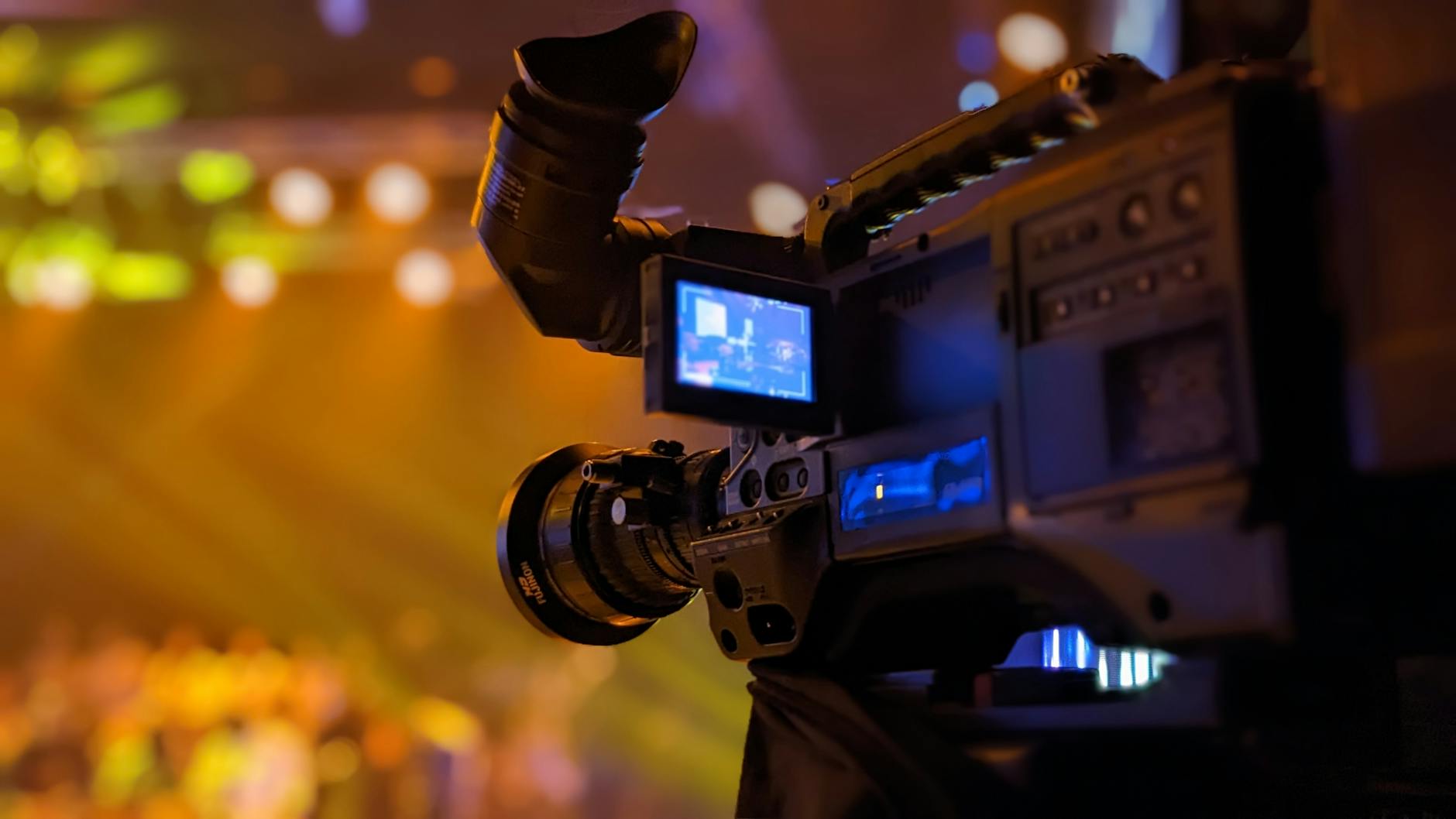
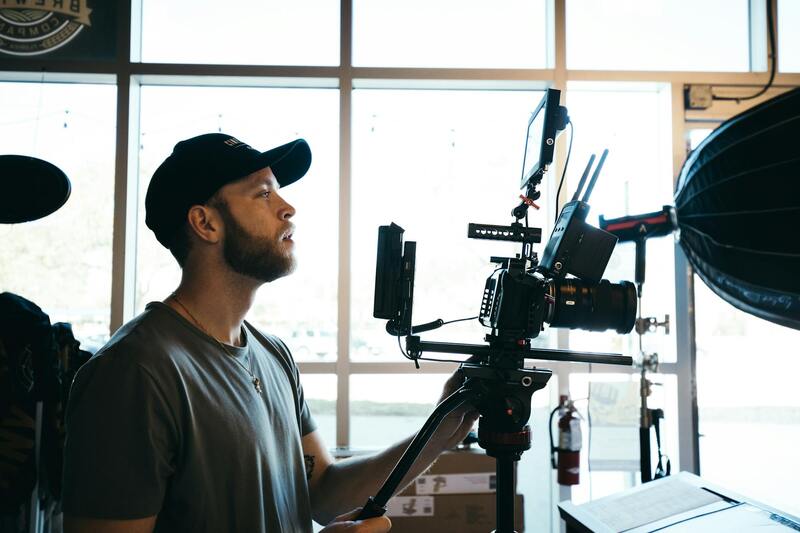
Executing high-quality property videos requires a combination of expert filming methods, advanced equipment, and strategic staging to effectively showcase the property's best features. The choice of camera equipment plays a critical role in capturing sharp, vibrant visuals. Professional-grade cameras capable of high-resolution recording, such as 4K or higher, ensure the footage is crisp and detailed, providing viewers with a realistic view of the property. Utilizing wide-angle lenses enhances the sense of space within interior shots, making rooms appear larger and more inviting. For exterior shots, drone cameras offer sweeping aerial perspectives that highlight property size, landscape, and surrounding amenities, adding a dynamic layer to the visual presentation.
Proper lighting is essential to create a welcoming and professional atmosphere within the video. Natural light should be harnessed whenever possible, with filming scheduled during times of the day when sunlight best illuminates the space. For indoor shots, softbox lights or LED panels help eliminate shadows and evenly light rooms, emphasizing architectural details and decor. Strategic staging enhances visual appeal; decluttering spaces and arranging furniture to highlight unique features can significantly elevate the property's perceived value. Attention to detail, such as ensuring windows are clean and curtains are open to let in natural light, contributes to a polished look.
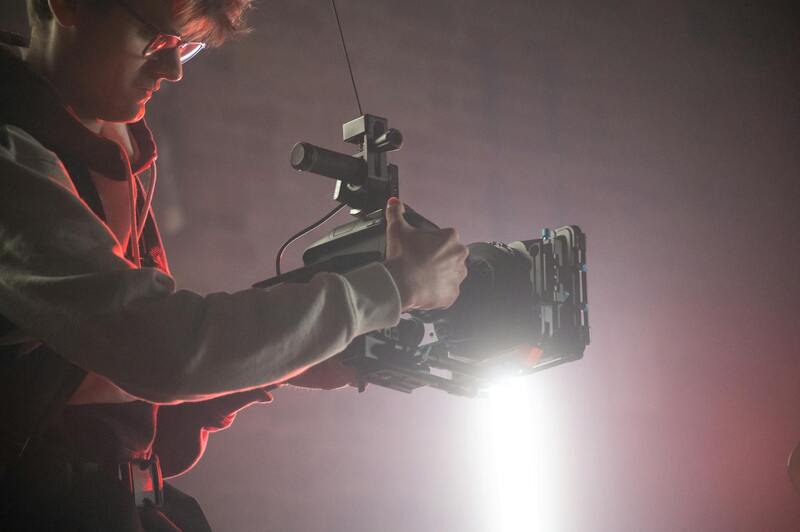
In addition to steady camera work, incorporating smooth camera movements through gimbals or stabilizers minimizes shaking, resulting in professional, cinematic footage. Pan, tilt, and tracking shots guide viewers through the property, creating an immersive experience that encourages engagement. Transition techniques, such as crossfades or slow zoom-ins, can be employed during editing to maintain viewer interest and portray the property in its best light. Utilizing a combination of static shots, dynamic movements, and close-ups allows for a comprehensive presentation aligned with the property's selling points.
Legal Considerations and Permissions
Creating compelling property videos requires adherence to established guidelines that protect all parties involved. Securing the appropriate permissions before filming is essential, especially when private properties are involved. This involves obtaining consent from property owners or authorized representatives, ensuring they are aware of the scope and purpose of the video shoot. Clear communication about when and how the property will be showcased helps mitigate misunderstandings and fosters a cooperative environment. Respect for privacy is paramount during production. Avoid filming areas that are not part of the property or that may reveal sensitive information, such as security systems or personal belongings, without explicit approval. When capturing footage that includes neighboring properties or public spaces, confirming permissions or ensuring compliance with local regulations helps prevent potential disputes. It is also prudent to review and comply with any specific regulations related to drone footage, which is frequently utilized in property marketing to provide aerial views. Drones must be operated in accordance with local aviation policies and privacy laws, often requiring prior permissions or notices to relevant authorities. Proper licensing and insurance for drone operation further ensure a smooth filming process. Creating a detailed release form signed by property owners and any involved individuals acts as formal documentation of consent, clarifying the scope of use and distribution rights. This step significantly reduces the risk of legal complications and certifies that all legal prerequisites are satisfied before the property video production begins. In the digital realm, awareness of intellectual property rights is critical. Using licensed music, footage, or images prevents copyright infringement issues. When incorporating third-party content, proper licensing agreements or permissions must be secured, aligning with copyright laws and industry standards. Implementing these foundational measures guarantees that property videos are produced ethically and responsibly, respecting both legal obligations and personal privacy, which ultimately enhances credibility and trust with clients and audiences alike.
Legal Considerations and Permissions
To ensure that property videos are produced without infringing on existing rights or violating established guidelines, it is essential to secure all necessary permissions before filming begins. This process includes obtaining explicit consent from property owners, which should be documented through comprehensive release forms. Such forms clarify the scope of filming, intended use, and distribution rights, providing clarity and protection for all parties involved.
In instances where third-party property is involved, obtaining permissions involves coordinating with relevant stakeholders, including property management companies or leasing agents. Clear documentation of these permissions helps prevent misunderstandings and legal disputes that could arise from unauthorized footage usage.
When employing aerial photography techniques, particularly drone footage, compliance with aviation regulations and privacy laws is necessary. This may involve notifying local authorities or obtaining flight permits, depending on regional statutes. Operating drones with appropriate licensing and insurance further solidifies a professional and responsible approach.
Intellectual property rights also play a critical role in safeguarding the integrity of property videos. Utilizing licensed music, stock footage, and images ensures adherence to copyright laws. Proper licensing agreements or permissions must be in place when incorporating third-party content to prevent copyright infringements.
Adhering to these rigorous standards creates a solid foundation for producing property videos that are both professional and ethically responsible. Such diligence not only minimizes risks but also enhances the credibility of the marketing material, fostering greater trust among clients and audiences.
Securing Proper Permissions and Ensuring Ethical Use of Property Footage
Acquiring proper permissions before filming is an essential step in producing property videos that uphold industry standards and respect for property rights. This process involves collaborative communication with property owners, management companies, and any other stakeholders who hold rights to the premises. Clear, documented consent ensures that all parties are aware of the filming activities, scope, and intended use of the footage.
It is vital to verify ownership and ensure that all necessary authorizations are in place. This includes obtaining written permissions that clearly specify the areas being filmed, the duration of usage, and any restrictions regarding specific portions of the property. Formal agreements can mitigate potential conflicts or misunderstandings, fostering smooth collaboration.
When third-party properties are involved, working with leasing agents or property managers can streamline permission procedures. These professionals often have established protocols for authorizing visual content creation, making the process more efficient and transparent.
Compliance with Aerial Drone Regulations
In regions like Miami, drone pilots must stay informed about local aviation rules and privacy laws that govern airspace use. Securing flight permits and operating with certified drone pilots demonstrate a professional commitment to safety and legal compliance. Insurance coverage for drone operations further supports responsible practices, minimizing risks during aerial filming.
Intellectual Property Rights and Usage of Third-Party Content
Respecting intellectual property rights plays a critical role in legal and ethical property video production. This includes the proper licensing of music tracks, stock images, and footage incorporated into the final cut. Licenses should specify permissible uses and duration to avoid infringement issues.
Utilizing licensed content not only safeguards against potential legal repercussions but also enhances the overall professionalism of the video. Confirming rights and permissions beforehand ensures that all content in the video aligns with legal standards and industry best practices.
Documentation and Record-Keeping
Maintaining detailed records of all permissions, licenses, and communications related to property video projects is a best practice that contributes to transparency. These documents serve as proof of compliance and can be invaluable in case questions arise in the future. Proper documentation demonstrates a diligent approach to ethical content creation and helps uphold a positive reputation.
Finalizing the Legal and Ethical Aspects of Property Video Production
Effective property video production necessitates diligent adherence to legal frameworks and ethical standards that safeguard all stakeholders involved. This includes ensuring that any content filmed on private property has obtained the necessary permissions from property owners or authorized representatives. Clear communication and documented consent are essential steps in preventing potential disputes related to privacy or unauthorized filming.
When incorporating third-party content such as music, stock footage, or visual elements, securing proper licenses and permissions is critical. This process involves verifying the licensing terms to confirm that the intended use aligns with the rights granted, whether for commercial distribution, online streaming, or promotional purposes. These measures not only protect against legal challenges but also uphold the professional integrity of the property video.
For aerial footage using drones, obtaining flight permissions and adhering to airspace regulations in Miami is vital. Operating with certified pilots who follow established protocols ensures safety and compliance. Maintaining detailed records of all permissions, licenses, and operational procedures also supports accountability and transparency, providing a clear trail of compliance for future reference.
Documenting and Managing Content Rights
Proper documentation plays a fundamental role in managing content rights and permissions. This includes keeping records of signed consent forms from property owners, licensing agreements for third-party content, and any correspondence related to permissions or approvals. These documents serve as a safeguard against unforeseen disputes and reinforce adherence to established legal standards.
Developing a comprehensive content management system that archives all relevant licenses, permits, and communications streamlines the review process and facilitates swift responses to inquiries or audits. Maintaining transparency and organized records exemplifies a professional approach to property video production, reinforcing trust with clients and partners.
Training and Compliance for Production Teams
Equipping production teams with ongoing training on legal policies, privacy considerations, and industry best practices is essential. Regular workshops or updates help crew members stay informed about evolving regulations and technological standards in property videography. Enforcing clear protocols for obtaining permissions, handling sensitive content responsibly, and respecting privacy rights fosters a culture of compliance and ethical integrity.
This structured approach not only minimizes risks but also enhances the reputation of the production service provider. Ensuring team members are fully aware of legal obligations contributes to high-quality, compliant content creation that aligns with industry standards and client expectations.
Conclusion
Meticulous attention to legal permissions and ethical practices during property video production creates a foundation of professionalism and trust. By prioritizing consent, licensing, proper documentation, and team compliance, Miami-based property video services can deliver compelling visuals while adhering to the highest standards of responsibility. This comprehensive approach ensures that the final product effectively markets the property without compromising legal or ethical values.