Importance of High-Quality Realtor Photography
In the competitive Miami real estate market, the quality of property images can significantly influence the success of a listing. Professional realtor photography serves as a vital tool that elevates property presentations, making listings stand out amidst countless others. High-resolution, well-composed photographs capture the true essence of a property, highlighting its best features and creating a compelling visual story that resonates with prospective buyers. When potential buyers browse online listings, quality images quickly attract attention and generate interest, increasing the likelihood of viewings and inquiries.
Effective real estate photography enhances the overall perceived value of a property, encouraging quicker sales at favorable prices. In Miami’s vibrant market, where luxury properties and unique architectural designs are prevalent, professional images help showcase these distinctive qualities, attracting a targeted audience. Moreover, listings with superior visuals tend to receive higher engagement on digital platforms, translating into more foot traffic and a broader reach across various demographics.

Investing in professional realtor photography is not merely about aesthetics; it's a strategic move that can lead to faster sales cycles, higher closing prices, and a more recognizable brand presence for real estate agents. As buyers increasingly rely on online searches to find their ideal home, the importance of captivating, accurate visuals cannot be overstated. Whether dealing with luxurious waterfront properties or cozy city apartments, professional photography ensures that every listing is presented at its absolute best, ultimately fostering trust and confidence among prospective buyers.
In a market like Miami, where property values can be significant and buyer expectations high, professional images can make a decisive difference. They serve as a powerful marketing asset that positions a property competitively and appeals to discerning audiences seeking quality and authenticity in visual content.
Choosing the Right Photographer and Equipment
Selecting a skilled professional photographer for real estate imaging is fundamental to achieving compelling, high-quality visuals that accurately represent a property’s appeal. A photographer specializing in realtor photography possesses an intricate understanding of architectural features, lighting techniques, and the nuances required to showcase a property at its best. Their expertise ensures that each image captures the space's true essence, enticing potential buyers and making listings stand out in a competitive Miami market. Beyond skill, the right photographer invests in state-of-the-art equipment. High-resolution digital cameras equipped with professional-grade lenses are fundamental to capturing sharp, detailed images. Wide-angle lenses are especially valuable, as they allow for comprehensive views of rooms, highlighting the spatial layout and creating an inviting atmosphere. Additional equipment, such as advanced lighting setups, drone cameras, and stabilizers, enhance the quality and versatility of imagery. Drone photography, in particular, is increasingly popular for capturing aerial views of waterfront properties or expansive estates, providing a broader context that static images cannot convey. The use of professional lighting ensures that interior spaces are bright, balanced, and free of shadows, resulting in images that appear vibrant and welcoming. Investing in a photographer with access to cutting-edge technology and a strong portfolio is essential. Such professionals understand how to tailor their approach to different property types and client needs, ensuring each shoot maximizes the property’s visual potential.
Benefits of Professional Photography for Realtors
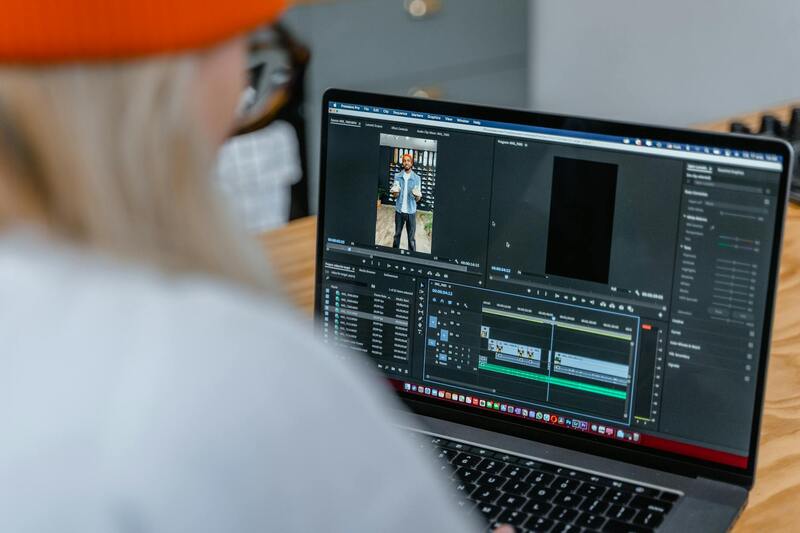
Engaging the services of a professional photographer offers numerous advantages for real estate agents aiming to enhance their marketing efforts. Firstly, high-quality visuals increase the perceived value of a property, making listings more attractive to prospective buyers. Properties showcased with crisp, professionally shot images tend to generate higher online interest, which leads to more showings and quicker sales. Professional photography also plays a critical role in establishing a reputable brand presence for realtors. Consistently featuring polished, high-caliber images across listings demonstrates commitment to quality and attention to detail, fostering trust among clients. Furthermore, professional photographs are highly shareable on social media platforms, broadening a property’s reach organically. In addition, superior visuals reduce the need for multiple showings by providing prospective buyers with a clear, accurate representation of the property upfront. This precision minimizes viewing discrepancies, streamlines the sales process, and often results in higher closing prices. The strategic use of professional imagery supports a realtor’s overall marketing plan, providing engaging content for listing websites, email campaigns, and print materials. When presented professionally, properties are more likely to leave a lasting impression, differentiate listings from competitors, and attract targeted buyers who prioritize visual storytelling.
Best Practices for Preparing Properties for Photoshoots
Preparing a property for a professional photoshoot is crucial to maximize the impact of high-quality images. First, decluttering and tidying up the space create a clean, inviting environment that allows the architecture and design features to shine. Removing personal items, excess furniture, and clutter ensures the focus remains on the property itself. Next, attention to details such as making beds neatly, adjusting curtains or blinds to maximize natural light, and ensuring all areas are well-maintained contribute significantly to the overall presentation. Minor repairs, like fixing leaky faucets, patching holes, or repainting scuffed walls, can elevate the visual appeal and avoid distractions that may diminish interest. Lighting plays a pivotal role in photography. Open curtains to let in natural light and turn on all interior lights to create a warm, welcoming atmosphere. Scheduling the shoot during daylight hours leverages optimal natural lighting conditions. Additionally, staging the space with carefully chosen decor can highlight the property's potential and help buyers envision living there. Minimalist approaches often work best, emphasizing the property’s best features without overcrowding the scenes. Lastly, coordinating with the photographer about specific shots or angles beforehand ensures a smooth photoshoot. Clear communication regarding the property's unique selling points and the desired aesthetic results can lead to more targeted and impactful images.
Selecting the Appropriate Photography Equipment and Techniques
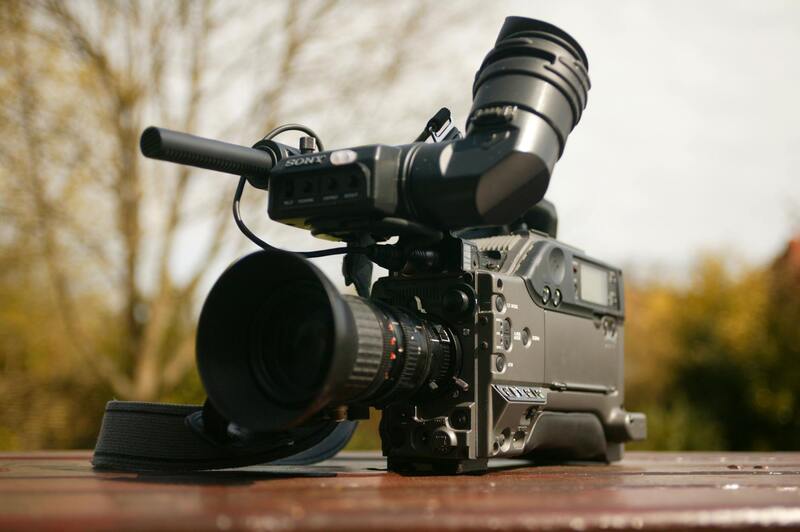
To ensure that real estate images convey the property’s true potential, leveraging the right equipment and photographic techniques is essential. High-quality professional cameras with full-frame sensors are standard, offering superior image resolution and dynamic range, which are vital for capturing detailed, vibrant photos. Wide-angle lenses are particularly effective, enabling photographers to showcase spacious rooms and architectural features without distortion, creating a sense of openness that appeals to prospective buyers.
Tripods are indispensable tools for achieving sharp, blur-free images, especially in lower-light conditions or when employing longer exposure times to accentuate natural light. Additionally, remote triggers or timers help maintain stability and prevent camera shake during shot capture. Drones are increasingly used to provide aerial views of the property and surrounding areas, offering a comprehensive perspective that ground-level photos cannot achieve.
Optimal lighting is a cornerstone of professional real estate photography. Photographers often utilize high dynamic range (HDR) imaging, which combines multiple shots at different exposures to produce balanced images with both interior and exterior details well-preserved. This technique is especially beneficial for complex lighting scenarios, such as bright windows and dimly lit rooms.
Camera settings should be meticulously adjusted to suit each property’s lighting conditions. These include setting the correct ISO to avoid graininess, selecting appropriate aperture levels to control depth of field, and employing proper shutter speeds. Proper color calibration ensures that the images reflect true-to-life hues, which is crucial for accurate property representation.
Innovative techniques, such as twilight photography, can emphasize a home’s curb appeal by showcasing the property in warm, inviting light at dusk, often resulting in striking visuals that stand out online. Post-capture, professional editing tools fine-tune color balance, straighten images, and remove minor imperfections, resulting in polished, compelling photos.
Incorporating aerial drone footage, HDR imaging, and advanced post-processing ensures that real estate visuals meet the highest standards, effectively guiding potential buyers through the property’s unique features and layout with clarity and aesthetic appeal.
Enhancing Online Listings with Strategic Photo Integration
Once high-quality images are captured and refined, the next crucial step involves effectively integrating these visuals into the broader marketing framework. Strategic placement and presentation of professional realtor photos significantly influence a property's online appeal and prospective buyer engagement. It is essential to ensure that images are optimized for various digital platforms, adhering to specific technical specifications for resolution, aspect ratio, and format to maximize visual impact.
Properly optimized photos load quickly without sacrificing quality, which is vital for maintaining user engagement and reducing bounce rates. High-resolution images should be compressed efficiently to enable fast website performance while preserving clarity. Additionally, selecting the most compelling images for thumbnail displays on listing platforms draws attention and can increase click-through rates.
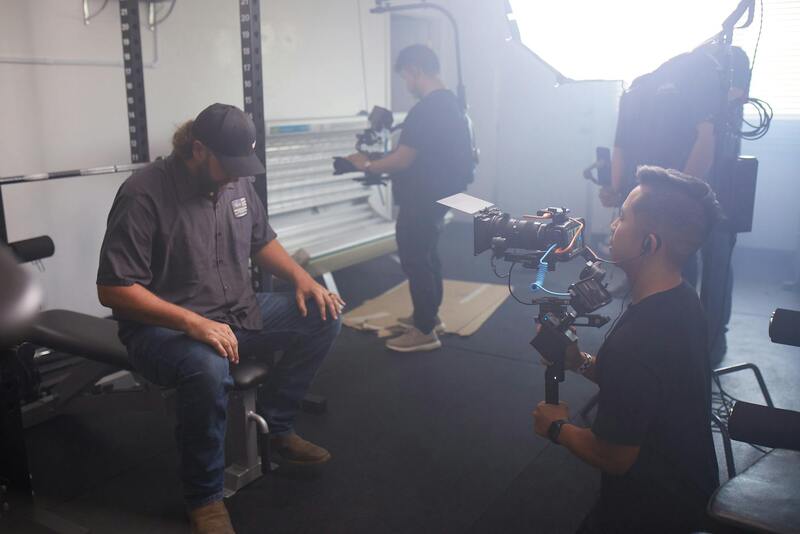
Utilize consistent branding elements, such as watermarks or logos, subtly embedded within images to reinforce brand recognition without detracting from the property's presentation. Incorporating a diverse set of visuals—including exterior shots, interior highlights, and unique features—provides a comprehensive view that caters to varied buyer interests. Leveraging virtual staging techniques, when appropriate, can further enhance the property's visual appeal, making spaces appear more inviting and functional.
Integrating With Marketing Campaigns
High-quality photographs should be seamlessly integrated into all digital marketing efforts. This includes website listings, social media campaigns, email newsletters, and online advertisements. Consistent use of professional images across channels helps establish a strong visual identity and builds credibility with potential clients. Interactive features such as virtual tours or 360-degree views, utilizing the initial quality images, offer immersive experiences that elevate buyer engagement.
Furthermore, professional photography can be used in print marketing materials, such as brochures and flyers, which still hold significance in local marketing campaigns. High-caliber visuals lend an air of professionalism and trustworthiness, encouraging prospective clients to reach out or schedule viewings. By aligning quality imagery with targeted marketing messages, realtors can significantly improve the overall effectiveness of their promotional strategies.
Adapting to Evolving Consumer Preferences
As digital platforms evolve, so do user expectations for immersive, visually appealing content. Incorporating emerging trends such as 3D virtual tours and augmented reality experiences can be a natural extension of professional realtor photography. These innovations rely on high-quality images and advanced imaging technology, providing prospective buyers with a realistic sense of space from any location. Maintaining a consistent standard of high-quality visuals ensures that real estate professionals remain competitive in a rapidly changing market landscape.
Post-Processing and Image Optimization
After capturing high-quality images, the subsequent step involves meticulous post-processing to enhance the visual appeal while maintaining authenticity. Professional photo editors utilize advanced software to adjust brightness, contrast, and color balance, ensuring each image accurately reflects the property's true appearance. This process also includes removing minor imperfections such as dust, shadows, or reflections that could distract viewers and diminish the overall impression.
Image optimization is critical to ensure quick load times on digital platforms without sacrificing quality. Realtors should compress images appropriately to facilitate seamless website performance, especially across mobile devices where faster load speeds contribute to better user experience and higher engagement rates. Selecting appropriately sized images for different marketing channels—such as social media, email campaigns, or property listings—maximizes their impact while maintaining visual integrity.
Additionally, incorporating consistent branding elements, such as logo placement or specific color grading, can strengthen a realtor’s visual identity. Professional editing not only enhances aesthetics but also ensures images are aligned with current design trends, creating a polished and cohesive look across all marketing materials.
Integrating Professional Photos into Marketing Strategies
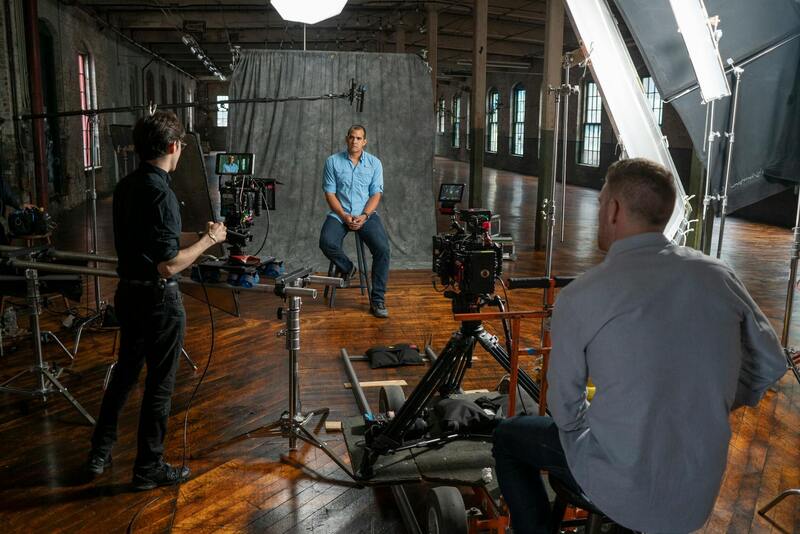
Leveraging high-quality images across diverse marketing channels is essential for maximizing visibility and attracting potential buyers. Effective integration begins with website listings, where compelling visuals can significantly influence a viewer’s decision to explore further or schedule a viewing. Consistent use of professional photos on a realtor’s website builds trust and portrays a polished image.
Social media platforms provide dynamic opportunities to showcase properties. Using visually striking images in posts, stories, and advertisements increases audience engagement and shares. Incorporating virtual tours and 360-degree views directly alongside professional images offers an immersive experience, encouraging longer visits and higher interaction rates.
Email newsletters serve as personalized communication tools where professional property photos can highlight recent listings or open house events. Well-curated images help convey the property's unique features and evoke emotional responses, prompting recipients to take action.
Print marketing remains relevant, especially in local outreach efforts. Brochures, flyers, and postcards featuring enhanced images add perceived value and professionalism, reinforcing a consistent brand message. When images are used across all channels, they collectively create a cohesive visual identity that enhances brand recognition and credibility.
Trends and Innovations in Realtor Photography
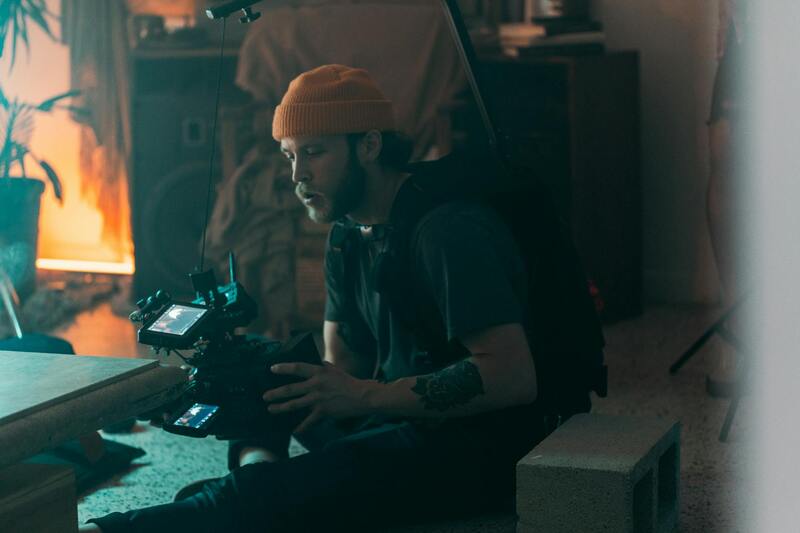
Staying ahead in the competitive real estate market involves adopting emerging trends and innovative techniques. The adoption of 3D virtual tours and augmented reality (AR) experiences relies heavily on professionally captured imagery. These immersive technologies allow prospective buyers to explore properties remotely with realism and confidence, expanding market reach.
Drone photography continues to evolve, offering breathtaking aerial views that showcase property exteriors and surrounding neighborhoods from unique vantage points. This perspective provides a comprehensive understanding of the property's context and appeal, making listings more attractive to potential buyers.
High dynamic range (HDR) imaging remains a cornerstone of modern realtor photography, capturing a broader spectrum of light and detail. This technique ensures images are vibrant, balanced, and true to life, even in challenging lighting conditions.
Emerging software tools facilitate real-time editing and augmented enhancements, allowing realtors to showcase properties with minimal delay. This rapid turnaround ensures listings are promptly updated with the freshest, most compelling visuals, translating into quicker sales cycles.
Post-Processing and Image Optimization
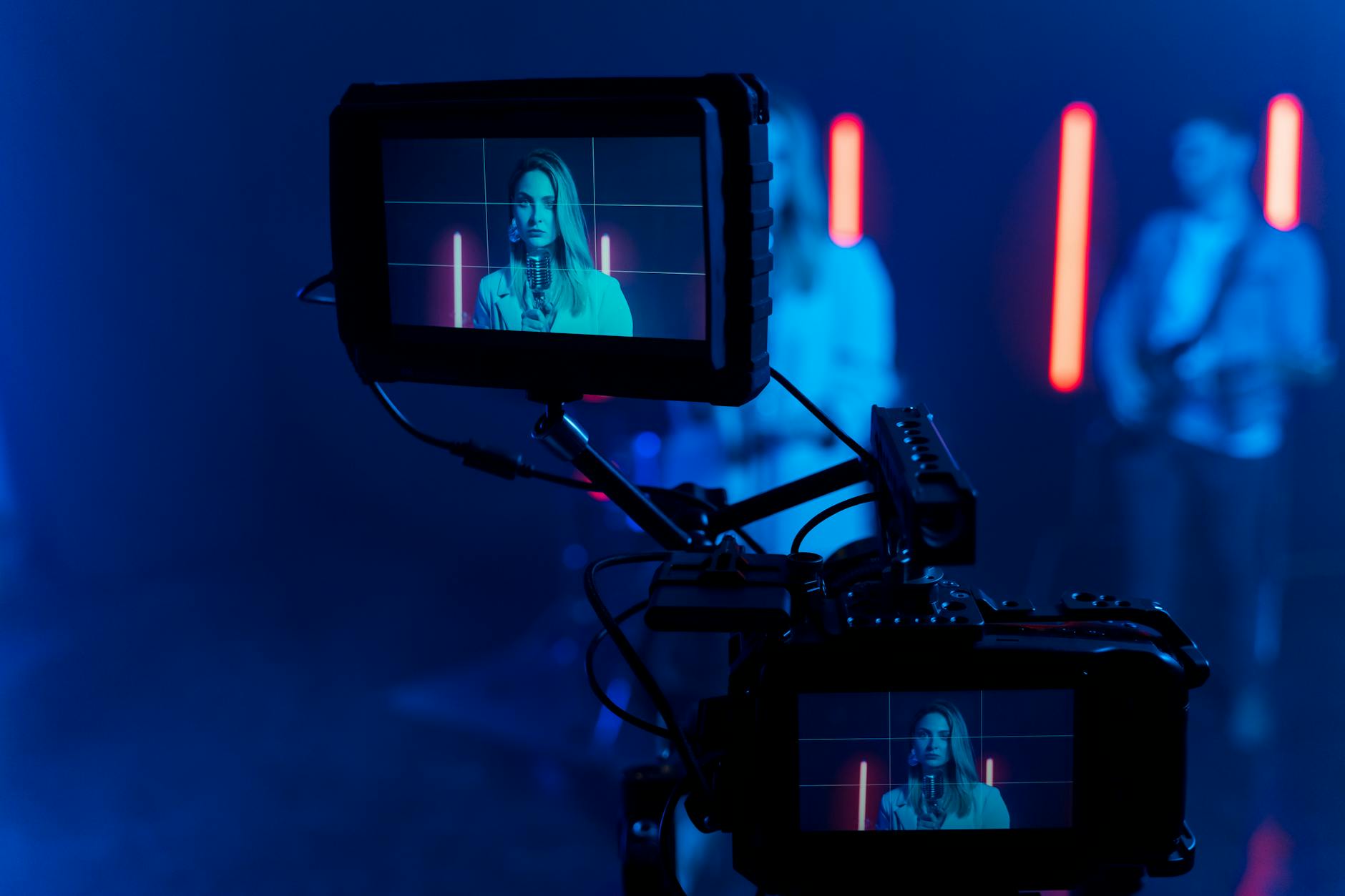
Once the initial photography session concludes, the post-processing phase begins, transforming raw images into compelling visual assets that draw potential buyers’ attention. Professional real estate photographers employ advanced editing techniques to enhance each image's clarity, color accuracy, and overall appeal. This process involves meticulous color correction to ensure that the property’s hues are true to life, emphasizing warm tones that evoke comfort and neutrality that appeals to a broad audience.
Beyond basic adjustments, image retouching can address minor imperfections, such as distracting reflections or background clutter, without altering the authentic look of the property. Carefully managed smoothing and sharpening techniques help highlight architectural details, textures, and features, creating a more inviting view of the space.
In addition to aesthetic enhancements, optimizing images for online platforms is crucial. This includes compressing files to ensure rapid loading times while maintaining visual integrity. Proper file formatting—such as utilizing JPEG or WebP formats—balances image quality with file size, improving user experience across desktops and mobile devices.
Meta-data tagging and accurate descriptions also play essential roles in search engine visibility. Incorporating relevant keywords, such as professional realtor photography, within image file names and alt-text improves indexing and discoverability on search engines, ultimately supporting higher rankings and more exposure for listings.
By leveraging specialized software and expert editing skills, professional photographers ensure that each property photo not only captures the space’s essence but also performs optimally in digital marketing efforts. This strategic combination of aesthetic refinement and technical optimization results in visuals that are both appealing and functional, driving engagement and accelerating the sale process.
Making Use of Visual Storytelling Techniques
Professional realtor photography extends beyond mere visual representation; it incorporates storytelling that captivates potential buyers. By capturing a sequence of images that highlight the flow and purpose of each space, photographers can craft a narrative that resonates emotionally with viewers. This approach includes showcasing lifestyle aspects—such as a cozy breakfast nook or an inviting backyard—that help buyers envision themselves living in the home.

To achieve this, professional photographers often utilize techniques such as strategic framing, mood-enhancing lighting, and selective focus. Natural light is prioritized to produce bright, welcoming images, while domelight or supplemental lighting can be employed to eliminate shadows and highlight architectural details. The aim is to showcase each property's unique character in a manner that is both authentic and engaging.
Implementing Consistent Branding and Style
Maintaining a cohesive visual style across all images reinforces brand recognition and professionalism. Realtors often work with photographers to establish color grading, perspectives, and composition standards that reflect their branding. Consistent use of these elements ensures that when prospective buyers see the images multiple times, they associate the visuals with a trusted, high-quality source.
Furthermore, consistent photography style makes it easier to create marketing materials such as virtual tours, listing brochures, and online ads that appear uniform and polished. This level of professionalism increases the perceived value of the property and supports the realtor's overall branding strategy.
Utilizing Advanced Techniques for Distinctive Images
Beyond standard photography, professionals employ advanced techniques such as drone shots, 360-degree panoramas, and HDR (High Dynamic Range) imaging. Drone photography captures expansive views of the property’s exterior and surroundings, providing a perspective that static photos cannot convey. 360-degree images create immersive virtual tours, allowing potential buyers to explore the space remotely.
HDR imaging enhances detail across the entire photo, balancing light and shadow to produce crisp, vivid images that faithfully represent the property's appearance under different lighting conditions. These innovative techniques differentiate listings in a competitive market, attracting more attention and engagement.
Enhancing Property Listings with Strategic Image Placement
The placement and sequence of images on all digital platforms are crucial components of a compelling listing. High-quality images should be arranged to tell a logical story, beginning with exterior shots to establish curb appeal, followed by interior images that highlight key living areas, bedrooms, and unique features.
Including a mix of wide-angle shots to showcase space and detailed close-ups of finishes and fixtures enriches the viewer’s experience. Consistently applying optimal composition rules ensures each image supports a comprehensive understanding of the property, ultimately facilitating quicker decision-making for potential buyers.
Implementing a Consistent Visual Style and Branding
To maximize the impact of professional realtor photography, it is vital to establish a consistent visual style that aligns with the property's branding and target market. Cohesive color schemes, lighting, and framing techniques across all images create a unified look that enhances brand recognition and appeals to potential buyers.
Realtors should work closely with their professional photographers to develop a style guide that specifies preferred angles, lighting standards, and post-processing preferences. This consistency helps to reinforce the property's unique selling points and presents a professional, polished image that stands out in online listings, social media platforms, and print materials.
Utilizing Interactive and Immersive Technologies
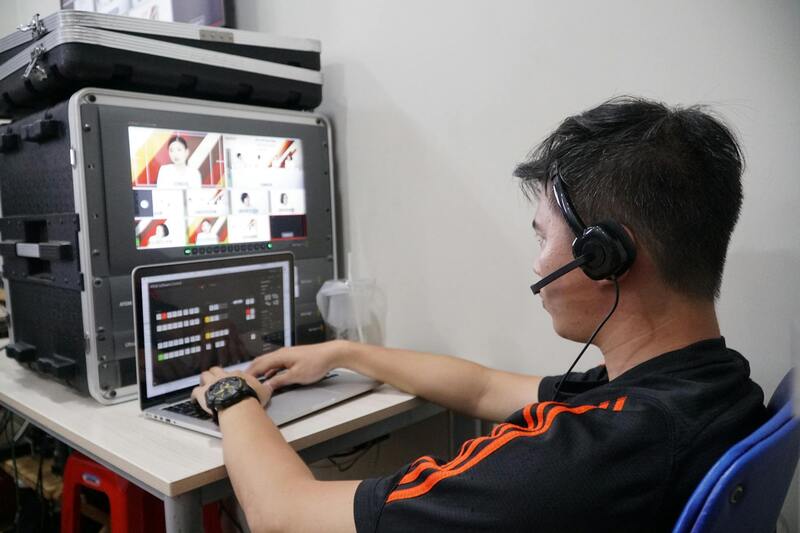
As the real estate market continues to evolve, integrating cutting-edge technologies into visual marketing strategies offers a competitive edge. Virtual reality (VR) tours and 3D walkthroughs provide potential buyers with an immersive experience that static images cannot replicate. These tools enable viewers to navigate through a property remotely, gaining a realistic sense of space and layout.
High-quality professional photography serves as the foundation for these advanced features. By capturing detailed, well-lit images from multiple angles, realtors can facilitate seamless virtual experiences that attract more serious inquiries and reduce the need for physical visits. This approach broadens the reach of property marketing efforts, especially for out-of-town or international buyers.
Measuring the Impact of Professional Realtor Photography
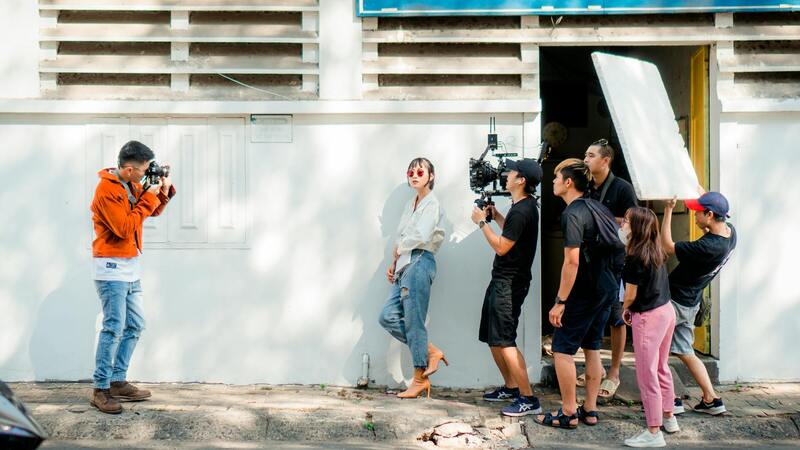
To evaluate the effectiveness of professional images in marketing campaigns, realtors should track key performance indicators (KPIs) such as engagement rates, number of inquiries, and time on market. Analyzing these metrics can reveal the tangible benefits of investing in high-quality photography, including faster sales cycles and higher sale prices.
Many real estate agencies utilize sophisticated analytics tools to monitor digital interactions and conversions, enabling them to refine their visual content strategies continuously. Regularly updating listings with fresh, compelling images ensures that properties remain competitive and appealing in a crowded marketplace. The strategic use of professional photography not only elevates the property's presentation but also directly influences buyer perception and decisiveness.