Importance of High-Quality Real Estate Photography
In the competitive real estate market, visual presentation plays a crucial role in attracting potential buyers and closing sales efficiently. High-quality professional real estate photography serves as a powerful marketing tool that enhances the appeal of properties online and offline. When prospective buyers browse real estate listings, visually compelling images immediately capture their attention, encouraging them to explore further. These images influence their perception of a property's value and help differentiate listings from the multitude of options available in the market.
Utilizing professional photography ensures that each property is showcased in the best possible light, highlighting its unique features, spaciousness, and layout. Properly executed images create an immersive experience for viewers, making them feel as though they are stepping inside the property. This emotional connection increases the likelihood of scheduling viewings and making offers. Additionally, professional photos can significantly reduce the time a property spends on the market by attracting serious buyers right from the start.
Effective property marketing relies heavily on quality imagery to generate interest across various digital platforms, including real estate websites, social media, and email campaigns. High-resolution images with accurate color representation and well-balanced lighting not only enhance visual appeal but also communicate professionalism and trustworthiness. As a result, properties gain more visibility, generate more inquiries, and experience faster sales cycles.
In a market where first impressions are paramount, the investment in professional real estate photography directly correlates with increased engagement, higher perceived value, and ultimately, more successful transactions. Real estate professionals recognize that leveraging top-tier imagery elevates their listings, builds credibility, and fosters long-term client confidence.

Choosing the Right Equipment and Techniques
For professional real estate photography to achieve impactful and high-quality results, selecting appropriate equipment and applying the best techniques are essential. The foundation of compelling images lies in the use of advanced cameras, lenses, and lighting gear that can accurately capture the property's details, ambiance, and spatial dimensions.
High-resolution digital cameras boasting full-frame sensors are standard in the industry, providing clarity, sharpness, and the ability to handle various lighting conditions effectively. Wide-angle lenses—typically ranging from 14mm to 24mm—are instrumental in capturing expansive room interiors, allowing viewers to grasp the full scope of a space without distortion.
Lighting stands as a critical component in establishing mood and highlighting property features. Natural light should be maximized by choosing optimal times of day and ensuring windows are unobstructed. Supplementary artificial lighting, such as strobes or softboxes, can fill shadows and balance the overall exposure, resulting in vibrant yet realistic images.
To maintain consistency and professionalism, employing a tripod stabilizes shots, reduces blurriness, and facilitates precise framing. HDR (High Dynamic Range) photography techniques—merging multiple exposures—enhance detail in both bright and dark areas, especially in properties with varied lighting conditions or multiple windows.
Mastering these techniques requires an understanding of composition principles as well. Symmetry, leading lines, and framing help guide the viewer’s eye through an image and draw attention to focal points. Proper alignment and minimizing distortions ensure that the property’s true dimensions are conveyed, boosting viewer confidence.
Attention to detail during the shoot—such as decluttering spaces, adjusting window coverings, and choosing angles that showcase desirable features—further enhances the quality of the final images. Collaboration with professional photographers skilled in real estate imagery can dramatically elevate the presentation, ensuring every shot aligns with marketing objectives and appeals to the target audience.
}Optimal Techniques for Capturing Real Estate Images
Employing advanced methods in real estate photography ensures that each property is showcased in its best light, attracting serious buyers and facilitating quicker sales. One of the fundamental techniques is the strategic use of lighting. Natural light is preferable; it illuminates spaces evenly and creates a welcoming atmosphere. Shooting during the golden hours—shortly after sunrise or before sunset—can infuse images with warm tones and soft shadows, making interiors and exteriors appear more appealing.
Supplementing natural light with artificial sources can correct deficiencies and add depth. Strobes or softboxes positioned correctly can eliminate shadows and highlight architectural details. Using a tripod is essential to maintain consistency across shots, especially in interior spaces where slight camera movements can cause blurring. It also aids in achieving level horizons and precise framing, which are vital for an authentic representation of the property’s dimensions.
High Dynamic Range (HDR) photography is an effective technique for capturing the full range of light in a scene. By shooting multiple exposures—underexposed, correctly exposed, and overexposed—professionals can merge these images during post-processing. This process preserves detail in both bright areas, such as windows or skylights, and darker corners, ensuring a balanced, vivid image without losing critical information.
Employing bottom-up or top-down angles is strategic in emphasizing particular features or creating a sense of space. Wide-angle lenses are standard in real estate photography because they capture more of the room, making spaces appear larger and more open. However, it's essential to avoid distortion by adjusting focal lengths and ensuring proper alignment. Post-processing software can correct any perspective issues, straighten lines, and enhance colors to match the actual appearance of the property.
To truly maximize impact, the staging of the property prior to photography is essential. Decluttering spaces, adjusting light fixtures, and choosing angles that accentuate desirable features can dramatically improve image quality. Collaborations with professional photographers proficient in real estate imagery ensure that each shot aligns with approved marketing strategies and captures the property's essence authentically.
Maximizing Impact through Consistent and Strategic Shooting
Consistency across a property’s images creates a cohesive viewing experience that reinforces professionalism and trustworthiness. Maintaining similar angles, lighting schemes, and color tones throughout the shoot helps convey a reliable and curated presentation. Strategic planning, such as photographing the property at optimal times for lighting conditions and considering white balance, ensures that images are vibrant and appealing without appearing artificial.

Furthermore, attention to detail when composing each shot—such as ensuring the windows are unobstructed, removing extraneous objects, and highlighting architectural features—can significantly influence a viewer's perception. Utilizing panoramic or 360-degree photography can also supplement traditional images, providing viewers with a more immersive experience of the space. Such techniques, combined with professional editing, elevate the property's visual narrative, enticing potential buyers to explore further and fostering confidence in the listing.
Post-Processing and Photo Editing
After capturing high-quality images, the post-processing phase plays a crucial role in refining the visual presentation of a property. Skilled editing ensures that each photo accurately represents the space, emphasizing its best features while maintaining natural appeal. Color correction is vital to match the actual lighting conditions, making interiors look warm and inviting without oversaturation. Adjusting contrast and brightness helps create depth and clarity, preventing images from appearing flat or dull.
In addition to basic adjustments, real estate professionals often utilize advanced editing techniques for specific enhancements. These include straightening lines and horizon levels to avoid distortions, as well as removing minor imperfections such as stray objects or reflections that distract from the property's appeal. When appropriate, photomontage or HDR (High Dynamic Range) imaging can be employed to balance areas with complex lighting, enabling details in both bright and shadowed regions to be visible. Such careful editing ensures that the property looks its absolute best, attracting serious buyers and accelerating the sales process.

Collaborating with Real Estate Agents and Clients
Effective communication between photographers and real estate professionals is essential to capture images that align with marketing goals. Providing clear guidance on what aspects of the property to emphasize helps create images that resonate with the target audience. Photographers often consult with agents beforehand to understand key features worth showcasing, such as unique architectural elements or outdoor spaces.
Feedback during and after the shoot allows for adjustments and ensures the final set of images meets expectations. Understanding the client's brand voice and marketing strategy enhances the overall presentation, resulting in a cohesive visual story that can be used across various platforms. This collaborative approach fosters trust and streamlines the process, leading to more impactful listings.
Utilizing the Proper Techniques to Capture Authentic and Appealing Images
Achieving standout results in real estate photography hinges on employing proven techniques that highlight a property's best features while maintaining authenticity. The selection of appropriate camera settings, such as aperture, shutter speed, and ISO, plays a vital role in producing crisp images with true-to-life colors and accurate representations of space. For example, using a wide-angle lens enables capturing expansive interiors and architectural details that might be missed with standard lenses, giving potential buyers a comprehensive view of the property.
Additionally, timing the shoot to take advantage of natural light enhances the warmth and openness of the space. Morning or late afternoon sunlight can add depth and soften shadows, creating inviting atmospheres that appeal to viewers. Properly balancing interior and exterior shots by adjusting exposure settings ensures that both indoor features and outdoor vistas are vividly displayed without overexposure or underexposure, which can diminish visual impact.
Photographers should also pay close attention to framing and composition, applying principles such as the rule of thirds and leading lines to guide the viewer’s eye through the image. Highlighting focal points like a fireplace, kitchen island, or scenic view draws attention to the property's unique selling points. For exterior shots, emphasizing curb appeal with well-timed angles and clean landscaping enhances the property's first impression.
To add dynamic appeal, some professionals incorporate drone photography for sweeping aerial views, providing broader context for spacious lots or scenic surroundings. These shots serve as valuable visuals that set listings apart by presenting the property within its broader environment, emphasizing accessibility, neighborhood characteristics, and nearby amenities.
Effective use of editing software further refines these images, balancing colors and contrast while preserving natural appearance. The goal is to produce visually compelling photos that accurately depict the property, creating an inviting virtual experience for prospective buyers. Consistency across all images ensures a cohesive presentation that reinforces the professional quality of the listing.
Post-Processing and Photo Editing
After capturing the initial images, the next vital step in professional real estate photography involves meticulous post-processing and editing to enhance visual appeal while maintaining authenticity. This process is crucial for ensuring that each photograph accurately reflects the property’s true features and ambiance, which directly influences prospective buyers’ perceptions and interest.
Post-processing begins with adjusting basic parameters such as exposure, contrast, and white balance to ensure the images are bright, clear, and true to life. Proper color correction helps highlight the property’s most appealing aspects, whether it’s the warm tones of wooden flooring or the freshness of freshly painted walls. Balancing colors also avoids over-saturation, which can distort the viewer’s perception.
Next, professionals often employ advanced editing techniques to correct lens distortions, straighten lines, and eliminate imperfections such as dust spots or minor distractions in the frame. Doing so results in cleaner, more polished images that provide an unobstructed view of the property.
High Dynamic Range (HDR) processing plays a pivotal role in real estate photography, especially in challenging lighting conditions. HDR effectively combines multiple exposures to capture both interior and exterior details, ensuring that shadows are not too dark and highlights are not washed out. This technique results in images that display a well-balanced and detailed view of each space.
Furthermore, virtual staging can be integrated during post-processing. This involves digitally adding furniture and decor to empty rooms, helping buyers envision the potential of each space without the cost and effort of physically staging the property. Virtual staging thus enhances the visual narrative, making listings more appealing.
Consistency in editing style is essential across all property images. This means applying uniform brightness, color grading, and perspective corrections to create a cohesive visual story. Such uniformity reinforces professionalism and helps your listing stand out in a competitive market.
Finally, optimizing images for online platforms ensures they load quickly without sacrificing quality. This involves choosing the correct resolution and file format, along with compressing images appropriately. Well-processed, optimized photographs serve as powerful marketing tools that attract more viewers and generate higher engagement.
Effective Techniques for Capturing True Property Potential
Employing specific strategies during a professional real estate photo shoot can significantly elevate the visual appeal of a property. The goal is to produce images that highlight the home's best attributes while maintaining an authentic feel that resonates with prospective buyers. Optimal lighting setup, strategic angles, and proper framing are fundamental to achieving this. For example, natural light should be maximized to illuminate interior spaces, creating an inviting atmosphere. Artificial lighting can be added around fixtures or in darker corners to eliminate shadows without overexposing other areas.
Choosing the right lens and camera settings is essential for capturing accurate perspectives. A wide-angle lens is commonly used to depict spaciousness and layout, though it must be handled carefully to avoid distortion. Aperture settings should be adjusted to keep foreground and background elements sharp, especially in rooms where depth is important. A higher ISO can be used in low-light conditions, but care must be taken to minimize noise that could detract from image quality.
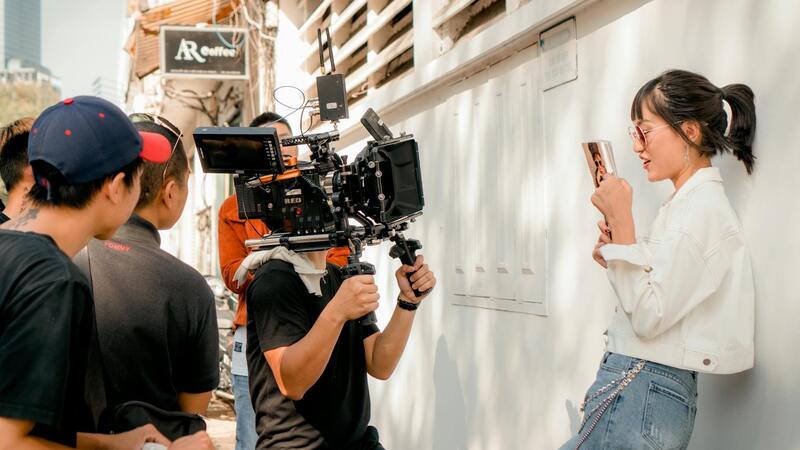
Additional techniques include utilizing drone photography for exterior overhead shots, providing unique perspectives that emphasize property size and landscape features. Interior shots benefit from flood lighting and reflective surfaces, such as mirrors or glossy floors, which can enhance brightness and create more vibrant images. Consistent use of a tripod helps maintain camera stability, ensuring sharp and clear photographs even in lower light situations or when using longer exposure times.
Incorporating Virtual Tours and 3D Imaging for Enhanced Engagement
Beyond static images, integrating virtual tours and 3D walkthroughs offers a dynamic experience for potential buyers. These methods allow users to navigate the space interactively, gaining a comprehensive understanding of the property's layout and flow. High-resolution imaging ensures these virtual representations are detailed and realistic, fostering greater interest and trust in the listing.
To successfully leverage these advanced tools, consistent and quality imagery is necessary as input, solidifying the importance of professional photography standards. When executed properly, virtual tours serve as powerful marketing assets that can reach a broader audience while reducing the need for in-person visits, especially in initial stages of the buying process.
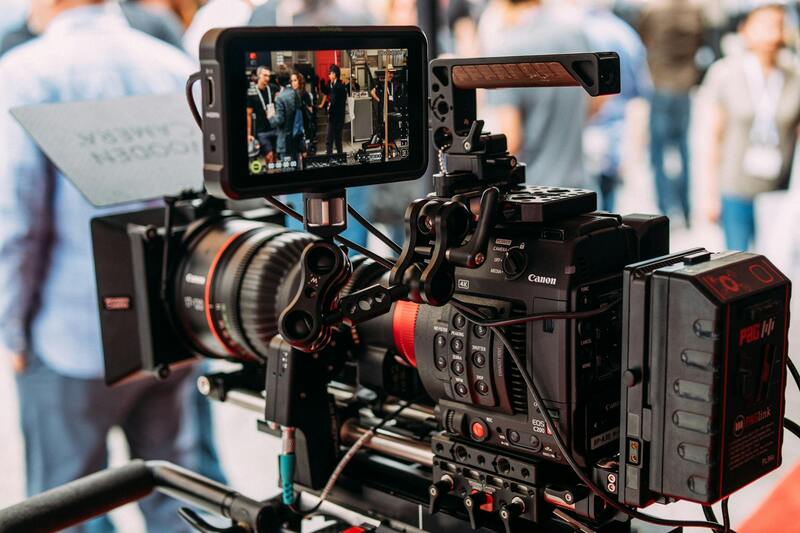
Overall, employing a combination of precise technical methods, innovative imaging techniques, and supplementary virtual tools ensures that real estate listings stand out. Engaging, professional photography not only captures the property’s essence but also acts as a catalyst for increased interest and quicker sales cycles.
Maximizing the Impact of Professional Real Estate Photography
High-quality real estate images serve as a vital component in attracting prospective buyers and closing deals efficiently. The visual presentation of a property can dramatically influence its marketability, often determining whether a listing gets the attention it deserves. Expert photography captures the unique features and spatial qualities of a property, emphasizing its best aspects while providing potential buyers with an authentic sense of the space. This authenticity builds trust and helps viewers envision themselves living in the home, which is crucial for generating genuine interest.
Crafting a Cohesive Visual Narrative
Professional real estate photography isn’t just about taking pictures; it’s about telling a story of the property’s lifestyle and character. A well-curated set of images illustrates the flow from room to room, highlighting architectural details, natural light, and outdoor spaces. This narrative approach encourages viewers to engage more deeply with the listing, increasing the likelihood of scheduling a viewing or making an offer. Consistency in style and tone across all images ensures that the property’s presentation remains polished and compelling.
Enhancing Listing Visibility and Engagement
Optimized listing images can significantly improve online search rankings on property portals and real estate websites. High-resolution images with accurate color reproduction are more likely to be featured prominently, attracting increased clicks and inquiries. In a competitive real estate environment, stunning visuals act as a differentiator, capturing the attention of potential buyers amidst numerous listings and sparking their interest to explore further.
Role of Visual Content in Digital Marketing Strategies
Beyond the immediate listing, professional images serve as foundational assets for broader marketing campaigns. They are pivotal in social media promotion, email marketing, and virtual tour creation. Sharing vibrant, professionally captured photos increases audience engagement, drives traffic to property pages, and supports lead generation efforts. Consistently high-quality visuals also elevate the overall brand reputation of the real estate agency, positioning it as a trusted authority that delivers excellence.