
Importance of High-Quality Property Images
In the competitive real estate market, the visual presentation of a property can significantly influence a potential buyer’s decision. For estate agents, professionally captured images serve as the primary touchpoint for prospective clients examining listings online. Bright, clear, and appealing photographs are fundamental in capturing attention amid a sea of property options, often making the difference between a listing that garners interest and one that remains unnoticed.
High-quality images enhance a property’s perceived value, showcasing its features, layout, and unique selling points in the best possible light. This not only attracts more views but also fosters a sense of trust and professionalism, positioning the estate agency as dedicated to quality and client satisfaction. The ability to highlight key elements such as spacious interiors, modern finishes, and attractive exteriors through expertly composed images can significantly expedite the sales process, reducing time on the market.
Moreover, excellent photography influences the online browsing experience, encouraging longer engagement and higher interaction. In today’s digital-first environment, potential buyers often form immediate impressions based on images alone. For estate agents operating in Miami, where the luxury market demands exceptional presentation, professional photography elevates listings above competitors, establishing a strong online presence that drives enquiries and conversions.

Key Elements of Effective Real Estate Photography
Effective real estate photography hinges on several critical elements that work together to craft compelling visuals:
- Lighting: Natural light enhances the ambiance and highlights a property’s best features. Professional photographers often time shoots during optimal lighting conditions or use supplementary lighting to brighten spaces evenly.
- Composition: Proper framing and perspective emphasize the property’s spatial flow and architectural details. Techniques like the rule of thirds and strategic angles lead viewers’ eyes through the property logically and appealingly.
- Image Quality: High-resolution images ensure clarity and detail, vital for showcasing textures, finishes, and intricate elements. This removes any pixelation or blurriness that can diminish a listing’s impact.
- Staging and Decluttering: Preparing a property by removing clutter and arranging furniture enhances visual appeal and allows potential buyers to envision living spaces.
- Post-Processing: Subtle editing can correct color balance, straighten horizons, and enhance brightness and contrast without over-altering images, preserving authenticity while improving aesthetic appeal.
Choosing the Right Equipment and Techniques
Utilizing advanced camera gear, including wide-angle lenses, tripod systems, and drone photography, allows for comprehensive and immersive visuals of property exteriors and interiors. Techniques such as HDR (High Dynamic Range) imaging facilitate capturing details in both bright and shadowed areas simultaneously, delivering well-balanced photographs that represent rooms accurately.
For estate agents, partnering with professional photography services ensures consistent quality across listings, leveraging the latest equipment and techniques tailored to real estate marketing needs.
Key Elements of Effective Real Estate Photography
To ensure listings attract maximum attention, real estate photography must focus on several core elements that enhance visual storytelling. Proper lighting is fundamental; it not only clarifies the space but also accentuates architectural features and interior finishes, creating an inviting atmosphere. While natural light is preferred during daytime shoots, supplementing it with professional lighting equipment ensures consistent results, especially in interiors where sunlight may be limited.
Composition plays a pivotal role in guiding viewers through the property. Techniques such as the rule of thirds help position key elements within the frame for balanced visuals. Strategic use of angles, including corner shots and eye-level perspectives, can make spaces appear larger and more welcoming. Incorporating high or low vantage points can also reveal unique architectural details that might otherwise go unnoticed.
Staging and decluttering are essential preparatory steps. Clear, well-organized spaces allow potential buyers to visualize their own lives in the property, reinforcing emotional connection. Simple adjustments like removing personal clutter, arranging furniture to create a natural flow, and highlighting focal points such as a fireplace or view can significantly elevate image impact.
Angles and focal points should be carefully selected to showcase a property's individual strengths. Wide-angle lenses are invaluable for capturing spaciousness, but they must be used judiciously to avoid distortion. Highlighting key features—like a modern kitchen backsplash, a scenic outdoor view, or an elegant staircase—can turn an ordinary shot into a compelling visual narrative.

Choosing the Right Equipment and Techniques
The backbone of impactful real estate imagery involves selecting advanced camera gear suited for diverse settings. Wide-angle lenses permit broad views of interior spaces, making rooms appear more spacious and inviting. A sturdy tripod ensures stability during shooting, critical for achieving sharp images, especially in lower-light conditions or when employing longer exposures.
Incorporating drone photography adds a new dimension, providing aerial perspectives that highlight outdoor surroundings, landscaping, and the property's overall scale. This panoramic view can enhance online listings by presenting a comprehensive picture that static shots alone cannot deliver.
High Dynamic Range (HDR) imaging is a technique that captures multiple exposures to balance bright and shadowed areas, resulting in detailed, well-balanced photographs. This method ensures interiors look vibrant without losing detail in windows or dark corners, and exteriors showcase natural lighting to appeal to potential buyers.
For estate agents aiming for consistent quality, collaborating with professional photographers equipped with the latest tools and techniques guarantees that each listing portrays the property in its best light. Tailored approaches, adapting lighting setups and shooting angles to specific features, can make a significant difference in marketing effectiveness.
Enhancing Visual Appeal through Professional Techniques and Equipment
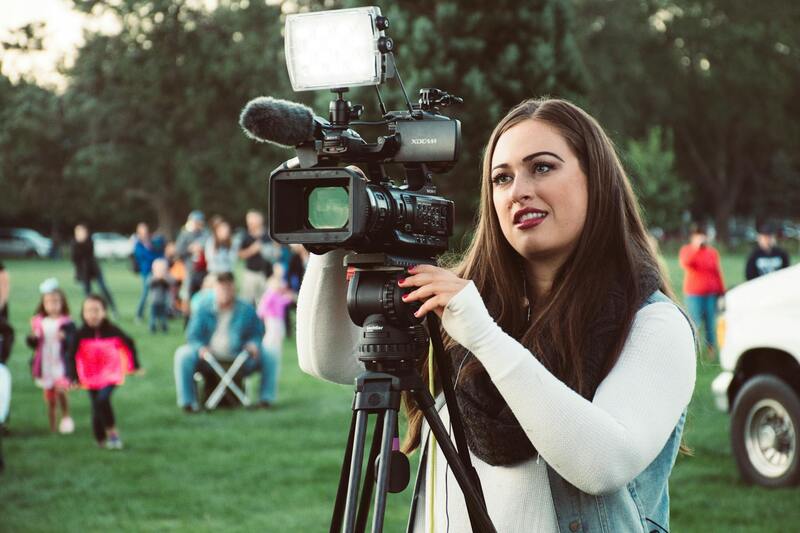
Employing state-of-the-art photography methods is essential for estate agents aiming to showcase properties attractively. High-resolution digital cameras form the foundation of compelling visuals, capturing intricate details that resonate with prospective buyers. Wide-angle lenses are particularly effective in interior photography, allowing a single shot to encompass the full scope of a room, creating an inviting and spacious impression. Proper use of lighting, whether natural or artificial, plays a crucial role in highlighting the property's best features, reducing shadows, and ensuring colors are vivid and true to life.
Integrating drone photography introduces a new perspective that emphasizes the property's placement within its environment. Aerial shots reveal landscaping, neighboring amenities, and the overall setting, offering a comprehensive visual story that static images cannot provide. This bird’s-eye view can distinguish listings and draw more interest from potential clients. For exterior shots, shooting during golden hours—the early morning or late afternoon—captures warm lighting conditions, boosting curb appeal and making the property more welcoming in online presentations.

Beyond still imagery, virtual tours and high Dynamic Range (HDR) imaging further elevate the quality of real estate presentations. HDR combines multiple exposures to produce images with balanced lighting, capturing details in shadowed areas and windows, ensuring each shot reflects the true essence of the space. Virtual walkthroughs add an interactive element, allowing viewers to explore the property remotely, which has proven effective in engaging more serious buyers who can experience the flow and layout without physically visiting.
Strategic Use of Equipment for Impactful Listings
- High-resolution cameras: Capture sharp, detailed images that highlight every feature.
- Wide-angle lenses: Maximize space perception and room size in interior shots.
- Drone technology: Provide comprehensive outdoor views and landscape context.
- Lighting equipment: Ensure consistent and flattering light, even in challenging conditions.
- Virtual tour software: Create immersive, interactive property experiences for online viewers.
Using specialized techniques such as panoramic stitching and strategic staging complements the equipment, ensuring each image conveys the property’s unique appeal. Well-planned camera settings—like appropriate aperture, shutter speed, and ISO—are critical for achieving crisp images with accurate color reproduction, especially when dealing with complex lighting scenarios.
Leveraging Professional Techniques for Competitive Advantage
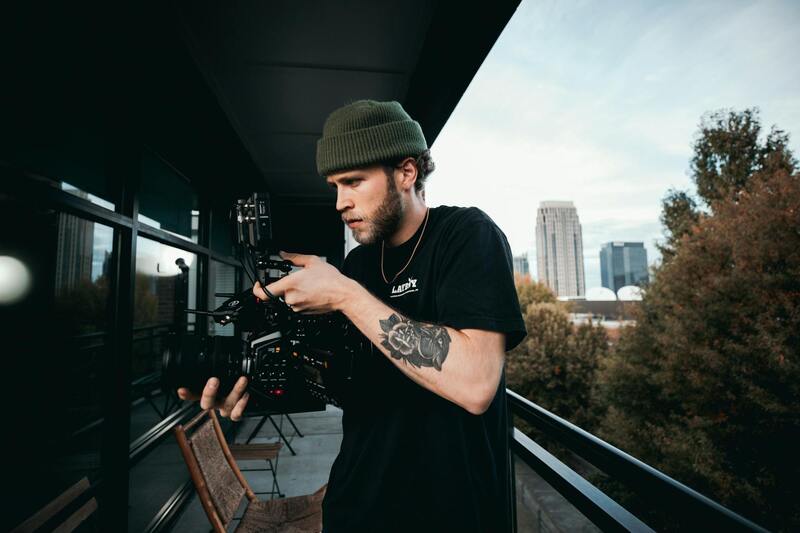
Estate agents who prioritize professional-grade photography differentiate themselves in a saturated market. By employing cutting-edge technology combined with strategic shooting methods—such as capturing images during optimal lighting conditions or choosing angles that showcase key features—agents can produce listings that not only attract more attention but also command higher perceived value. Consistent quality across listings builds trust and reinforces an agent's reputation for professionalism and attention to detail.
Furthermore, post-production editing, when executed by skilled professionals, enhances the visual impact without overdoing it, ensuring images stay authentic and true to the property. Adjustments to brightness, contrast, and color balance can correct minor imperfections and produce polished final images suitable for multiple marketing channels.
Choosing the Right Equipment and Techniques
Effective real estate photography hinges on the proper selection and utilization of equipment as well as advanced shooting techniques. Professional estate agents understand that the quality of visuals directly impacts potential buyers’ perceptions, making it essential to invest in the right tools and methods.
Tripods, for instance, are fundamental in ensuring stability and sharpness, preventing blur caused by hand movement. Wide-angle lenses are particularly advantageous in capturing expansive interior spaces and creating a sense of openness, allowing viewers to experience the property as if they were physically present. High Dynamic Range (HDR) photography is another vital technique, enabling the blending of multiple exposures to accurately depict both bright and shadowed areas, thus preserving detail across the entire image.
Proper camera settings are equally critical. Adjusting aperture, shutter speed, and ISO with precision helps achieve optimal exposure and depth of field. For example, a narrow aperture (higher f-stop) maintains sharpness throughout the scene, while a slower shutter speed captures more light in darker spaces. Balancing ISO prevents grainy images without sacrificing detail.
Lighting techniques are also paramount. Natural light should be optimized by shooting during the daytime and opening curtains or blinds to maximize brightness. Supplementing natural light with professional lighting equipment ensures even illumination, reduces shadows, and highlights architectural features effectively. Techniques such as bounce lighting or softboxes create a welcoming ambiance that entices viewers.
Post-processing offers an additional layer of refinement. Skilled professionals manipulate images with subtle enhancements—adjusting color balance, contrast, and brightness—ensuring the photos accurately represent the property while maintaining authenticity. Picture correction and minor retouching eliminate imperfections, creating compelling visuals that stand out in online listings.
It’s also advantageous to employ specific angles and shot types. High perspectives provide a comprehensive view of room layouts, while eye-level shots establish a personal connection. Wide shots of interiors should emphasize space and flow, with attention to framing that draws focus to key features like kitchens, bathrooms, and living areas.
In addition to equipment, mastering composition and perspective is crucial. Properly balanced images, with strategic use of leading lines and symmetry, guide the viewer’s eye across the space. Ensuring that each photograph is well-composed enhances overall presentation and increases engagement.
Finally, utilizing drone photography, where appropriate, captures aerial views of the property and surrounding neighborhood. Such shots are invaluable for showcasing large estates, outdoor amenities, or unique landscapes, providing a comprehensive perspective difficult to achieve from ground level.
Enhancing Property Appeal with Visual Storytelling
Beyond capturing clean, well-lit images, professional real estate photography for estate agents involves weaving a compelling narrative through visuals. This approach helps potential buyers envision themselves living in the space, emphasizing lifestyle and comfort. The strategic use of lighting, staging, and framing sets the tone, highlighting the property's best features and creating an emotional connection. For example, showcasing a sunlit living room with thoughtfully arranged furniture and minimal clutter communicates spaciousness and warmth. Similarly, capturing outdoor areas during the golden hour accentuates landscape features, inviting viewers to imagine outdoor gatherings or serene mornings. Consistent style and branding across all images further strengthen the property's visual story, making the listing memorable and engaging. Attention to detail in imagery, such as highlighting unique architectural elements or recent renovations, underscores the property's value proposition. Utilizing depth of field to focus on specific features guides the viewer’s eye and creates a curated experience that elevates standard listing photos. Additional techniques include mood lighting and staged scenes that evoke aspiration and desirability. Each photograph should serve a purpose, whether to demonstrate spatial flow, showcase an upgraded kitchen, or emphasize outdoor amenities. When these images are employed effectively within online listings and social media campaigns, they significantly improve visibility and generate more interest from serious buyers.
Best Practices for Image Optimization and Presentation
To maximize online impact, real estate images must be optimized for various digital platforms without sacrificing quality. High-resolution images are essential, but they should be compressed appropriately to ensure quick load times across websites and mobile devices. Clear, sharp visuals attract immediate attention, while reduced load times prevent potential clients from abandoning listings. Meta-data, such as keyword-rich filenames and alt text, improve search engine visibility, helping listings rank higher in local search results. Additionally, implementing a consistent aspect ratio and framing style across all images presents a cohesive look that strengthens professional branding. When preparing images for digital use, cropping and resizing are crucial steps. Cropping should focus on eliminating distractions, aligning key features centrally, and maintaining the property’s proportions. Resizing ensures compatibility with platform specifications, whether for website galleries, social media posts, or virtual tours. Finally, integrating virtual tours with high-quality still images creates a seamless browsing experience. This combination allows potential buyers to explore properties interactively, gaining a comprehensive understanding of space and layout. Well-presented images paired with virtual walkthroughs increase engagement and inquiries, leading to quicker sales.
Enhancing Property Listings with Strategic Visual Techniques
In the digital era of real estate, the visual component of property listings holds unprecedented importance. Professional photography for estate agents is not merely about capturing an image but about creating a compelling narrative that resonates with prospective buyers. Every shot should strategically highlight the property's unique features, optimizing space perception and showcasing its best attributes.
Utilizing natural light effectively is fundamental. Photographers skilled in the craft know how to harness sunlight to illuminate interiors, emphasizing openness and vibrancy. Properly timed shoots during golden hours can dramatically lift the appeal of photographs, producing warm, inviting visuals that stand out online.
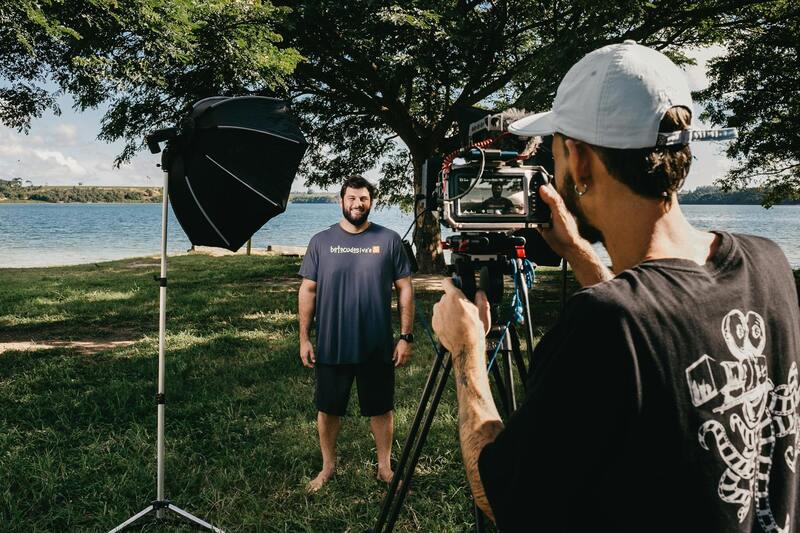
Composition plays a pivotal role in creating impactful images. Wide-angle lenses allow for expansive views of interiors and exteriors, giving potential buyers a comprehensive sense of space. However, mastery is essential to avoid distortion or awkward angles; professional photographers typically use calibrated equipment and editing skills to produce balanced, true-to-life representations.
Incorporating aerial shots through drone photography offers a distinctive perspective, highlighting land boundaries, landscape features, and neighborhood context. Such images can elevate listings, providing a comprehensive overview that static photos may miss. When integrated seamlessly, these visuals offer buyers a holistic view of what makes the property and its surroundings desirable.
Applying Post-Processing for a Polished Look
Post-production editing is equally critical. Adjustments in brightness, contrast, and color saturation should enhance the scene naturally, avoiding over-editing that might misrepresent the property. Advanced techniques include perspective correction, removing optical distortions, and enhancing details to ensure images are crisp and true to life, fostering trust with prospective clients.
Furthermore, consistency in visual style across all property images reinforces a professional brand identity. Uniform framing, lighting, and editing protocols create a cohesive look that builds confidence among clients and reinforces the estate agent’s reputation for quality and reliability.
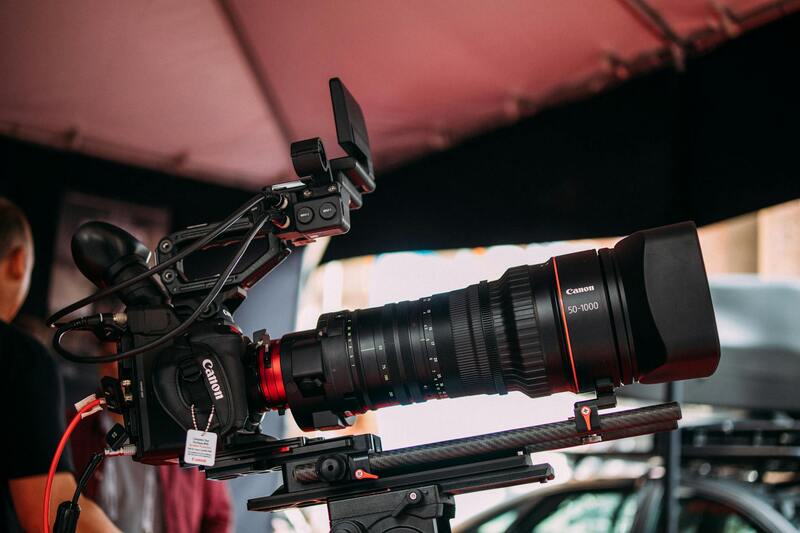
Maximizing the impact of property images extends to careful planning for various platforms. Optimized images boost viewership online, improve search engine results, and increase engagement across social media channels. Professional estate agents understand that these visuals are vital assets in their marketing arsenal – investments that translate directly into faster sales and higher property values.
Enhanced Strategies for Showcasing Properties through Visual Storytelling
For Miami estate agents aiming to elevate their property listings, leveraging advanced visual storytelling techniques can significantly impact a potential buyer's perception. High-quality photography isn't just about capturing a beautiful image; it involves constructing a visual narrative that highlights the unique features of each property while aligning with the broader market expectations. This approach requires careful consideration of composition, lighting, and staging to create an immersive experience that resonates with prospective buyers.
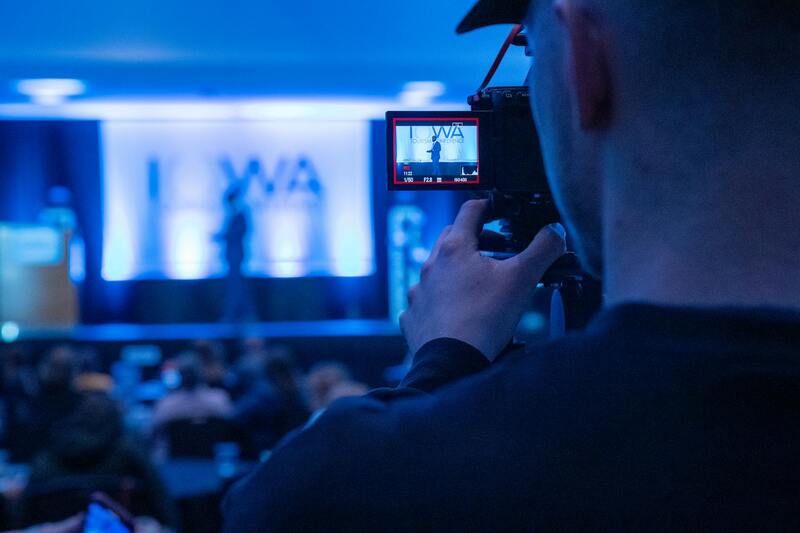
Incorporating wide-angle shots effectively showcases entire rooms, giving viewers a comprehensive understanding of space dimensions without distortion. To achieve this, professionals utilize high-end camera equipment paired with precise lens selection to ensure clarity and perspective accuracy. The use of natural lighting, complemented by supplemental lighting when necessary, helps portray each space in its best light, emphasizing warmth, openness, and inviting atmospheres.
Strategic Composition and Staging for Maximum Impact
Proper staging allows the property to appear well-maintained and appealing, which can be accentuated through meticulous photography. Positioning furniture and decor to create balanced and harmonious visuals enhances viewer engagement. Highlighting architectural features such as high ceilings, large windows, or unique design elements can set a property apart from the competition. Combining these staging techniques with professional photography ensures the property’s best attributes are front and center, facilitating faster interest and potential offers.
Utilizing Aerial and Twilight Photography for Broader Perspectives
In some cases, including aerial shots captured via drone technology provides a comprehensive view of land boundaries, landscaping, and neighborhood context. Twilight photography creates a warm ambiance, effectively showcasing exterior lighting and outdoor spaces during the evening hours. These specialized images can add depth to listings and attract attention across various marketing platforms, reinforcing the property's appeal to a diverse audience.
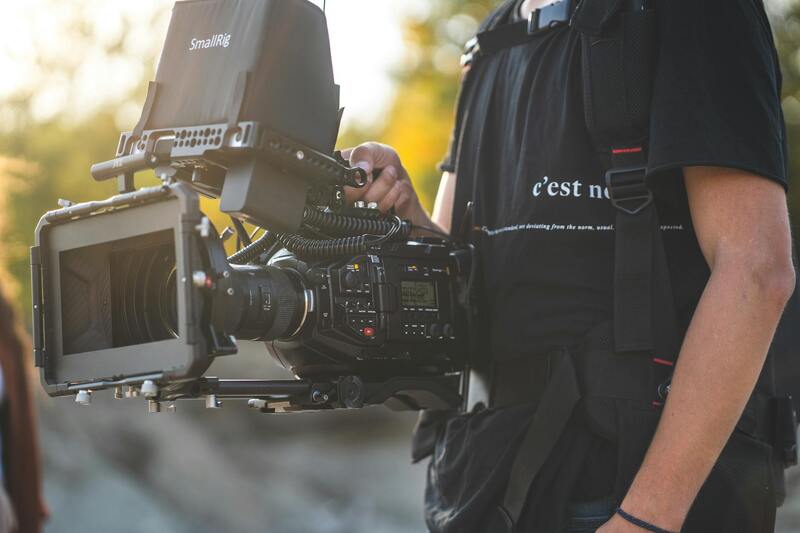
Investing in such diverse imagery techniques ensures listings stand out and communicate the full potential of each property. When these visuals are executed with precision and professionalism, they serve as a reflection of the estate agent’s commitment to quality, fostering trust and confidence among clients and prospects alike.
Cost Considerations and Selecting a Reliable Photography Partner
Choosing the right professional photography service for estate agents in Miami involves more than evaluating price points. While budget constraints are a common consideration, the focus should remain on long-term value and the quality of the results delivered. Reliable photography providers offer a comprehensive suite of services tailored to the needs of the property market, ensuring high-resolution images that capture every detail with clarity and precision. Such providers often include pre-shoot consultations, offering insights into how best to showcase a property, and post-production editing that enhances visual appeal without misrepresenting the property.
When selecting a photography partner, consider their portfolio and experience specifically within the real estate sector. Proven expertise in capturing diverse property types, from luxury estates to compact apartments, indicates their ability to adapt techniques accordingly. Client testimonials and case studies provide further assurance of their professionalism, punctuality, and commitment to client satisfaction.
It is prudent to inquire about the range of services offered, including drone photography, 3D virtual tours, twilight shots, and interior staging photography. A comprehensive service offering ensures that all aspects of a property's presentation are covered, delivering cohesive visuals that align with your marketing strategy.

Pricing structures vary based on the scope of work, complexity of the shoot, and additional services such as image editing or virtual tour creation. Establishing clear expectations and understanding the deliverables, turnaround times, and revision policies can prevent misunderstandings and ensure a smooth collaboration.
Investing in a reputable photography firm that uses advanced equipment and up-to-date techniques, like HDR imaging or aerial drone shots, provides a competitive edge in the Miami real estate market. Such an investment guarantees that listings are not only visually compelling but also aligned with industry standards, fostering trust among potential clients.