
Importance of High-Quality Real Estate Photography
In the competitive Miami real estate market, the power of professional photography cannot be overstated. High-quality images serve as the primary visual representation of a property, influencing prospective buyers’ perceptions before they even step inside. Professionally captured photos help showcase a property’s best features with clarity and precision, making it stand out in online listings, brochures, and social media campaigns. Clear, well-composed images create an emotional connection, encouraging viewers to envision themselves living in the space, which accelerates the decision-making process.
Research consistently demonstrates that listings with superior photography attract more clicks and inquiries. This increased engagement often leads to faster sales and higher offers, especially in bustling markets like Miami, where buyers are inundated with options. Properly executed real estate photography emphasizes the house’s appeal—bright, sharp images that highlight spaciousness, unique architectural details, and attractive landscaping. These shots can significantly affect a property’s perceived value and desirability, making professional photography an essential investment.
Moreover, high-quality imagery supports a trustworthy and professional brand for real estate agents and sellers. It establishes credibility and reassures potential buyers about the property’s condition and worth. Given the importance of first impressions, investing in skilled photography can be a decisive factor in closing sales more efficiently. The vibrant Miami lifestyle, with its sunny weather and scenic vistas, provides an excellent backdrop that, when captured expertly, can elevate a listing’s appeal to prospective buyers from across the globe.
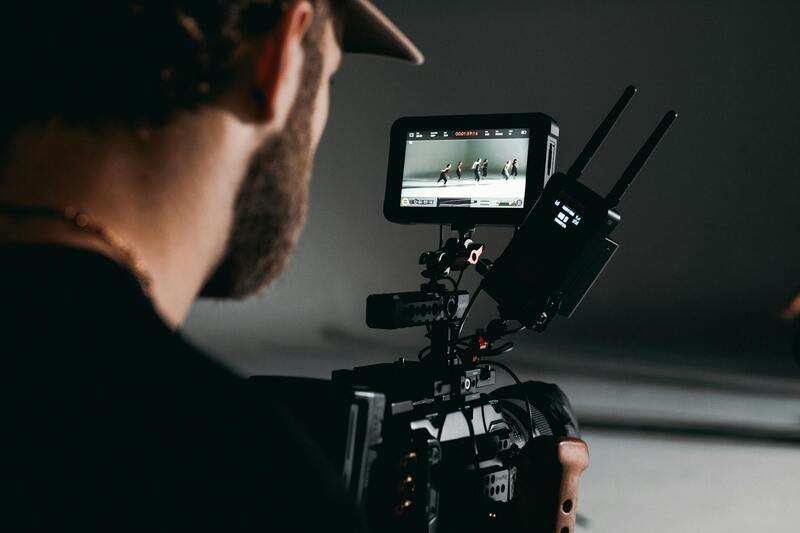
Ultimately, professional house photography acts as a catalyst in real estate marketing, transforming ordinary spaces into visually compelling stories that resonate with buyers. This strategic visual approach not only increases listing visibility but also facilitates quicker sales at favorable prices, making it an indispensable tool for Miami property stakeholders committed to excellence and efficiency in property transactions.
Preparation and Staging for Effective Photos
Achieving compelling real estate images begins well before the camera clicks. Proper preparation and staging create an inviting atmosphere that showcases the property at its best. Start by conducting a thorough cleaning of all spaces to remove dust, dirt, and clutter, ensuring each room appears pristine. Decluttering is equally important; remove personal items, excess furniture, and unnecessary décor that can distract or make spaces appear smaller.
When arranging furniture, focus on highlighting the room’s purpose and maximizing space. Use neutral-colored, minimalistic décor to create a versatile backdrop appealing to a broad audience. For visible storage areas, such as closets and cabinets, organize items neatly to suggest ample storage capacity. Enhancing natural light with open curtains or blinds helps to brighten interiors, emphasizing spaciousness and comfort. Fresh flowers, strategically placed mirrors, and subtle accent pieces can also add warmth and depth to the visuals.

Exterior presentation is equally important. Landscaping should be tidy and well-maintained, with clear walkways and a manicured lawn. Consider adding potted plants or outdoor furniture to create welcoming outdoor living spaces. Additionally, ensure the house number and entrance are unobstructed and clean, reinforcing a positive first impression.
Essential Equipment and Settings for Real Estate Photography
Quality equipment lays the foundation for striking real estate images. A wide-angle lens is crucial for capturing expansive rooms and exterior shots, providing a sense of space while ensuring all relevant details are visible. A sturdy tripod stabilizes shots, especially in lower light conditions or interior spaces that require longer exposures, reducing blur and maintaining sharpness.
Camera settings should prioritize clarity and true-to-life colors. Use a low ISO setting (preferably between 100-400) to minimize noise, and select aperture values that balance depth of field and sharpness—typically between f/8 and f/11 for interior shots. Adjust shutter speed liberally to allow enough light into the camera, especially in low-light settings, without overexposing bright areas. Consistent white balance settings ensure color accuracy and natural lighting indoors, which is vital for showcasing the property authentically.
Techniques for Capturing Interior Spaces
To depict interiors effectively, employ a combination of wide-angle shots and detailed close-ups. Wide-angle photography allows viewers to grasp the layout and spatial relationships within a room, making even modest spaces appear more generous. When shooting, keep the camera level and straight, minimizing distortion, and consider using panoramic techniques for large spaces or open floor plans.
Pay attention to lighting; natural light is preferable but supplement with diffused artificial lighting if necessary. Use soft, even lighting to avoid harsh shadows and highlights, which can distort the perception of space and color. For consistency, shoot in similar lighting conditions across different rooms, ensuring a cohesive visual narrative that accurately represents the home.
Capturing Exterior and Aerial Shots
Exterior photography should highlight curb appeal and the overall condition of the property. From a low or eye-level angle, capture the front façade, making sure to include landscaping and architectural elements that contribute to its character. Sunrise or sunset hours provide soft, warm lighting that enhances colors and adds emotional appeal. Ensure the lawn, driveway, and exterior features are tidy, and consider shooting during calm weather to avoid distractions like wind-blown trees or reflections on windows.
Aerial shots offer a comprehensive view of the property and its surroundings. Using drones equipped with high-resolution cameras, gather images that display property boundaries, landscaping, pools, outdoor amenities, and neighborhood context. Properly planning flight paths and altitudes ensures maximum coverage without compromising safety or image quality. Incorporate aerial perspectives to emphasize scale and attractiveness, creating a compelling visual story for prospective buyers.
Post-Processing and Photo Editing
Once photography sessions are complete, post-processing is essential to refine images for final presentation. Basic editing involves adjusting brightness, contrast, and saturation to enhance visual appeal while maintaining naturalness. Correct color imbalances, reduce lens distortions, and straighten crooked lines to improve composition.
Advanced editing may include removing minor imperfections, brightening dark corners, and enhancing details in shadows or highlights. The goal is to produce polished images that accurately reflect the property's real appearance, ensuring consistency across all photos used in online listings and marketing materials.
Optimizing Photos for Online Listings
Proper image optimization improves load times and presentation quality across various platforms. Resize photos to meet the specifications of different listing websites, typically between 2000 and 3000 pixels on the longest side, to ensure high resolution without excessive file size. Use compression techniques to reduce file size, which enhances website performance without sacrificing image clarity.
File naming conventions should be descriptive and relevant, making it easier for listing platforms and potential clients to identify and search for images. Incorporate keywords such as “Miami home exterior” or “luxury living room” into filenames for SEO benefits, aligning with best practices to increase listing visibility.
Working with Real Estate Agents and Clients
Effective collaboration involves understanding the specific preferences and goals of agents and property owners. Schedule pre-shoot consultations to discuss key features, scheduling considerations, and any special requests. During the shoot, maintain a professional demeanor, and be prepared to adapt to changing conditions or client feedback.
After completing the images, provide a curated selection that highlights the property's most appealing features and fits the marketing strategy. Offering guidance on image use and presentation can also maximize the impact of visual content, leading to faster sales and better engagement in the competitive Miami market.
Techniques for Capturing Interior Spaces
Effective house photography for real estate begins with an understanding of techniques that showcase interior spaces in their best light. Utilizing natural light is paramount; shooting during times when sunlight floods into rooms—typically early morning or late afternoon—can add warmth and depth to interior images. Open curtains and blinds to maximize daylight inflow, and ensure windows are clean to avoid glare or unwanted reflections.
Lens choice plays a critical role in interior photography. Wide-angle lenses, typically in the 14-24mm range, allow capturing expansive room views without distortion, making spaces appear larger and more inviting. When using wide-angle lenses, it’s essential to avoid excessive distortion; correct this during post-processing or by adjusting camera settings.
Staging a space effectively is crucial. Remove clutter, arrange furniture to create a logical flow, and highlight architectural features or unique design elements. Use strategic lighting—additional lighting sources like portable strobes or LED panels can fill shadows or brighten darker areas. Utilizing diffusers or softboxes helps in achieving even illumination, reducing harsh shadows that can detract from image quality.
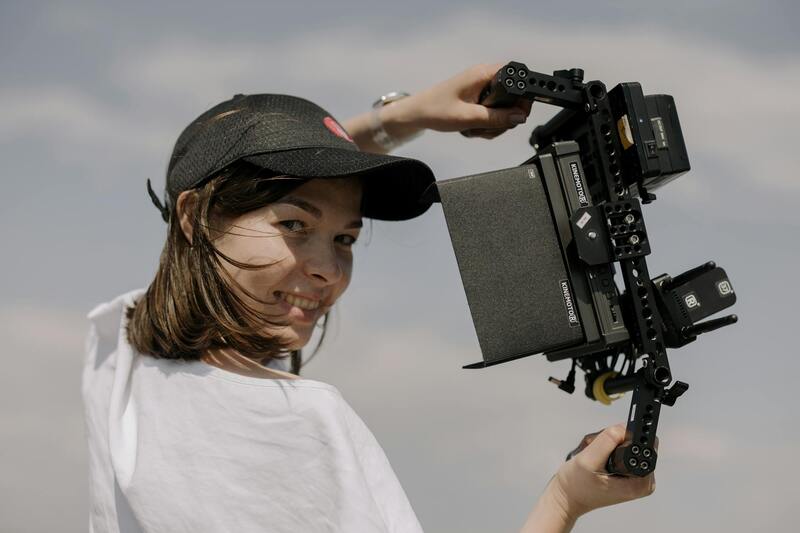
Camera settings should be optimized for indoor conditions. Use a tripod to stabilize shots and set a small aperture (f/8 to f/11) for greater depth of field. Adjust ISO to the lowest possible setting to minimize noise; typically, ISO 100 or 200 suffices. Use a slow shutter speed to gather enough light when shooting in darker rooms, but ensure the camera remains steady to prevent blur.
Employ manual focus to ensure sharpness on key elements within the frame. Pay attention to vertical lines—apertures and walls—to avoid distortion, and straighten images during post-processing if needed. Consistency in shooting angles and heights across different rooms gives potential buyers a cohesive view of the property, encouraging engagement and interest.

Utilizing Professional Tools and Techniques for Capturing Exterior and Aerial Shots
Effective exterior photography plays a pivotal role in showcasing the full potential of a property. The goal is to highlight the home’s curb appeal, surrounding landscape, and architectural features in a way that attracts potential buyers from the first glance. To achieve this, professional-grade equipment and precise techniques are essential.
Wide-angle lenses are commonly employed to capture broad views of the property's front yard, backyard, and exterior facades. These lenses help convey the property's scale and spatial relationships, making open spaces appear more expansive. When selecting a lens, opt for a focal length typically between 14mm and 24mm, which allows for wide coverage without significant distortion.
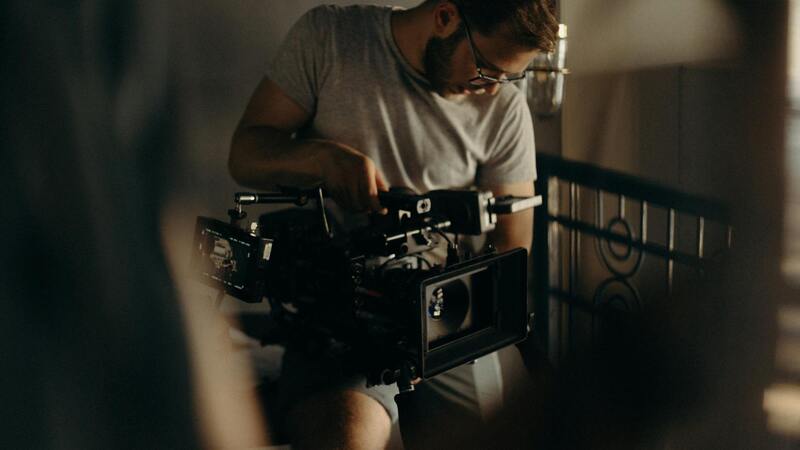
Proper timing of photography is crucial to capture natural lighting conditions that enhance the property's features. Early morning or late afternoon, often called the golden hours, provide soft, warm light that creates inviting imagery. Cloudy days can also be advantageous, as diffused sunlight reduces harsh shadows and glare, resulting in evenly lit photographs.
In addition to ground-level shots, aerial photography offers a unique perspective of the property’s layout and surroundings. Using drone technology requires careful planning for optimal flight paths, height, and angles to emphasize outdoor amenities, landscaping, and neighborhood context. High-resolution drone images successfully illustrate the property's size and its integration within the local environment, which are compelling factors for prospective buyers.
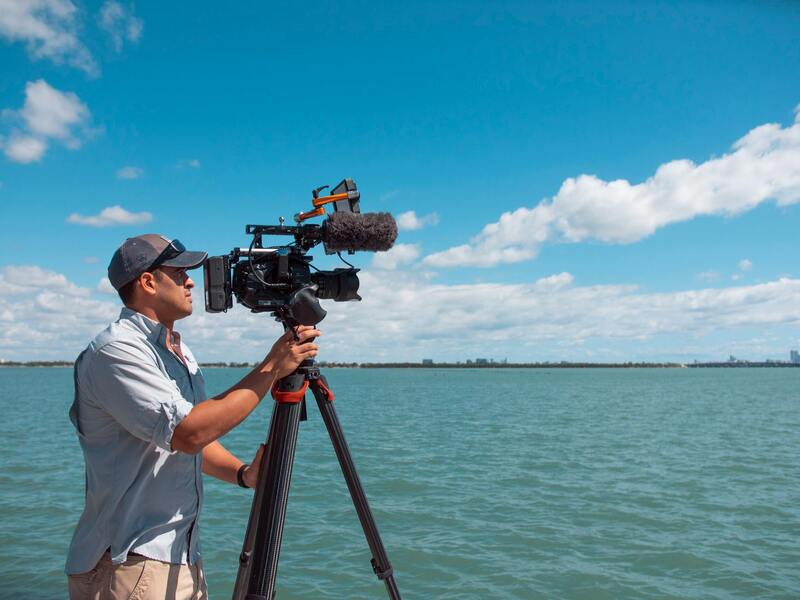
When capturing exterior and aerial images, attention to detail is vital. Ensure the property’s landscaping is tidy and free of clutter, and consider staging outdoor areas with attractive features like well-maintained lawns, plants, or furniture. Maintaining consistent sun angles across shots produces cohesive visuals that effectively portray the property's architectural harmony.
Post-processing further refines exterior and aerial images. Adjustments such as enhancing brightness, contrast, and color saturation help images stand out without appearing artificial. Correcting lens distortion, straightening lines, and cropping to focus on key features also improve overall presentation. These polished visuals ensure that the property makes a positive impact in online listings, attracting more potential buyers to explore further.
Ensuring Authenticity and Professionalism in Property Visuals
Securing the trust of potential buyers hinges heavily on the presentation's accuracy and adherence to verified standards. When engaging in house photography for real estate, it is essential to employ methods that capture the true essence of the property without misrepresentation. High-quality, professionally captured images serve as credible visual documentation, reflecting the real conditions of the space. They provide insight into the accurate scale, lighting, and spatial relationships within the property, which are critical factors for informed decision-making by prospective buyers.
Using legitimate techniques involves proper handling of lighting, perspective, and composition. Neutral or natural light is preferred to avoid skewing colors or creating misleading shadows that might exaggerate or diminish the property's features. Techniques like interior bracketing, where multiple exposures are combined, ensure that both well-lit and shadowed areas are represented consistently. This approach results in a balanced image that authentically depicts the property’s ambiance and architectural details.
When working with clients and real estate agents, transparency about the techniques and equipment used in photography fortifies trust and professional integrity. Ensuring images faithfully represent the actual property and its condition expedites the sales process by setting clear expectations for prospective buyers. Additionally, adhering to industry standards for image resolution and clarity ensures that online listings are visually compelling across various devices and platforms.
Post-processing of images should aim to enhance the natural qualities of the photos without introducing artificial elements. Adjustments like color correction, brightness, and contrast should serve to clarify and amplify the property's features rather than distort or exaggerate. Correcting lens distortion, ensuring vertical and horizontal lines are straight, and cropping images to highlight key areas foster a transparent visual narrative. This transparency builds confidence among viewers, ultimately supporting more effective marketing efforts.
Employing legitimate editing practices also involves avoiding overly saturated colors or drastic alterations that could mislead buyers. These practices reinforce ethical standards within the industry and uphold the value of accurate visual representation. When executed correctly, high-quality photos that are both visually appealing and truthful form a strong foundation for successful real estate campaigns, leading to quicker sales and satisfied clients.
Techniques for Capturing Interior Spaces
Effective interior photography begins with understanding the importance of proper light management and spatial composition. Using natural light as much as possible provides a warm and inviting atmosphere; therefore, scheduling shoots during daylight hours is highly beneficial. When natural light is insufficient, professional lighting equipment, such as diffused strobes or continuous softboxes, can eliminate shadows and illuminate every corner evenly. Placing lights strategically enhances the architectural features and highlights key areas like the kitchen, living rooms, or bedrooms, making spaces appear larger and more appealing.
Composition also plays a crucial role in interior photography. Employing techniques such as the use of wide-angle lenses allows capturing more of the space in a single shot, giving viewers a comprehensive view of each room. Additionally, maintaining a consistent perspective across images creates a cohesive visual narrative for online listings. It is best to shoot from eye level, about three feet off the ground, to present rooms naturally and accurately.
Maintaining straight vertical and horizontal lines is essential to prevent distortions that can misrepresent the space. A tripod with a bubble level or digital leveling system ensures image stability and alignment. When photographing rooms with windows, adjusting camera settings to balance between interior and exterior brightness prevents overexposed windows while retaining detail in shaded areas. Using HDR (High Dynamic Range) techniques can further aid in capturing well-exposed images in challenging lighting conditions by merging multiple exposures into a single balanced photograph.
Post-processing plays a vital role in refining interior images. Adjustments should focus on accuracy — enhancing brightness, contrast, and color balance to reflect true-to-life conditions without exaggeration. Correcting lens distortion or vertical lines ensures the images are true to the actual space, maintaining viewer trust. Cropping can be used to emphasize key features while eliminating distractions, but over-cropping should be avoided to preserve context.
While editing, it’s important to avoid oversaturation or artificial enhancements that could lead to misconceptions. Implementing subtle enhancements maintains authenticity, avoiding the risk of misrepresenting the property's actual features. By combining proper shooting techniques with careful editing, real estate professionals can deliver compelling, accurate images that attract prospective buyers and facilitate faster sales.
Utilizing Drone Photography for Accurate Property Depictions
Incorporating drone photography into house photography for real estate offers an unmatched perspective that enhances property listings significantly. Drones equipped with high-resolution cameras facilitate capturing expansive outdoor views, such as landscapes, surrounding amenities, and property boundaries, providing prospective buyers with contextual landscape information that ground-level images cannot convey. For successful drone shots, selecting drones with stabilized gimbals ensures smooth footage, while camera settings should be optimized for clarity and color accuracy.
It is essential to plan drone flights during optimal lighting conditions—preferably during early morning or late afternoon—to avoid harsh shadows and overexposure. Pre-programmed flight paths or manual controls can be employed to focus on key features, such as backyard layouts, driveway access, or nearby parks, adding depth and scale to the property presentation. Ensuring proper altitude and framing allows for the creation of comprehensive aerial images and videos that showcase the entire property contextually.
Furthermore, integrating drone footage with traditional interior and exterior photography results in a cohesive and compelling virtual tour of the property. When post-processing drone images, attention should be given to color correction and stabilization to produce seamless visuals. Using altitude-aware photography eliminates distortions often caused by wide-angle lenses, guaranteeing accuracy in property depiction.
Integrating Virtual Tours and Walkthroughs
Advanced virtual tour technologies continue to redefine how real estate properties are showcased online. Incorporating 3D virtual walkthroughs or immersive 360-degree photos can significantly increase viewer engagement. These virtual experiences enable prospective buyers to explore various rooms and outdoor spaces from any location, offering a detailed sense of space, layout, and flow that static images might not fully capture.
Creating virtual tours involves capturing high-resolution imagery at multiple angles and stitching them into interactive formats. Ensuring consistent lighting and perspective throughout the tour maintains visual coherence, providing a trustworthy representation of the property. Additionally, annotations, hotspots, or embedded information within virtual tours can highlight unique features—such as custom finishes or recent upgrades—further compelling interest.
Prioritizing quality in virtual tour production ensures high compatibility across devices and platforms, which is crucial for wide dissemination. This approach supports targeted marketing efforts, reaching a broader audience efficiently and providing a detailed, interactive experience that complements traditional photography techniques. The combination of aerial imagery, detailed interior shots, and virtual walkthroughs forms a comprehensive presentation, elevating the property's market appeal and facilitating quicker sale processes.
Ensuring Visual Consistency and Technical Precision in Real Estate Photography
Maintaining visual consistency across all property images is critical for creating a professional and cohesive listing presentation. This involves standardized lighting, angles, and camera settings to ensure that each shot complements the overall property narrative. Consistency reduces visual dissonance, helping prospective buyers focus on the property's features rather than being distracted by inconsistent image quality or perspective shifts.
Technical precision begins with mastering camera settings tailored to real estate environments. Utilizing a tripod ensures stability, especially in interior shots where slow shutter speeds are often necessary. Aperture settings should balance depth of field with clarity, typically using a mid-range f-stop (around f/8 to f/11) to keep both foreground and background in sharp focus. ISO should be kept as low as possible to avoid noise, and wide-angle lenses are preferred to capture expansive spaces without distortion.
Understanding and adjusting shooting angles is fundamental in emphasizing the spatial flow and size of rooms. Eye-level shots from strategic vantage points provide an inviting perspective that feels natural and welcoming. When photographing exteriors, capturing from direct sunlight or during golden hours enhances the property's curb appeal with warm, inviting lighting. The use of natural light should be maximized, but supplemental lighting—such as portable flash or continuous LED lights—can fill shadows and even out brightness levels across indoor spaces.
In the digital post-processing phase, calibration of colors, contrast, and brightness ensures that the images reflect the actual appearance of the space. Correcting minor distortions caused by wide-angle lenses and straightening skewed lines preserve the integrity of the space's dimensions. Consistent editing styles across all images reinforce a unified visual story, strengthening the property's overall market presentation.
By adhering to these meticulous standards, real estate photographers deliver images that not only entice viewers but also provide an honest, detailed view of the property. This approach reduces the gap between expectation and reality, fostering trust and facilitating faster decision-making by potential buyers. Ultimately, the combination of consistent visual storytelling, technical accuracy, and professional editing elevates a property’s online presence, making it a standout in competitive listings.