Understanding the Role of a Commercial Real Estate Photographer
In the competitive landscape of commercial property markets, high-quality visual representation plays a crucial role in attracting prospective tenants, investors, and buyers. A commercial real estate photographer specializes in capturing the unique features, spatial layouts, and potential of commercial properties through professionally crafted images. These images serve not only to showcase the property's aesthetics but also to communicate its value proposition clearly and effectively.
Americans and international clients alike rely heavily on visual content when making property decisions. A skilled photographer in this niche tailors their approach to highlight aspects such as expansive interiors, exterior architectural details, and the overall ambiance that elevates marketing efforts. The services provided often include wide-angle photography, drone imagery for aerial views, twilight shots to enhance curb appeal, and detailed shots of significant architectural elements.
The importance of professional photography in property marketing cannot be overstated. Well-composed and technically proficient images can significantly reduce the time a property spends on the market by ensuring that listings attract more attention. These visuals foster a strong first impression, emphasizing what makes each property unique, and help position it favorably against competitors.

For real estate professionals, brokers, and property owners, engaging a dedicated commercial real estate photographer ensures that marketing materials, online listings, and promotional campaigns reach their full potential. This specialized service is an integral part of a comprehensive property marketing strategy, providing a visual foundation that can influence decision-makers and drive property transactions efficiently.
Criteria for Selecting a Commercial Real Estate Photographer in Miami
When choosing a commercial real estate photographer in Miami, several key criteria should guide your decision to ensure you collaborate with a professional who can effectively showcase your property. First, examining the photographer's portfolio provides insight into their style, quality, and versatility. A diverse portfolio demonstrating experience across various types of commercial properties – from office towers to retail centers and industrial facilities – signifies adaptability and mastery of different architectural styles.
It is crucial to verify their familiarity with the unique aspects of Miami's real estate market, including the scenic exterior shots of waterfront properties, modern high-rises, and vibrant commercial zones. This local expertise ensures that they understand the best lighting conditions, angles, and angles that highlight Miami's distinctive architecture and environment.
Further, assessing the photographer’s technical skills and equipment is essential. A professional photographer should utilize high-resolution digital cameras, wide-angle lenses, and drone technology to capture comprehensive images from multiple perspectives. Their proficiency in operating advanced equipment guarantees clear, crisp images with proper exposure, color accuracy, and perspective correction.
Availability and responsiveness are also critical factors. Timely delivery of high-quality images aligned with your marketing schedule can significantly influence your promotional efforts. An experienced commercial real estate photographer should be able to coordinate shoots that minimize disruption to property operations and comply with any on-site safety protocols.
To ensure long-term collaboration, consider reviews and client testimonials. Feedback from previous clients can provide insights into their professionalism, adherence to deadlines, and the ability to understand and execute specific marketing goals effectively.

It’s worth investing in a photographer who offers customized service packages, allowing flexibility based on project scope and budget. Ultimately, the right choice depends on a combination of technical skill, local market knowledge, proven experience, and professional reliability—key ingredients for maximizing the visual appeal of your commercial property assets.
Effective Techniques for Showcasing Commercial Properties through Photography
To truly highlight the potential of a commercial property, a photographer must employ advanced shooting techniques tailored to the unique features of each space. This includes utilizing natural lighting during optimal times to enhance the ambiance and rely on artificial lighting to ensure clarity in interior shots. Proper use of wide-angle lenses allows capturing expansive views of large areas, making spaces appear more inviting and functional.
In addition, the strategic use of drone technology can elevate the visual presentation, offering aerial perspectives that showcase the property's size, layout, and surrounding context from vantage points inaccessible to ground-level photography. Such images are invaluable for marketing developments such as industrial parks, office complexes, or retail centers, providing potential investors or tenants with a comprehensive visual understanding.
Post-processing plays a pivotal role in refining images to meet professional standards. Adjustments in exposure, contrast, and color balance ensure that images reflect the true appearance of a property, attracting more interest. Correcting perspective distortions caused by wide-angle lenses guarantees that vertical lines remain straight, contributing to the image's authenticity and appeal.
Photographers well-versed in these techniques are capable of producing high-quality visuals that stand out across various marketing platforms, including online listings, social media campaigns, and print advertisements. The goal is to create a compelling visual narrative that facilitates faster sale or lease agreements and reinforces the property's market positioning.

The Significance of Consistent Branding in Commercial Property Photography
Consistency in visual presentation helps establish a strong brand identity for commercial property listings. This involves maintaining uniformity in image style, color schemes, and composition across multiple properties and campaigns. Consistent branding reassures prospective clients by demonstrating professionalism and attention to detail, which are critical in competitive markets like Miami.
Photographers should work closely with marketing teams to understand the brand narrative and target audience, ensuring that every image aligns with the overarching marketing strategy. This includes choosing appropriate angles, lighting, and editing styles that reflect the property's unique strengths while adhering to brand guidelines.
Implementing cohesive visual elements—such as branded watermarks, specific color grading, and signature photographic angles—helps reinforce recognition and trust in your company’s offerings. When prospective tenants or investors see a consistent visual language, it enhances the credibility of your listings and encourages engagement.
Ultimately, integrating consistent branding within commercial real estate photography elevates the property’s market presence and supports broader marketing efforts, resulting in a more effective and recognizable promotional campaign.
Importance of Professional Equipment and Post-Processing
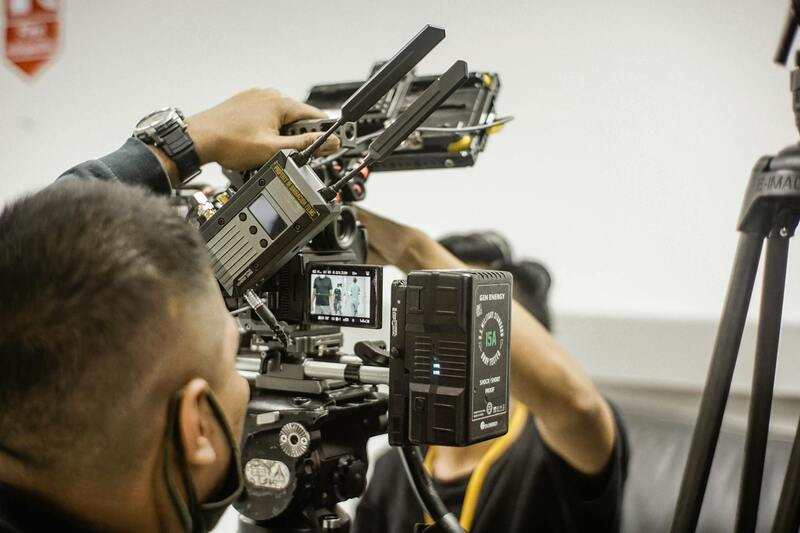
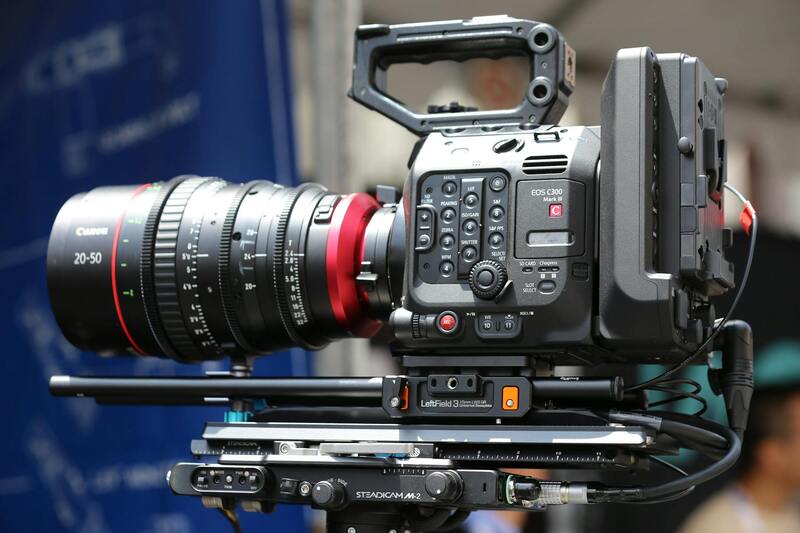
In the realm of commercial real estate photography, the use of high-quality, professional-grade equipment is fundamental to capturing images that truly showcase a property's potential. Advanced DSLR or mirrorless cameras with wide-angle lenses are standard tools, allowing photographers to highlight spatial dimensions and architectural features with clarity and precision. Tripods, drone technology, and specialized lighting equipment further enhance image quality, especially in challenging lighting conditions or when capturing interior spaces with complex lighting schemes.
However, photography equipment alone does not define the final result; post-processing plays a pivotal role in refining images to meet professional standards. Skilled editors utilize software like Adobe Photoshop and Lightroom to enhance brightness, contrast, and color accuracy, ensuring that images accurately reflect real-world conditions. Post-processing also involves correcting distortion, balancing exposure, and removing distracting elements, so the focus remains solely on the property's strengths.

This meticulous approach to equipment and editing ensures that each image adheres to the highest standards of visual presentation. In the competitive Miami market, where first impressions are crucial, professional-level equipment combined with expert post-processing creates compelling visuals that attract tenants, buyers, and investors. These images serve as the foundation of effective marketing campaigns, providing clear, vibrant representations that elevate the property's appeal and support strategic promotional efforts.
Integrating Photography into Property Marketing Strategies
Commercial real estate photography is most effective when integrated seamlessly into a comprehensive marketing approach. High-quality images are a versatile asset that can be leveraged across various platforms—whether on property listing websites, social media, email campaigns, or printed marketing materials. To maximize impact, photography should align with the property’s target audience, highlighting features that appeal directly to prospective tenants or buyers.
- Develop a consistent visual style that reflects the property's brand identity, enhancing recognition and professionalism.
- Use professional photos to create virtual tours and 3D walkthroughs, providing immersive experiences that attract remote or international investors.
- Complement images with compelling descriptions and strategic placement within advertising channels to increase visibility and engagement.
- Maintain updated visual content to reflect the current condition of properties, showcasing recent improvements or renovations.
Effective integration also involves collaboration between photographers, marketing teams, and property managers to ensure images highlight key selling points and are distributed through appropriate channels. In Miami’s vibrant market, where competition is intense, leveraging high-quality imagery as part of a broader strategic plan significantly enhances the property's ability to stand out and attract the right audience.
Criteria for Selecting a Commercial Real Estate Photographer in Miami
Choosing the right commercial real estate photographer in Miami requires a strategic approach that emphasizes experience, technical skill, and understanding of market dynamics. Not all photographers possess the qualities necessary to produce images that resonate with prospective tenants and investors. It’s vital to evaluate several aspects to ensure a photographer’s capabilities align with your property’s marketing goals.
Assessment of Portfolio and Previous Work
Reviewing a photographer’s portfolio provides insight into their style, attention to detail, and ability to capture properties in the best light. A comprehensive portfolio should include a variety of property types, demonstrating versatility and expertise in various environments and lighting conditions. Pay attention to how they highlight architectural features, interior spaces, and outdoor surroundings, ensuring their style complements your property’s visual branding.
Experience in Commercial Real Estate
Specialized experience in commercial real estate photography is critical. Photographers who understand the nuances of showcasing commercial spaces can better emphasize qualities that appeal to B2B clients, investors, and corporate tenants. Their familiarity with the intricacies of commercial properties such as office buildings, retail centers, or industrial sites ensures they capture the most marketable aspects effectively.
Technical Proficiency and Equipment
The effectiveness of commercial real estate photos hinges on technical competence. A professional photographer should employ high-end professional-grade cameras and lenses, along with advanced lighting setups that enhance the space's features without distortion. Their post-processing skills also impact image quality, ensuring photos are vibrant, true-to-life, and optimized for digital platforms.

Understanding of the Local Market
Given Miami’s dynamic and diverse real estate market, a photographer with local market knowledge can better craft images that align with current trends and target audiences. Familiarity with neighborhood aesthetics, architectural styles, and client preferences allows for more targeted visual presentations, increasing the chances of attracting suitable tenants or buyers.
Client Testimonials and References
Gathering testimonials or references from previous clients offers additional assurance of a photographer's professionalism, reliability, and the quality of their work. Positive feedback highlights their ability to meet deadlines, communicate effectively, and produce consistent results—traits essential for successful property marketing.
Cost and Service Offerings
Pricing structures can vary significantly among photographers. A clear understanding of what services are included—such as drone footage, virtual tours, or twilight photography—helps in assessing value for money. It’s essential to balance budget constraints with the need for high-quality imagery, recognizing that investing in professional photography often yields better marketing returns.
Ultimately, selecting a commercial real estate photographer in Miami involves examining their portfolio, experience, technical skills, local familiarity, client feedback, and pricing. Prioritizing these factors ensures your property is portrayed in the most compelling and professional manner, effectively supporting your marketing efforts in Miami’s competitive market.
Cost Considerations and Budgeting for Commercial Real Estate Photography
Establishing a clear budget for professional commercial real estate photography is vital for achieving optimal marketing results without compromising on quality. The investment in high-quality images can significantly influence the attractiveness of your property listings, making it essential to evaluate various pricing structures and service packages offered by photographers in Miami.
Typical costs for commercial real estate photography depend on multiple factors, including the size and complexity of the property, the required scope of work, and additional features such as drone footage or virtual tours. While some photographers may offer package deals that include a combination of standard photos, twilight shots, and aerial imagery, others might charge separately for each service. Understanding these differences allows clients to tailor their selections to match their marketing goals and budget constraints.
In planning for the expense, it’s prudent to consider the potential returns on investment. High-quality visual content tends to generate more interest, increase engagement, and lead to quicker transactions. As such, allocating sufficient budget for top-tier photography can be a strategic move in a competitive market like Miami, where properties demand standout imagery to attract discerning tenants or buyers.
It is also advisable to discuss payment structures and delivery timelines upfront. Many professionals offer flexible payment options, including deposits with balance due upon project completion. Clarifying turnaround times ensures that marketing campaigns proceed without delay, especially in fast-moving markets like Miami.
Recognizing that professional photography is an investment rather than an expense is key. Quality images serve as a powerful marketing tool, helping properties stand out in listings, brochures, and digital platforms. As these visual assets enhance the perceived value of the property, they often justify the initial expenditure through increased inquiry and shorter times on the market.
Cost Considerations and Budgeting for Commercial Real Estate Photography
Estimating the investment needed for professional commercial real estate photography involves understanding several key factors that influence pricing. These include the scope of services, property size, location, complexity of shots, and additional features such as drone footage or virtual tours. It is essential for property owners and decision-makers to approach budgeting with a clear understanding of these elements to ensure optimal results without overspending.
Pricing models in this industry often vary based on the provider’s experience and the specific requirements of a project. Common structures include hourly rates, flat fees for package deals, or customized quotes for larger properties. While hourly rates provide flexibility, flat-fee packages typically offer a comprehensive service with predictable costs. When evaluating bids, clients should verify what services are included—such as multiple angles, twilight shots, interior and exterior images, and post-processing refinement.
- Property Size and Complexity: Larger or more complex properties require more extensive coverage, thus influencing total costs. Multiple vantage points, interior details, and specialized shots increase the workload and resource allocation.
- Location and Accessibility: Properties in hard-to-reach or congested areas may incur additional charges due to travel time and logistical challenges.
- Additional Services: Aerial drone photography, virtual tours, or twilight lighting sessions tend to be priced separately, adding to the overall budget.
- Post-Processing and Editing: High-caliber editing to enhance images, correct lighting, and remove imperfections ensures that visual assets meet marketing standards, often impacting costs.
Maximizing ROI through Strategic Investment
Investing in professional commercial real estate photography is a strategic decision aimed at increasing visibility and accelerating leasing or sales processes. Well-crafted visuals draw more attention in listings and marketing campaigns, often resulting in higher engagement rates and quicker market turnover. When aligned with a comprehensive marketing plan, quality images become tools that elevate the perceived value of the property, attracting more qualified prospects.
Property owners should consider these visual assets as a form of targeted marketing expenditure, one that can be justified by the added interest, higher transaction values, and reduced time on the market. Proper budgeting ensures access to advanced imaging techniques and professional expertise necessary for capturing attention in a competitive market like Miami.
Effective Methods for Promoting Commercial Properties in Miami
Promoting commercial real estate effectively requires a multifaceted approach that combines outstanding visual content with strategic marketing efforts. In Miami, a dynamic market characterized by diverse properties and competitive leasing and sales opportunities, employing targeted promotion techniques is essential for achieving optimal results. A comprehensive marketing strategy should include high-quality photography, compelling virtual tours, optimized online listings, and social media campaigns that leverage the vibrant local market.
Integrating professional visual assets into the broader marketing plan enhances the property's visibility across various platforms. Well-crafted images, especially those captured by a specialized commercial real estate photographer, serve as the cornerstone for attracting prospective tenants and buyers. These visuals should be complemented with detailed property descriptions, engaging virtual walkthroughs, and interactive digital brochures. Furthermore, local advertising channels such as Miami-based real estate publications and online portals maximize the property's exposure to the right audience.

The Power of Digital Marketing and Social Media
In the digital age, harnessing the power of social media platforms is vital for property promotion. Platforms like LinkedIn, Instagram, and Facebook allow real estate professionals to target specific markets effectively. Regular posting of high-resolution images, virtual tours, and success stories can generate significant interest and engagement. Paid advertising options further amplify reach, ensuring that properties are seen by a broad but targeted audience, including local investors, business owners, and corporate clients.
One key aspect is the consistency of branding and messaging across all digital channels. A professional photographer's imagery ensures that this visual identity is strong and cohesive, establishing credibility and attracting serious inquiries. Implementing targeted email campaigns with embedded visual content can also nurture leads and maintain ongoing interest throughout the property transaction process.
Collaborating with local Miami-based real estate agencies, property managers, and commercial brokers enhances the promotional reach. These partnerships benefit from shared marketing efforts and access to established networks. Hosting open houses, virtual viewing events, and networking sessions, supplemented by professional quality visuals, creates opportunities for direct engagement and immediate feedback. Additionally, participating in Miami's real estate expos and industry conferences allows for visibility among key decision-makers and stakeholders.
Utilizing Testimonials and Case Studies for Credibility
Showcasing successful property sales or leasing transactions through detailed case studies and testimonials builds trust with potential clients. Visual documentation of previously completed projects, accompanied by client feedback, demonstrates expertise and reliability. These narratives, supported by exceptional imagery, can be featured on websites, social media, and digital brochures, reinforcing the photographer’s role in transforming property marketing efforts.