Understanding Residential Photography
Defining Residential Photography and Its Role in Real Estate Marketing
Residential photography is a specialized genre of visual imaging focused on capturing the aesthetic and functional qualities of residential properties. Its primary purpose is to create compelling visual representations that highlight a property’s best features, enabling real estate professionals and homeowners to attract potential buyers or renters effectively. These images serve as the first point of contact for many prospective clients, impacting their initial impression and influencing their decision-making process.
In the highly competitive real estate market, high-quality residential photography can significantly accelerate the sale or lease process. It emphasizes the spatial layout, architectural details, interior décor, and environmental surroundings, providing viewers with a comprehensive understanding of the property’s potential. Through thoughtfully composed images, residential photography helps convey not just the size and layout but also the lifestyle a residence can offer.
Key Elements That Make a Property Stand Out
- Lighting: Adequate lighting showcases the true colors and textures of interiors, making spaces appear more inviting.
- Composition: Strategic framing highlights the scale and functionality of rooms while minimizing distractions.
- Staging: The arrangement of furniture and décor enhances the property's appeal and demonstrates its potential use.
- Attention to Detail: Capturing architectural accents, unique fixtures, and outdoor spaces adds depth and interest.
- Consistency: Maintaining a uniform style across images creates a cohesive and professional presentation.
Importance of Residential Photography in Real Estate
Effective residential photography not only attracts more views online but also fosters faster transactions. It helps potential buyers visualize living in the space, creating an emotional connection that can influence their interest. As digital property listings become increasingly dominant, the quality of imagery directly correlates with the likelihood of a property being noticed among a myriad of options. Properly executed residential photography balances technical precision with artistic presentation to deliver images that are both informative and aesthetically appealing.
Choosing the Right Equipment for Residential Photography
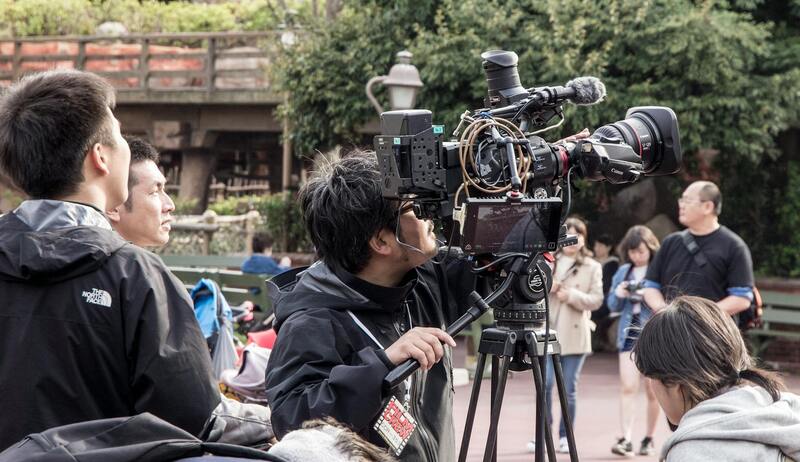
To produce compelling images that accurately showcase a home's unique features, investing in professional-grade equipment is essential. High-quality cameras with full-frame sensors provide better depth of field, detail, and color accuracy. Wide-angle lenses are particularly valuable in residential photography, allowing you to capture entire rooms and architectural elements within a single frame. Typically, lenses ranging from 14mm to 24mm are preferred for interior shots, ensuring minimal distortion while maximizing coverage.
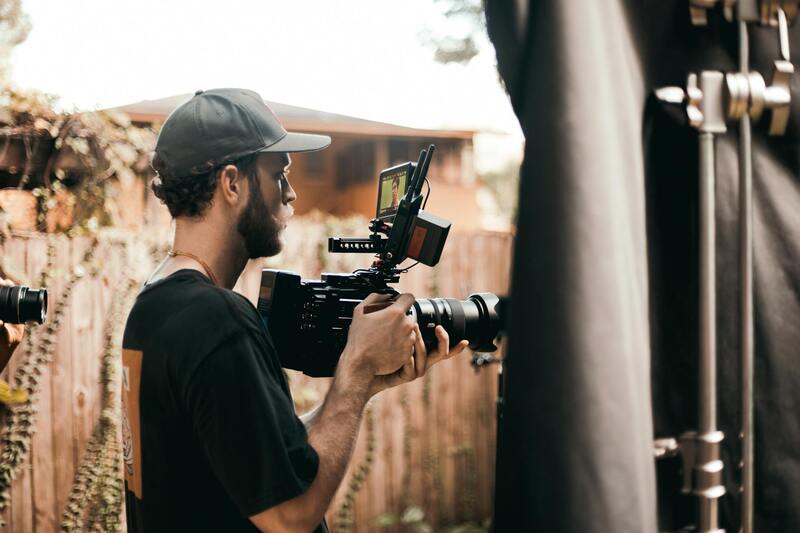
Lighting equipment plays a pivotal role in achieving well-lit, inviting images. Natural light should be maximized as much as possible, but supplementary lighting setups—such as portable strobes, softboxes, or LED panels—are indispensable for illuminating darker areas or balancing exposure in scenes with variable lighting conditions. Consistent and diffuse lighting minimizes harsh shadows and highlights, contributing to a polished aesthetic.
Adjusting camera settings to suit specific conditions enhances overall image quality. For instance:
- ISO: Set to the lowest value possible to reduce noise, especially in well-lit environments.
- Aperture: Use a narrower aperture (higher f-number) like f/8 to f/11 for maximum sharpness across the depth of field.
- Shutter Speed: Adjust based on lighting, ensuring the image is correctly exposed without motion blur, especially when using tripod mounts for stability.
Staying Current with Equipment Trends
Technological advancements continuously influence residential photography standards. Mirrorless cameras, for example, offer lighter options with comparable or superior image quality. Additionally, emerging lenses with better optical stabilization and wider apertures can facilitate quicker shoots and enhanced creative possibilities. Regularly evaluating your equipment arsenal ensures you stay competitive and capable of delivering top-tier results.
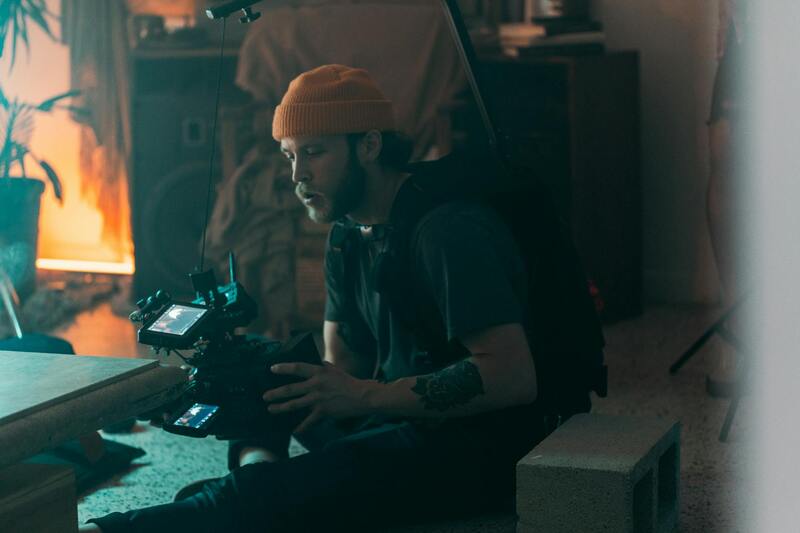
Incorporating drones or 3D imaging technology can also elevate property listings by providing comprehensive, immersive visuals. These tools help create an engaging experience for prospective buyers, offering perspectives that traditional photography cannot capture effectively. When selecting equipment, consider both your budget and the specific demands of the property type, ensuring your toolkit is tailored to produce consistent, high-quality images.
Techniques for Capturing Residential Spaces
Achieving stunning residential photographs requires more than simply pointing and shooting; it involves applying specific techniques that highlight a property's best features while conveying its unique character. One fundamental approach is to utilize natural light effectively. Whenever possible, schedule shoots during times of the day when sunlight fills rooms naturally, such as late morning or late afternoon. These periods tend to produce soft, warm light that enhances the ambiance of living spaces and reduces the need for extensive post-processing.
Mastering the use of composition is equally vital. Employ the rule of thirds to position focal points, such as a cozy reading nook or an impressive fireplace, within the frame. Wide-angle lenses are particularly useful in residential photography because they allow for capturing more of a room in one shot, making spaces appear larger and more inviting. However, care must be taken to avoid distortion, which can be managed through lens correction during editing.
Balancing interior lighting plays a crucial role in producing appealing images. This involves blending ambient light with supplemental lighting sources like portable flashes or LED panels, especially in darker areas or rooms with heavy window coverings. The goal is to create a well-lit scene that accurately portrays the space without washed-out highlights or deep shadows, ensuring viewers have a clear understanding of the property's layout and features.
Vignetting, perspective correction, and white balance adjustments are post-processing techniques that further refine the quality of residential photographs. These subtle edits help ensure that colors are true to life and the proportions of rooms remain realistic. Proper post-processing not only elevates the overall aesthetic but also ensures that the images align with the expectations of discerning clients and marketing platforms.

Incorporating various photographic angles can dramatically boost a property's visual appeal. Overhead shots, for example, offer comprehensive views of large living areas or outdoor spaces, while close-ups can highlight unique architectural details or high-end finishes. This variety in perspective provides a complete narrative of the residence, assisting prospective buyers in visualizing themselves within the space.
Efficient workflow practices, such as organizing shot lists and using tethered shooting setups, streamline the entire process. Tethered shooting allows photographers to view images in real-time on a monitor or tablet, facilitating immediate adjustments during the shoot and ensuring each frame meets quality standards before moving on to the next scene.
Photographic Techniques for Residential Spaces
Mastering the art of capturing residential spaces requires a thorough understanding of composition, perspective, and lighting. The primary goal is to produce images that are both visually appealing and true to the home’s character. Composition involves strategically arranging elements within the frame to guide the viewer’s eye and highlight the property’s most attractive features. Balancing the elements in a shot, such as furniture placement, architectural details, and open space, enhances the room's sense of scale and flow.
Angles significantly influence how a space is perceived. Wide-angle lenses are commonly used to give an expansive feel to rooms, especially in constrained spaces, while overhead and bird’s-eye views offer comprehensive insights into larger areas like living rooms, kitchens, and outdoor amenities. Low or eye-level shots can emphasize specific details or create a sense of intimacy, depending on the intended effect.
Framing the shot carefully ensures that important features are focal points, minimizing distractions from clutter or unattractive elements. Proper framing involves aligning vertical lines, avoiding skewed perspectives, and sometimes including contextual backgrounds that add depth to the photo. Additionally, leveraging natural light and supplementing it with artificial lighting can dramatically change how the space appears. Utilizing daylight through windows, supplemented by flashes or softboxes, results in vibrant, inviting images that mirror real-life ambiance.
When applying these techniques, it's important to plan the shoot systematically, aiming for consistent results. For example, shooting from the same vantage point with uniform settings ensures a cohesive presentation across multiple rooms or property listings. With careful attention to detail, these photographic strategies can substantially elevate the quality of residential images, making them more compelling to prospective buyers and real estate professionals.
Post-Processing for Residential Photography
After capturing the initial images, professional editing and post-processing play a vital role in ensuring visual accuracy and appeal. Adjustments to exposure, contrast, and color balance correct any discrepancies caused by varying lighting conditions during the shoot. Enhancing details through sharpening techniques helps images appear crisper and more defined, which is especially important for showcasing high-end finishes or architectural intricacies.
Vignetting, perspective correction, and white balance adjustments are commonly used to refine images subtly. These techniques help maintain proportionate spaces and true-to-life colors, which are critical for prospectively representing the property. Over-editing, however, should be avoided to preserve authenticity and prevent creating unrealistic representations that could lead to misinterpretations.
Effective post-processing also involves removing minor distractions such as dust spots, reflections, or clutter, ensuring the focus remains on the property’s best features. Utilizing layered editing allows for targeted enhancements without affecting the entire image, offering a polished and professional appearance suitable for various marketing channels.
Ultimately, a balance between technical adjustments and maintaining the integrity of the original scene is essential. Consistent editing standards across listings foster a professional brand image and contribute to higher engagement from potential buyers. When executed with precision, post-processing transforms good captures into striking visuals that effectively showcase a home's unique qualities and attract the right audience.
Legal and Ethical Considerations in Residential Photography
In the realm of residential photography, adherence to established standards and best practices is paramount for maintaining trust and credibility. Professionals must prioritize obtaining proper permissions before entering and photographing private properties, respecting homeowners' privacy and preferences. Clear communication regarding the purpose of the shoot and how the images will be used ensures transparency and fosters a positive relationship with clients.
Respect for property is essential; photographers should avoid causing any damage or disturbance during the shoot. This includes being mindful of personal belongings, delicate furnishings, and landscaping. Employing non-invasive techniques, such as using natural light instead of intrusive flash or avoiding unnecessary movement through the space, preserves the home’s integrity and aesthetic.
Editing residential images responsibly involves accurate representation of the property without misleading potential buyers or renters. While post-processing can enhance visual appeal—correcting color balance, correcting perspective, or removing minor distractions—it is crucial to avoid excessive alterations that distort the actual attributes of the home. Authenticity in visuals builds trust with clients and ensures the images are a reliable reflection of the property.
Practicing professionalism includes honoring contracts and understanding intellectual property rights related to images. Photographers should clearly define ownership of photos, usage rights, and licensing terms before beginning work. This transparency safeguards both parties and prevents disputes.
Respecting Privacy and Property Rights
- Never photograph private areas or rooms not intended for public viewing without explicit permission.
- Ensure that any identifiable individuals present in the home are aware of and consent to being photographed, especially in personal spaces.
- Avoid photographing neighboring properties or capturing images that infringe upon privacy boundaries.
Accurate Representation and Ethical Editing
- Refrain from altering images in a way that misleads viewers about the property's actual features or layout.
- Disclose any significant digital enhancements or adjustments applied during post-processing.
- Maintain consistency in editing standards across all images to uphold professional integrity.
By adhering to these principles, residential photographers uphold a standard of integrity that benefits clients and enhances the reputation of their services, fostering long-term trust and success in the real estate market.
Legal and Ethical Considerations
When engaging in residential photography, adherence to established practices is crucial for maintaining professional integrity and fostering trust among clients. Proper handling of photographic rights involves clear agreements on image ownership, usage rights, and licensing terms prior to the commencement of the shoot. This proactive communication ensures all parties are aligned and reduces potential misunderstandings or disputes related to image rights.
Respect for privacy and property rights is fundamental. Photographers must obtain explicit permission before capturing private areas or intimate spaces within a residence. This includes respecting the privacy of individual occupants and avoiding revealing personal or sensitive information through images. Recognizing boundaries helps uphold the confidence of clients and preserves their comfort during the photographic process.
In addition, photographers should be vigilant about the presence of identifiable individuals. Securing consent from residents or visitors before including them in photographs is essential, especially when images are intended for public or commercial use. This practice aligns with ethical standards and safeguards against privacy infringements.
Furthermore, digital editing should always reflect honesty. While enhancing images is standard practice to showcase a home effectively, it is imperative not to distort the visual reality of the property or create misleading impressions. Any significant alterations or enhancements must be transparently disclosed, ensuring viewers receive a truthful depiction of the residence.
Consistent editing across a series of images helps maintain professional standards and sustains credibility. Ethical editing practices contribute to a positive reputation, encouraging long-term relationships with clients and real estate professionals.
Ultimately, adherence to these guidelines enhances the professionalism of residential photography services. It fosters community trust, supports a transparent transaction process, and elevates the overall quality of visual marketing in the real estate industry.
Advanced Techniques for Showcasing Residential Spaces
To further elevate the quality of residential photography, mastering advanced techniques is essential. These methods help highlight the unique features of a property, making it more appealing to potential buyers or renters. One effective approach is the use of natural lighting. Leveraging daylight through windows during the golden hours creates warm, inviting atmospheres that resonate with viewers. Photographers should plan shoots around times when sunlight bathes the rooms, minimizing harsh shadows or overexposure.
Another impactful technique involves strategic composition. Using the rule of thirds, leading lines, and framing can guide the viewer’s eye through the space, emphasizing key areas such as the kitchen, living room, or outdoor patio. Proper composition not only captures the spatial layout but also conveys the lifestyle that the home offers.
Implementing dusk or twilight photography adds a captivating ambiance to property images. Combining exterior shots during sunset with interior lighting creates a balanced, visually striking contrast that draws attention to the property's curb appeal and inviting interior atmosphere.
To showcase space effectively, consider using staging techniques prior to photography. Decluttering, rearranging furniture, and adding decorative elements can make rooms appear larger and more attractive. A well-staged home provides a clean, harmonious backdrop that allows photographic techniques to truly shine.
Leveraging Technology for Superior Results
The integration of drones offers unique perspectives that standard ground-level photography cannot capture. Drone shots can display the property's entire exterior and surrounding landscape, providing a comprehensive view that highlights features like gardens, pools, or neighborhood context.
Additionally, the use of 3D virtual tours has become a valuable tool, giving viewers an immersive experience from anywhere. High-quality 3D walkthroughs not only boost online engagement but also reduce the need for physical visits, saving time and broadening reach.
Adapting to Client Preferences
Understanding client needs and preferences is vital in residential photography. Some clients may desire a more contemporary look, emphasizing modern architectural details, while others may prefer a cozy, traditional style. Tailoring the photographic approach accordingly helps ensure satisfaction and aligns with marketing goals.
Furthermore, consistent communication during the planning and shoot process guarantees that clients' expectations are met. Clarifying which aspects of the property are most important to highlight leads to a more focused and effective photographic presentation.
Legal and Ethical Considerations in Residential Photography
Maintaining transparency with clients and respecting property boundaries are foundational aspects of professional residential photography. This includes acquiring appropriate permissions and ensuring all images accurately represent the property without misrepresentation. Photographers should always obtain consent from homeowners before shooting and sharing images publicly, particularly when capturing interiors that may contain private or sensitive information.
Additionally, adhering to standardized practices ensures the ethical delivery of services. This encompasses truthful editing, avoiding the alteration of architectural features, and refraining from staging or manipulating images beyond legitimate enhancement. Such measures support maintaining client trust and uphold the integrity of the photographic profession.
Best Practices for Ethical Residential Photography
- Secure explicit permission from property owners before photographing and publishing images.
- Respect privacy by avoiding the inclusion of personal belongings or identifiable information not intended for public display.
- Ensure all images accurately reflect the property's current state, without deceptive enhancements that could mislead potential buyers or renters.
- Maintain transparency about post-processing edits, especially when emphasizing specific features or making corrections that could influence viewer perception.
- Follow local regulations and standards related to drone photography and aerial shots, including respecting airspace restrictions and privacy laws.
Client Communication and Documentation
Clear communication channels with clients facilitate mutual understanding of expectations and responsibilities. Providing detailed contracts that outline the scope of work, usage rights, and confidentiality agreements safeguards both parties. These documents should specify how images will be used, stored, and shared, promoting professionalism and ethical conduct.
Regular updates and consultations during the project enable photographers to align their work with client visions and avoid misunderstandings. When necessary, providing clients with preview images for approval before final delivery ensures satisfaction and reinforces trust.
Upholding Professional Standards
Engaging in ongoing education about industry best practices, legal updates, and technological advancements helps photographers uphold high standards. Participating in professional associations and certification programs can further demonstrate commitment to ethical practice and excellence in residential photography.