
Overview of Realty Videography
Realty videography has emerged as a transformative element within the modern real estate landscape, especially in vibrant markets like Miami. This specialized form of visual content creation involves producing high-quality videos that showcase properties in a dynamic and engaging manner. Unlike traditional photos or textual descriptions, realty videos provide potential buyers and investors with an immersive experience, allowing them to virtually explore properties from the comfort of their own devices.
In Miami's competitive real estate scene, where luxury condos, oceanfront estates, and commercial spaces are in constant demand, the value of professionally shot videos cannot be overstated. These videos serve as powerful marketing tools by highlighting unique property features, layouts, and surroundings. They also capture the essence of Miami’s vibrant lifestyle, helping sellers stand out in a crowded marketplace.
The role of realty videography extends beyond passive viewing. It’s an active approach to attract serious buyers, facilitate quicker sales, and foster confidence in property investments. For real estate agents and brokers, incorporating high-quality videos into their listings enhances credibility and demonstrates a commitment to professional standards. In an era where digital presence is crucial, expertly crafted real estate videos have become essential components of comprehensive marketing strategies.
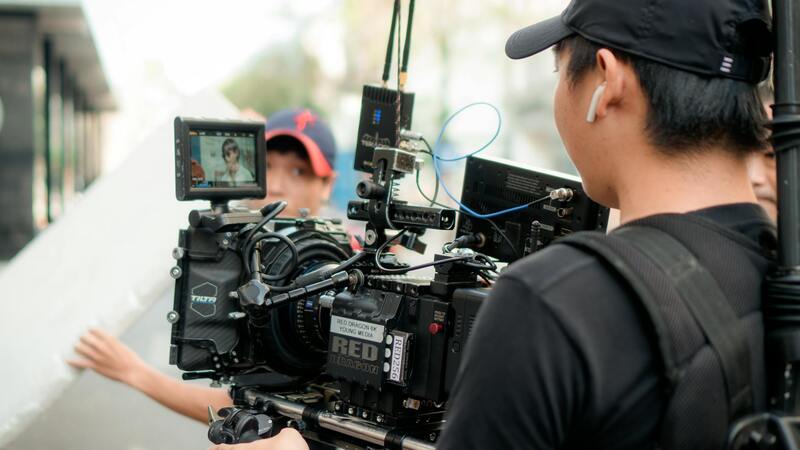
Furthermore, the evolution of digital platforms and social media amplifies the reach of real estate videos. When well-produced, these visuals are more likely to be shared across various channels, increasing exposure and attracting a broader audience, including international buyers interested in Miami real estate. Thus, realty videography is not merely a trend but an integral part of engaging modern property marketing that bridges the gap between physical spaces and prospective buyers through compelling visual storytelling.
Key Elements of Effective Realty Videography
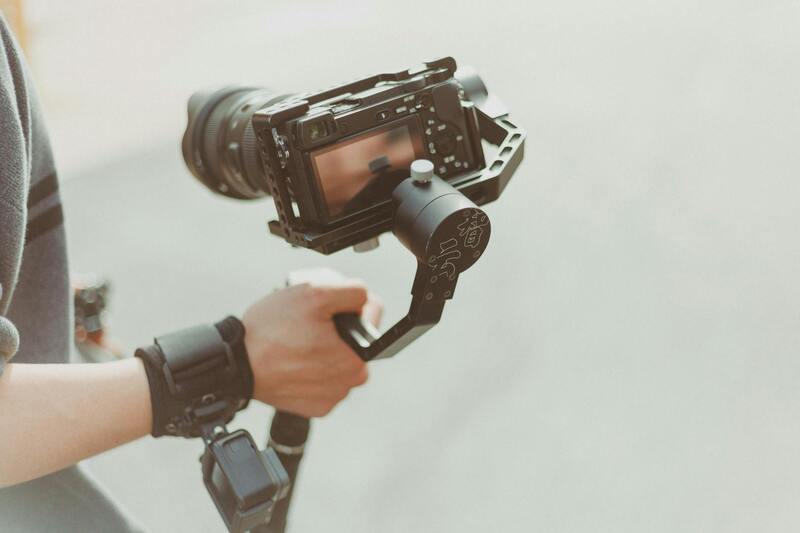
Creating compelling realty videos that truly resonate with potential buyers requires attention to several core elements. Ensuring high production quality is essential; this includes clear, steady footage, professional lighting, and optimal framing to highlight the property's most attractive features. Smooth camera movements, often achieved through stabilization equipment like gimbals or drones, add a cinematic quality that keeps viewers engaged. Moreover, the integration of natural lighting plays a crucial role in accentuating interior spaces and exterior environments, providing an authentic feel of the property.
Storytelling within the video sequence enhances viewer engagement. An effective property tour logically flows through each space, emphasizing unique aspects such as panoramic views, spacious layouts, luxury finishes, and outdoor amenities. Including thoughtful details about neighborhood features, local attractions, and nearby conveniences enriches the narrative, making the property relatable and appealing.
Audio elements are equally important. Clear voiceovers or background music should complement the visuals without overpowering them. Professional narration can guide viewers through the property, highlighting its strengths and answering common questions subconsciously, thus fostering an emotional connection.
Additional considerations include incorporating virtual staging where appropriate, showing potential layouts and decorating ideas to help buyers visualize living in the space. High-resolution images integrated into a cohesive video timeline ensure clarity, while professional editing adds polish, removing unnecessary shots and emphasizing the property's best angles.
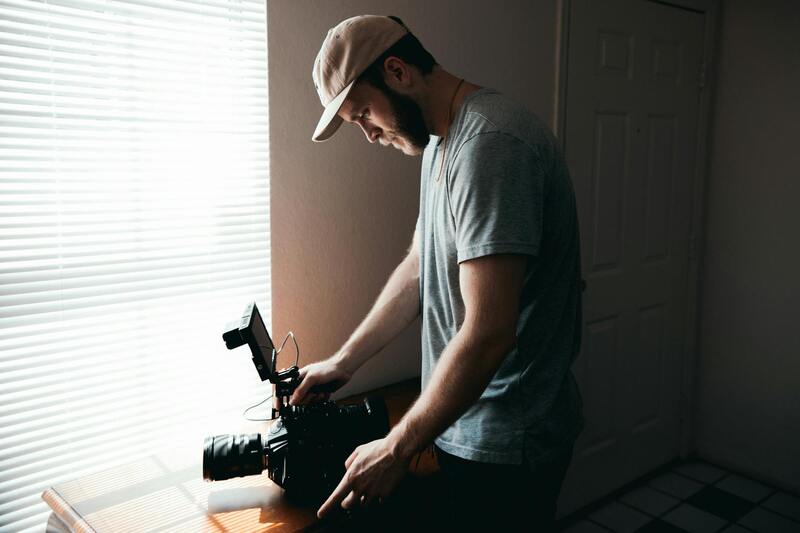
Choosing the right equipment and techniques, such as drone shots for expansive aerial views or 3D walkthroughs for immersive experiences, can significantly elevate a property's presentation. Attention to detail, technical expertise, and creative storytelling converge in effective realty videography, transforming standard listings into compelling visual narratives that resonate with viewers and drive engagement.
Legal and Privacy Considerations
When producing and deploying realty videography, it is vital to adhere to established standards that protect all parties involved. This involves obtaining necessary permissions from property owners or authorized representatives prior to filming. Ensuring clear agreements about the scope of the project, usage rights, and distribution helps prevent misunderstandings and safeguards the interests of both the client and the videographer.
Respecting privacy is equally critical, particularly when filming in residential areas. It is important to avoid capturing identifiable information of individuals who are not involved in the property listing. This includes being mindful of neighbors, passersby, or any private events occurring nearby. Using techniques such as strategic camera angles, controlled zooms, and editing can help obscure or exclude unwanted details, maintaining compliance with privacy expectations.
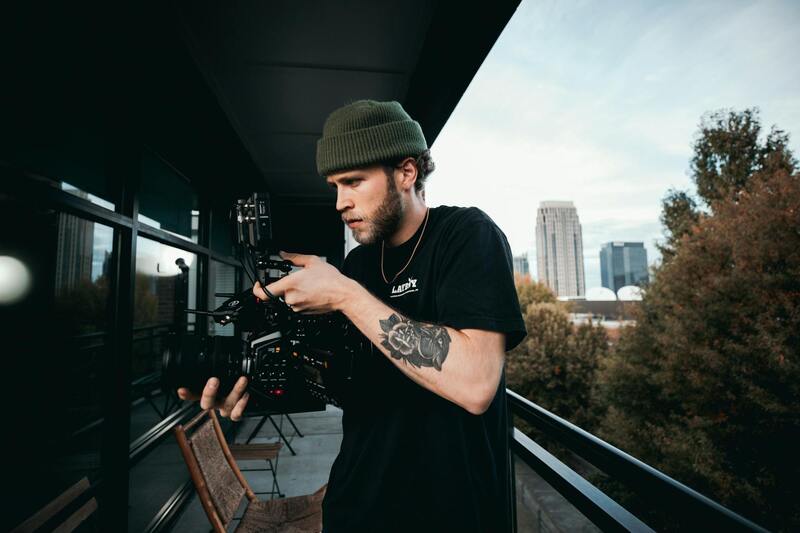
Additionally, virtual tour videos should not include any proprietary or confidential information, such as security systems, access codes, or interior layouts that could compromise safety or security. When incorporating drone footage, it's crucial to follow regulations regarding aerial filming, including restrictions on altitude, no-fly zones, and respecting airspace rules. This not only ensures the safety of the operation but also maintains a professional standard of conduct.
To maintain the integrity of the content, videographers should verify that all media used in the final production is either created in-house, licensed, or appropriately credited. Properly documenting permissions and rights helps avoid disputes related to intellectual property and ensures smooth utilization across various marketing channels.
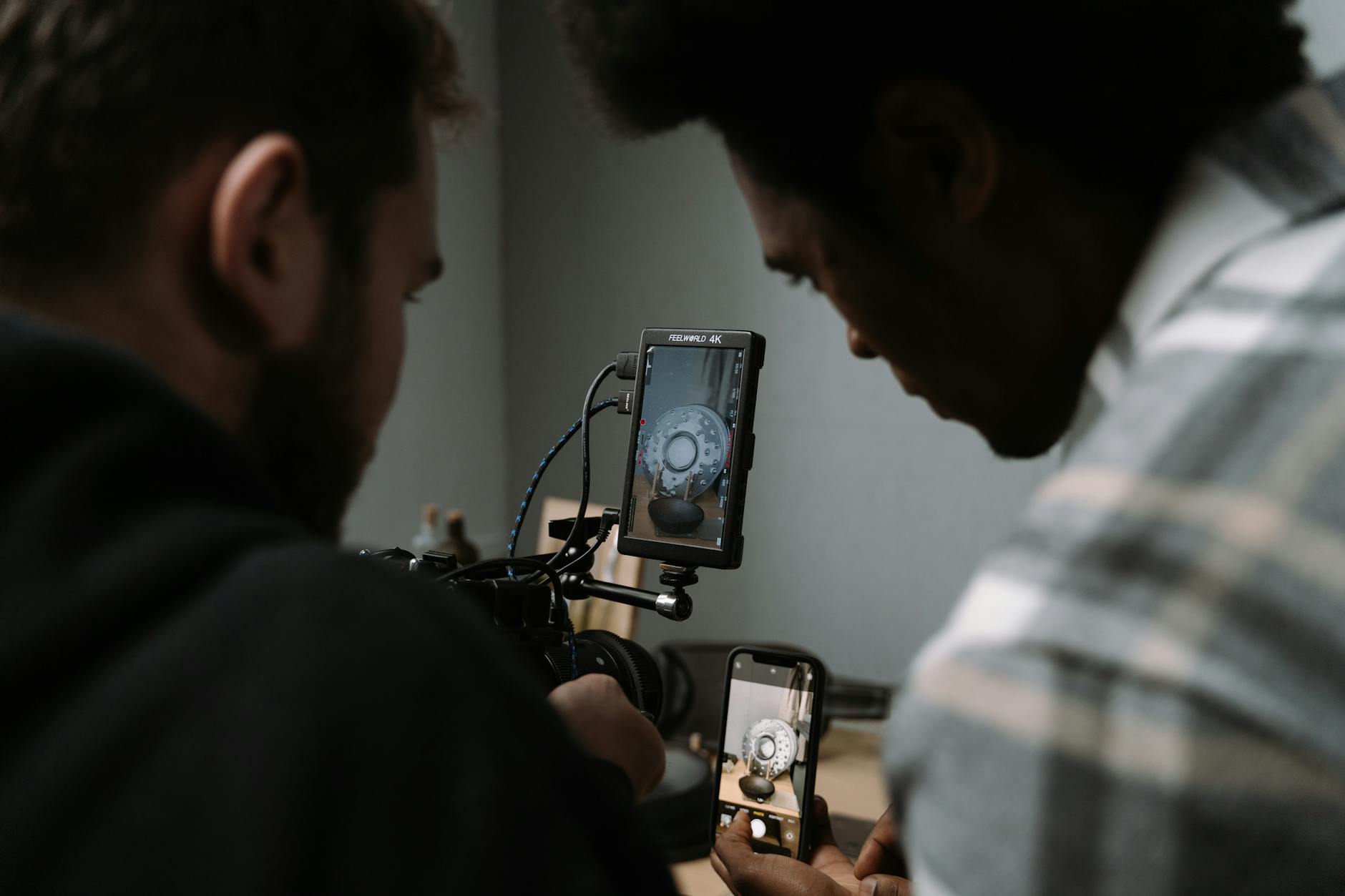
Implementing these practices demonstrates a commitment to professional standards, fostering trust with clients and viewers alike. It also affirms the importance of handling all visual and audio elements with care and respect, which is central to producing credible and effective real estate videos that resonate with prospective buyers and stakeholders.
Proper Equipment and Techniques for High-Quality Realty Videos
Achieving compelling realty videography entails utilizing professional-grade equipment combined with refined filming techniques. High-resolution cameras, including 4K-capable DSLRs and mirrorless models, capture detailed visuals that showcase a property’s features vividly, providing potential buyers with an immersive viewing experience. Stabilization equipment such as gimbals and drones ensures smooth footage, eliminating shaky or distracting movements that could detract from the viewing quality.
Lighting plays a crucial role in emphasizing a property's best features. Utilizing diffused natural light or professional lighting setups can significantly enhance the image clarity and color accuracy of interior scenes. Properly lit videos create inviting, warm atmospheres that make spaces feel more appealing.
Sound quality is often overlooked but is equally vital. Clear narration, ambient sounds, and minimal background noise contribute to a polished presentation that maintains viewer engagement. Using high-quality microphones and sound editing software ensures audio clarity that complements visual content.
Multifaceted shooting schedules should be crafted to highlight key aspects of each property. Wide-angle lenses allow capturing entire rooms in a single frame, providing breadth and depth. Close-up shots can emphasize details such as fixtures, finishes, and unique architectural elements. Additionally, creative camera movements—like controlled pans, tilts, and zooms—direct viewers' attention and create a dynamic narrative flow.
Post-production editing is essential in transforming raw footage into an engaging final product. Color correction, stabilization, and balanced soundtracks help maintain a professional standard. Incorporating branded intros, call-to-action overlays, and thoughtful pacing enhances the viewer’s experience and reinforces the marketing message.
A comprehensive understanding of these equipment choices and filming techniques ensures that each property is presented in the most favorable light, capturingunique selling points while fostering a trustworthy impression among prospective buyers and stakeholders.
Legal and Privacy Considerations in Realty Videography
Ensuring compliance with legal and privacy standards is paramount when creating and distributing real estate videos. Property owners and videographers must adhere to regulations that govern property rights, privacy, and consent, particularly in densely populated areas like Miami. This involves obtaining explicit permission from property owners before filming and confirming that no personal belongings, confidential documents, or sensitive information are unintentionally captured on camera.
In Miami’s vibrant neighborhoods, where properties often include shared spaces or gated communities, additional permissions might be required to access certain areas. It's essential to verify access rights for drone photography or aerial shots, as these often require specific authorizations to avoid infringing on airspace regulations or trespassing laws.
Privacy considerations also extend to the individuals present on the property during filming. Releasing footage that includes tenants, visitors, or other unconsenting individuals can lead to complications. Filmmakers should obtain written consent when individuals are identifiable in video segments, particularly if the footage is used for promotional purposes. Blurring faces or other identifying features can be employed when necessary to respect privacy while still showcasing the property effectively.
Moreover, adherence to intellectual property rights is critical. The use of copyrighted music, branded materials, or proprietary visuals should be properly licensed or avoided altogether. Utilizing royalty-free music and stock footage is a common practice to ensure compliance and maintain professionalism.
Maintaining detailed documentation of permissions, consents, and contractual agreements is beneficial in demonstrating responsible practices and protecting all parties involved. This careful approach not only fosters trust with clients and viewers but also mitigates potential disputes related to content usage, rights, or privacy issues.
In summary, conducting realty videography legally and ethically involves meticulous planning and respect for property rights and personal privacy. By prioritizing these aspects, Miami videographers and real estate professionals can confidently produce engaging, compliant videos that enhance listings without unnecessary complications.
Legal and Privacy Considerations
Implementing a comprehensive approach to ensure that all elements of realty videography adhere to established standards is essential for maintaining professionalism and fostering trust with clients. When capturing footage that includes private property, it’s crucial to obtain explicit permissions from property owners before filming begins. This formal consent guarantees clarity regarding what will be filmed, how the footage will be used, and the distribution channels it will reach.
Furthermore, the inclusion of individuals in property videos necessitates clear agreements. For scenes featuring tenants, visitors, or other people, writers should secure signed release forms that detail their acknowledgment of being recorded and consent to the footage's use. When identifying individuals, blurring faces or other recognizable features through post-production techniques helps safeguard privacy while still showcasing the property’s highlights.
Protection of intellectual property forms another cornerstone of responsible videography. Use of licensed music, stock footage, or proprietary visuals should be meticulously documented. When licensing isn't feasible, opting for royalty-free assets helps avoid potential copyright issues, ensuring smooth promotion and distribution of videos.
Maintaining comprehensive records of permissions, releases, and licensing agreements supports a transparent workflow. This documentation serves as a safeguard against potential disputes while demonstrating compliance with industry standards. Moreover, clear communication about the scope of the video’s use—whether for MLS listings, social media, or other promotional avenues—helps manage expectations and clarify rights.
Adopting a responsible approach to privacy and legal considerations underscores the professionalism of Miami-based realty videographers. It emphasizes respect for property owners, tenants, and viewers alike, fostering a reputation built on trust and integrity. Vigilance in these areas enhances the overall quality and reputation of the marketing efforts and minimizes risks associated with content sharing.
Legal and Privacy Considerations
When creating and distributing realty videos in Miami, it is essential to adhere to established protocols for permissions and privacy. Securing explicit consent from property owners or tenants prior to filming ensures respect for their rights and aligns with industry best practices. This process typically involves obtaining signed approvals that specify the scope of the video shoot, the intended use, and distribution channels. Documented permissions serve as valuable records that mitigate misunderstandings or disputes regarding content usage.
Protecting the privacy of individuals who may appear in realty videos is another important aspect. Techniques such as blurring faces or license plates can help maintain anonymity where necessary, especially in multi-tenant buildings or occupied properties. Communicating clearly with all stakeholders about filming plans and privacy measures fosters transparency and builds trust.
Compliance with regulations governing real estate advertising involves understanding the specific standards set forth by local authorities and industry bodies in Miami. This includes accurate representation of the property without misleading information, ensuring that visuals match the current state of the property, and avoiding the omission of critical details that could impact a buyer's decision. Abiding by these guidelines maintains the integrity of marketing efforts and upholds professional standards.
It is also advisable to implement a comprehensive checklist for every video project that covers obtaining permissions, anonymizing sensitive content, and verifying compliance with advertising standards. Regular training sessions on privacy and legal considerations further reinforce best practices among videography teams. By prioritizing these elements, real estate professionals create compelling visual content that upholds ethical standards and fosters client confidence.
Legal and Privacy Considerations in Realty Videography
Adherence to official protocols is vital when producing realty videos to ensure transparency, respect for privacy, and accurate representation of properties. Securing proper permissions before filming is a fundamental step; this involves obtaining consent from property owners, tenants, or other stakeholders who may appear in the footage. Clear communication about the scope and purpose of the video helps prevent misunderstandings and fosters trust among all parties involved.
Moreover, safeguarding personal information and sensitive content is critical in maintaining professionalism. Techniques such as blurring faces, license plates, or other identifiable features are commonly employed to protect individuals' privacy without compromising the quality of the visual presentation. This approach aligns with established standards for responsible media production and ensures that content remains compliant during distribution and sharing.
Respecting privacy rights extends beyond facial anonymity. It includes obtaining explicit written permissions for anything that might be considered personal or proprietary content, such as interior images of tenants or sensitive areas within a property. Proper documentation of these permissions provides a safeguard against potential disputes and demonstrates best practices in ethical videography.
Approval workflows should be integrated into the production process, ensuring that a comprehensive checklist is followed—covering permissions, privacy measures, and compliance standards outlined by relevant authorities. Regular training sessions for videography teams on privacy best practices and industry standards reinforce commitment to ethical content creation. Through diligent adherence to these procedures, real estate professionals can produce compelling visual marketing materials while upholding responsible media practices.
Finally, aligning video content with local regulations ensures truthful advertising, avoiding the use of misleading visuals or omissions that could distort a property's appeal. Maintaining record-keeping of permissions and adherence to established standards facilitates transparency and supports a reputation for integrity within the competitive Miami real estate market. Staying current on evolving guidelines and industry best practices remains essential for professionals aiming to leverage realty videography responsibly and effectively.