
Importance of Quality Real Estate Photos
In the competitive Miami real estate market, the significance of high-quality real estate photos cannot be overstated. Capturing properties with professional imagery enhances visual appeal and draws more potential buyers. Well-composed and crisp images serve as the first impression for online listings, often determining whether a property garners interest or gets overlooked. The fast-paced nature of the Miami property scene means that listings with compelling visuals tend to experience quicker engagement, reducing the time a property remains on the market. Consequently, real estate photos are a strategic asset for agents and sellers aiming to maximize visibility and facilitate quicker sales.
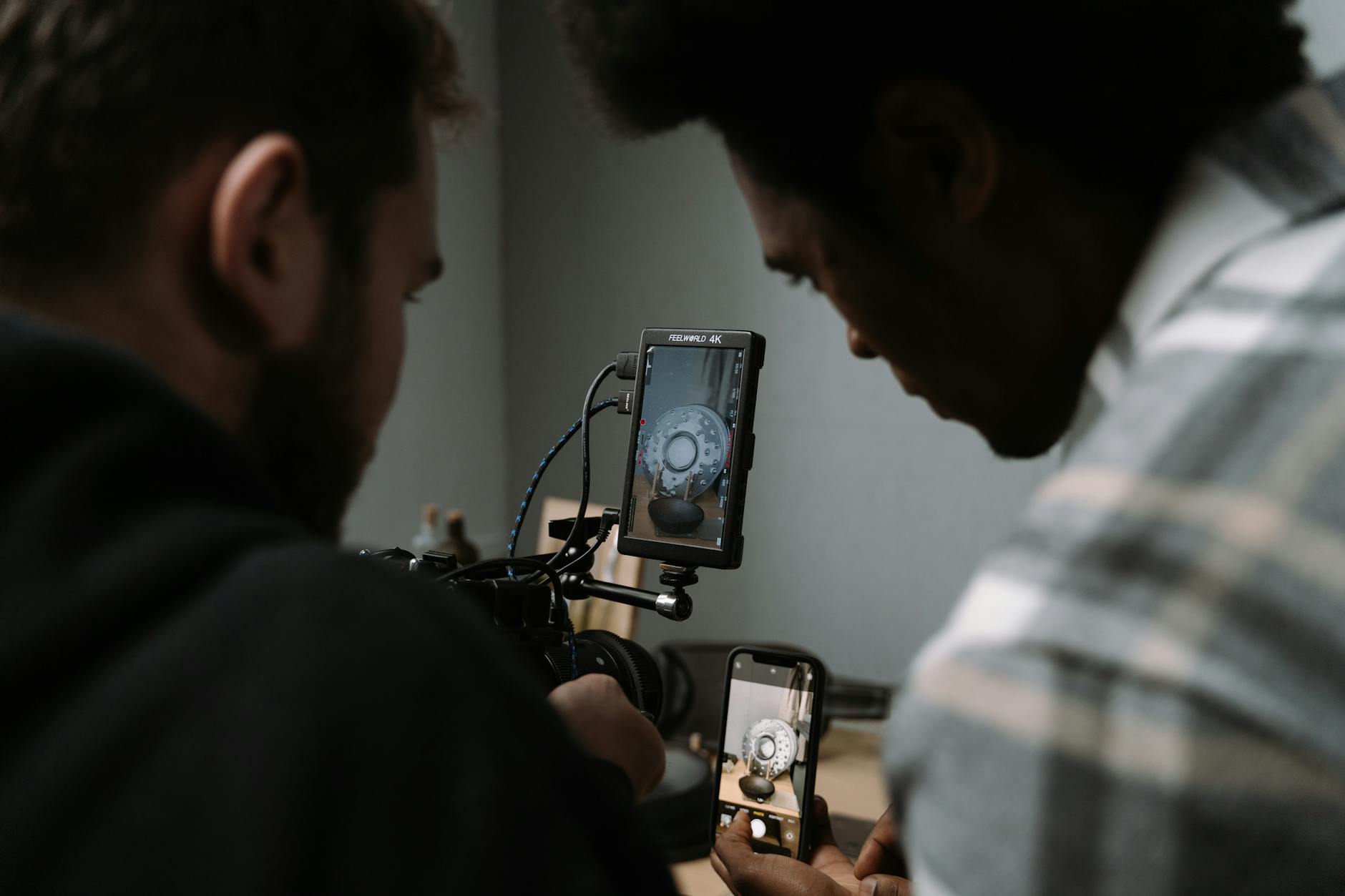
In addition to attracting attention, superior images help convey the true essence and unique features of a property. They can highlight architectural details, interior layouts, scenic views, and outdoor amenities, thereby creating a compelling story that resonates with prospective buyers. This visual storytelling is particularly crucial in a diverse market like Miami, where waterfront views, modern interiors, and vibrant neighborhoods are major selling points. When real estate photos accurately reflect the property's charm and characteristics, they significantly influence buyer confidence and interest, often leading to increased inquiries and offers.
Key Elements of Professional Realty Photos
- Lighting: Proper lighting showcases spaces clearly and accentuates architectural features.
- Composition: Balanced framing directs viewer attention to the property's best elements.
- Clarity and Sharpness: High resolution and focus ensure details are crisp and inviting.
- Staging: Well-staged interiors make spaces appear welcoming and functional.
- Weather and Timing: Shooting during optimal weather and natural lighting conditions maximizes visual appeal.
Preparing Properties for Photo Shoots
Preparing a property prior to a professional photoshoot is essential to achieve outstanding results. This process involves decluttering interiors to eliminate distractions, tidying up outdoor areas, and ensuring all lights are functioning. Open curtains and blinds to allow natural light to flood rooms, creating bright and inviting atmospheres. Immediate attention to details such as removing personal items and organizing furnishings helps showcase the space's potential. Proper preparation ensures that every shot highlights the property's strengths and minimizes any imperfections that could detract from its appeal.

Choosing the Right Photography Equipment and Techniques
Utilizing the appropriate equipment and techniques is fundamental for capturing professional real estate photos. Wide-angle lenses are standard, allowing for expansive room shots that give viewers a sense of space. Additionally, drones can be employed for stunning aerial views, especially for waterfront or large properties. Tripods ensure stability, resulting in sharp, distortion-free images. Advanced techniques, such as HDR (High Dynamic Range) photography, blend multiple exposures to balance light and shadow, producing images that accurately represent the property's appearance both indoors and outdoors. Mastery of these tools and methods results in photos that are both visually compelling and true to life.
Editing and Post-Production for Realty Photos
Post-production editing plays a critical role in refining real estate images. Adjusting brightness, contrast, and color saturation enhances the visual impact without misrepresenting the property. Skilled editing can correct minor imperfections, such as lighting inconsistencies or lens distortions, ensuring a seamless viewing experience. However, maintaining authenticity is vital to building trust with prospective buyers. Professional editing also involves cropping and composition adjustments to create a balanced and engaging image sequence. Properly edited photos are more likely to stand out in online listings, increasing interest and viewings.
Key Elements of Professional Realty Photos
Capturing compelling real estate images requires an understanding of several fundamental elements that influence the overall appeal of a property listing. These elements work together to create images that not only attract viewers but also accurately represent the property's features, dimensions, and ambiance.
- Lighting: Proper lighting is crucial in real estate photography to highlight the property's best features. Natural light tends to produce warm, inviting images, so scheduling shoots during daylight hours is preferable. The use of additional lighting sources, such as strobes or continuous lights, can fill shadows and enhance details, especially in indoor spaces with limited natural light.
- Composition: Strategic framing and composition guide the viewer's eye through the space, emphasizing key areas while maintaining visual balance. Techniques like the rule of thirds, leading lines, and symmetry help in creating more engaging images. Attention to vertical and horizontal lines ensures rooms appear straight, preventing distortions that could mislead viewers.
- Staging: Proper staging involves decluttering, arranging furniture, and adding decorative elements to showcase the space's potential. Staged properties appear more inviting and allow prospective buyers to envision themselves living there. Cleanliness and minimalism are often essential for maximizing visual clarity.
- Angles: Selecting the right shooting angles can significantly influence the perception of space. Wide-angle lenses are standard for capturing room dimensions, but maintaining consistency across shots helps avoid unrealistic impressions. A mix of eye-level and slightly elevated perspectives offers a comprehensive view of each space.

Preparing Properties for Photo Shoots
Preparation is key to ensuring that real estate photos effectively highlight the property's features. This process involves several steps aimed at creating a clean, attractive environment that will photograph beautifully.
- Declutter and Clean: Removing personal items, excess furniture, and clutter helps create a sense of spaciousness. Deep cleaning surfaces, windows, and floors ensures that the property appears well-maintained.
- Rearrange and Stage: Thoughtful rearrangement of furniture can open up spaces and improve flow. Adding fresh linens, artwork, or subtle decorative touches can enhance visual appeal.
- Schedule Preferred Timeframes: Shooting during the day allows for natural light to fill the rooms. Postponing a shoot due to unfavorable weather conditions can prevent dull or uneven lighting.
- Adjust Window Treatments and Lighting: Opening curtains and blinds maximizes natural light, creating bright, welcoming interiors. Turning on interior lights can fill in dark corners, especially in low-light settings.
Optimal Photography Equipment and Techniques
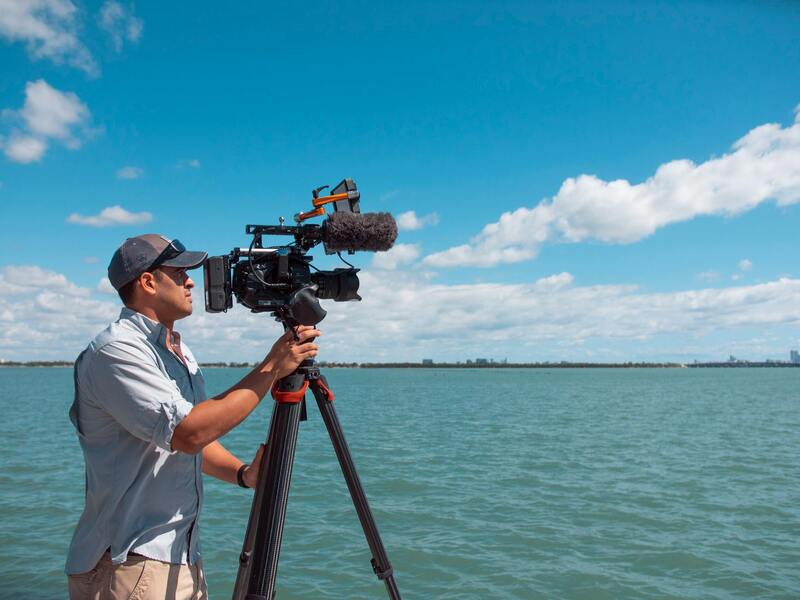
Achieving high-quality realty photos hinges on the careful selection of equipment and the application of effective photographic techniques. Professional-grade digital cameras with high-resolution sensors are essential for capturing detailed and vibrant images that accurately represent the property. Wide-angle lenses are commonly used to encompass more of a room within a single frame, emphasizing space and flow while avoiding distortion that could mislead viewers.
Tripods are indispensable for maintaining camera stability, especially in low-light conditions or when using slower shutter speeds to maximize light exposure. Proper stabilization ensures sharp images devoid of motion blur, which is critical when creating a polished listing. Additionally, utilizing remote shutter releases or timers minimizes the risk of camera shake during the shot.
Lighting is a paramount consideration. Natural light is preferred, so shooting during daylight hours when sunlight floods the interior creates a warm, inviting atmosphere. The use of external flash units or professional lighting kits allows for balance in scenarios where natural light is insufficient or uneven. Techniques such as bracketing multiple exposures can also be employed to ensure proper brightness and detail in both highlights and shadows.
Camera settings should be optimized for clarity and detail. A small aperture (high f-stop number) increases depth of field, ensuring that both foreground and background elements are sharp. Adjusting ISO to the lowest setting minimizes noise. Consistency in camera settings across all shots contributes to a cohesive visual presentation throughout the listing.
Post-Production and Editing of Realty Photos
Post-processing enhances the visual appeal of real estate images while maintaining authenticity. Basic editing includes adjusting brightness, contrast, and color saturation to reflect the true ambiance of the property. Correcting lens distortions, straightening lines, and cropping images to improve composition are routine steps that contribute to professionalism.
Advanced techniques such as sky replacement or the removal of minor imperfections can be used judiciously to optimize overall image quality. It's crucial that editing maintains the original character and accuracy of the property, avoiding overly exaggerated enhancements that could mislead viewers.
Ultimately, well-executed editing ensures that every photo communicates the property’s best features and helps attract qualified buyers. Consistency in editing style across all images creates a cohesive and professionally branded listing, boosting online engagement and interest.
Choosing the Right Photography Equipment and Techniques
High-Quality Cameras and Lenses
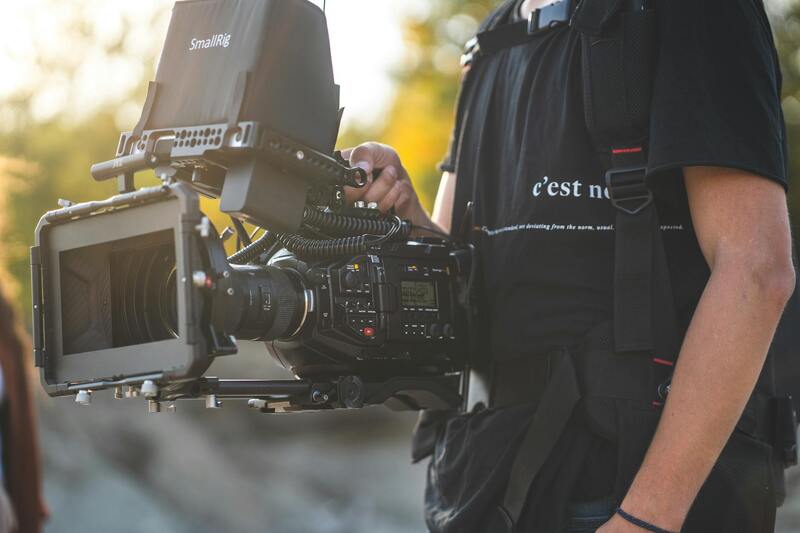
Investing in specialized photography equipment is fundamental to capturing compelling realty photos. A professional-grade digital single-lens reflex (DSLR) or mirrorless camera ensures high resolution and better control over image quality. These cameras allow for precise adjustments to exposure, focus, and color, resulting in sharp, vibrant images that accurately portray the property. Utilizing wide-angle lenses, typically in the 14-24mm range, expands the field of view, making rooms appear larger and more inviting. These lenses are particularly effective in small or constrained spaces where capturing the full extent of a room is essential.
Incorporating Drones for Aerial Perspectives
Drone photography offers a unique vantage point, showcasing the property's exterior and surrounding environment from above. High-resolution drone imagery can highlight the property's size, landscape, and nearby amenities, providing potential buyers with a comprehensive understanding of the property's context. When used appropriately, drone shots can significantly elevate the visual appeal of a listing, especially for larger estates or properties with noteworthy external features.
Techniques Like HDR for Dynamic Range
High Dynamic Range (HDR) photography captures multiple exposures of the same scene, blending them to create images with balanced lighting. This technique is particularly effective for interiors with windows, where bright natural light contrasts sharply with darker areas. HDR ensures that all details, from bright highlights to shadowed corners, are visible and accurately represented. Proper use of HDR enhances the realism and attractiveness of realty photos, making spaces appear more spacious and inviting.
Effective Lighting Strategies
Natural light remains the most flattering for property photography. Scheduling photoshoots during the day when sunlight fills the rooms creates warm, inviting images. Supplementing natural light with professional lighting equipment, such as softboxes or strobes, can help eliminate shadows and evenly illuminate interiors, especially in rooms with limited windows. Proper lighting not only improves clarity and color accuracy but also ensures the property looks its best in every shot.
Mastering Composition and Angles
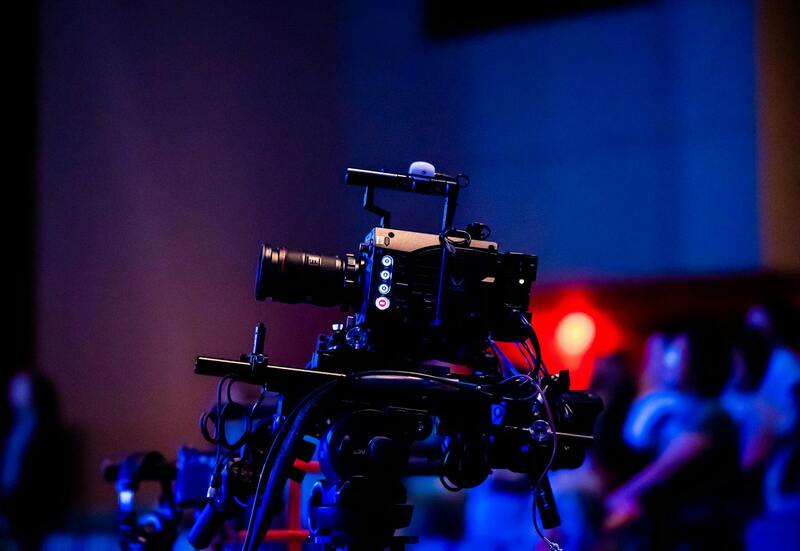
Optimal composition is essential for compelling realty photos. Shooting from eye level, when possible, creates a natural perspective that viewers find relatable. Using symmetrical framing and decluttering spaces directs attention to the property's unique features. Multiple angles per room provide potential buyers with a comprehensive view, highlighting space flow and layout. The goal is to showcase each room's purpose and potential, guiding viewers through the property as if they were touring it in person.
Consistent Shooting Style for a Cohesive Look
The uniformity of images across a listing strengthens branding and presents a professional impression. Establishing a consistent style—whether through camera settings, angles, or editing approaches—helps potential buyers engage with the listing more effectively. This consistency ensures that all images complement each other, creating a seamless visual narrative that enhances the property's appeal and encourages inquiries.
Utilizing Advanced Techniques and Official Resources for Stunning Realty Photos
Employing advanced photography methods can elevate the quality of real estate images, making listings stand out in a competitive market. Techniques such as High Dynamic Range (HDR) imaging combine multiple exposures to produce well-balanced images that capture both interior brightness and exterior details, even in challenging lighting conditions. This approach ensures that shadows are controlled and highlights are retained, providing a realistic depiction of the property's appearance. Gentle tilt-shift lens usage can correct perspective distortions, especially valuable for shooting wider spaces or exteriors, maintaining the architectural integrity of the property. Additionally, utilizing polarizing filters can reduce reflections and glare from windows and glass surfaces, enhancing clarity and color vibrancy.
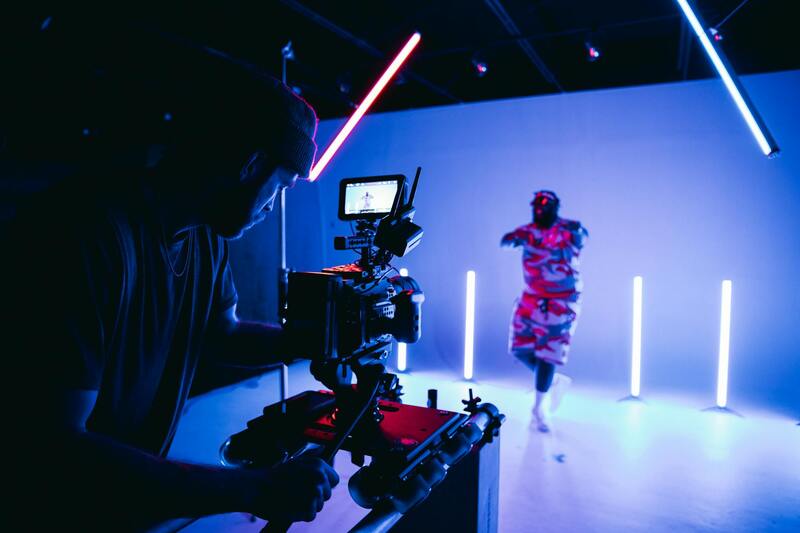
Choosing the right equipment is essential for producing commercially appealing realty photos. Off-the-shelf digital cameras, such as full-frame DSLRs or mirrorless models, paired with high-quality wide-angle lenses, are industry-standard tools that help capture expansive interior and exterior spaces. Employing a sturdy tripod stabilizes the camera during long exposures and HDR shots, ensuring sharpness and consistency across images. For outdoor shots, drone cameras equipped with 4K capabilities provide aerial views that highlight property boundaries, landscaping features, and neighborhood context, giving potential buyers a comprehensive perspective.
It is equally important to adhere to best practices recommended by professional associations and industry guidelines. Accessing official resources and training modules from reputable real estate photography organizations can provide insights into current standards, lighting techniques, and composition rules. Participating in certified workshops or courses ensures that photographers stay updated on evolving technology and styling trends, maintaining a high level of professionalism and consistency across all property images.
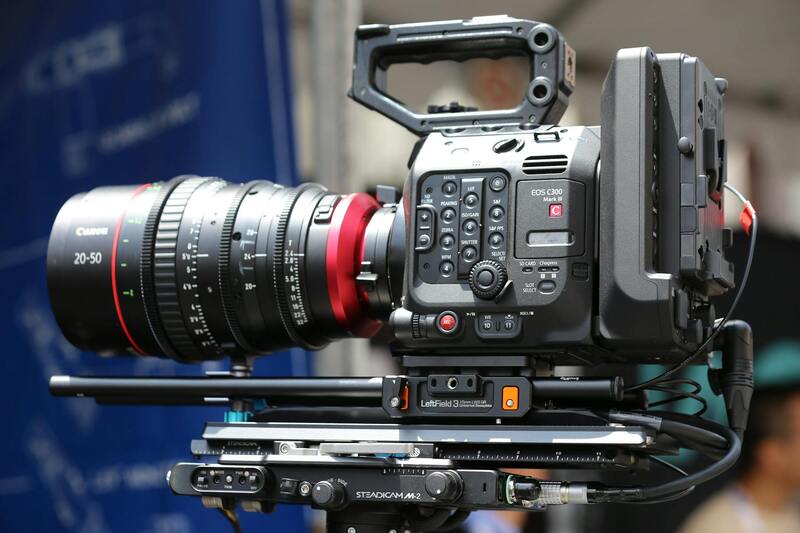
For photographers and agencies based in Miami or serving the local market, collaborating with specialized companies like Miami Video Services offers access to high-quality staging, equipment, and editing resources tailored for the Florida real estate scene. These partnerships enable the use of the latest gear and techniques, ensuring that every listing benefits from top-tier imagery designed to attract serious buyers and investors. Employing professional tools and adhering to established standards ensures that realty photos meet the expectations of the modern property market, leading to faster sales and higher listing visibility.
Official Approaches for Enhancing Realty Photos
Ensuring high-quality real estate images relies heavily on employing official, recognized methods that align with industry standards. Professional photographers often adhere to established guidelines set forth by reputable real estate photography associations and certification bodies. These standards encompass optimal lighting, composition techniques, and equipment handling—elements that contribute to creating visually appealing and accurate property representations.
Certification programs offered by recognized industry organizations provide valuable training on best practices, ensuring photographers understand how to capture properties effectively while respecting property rights and privacy regulations. These programs often include modules on the appropriate use of camera settings, lighting setups, and post-production procedures that comply with industry norms.
Collaboration with licensed and experienced real estate photographers is another legitimate route. Such professionals possess the necessary credentials, equipment, and technical expertise to produce images that enhance property appeal. Their familiarity with local market nuances, including the unique architectural styles and landscaping typical of Miami, allows them to tailor photos to resonate with target audiences effectively.
Furthermore, employing official editing workflows that adhere to industry standards ensures the authenticity of images remains intact. This includes using approved enhancement techniques that improve clarity, color balance, and lighting without misrepresenting the property's features. These practices maintain transparency and foster trust with prospective buyers.
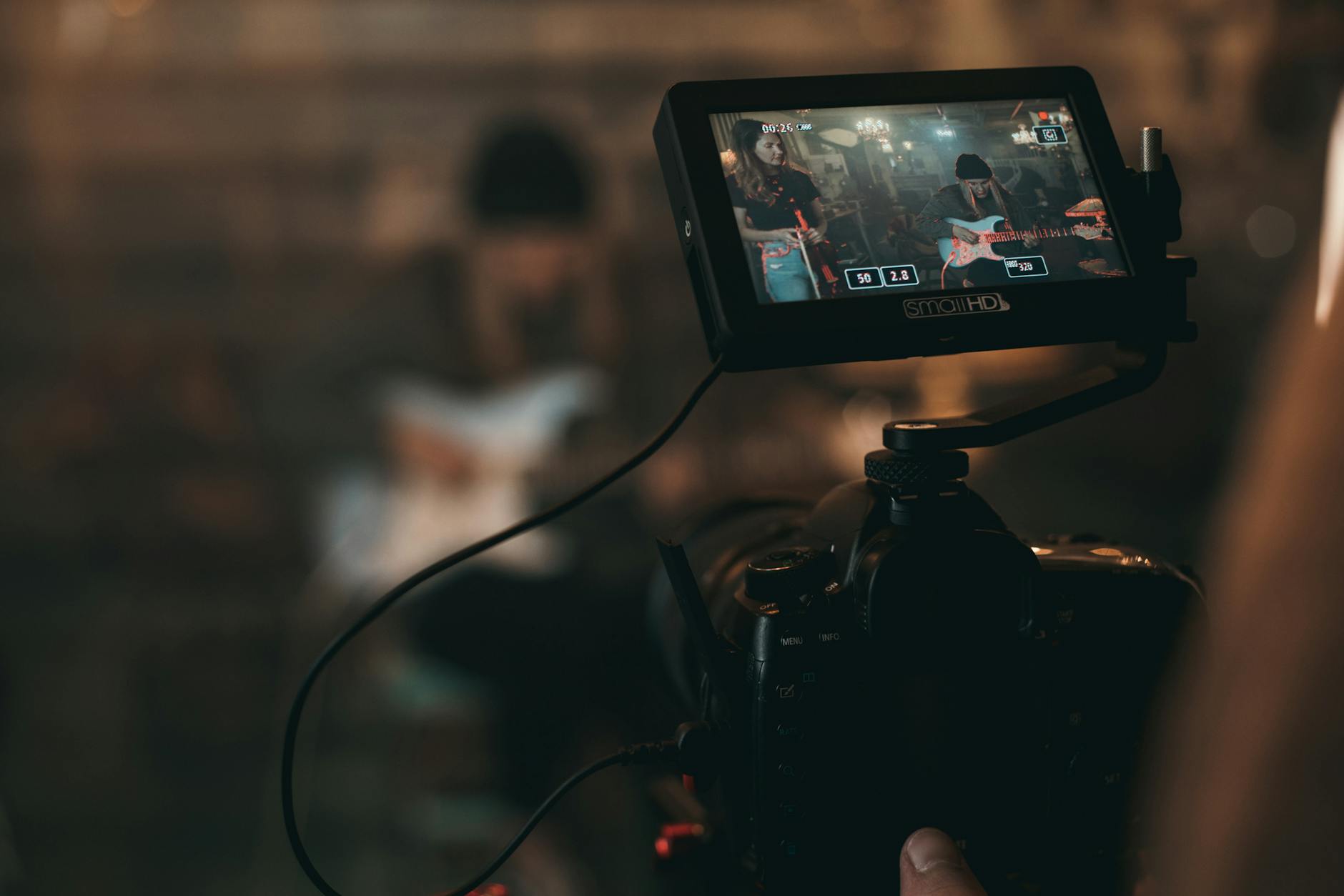
To reinforce image quality, real estate professionals and photographers should leverage official training resources from recognized organizations. These often include workshops, online courses, and certification programs that keep practitioners updated on technological advancements and evolving standards. Engaging with certified training ensures consistent quality across all property images, maintaining a professional appearance that appeals to discerning buyers.

Choosing a Miami-based Production Agency
Partnering with a local production agency in Miami ensures that your real estate photos capture the unique essence of the Miami market and architectural styles. Miami-specific familiarity allows photographers to understand the best times for natural lighting, highlight regional design features, and effectively showcase properties in their best light. Local agencies also understand the preferences of Miami buyers and investors, enabling them to tailor visual marketing strategies accordingly.
When selecting a Miami-based agency, consider their portfolio of previous work, especially their experience with properties similar to yours. Review their ability to produce high-resolution images with vibrant colors and crisp detail, which are crucial for attracting potential buyers online. Additionally, evaluate their equipment and technology capabilities, such as drone photography for aerial shots or 360-degree virtual tours, which can significantly enhance listing appeal.
Effective communication and professionalism are equally important. A reputable agency should provide clear timelines, transparent pricing, and detailed briefs that align with your marketing goals. Forming a partnership with a locally knowledgeable team not only improves photo quality but also streamlines the entire process, ensuring your real estate marketing efforts are executed smoothly and efficiently.
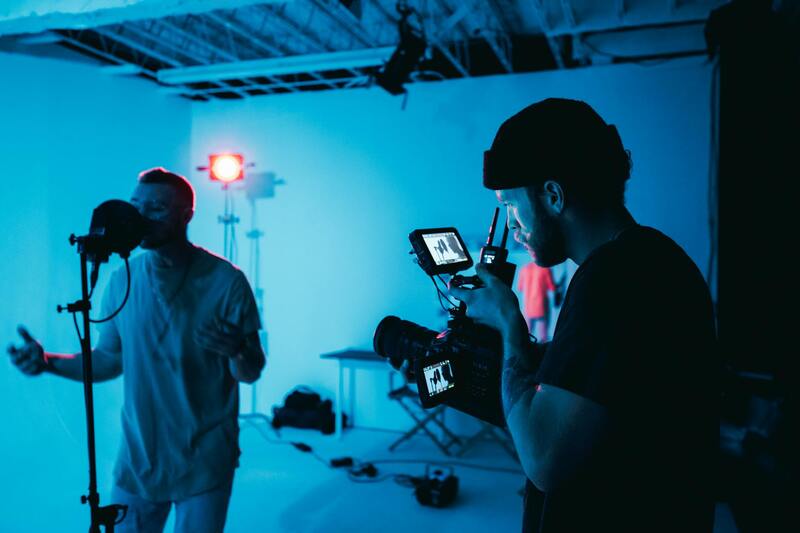
By choosing an agency familiar with Miami’s real estate landscape, you can leverage their expertise to produce images that resonate with regional aesthetics and buyer preferences. This strategic choice optimizes your property’s visual appeal, enhances online visibility, and accelerates the sales process.
Enhancing Realty Photos Through Professional Methods
For real estate professionals and property owners aiming to maximize the visual impact of their listings, adhering to established, reputable methods of capturing and presenting property images is essential. The use of official techniques ensures that each photo accurately reflects the property’s unique features, atmosphere, and potential. This meticulous approach not only elevates the perceived value of the property but also heightens engagement from prospective buyers and investors.
Utilizing High-Quality Equipment and Technology
Professional-grade cameras equipped with high-resolution sensors are fundamental. These devices capture detailed images that reveal the intricate features of a property, from textured wall finishes to scenic outdoor views. Wide-angle lenses are commonly employed to illustrate spatial relationships and give a comprehensive perspective of rooms and exterior spaces.
In addition to still photography, aerial shots obtained through drone technology can portray entire properties from above, providing context on lot size, landscaping, and proximity to key local amenities. Incorporating 360-degree virtual tour equipment also offers immersive experiences, allowing potential buyers to navigate through spaces remotely and gain a better sense of scale and layout.
Applying Optimal Shooting Techniques
Proper lighting is critical to producing striking images. Shooting during daylight hours with natural light yields vibrant, inviting photos, especially when windows are opened to allow even illumination. Using professional lighting setups can also help mitigate shadows, highlight architectural details, and create a warm ambiance.
Maintaining correct camera settings—such as appropriate aperture, ISO, and shutter speed—is important for capturing sharp, well-exposed images. Employing a tripod ensures stability, especially in low-light conditions or when performing long exposures. Additionally, framing each shot thoughtfully with attention to symmetry and composition reinforces the property’s best features and guides viewers' attention effectively.
Post-Processing and Editing
After capturing images, professional editing enhances their visual appeal while preserving authenticity. Adjustments such as brightness, contrast, and color saturation can make spaces appear more lively and inviting. Removing minor imperfections, such as lens flare or distracting clutter, contributes to a polished look.
Advanced editing techniques, including perspective correction and HDR imaging, allow for the rendering of balanced, true-to-life images. Consistent styling across all photos ensures a cohesive presentation that reinforces branding and marketing objectives. Employing reputable editing software, operated by skilled professionals, guarantees that images meet high standards of quality and accuracy.
Ensuring Compliance with Industry Standards
Adhering to recommended practices established by authoritative industry bodies ensures that real estate photos meet quality benchmarks and serve their intended purpose effectively. These standards emphasize clarity, accurate color reproduction, and comprehensive coverage of property features. Property listings that benefit from high-quality, ethically produced images tend to attract more attention and foster higher levels of trust among prospective buyers.

Implementing official techniques in realty photography is more than just capturing appealing images—it involves a careful balance of technology, artistry, and adherence to industry best practices. This comprehensive approach guarantees that each property is presented in the best possible light, facilitating a smoother, more effective marketing process and ultimately advancing sales performance.