
Importance of Professional Realtor Photos
In today’s competitive real estate market, high-quality realtor photos stand as a cornerstone of successful property marketing. These images serve as the initial visual impression for potential buyers browsing online listings. Professionally captured photos not only showcase a property’s best features but also create a sense of trust and credibility that can significantly influence a buyer’s decision-making process. When prospective buyers view crisp, well-lit, and aesthetically pleasing images, they are more likely to schedule a viewing or submit an inquiry, ultimately leading to faster sales and higher property values.
Research consistently demonstrates that listings with professional photos receive more clicks, longer viewing times, and increased engagement compared to those with amateur or low-quality images. This heightened interest can translate into a competitive edge, especially in markets where properties are plentiful. Well-executed realtor photos highlight spatial layouts, maximize lighting, and capture the unique character of each property, enabling potential buyers to virtually experience the space before visiting in person.
Furthermore,professional images foster a sense of professionalism and attention to detail that can distinguish an agent or agency from competitors. This visual-first approach aligns with the increasing importance of online listing platforms, where early impressions often dictate whether a property gets the attention it deserves. Therefore, investing in expert photography is a strategic decision that amplifies marketing efforts and enhances the overall appeal of a property.
Preparing for a Realtor Photoshoot
Effective preparation is essential to ensure that the photos accurately represent the property’s best attributes. Prior to the shoot, a thorough cleaning and decluttering of all living areas are imperative. This process involves removing personal items, excess furniture, and any clutter that can distract viewers or make spaces appear smaller. Additionally, attention should be given to improving curb appeal through landscaping, outdoor cleaning, and ensuring entry points are welcoming.
Staging plays a critical role in presenting a space at its most appealing. This may include repositioning furniture to define rooms clearly, adding subtle decor accents to enhance visual interest, and ensuring that all lighting fixtures are functional and appropriate for the desired ambiance. Adequate lighting is crucial; therefore, scheduling the shoot during the daytime when natural light is abundant can produce brighter, more inviting images. Artificial lighting, if used, should be evenly distributed to minimize shadows and highlight architectural features.
Checklist for Property Preparation
- Deep clean all interior and exterior surfaces
- Declutter and depersonalize spaces
- Ensure all lights are functioning and replace bulbs as needed
- Open curtains and blinds to maximize natural light
- Arrange furniture to define each room clearly
- Add fresh flowers or subtle decor accents to enhance visual appeal
- Arrange outdoor areas for maximum curb appeal
- Coordinate any necessary permits for drone shots or special equipment
Choosing the Right Photographer and Equipment
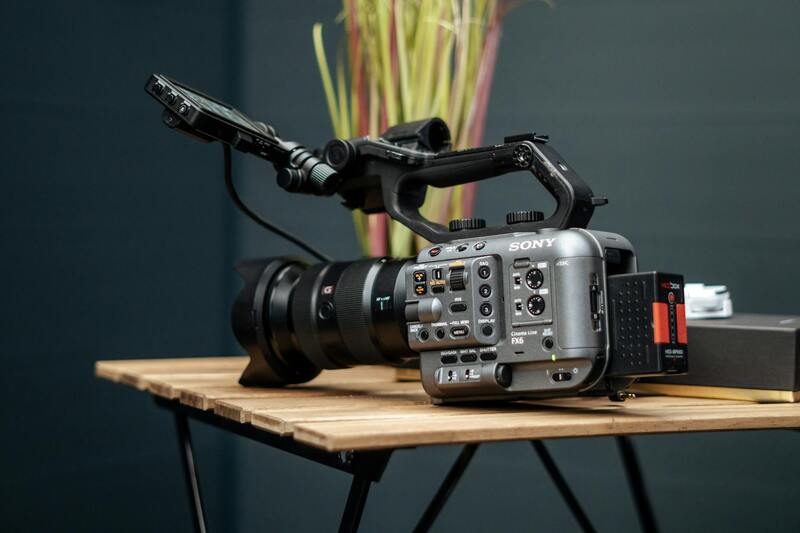
Partnering with a seasoned real estate photographer ensures that your property is showcased in the best possible light. Look for professionals who specialize in real estate imagery, as they understand how to highlight a property's strengths and minimize any flaws. An experienced photographer will utilize high-quality cameras with full-frame sensors, allowing for sharp, detailed images that do justice to your property.
It is essential to consider the equipment used during the shoot, such as wide-angle lenses that can capture entire rooms and expansive outdoor views, creating a sense of spaciousness in the images. Additionally, professional-grade lighting equipment can compensate for challenging natural lighting conditions, ensuring that interiors are well-lit and inviting. Drone cameras may also be incorporated to provide aerial views of the property, especially useful for large estates or properties with significant outdoor spaces.
Discussing the desired outcomes with your photographer before the shoot is vital. Clarify the style and angle preferences, and review sample images if possible. This ensures that both parties share the same vision for the final results and that the equipment employed aligns with the project's objectives.
Best Practices During the Photoshoot
- Consistent lighting setup to prevent harsh shadows or uneven illumination.
- Use of a tripod for stability and sharpness, particularly in low-light conditions.
- Obtaining multiple shots of each space from various angles to offer a comprehensive view.
- Paying attention to details such as fixture placement, window treatments, and decor alignment to highlight the property’s appeal.
- Incorporating natural light when available, and supplementing with artificial lighting as needed to brighten dark areas.
- Ensuring all necessary permission are secured for drone photography or special shots.
Adhering to these practices guarantees consistent, high-quality images that effectively communicate the property's value to potential buyers.

Optimizing Realtor Photos for Maximum Impact
Once the images from the photoshoot are captured, the next crucial step involves optimizing these photographs to ensure they stand out in online listings and marketing materials. High-quality photos that are properly adjusted can significantly influence potential buyers’ impressions and decisions.
Post-processing begins with color correction to ensure accurate and appealing tones that reflect the real appearance of the property. Brightness and contrast adjustments help emphasize features without making images look unrealistic or overexposed. Sharpening techniques can enhance crispness, making details like architectural features, fixtures, and textures more visible.
Lighting adjustments may include reducing unwanted shadows or highlights, especially in interior shots where natural light might create uneven exposure. For exterior shots, enhancements can bring out the vibrancy of landscaping, facades, and surrounding views. Correcting distortion caused by wide-angle lenses ensures straight lines and proportionate structures, preserving architectural integrity.
Image compression is vital to balance quality and load times for online platforms. Optimized images load faster on property listing websites, which not only improves user experience but can also positively influence search engine rankings. Ensuring images are sized appropriately for various devices enhances their visual impact across desktops, tablets, and smartphones.
Color consistency across all images creates a cohesive look in listings, reinforcing brand identity and professionalism. Additionally, strategic cropping can highlight key selling points, such as spacious kitchens, luxurious bathrooms, or scenic outdoor areas, guiding viewers’ focus to the property’s most compelling features.
Incorporating 'call-to-action' overlays or branding elements within images can also foster engagement, prompting viewers to contact the realtor for further information. When executed thoughtfully, image optimization transforms raw photos into powerful marketing assets that attract and convert potential buyers effectively.
Post-Processing and Image Optimization
After capturing high-quality images during a realtor photoshoot, the next crucial step involves meticulous post-processing to enhance visual appeal and ensure the images stand out on various digital platforms. This phase is not merely about correction but also about crafting images that accurately represent the property's essence while appealing to prospective buyers.
Expert editing begins with adjusting exposure, contrast, and color balance to achieve a natural yet striking look. This process corrects any tonal imbalances caused by lighting inconsistencies during the shoot, ensuring every room’s details are visible and inviting. Special attention is given to ceiling and window areas to prevent unwanted shadows or highlights, particularly in interior shots where natural light can create uneven exposure.
In exterior photos, enhancements aim to bring out the landscape's lushness, the property's facades, and surrounding views. Correcting for lens distortion ensures buildings appear with accurate proportions, maintaining architectural integrity. Accurate perspective correction is especially vital for emphasizing the spatial layout and size of outdoor features.
Additionally, advanced editing techniques such as noise reduction, sharpening, and detail enhancement further elevate image quality. These modifications should be subtle, keeping images authentic while emphasizing their best features. Incorporating strategic cropping directs focus toward key selling points, like a stunning kitchen, spa-like bathroom, or scenic backyard, guiding potential buyers' eyes naturally across the property.
Beyond visual adjustments, image optimization involves compressing files to balance quality and load times. Proper compression ensures that images retain their clarity and richness while loading swiftly across devices and internet speeds. Optimal sizing for desktop, tablet, and smartphone views ensures consistent visual impact, regardless of how viewers access the listing.
Applying branding overlays or calls-to-action within images can subtly prompt viewers to contact the realtor or visit the website for more details. These embedded elements, when executed thoughtfully, integrate marketing messages seamlessly without overwhelming the visuals.

Overall, meticulous post-processing transforms raw images into compelling visual stories that not only attract attention but also foster emotional connections, significantly increasing the chances of a quick sale.
Legal and Ethical Considerations
When preparing and utilizing realtor photos, adhering to established standards and guidelines ensures that marketing efforts are both respectful and transparent. Accurate representation of a property is crucial for maintaining trust between the realtor and potential buyers. This involves capturing images that portray the property genuinely without misleading enhancements or omissions that could skew perceptions. While high-quality images can significantly enhance a listing, it is essential to avoid deceptive practices that might misrepresent the property's condition or features. Photographers should refrain from digitally adding or removing elements that could alter the viewer’s understanding of the space. For example, staging should be truthful, highlighting the property's best features without exaggerating size or space. It is also important to follow local regulations surrounding the use of images in real estate advertising. This includes guidelines related to privacy, such as obtaining permissions before photographing occupied properties, especially when showcasing interiors that contain personal belongings or identifiable features. Beyond visual accuracy, ensuring that images are properly credited and used with appropriate rights respects intellectual property laws. The photographer's work should be appropriately licensed or credited, avoiding issues associated with unauthorized use. Engaging in honest marketing practices strengthens reputation and fosters long-term relationships with clients and buyers alike. It also reduces potential disputes or misunderstandings that could arise from exaggerated property depictions. Incorporating these ethical standards within the realtor photoshoot process supports a professional approach that benefits all parties involved, reinforcing trust and credibility in the real estate marketplace.
Utilizing High-Quality Photos for Effective Marketing
Once professional realtor photos have been captured and optimized, integrating these images into various marketing channels is crucial for maximizing property exposure and attracting potential buyers. High-quality visuals serve as the foundation of compelling online listings, social media campaigns, and print advertisements, enabling real estate professionals to highlight key features of a property convincingly.
In digital platforms such as property listing websites, the placement of professionally taken photographs enhances visual appeal, ensuring that listings stand out amidst competitors. A well-curated gallery, featuring a mix of wide shots and detailed images, provides viewers with an immersive experience that encourages deeper engagement with the property.
Social media platforms, including Instagram, Facebook, and Pinterest, benefit significantly from curated visual content. Sharing aesthetic and accurately represented images can increase shares, likes, and inquiries, expanding the property's reach to a broader audience. Effective use of captions, hashtags, and targeted advertising further amplifies this impact.
Print marketing materials, including brochures and flyers, relying on high-resolution images, lend a professional appearance that instills confidence in potential buyers. These tangible materials often serve as leave-behind items during open houses and client meetings, cementing a memorable impression of the property.
Maintaining consistent branding and image quality across all marketing platforms ensures a cohesive presentation that reinforces the property's appeal. Agencies that invest in high-quality visuals tend to see increased inquiries and faster sales, as buyers are drawn to well-presented, transparent representations of properties.
Furthermore, leveraging these images in virtual tours and 3D walk-throughs can create a more interactive experience for prospective buyers, making the property accessible to a global audience and facilitating remote decision-making processes.
Measuring Campaign Success and Future Enhancement Strategies
Evaluating the effectiveness of realtor photos in your marketing efforts involves analyzing engagement metrics such as viewer inquiries, click-through rates, and time spent on listings. Feedback from clients and prospective buyers also provides valuable insights into how well the images communicate the property's value.
This data allows real estate professionals to identify visual elements that resonate most with audiences, guiding future photoshoots toward emphasizing those features. Regularly reviewing and upgrading photographic styles, angles, and lighting techniques ensures that visual marketing remains current and compelling.
Moreover, ongoing training for photographers and collaboration with marketing experts can lead to innovative approaches in showcasing properties. Incorporating emerging visual trends and technology, such as drone photography or 360-degree imaging, enhances the overall presentation and keeps the marketing strategy aligned with industry advancements.
Legal and Ethical Considerations
Maintaining transparency and integrity in realtor photoshoots is fundamental to building trust with clients and prospective buyers. It is essential to secure all necessary permissions from property owners or stakeholders before conducting a photoshoot to ensure compliance with property rights and usage rights. Clear communication regarding how the images will be used helps set proper expectations and prevents misunderstandings. Accuracy in representation is equally vital. Photographers should aim to depict the property honestly, avoiding techniques that might mislead viewers about the property's condition, size, or features. Precise lighting, angles, and staging should reflect the true attributes of each space to provide buyers with an authentic visual experience. Respect for privacy and security must also be upheld. Sensitivity to neighbors' rights and avoiding capturing private areas or personal belongings without consent is paramount. Such considerations not only uphold professional standards but also fortify a reputation for dependability and ethical conduct within the real estate industry. Lastly, adherence to industry standards and guidelines sets a professional benchmark. Regularly updating knowledge about best practices in real estate photography ensures compliance with evolving regulations and fosters a reputation for credibility and excellence in marketing efforts.
Legal and Ethical Considerations in Realtor Photoshoots
Ensuring that all aspects of a realtor photoshoot adhere to established standards promotes trust and credibility within the real estate market. Respecting property rights and securing explicit permissions from property owners or stakeholders prior to the shoot is crucial. This transparency not only safeguards all involved parties but also fosters a culture of integrity and professionalism.
Transparent communication about the intended usage of the images helps set clear expectations and avoids potential misunderstandings. It is equally important to depict properties truthfully, avoiding any distortions or enhancements that could misrepresent the actual condition or features of the home. Accurate lighting, angles, and staging reflect the property's true aesthetics, offering prospective buyers an authentic viewing experience.
Privacy and security considerations are paramount during a realtor photoshoot. Photographers must be cautious to avoid capturing private areas, personal belongings, or neighboring properties without explicit consent. Respecting the privacy of residents and neighbors not only aligns with professional standards but also reinforces the integrity of the marketing process.
Adhering to industry innovations and best practices in real estate photography ensures that marketing efforts remain current and compliant. Regularly updating knowledge about evolving guidelines and ethical considerations helps maintain a high standard of work, ultimately supporting the reputation of real estate professionals.

By prioritizing ethical practices and transparency, realtors and photographers can build enduring partnerships with clients, fostering confidence in the visual representation of their properties. This commitment to honesty and respect will contribute to a stronger, more trustworthy real estate industry and help attract more buyers through effective, ethically produced imagery.