
Importance of High-Quality Real Estate Property Images
In the competitive real estate market, the visual presentation of a property can significantly influence potential buyers' perceptions and decisions. High-quality real estate property pictures serve as a critical first impression, capturing the essence and appeal of a property in a way that words alone cannot. Well-executed images highlight the strengths of a residence, showcasing its unique architectural features, spacious layouts, and desirable amenities, thereby making listings stand out amidst numerous competitors.
Professional photographs attract more online traffic by increasing click-through rates and engagement levels. In addition, listing images that are crisp, well-lit, and expertly composed create a sense of trustworthiness and professionalism, which can lead to higher inquiries and faster sales. As digital platforms dominate property marketing strategies, investing in high-quality visuals is invaluable for reaching a broader audience and generating serious interest from prospective buyers.
Furthermore, professional images help to mitigate misunderstandings related to the property's condition or appearance, ensuring transparency that benefits both buyers and sellers. Overall, superior visual content is essential for establishing credibility, enhancing brand reputation, and maximizing the property's market potential in today’s digital-driven real estate industry.
Key Elements of Professional Property Photography
To effectively showcase a property, certain core elements must be emphasized within the imagery:
- Lighting: Natural light enhances the space and ambiance, while supplementary artificial lighting can eliminate shadows and highlight features.
- Composition: Proper framing and angles emphasize the room's dimensions and focal points, creating a balanced and inviting visual flow.
- Clarity and Sharpness: High-resolution cameras and proper focusing techniques ensure images are clear and detailed.
- Staging and Cleaning: Decluttering and arranging furniture to enhance visual appeal are crucial for creating an inviting atmosphere.
- Consistency: Maintaining a cohesive style across all images assures professionalism and helps prospective buyers feel familiar with the property’s layout.

Choosing the Right Photography Equipment and Techniques
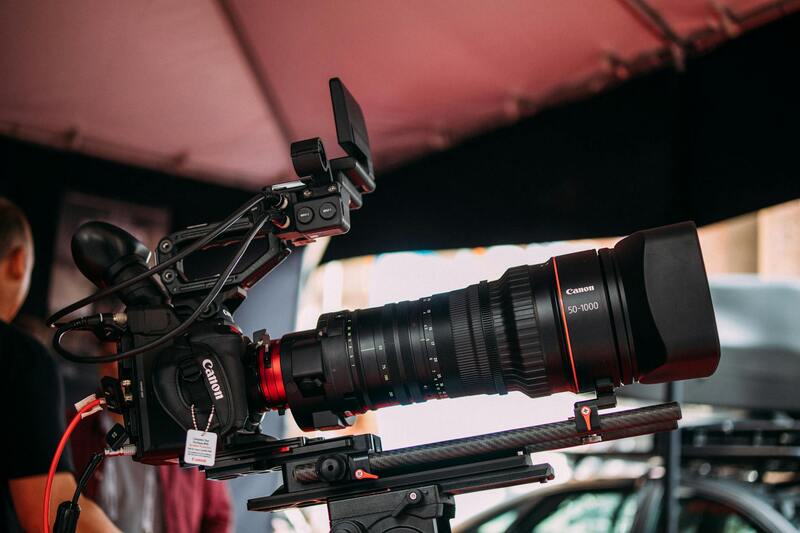
The foundation of high-quality real estate images lies in selecting appropriate tools and methods. Using professional-grade cameras, wide-angle lenses, and stabilizers can capture expansive views and intricate details with precision. Techniques such as HDR (High Dynamic Range) imaging allow for balanced exposure, portraying both bright interiors and darker shadows authentically. Drones and 360-degree cameras are increasingly utilized for capturing aerial views and virtual tours, offering potential buyers a comprehensive perspective of the property and its surroundings.

Employing these tools effectively requires proficiency and experience, emphasizing the importance of professional photography services for optimal results. The goal is to produce visuals that are not only visually appealing but also true-to-life, increasing trust and engagement among prospective buyers.
Key Elements of Professional Property Photography
Achieving compelling real estate images hinges on several fundamental aspects that showcase a property's potential effectively. Proper lighting is paramount; natural light during the day should be maximized to create bright, welcoming spaces, while artificial lighting can fill in shadows and highlight details during indoor shoots. Angles and composition are equally critical, with wide shots capturing the full scope of rooms and strategic perspectives emphasizing architectural features.
Staging remains a vital component, aimed at presenting the property in its best light. This involves arranging furniture in a way that accentuates space and flow, adding tasteful decor to evoke a sense of hominess, and removing personal items that could distract or detract from the property's appeal. Clarity and focus are also essential—images must be sharp, free from blurriness, and free of clutter to convey professionalism and facilitate interested buyers' understanding of the space.
Backgrounds and surroundings should be tidy and unobtrusive, with attention paid to the exterior views to excite potential buyers about the property and its environment. Ensuring consistency across all images—through similar lighting, angles, and color tones—also helps craft a cohesive visual narrative that enhances the property's overall presentation.

Preparing Properties for Photography
Success in real estate storytelling begins before a single shot is taken. Proper property preparation ensures the space looks its best and helps avoid unnecessary retakes. Cleaning surfaces, carpets, and windows removes dust, smudges, and clutter, allowing light to fill the room and reflect off surfaces effectively. Decluttering reduces visual noise, making the rooms appear larger and more inviting.
One strategic approach involves rearranging or temporarily removing excess furniture, personal belongings, and accessories that do not contribute to the property's narrative. This creates a cleaner, more spacious appearance and highlights designated areas, such as living rooms, kitchens, and bedrooms.
Lighting setup is equally critical; replacing dim bulbs with brighter, daylight-balanced options ensures consistent illumination. Opening curtains or blinds before the shoot allows natural light to flood the space, adding warmth and vibrancy. Exterior spots should be tidied up, with lawn care and minor landscaping performed to improve curb appeal.

Post-Production Editing and Enhancements
Post-processing plays a significant role in refining real estate images, ensuring they accurately represent the property while highlighting its strengths. Color correction adjusts tones to reflect natural hues, making interiors and exteriors appear vibrant yet authentic. Exposure adjustments help balance lighting, especially in images capturing complex lighting scenarios, such as backlit windows or shaded gardens.
Enhancements like straightening horizons, removing minor blemishes, and cropping images improve composition and visual flow. However, editing should be subtle enough to maintain trust and prevent misrepresentation. Over-editing can lead to images that feel unreal or exaggerated, which could undermine credibility.
High-quality tools and skilled editing ensure that pictures remain true-to-life, helping prospective buyers visualize themselves in the space. Detailed adjustments highlight architectural features and interior design elements, making images more compelling and memorable.
Key Elements of Professional Property Photography
Achieving captivating real estate property pictures requires meticulous attention to several essential elements that contribute to the overall quality of the images. These elements not only enhance visual appeal but also ensure the photos accurately reflect the property's features, attracting serious buyers and renters.
Optimal Lighting
Lighting is paramount in real estate photography. Natural light tends to produce the most inviting images, emphasizing the space's openness and vibrancy. Photographers often schedule shoots during the day for maximum daylight, using wide-angle lenses to capture the full scope of rooms. Supplementary lighting, such as softbox setups or reflectors, can help eliminate shadows and highlight architectural details. Carefully managing both interior and exterior lighting ensures that images are well-exposed, with balanced brightness and contrast, bringing out the property's best features.
Staging and Clutter-Free Settings
Proper staging plays a critical role in creating appealing visuals. Decluttering spaces removes distractions, allowing potential buyers to focus on the key features of each room. Thoughtful staging—using neutral decor, strategic furniture placement, and accentuating focal points—helps prospective buyers envision themselves living in the space. During the photoshoot, sprucing up lawns, trimming bushes, and cleaning windows contribute significantly to curb appeal, making exterior shots more inviting.
Composition and Angles
The composition of each shot influences how spacious and inviting a property appears. Wide-angle lenses are generally employed to give a comprehensive view of rooms, but it's vital to avoid distortion. Eye-level shots from strategic corners capture the room's best angles, emphasizing depth and proportion. Exterior images benefit from framing that showcases the property's facade, landscaping, and immediate neighborhood, helping viewers appreciate both the home and its surroundings.
Consistent Style and Color Accuracy
Maintaining a cohesive photographic style ensures that all images portray the property uniformly, fostering a professional presentation. Color correction during post-processing guarantees that interior hues and exterior tones match real-life conditions, avoiding discrepancies that could cause false expectations. Consistency in style and coloration across all images reinforces credibility and enhances the overall marketing effort.
Technical Precision
Sharp focus, proper exposure, and appropriate depth of field are fundamental to high-quality real estate images. Photographers use tripod setups to avoid camera shake, especially in low-light conditions, and apply meticulous focus techniques to keep entire rooms crisp. Post-shoot checks for image distortion or blurriness ensure the final portfolio meets industry standards for clarity and professionalism.
Investing in professional photography that emphasizes these key elements significantly boosts a property's marketability. Well-executed images not only attract more views but also foster trust with prospective clients, making the transition from online interest to an in-person visit seamless. Ultimately, expertly captured real estate property pictures serve as a powerful marketing asset that highlights the property's value and potential, ensuring it stands out in competitive markets.
Essential Techniques for Capturing High-Quality Real Estate Property Pictures
Achieving captivating real estate images hinges on a blend of technical acumen and artistic vision. Photographers must meticulously plan each shot, considering lighting, angles, and composition to present the property in its best light. Strategic use of natural light enhances interior spaces, emphasizing their dimensions and atmosphere, while supplementary lighting solutions, such as softboxes or reflectors, help illuminate shadowed areas without creating harsh contrasts.
Staging plays a pivotal role in photography. Properly arranged furniture, curated décor, and a clutter-free environment allow prospective buyers to envision living in the space. This involves removing personal items and excessive décor that could distract from the property’s features. Harmonizing color schemes and ensuring furniture placement accentuate the room's proportions, creating an inviting and spacious feel.
For exterior shots, optimal lighting conditions often occur during the golden hour—shortly after sunrise or before sunset—offering warm tones and softer shadows that make exteriors appear more appealing. Utilizing a drone can also provide sweeping aerial views, revealing the property's context within the neighborhood and showcasing expansive grounds or unique architectural elements.
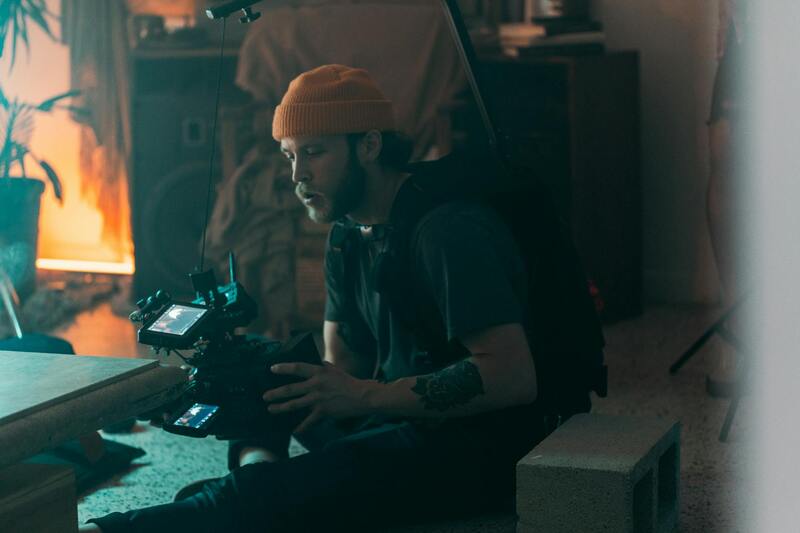
Precision in camera settings is vital. Maintaining a low ISO to reduce grain, selecting appropriate apertures for depth of field, and adjusting shutter speeds to manage exposure are standard practices. Employing a tripod ensures stability during long exposures, yielding crisp, distortion-free images. Additionally, bracketing techniques can be used to capture multiple exposures, which later can be combined to create high dynamic range (HDR) portraits that reveal details in both shadows and highlights.
Post-Processing and Image Optimization
Post-shoot editing enhances the photographic quality by fine-tuning exposure, correcting color balance, and removing distractions or imperfections. Professional software allows for precise adjustments that match the images closely to real-life conditions, ensuring an authentic representation of the property.
Balancing enhancements without overdoing them is crucial. Slight adjustments to brightness and contrast, along with perspective correction, can substantially improve the visual impact of images. Image compression should also be optimized for web use to facilitate quick loading times without sacrificing clarity, thereby improving user experience and engagement.

Consistent adherence to high-quality standards in both shooting and editing reiterates the property's value and appeal, paving the way for successful real estate marketing strategies.
Choosing the Right Photography Equipment and Techniques
To effectively showcase a property through images, it is essential to select the appropriate equipment and employ techniques that maximize visual appeal. High-quality digital cameras with full-frame sensors are preferred for their superior resolution and dynamic range, capturing details more vividly. Wide-angle lenses, typically ranging from 14mm to 24mm, are highly effective for real estate photography as they allow for expansive views of interior spaces, making rooms appear larger and more inviting.
Tripods are indispensable for maintaining stability and achieving sharp, distortion-free images, especially in interior settings where low-light conditions can pose challenges. Remote shutter releases or camera timers reduce the risk of motion blur caused by hand movements during exposure. Additionally, employing proper lighting techniques enhances the clarity and depth of photographs; this includes using natural light when possible and supplementing with professionally positioned artificial lighting to eliminate shadows and highlight features.
Mastering exposure settings is crucial. Photographers should balance ISO, aperture, and shutter speed to produce images with accurate brightness and color accuracy. For interior shots, a smaller aperture (high f-number) such as f/8 or f/11 ensures a greater depth of field, keeping the entire room in sharp focus. Bracketing techniques, capturing multiple exposures at different settings, can be combined using HDR processing to reveal details in shadowed or overly bright areas, resulting in well-balanced images that reflect the true ambiance of the property.
Preparing Properties for Photography
Meticulous preparation of the property is vital to ensure that each shot captures the space at its best. Decluttering and staging rooms to highlight their functionality and aesthetic appeal can significantly improve image quality. Removing personal items and organizing furnishings create a neutral, inviting atmosphere that appeals to potential buyers.
Natural light should be maximized; opening curtains and blinds before shooting allows sunlight to illuminate spaces naturally. In darker areas or interior rooms with limited windows, supplemental lighting helps to brighten the scene evenly. Ensuring the property is clean, well-maintained, and free of distractions such as electrical cords or mismatched decor can prevent the images from appearing cluttered or unprofessional.
Attention to detail extends to the exterior as well. Landscaping, cleaning the facade, and removing debris ensure curb appeal is accurately represented. Strategic timing of the shoot, preferably during the golden hours of early morning or late afternoon, offers softer light and warmer tones, enhancing the property’s visual appeal.
Legal and Ethical Considerations
When creating and utilizing high-quality real estate property images, adherence to legal and ethical standards is paramount to maintain trust and integrity within the industry. Ensuring clear ownership rights over photographs prevents unauthorized use and protects intellectual property. Proper licensing agreements should be established when employing third-party photographers or agencies, outlining permitted usage, distribution, and disclosure terms.
Honesty in property imagery is essential to accurately represent the space and avoid misleading potential buyers. Overly staged or heavily edited photos that distort the property's true appearance can lead to dissatisfaction and legal disputes, undermining reputation and client confidence. It is advisable to avoid deceptive practices such as digital manipulation of dimensions, removing or adding features that do not exist, or altering perspectives to exaggerate space.
Transparency with clients about the capabilities and limitations of property images fosters trust and ensures expectations are aligned. Documenting the conditions under which photos are taken, including specific details about lighting, staging, and editing, creates a credible record of the property’s presentation.

Compliance with industry standards and regulations regarding data privacy is equally important. Garnering consent from residents or occupants before photographing their spaces prevents privacy infringements and potential conflicts. Clear communication about the intended use of images, distribution channels, and publication dates further supports ethical marketing strategies.
Maintaining consistency in image quality and presentation across listings ensures a professional and trustworthy brand image. Adopting a standardized approach to photography in terms of framing, lighting, and editing reinforces the reputation of a real estate business, attracting discerning clients who value authenticity and professionalism.
Legal and Ethical Considerations in Real Estate Property Photography
Maintaining integrity in real estate property images is fundamental to building trust with clients and consumers. Authenticity in showcasing a property's true features ensures potential buyers receive an accurate representation, reducing misunderstandings and fostering confidence in the listing. Photographers must adhere to truthful depiction practices, avoiding any form of digital deception that could mislead viewers about the property's size, condition, or features.
One critical aspect involves obtaining proper consent from all stakeholders involved in the property, including current residents or tenants, before capturing images. Respect for individuals' privacy rights not only upholds professional standards but also cultivates positive relationships within the real estate community. Clear communication regarding how images will be used, distributed, and displayed further solidifies ethical practices.
Moreover, documentation plays a vital role in maintaining transparency. Recording details about the shooting conditions—such as lighting setups, staging arrangements, and post-processing adjustments—creates a verifiable record of the images' authenticity. This record can serve as a reference if questions about the imagery's accuracy arise later on.
In an industry where reputation is paramount, consistent and sincere representation of property images is essential. Discrepancies between photos and actual spaces can lead to dissatisfaction, legal complications, and loss of client confidence. Therefore, photographers should focus on capturing genuine visuals, employing techniques that highlight the property's true characteristics without manipulation.
It's also important to stay aligned with industry standards and guidelines on privacy and image use. This includes adhering to policies surrounding the dissemination of images across various marketing channels and respecting intellectual property rights related to photographic content.
Balancing Marketing Effectiveness and Ethical Image Representation
While enhancing images through editing can make properties more appealing, over-editing or misrepresenting features diminishes trust. Techniques such as adjusting brightness and contrast to better showcase rooms are acceptable, but altering structural elements or fabricating scenes is discouraged. Focusing on accurate color correction, proper exposure, and framing ensures images remain true to reality.
Ultimately, the goal is to deliver compelling, high-quality visuals that accurately depict the property's unique features. This approach not only supports effective marketing strategies but also reinforces a commitment to integrity and professionalism within the real estate sector.
Legal and Ethical Considerations in Real Estate Photography
Maintaining transparency and integrity in real estate property pictures is crucial for fostering trust between agents, photographers, and clients. Clear communication about the extent of photographic editing and the portrayal of property features ensures that prospective buyers receive an accurate representation of the space. Photographers should adhere to established best practices that prioritize authenticity, avoiding the temptation to enhance images excessively or manipulate features beyond the realm of acceptable adjustments.
It is vital to respect the privacy of current occupants and any restricted areas within the property during the photography process. Obtaining proper permissions and approvals before capturing images helps uphold standards of professionalism. Photographers must also be knowledgeable about intellectual property rights related to their images, ensuring proper attribution and licensing where necessary, especially when using proprietary equipment or software tools.
Adherence to industry guidelines surrounding image use and distribution further supports ethical practices. Real estate professionals should collaborate closely with photographers to ensure that images are used appropriately across various channels—websites, social media, and printed materials—while respecting legal boundaries related to privacy and intellectual property. This collaborative approach not only protects all parties involved but also enhances the overall reputation of the property listing.
Best Practices for Ethical Real Estate Photography
- Accurately showcase the property's features without resorting to misleading enhancements.
- Disclose any significant adjustments made during post-production to maintain transparency.
- Respect privacy by excluding sensitive areas or non-public spaces from images.
- Obtain necessary permissions and releases before photographing inhabited or private spaces.
- Ensure proper attribution of photographic work, especially when crediting third-party services or equipment.
In high-stakes markets like Miami, where competitive listings and rapid decision-making are commonplace, upholding ethical standards in property imagery is essential. Honest, precise visuals reinforce client confidence, safeguard reputation, and contribute to a sustainable real estate ecosystem driven by integrity and professionalism.