
Importance of High-Quality Real Estate Photography
In the competitive Miami real estate market, visuals play a crucial role in engaging potential buyers and facilitating faster sales. High-quality real estate photography dramatically enhances property listings by presenting homes and commercial spaces in their best light. Professionally captured images allow real estate agents to highlight the unique features, spaciousness, and aesthetic appeal of the property, making listings stand out amid numerous competitors. When buyers browse online listings, compelling images often determine whether they progress to a physical viewing or move on to the next property.
Effective real estate photography also boosts the perceived value of a property. Well-composed, clear, and vibrant photographs draw more attention and generate increased interest, leading to higher foot traffic and more offers. This is particularly significant in Miami's dynamic market where properties vary from luxurious waterfront condos to expansive commercial complexes. A strategic investment in professional photography can elevate a property's perceived desirability, ultimately accelerating the sale process and achieving optimal return on investment.
Furthermore, in an era where digital presence heavily influences real estate transactions, top-tier images serve as a critical marketing tool. They help agents build credibility, demonstrate attention to detail, and establish trust with prospective clients. For sellers, knowing that their property is being showcased through high-quality imagery offers reassurance and can distinguish their listing in a crowded market.
Given Miami’s vibrant and diverse real estate environment, leveraging professional photography is not merely an enhancement but an essential component of a successful marketing strategy. It ensures that listings are not only visually appealing but also strategically positioned to appeal to the right demographic, ultimately leading to increased sales efficiency and broader market reach.
Key Elements of Successful Property Photography
To maximize the impact of real estate images, certain elements must be meticulously executed. These include lighting, composition, staging, and timing. Attention to these details results in images that accurately represent the property's true potential and appeal.
Lighting and Exposure
Proper lighting is fundamental in capturing inviting and bright images. Natural light typically yields the best results, highlighting the space without harsh shadows. Photographers often schedule shoots during daylight hours to take advantage of sunlight, which enhances the color vibrancy and clarity of photographs.
Composition and Angles
The arrangement of shots should emphasize the property's spaciousness and architectural features. Wide-angle lenses are employed to capture more of the room in a single frame, giving viewers a true sense of scale. Strategic angles can showcase high ceilings, beautiful views, or unique design elements that set a property apart.
Staging and Cleanliness
A decluttered, well-staged space translates into a more appealing photograph. Minor adjustments such as arranging furniture to maximize space, removing personal items, and adding tasteful decor enhance the property's visual narrative.
In summary, successful property photography hinges on a combination of technical skill, artistic eye, and strategic preparation. Mastering these elements ensures that each shot contributes positively to the overall marketing effort, ultimately drawing more prospective buyers and facilitating smoother transactions.
Technical Aspects and Equipment for Real Estate Photography
Achieving exceptional real estate property photography requires more than just a good camera; it relies on specialized equipment that ensures each image captures the property’s essence with clarity and precision. High-quality images stem from the use of advanced gear designed for low-light conditions, wide perspectives, and sharp detail, all of which are vital when showcasing diverse property types.
Camera selection plays a critical role. Full-frame digital single-lens reflex (DSLR) or mirrorless cameras are preferred due to their superior sensor sizes, which facilitate better image quality, dynamic range, and low-light performance. These features enable the photographer to capture bright, detailed images even in challenging lighting conditions common inside homes and commercial spaces.
Lens choice is equally important. Wide-angle lenses, typically ranging from 14mm to 24mm, allow the photographer to encompass more of the space within a single shot. This perspective creates a sense of spaciousness and breadth, making rooms appear larger and more inviting. Tilt-shift lenses can also be used for correcting perspective distortion, ensuring vertical lines of walls and windows appear straight, which maintains visual accuracy and professionalism.
Lighting equipment complements the camera gear to produce perfectly illuminated images. External flashes, LED panels, and diffusers help balance interior lighting, eliminate harsh shadows, and enhance ambient light. Since natural light is often the optimum choice, additional lighting is used to fill in shadows during darker hours or poorly lit interiors.
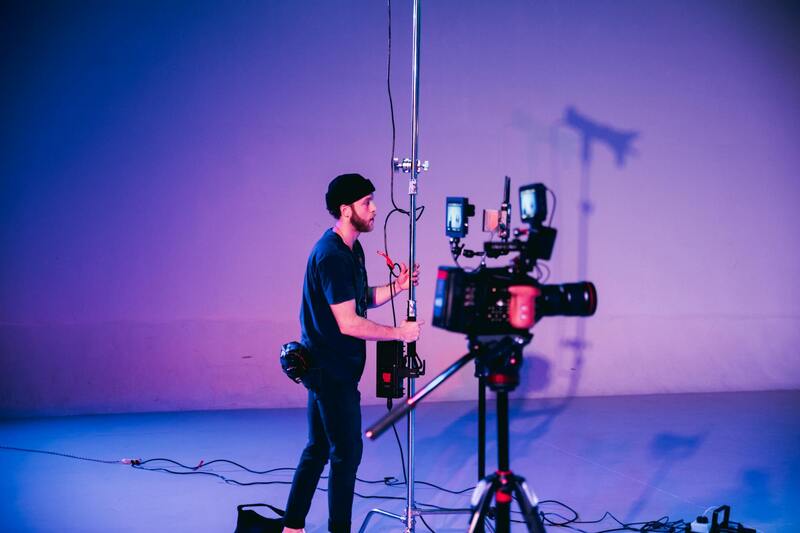
Tripods remain an essential asset, providing stability for sharp images, particularly in conditions with limited light. They also facilitate consistent framing and exposure settings across multiple shots, which is critical for creating a cohesive visual presentation of the property.
Advanced techniques such as HDR (High Dynamic Range) imaging combine multiple exposures to produce photos that accurately depict both bright and dark areas within a scene. This method ensures that windows don’t appear overly bright while interior details remain clear, thus delivering a balanced and realistic portrayal of each space.
Drone photography has become increasingly popular for capturing expansive exterior shots, aerial views of the property, and neighboring amenities. Equipped with stabilized gimbals and high-resolution cameras, drones provide perspectives that are inaccessible from the ground, offering potential buyers a comprehensive understanding of the property’s surroundings.
Using the right combination of high-quality equipment and skilled techniques, professional real estate photography can elevate property listings, making them stand out in a competitive market. Properly executed images attract more attention, generate increased interest, and help facilitate faster sales or leasing processes.
Technical Aspects and Equipment for Real Estate Photography
Capturing compelling real estate images requires more than just a good camera. The technical setup involves selecting equipment that ensures clarity, color accuracy, and detail enhancement, which are vital for attracting prospective buyers. Professional photographers in Miami rely on full-frame DSLR or mirrorless cameras partnered with high-resolution sensors to produce crisp, detailed images that showcase the property’s unique features.
Lens selection plays a crucial role in real estate photography. Wide-angle lenses, typically between 14mm and 24mm, are preferred for their ability to encompass more of a space within a single shot. This creates an inviting sense of spaciousness, especially important for interiors. Telephoto lenses, on the other hand, are used selectively to highlight specific architectural details or distant views, adding depth and interest to the visual narrative.
Lighting equipment and techniques form the backbone of professional property photography. Natural light remains the most desirable, emphasizing the importance of shooting at optimal times of day, such as mornings or late afternoons, when daylight is softer. When natural light is insufficient, additional lighting sources, including LED panels or softboxes, help illuminate interiors uniformly without harsh shadows.
Advanced lighting setups often incorporate flash units with modifiers to control light direction and intensity. The use of reflectors further enhances light distribution, ensuring even brightness across rooms. Tripods are essential for stability, allowing for exposure adjustments in low-light conditions and maintaining consistent framing across multiple shots.
Incorporating drone technology has become increasingly prevalent in Miami’s real estate market. Drones equipped with stabilized gimbals and high-resolution cameras enable capturing aerial shots that reveal property boundaries, landscaping, and surrounding amenities from perspectives traditional ground photography cannot achieve. These images are instrumental in providing comprehensive insights into the property’s location and extent.

Combining state-of-the-art equipment with skillful technique, professional real estate photography ensures every property is presented at its best. Precise exposure settings, focus stacking, HDR imaging, and panoramic stitching often work together to produce images that are both vibrant and true to life. This attention to technical detail plays a significant role in differentiating listings in the competitive Miami market.
Technical Aspects and Equipment for Real Estate Photography
Achieving captivating and professional real estate images hinges on using the right technical tools and understanding their proper application. High-quality cameras equipped with full-frame sensors and wide-angle lenses are fundamental components that allow photographers to capture expansive interior and exterior views without distortion. These lenses are specifically designed to include more of the scene in each shot, providing viewers with a comprehensive perspective of the property.
In addition to camera gear, advanced lighting equipment significantly influences the final image quality. For interior shots, utilizing natural light combined with supplemental lighting sources ensures spaces are evenly illuminated, reducing shadows and highlighting key features. LED panels or softboxes equipped with adjustable settings can diffuse light smoothly across rooms, creating a welcoming atmosphere. When natural light is insufficient, professional photographers often deploy flash units with diffusers and modifiers to control light direction and distribution effectively. Reflectors further enhance lighting by bouncing ambient or artificial light into shadowed areas, contributing to a balanced and appealing visual presentation.
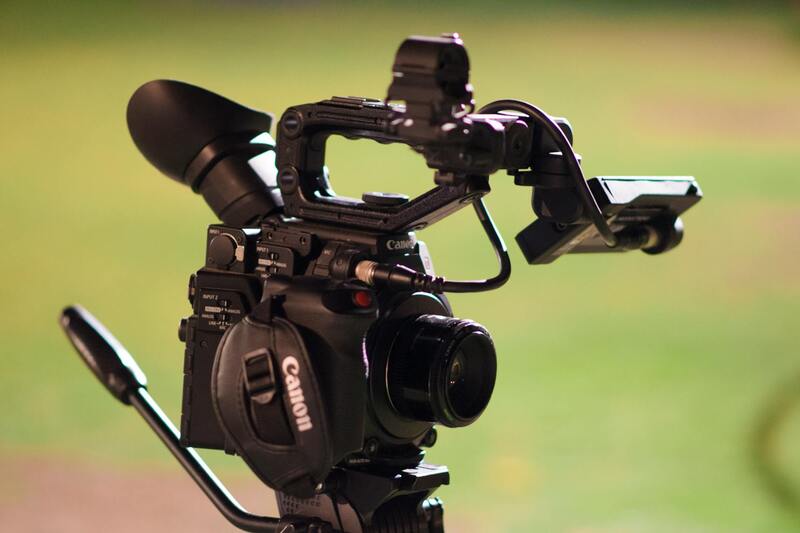
Tripods are indispensable tools for stabilizing cameras during shots, especially in low-light environments or when using slow shutter speeds to achieve desired exposure levels. Consistent framing across multiple images facilitates seamless stitching for panoramic views and HDR processing, which combines multiple exposures to enhance dynamic range and color accuracy. Such techniques are particularly valuable when capturing complex interior spaces that contain both bright windows and shadowed corners.
Drone technology has revolutionized property photography, especially in scenic regions like Miami. High-resolution drones with stabilized gimbals can easily provide aerial views that reveal the full scope of landscaped gardens, swimming pools, waterfronts, and overall property layout. These images are instrumental in demonstrating the property's scale and its relationship with surrounding amenities. Proper drone operation involves understanding optimal flight paths, lighting conditions, and camera settings to produce stable, distortion-free images that elevate high-end property listings.
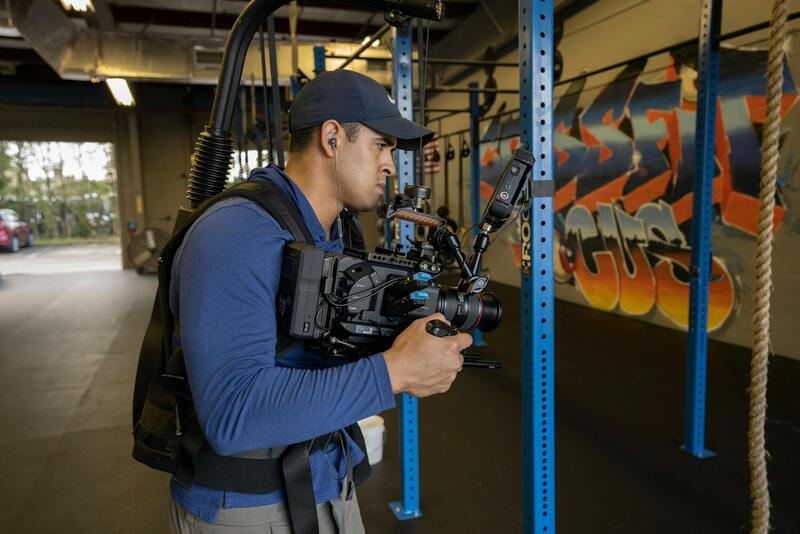
To truly make property images stand out, professional photographers utilize techniques such as exposure bracketing, HDR merging, focus stacking, and panoramic stitching. These methods combine multiple images to produce vibrant, detailed, and true-to-life photographs capable of highlighting every feature of the property, no matter the lighting conditions or room complexity. Mastery of these technical aspects ensures each image contributes to a compelling visual story that attracts prospective buyers.
Secure Techniques for Authentic Property Photography
To produce high-caliber real estate images, professional photographers rely exclusively on verified and well-established techniques. These methods are designed to preserve the integrity and authenticity of property representations, ensuring that prospective buyers receive an accurate visual account without the risk of misrepresentation. Central to this approach is the use of controlled lighting conditions, which involves scheduling shoots during optimal times of day to utilize natural light effectively, and supplementing with high-quality artificial lighting when necessary. This ensures consistent, glare-free images that reveal the true colors and textures of interior and exterior features.
Additionally, camera settings are meticulously adjusted to prevent distortion and maintain proportionate representations. Professionals often utilize tilt-shift lenses and precise focus controls to achieve clarity across entire scenes, particularly when capturing wide-angle shots of expansive interiors or exteriors. These technical choices help in avoiding exaggerated perspectives that could mislead viewers, resulting in accurate depictions aligned with the property’s actual condition and dimensions.
Implementing high-resolution imaging equipment is fundamental in producing sharp, detailed photographs that stand up to scrutiny across various digital and print marketing platforms. Equally important is the technique of proper image composition, including the use of symmetry, leading lines, and strategic framing to highlight a property’s best features without distorting scale or perspective. Photographers meticulously plan each shot, considering angles that emphasize the property's strengths, whether showcasing a spacious living room, a stunning waterfront view, or architectural details.
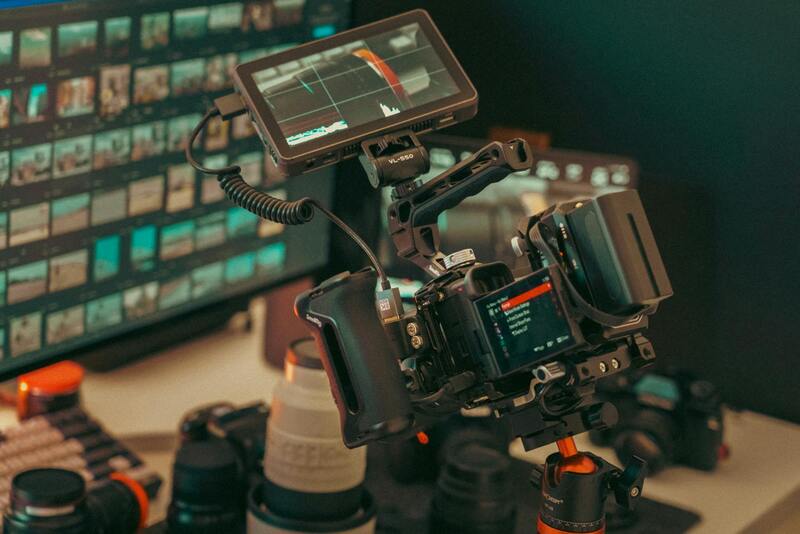
Post-shoot procedures are systematically employed to verify that images meet strict quality standards. This includes the use of calibrated monitors for color consistency, verifying exposure and focus, and performing manual and automated adjustments for optimal brightness, contrast, and clarity. Such disciplined processes help maintain the integrity of the property’s appearance while enhancing visual appeal, making the photographs more compelling to potential buyers.
In essence, adherence to proven technical methods guarantees that property images accurately reflect the real estate’s features, fostering trust and transparency in all marketing endeavors. This commitment to official, legitimate photographic practices ensures clients obtain images that elevate their listings, resonate with target audiences, and drive meaningful engagement in competitive markets like Miami.
Ensuring Consistency and Authenticity in Property Imagery
Maintaining consistency and authenticity across property photographs is crucial in establishing trust with prospective buyers and streamlining marketing efforts. Professional real estate property photography employs standardized procedures for capturing images that faithfully depict the property's features without exaggeration or alteration. This involves using calibrated color profiles, consistent lighting conditions, and carefully controlled compositions to ensure each image accurately reflects the property's true appearance.
One essential aspect is the use of standardized camera settings, including appropriate aperture, shutter speed, and ISO, to produce images with dependable exposure and sharpness. This consistency allows for seamless integration of images across various marketing channels, fostering a unified visual narrative that resonates with buyers.
Additionally, employing off-camera lighting techniques—such as diffused flashes or continuous lighting—helps eliminate shadows and highlights that could distort perception. When combined with high-quality lenses, these methods produce clear, vibrant images that portray spaces authentically.
Moreover, photorealistic editing practices are applied strictly for color correction,Brightness adjustments, and minor retouching to remove distracting elements—ensuring enhancements do not compromise the property's true nature. The aim is to present a realistic yet appealing visual that invites potential buyers into the space without creating false expectations.
Adhering to these meticulous standards in property photography promotes a transparent presentation, supports legal advertising practices, and ultimately enhances client trust. It demonstrates a commitment to integrity in real estate marketing, leading to better engagement from both buyers and industry professionals.
The Impact of Professional Photography on Listing Performance
Utilizing expertly captured images significantly influences how a property performs within competitive markets like Miami. High-quality photography not only attracts more online views but also increases the likelihood of scheduling in-person visits. Listings with professionally taken photographs tend to stand out amid numerous competing properties, offering a compelling visual story that highlights key features.
Research and market analysis show a direct correlation between the quality of property images and engagement metrics such as click-through rates, time spent on listings, and overall inquiry volume. Buyers equate sharp, well-composed photos with better-maintained and more desirable properties. Consequently, real estate professionals and property owners investing in professional photography experience higher conversion rates and faster sales timelines.
Furthermore, polished images serve as powerful tools for establishing an emotional connection. They allow prospective buyers to envision living in the space, fostering urgency and interest. For commercial properties, high-resolution images exhibit professionalism and attention to detail, reinforcing credibility with investors and corporate clients.
Integrating high-quality photography into marketing strategies extends beyond online listings. It complements print advertisements, brochures, and virtual tours, creating a cohesive brand image. The ability to showcase a property through authentic, captivating images results in more effective marketing campaigns, ultimately leading to increased sales success in the Miami real estate arena.
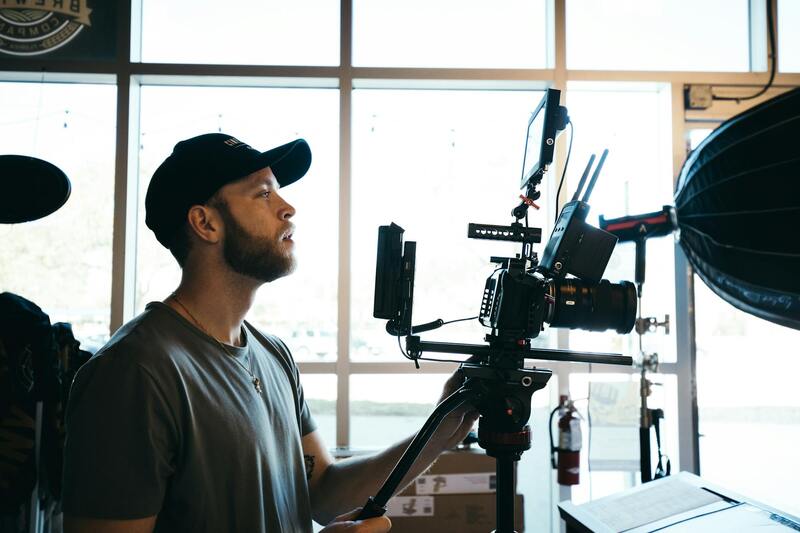
Choosing a Property Photography Service in Miami
Opting for a professional real estate photography service in Miami requires careful consideration of various factors to ensure the images captured align with market expectations and showcase the property's unique features effectively. Miami's dynamic and competitive market demands high-caliber visuals that not only attract attention but also communicate the property’s value clearly.
Key attributes to evaluate when selecting a photography provider include their portfolio, technical expertise, and familiarity with the local real estate landscape. Reviewing sample images helps gauge the photographer's ability to handle different property types, lighting conditions, and stylistic preferences. It is essential that the images produced reflect a detailed, crisp, and appealing aesthetic tailored to the target clientele.
Professionalism in service delivery extends beyond image quality. Timeliness and communication throughout the process, from scheduling to post-shoot editing, influence the overall experience and effectiveness of the marketing campaign. Photographers with a clear understanding of real estate marketing strategies can advise on optimal shot compositions, angles, and lighting to accentuate the property's best features.
Another critical aspect involves evaluating the technological capabilities of the service provider. Advanced equipment such as high-resolution cameras, wide-angle lenses, drone photography, and HDR techniques enhance image quality and provide immersive perspectives. Incorporating aerial shots or 3D virtual tours can significantly increase a property’s appeal, offering potential buyers a comprehensive view without physical visits.
Location-specific knowledge about Miami's neighborhoods, architectural styles, and market trends plays a significant role in crafting compelling visual narratives. Photographers familiar with the local landscape understand how to optimize lighting conditions, highlight neighborhood amenities, and adapt their techniques to different property types—be it waterfront condos, luxury estates, or commercial complexes.
Pricing transparency, including clear service packages, rights to images, and turnaround times, should also be clarified before engagement. Working with a reputable local provider ensures a seamless integration of professional images into broader marketing efforts, maximizing exposure across multiple channels.
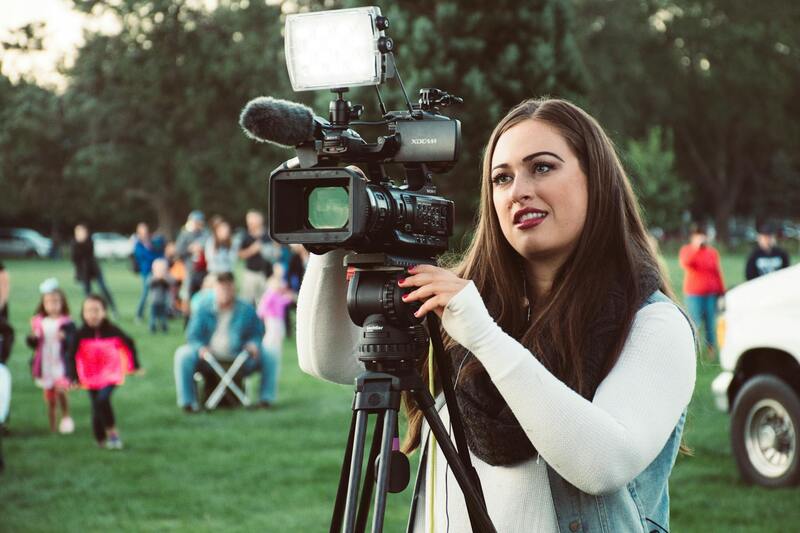
Ultimately, selecting the right property photography service involves balancing technical proficiency, market understanding, professionalism, and value. By aligning these elements, property owners and real estate agents can leverage high-quality visuals to effectively capture the attention of prospective buyers and accelerate the sales process in Miami's vibrant real estate scene.
Ensuring Authenticity Through Proven Photography Methods
In the realm of real estate, the authenticity of property images is paramount to establishing trust and credibility with potential buyers. Employing verified photography methods ensures that the visuals accurately represent the property's features, layout, and condition, fostering transparency in the marketing process.
One official approach involves utilizing professional-grade cameras and equipment designed for high-resolution capture. DSLR and mirrorless cameras equipped with wide-angle lenses are standard tools that provide crisp, detailed images that truly reflect the property's dimensions and spatial relationships. These tools are often complemented by tripod stabilization and remote shutter releases to eliminate motion blur and ensure sharpness throughout every shot.
Lighting plays a critical role in authentic depiction. Proper use of natural light supplemented with professional lighting setups—such as flash modifiers and diffusers—helps achieve consistent, true-to-life illumination that does not distort colors or misrepresent space. Properly exposed images prevent the oversaturation or underexposure that can lead to misleading perceptions of a property's interior brightness and ambiance.
Standardized shooting protocols include meticulous staging and arranging of furniture or decor to highlight available space and flow, rather than exaggerating or understating room sizes. Architectural photographs are often taken from multiple angles and elevations to provide comprehensive views, with an emphasis on accuracy and clarity. These methods are fundamental to constructing a trustworthy visual narrative that aligns with the actual property features.
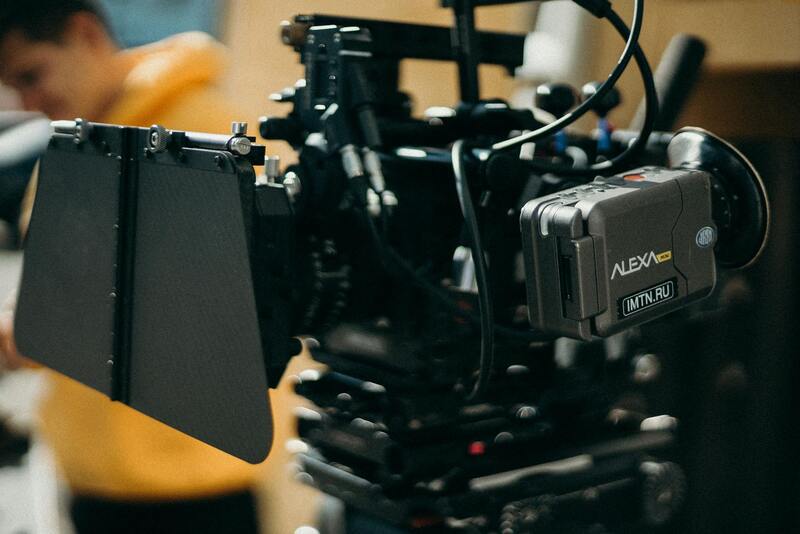
Digital files are then stored in a secure, organized manner, ensuring clear rights management and ease of access for marketing purposes. This systematic approach sustains image integrity from capture through post-production, reinforcing the reliability of the visuals presented to prospective clients.
Moreover, many reputable Miami-based photography services adhere to industry standards and guidelines established by real estate marketing associations. These include stipulations for image resolution, color calibration, and ethical photography practices, which collectively uphold the integrity and professionalism of property marketing efforts. Overall, adhering to these trusted, proven methods results in genuine, compelling visuals that build confidence and facilitate informed decision-making for those interested in Miami's dynamic property market.