Understanding the Real Estate Photography Market in Miami
Miami's vibrant real estate sector presents a thriving opportunity for professional photographers specializing in property imagery. The city’s diverse architecture, luxury developments, and bustling real estate market create a high demand for compelling visual content that can showcase properties effectively. This demand spans various client segments, including real estate agents, brokers, property management companies, developers, and private homeowners looking to highlight unique features of their properties.
Recent market trends indicate a significant shift toward digital-focused property marketing. High-quality images are no longer optional but essential tools for listings to stand out in highly competitive environments. As online listings become the primary channel for property searches, the necessity for captivating visual content grows exponentially, prompting real estate professionals to seek reliable, skilled photographers.

The primary client segments in Miami’s real estate photography market vary in scope and budget, yet each values professionalism and quality. Real estate agencies often require consistent, high-volume shoots for multiple listings, requiring a photographer’s ability to deliver swiftly and reliably. Luxury property developers seek stunning images that capture the exclusivity and aesthetic appeal of premium properties, necessitating advanced techniques and equipment. Private sellers and investors also engage photographers to improve their property appeal, especially in competitive markets where first impressions are decisive.
Market growth is supported by Miami’s status as a global real estate hub, attracting both domestic and international buyers. This international interest underscores the need for visually appealing content that appeals to a broad audience. Moreover, the rise of virtual tours and 3D imagery complements traditional photography, expanding service offerings for photographers aiming to meet comprehensive marketing needs. Staying attuned to these trends and understanding the specific demands of Miami’s real estate landscape will position a photographer to succeed in this competitive environment.
In conclusion, the dynamic nature of Miami's real estate market creates ample opportunities for photographers who understand the unique requirements of local clients. By providing top-tier images that highlight architectural details and lifestyle appeal, photographers can establish a strong reputation and secure ongoing projects in this lucrative sector.
Essential Equipment and Technical Skills
To establish a successful real estate photography business in Miami, acquiring the right gear is paramount. High-resolution digital cameras with full-frame sensors are preferred for capturing crisp details and vibrant colors, especially in properties with complex lighting conditions and diverse architectural features. Wide-angle lenses are essential for showcasing entire rooms and outdoor spaces in a single frame, providing a comprehensive view that appeals to prospective buyers.
Lighting equipment also plays a crucial role. External flash units and portable lighting systems help control natural light and eliminate shadows, ensuring each shot is clear and visually appealing. Drones equipped with high-quality cameras are increasingly popular for capturing breathtaking aerial views of large estates and waterfront properties, offering a unique perspective that sets listings apart.
Post-production skill is equally vital. Proficiency in editing software such as Adobe Lightroom and Photoshop allows photographers to enhance images by correcting exposure, adjusting color balance, and removing imperfections. Consistent editing standards help deliver a professional final product that aligns with clients' branding and marketing strategies.

Technical training ensures photographers can maximize their equipment's capabilities. Understanding principles of composition, lighting, and color theory allows for creating images that highlight architectural details, interior decor, and lifestyle aspects, making listings more attractive. Additionally, knowledge of HDR (High Dynamic Range) imaging techniques can be beneficial for properties with a wide range of light intensities, ensuring details are visible both inside and out.
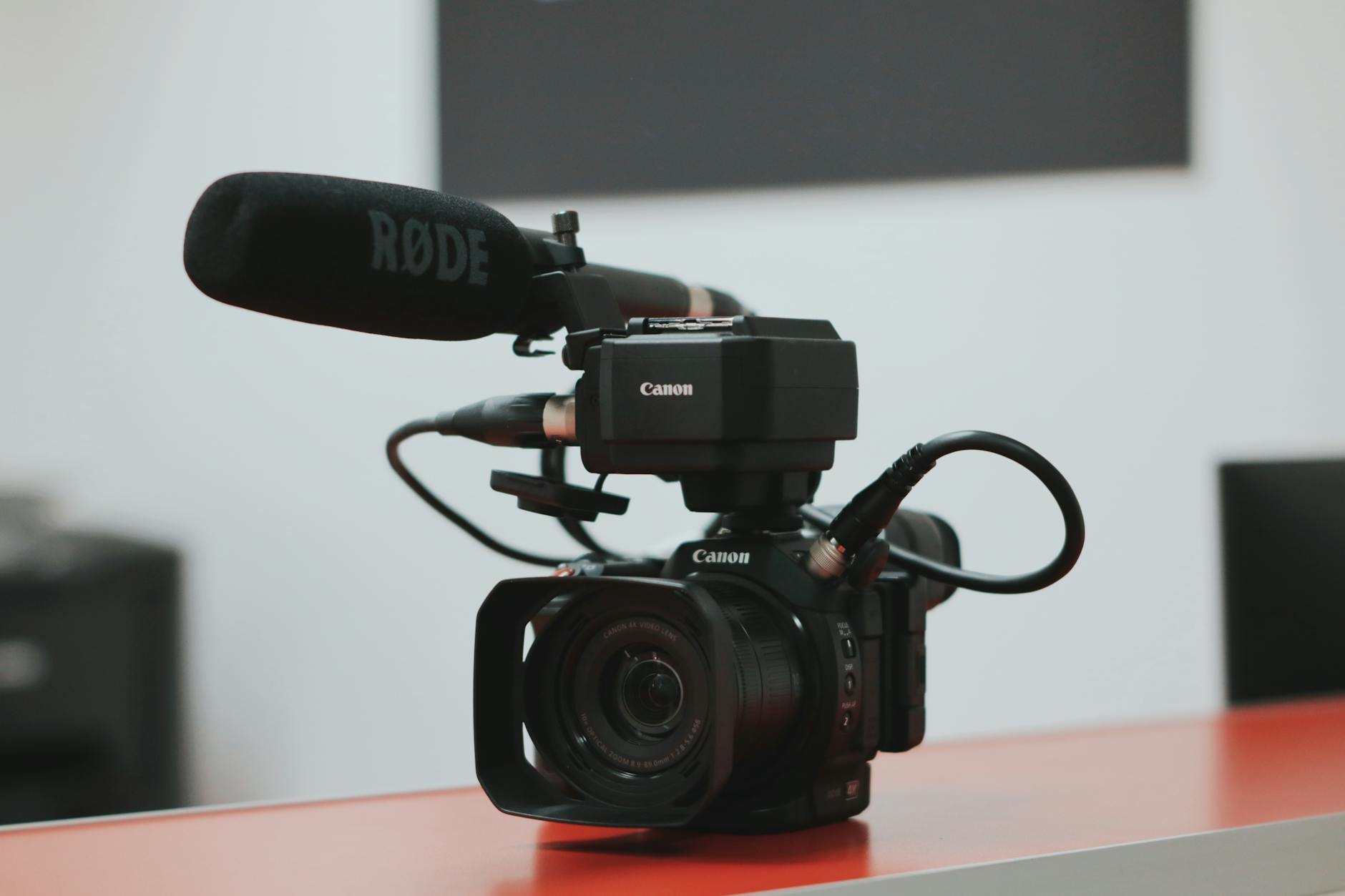
Combining the right equipment with skillful editing and an understanding of architectural aesthetics provides a competitive edge in Miami’s vibrant real estate market, translating into visually compelling images that attract attention and generate interest from buyers and agents alike. Mastery of these tools and techniques forms the foundation of a reputable real estate photography business capable of meeting the high standards associated with Miami’s luxury property market.
Developing a Consistent Brand Identity and Client Relationships
Establishing a distinctive brand identity is fundamental to distinguishing your real estate photography business in the competitive Miami market. A professional logo, cohesive color schemes, and a consistent visual style across all platforms reinforce your brand recognition and convey reliability to potential clients. When clients see uniformity and professionalism in your presentation—be it on your website, social media, or promotional materials—they are more inclined to trust your expertise.
Beyond visual branding, cultivating strong relationships with clients is essential for ongoing success. Regular communication, punctuality, and a clear understanding of client needs foster trust and satisfaction. Personalized follow-ups and building a network of satisfied real estate agents, property managers, and developers can lead to repeat business and valuable referrals.

Offering flexible service packages tailored to different property types and client requirements enhances your appeal. For example, comprehensive packages that include aerial drone footage, twilight photography, and virtual walkthroughs can cater to upscale listings seeking a premium presentation. Clearly articulated pricing structures with optional add-ons make it easier for clients to choose services aligned with their marketing strategies.
Utilizing Client Testimonials and Portfolio Showcases
Showcasing successful projects through high-quality before-and-after comparisons demonstrates your capabilities and builds credibility. Incorporate client testimonials that highlight your professionalism, punctuality, and results—these serve as social proof of your expertise. An organized, easy-to-navigate online portfolio allows potential clients to see your diverse skill set and style, which can be pivotal in securing new contracts.
Engaging content on social media platforms like Instagram, Facebook, and LinkedIn not only broadens your reach but also creates ongoing engagement with your audience. Sharing behind-the-scenes shots, tips on staging, or market trends data establishes your authority and keeps your brand top-of-mind within Miami’s real estate community.
Implementing a Client-Centric Approach for Long-Term Growth
Listening to client feedback and adjusting your offerings accordingly ensures your services remain relevant and valuable. Offering consulting on staging or interior styling, when complemented with your photography, can create comprehensive property presentation packages that appeal more broadly to real estate professionals.
Maintaining transparency about project timelines, pricing, and deliverables fosters trust and encourages repeat business. An organized CRM system can streamline client management, appointment scheduling, billing, and follow-up tasks, optimizing operational efficiency and enhancing overall client experience.
Legal Considerations and Business Operations
Establishing a sustainable and reputable real estate photography business in Miami requires adherence to several official procedures that ensure smooth operations and client trust. Compliance with local regulations involves obtaining the appropriate business licenses and permits that are necessary for operating within the city’s commercial framework. Engaging with municipal authorities helps clarify licensing requirements, which can vary depending on the scope of your services and the structure of your business. Many professionals opt for a general business license, in addition to any specific permits related to commercial photography or vehicle use if necessary.
Registering your business formally adds an extra layer of credibility and simplifies the process of tax reporting and compliance with local tax laws. Choosing the appropriate legal structure—such as an LLC or corporation—can protect personal assets and provide a clear framework for operational management. Consulting with a legal or business advisor familiar with Florida’s regulations ensures that all filings are correctly completed and updated when necessary.
Financial management forms the backbone of business stability. Implementing official accounting solutions keeps records accurate and helps in tax preparation, payroll, and expense tracking. Using recognized accounting systems or software aligned with state regulations can prevent issues and streamline financial audits.
Contracts are vital in formalizing agreements with clients, outlining scope of work, timelines, payment terms, and liabilities. Precise and clear contracts prevent misunderstandings and provide legal safeguards for both parties. Utilizing professionally drafted templates adapted to Miami’s market standards enhances transparency and fosters long-term relationships based on mutual understanding.

Operational procedures should also include defining safety standards for onsite work and equipment use, especially when working around properties during busy real estate seasons. This minimizes risks and demonstrates professionalism to clients. Regularly reviewing and updating business policies ensures compliance with evolving local regulations and best practices.
Building relationships with real estate agencies and property developers involves formalizing referrals and partnerships through official channels. Entering into memoranda of understanding (MOUs) with key industry players can establish steady workflows and larger project opportunities. Additionally, maintaining thorough records of project histories and client interactions aligns with professional standards and facilitates efficient business management.
Effective Client Communication and Service Delivery
Maintaining clear and consistent communication channels is crucial in the competitive Miami real estate photography industry. Respond promptly to inquiries, provide detailed information about what clients can expect from different service packages, and set realistic timelines for delivery. Utilizing professional communication platforms and maintaining a dedicated business email helps establish credibility and keeps interactions organized. Regular updates during the shoot process and after delivery reinforce professionalism and foster client trust.
Delivering high-quality images is the foundation of a successful real estate photography business. This entails meticulous editing, color correction, and ensuring that photos accurately represent the property’s features. Tailoring images to meet each client’s specific needs—whether highlighting architectural details or showcasing the property's ambiance—can differentiate your service from competitors.

Implementing Feedback and Ensuring Client Satisfaction
Client feedback is an invaluable component of refining your service quality. Establish a structured process for reviewing images with clients, allowing for revisions if necessary. Providing input on images during post-processing can align the final product with the client’s vision and expectations. Post-project follow-up also presents an opportunity to gather testimonials and encourage repeat business, helping to establish long-term relationships within Miami's real estate community.
Establishing a Robust Workflow and Scheduling System
Adopting a systematic approach to scheduling shoots minimizes conflicts and ensures timely delivery. Utilize professional booking software that allows clients to view availability, book appointments, and receive automated reminders. Clearly defining your project timeline—from initial consultation to final image delivery—enables efficient resource allocation and helps manage client expectations. Efficient workflows not only reduce turnaround times but also reinforce your reputation for reliability in a fast-paced market like Miami.

Leveraging Technology for Business Expansion
Integrating advanced tools such as 3D virtual tours, drone imaging, and immersive virtual reality experiences can elevate your service offerings. These technologies cater to the growing demand for innovative marketing solutions in Miami's dynamic real estate space. Offering such high-tech options positions your business as a forward-thinking leader in property marketing, attracting high-end clients and larger brokerage firms eager to stand out in the Miami market.
Ensuring data security and file management with reliable cloud storage solutions sustains seamless project flow and protects client information. Regularly updating your equipment and skill set with the latest industry standards keeps your business competitive and ensures consistent quality output that appeals to discerning real estate professionals.
Establishing Strategic Partnerships and Building Local Trust
For a thriving real estate photography business in Miami, forming strategic partnerships with key industry entities is crucial. Collaborating with real estate agencies, developers, and property management firms creates a steady client pipeline and increases visibility within the local market. Regular engagement, such as offering specialized workshops or informational sessions about property marketing, positions your brand as a knowledgeable and reliable partner in property promotion.
Building trust within the Miami real estate community also involves consistent quality service delivery. Providing personalized service tailored to each client’s unique property portfolio demonstrates professionalism and attention to detail. Maintaining open communication channels ensures clients feel valued and understood, which encourages repeat business and referrals—powerful drivers of growth in a competitive market.

Implementing Referral Programs and Customer Engagement Strategies
referral programs are particularly effective in Miami's real estate sector, leveraging satisfied clients and partners to expand reach organically. Offering incentives such as discounts on future shoots or commissions for successful referrals fosters ongoing collaboration and incentivizes clients to recommend your services to colleagues and contacts.
Engagement strategies also include maintaining a strong presence on social media platforms frequented by local real estate professionals, such as Instagram, LinkedIn, and Facebook. Regularly sharing behind-the-scenes content, new project showcases, and client success stories not only builds brand awareness but also fosters a community around your business. Content that highlights recent Miami property shoots, especially luxurious or unique listings, attracts potential clients seeking high-quality imagery that captures the Miami lifestyle.

Utilize Local Events and Industry Shows
Participating in local real estate expos, property showcases, and industry networking events in Miami provides direct access to prospective clients and partners. Hosting informational booths or live demonstrations of your photography techniques can leave a lasting impression, positioning your business as a leader in property marketing solutions.
Additionally, sponsoring or collaborating with local industry events helps to bolster your brand's visibility and credibility. These activities create opportunities for face-to-face engagement, which is invaluable for building trust and demonstrating your expertise in the Miami real estate market.

Legal Considerations and Business Operations
Establishing a successful real estate photography business in Miami involves meticulous attention to operational standards and adherence to official procedures that ensure sustainable growth. Structuring your business correctly from the outset sets a solid foundation for long-term success and reputation within the competitive Miami market.
Business Formation and Registration
Choosing the appropriate legal structure is essential for managing liabilities, taxes, and operational flexibility. Options include sole proprietorships, LLCs (Limited Liability Companies), or corporations, each offering different levels of liability protection and administrative requirements. Registering your business with the Florida Department of State ensures your operations are recognized officially, allowing access to necessary licenses and permits.

Obtaining Necessary Licenses and Permits
Operating in Miami's real estate market requires compliance with local licensing regulations. While specific permits for photography are generally not mandated, it's crucial to acquire business licenses issued by city or county authorities. If you plan to use drones for aerial shots—which are highly beneficial in showcasing Miami properties—you must secure an FAA Part 107 certification and adhere to drone regulations, including restricted flight zones and altitude limits.

Insurance and Risk Management
Professional liability insurance protects against claims related to property damages, equipment accidents, or mistakes during shoots. Additionally, securing equipment insurance covers high-value cameras, drones, and lighting gear against theft, loss, or damage. Implementing comprehensive risk management protocols not only safeguards your assets but also enhances your credibility with clients.
Contracts and Client Agreements
Clear, detailed contracts are fundamental to professional dealings in the real estate photography domain. These documents should outline project scope, deliverables, timelines, payment terms, and usage rights for images. Employing legally vetted templates or engaging a local business attorney ensures that agreements hold up under scrutiny and protect your rights.
Financial Management and Tax Compliance
Maintaining accurate financial records and performing regular tax filings are mandatory aspects of lawful business operation. Utilizing accounting software tailored for small businesses streamlines invoicing, expense tracking, and financial reporting. Working with a certified accountant familiar with Florida tax laws can optimize your tax strategies and ensure compliance while maximizing deductions related to your equipment and operational costs.
Operational Best Practices
- Creating a detailed operational plan that covers workflow, client communication protocols, and quality control measures.
- Implementing standardized procedures for post-production editing, delivery timelines, and client feedback management.
- Staying updated with Miami’s zoning laws and drone regulations to remain compliant and avoid disruptions.
Adhering to these official procedures and operational standards not only fortifies your legal standing but also elevates your professional image in Miami’s vibrant real estate landscape. This commitment to compliance reassures clients of your reliability and fosters trust in your services, leading to sustained business growth and enhanced reputation.
Maximizing Your Business Potential through Strategic Marketing and Client Relationships
Effectively marketing your real estate photography business in Miami requires a comprehensive approach that highlights your expertise, builds credibility, and nurtures long-term client relationships. A well-crafted marketing strategy not only attracts new clients but also encourages repeat business and referrals, essential components of sustainable growth.
Developing a Structured Referral Program
One of the most reliable methods to expand your clientele is through a structured referral program. By incentivizing satisfied clients to recommend your services, you harness the power of word-of-mouth marketing—an influential factor in Miami’s competitive real estate market. Consider offering discounts on future sessions or small bonuses for each referral that books a project. Clear communication about the program’s benefits will motivate clients to participate actively.
Leveraging Content Marketing and Educational Initiatives
Creating a robust online presence involves more than showcasing your portfolio; it also includes providing valuable content that establishes your authority in the field. Regularly updating your website and social media platforms with tips on property staging, photography best practices, and market trends can position you as a knowledgeable professional. Incorporate customer success stories and behind-the-scenes insights to foster transparency and build trust with potential clients.
Utilizing Local Partnerships and Industry Connections
Forge strategic partnerships with local real estate agents, brokers, developers, and property managers. These collaborations can lead to exclusive arrangements, preferred vendor lists, and joint marketing efforts. Attending industry events, networking functions, and local business expos also helps in strengthening these relationships, opening avenues for recurring contracts and referrals.

Ensuring Consistent Service Quality and Client Satisfaction
Consistency is crucial in building a reputable real estate photography business. Prioritize punctuality, professionalism, and attention to detail in all client interactions. Follow up after project completion to gather feedback and confirm satisfaction. This proactive approach not only enhances client retention but also increases the likelihood of referrals, as clients are more inclined to recommend a service where they felt valued and understood.
Investing in Online Reviews and Reputation Management
Active reputation management through online reviews significantly influences your business’s perception. Encourage satisfied clients to share their feedback on industry-specific review platforms and social media channels. Respond promptly and courteously to all reviews, addressing concerns and demonstrating your commitment to service excellence. A solid online reputation can set you apart in Miami’s vibrant real estate scene, attracting discerning clients seeking reliable and high-quality photography services.