
Importance of Professional Real Estate Photography and Videography
In Miami's bustling real estate market, the significance of professional photography and videography cannot be overstated. High-quality visual content serves as the first point of contact between a property and prospective buyers. In a city renowned for its vibrant neighborhoods, luxurious properties, and diverse clientele, compelling imagery elevates a listing from ordinary to extraordinary, capturing attention amidst a sea of competing properties.
Studies consistently demonstrate that listings featuring professionally captured photos and videos generate greater interest and engagement. These visuals do more than just showcase the property's physical attributes; they evoke an emotional response that motivates potential buyers to schedule viewings and make offers. For real estate agents and property owners in Miami, investing in top-tier visual content is a strategic move that can significantly shorten the sales cycle and increase the final sale price.
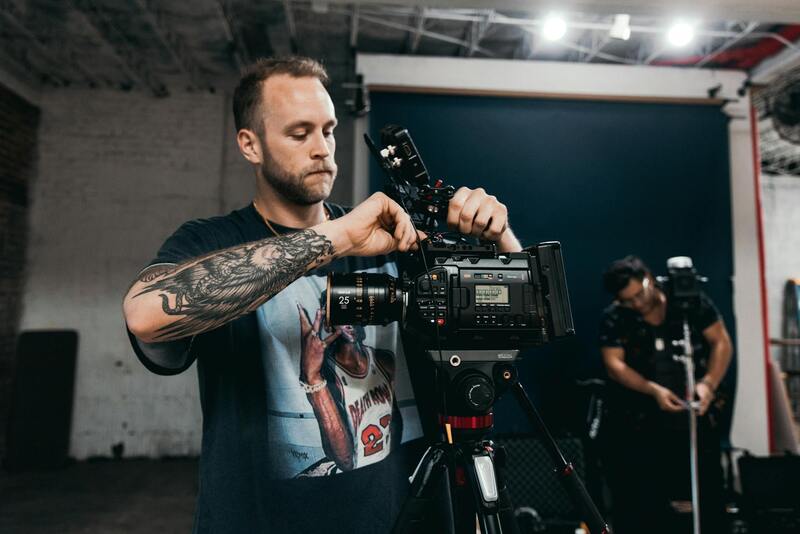
Moreover, in a competitive real estate environment, where online listings are often the first impression, the quality of images and videos directly correlates with perceived property value. Clear, well-lit photos and immersive videos help highlight unique features, expansive views, and desirable amenities. This level of professionalism not only attracts potential buyers but also establishes trust and confidence in the listing and agent behind it.
Furthermore, real estate visual content is crucial for marketing across digital platforms, including social media, property websites, and virtual tours. With the rapid growth of virtual viewing options, especially since the rise of remote buying interests, high-caliber video and photographic content facilitate a virtual experience that closely resembles an in-person visit. Buyers are drawn to engaging, easy-to-navigate media that provides comprehensive insight into the property’s layout and ambiance.
Impact on Buyer Engagement and Market Reach
- Enhances online listing visibility and attractiveness
- Creates a lasting impression that sets properties apart
- Boosts buyer engagement through immersive visuals
- Reaches a broader audience, including remote or overseas buyers
- Facilitates faster sales at optimal prices
Given Miami’s dynamic real estate landscape, the strategic use of professional photography and videography is essential. It transforms standard listings into compelling narratives, effectively communicating a property’s story and value proposition to potential buyers. This investment ultimately results in increased interest, quicker sales, and better market positioning for both individual properties and the broader listing portfolio.
Key Techniques in Real Estate Photography
Implementing effective real estate photography requires a combination of strategic methods and technical expertise to ensure properties are showcased in their best light. Proper staging is fundamental; arranging furniture and decor to highlight the space’s potential while maintaining a neutral palette allows prospective buyers to envision their own living experience. The goal is to create an inviting atmosphere that emphasizes the property’s strengths without overwhelming the viewer.
Lighting plays a pivotal role in achieving high-quality images. Utilizing natural light enhances the authenticity and warmth of a space, so photographers often schedule shoots during peak daylight hours. Supplementary lighting solutions are employed to eliminate shadows and highlight architectural details, especially in areas with limited natural light. Consistent lighting across different rooms ensures a cohesive visual flow.
Camera settings are meticulously adjusted to maximize image clarity and depth. Wide-angle lenses are frequently used to capture expansive interiors, but careful attention is paid to avoid distortion that can misrepresent spaces. Proper aperture selection ensures sharp focus throughout the scene, and a low ISO minimizes graininess, resulting in crisp, professional images. Additionally, shooting in high dynamic range (HDR) mode allows for balanced exposure between bright and dark areas within the same frame, capturing fine details across the property.
Composition techniques are essential for producing visually appealing photographs. The rule of thirds guides the placement of key features within the frame, creating an aesthetic balance that draws the viewer’s eye naturally. Leading lines and symmetry are employed to guide attention and accentuate architectural harmony. Strategic angles are chosen to emphasize the property’s most attractive features, such as spaciousness, flow, and unique design elements. These methods collectively produce a compelling visual narrative that resonates with potential buyers.
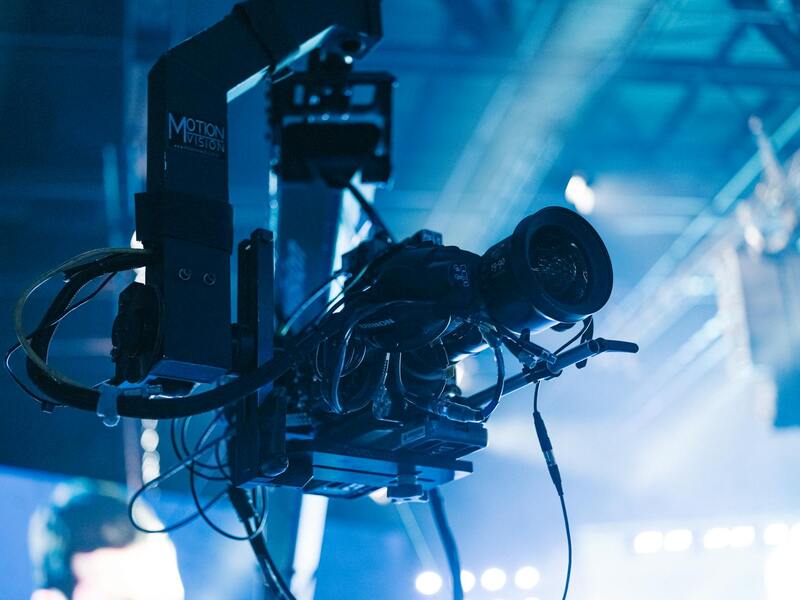
Drone Photography and Aerial Videography
Incorporating drone technology into real estate marketing campaigns significantly elevates the visual presentation of properties. Aerial imagery offers a comprehensive perspective, showcasing the scale and layout of a property within its environment. This approach is particularly effective for large estates, waterfront properties, or homes with expansive landscapes, where ground-level photography may not fully capture the property's scope.
Utilizing high-resolution drone footage allows potential buyers to appreciate the exterior features, surrounding amenities, and neighborhood context from a bird's-eye view. Smooth, steady drone shots can highlight unique architectural aspects, outdoor living spaces, and landscaping details that are often overlooked in traditional photography.
For optimal results, drone operators employ professional-grade equipment with GPS stabilization and advanced cameras to ensure crisp, clear images and videos. Flight plans are meticulously crafted to avoid obstructions and maintain safety protocols, ensuring comprehensive coverage of the property in accordance with regulatory guidelines.
Integrating aerial views with ground-level visuals creates a dynamic visual narrative that enhances property listings. This combination offers a compelling story of the property's features, location advantages, and neighborhood environment, attracting a broader range of prospective buyers and increasing engagement.
Legal and Ethical Considerations in Real Estate Media Production
When creating visual content for real estate purposes, adherence to established standards and best practices is essential to ensure the integrity and professionalism of the property presentation. Utilizing official and responsible methods not only maintains the reputation of the marketing team but also fosters trust with prospective buyers and stakeholders.
One key aspect involves following documented protocols for drone operation, which include securing appropriate permissions, respecting privacy boundaries, and complying with regional airspace regulations. Certified drone pilots are trained to conduct flights that are safe, legal, and considerate of surrounding properties and communities. They plan flight paths carefully, avoiding restricted zones and ensuring minimal disturbance to residents and neighborhood activities.
In the realm of photography and videography, using high-quality, professional-grade equipment ensures that images and footage accurately represent the property's features without misrepresentation. Proper lighting, angles, and staging are employed to highlight the property’s assets effectively. Editing practices also adhere to ethical standards by refraining from manipulation that could mislead potential buyers or distort reality.
Maintaining transparency about the capabilities and limitations of visual content is a vital part of ethical marketing. Clearly conveying what viewers can expect from visuals prevents misunderstandings and sets accurate expectations.
Data protection and privacy are integral to responsible real estate marketing. Personal information of clients or residents should be handled with confidentiality, and media content must respect the privacy of individuals within or around the property. This includes obtaining necessary consents before capturing images or videos involving private spaces or occupants.
By strictly following these structured protocols and guidelines, professionals in the field provide a service rooted in reliability, transparency, and respect, which ultimately enhances the credibility and effectiveness of real estate marketing efforts.
Importance of Professional Real Estate Photography and Videography
In the competitive landscape of real estate, the visual presentation of a property can significantly influence prospective buyers' interest and decision-making processes. High-quality professional photography and videography serve as vital tools to attract attention, enhance the property's perceived value, and facilitate faster sales at optimal prices. These visuals are often the first point of contact for potential buyers, making their quality and accuracy crucial in creating a compelling first impression.
Distinguishing features such as spaciousness, lighting, and architectural details are captured meticulously by seasoned professionals equipped with specialized equipment. This ensures that every image and video shot showcases the property's best attributes, providing viewers with an authentic and appealing view. Additionally, professional media encourages increased engagement online, where high-resolution photos and dynamic videos can significantly improve listing visibility across various platforms.
Content created through professional real estate photography and videography also contributes to building trust with potential clients. It conveys a commitment to quality and transparency, which are critical elements in establishing credibility. Moreover, these visual assets are versatile, suitable for various marketing channels such as websites, social media, digital ads, and virtual tours, ensuring a consistent and persuasive message across all touchpoints.
Key Techniques in Real Estate Photography
- Proper Lighting: Utilizing natural and artificial lighting to illuminate spaces evenly and highlight architectural features.
- Use of Wide-Angle Lenses: Capturing expansive views of interiors to make spaces appear larger and more inviting.
- Strategic Angles and Composition: Shooting from optimal vantage points to accentuate the property's strengths and create visually appealing images.
- Staging and Arrangement: Arranging furniture and decor to enhance flow and functionality, helping viewers envision living in the space.
- Post-Processing: Applying subtle edits such as color correction and distortion removal to ensure images are true to life without exaggeration.
Video Tours and Virtual Walkthroughs
Video tours and virtual walkthroughs have become essential in modern real estate marketing, especially in an era where remote viewing is often the first step for potential buyers. These dynamic presentations enable viewers to move through the space smoothly, appreciating the layout, flow, and ambiance of the property from the comfort of their current location.
High-quality virtual tours are crafted with attention to detail, showcasing each room, outdoor areas, and unique features. Incorporating narration, background music, and informative text overlays enhances the viewing experience and provides context. Proper pacing and editing ensure the tour remains engaging and informative, guiding viewers through a coherent narrative of the property.
Drone Photography and Aerial Videography
In addition to ground-level visuals, aerial imagery captured via drone technology offers a comprehensive perspective of the property and its surroundings. This approach highlights landscape features, outdoor amenities, property boundaries, and neighborhood topography, which are often challenging to convey through traditional photography alone.
Professional drone operators use carefully planned flight paths to ensure safety, precision, and compliance with local regulations. Capturing images at different heights and angles can emphasize the property's scale, visibility from key vantage points, and proximity to amenities or natural features. When integrated with ground-level footage, aerial visuals create a compelling and holistic presentation that can significantly influence buyer interest.
Legal and Ethical Considerations in Real Estate Photography and Videography
When producing visual content for real estate marketing, adherence to legal and ethical standards is paramount. This involves obtaining proper permissions and respecting privacy rights, particularly when shooting in private outdoor spaces or capturing images that may include neighboring properties. Ensuring clear consent from property owners or authorized representatives is essential before scheduling any photo or video shoots.
Compliance with local regulations regarding drone operation is a critical aspect of aerial photography and videography. This includes securing necessary permissions, adhering to altitude restrictions, and respecting no-fly zones such as near airports, government buildings, or protected areas. Professional drone operators are well-versed in these guidelines, ensuring that aerial content is captured legally and ethically.
Respecting property boundaries and avoiding trespassing during shoots uphold ethical standards and prevent potential disputes. Using publicly accessible areas and obtaining explicit permissions for private land minimizes risks associated with unauthorized access. Additionally, being transparent with clients about the intended use of the imagery and the measures taken to ensure compliance fosters trust and demonstrates professionalism.
Proper editing practices also play a role in ethical representation. Avoiding manipulations that drastically alter the property's appearance, such as excessive photo filtering or misleading angle choices, helps maintain an honest portrayal of the property. Accurate, truthful visual content is crucial in fostering buyer trust and supporting informed decision-making.
In summary, integrating legal and ethical standards into real estate photography and videography ensures that marketing efforts are responsible, credible, and effective. Working with experienced media professionals who prioritize these principles benefits all parties involved, from property owners to prospective buyers.
Legal and Ethical Considerations
When producing high-quality real estate images and videos, it is essential to navigate a range of legal and ethical considerations to ensure respectful and compliant content creation. This includes securing explicit permissions from property owners prior to capturing any visuals, particularly in private residential or commercial spaces. Clear communication about the scope and intended use of the media helps maintain transparency and build trust with clients.
Disclosures related to photography and videography activities should be provided to all relevant parties. For example, informing tenants or occupants about upcoming shoots aligns with ethical standards, avoiding surprises or misunderstandings. Respect for privacy extends to avoiding intrusive or overly personal shots, especially when neighboring properties or public spaces are involved.
Additionally, adherence to local regulations when using equipment, such as drones, is critical. Professional drone operators are aware of altitude restrictions and no-fly zones, including areas near airports or government facilities, and follow established protocols to capture aerial shots responsibly. Recognizing property boundaries and avoiding trespassing not only upholds ethical standards but also prevents potential legal issues.
Maintaining honesty in visual representations is fundamental. Post-production edits should accurately portray the property's condition without misleading alterations. Overuse of filters, excessive cropping, or perspective manipulations that distort the true appearance of the property can deceive viewers, leading to unrealistic expectations and potential distrust.
To foster a compliant and ethical approach, collaborating with experienced real estate media professionals is highly recommended. These specialists are well-versed in obtaining necessary permissions, navigating legalities, and implementing ethical editing practices. By upholding these principles, real estate marketing efforts become credible, respectful, and more effective at attracting serious buyers.

Overall, integrating legal and ethical standards into real estate photography and videography sustains the integrity of your marketing efforts. It demonstrates professionalism and respect for property rights and individual privacy, which are essential for building trust and encouraging successful transactions in the competitive Miami real estate market.
Legal and Ethical Considerations in Real Estate Media Production
Adhering to established legal and ethical standards is fundamental when producing real estate photography and videography. This commitment not only safeguards the reputation of your marketing efforts but also reinforces trust with potential buyers and selling agents. Ensuring all content is captured and utilized responsibly requires a thorough understanding of permitted procedures and respectful interactions with property sites.
One primary focus is respecting property boundaries and obtaining necessary permissions for on-site shooting. This involves verifying that access rights are secured before entering private properties, especially when capturing interior shots or drone footage. Unauthorized entry or use of drone technology in restricted airspace can lead to complications that impact the credibility of your marketing campaign.
For aerial imagery and drone use, compliance with regional regulations involves more than just flying within legal airspace. It requires avoiding restricted zones, such as near airports or government facilities, and following protocols for safe flying practices. These precautions prevent intrusion into sensitive areas and potential conflicts with regulatory authorities. Employing certified drone operators familiar with local laws ensures aerial content is gathered responsibly.
In the realm of post-production, accuracy is paramount. Digital enhancements, including filters or perspective adjustments, should faithfully represent the property’s actual condition. Misrepresentations, whether intentional or accidental, undermine transparency and can impair buyer confidence. Skilled editing involves refining lighting, color correction, and stabilization while maintaining an honest visual portrayal of the property.
Furthermore, collaboration with experienced real estate media professionals can streamline permissions, enhance compliance, and uphold ethical standards. They are knowledgeable about the necessary documentation and procedures, reducing the risk of missteps. Their approach ensures that every visual element of your marketing campaign aligns with best practices, reinforcing your professionalism and credibility.
- Accurate property depiction ensures realistic buyer expectations.
- Proper permissions prevent legal complications.
- Responsible drone use reflects professionalism and adherence to regulations.
- Transparent editing maintains trustworthiness in listings.
Impact of High-Quality Media on Sales and Marketing
Investing in professional real estate photography and videography significantly impacts the visibility and attractiveness of property listings. High-quality visuals capture the essence of a property, highlight its best features, and evoke emotional responses from prospective buyers. In Miami’s competitive market, where first impressions are crucial, premium media content often serves as the decisive factor for engagement and offers.
The use of compelling images and videos increases listing views, generates more inquiries, and can shorten the sales cycle. Data shows that properties with professionally produced media tend to sell faster and often at higher prices. Enhanced visuals support targeted marketing efforts, making listings stand out across online platforms and social media channels. Here are some key benefits:
- Increased listing visibility and engagement.
- Higher likelihood of attracting serious buyers.
- Greater online shares and social media reach.
- Improved perception of the property's value.
For real estate agents and sellers, leveraging high-caliber media content becomes a strategic advantage, boosting confidence in prospective buyers and encouraging them to schedule visits or make offers. The compelling imagery and videos serve as digital open houses, expanding reach beyond traditional marketing channels and attracting a broader demographic in Miami’s vibrant real estate market.