
Understanding the Role of a Real Estate Photographer
In the competitive Miami real estate market, the visual presentation of properties plays a crucial role in attracting potential buyers and tenants. A professional real estate photographer specializes in capturing compelling images that highlight a property's best features, creating an inviting and accurate representation of the space. These experts understand the nuances of lighting, angles, and staging, ensuring each photograph maximizes the property's appeal.
Real estate photography is more than just taking pictures; it is a strategic tool used to enhance online listings, brochures, and marketing campaigns. High-quality images can significantly reduce the time a property stays on the market and often lead to better offers. Because first impressions are formed within seconds, professionally shot photos serve as a critical component of a successful real estate marketing strategy.

Specializing in architectural and interior photography, real estate photographers possess the technical expertise to navigate challenging lighting conditions, capture wide-angle views, and showcase properties in their best light. Their skill ensures that both exterior and interior spaces are depicted accurately, appealing to buyers' emotions and imaginations while providing truthful visuals that instill confidence in the listing.
Key Skills and Specializations
- Advanced knowledge of camera equipment and editing software
- Ability to work with different lighting environments
- Proficiency in staging and arranging spaces for optimal presentation
- Understanding of real estate marketing trends and buyer preferences
- Experience in drone photography and virtual tours (where applicable)
By utilizing these skills, real estate photographers help properties stand out in a crowded market through visually engaging images that catch the eye and inspire action. Their role is integral to modern real estate sales strategies, especially in vibrant markets like Miami where visual appeal can make a decisive difference.
Understanding the Role of a Real Estate Photographer
A professional real estate photographer plays a vital role in crafting a compelling visual story that highlights the unique features of a property. These experts combine technical skill with aesthetic sensibility to produce images that not only capture the property's physical attributes but also evoke an emotional response from prospective buyers. Their ability to present spaces in the best possible light helps properties stand out in a competitive market, especially in a vibrant city like Miami where eye-catching visuals are essential for attracting attention.
Beyond simply snapping photos, a seasoned real estate photographer employs advanced techniques such as high dynamic range (HDR) imaging, panoramic shots, and strategic staging angles. They understand the importance of lighting — both natural and artificial — and use it to enhance the property's appeal. Wide-angle lenses are routinely used to capture spaciousness, making rooms appear larger and more inviting. These professionals also manage post-processing carefully, ensuring images are polished without misrepresenting the property's true condition, thus maintaining a trustful relationship with clients and potential buyers.
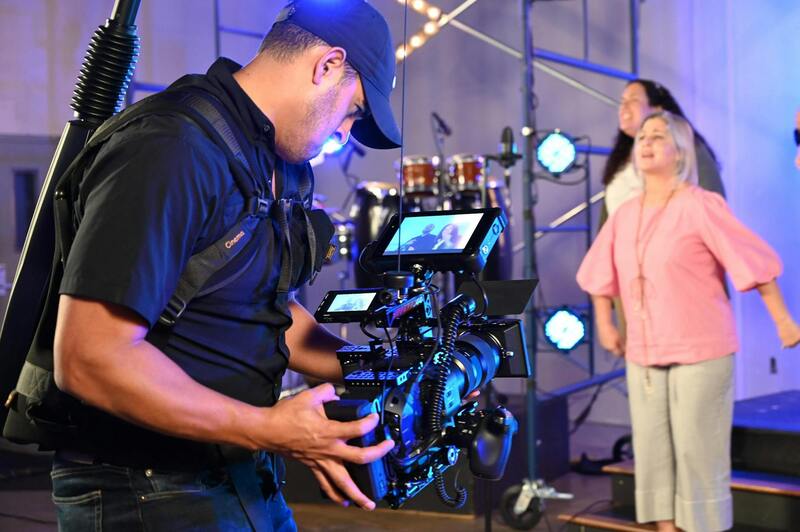
The photographer’s expertise extends to understanding market-specific needs. Miami's diverse and dynamic property landscape demands high-impact visuals to attract different buyer segments — from luxury waterfront estates to bustling urban apartments. Skilled photographers customize their approach based on the property type, target audience, and marketing goals, ensuring that each listing is presented in the most attractive manner possible.
Leveraging modern tools such as drone photography and 3D virtual tours, a real estate photographer enables potential buyers to explore properties remotely, facilitating quicker decision-making and broader outreach. They are also adept at working within tight schedules and coordinating with real estate agents to deliver timely results that align with marketing campaigns. This proactive collaboration results in a seamless integration of high-quality images into online listings, brochures, and social media platforms, maximizing exposure and engagement.
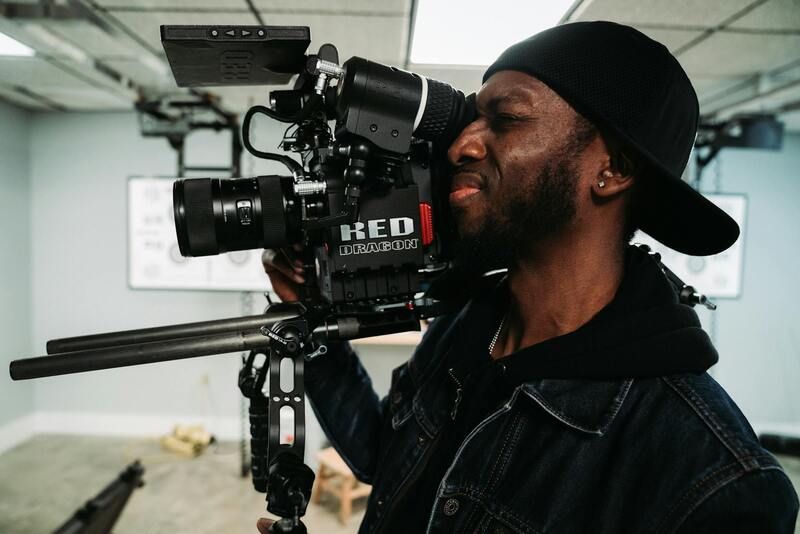
In summary, a real estate photographer's role extends far beyond technical expertise; they serve as storytellers who craft a visual narrative aimed at engaging potential buyers and accelerating the sales process. Their work requires a keen eye for detail, a deep understanding of market trends, and mastery of advanced photographic techniques, all of which culminate in images that significantly elevate a property's listing quality and market presence, especially within Miami’s competitive real estate environment.
Utilizing Professional Techniques to Highlight Property Features
To effectively showcase a property, a real estate photographer employs a range of professional techniques that accentuate the property’s best features while minimizing any imperfections. One essential aspect is the strategic use of lighting; photographers often use natural light to create inviting and warm images that appeal to potential buyers. They also incorporate supplemental lighting when necessary, such as flash or continuous lights, to ensure every room is well-lit and visually balanced.
Perspective and composition play critical roles in making spaces appear more spacious and appealing. Photographers often use wide-angle lenses to capture broader views of rooms and exteriors, giving viewers a comprehensive understanding of the space. Careful attention is paid to the framing of each shot, aligning lines and ensuring that key architectural features are emphasized to attract buyer interest.
Post-processing techniques further enhance images, providing color correction, exposure adjustments, and minor retouching to create polished visuals without misrepresenting the property. This attention to detail ensures that each image aligns with the property's actual appearance while maximizing visual appeal.
Adapting to Market Trends and Property Types
Successful real estate photographers stay abreast of current market trends and technological advancements, allowing them to adapt their methods for different property types. For high-end luxury listings, this might include aerial shots captured via drone, night photography to illustrate ambient lighting, or 3D virtual tours that provide an immersive experience. For commercial or smaller residential units, more focused detail shots and virtual staging can help prospective buyers visualize the space's potential.
Understanding the target audience is equally important. For example, younger buyers may respond better to dynamic imagery such as drone footage or virtual reality options, while traditional buyers might prefer detailed photographs highlighting key features. By tailoring their approach, photographers can ensure that each property’s visual presentation aligns with the strategic marketing plan.
The Impact of High-Quality Imagery on Property Listings
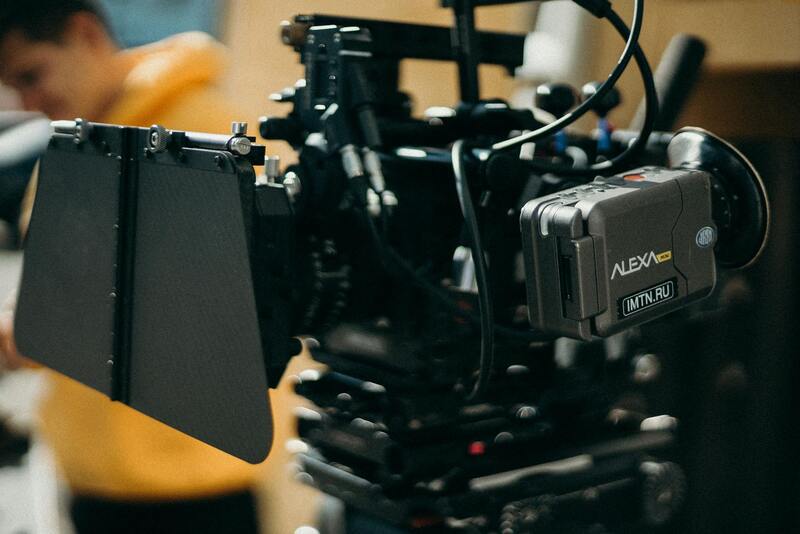
High-caliber images significantly influence the perception of a property’s value and desirability. Listings with professional photography tend to attract more online views, generate increased inquiries, and ultimately facilitate quicker sales at favorable prices. The photos act as an initial impression that can captivate prospective buyers, encouraging them to schedule viewings or explore virtual tours.
The strategic placement of images within online listings and marketing materials plays a vital role in optimizing exposure. Photographs that highlight natural light, spaciousness, and unique architectural features help set a property apart from the competition. Furthermore, consistent quality across all images fosters a professional and trustworthy impression, building confidence in the listing.
Additionally, the use of high-resolution images allows for versatile marketing applications, including high-quality brochures, social media campaigns, and virtual tours. This multichannel approach broadens reach and increases engagement.
Education and Continuing Development in Real Estate Photography
For a real estate photographer to maintain a competitive edge in Miami’s vibrant market, ongoing education and skill enhancement are essential. This includes staying updated with the latest camera technology, lighting techniques, and editing software. Many professionals participate in workshops, online courses, and industry seminars that focus on the latest trends and best practices in real estate visualization. Mastering the nuances of HDR photography, drone operation, and virtual staging can significantly elevate the quality of property images, making listings more appealing to prospective buyers.
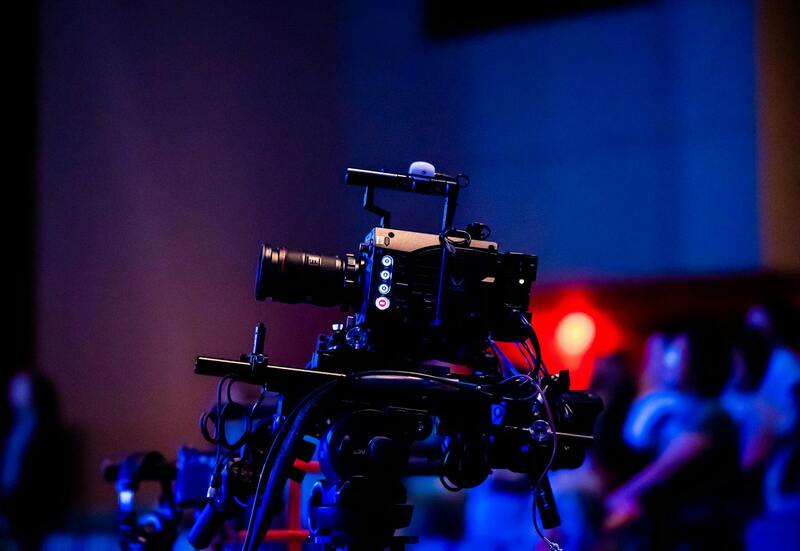
Moreover, understanding the specific needs of Miami’s diverse real estate market allows photographers to tailor their approach accordingly. For instance, they might focus on capturing waterfront views, showcasing luxury amenities, or highlighting architectural details unique to Miami districts. This dedication to professionalism and specialized knowledge underscores the importance of choosing a photographer committed to ongoing development, ensuring that they can deliver images that not only meet but exceed expectations.
Importance of Professional Equipment in Real Estate Photography
High-quality images are heavily dependent on top-tier equipment. Professional real estate photographers in Miami invest in state-of-the-art cameras, wide-angle lenses, stabilizers, and lighting gear to ensure every shot is crisp, well-lit, and visually captivating. Using drone technology allows for breathtaking aerial views of properties, particularly important for waterfront estates and large estate holdings. Such equipment enables photographers to produce images that highlight the full scope and beauty of a property.
Besides hardware, advanced editing tools are crucial for enhancing photos post-shoot. Skilled photographers utilize editing software to correct lighting imbalances, straighten horizons, and enhance colors without overprocessing, maintaining a natural yet attractive look. The combination of premium equipment and expert editing capabilities results in images that not only attract attention but also accurately convey the property’s true appeal.
Measuring the Effectiveness of Real Estate Photos
Analytics play a vital role in evaluating how images impact the visibility and performance of property listings. Real estate professionals can track metrics such as listing views, inquiry rates, and virtual tour engagement to understand the influence of high-quality photography. In Miami’s competitive market, listings with superior images tend to perform markedly better than those with amateur visuals, often leading to faster sales cycles and higher closing prices.
Using image analytics and A/B testing on different listing platforms helps determine which photographic styles or angles generate greater interest. This data-driven approach allows photographers and real estate agents to continuously refine their visual strategies, ensuring that each property is presented to attract maximum attention from the right buyers.
Partnership with Local Real Estate Agencies and Developers
Building relationships with Miami-based real estate agencies and property developers provides a steady stream of projects and referrals. A photographer’s reputation locally can significantly influence their success, making it imperative to deliver consistent, high-quality work that aligns with client expectations. By collaborating closely with industry professionals, photographers gain insights into market preferences and emerging trends, enabling them to adjust their services accordingly.
These partnerships often lead to exclusive agreements to photograph new developments or luxury properties, enhancing the photographer’s portfolio and credibility. Consistent high standards and personalized service are key to fostering long-term relationships that benefit both parties. This approach also helps photographers stay connected with market developments, ensuring that their visual offerings remain relevant and competitive within Miami’s dynamic real estate landscape.
Understanding the Role of a Real Estate Photographer
A professional real estate photographer specializes in capturing high-quality images that highlight the unique features and appeal of a property. Their expertise extends beyond basic photography, involving knowledge of lighting, staging, and camera angles to create compelling visuals that resonate with potential buyers.
Real estate photography aims to provide an authentic representation of a property while accentuating its best aspects. It requires a keen eye for detail to balance color accuracy, spatial perspective, and natural light. These elements help evoke emotional connections and stimulate interest, ultimately leading to quicker sales and higher offers.
In a competitive Miami real estate market, where luxury properties and unique architectural designs abound, hiring a skilled photographer can be the difference between a listing that garners attention and one that fades into the background. Adequate training with specialized equipment such as wide-angle lenses, drone cameras, and editing software allows professional photographers to deliver crisp, engaging images that meet high industry standards.
Ultimately, the goal of a real estate photographer is to craft a visual story around a property that appeals to the target demographic, whether it be luxury condo buyers, families seeking spacious homes, or investors looking for promising opportunities. Their work must adhere to the expectations set by real estate agents and developers, providing a crucial marketing asset in today’s digital-first real estate environment.
Key Qualifications and Skills of a Real Estate Photographer
The most effective real estate photographers possess a combination of technical skills and market knowledge. This includes proficiency in professional camera equipment, lighting techniques, and post-processing software. They also stay updated with the latest trends in real estate marketing, including virtual tours, 3D renderings, and HDR imaging.
Beyond technical expertise, a strong understanding of property staging and architectural features allows photographers to emphasize key selling points. Attention to detail ensures that each shot is carefully composed, avoiding distortions or distractions that could detract from the property's appeal.
Excellent communication skills are vital for collaborating with clients, understanding their vision, and ensuring timely delivery of images. Adaptability to different property types—ranging from modern condos to historic homes—is also important for maintaining a versatile portfolio.
Benefits of Hiring a Professional Real Estate Photographer in Miami
Engaging a professional photographer ensures that your property images stand out in a crowded Miami market. High-quality visuals create a strong first impression on online listing platforms, attracting more viewers and increasing the likelihood of scheduled visits.
Professional images convey a sense of quality and attention to detail, which can influence buyers’ perceptions and boost their confidence in the property. This is especially impactful for luxury homes, waterfront estates, and condominiums in Miami’s competitive market.
Furthermore, professional photography often translates to faster sales cycles, reducing time the property spends on the market and lowering potential holding costs. High-resolution images are also more versatile, suitable for print marketing, virtual tours, and social media promotion—all crucial channels for reaching a broad audience in Miami’s diverse real estate landscape.
Another advantage is the consistency of branding. Working with a skilled photographer allows real estate agents and developers to maintain a cohesive visual identity across multiple listings, elevating their reputation and attracting repeat clients.
How to Find a Reliable Real Estate Photographer in Miami
When searching for a dependable professional, start by reviewing portfolios and client testimonials. Established photographers demonstrate their capabilities through a diverse collection of work, showcasing their ability to handle various property types and lighting conditions.
Networking within local real estate circles can also be beneficial. Real estate agents and developers often have preferred photographers they work with regularly. Their recommendations can lead you to trusted professionals who understand the nuances of Miami’s market.
Additionally, verify that the photographer possesses the necessary equipment, such as drone cameras for aerial shots or advanced HDR systems, to meet your specific property needs. Clarify turnaround times, pricing structures, and scope of services upfront to avoid misunderstandings.
The relationship between a real estate agent and photographer is built on trust and quality. Selecting a professional with a solid reputation for consistency and attention to detail will ensure your listings gain the visual edge required to attract serious buyers in Miami’s vibrant real estate environment.
Questions to Ask When Hiring a Real Estate Photographer
Securing the services of a competent real estate photographer requires thorough inquiry to ensure their expertise aligns with your property presentation goals. Key questions should revolve around their professional experience, technical proficiency, and workflow practices.
- What is your experience with real estate photography? An experienced photographer will have a portfolio showcasing diverse properties, demonstrating their ability to capture different architectural styles and lighting conditions.
- What kind of equipment do you use? Advanced cameras, lenses, drone technology, and lighting gear can significantly influence the quality of images. Confirm if they utilize high-dynamic-range (HDR) systems, wide-angle lenses, and aerial drone shots, especially for unique property features.
- Can you handle different types of properties? Whether residential, commercial, or luxury estates, a versatile photographer will adapt their approach to highlight each property’s strengths.
- What is your editing and post-processing process? Professional editing enhances image clarity, color accuracy, and lighting balance, ensuring photos are both appealing and true to life.
- What are your turnaround times? Clear timelines help plan marketing activities, so understand their typical delivery schedule for high-resolution images.
- What are your pricing structures? Clarify the costs for different services, including additional shots, aerial photography, or expedited delivery, to align with your budget.
- Do you offer virtual tours or 360-degree views? These immersive elements can elevate your listings, so gauge whether the photographer provides such options.
- How do you ensure consistency across multiple listings? For agents managing several properties, consistent branding and image style are vital for recognition and professionalism.
Maximizing the Impact of Real Estate Photos in Listings
Optimizing visual content extends beyond capturing quality images. Incorporate strategic presentation techniques to enhance listings and attract more potential buyers:
- Use high-quality images: Always select the best images that showcase the property’s unique features, architecture, and spaciousness.
- Highlight key features: Focus on prominent aspects such as modern kitchens, landscaped yards, or panoramic views to captivate viewers.
- Maintain consistency: Use uniform editing styles and lighting across all images to create a cohesive visual story.
- Leverage virtual staging: Sometimes, digitally furnished rooms can illustrate a space’s potential, helping buyers visualize living there.
- Optimize image order: Organize photos in a logical flow, starting with the exterior, followed by main living spaces, bedrooms, and special features.
- Ensure mobile responsiveness: With many users browsing listings on mobile devices, images must be optimized for quick loading and clear display.
- Include engaging aerial shots: Drone photography can offer stunning perspectives of larger properties or scenic surroundings, adding significant appeal.
Factors to Consider When Choosing a Real Estate Photographer
Securing the services of a professional real estate photographer requires careful evaluation of several essential aspects. First and foremost, assess their portfolio thoroughly. An experienced photographer’s portfolio should showcase a diverse range of property types, lighting conditions, angles, and editing styles that align with your listing goals. Well-curated images reflect their technical skill and artistic eye, ensuring that your property is presented in the most appealing way possible.
Next, consider their familiarity with the Miami real estate market. Photographers who understand local architectural styles, neighborhood features, and what prospective buyers seek can tailor their approach to highlight the unique charm of Miami properties. Recognizing sunlit exteriors, scenic waterfront views, or modern urban condos is vital to capturing images that resonate with regional clientele.
Equipment quality is another critical factor. High-end cameras, wide-angle lenses, drones, and professional lighting systems contribute significantly to the clarity and cinematic quality of images. Advanced technology enables photographers to produce sharp, vibrant photos, even under challenging lighting conditions, which is key to making listings stand out online.
Reviews and Recommendations
Client feedback and peer recommendations provide valuable insights into a photographer’s professionalism, punctuality, and ability to deliver consistent results. Look for testimonials that describe the photographer’s reliability, communication skills, and overall workflow management. Good reviews often mention the photographer’s willingness to accommodate specific requests and their capacity to meet tight deadlines, which are critical elements in the fast-paced Miami real estate market.
Pricing Transparency and Service Packages
Understanding the cost structure upfront helps avoid surprises and ensures the services fit within your marketing budget. Professionals who offer clear, detailed packages—including a specified number of images, editing services, or aerial shots—allow for better planning. Comparing quotes from multiple providers ensures you receive competitive pricing without sacrificing quality.
Availability and Flexibility
Given the dynamic nature of property showings and open houses, confirm that your photographer can accommodate urgent requests or last-minute shoots. Flexibility in scheduling is a crucial advantage, especially during peak listing seasons when speedy turnaround times are necessary for maximizing marketing efforts.
Communication and Professionalism
Effective communication is essential for aligning expectations and ensuring the photographer understands your specific needs. A professional who is attentive to details, receptive to feedback, and proactive with updates will facilitate a smoother collaboration. Clear communication minimizes errors, streamlines the shoot, and results in images that accurately reflect the property’s best features.
Conclusion
Choosing the right real estate photographer in Miami involves evaluating their technical skills, market knowledge, equipment standards, client feedback, and service offerings. Taking the time to research and ask the right questions ensures you partner with a professional capable of producing impactful images that boost your property listings and attract the right buyers.
Effective Strategies to Attract Clients Seeking a Real Estate Photographer in Miami
For property owners, real estate agencies, and marketing professionals aiming to elevate their property listings, understanding how to connect with a qualified real estate photographer in Miami is essential. A strategic approach involves a multi-channel outreach plan that emphasizes professionalism, clarity, and targeted messaging.
Optimizing Your Online Presence
Ensuring your website and social media profiles highlight the importance of high-quality real estate images can significantly attract potential clients. Incorporating testimonials, showcasing sample images, and emphasizing the technical expertise of your preferred photographers establishes credibility. Include detailed service descriptions that clearly articulate what clients can expect, from standard property shoots to drone photography and twilight shots.
Engaging with Local Real Estate Communities
Active participation in Miami-area real estate groups, networking events, and industry seminars creates opportunities to connect directly with real estate professionals seeking competent photographers. Offering workshops or informational sessions about the benefits of professional real estate photography can position you as an expert and trusted resource within the community.
Utilizing Targeted Marketing Campaigns
Implement targeted advertising through online platforms such as Google Ads and social media channels to reach property owners or agencies specifically looking for real estate photography services. Use keywords like “Miami real estate photographer,” “property photography Miami,” or “professional listing photos in Miami” to improve search engine visibility. Highlight your unique selling points, such as quick turnaround times or specialized aerial imagery, to stand out against competitors.
Leveraging Referral Networks
Building relationships with real estate agents and brokers encourages word-of-mouth referrals. Offering incentives for referrals or establishing mutually beneficial partnerships can help generate a steady flow of clients actively seeking reliable photography services.
Creating Informative Content
Developing content such as blogs, videos, or guides about the importance of professional real estate photography and the latest industry trends can attract potential clients. Sharing success stories or case studies illustrates your expertise and the tangible impact of quality images on property sales.
Participating in Real Estate Expos and Trade Shows
Attending local real estate expos, open houses, and trade fairs provides opportunities for face-to-face interactions with potential clients. Having professional portfolios at these events allows you to showcase your work directly to interested property owners and real estate professionals seeking top-tier visual marketing solutions.
Ensuring Excellent Customer Service and Follow-Up
Exceptional service and prompt follow-up can distinguish your services in a competitive market. Responding efficiently to inquiries, offering personalized solutions, and providing detailed consultations demonstrate commitment and build trust. Maintaining relationships through regular updates and check-ins can lead to repeat business and referrals.