
Importance of High-Quality Real Estate Photos
In the competitive Miami real estate market, the significance of professionally captured, high-quality real estate photos cannot be overstated. They serve as the initial impression for prospective buyers, making a lasting impact that can determine whether a property advances further in the viewing process or gets overlooked amid an influx of listings. Well-composed images have the power to highlight a property's best features, showcase its unique architectural design, and convey the lifestyle that potential buyers aspire to achieve.
Florida's vibrant real estate landscape demands visuals that stand out online, where most property searches begin. High-caliber photos enhance online listings' visual appeal, increase click-through rates, and generate more inquiries from interested parties. This visual representation not only attracts more attention but also builds trust, reflecting the seller's dedication to quality presentation. In short, polished real estate photos are a critical marketing tool that boosts visibility, accelerates sales timelines, and secures higher offers.
Further, in Miami’s diverse market—ranging from luxurious waterfront residences to trendy urban units—professional images help highlight a property's unique selling points. The right photos can emphasize spacious interiors, scenic views, and premium finishes, allowing potential buyers to imagine themselves living in the space. As more prospective buyers begin their property search online, the role of compelling, high-quality images becomes fundamental in ensuring listings stand out amidst fierce competition.
The digital age also emphasizes the importance of visual storytelling. High-resolution photos with optimal lighting and composition can illustrate a lifestyle that appeals to target demographics. Whether showcasing a sun-drenched balcony, modern kitchen, or lush backyard, quality images serve as a virtual tour that nurtures emotional engagement. This connection often translates to faster sales cycles and increased offers, making top-tier real estate photos an indispensable element of Miami’s property marketing strategies.
Key Elements of Compelling Real Estate Photos
To capture attention and present a property in its best light, several visual components must be meticulously addressed. Bright, well-lit images are fundamental; they eliminate shadows and highlight the home's features. Natural light is preferred, as it enhances the space's authenticity and warmth, but supplementary artificial lighting can be used to ensure consistency across shots.
Composition plays a vital role in creating inviting and balanced images. Photographers often use techniques such as the rule of thirds to position key elements effectively within the frame, ensuring the viewer’s eye is naturally drawn to focal points like a cozy fireplace or expansive window views. Symmetry and leading lines direct attention toward desirable features or the depth of a room, making spaces appear more appealing and spacious.
Angles are equally significant; shooting from eye level or slightly elevated vantage points can showcase the room's proportions and layout clearly. Highlights include wide-angle lenses, which allow capturing more of the space in a single shot, providing a comprehensive view for prospective buyers. These perspectives give a sense of scale and foster an emotional connection by enabling viewers to imagine themselves within the environment.
Color accuracy and image clarity are important for creating an engaging visual narrative. Post-production editing ensures that images are vibrant yet true to the property's actual appearance, preventing misrepresentation while enhancing overall aesthetic appeal. Attention to detail—such as decluttering, removing minor imperfections, and accentuating features—can significantly elevate the presentation of a listing.
Choosing the Right Equipment and Techniques
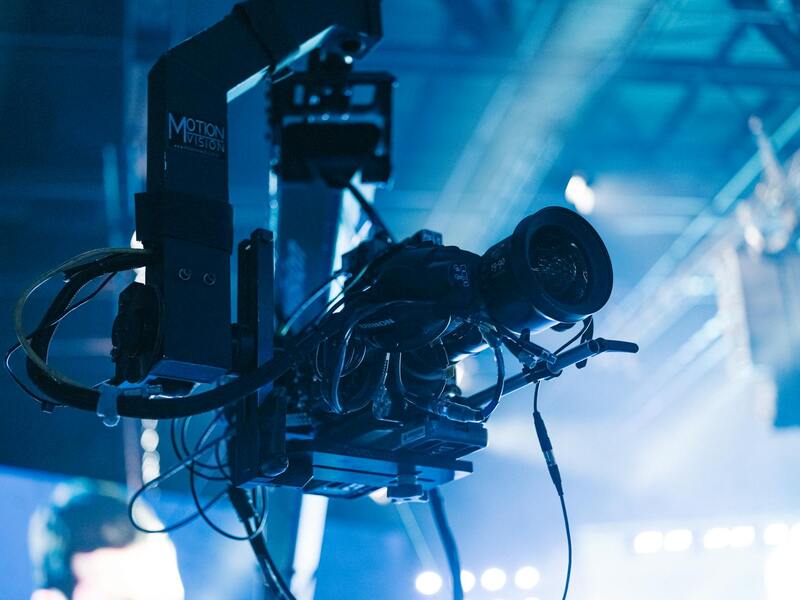
Achieving professional-grade real estate photos begins with selecting suitable equipment. High-resolution DSLR or mirrorless cameras equipped with wide-angle lenses are standard; they capture expansive views of interiors and exteriors, making spaces appear larger and more inviting. A sturdy tripod is essential for stability and consistency across shots, especially in low-light situations or when capturing multiple exposures for HDR processing.
Modern techniques such as High Dynamic Range (HDR) imaging allow blending multiple exposures to balance bright windows with darker interior areas, resulting in images that accurately represent the scene's true lighting conditions. Bracketing exposures—taking several shots at different brightness levels—can further enhance image quality, especially in complex lighting environments like Miami’s sunny exteriors juxtaposed with shaded interiors.
Advanced post-processing software enables fine-tuning of images, including adjustment of brightness, contrast, and color balance. It's crucial to maintain authenticity while enhancing the visual appeal, providing viewers with an accurate preview of the property.
Timing and Staging for Optimal Photos
The time of day selected for capturing images significantly influences the final appearance of a property. Golden hours—shortly after sunrise or before sunset—offer warm, soft lighting that can make exteriors and interiors look more appealing. Overcast days are also advantageous, providing diffuse light that minimizes harsh shadows and evenly illuminates the space.
Staging is a critical preparatory step, involving decluttering, furniture arrangement, and decoration to showcase the property's best features. Neutral tones and minimal accessories help create a versatile environment that appeals to a broad audience, while strategic placement of furniture can accentuate room size and flow. Enhancing curb appeal with tidy landscaping and clean walkways also plays an essential role in making a positive first impression before the photos are taken.
According to best practices, scheduling shoots during optimal lighting hours and ensuring the home is spotless can dramatically elevate the quality of the images, ultimately attracting more potential buyers and speeding up the sale process.
Choosing the Right Equipment and Techniques
To achieve visually stunning real estate photos that accurately represent the property, selecting the appropriate equipment and following professional techniques is essential. High-quality camera gear ensures clarity, detail, and vibrant colors, which are crucial for capturing the true essence of each space. Many Miami production agencies utilize full-frame digital cameras paired with wide-angle lenses, typically between 14mm and 24mm, to encompass more of the room and create a sense of spaciousness. This equipment allows real estate listings to stand out in crowded markets, as crisp, detailed images attract more attention from prospective buyers.
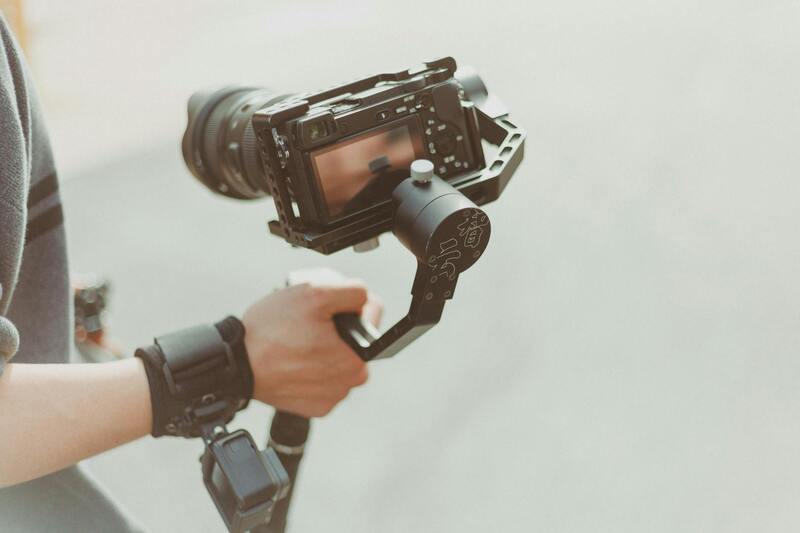
In addition to camera choices, stabilizers such as tripods and gimbals help maintain sharpness and eliminate motion blur, especially in low-light conditions or indoor settings. HDR (High Dynamic Range) photography is also widely employed to balance exposure between bright windows and darker interiors, ensuring all details are visible without sacrificing image quality. This technique involves taking multiple shots at different exposures and blending them during post-processing.
Proper use of lighting equipment further enhances the visual impact. While natural light is preferred, supplemental lighting such as portable LED panels or flash units can fill shadows or highlight specific features. Employing strategic lighting techniques, like bouncing light or diffusing it, creates an even and appealing ambiance that accurately showcases the property's features.
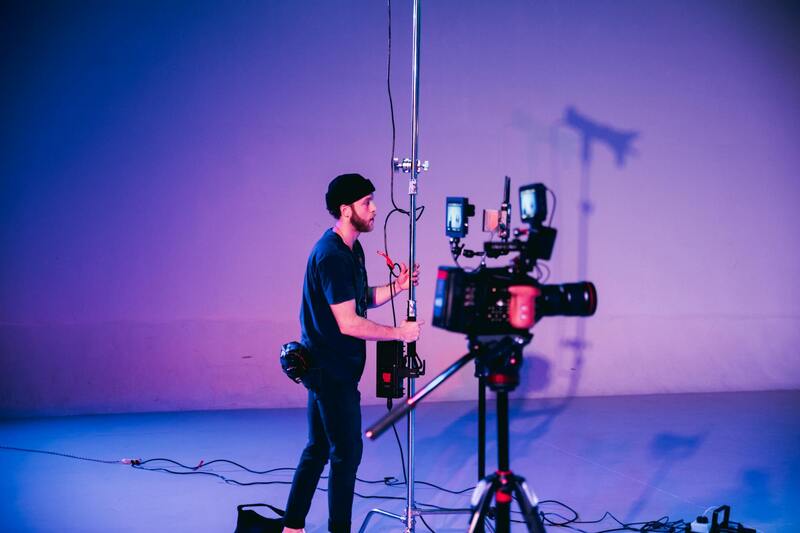
When executing a shoot, professional photographers plan their approach based on the property's unique layout and lighting conditions. They often arrive during optimal times of day, such as during the golden hour, to maximize natural light. Additionally, meticulous staging and decluttering are paired with camera settings adjustments—like aperture, ISO, and shutter speed—to create images that are both accurate and captivating.
Additional Techniques for Superior Real Estate Photography
- Vertical Composition: Keeping vertical lines straight prevents distortion and maintains visual harmony, especially in interior shots.
- Panoramic Shots: Incorporating wide-angle panoramas offers potential buyers a comprehensive view of large spaces, such as living rooms or outdoor areas.
- Drone Photography: Aerial images provide unique perspectives of the property’s exterior and surrounding environment, enhancing marketing appeal.
- Interior Details: Capturing close-ups of design features, finishes, and upgrades adds value by highlighting unique selling points.
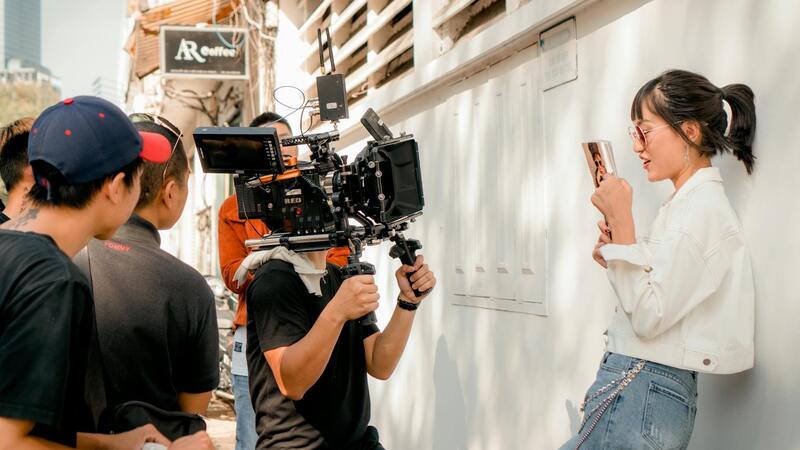
Implementing these methods consistently results in images that not only meet industry standards but also resonate strongly in the competitive real estate market. The combination of the right gear and technical expertise is fundamental to producing photos that elevate a property's online presence and influence buyer interest.
Choosing the Right Equipment and Techniques
Successful real estate photography hinges on the application of suitable equipment and advanced techniques that ensure each image is crisp, vibrant, and accurately represents the property. Utilizing professional-grade cameras with full-frame sensors allows for high-resolution images, making every detail stand out. Wide-angle lenses, typically between 14mm and 24mm, enable photographers to capture expansive interior spaces within a single shot, giving potential buyers a sense of scale and openness.
Tripods are essential to maintain camera stability, especially in low-light conditions or when using long exposures to ensure clarity and sharpness. Remote shutter releases further prevent camera shake during image capture. To enhance image quality, photographers often employ bracketed exposures, which combine multiple shots to create high dynamic range (HDR) images. HDR techniques balance interior lighting with exterior views, resulting in natural yet striking visuals.
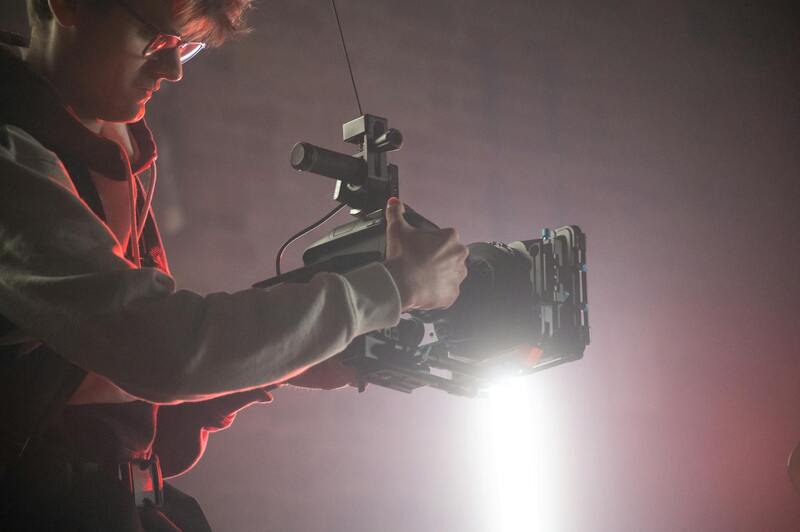
Lighting plays a pivotal role in producing compelling images. Photographers rely heavily on natural light, scheduling shoots during the golden hour to maximize soft, warm sunlight that highlights the property's best features. Supplementing natural light with strategically placed artificial lighting or flash can correct shadows and ensure even illumination across rooms.
Advanced Techniques for Enhanced Visual Appeal
- Vertical Composition: Keeping vertical lines straight avoids distortion, especially in interior shots of walls, ceilings, and doorframes, maintaining a sense of realism and harmony.
- Panoramic Shots: Wide panoramic images provide comprehensive views of large spaces such as living rooms or outdoor areas and are particularly effective for showcasing property size and surroundings.
- Drone Photography: Aerial footage captures the property's exterior, landscaping, and street view from above, offering context and a compelling perspective that ground-level photos might not convey.
- Interior Details: Close-up shots of finishes, fixtures, and unique design elements highlight the property's selling points, adding depth and personality to marketing materials.
Implementing these tools and techniques ensures each photograph is a powerful marketing asset. Consistency in style, clarity, and composition helps create a cohesive visual narrative that entices potential buyers, making the property stand out in online listings and print materials.
Choosing the Right Equipment and Techniques
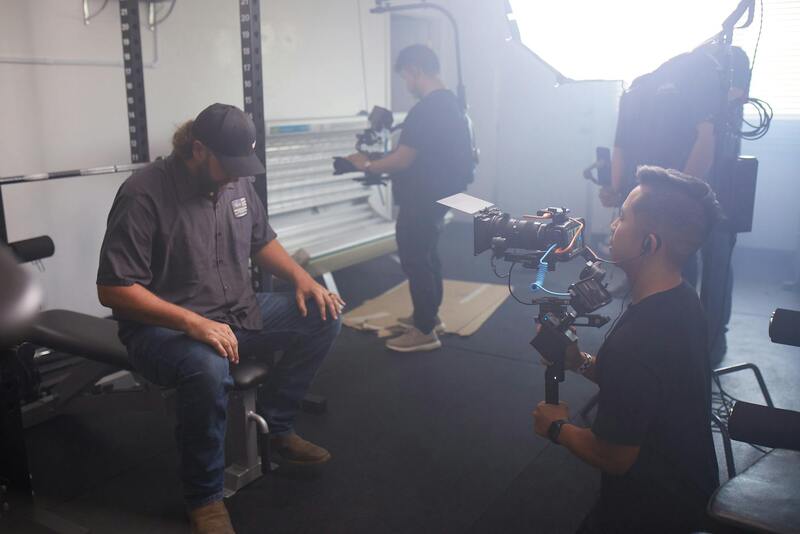
When it comes to capturing stunning real estate photos, selecting the appropriate equipment is essential. High-resolution cameras with full-frame sensors are preferred because they deliver sharp, detailed images capable of showcasing the property's features vividly. A quality wide-angle lens, typically between 14mm and 24mm, allows photographers to frame expansive rooms and outdoor scenes without distortion, creating an immersive sense of space for viewers.
Tripods play a crucial role by providing stability, especially in indoor settings where lighting can be limited. They facilitate long exposure shots that utilize available light effectively while maintaining image clarity. Additionally, remote shutter releases or camera timers minimize shake, ensuring crisp results even during extended exposures.
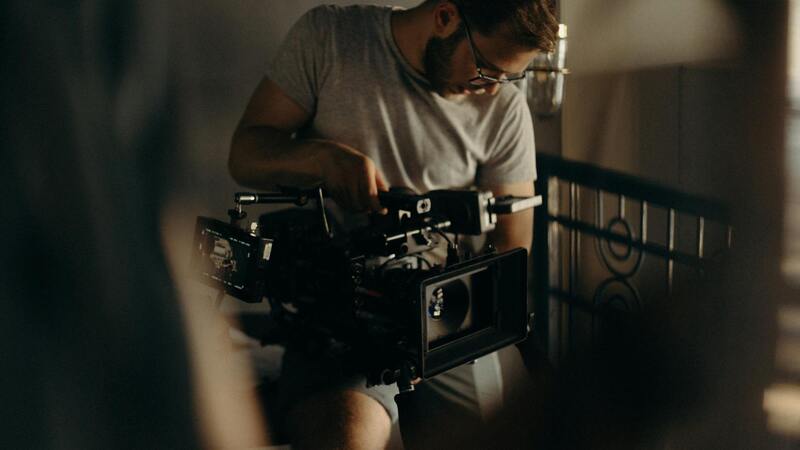
Techniques such as bracketing and HDR (High Dynamic Range) imaging allow photographers to balance the bright outdoor light with darker interior spaces, preserving detail across varying light levels. Properly managing camera settings—like aperture, ISO, and shutter speed—contributes to achieving optimal depth of field and minimizing noise.
In the field, mastering composition techniques is vital. The rule of thirds guides framing with purpose, ensuring that key features are positioned strategically within the frame. Vertical and horizontal lines should be kept straight using grid overlays to prevent distortion, especially when photographing interior walls, doorways, or windows.
Advanced photographic methods, including panoramic shots, multi-image stitching, and drone footage, expand the visual narrative. Panoramic images deliver comprehensive views of large spaces or outdoor landscapes, providing potential buyers with a realistic sense of scale. Using drones introduces an aerial perspective that captures the property's exterior, landscaping, and surrounding neighborhood from above, offering an engaging and holistic view.
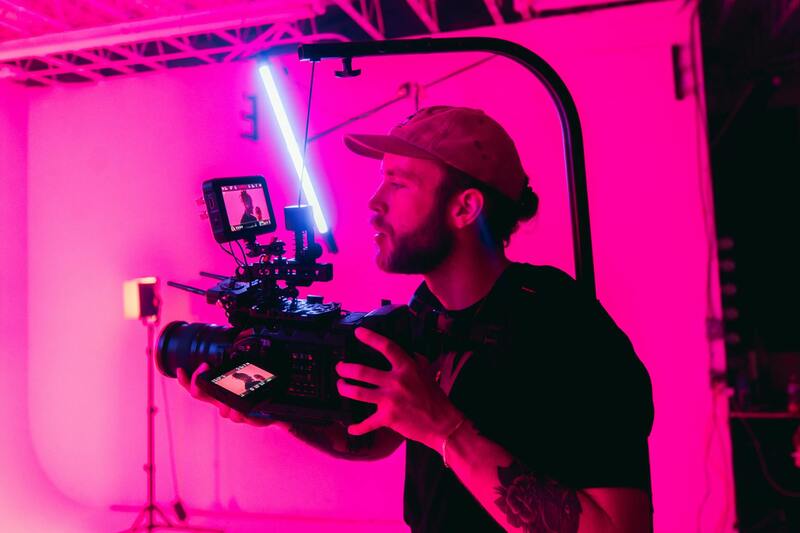
Implementing these tools and techniques with precision results in high-quality, appealing images that can significantly influence a property's marketability. Consistent application of professional methods ensures that each photograph contributes to a cohesive and persuasive visual presentation, making the property stand out across multiple platforms.
Choosing the Right Equipment and Techniques
Proficiency in real estate photography hinges on selecting suitable equipment and employing effective techniques. Modern digital cameras equipped with full-frame sensors provide the clarity and detail necessary to capture property features accurately. High-quality lenses, particularly wide-angle options, are instrumental in showcasing spaciousness without distortion, ensuring that rooms appear inviting and well-proportioned.
Utilizing a tripod is essential for maintaining stability during shot capture, especially in lower light conditions. This stability prevents blurring and allows for longer exposure times that enhance lighting and detail. Supplementing manual control of camera settings—such as aperture, ISO, and shutter speed—enables photographers to adapt to varying lighting situations, ensuring each scene is sharp and well-exposed.
Incorporating advanced techniques like HDR (High Dynamic Range) photography allows for balancing light disparities within a space, revealing both shadowed and brightly lit areas in a single shot. For exterior shots, consider using panoramic stitching to portray expansive outdoor areas comprehensively. Drone photography adds a dramatic aerial perspective, capturing the property’s layout and its surroundings from above, which is particularly effective for large estates or properties with extensive landscaping.

Timing and Staging for Optimal Photos
The timing of your shoot can significantly influence the visual appeal of your property images. Early morning or late afternoon, when natural light is softer, yields warm, inviting images free from harsh shadows. Overcast days provide diffuse lighting that minimizes glare, making interiors appear more evenly lit and emphasizing details.
Staging plays a crucial role in making spaces look their best. Decluttering and rearranging furniture enhance visual flow, highlighting the property’s best features. Adding fresh plants, neutral décor, and strategic accents can make spaces more appealing and photogenic. It’s vital to ensure windows are clean and open to maximize natural light and minimize reflections or shadows.
Window treatments should be drawn back to allow maximum sunlight, and all surfaces should be spotless. Consider using supplemental lighting, such as softboxes or LED panels, to highlight key features or brighten darker corners without washing out the scene.
Editing and Post-Production Tips
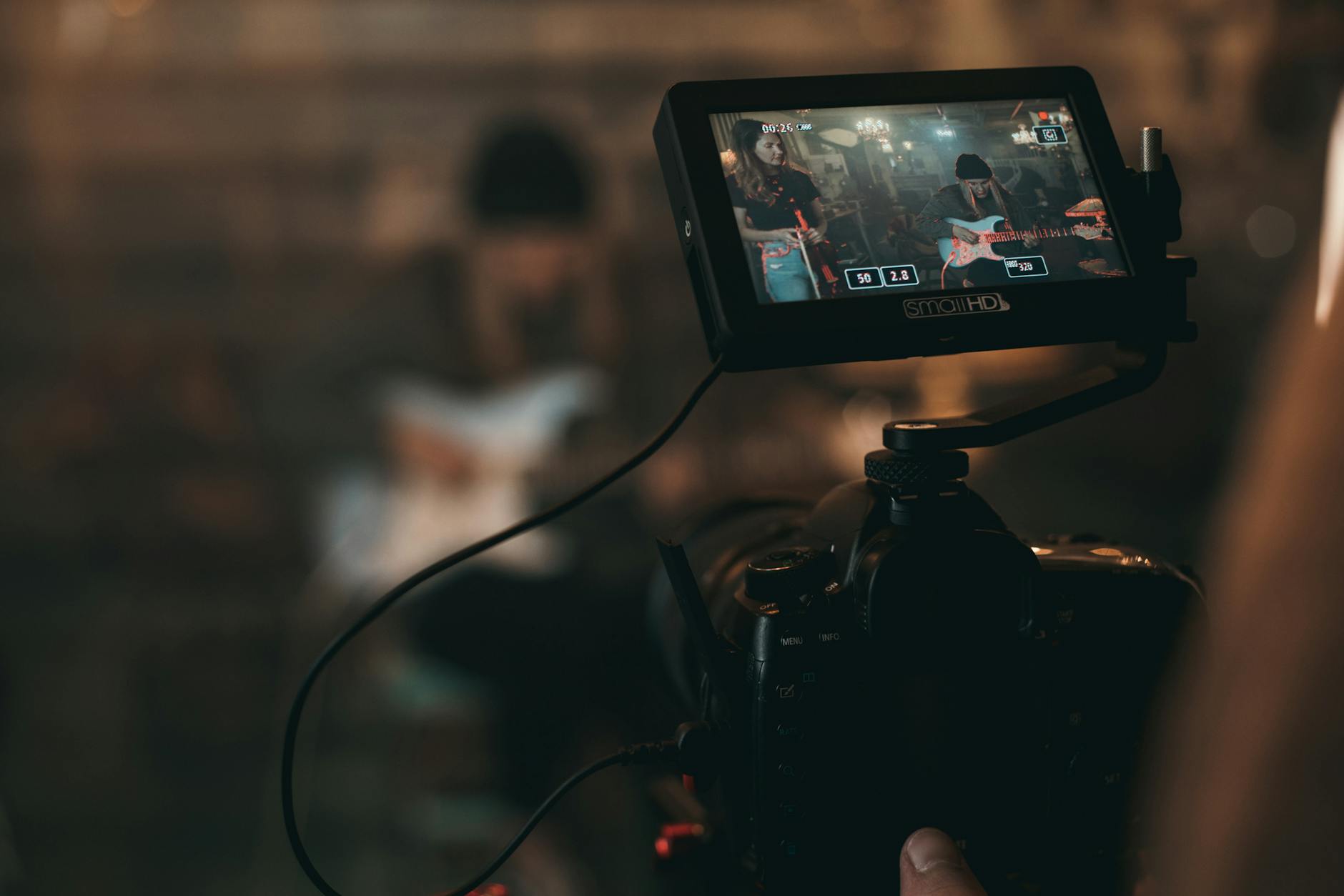
Post-production editing is a critical step in transforming raw images into polished marketing materials. Basic adjustments include correcting exposure, contrast, and white balance to ensure true-to-life colors and clarity. Avoid excessive saturation or sharpness, which can distort reality and reduce credibility.
Utilizing perspective correction tools helps straighten lines and angles, maintaining the proportionality of walls, windows, and doorways. Cropping images to eliminate distractions and emphasize focal points enhances visual impact. Rescaling and compressing images ensures fast load times for online platforms while maintaining visual quality.
Advanced editing techniques like masking can be used to brighten interior spaces selectively or enhance exterior landscaping without affecting the entire image. Consistency in color grading across all images fosters a cohesive and professional appearance in listings and promotional materials.
When editing, preserve as much detail as possible to maintain authenticity, which instills confidence in prospective buyers. High-resolution images should be optimized for both print and digital use, ensuring they look crisp across all marketing channels.
Legal and Ethical Considerations
Utilizing real estate marketing photos effectively requires adherence to established standards that respect property rights and promote transparency. Securing proper permissions before photographing private properties ensures all parties are aligned and minimizes potential disputes. When capturing images in shared or multi-tenant spaces, obtaining consent from property management or residents is essential to maintain trust and avoid misunderstandings. Respect for privacy is paramount, especially when photographing interior spaces. Avoid including personal items, confidential documents, or identifiable individuals without explicit consent. This practice maintains ethical integrity and reinforces professionalism in marketing efforts. It’s important to accurately represent a property without deceptive enhancements or misleading perspectives. Manipulating images through editing should be transparent—highlighting genuine features rather than creating false impressions. This approach sustains credibility and fulfills industry standards for honest marketing. Compliance with local regulations on drone photography or aerial shots is also crucial. Operators should be aware of airspace restrictions and obtain necessary permits if required. This diligence ensures that all marketing visuals are legally compliant and ethically sound. Maintaining detailed records of permissions and clear communication about the scope of photography further supports ethical practices. Such documentation provides peace of mind for all stakeholders and sustains a reputation for professionalism. Ultimately, respecting the rights of property owners and tenants, avoiding intrusive or exaggerated representations, and following guidelines for lawful photography establish a foundation of integrity that resonates with prospective buyers and industry peers alike.

Legal and Ethical Considerations in Real Estate Photography
Maintaining integrity in real estate marketing images is fundamental for fostering trust with clients and prospects. Adhering to ethical standards ensures that visual representations of properties are truthful, accurate, and transparent. When capturing real estate photos, it is essential to obtain explicit permissions from property owners or authorized representatives prior to conducting any photography sessions. This process safeguards all parties involved and reflects a professional approach.
Photographers should focus on presenting properties authentically. While post-production editing can enhance images, it must be done responsibly and without altering the core attributes of the property. Overly manipulated images that mislead potential buyers not only undermine credibility but can also cause legal complications or damage to reputation if discovered. Transparent editing techniques—such as adjusting lighting levels or color correction—are acceptable, provided they do not distort the property's true appearance.
The use of aerial photography, particularly with drones, warrants compliance with existing regulations concerning airspace and privacy. Proper permits or approvals should be secured, and operators must be well-versed in local rules to avoid infringing on restricted zones. In addition, aerial shots should be taken in a manner that respects neighbors' privacy and avoids intrusive perspectives.
Respect for personal privacy extends beyond aerial shots. Photographers must ensure that interior images do not include confidential documents, personal belongings, or individuals without obtaining consent. This respect underscores a commitment to ethical marketing practices and helps maintain professional standards.
Adhering to these principles not only complies with industry standards but also demonstrates a commitment to honest communication with the market. The goal is to provide prospective buyers with a realistic and compelling view of the property, fostering a positive reputation and encouraging meaningful engagement.