
Understanding the Importance of Real Estate Listing Videos
In the highly competitive Miami real estate market, the presentation of a property can significantly influence its sale potential. Real estate listing videos have emerged as an essential tool for real estate professionals aiming to maximize property visibility and engage a broader audience. Unlike static images, videos provide a comprehensive view of a property’s layout, features, and ambiance, giving prospective buyers a virtual walkthrough that can evoke emotional connections and foster interest.
Effective listing videos capture the unique selling points of a property—from spacious interiors and modern amenities to scenic views and outdoor spaces. By showcasing these elements dynamically, real estate agents can differentiate their listings from competitors, attracting higher-quality inquiries and reducing the time a property spends on the market.

In a vibrant market like Miami, where luxury, waterfront views, and unique architectural styles are in high demand, professionally produced listing videos can serve as a vital marketing asset. They expand reach, appeal to potential buyers locally and internationally, and improve overall campaign effectiveness.
The shift towards digital property browsing underscores the significance of compelling visual content. Video tours not only convey the property’s physical attributes but also communicate lifestyle and community benefits, offering a comprehensive perspective that static images cannot provide. As technology advances and consumer preferences evolve, integrating high-quality listing videos into the marketing strategy becomes indispensable for real estate professionals committed to achieving successful sales outcomes.

In summary, real estate listing videos enhance the marketing portfolio by providing engaging, detailed representations of properties that resonate with buyers’ aspirations. They bridge the gap between physical property visits and virtual browsing, making them an invaluable component of effective modern real estate marketing in Miami and beyond.
Choosing the Right Equipment and Technology
For producing compelling real estate listing videos, selecting appropriate equipment is crucial. High-definition cameras are fundamental, providing clarity in visuals that showcase every detail of the property. DSLR and mirrorless cameras are popular choices due to their versatility and superior image quality, especially when capturing wide-angle shots of spacious interiors and outdoor landscapes. Additionally, stabilizers and gimbals help achieve smooth footage, eliminating shaky visuals that can distract viewers and diminish the property's perceived value.
Lighting equipment also plays an essential role. While shooting during daylight ensures natural light enhances the property's features, supplementary lighting such as LED panels can balance brightness and eliminate shadowed areas within darker rooms. Proper lighting techniques are vital, particularly when highlighting key property features or creating a warm, inviting atmosphere that resonates with potential buyers.
Drone technology has become a staple in elevated real estate video production. Aerial footage provides a comprehensive perspective of the property’s surroundings, showing proximity to amenities, landscaping, and neighborhood appeal. High-quality drone cameras with GPS stabilization ensure steady shots and precise navigation, capturing impressive visuals that elevate the overall production value. Software for editing, color grading, and stabilizing footage also enhances the final product, ensuring that the video maintains a professional, polished look.

Best Practices for Shooting Real Estate Videos
Effective planning sets the foundation for successful listing videos. Before filming begins, develop a shot list that emphasizes the most attractive features of the property, including key rooms, unique architectural details, outdoor spaces, and views. Scheduling shoots during optimal lighting conditions, typically during early morning or late afternoon, maximizes natural light and enhances visual appeal.
Maintaining a steady and smooth camera movement is essential. Using stabilizers and gimbals allows for fluid walkthroughs that feel immersive to viewers. When filming interior spaces, wide-angle lenses capture more of the room, making spaces appear larger and more inviting. Ensuring that all areas are tidy and decluttered before filming also ensures the focus remains on the property's best attributes.
Lighting should be optimized to avoid dark corners or overly bright spots. Opening curtains and turning on additional lighting fixtures can create a balanced, well-lit environment. Incorporating multiple camera angles—from wide shots to close-ups—provides a comprehensive overview, allowing potential buyers to visualize the space effectively. Repeating shots from different heights and angles adds variety and maintains viewer interest.
Editing and Post-Production Techniques
Post-production is where raw footage transforms into a captivating marketing tool. Professional editing involves trimming unnecessary shots, arranging scenes logically, and ensuring smooth transitions. Color correction enhances the vibrancy and realism of the visuals, making the property look its very best. Adding background music, when appropriate, can also set a welcoming tone and underscore the property’s lifestyle appeal.
Incorporating titles and graphics can highlight specific features, such as square footage, special amenities, or upgrades. Additionally, including a call-to-action at the end encourages viewers to take the next step, whether it’s setting up a viewing or contacting the listing agent. Utilizing software with stabilization features ensures that even footage captured in less-than-ideal conditions appears smooth and professional.
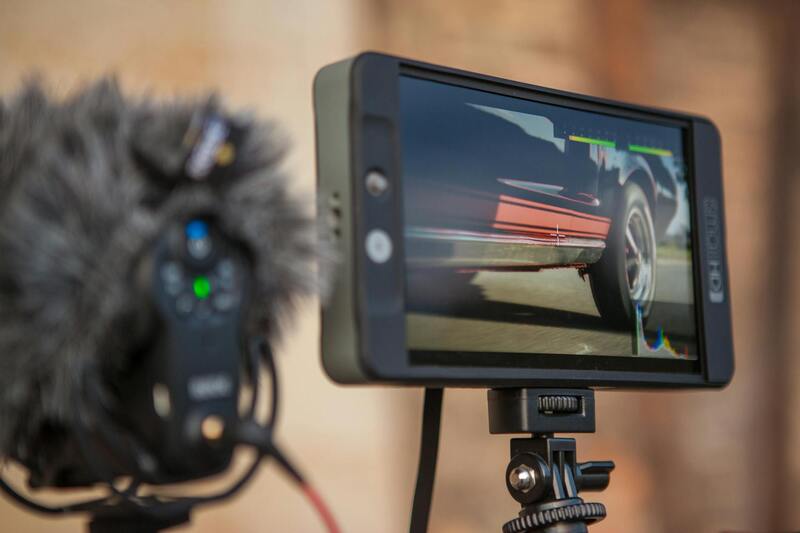
Optimizing Listing Videos for Online Platforms
Maximizing the visibility of listing videos requires adherence to platform-specific best practices. Ensuring videos are formatted correctly, with the appropriate aspect ratio and resolution, helps maintain high quality across various devices and interfaces. Adding relevant keywords and descriptive tags in titles and descriptions improves searchability, ensuring that the videos reach targeted audiences more effectively.
Thumbnails play a critical role in attracting initial clicks. Selecting a striking, high-quality frame that accurately represents the property encourages potential viewers to watch the entire video. Incorporating captions or subtitles makes content accessible to a broader audience, including those who prefer to browse without sound. Embedding videos on nearly all digital channels—property websites, social media, email campaigns—amplifies exposure and engagement.
Leveraging Listing Videos in Marketing Campaigns
Integrating high-quality videos into a comprehensive marketing strategy enhances property visibility and attracts serious inquiries. Sharing across social media platforms, real estate portals, and email newsletters ensures wide dissemination. Embedding videos into property listings allows potential buyers to experience the property virtually, reducing unnecessary physical visits and streamlining the sales process.
Creating teaser clips or highlights from longer videos can generate buzz and drive traffic to full-length tours. Running targeted advertising campaigns featuring these videos helps reach specific demographics, including international buyers who might be interested in Miami’s luxury market. Consistent branding and professional presentation throughout the marketing materials reinforce credibility and foster trust with prospective clients.
Choosing the Right Equipment and Technology
Producing compelling real estate listing videos hinges on utilizing the latest equipment and technology to capture high-quality visuals. Proper camera gear, such as professional-grade DSLR or mirrorless cameras with wide-angle lenses, ensures expansive views of interior and exterior spaces, providing viewers with a comprehensive understanding of the property's layout. Tripods and stabilizers, including gimbals, are essential for steady shots, eliminating unwanted shake and offering smooth, cinematic movements that elevate the viewer’s experience.
Drone technology has revolutionized property marketing by delivering aerial footage that highlights the property's orientation, surrounding landscape, and neighborhood amenities. Investing in high-quality drones equipped with 4K cameras allows for crisp, detailed shots from various altitudes, providing potential buyers with a perspective that ground-level shots cannot convey. These aerial views are particularly impactful for larger estates, waterfront properties, or developments with scenic surroundings.
Lighting equipment also plays a critical role. Portable LED panels and reflectors help illuminate interior spaces evenly, reducing harsh shadows and emphasizing key features of the property. Proper lighting setup ensures that colors are true-to-life, and the space appears bright, welcoming, and spacious on screen.
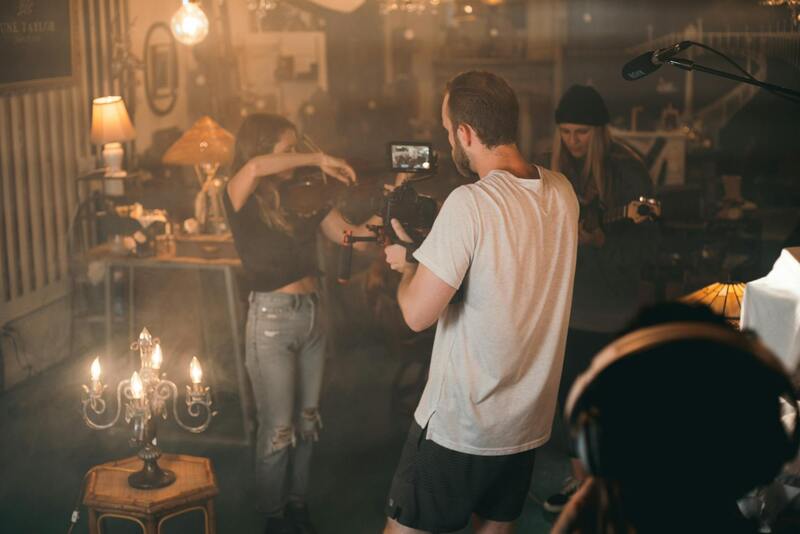
In addition to hardware, modern editing software such as Adobe Premiere Pro, Final Cut Pro, or specialized real estate video tools are necessary for post-production work. These programs facilitate color grading, seamless transitions, and the integration of branding elements, which collectively contribute to a polished final product. Investing in the right equipment and staying updated with technological advancements directly impacts the effectiveness of listing videos in showcasing properties at their best.
Best Practices for Shooting Real Estate Videos
Shooting real estate videos requires careful planning and execution to ensure the final product is both attractive and informative. Start by staging the property to highlight its best features, removing clutter, and ensuring all areas are well-lit and tidy. Use a systematic approach to cover each room methodically, beginning with the exterior and moving indoors in a logical sequence.
- Use a comprehensive shot list: Plan your shots to include wide-angle shots for spatial awareness and close-ups for details such as fixtures, appliances, or unique architectural elements.
- Create smooth camera movements: Employ stabilizers and sliders to avoid jarring transitions and maintain consistent pacing throughout the video.
- Maintain proper framing: Follow the rule of thirds and ensure horizons are level to produce visually balanced scenes.
- Incorporate natural light: Schedule shoots during daylight hours when natural light enhances interior brightness and ambiance.
Additional techniques such as using drone footage for exterior shots and establishing establishing shots at the beginning of the video can add professionalism and context. Consistency in shot composition, camera angles, and movements helps create a coherent narrative that guides viewers seamlessly through the property.

Careful attention to these methods ensures that the finished product accurately represents the property's strengths while maintaining an engaging visual flow. When combined with advanced equipment, these practices lay the foundation for impactful real estate listing videos designed to attract and convert prospective buyers effectively.
Legal and Ethical Considerations in Producing Real Estate Listing Videos
Creating compelling visual content for real estate listings involves adherence to established guidelines and best practices that uphold transparency and respect for all parties involved. When producing real estate listing videos, it is essential to obtain proper authorization from property owners or representatives before filming. Clear permissions help ensure that the content accurately represents the property and avoids misunderstandings or disputes.
Respect for privacy and security is paramount. Filming should avoid capturing private areas not meant for public view, and care should be taken with interior shots to prevent revealing sensitive information or personal belongings. When including images of neighboring properties or landscapes, appropriate considerations should be made regarding privacy rights and local regulations about aerial or drone footage.
Accurate representation is critical in real estate marketing. All visual content must faithfully depict the property’s current condition, avoiding any misleading representations that could influence buyer perceptions inaccurately. This means refraining from digitally enhancing or removing features that are not part of the actual property, as well as avoiding selective framing that might distort the true size or features of rooms.

In addition to visual authenticity, disclosing any potential conflicts of interest or affiliations with the property's seller or broker is a professional practice that adds transparency. Establishing clear communication with all involved parties about the scope and purpose of the video helps prevent misunderstandings and aligns expectations.
Maintaining a professional approach also extends to respecting copyright laws related to music, images, and footage used within the videos. Utilizing licensed or royalty-free media ensures that the content complies with legal standards and avoids potential copyright infringement issues.
Incorporating these principles into the production process not only safeguards the integrity of the marketing materials but also boosts buyer confidence. Potential clients are more likely to engage with videos they perceive as honest, transparent, and ethically produced, elevating the overall effectiveness of online listings and marketing campaigns.
Optimizing Listing Videos for Online Platforms
To maximize the visibility and engagement of real estate listing videos across various online platforms, a strategic approach to optimization is essential. This process involves tailoring video content to align with the specifications and audiences of each platform, ensuring that the property captivates viewers from the moment they encounter it.
Video Format and Resolution
High-definition videos are the standard for online listings, typically in formats such as MP4 or MOV, which provide compatibility and smooth playback across most devices and platforms. Maintaining a resolution of at least 1080p ensures clarity and detail, which are crucial for showcasing the property's features effectively. For platforms that support higher resolutions, such as 4K, utilizing this quality can offer a competitive edge by delivering even sharper visuals.
File Size Optimization
Balancing video quality with file size is critical for faster loading times and seamless user experiences. Employing compression techniques without sacrificing visual fidelity ensures that videos load promptly, reducing bounce rates and increasing viewer retention. Optimized file sizes also facilitate easier sharing and embedding across multiple online channels.
Metadata and Descriptions
Enhancing videos with relevant metadata, including descriptive titles, tags, and detailed descriptions filled with targeted keywords, helps improve search engine discoverability. Clear, concise, and keyword-rich descriptions also provide viewers with essential information about the property, encouraging further engagement.
Thumbnails and Cover Images
Choosing compelling thumbnail images that highlight the property's best features can significantly influence click-through rates. These should be vibrant and visually appealing, accurately representing the property's character.
Video Hosting and Embedding
Selecting reputable hosting platforms like YouTube or Vimeo provides reliable playback and additional features such as analytics. Embedding videos directly into property listings, websites, or email campaigns ensures easy accessibility for potential buyers, expanding reach and engagement.
Social Media Optimization
Adapting videos for social media involves creating shorter clips or teasers that entice viewers to explore the full tour. Incorporating platform-specific features, such as hashtags, tags, and call-to-action overlays, amplifies visibility and encourages interaction across channels like Facebook, Instagram, and LinkedIn.
Monitoring and Analytics
Tracking the performance of listing videos through analytics tools helps identify what resonates with audiences. Metrics such as view counts, engagement rates, and viewer demographics guide future content strategies, ensuring ongoing improvement in online presence.
Visual Content Placement
Incorporating videos into the most prominent positions on property websites or listing platforms maximizes exposure. Positioning videos near the top of the page or within dedicated galleries draws immediate attention, encouraging potential buyers to engage with the content early in their search process.
Strategies for Distributing and Promoting Listing Videos Effectively
Distributing real estate listing videos through diverse channels maximizes exposure and helps target the right audience. Utilizing multiple online platforms ensures that potential buyers from various segments can access property tours seamlessly. The primary avenues for effective distribution include property websites, social media platforms, email marketing, and online real estate marketplaces.
Property websites serve as the central hub for showcasing listing videos, enhancing the overall visual experience for visitors. Embedding videos directly into dedicated property pages not only captures attention but also increases time spent on the listing, which can positively influence search results. An intuitive layout that highlights the video in prominent positions—such as at the top or within a multimedia gallery—encourages viewers to engage immediately.
Social media platforms like Facebook, Instagram, LinkedIn, and Twitter provide expansive reach and foster interaction. Shortened clips or teaser versions of the full property tour can be created to generate interest. Incorporating call-to-action overlays, hashtags, and tagged locations enhances visibility within specific communities, encouraging shares and comments that broaden exposure.
Email marketing campaigns remain a powerful tool for direct outreach to prospective buyers, investors, and industry partners. Including embedded videos or prominent links to the full tour within newsletters spurs engagement and facilitates easier sharing among networks.
Online real estate marketplaces, such as property listing portals and specialized video platforms, offer targeted visibility where serious buyers are actively searching for new listings. Uploading high-quality videos on these platforms with optimized titles, descriptions, and relevant tags increases the chance of appearing in search results, attracting qualified leads.

To further amplify the impact, integrating listing videos into virtual open houses or live-streaming events broadens the audience beyond traditional viewers. Leveraging the geographic and demographic targeting features available on many digital platforms allows for tailored promotions aimed at specific buyer segments. Consistent branding across all distribution channels reinforces recognition and trust, helping potential buyers associate the quality of the video content with the professionalism of the listing itself.
Measuring the Effectiveness of Listing Video Distribution
Tracking the performance metrics associated with each distribution channel informs future marketing efforts and ensures that investments generate maximum return. Key indicators include view counts, engagement percentages, click-through rates, and actual inquiries or leads generated from the videos. Particular emphasis should be placed on analyzing viewer demographics and behavior—such as average watch time and interaction points—to refine targeting strategies.
Utilizing analytics tools provided by video hosting platforms and social media insights enables a comprehensive understanding of how audiences interact with the content. Adjusting distribution tactics based on these data ensures that each campaign remains optimized, continuously enhancing visibility and engagement.
Legal and Ethical Considerations in Real Estate Listing Videos
Implementing real estate listing videos involves adhering to established standards that ensure transparency, respect for privacy, and fairness. Recognizing the guidelines set by industry bodies and local regulations can help avoid potential issues and maintain the integrity of marketing efforts.
One fundamental aspect is securing the necessary permissions before filming. This includes obtaining explicit approval from property owners or authorized representatives, ensuring that all parties are aware of how the videos will be used. Clear consent forms should outline the scope of filming, distribution channels, and any limitations on content use. By doing so, agents and videographers reinforce trust and uphold ethical standards within the industry.
Respect for property privacy is paramount. Careful attention should be given to avoid capturing sensitive or private areas that are not intended for public viewing. In cases where neighbors or surrounding properties are visible, considerations should be made to avoid infringing on their privacy rights. Utilizing angles and framing techniques that focus on the subject property while minimizing intrusions demonstrates a professional commitment to ethical marketing.
Disclosures related to the property’s condition should be accurate and comprehensive. Misleading claims or omissions can undermine trust and lead to disputes. All visual representations should truthfully reflect the property's features and state, avoiding enhancement or misleading editing that might deceive potential buyers.
Another key consideration involves intellectual property rights. Proper attribution and licensing should be secured for any music, graphics, or third-party content integrated into the videos. This prevents potential copyright infringements and demonstrates responsible content creation.
If the videos include testimonials or interviews, verifying that participants have consented to their inclusion is essential. Protecting personal identities and respecting informed agreement align with best practices in ethical marketing.

By consistently following these guidelines, real estate professionals can ensure that their promotional videos serve as a reliable and ethical tool for engaging buyers, ultimately strengthening overall industry standards and client relationships.
Ensuring Compliance and Ethical Standards in Real Estate Listing Videos
Adhering to official procedures and ethical practices when creating real estate listing videos is vital to maintaining trust and professionalism within the industry. These standards not only uphold the integrity of marketing efforts but also ensure smooth collaboration with property owners and prospective buyers.
Obtaining Proper Permissions and Consents
Before filming, securing explicit permissions from property owners or authorized representatives is essential. This involves clear communication about the scope of the video shoot, intended use, and distribution channels. Written consent helps prevent misunderstandings and demonstrates transparency in marketing efforts.
Additionally, if any third-party content such as music, graphics, or footage is integrated into the videos, appropriate licensing or permission must be obtained. This adherence to intellectual property rights underscores a responsible approach to content creation.
Respecting Privacy and Privacy-Related Regulations
When filming in or around a property, respect for the privacy of residents and other individuals is paramount. Avoid capturing personal belongings, private areas, or individuals without their informed consent. Using blurring techniques or avoiding certain areas can help protect personal privacy.
Particularly with drone footage, understanding and following guidelines for aerial shots are crucial. Maintaining minimum altitudes, avoiding sensitive zones, and obtaining necessary permits support ethical filming practices.
Compliance with Property and Local Regulations
Real estate professionals must familiarize themselves with local regulations that govern filming activities. This includes obtaining relevant permits for drone use or commercial filming in certain locations, especially in historic districts, protected areas, or private communities.
Ensuring that all equipment and shooting practices conform to safety standards minimizes risks and aligns with official guidelines.
Transparency in Marketing Practices
Honest representation of the property is a cornerstone of ethical marketing. Visual content should accurately convey the property's condition, features, and layout without exaggeration or misleading enhancements. Clearly highlighting both strengths and potential limitations fosters trust and aligns with responsible marketing standards.
Disclosing any modifications, renovations, or unusual features upfront allows prospective buyers to make informed decisions, reducing chances of disputes or dissatisfaction post-sale.
Documenting and Storing Permission Records
Maintaining thorough records of all permissions, releases, and communications related to video production is advisable. These documents serve as proof of compliance and can be referenced in case of questions or disputes.
In summary, following official procedures for obtaining necessary approvals, respecting privacy boundaries, and ensuring truthful representation are fundamental to producing credible real estate listing videos. These practices reinforce trust, promote professionalism, and uphold the standards expected within the industry.