
Role of a Real Estate Listing Photographer
A professional real estate listing photographer plays a pivotal role in the promotion and sale of properties by capturing high-quality images that emphasize the property's best features. In a competitive real estate market like Miami, where visual appeal can significantly influence buying decisions, the importance of expert photography cannot be overstated. High-resolution, well-composed images serve as the first impression for potential buyers browsing online listings. They can make properties stand out amid countless other options and generate immediate interest.
A skilled listing photographer doesn’t merely take photos; they strategically showcase a property's strengths while minimizing any imperfections. This involves understanding the architectural elements, interior design, and lighting nuances of each property to produce compelling photographs that accurately depict the space. Their responsibility extends to determining the best angles, lighting conditions, and framing techniques to create inviting visuals that resonate with viewers.
The power of professional imagery directly correlates with increased viewings and faster sales. Well-crafted photos can evoke an emotional response, making potential buyers imagine themselves living in the space. This emotional connection increases the likelihood of inquiries and offers, ultimately benefiting sellers by reducing time on the market.
Furthermore, the role of a listing photographer entails maintaining consistency across a real estate agency’s portfolio, ensuring all properties are represented in a polished, professional manner. They often collaborate with real estate agents, interior designers, and property managers to align the visual presentation with the overall marketing strategy.
In essence, a real estate listing photographer acts as a vital link in the sales process by transforming ordinary space into captivating visual stories. Their expertise fuels the digital marketing efforts of property listings, fostering more engagement, higher interest rates, and quicker transactions.

Qualities of a Skilled Real Estate Listing Photographer
Achieving compelling real estate images requires a combination of technical proficiency and artistic vision. A proficient listing photographer possesses a deep understanding of camera operations, including exposure, aperture, shutter speed, and white balance, to ensure each shot captures the true essence of the property. They are adept at manipulating natural and artificial lighting to accentuate architectural details and interior features, which can significantly enhance the visual appeal. Beyond technical skills, an experienced photographer demonstrates an eye for composition. This includes choosing the most effective angles, balancing elements within the frame, and employing creative techniques such as leading lines and depth to draw viewers into the space. Artistic sensibility plays a vital role in creating images that evoke emotion, whether through warm tones, balanced symmetry, or highlighting unique architectural features. A successful listing photographer also exhibits meticulous attention to detail, ensuring that all aspects of the property are presented in the best light—literally and figuratively. This involves staging the space properly, removing clutter, and ensuring the environment is clean and welcoming prior to the shoot. Technical mastery extends to proficiency with editing software such as Adobe Photoshop or Lightroom. Post-processing should enhance natural colors, correct distortions, and ensure consistency across images, without over-editing that detracts from authenticity. By maintaining high standards in editing, the photographer ensures the final visual presentation aligns seamlessly with the property’s marketing message. Furthermore, communication skills are essential, as the photographer must understand the property owner's or agent's expectations and goals. They often collaborate closely with real estate professionals to tailor imagery that appeals to target audiences and complements other marketing channels. A high-caliber real estate listing photographer combines these qualities to produce imagery that not only showcases the property's best features but also tells a visual story that resonates with potential buyers, ultimately accelerating the path to sale.
Essential Techniques for Capturing Market-Ready Property Photos
To ensure each shot effectively highlights a property's strengths, real estate listing photographers employ a variety of advanced photographic techniques. These methods focus on optimizing light, perspective, and composition to produce images that are both visually appealing and informative to potential buyers.
Natural lighting plays a pivotal role in showcasing a property's true colors and creating a welcoming atmosphere. Photographers often plan their shoots during times of day when sunlight enhances interior spaces without casting harsh shadows. Additionally, supplemental lighting equipment such as softboxes or reflectors can be utilized to evenly illuminate darker areas and accentuate focal points.
Perspective and angle selection are fundamental to emphasizing key architectural features and spatial dimensions. Wide-angle lenses are frequently used to capture more of a room in a single shot, providing a comprehensive view of the space. Photographers carefully position themselves to maintain proportionality and avoid distortions that can misrepresent the property's actual appearance.
Strategic staging and decluttering are integral to the photographic process, ensuring that each room appears spacious, clean, and inviting. Details such as neatly arranged furniture, open curtains to let in natural light, and removing personal items help create an environment where potential buyers can envision themselves living.
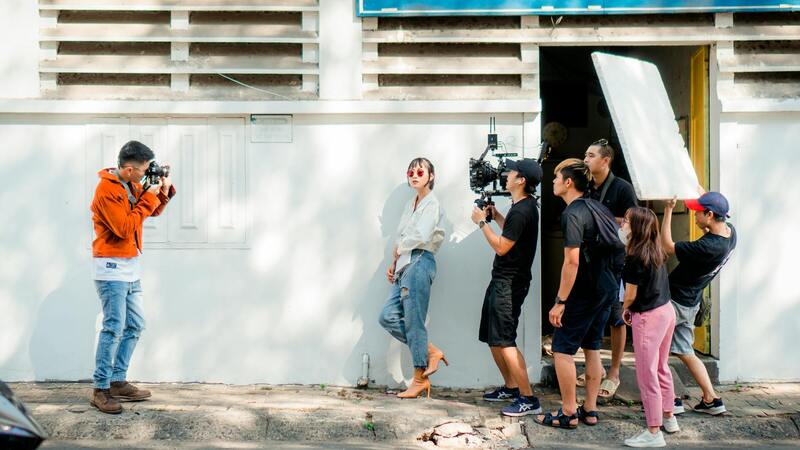
Incorporating these techniques requires a comprehensive understanding of the property's unique attributes. A skilled photographer carefully balances technical skills with artistic sensibility to produce images that not only depict the property accurately but also evoke an emotional response from viewers. This approach enhances marketing efforts by presenting listings in their most attractive form and increasing engagement with prospective buyers.
During the shoot, multiple angles and focal points are taken to provide a diverse image library, allowing real estate agents to craft compelling online listings, virtual tours, and promotional materials. The outcome should convey a clear sense of space, layout, and ambiance—elements crucial for motivating client interest and facilitating a faster sale process.

Essential Techniques for Capturing the Unique Aspects of a Property
To effectively showcase the distinctive features of a property, a real estate listing photographer employs a variety of specialized techniques that enhance the visual appeal and accuracy of the images. One of the foundational methods involves selecting the right angles; capturing shots from corners and at eye level ensures a comprehensive view of each space, highlighting its proportions and flow. Wide-angle lenses are commonly used to provide a sense of openness, making rooms appear more spacious without distorting the actual dimensions.
Lighting plays a pivotal role in emphasizing a property's best features. Natural light is preferred for its authenticity, often achieved by shooting during the day when sunlight can flood through windows, casting a warm and inviting glow. When additional lighting is necessary, photographers strategically position soft, diffuse lights to fill shadows and highlight architectural details without creating harsh reflections or color casts. Properly balanced lighting accentuates textures, color schemes, and intricate design elements, drawing attention to the property’s unique selling points.

Perspective control is another vital technique, where the photographer carefully manages the camera's position and orientation to avoid distortion—especially important for rooms with high ceilings or long hallways. Techniques such as vertical lines remaining straight help maintain the authenticity of the space, preventing skewed representations that could mislead potential buyers.
Detail shots are equally important in capturing the finer elements that distinguish a property. Close-up images of custom moldings, designer fixtures, or unique craftsmanship help tell a story of quality and style. These detailed photos complement broader shots by providing a comprehensive visual narrative that appeals to discerning buyers seeking luxury or distinctive features.

Furthermore, the choice of equipment impacts the final visual outcome. High-resolution cameras allow for sharp, clear images that preserve details during enlargement and digital viewing. Tripods are used to stabilize shots, maintain consistency across photos, and facilitate precise composition. Additionally, drone photography can be employed to capture outdoor spaces from elevated angles, providing prospective buyers with a comprehensive view of the property’s exterior and surrounding landscape.
Incorporating these techniques requires not only technical proficiency but also an understanding of spatial dynamics and artistic sensibility. Quality images serve as a powerful tool to attract potential buyers, generate more online engagement, and ultimately speed up the sales process. A skilled real estate listing photographer combines these methods seamlessly, creating a compelling visual narrative that accurately reflects the property while highlighting its most attractive features.
Role of a Real Estate Listing Photographer
A professional real estate listing photographer serves as a critical asset in the property marketing process. Their primary responsibility is to generate high-quality images that effectively showcase a property's best features, creating an inviting visual narrative for prospective buyers. These images function as the first impression, often determining whether a potential buyer will schedule a viewing or move on to other options. More than just capturing images, a skilled photographer understands how to manipulate lighting, angles, and framing to emphasize a property's strengths while minimizing flaws.
In addition to technical expertise, a real estate listing photographer collaborates closely with real estate agents and property owners to understand the unique selling points of each property. They tailor their approach to highlight spacious layouts, distinctive architecture, well-maintained interiors, or scenic outdoor views. The ability to adapt to different property types and market demands ensures that each listing is presented in the most compelling manner possible. By harnessing a combination of technical skill, aesthetic judgment, and strategic insight, these professionals help pave the way for faster sales and better offers.
Beyond capturing images, a comprehensive understanding of the real estate market trends and buyer preferences enables the photographer to produce visuals that resonate with target audiences. This expertise helps in selecting the appropriate equipment and techniques—like wide-angle lenses, high dynamic range (HDR) imaging, and natural lighting—to create vibrant, detailed photos that stand out on digital platforms. The overall aim is to produce a cohesive and attractive visual package that aligns with the property’s value proposition, thereby accelerating the sales cycle and enhancing the property's online presence.

Qualities of a Skilled Real Estate Listing Photographer
A proficient real estate listing photographer possesses an array of qualities that distinguish them from general photographers. First and foremost, technical expertise in camera operation, lighting, and post-processing editing ensures every image accurately captures the property's essence. Mastery of equipment—such as wide-angle lenses, drone cameras, and tripods—enables the creation of visually appealing, distortion-free images that reveal the space’s true dimensions.
Additionally, an eye for composition and an artistic sensibility allow the photographer to highlight architectural details, interior design features, and outdoor landscapes effectively. They understand which vantage points will best showcase the property’s strengths, whether it’s expansive living areas or scenic outdoor amenities. Adaptability and problem-solving skills are essential, as they often work in various settings with different lighting conditions and layouts.
Patience and professionalism are also critical qualities. Preparing a property for a photoshoot often involves coordinating with homeowners or property managers, arranging furniture, and ensuring spaces are presentable. The photographer’s punctuality, clear communication, and respect for client needs create a seamless experience, resulting in superior visual content that elevates the listing’s appeal.
Preparing a Property for Listing Photos
Effective preparation of a property is fundamental in achieving high-quality listing images. The process begins with decluttering surfaces, removing personal items, and ensuring that spaces are clean and well-maintained. Proper staging, such as arranging furniture to maximize space and natural flow, creates a welcoming atmosphere that appeals to buyers.
Lighting plays a pivotal role; therefore, opening curtains, turning on lights, and sometimes scheduling shoots during daylight hours optimize natural illumination. It’s also beneficial to take care of minor repairs like fixing squeaky hinges, replacing burnt-out bulbs, and patching cracks or blemishes to present the property in its best possible light.
Furthermore, outdoor spaces should be tidied up—lawn mowing, trimming bushes, and removing debris—ensuring that exterior photos portray the property’s curb appeal. The goal is to present a pristine, inviting environment that tempts buyers to explore further. Collaboration between the photographer and the property owner or agent ensures that all necessary adjustments are made to create compelling visual content that accurately reflects the property’s true potential.

Photographic Techniques for Highlighting Property Features
Utilizing expert photographic techniques is essential for capturing a property's best attributes and making it stand out in listings. A skilled real estate listing photographer employs techniques that emphasize the space, light, and unique features of each property, thereby enticing potential buyers. One core method is the use of wide-angle lenses, which allow for a broader perspective of rooms and exteriors, giving viewers a sense of spaciousness that may not be apparent through the naked eye. This approach effectively portrays small or cluttered spaces as larger and more inviting.
Proper composition also plays a key role. Photographers carefully frame each shot to include focal points that draw the viewer’s eye—such as architectural details, modern upgrades, or scenic outdoor views. Achieving balance within the frame ensures that each element complements the others, creating a harmonious visual presentation.

Lighting is another critical factor. Natural light, when harnessed properly, can breathe life into interior spaces, highlighting textures and colors authentically. Photographers often shoot during the day when sunlight floods the interior, using wide-open curtains and strategically positioned lights to eliminate shadows.
In certain scenarios, HDR (High Dynamic Range) photography is utilized to balance exposure levels, ensuring that both bright and shadowed areas are clearly visible. This technique results in well-exposed images that accurately depict the property's ambiance.
Vertical shooting techniques emphasize the height of rooms and the spaciousness of units, whereas horizontal shots are used to showcase layouts and flow. Combining different angles and perspectives allows potential buyers to grasp the full scope of a property's potential.
Post-Processing Strategies to Enhance Listing Photos
After capturing images, post-processing refines visual content to ensure consistency and professionalism. Color correction, brightness adjustments, and sharpening enhance the crispness and vibrancy of photos, making them more engaging and true to life. Removing minor imperfections, such as dust spots, reflections, or lens flare, further improves presentation.
Color grading can be subtly employed to evoke warmth or coolness depending on the mood the property owner wishes to convey. However, it is critical to maintain a natural appearance, avoiding exaggerated edits that could misrepresent the property.
Additionally, creative cropping and straightening enhance composition, ensuring each photo aligns correctly and maintains visual harmony. These detailed touches contribute significantly to the overall allure of the listing, drawing potential buyers' attention effectively.
Role of a Real Estate Listing Photographer
A real estate listing photographer plays an essential role in the marketing and selling process of property. Their primary responsibility is to produce high-quality images that capture the essence and unique features of a property, thereby creating a compelling visual narrative for potential buyers. This process involves understanding the property’s architectural details, capturing the correct lighting, and choosing angles that best showcase spaces, both interior and exterior.
Beyond simply snapping photos, these professionals utilize industry-standard techniques to enhance the visual appeal of each shot. Their work significantly impacts the online presence of a property, as prospective buyers often make initial decisions based solely on listing images. This underscores the significance of a skilled photographer who can translate the property's value into captivating visuals.
Qualities of a Skilled Real Estate Listing Photographer
- Technical Proficiency: Mastery of camera settings, lighting, and composition techniques to produce sharp and well-exposed images.
- Attention to Detail: Ability to identify and highlight the property’s best features while minimizing imperfections or distractions.
- Knowledge of Post-Processing: Skill in editing software to refine images, correct colors, and enhance visual clarity without misrepresenting the property.
- Time Management: Efficiently managing shoot schedules to meet deadlines and ensure a steady flow of high-quality images for listings.
- Understanding of Real Estate Marketing: Recognizing what features appeal most to buyers and how to capture the space to maximize interest.
Preparing a Property for Listing Photos
Proper preparation of a property is crucial to achieving optimal results in photography. This includes decluttering spaces, removing personal items, and ensuring the property is clean and well-maintained. Enhancing curb appeal by landscaping, cleaning windows, and ensuring adequate lighting inside and out can significantly improve the visual impact of the photos.
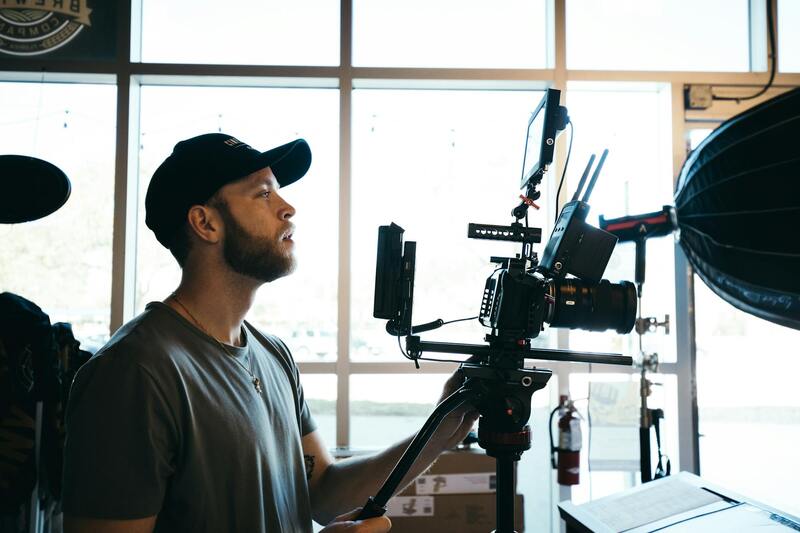
Surrounding accessories such as fresh flowers, tidy furnishings, and neutral decor can help potential buyers envision living in the space. Additionally, scheduling shoots during optimal natural lighting hours ensures maximum brightness and color accuracy, creating inviting images that resonate with viewers.
Photographic Techniques for Highlighting Property Features
Employing specific techniques enhances the portrayal of a property’s features:
- Wide-Angle Shots: Capture the full dimension of rooms, emphasizing spaciousness and layout coherence.
- Vertical Composition: Showcase the height of rooms and ceiling details, adding a sense of grandeur.
- Panoramic and 360-Degree Imagery: Offer immersive views that allow buyers to virtually explore the space.
- Natural and Artificial Lighting Balance: Use varied illumination sources to maintain true-to-life colors and ambiance.
- Selective Focus and Depth of Field: Draw attention to specific features like fireplaces, kitchen islands, or architectural details.

Editing and Post-Processing of Property Photos
The editing phase refines raw images for a polished presentation. Adjustments include color correction to ensure accurate hues, brightness and contrast tweaks to improve visual clarity, and sharpening to define details. Removing minor imperfections, such as dust spots or reflections, contributes to a professional appearance without altering the reality of the space.
Color grading techniques can evoke a warm, welcoming atmosphere or a cool, modern vibe, depending on the property’s character and target market. However, maintaining authenticity is vital to prevent potential misrepresentation. Cropping and straightening images optimize composition, creating visually harmonious and balanced photographs that draw viewers' focus effectively.
Deliverables and Presentation of Listing Photos
High-resolution digital images delivered promptly enable agents to list properties swiftly across various platforms. Equipment and formatting should adhere to platform standards, ensuring images are optimized for both web and print use. Creating image sets with a variety of perspectives—including wide-angle, detail shots, and exterior views—provides a comprehensive portrayal of the property. These assets form a cohesive visual story that attracts more eyeballs and enhances the overall appeal of the listing.
Role of a Real Estate Listing Photographer
A commercial real estate listing photographer plays a vital role in crafting visual narratives that capture the essence of a property. Their primary responsibility is to produce high-quality images that showcase the property's features, layout, and ambiance in a way that resonates with potential buyers or renters. These professionals are skilled in utilizing various photographic techniques to highlight the property's strengths, effectively translating physical space into compelling visual content. In the competitive Miami real estate market, capturing attention with striking images can significantly influence listing visibility and marketability. An experienced photographer understands how to balance technical proficiency and artistic vision, ensuring each shot enhances the property's appeal and aligns with the intended marketing strategy.
Qualities of a Skilled Real Estate Listing Photographer
- Technical Expertise: Mastery of camera settings, lighting, and staging to produce sharp, well-lit images that accurately reflect the property.
- Attention to Detail: A keen eye for highlighting architectural features and subtle design elements that add value to the property.
- Creativity and Composition: Ability to choose angles, perspectives, and framing that maximize appeal and create engaging visual stories.
- Post-Processing Skills: Proficiency in editing software to enhance images without compromising authenticity.
- Professionalism and Reliability: Meeting deadlines, understanding client needs, and maintaining high standards of quality throughout the process.

Preparing a Property for Listing Photos
Proper preparation ensures that the property looks its best in photographs. This involves decluttering living spaces, cleaning thoroughly, and making minor repairs to eliminate distractions. Staging areas with appropriate furniture and décor can accentuate the space's potential, creating a welcoming environment. Exterior preparations include trimming landscaping, cleaning windows, and ensuring all outdoor features are tidy. Adequate lighting, both natural and artificial, should be managed to create bright and inviting images. Scheduling photoshoot times during optimal lighting conditions enhances overall quality. These preparations help produce images that accurately represent the property while appealing to prospective buyers.

Photographic Techniques for Highlighting Property Features
Effective real estate photography employs various techniques to emphasize the unique aspects of a property. Wide-angle lenses are vital for capturing spacious interiors and exterior views, making rooms appear larger and more inviting. Strategic use of natural light accentuates architectural details and creates a warm atmosphere, while artificial lighting can fill shadows and highlight key features. Angles and perspectives should be chosen thoughtfully to showcase layout and flow, often including shots from high and low points for varied visual interest. Detail shots of custom finishes, fixtures, and design elements add richness and depth to the listing. Additionally, drone photography can provide stunning aerial views, offering prospective buyers a comprehensive understanding of the property's surroundings and external features.
Editing and Post-Processing of Property Photos
The post-processing phase refines raw images to achieve a professional finish. This process involves correcting color balance to ensure true-to-life hues, adjusting brightness and contrast for clarity, and sharpening to define details sharply. Minor imperfections such as reflections or dust spots are carefully removed to maintain a clean appearance. Subtle color grading can evoke specific moods—warm tones for a cozy feel or cooler tones for a sleek, modern vibe—while preserving the authenticity of the space. Cropping and straightening images improve composition and symmetry, creating a balanced visual layout that guides the viewer’s eye. The goal is to produce polished images that are visually compelling and accurately represent the property’s true character.
Deliverables and Presentation of Listing Photos
High-resolution digital images are delivered promptly to facilitate swift listing across multiple platforms. These images are formatted according to platform specifications to optimize visual quality and loading times. A comprehensive image set includes wide-angle shots of interiors and exteriors, detailed close-ups of distinctive features, and lifestyle images that suggest how spaces can be used. Consistency in style and tone across the set ensures a cohesive visual narrative, increasing overall appeal. Properly organized image galleries help agents attract more interest, generate leads, and close sales faster by offering a compelling visual story that captures the property's essence effectively.