
Importance of High-Quality Real Estate Photography
In the competitive Miami real estate market, the impact of high-quality house photos cannot be overstated. Professionally captured images serve as the first visual impression for potential buyers, often determining whether they will explore a property further. The quality of photos significantly influences online listing engagement, leading to increased inquiries and scheduled viewings. High-resolution, well-composed images can highlight a property's best features, making it stand out among numerous listings.
Moreover, excellent real estate photos accelerate the sales process. When buyers can clearly envision themselves living in a home through vivid imagery, their decision-making is streamlined, reducing the time a property remains on the market. This efficiency benefits sellers by fostering quicker sales and enabling agents to attract more clients. Conversely, poor-quality photos may deter prospects, diminish perceived value, and extend listing durations.
In an era where digital impressions dominate real estate marketing, investing in professional photography is a strategic move. It bridges the gap between the property’s physical appeal and the viewers' perception, effectively translating online interest into in-person visits. For Miami's diverse and vibrant real estate environment, standout photography is a critical tool to maximize a property's market potential.
Always prioritize proper lighting when capturing real estate photos
Achieving optimal lighting is fundamental to creating compelling property images. Natural light remains the most effective source, providing a warm and inviting ambiance that highlights interior space and architectural features. When photographing a home, schedule shoots during daylight hours to harness the soft, diffused sunlight. Opening curtains and blinds ensures the interiors are well-lit, reducing shadows and dark corners.
Supplementary artificial lighting can be employed to eliminate uneven shadows, especially in rooms with limited natural light. Use diffused light sources or softboxes to soften and evenly distribute light, preserving the natural appearance of the space. Consistent lighting throughout the images ensures a cohesive visual narrative that appeals to potential buyers.
Strategic use of angles and perspectives to showcase property features
Choosing the right angles is crucial for emphasizing a property's best attributes while creating a sense of space. Typically, shooting from corners of rooms captures the full layout, providing viewers with a clear understanding of the interior flow. Wide-angle lenses are popular for their ability to encompass more of the room within a single shot, making spaces appear larger and more open.
However, it's essential to avoid excessive distortion, which can misrepresent room dimensions. Shooting at eye level standardizes perspectives and offers a natural point of view. For exterior shots, low to mid-level angles help showcase the property's facade and surroundings effectively, giving potential buyers a comprehensive visual impression.
Staging and decor to enhance overall aesthetic appeal
Effective staging transforms empty or cluttered spaces into aspirational homes. Consider decluttering and depersonalizing interior environments to allow buyers to envision their future life within the space. Carefully chosen decor and furniture placement can highlight room proportions, focal points, and architectural details. Lighting is again vital here, as well-placed lamps and accent lighting can add warmth and depth to images. Use subtle color schemes and tasteful accessories to create visual interest without overwhelming the shot. The goal is to present a harmonious, inviting atmosphere that resonates with a broad audience.
Proper staging combined with professional photography results in images that speak to the lifestyle aspirations of potential buyers, thereby increasing engagement and interest.
Choosing the Right Equipment and Techniques
To ensure your real estate house photos stand out and accurately represent the property, selecting appropriate equipment and mastering specific techniques is essential. High-quality images rely heavily on the right tools, including professional-grade cameras equipped with wide-angle lenses. These lenses enable capturing expansive interior views, reducing the need for multiple shots and creating a sense of spaciousness that appeals to prospective buyers.
Tripods are indispensable for achieving sharp, well-aligned images, especially in lower lighting conditions or when using longer exposure times. A sturdy tripod ensures stability, eliminates camera shake, and fosters consistency across shots. Additionally, using remote shutter releases or sensor triggers can prevent vibrations that blur images.
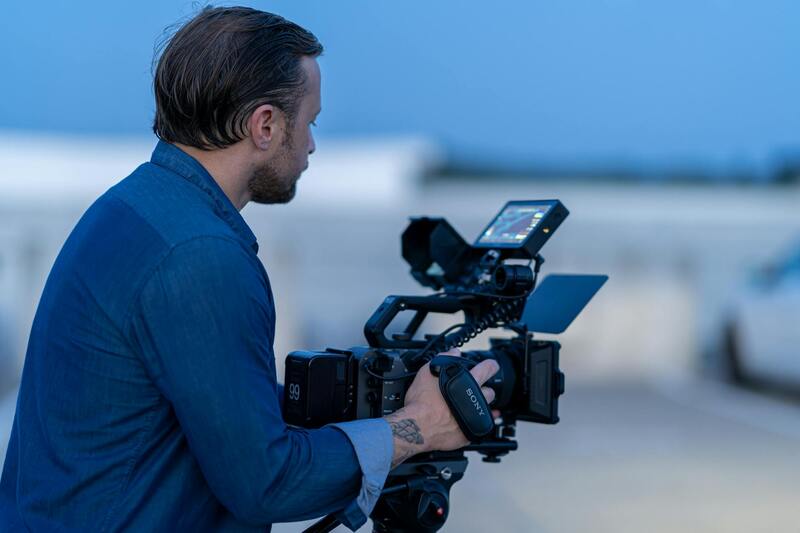
Techniques such as proper exposure bracketing allow for balancing indoor lighting with exterior views, creating images that accurately convey the property's ambiance. Bracketing involves capturing multiple shots at different exposure levels and merging them during post-processing to produce well-lit, vibrant photographs.
When photographing, consider the use of panoramic techniques for exterior shots or larger interior spaces where a single image might not suffice. This approach provides a broader view, offering potential buyers a more comprehensive perspective of the property's surroundings and layout.
Editing and Post-Production for Real Estate Photos
Post-production plays a crucial role in refining real estate images to ensure they are visually appealing and true to reality. Basic adjustments like correcting white balance, adjusting contrast, and enhancing brightness help highlight key features of the property. Avoid over-editing, which can misrepresent the space and lead to unrealistic expectations.
Advanced techniques such as HDR (High Dynamic Range) blending can balance the exposure differences between bright exteriors and darker interiors, producing cohesive images with rich details. Cropping and straightening images ensure that the focus remains on the property's best features without distractions.
Color correction and noise reduction also contribute to cleaner, more professional images. Ensuring color consistency across all photos enhances the overall presentation and maintains a cohesive visual narrative throughout the listing.
It is crucial to adopt a subtle editing approach that enhances the property's natural beauty without exaggeration, maintaining trust and transparency with potential buyers. Properly edited photos can significantly increase engagement and interest in online listings, helping to attract qualified buyers faster.
Optimizing Photos for Online Listings
Once high-quality images are captured, the next step involves optimizing them for online presentation. Proper optimization ensures that photos load quickly across various devices without compromising their visual integrity. This balance is crucial for maintaining viewer engagement, especially considering the increasing use of smartphones and tablets by potential buyers.
To optimize real estate house photos effectively, consider the following strategies:
- File Size Reduction: Compress images using appropriate tools to reduce file size. This process decreases page load times, which is essential for keeping visitors engaged and improving search engine rankings.
- Proper Format Selection: Use image formats like JPEG for photographs due to their balance of quality and compression. For images requiring transparency or higher fidelity, PNG format can be considered.
- Consistent Image Dimensions: Maintain uniform aspect ratios and dimensions. Consistency in image size creates a clean, professional appearance in listings and enhances user experience.
- Use of Descriptive Alt Text: Implement descriptive alt tags for each photo. Alt text improves accessibility for users with visual impairments and enhances search engine indexing.
- Implementing Responsive Images: Utilize responsive design techniques to ensure images display correctly on all devices. This approach adapts the image size based on the visitor’s screen, preserving quality and speed.

Another essential aspect is managing the sequence and presentation of images within online listings. Prioritize the most striking exterior shots to draw initial interest and follow with interior images that highlight the space's finest features. Incorporate feature shots of unique architectural details, upgraded fixtures, or outdoor amenities. This strategy not only attracts viewers but also encourages them to explore the property further.
Leveraging metadata, including keywords and geolocation tags, can boost the visibility of property images in online searches. Quality images optimized for quick loading and SEO ensure that listings stand out in competitive markets, leading to increased inquiries and faster sales cycles.
Incorporating virtual staging or 3D visualization can further enhance online listings, giving potential buyers a clear idea of the property's potential without physical staging costs. These additional visual tools, combined with well-optimized photos, significantly elevate the commercial appeal of real estate advertisements in Miami's dynamic market.
Importance of High-Quality Real Estate Photography
High-quality real estate photography serves as a cornerstone for successful property marketing, especially in a vibrant market like Miami. Accurate, crisp, and engaging images can significantly influence a potential buyer’s first impression, often determining whether they decide to schedule a viewing or move on. In competitive environments, listings that feature professionally captured photos tend to garner more attention, higher engagement rates, and quicker sales.
Property images that are well-lit, properly composed, and showcase the space in its best light create an emotional connection with viewers, making them more likely to envision themselves living in the home. In Miami's diverse housing market, where unique architectural styles and scenic surroundings are abundant, capturing the true essence of a property through exceptional photography can differentiate a listing from others on the market.
Moreover, high-quality images also bolster the trustworthiness and credibility of the listing, reassuring prospective buyers of the property's value and authenticity. This is particularly crucial in digital platforms, where the first impression often hinges solely on visual appearance. An investment in professional photography not only elevates the property's perceived value but also streamlines the sales process by attracting serious inquiries and qualified buyers.
Key Elements of Attractive Real Estate House Photos
- Proper Lighting: Utilizing natural sunlight to enhance space and showcase the property's best features.
- Wide-Angle Lenses: Capturing more of the room in a single shot, providing a comprehensive view.
- Staging and Decluttering: Presenting the home in an organized manner to highlight its potential.
- High-Resolution Images: Ensuring clarity and detail are preserved across digital platforms.
- Strategic Composition: Framing shots to emphasize key architectural elements and unique details.
- Consistent Style: Maintaining a uniform look across all images for a cohesive listing presentation.
Best Practices for Photographing Homes in Miami
To effectively showcase properties in Miami, photographers should leverage natural light during early morning or late afternoon, avoiding harsh midday shadows. Incorporating drone photography can add a dramatic perspective of large estates, waterfront properties, or expansive outdoor areas, which are common in Miami. Ensuring interior shots are well-lit with supplemental lighting, such as softboxes or reflectors, helps illuminate darker corners and highlight spaciousness.
Pay attention to the staging details, like neatly arranged furniture and appealing decor, which complement the property's architectural style. For outdoor spaces, capturing images during golden hour can accentuate the lush landscapes, pools, and outdoor entertainment areas, reinforcing the lifestyle appeal of Miami homes.
Choosing the Right Equipment and Techniques
Selecting the appropriate camera equipment is fundamental to producing high-quality images. A professional DSLR or mirrorless camera with a wide-angle lens (ideally between 14mm and 24mm) allows capturing expansive indoor views and architectural details with precision. Using a tripod minimizes camera shake and ensures consistent framing, especially in low-light situations or interior shots requiring long exposures.
HDR (High Dynamic Range) imaging is particularly useful for balancing interior lighting with outside backgrounds, preventing overexposed windows or dark corners. Bracketing multiple exposures and merging them during post-processing creates evenly lit images that accurately represent the space. Additionally, utilizing panoramic techniques can present sweeping views of spacious Miami properties, giving potential buyers a more immersive experience.
Professional editing and image processing further refine photos, ensuring colors are vibrant yet natural, and distortions are corrected. This attention to detail enhances the overall aesthetic while preserving the true character of the property.
Best Practices for Photographing Homes in Miami
Capturing compelling real estate house photos in Miami requires an understanding of the unique lighting, architectural styles, and outdoor features that define the local market. The city’s abundant sunshine and vibrant neighborhoods offer excellent opportunities to highlight a property’s best attributes, but it also demands specific techniques to produce photos that resonate with prospective buyers.
One of the critical elements is timing. Shooting during the golden hour—shortly after sunrise or before sunset—creates warm, soft lighting that enhances architectural details and landscape features. This lighting minimizes harsh shadows and overexposed highlights, allowing both interior and exterior spaces to be seen clearly. For homes with significant outdoor amenities like pools, patios, or waterfront views, capturing these during this period amplifies their appeal.
The choice of vantage points is equally important. Wide-angle shots are essential for showcasing spacious interiors and expansive exteriors. Positioning the camera to include prominent architectural features helps convey the character and flow of the home. Interior shots should be taken at eye level, with attention to symmetry and balanced composition, highlighting key rooms such as the master bedroom, living areas, and kitchens.
Proper lighting control is vital. Supplementing natural light with professional lighting equipment can mitigate shadows and dark corners inside the home; softbox lights or diffused flashes can ensure even illumination, especially in low-light or darker rooms. For outdoor shoots, ensure that reflections and glare are minimized; utilizing polarizing filters on camera lenses can help manage these issues, resulting in crisp, vibrant images.
When photographing bedrooms and living areas, decluttering and staging are crucial. Clear countertops, neatly arranged furniture, and strategic decorative elements create an inviting atmosphere. Highlight outdoor spaces with detailed shots of pools, patios, and landscaped gardens, emphasizing the lifestyle potential for prospective homeowners.
Utilizing drone photography can provide exceptional overhead views of Miami properties, capturing the property's scale, surrounding neighborhood, and scenic vistas—especially valuable for waterfront listings. These aerial shots offer a comprehensive perspective that ground-level photos cannot achieve, helping listings stand out in competitive markets.
To ensure consistency across a property’s visual presentation, adopting a standardized approach to framing, lighting, and color balance is recommended. Doing so reinforces branding and provides potential buyers with a coherent visual story of the home’s features and ambiance.
By applying these best practices, real estate professionals can produce high-quality, engaging images that effectively communicate a property’s unique appeal and attract qualified buyers in Miami’s vibrant market.
Legal and Ethical Considerations in Real Estate Photography
Producing exceptional real estate house photos requires adherence to a set of professional standards and ethical guidelines that ensure transparency and accuracy in visual representation. Photographers should always respect property rights, seek necessary permissions before entering and photographing a residence, and avoid making alterations that could mislead potential buyers. The goal is to capture a truthful depiction of the property’s current condition and features, fostering trust between sellers, agents, and prospective buyers.
Specific practices include avoiding the use of images that could be perceived as deceptive, such as digitally adding features that are not present or removing elements to create an idealized version of the property. Consistent color grading, lighting adjustments, and minor touch-ups should aim to enhance the photograph without distorting the property's true appearance. This balance is essential in maintaining an ethical approach to real estate imagery.
Compliance with regional advertising standards and industry codes further guides photographers in creating images that are both compelling and respectful of legal norms. Avoid overly promotional photography that can set unrealistic expectations, which could lead to dissatisfaction or complications during the sales process. Instead, aim for images that accurately reflect the property's features, layout, and condition, providing a solid foundation for informed decision-making.
Incorporating a comprehensive approach to privacy is also critical. When photographing homes, especially in densely populated Miami neighborhoods, ensure that neighbors' property and personal spaces are respected. If necessary, blur or exclude identifiable features from neighboring properties to uphold privacy standards. Such efforts demonstrate professionalism and uphold ethical integrity in the photography process.
Ultimately, transparency, honesty, and respect form the foundation of effective real estate house photography. By following these ethical guidelines, professionals can build trust with clients and contribute to a transparent market environment that benefits all parties involved.
Legal and Ethical Considerations in Real Estate Photography
Professional real estate photography in Miami must adhere to established legal and ethical standards to ensure transparency, fairness, and trustworthiness in property representations. This commitment not only protects the interests of clients but also upholds the integrity of the real estate market.
Obtaining Proper Consent
Before capturing images of a property, it is essential to secure explicit permission from the property owner or authorized representatives. This consent affirms the photographer's right to photograph the premises and helps avoid any disputes regarding property rights or privacy. Proper documentation of permissions can serve as a safeguard in case questions about usage rights arise later in the process.
Respecting Privacy and Boundaries
Photographers must exercise diligence to respect the privacy of neighbors and surrounding community members. This involves carefully framing shots to exclude private areas, personal belongings, or identifiable features outside the property boundaries. When unavoidable, techniques such as blurring or cropping can be employed to obscure sensitive details, especially in densely populated Miami neighborhoods where neighboring properties are closely situated.
Avoiding Misleading Visuals
Accuracy in real estate imagery is paramount. Photographers must refrain from excessive photo editing or digital enhancements that could compromise the authentic appearance of a property. While brightness, contrast, and minor adjustments are acceptable to improve visual appeal, manipulation of structural features or misleading representations can create unrealistic expectations. Any post-production work should be performed with integrity, ensuring that the images reflect the true condition and layout of the home.
Adherence to Ethical Advertising Practices
Ethical marketing in Miami involves honest portrayal of properties. This includes avoiding overly promotional language or images that exaggerate features. Clear, truthful images help prospective buyers and tenants make informed decisions, fostering trust in the real estate transaction process. Using photo descriptions and captions that accurately describe the property's highlights further demonstrates transparency and professionalism.
Compliance with Regional Standards and Industry Norms
Miami's real estate photography professionals should stay informed of local advertising guidelines and industry standards that govern image presentation. This compliance ensures that marketing efforts are consistent with regional expectations and that properties are promoted ethically. Such standards often emphasize the importance of truthful imagery, respectful representation, and the protection of consumer interests.
Maintaining Professional Integrity
Ultimately, the foundation of legitimate real estate photography rests on honesty and responsibility. Photographers must balance capturing compelling images with honoring the factual representation of the property. By doing so, they support a reputable market environment where clients and customers can confidently rely on visual content to guide their real estate decisions.