
Importance of High-Quality Real Estate Photos
In the competitive real estate market, the significance of high-quality photos cannot be overstated. When prospective buyers browse online listings, the visual presentation of a property plays a crucial role in capturing their interest. Well-composed, professionally captured images serve as the first impression, showcasing the property’s best features and creating an emotional connection with viewers.
High-quality real estate photos can dramatically influence a buyer's decision-making process. Listings featuring clear, bright, and inviting photographs tend to attract more clicks and inquiries. These visuals offer a glimpse into the property’s layout, size, and ambiance, helping potential buyers to envision themselves living there. Conversely, poorly lit, blurry, or cluttered images can deter interest and lead to longer times on the market.
Moreover, professional photos facilitate a more efficient sale process. They tend to generate higher levels of engagement and interest, resulting in more scheduled viewings and quicker offer negotiations. The impact of compelling imagery extends beyond initial attraction—as buyers who have a positive visual impression are more likely to proceed confidently to the next steps.
In the digital age, where nearly all home searches are conducted online, the importance of visual storytelling through photos has only grown. Sellers and real estate professionals alike benefit from investing in high-quality images, which serve as a powerful marketing tool. This approach not only enhances the property's online presence but also contributes to a professional, trustworthy brand reputation for real estate agencies operating within the Miami market and beyond.

Key Elements of Successful Real Estate Photos
Achieving captivating real estate images requires meticulous attention to several core elements, each contributing to the visual narrative that appeals to prospective buyers. Fundamental among these are lighting, staging, angles, and composition. Mastery in these areas ensures that the property’s strengths are accentuated, encouraging viewer engagement and interest.
Lighting plays a pivotal role in creating bright, inviting images that showcase a home's true potential. Natural light is often preferred, as it reveals accurate colors and emphasizes space. Photographers should consider the time of day, aiming for optimal sunlight conditions, and utilize additional lighting fixtures when necessary to eliminate shadows or dark corners.
Staging involves arranging furniture and decor to demonstrate the home’s functionality and aesthetic appeal. A well-staged property appears more dented, allowing potential buyers to visualize living comfortably within the space. Clutter should be minimized, and rooms should be styled to highlight architectural features and key selling points.
Angles significantly impact how rooms and features are perceived. Wide-angle lenses are commonly used to capture more of a space, making rooms appear larger and more accessible. Photographers should choose angles that showcase the room's dimensions and unique characteristics, avoiding distortions that could mislead viewers.
Composition involves framing each shot thoughtfully, balancing elements like furniture, windows, and architectural details. Leading lines and proper focal points guide viewers’ eyes through the image, emphasizing the property's most attractive aspects.
Preparing a Property for Photography
Effective preparation transforms a space into a picture-perfect scene. This process involves cleaning interiors thoroughly, decluttering surfaces, and removing personal items to create a neutral environment. Additionally, opening curtains and blinds maximizes natural light, while arranging furniture to facilitate fluid flow and highlight spaciousness. Owners should also consider minor repairs and touch-ups to address any visible issues that could detract from the property's appeal.
Best Practices for Shooting Real Estate Photos
Successful photography adheres to established best practices, which include using the appropriate equipment, such as high-resolution DSLR or mirrorless cameras, and employing a sturdy tripod to ensure stability. Shooting during optimal lighting conditions, preferably in the daytime with indirect sunlight, helps produce clear, vibrant images. A consistent shooting process, capturing multiple angles of each room and pertinent outdoor areas, ensures comprehensive coverage. Additionally, photographers should maintain an unobstructed perspective, avoiding objects that could interrupt the visual flow or suggest clutter.
Editing and Post-Processing of Photos
Post-processing refines images to achieve a polished, professional appearance. Adjustments to brightness, contrast, and color saturation enhance visual appeal without misrepresenting the property's true look. Geometric corrections ensure straight lines and proper perspective, particularly in architectural shots. It is essential that edits remain subtle, preserving authenticity while improving clarity and brightness. Over-editing or the use of excessive filters can distort perceptions, reducing trust in the listing.
Legal and Ethical Considerations
Adhering to the right standards is critical when producing real estate images. Photographers and marketers should ensure that all images accurately represent the property, avoiding misleading enhancements or omissions. When including images with features like pets, children, or private areas, consideration of privacy and respect for homeowners’ rights is paramount. Proper authorization should always be obtained to photograph and publish images of the property, safeguarding transparency and ethical integrity throughout the marketing process.
Using Real Estate Photos Effectively in Marketing
High-quality images serve as the foundation for compelling property listings across digital platforms. Strategically including a selection of the best images on websites, social media, and printed marketing materials maximizes reach and impact. Consistent branding and professional presentation contribute to building trust with prospective buyers. Additionally, virtual tours or 3D walkthroughs paired with high-resolution photos provide immersive experiences that deepen engagement and accelerate the decision-making process.
Choosing a Miami-Based Photography Agency
Partnering with a photography agency located within Miami ensures familiarity with regional architectural styles, lighting conditions, and market preferences. Local professionals possess an understanding of specific property types common in Miami, enabling them to tailor their approach effectively. They also offer quicker turnaround times and personalized consultations to meet unique seller or agent needs. Selecting a reputable agency that prioritizes quality, consistency, and ethical standards can significantly elevate the visual presentation of real estate listings, helping properties stand out in a competitive market.
Preparing a Property for Photography
Effective real estate photography begins well before the camera is even set up. Property preparation is essential to showcase the space at its best, highlighting its key features and creating an inviting atmosphere that appeals to potential buyers. A thorough preparation process includes multiple steps, each contributing to the overall quality and professionalism of the final images.
Start with decluttering. Removing personal items, excess furniture, and any cluttered objects helps create a clean, open, and airy environment. Potential buyers should be able to envision themselves living in the space without distraction. Next, deep cleaning the entire property is crucial—walls, floors, windows, and surfaces should be spotless, reflecting a well-maintained home. This level of cleanliness not only enhances visual appeal but also communicates the property’s upkeep.
Arranging furniture strategically enhances the flow and highlights the best features of each room. Use furniture placement to emphasize spaciousness and natural light, ensuring that each area appears inviting and functional. Consider adding some tasteful decor elements, such as fresh flowers or decorative pillows, to add warmth and personality without overwhelming the space.

Additionally, lighting plays a vital role. Natural light should be maximized by opening curtains and blinds, while supplementary artificial lighting can be used to brighten darker areas. Wardrobe closets, cabinets, and storage spaces must be tidy and organized, as they are often viewed by prospective buyers, providing insight into the home’s storage capacity.
Lastly, consider minor repairs such as fixing leaky faucets, squeaky doors, or chipped paint. These small details can significantly influence the perceived value of a property and contribute to a smoother photo shoot process. When the property is properly prepared, it allows photographers to capture images that truly represent the home’s potential, setting the stage for a compelling listing that attracts serious buyers.
Optimal Camera Settings and Equipment for Real Estate Photography
Utilizing the right camera settings is fundamental to capturing stunning real estate images that highlight a property's appeal. Professional-grade DSLR or mirrorless cameras are recommended due to their superior image quality and adaptability. Key settings include using a low ISO (typically between 100 and 200) to minimize noise and ensure clarity. Aperture control is crucial; a mid-range f-stop (around f/8 to f/11) provides an optimal depth of field, keeping both foreground and background elements in focus. Shutter speed should be adjusted based on lighting conditions, often requiring longer exposures in dim settings or indoors with limited natural light.
Employing a wide-angle lens—generally between 14mm and 24mm—is essential for capturing expansive interior shots, creating a sense of space and openness. It’s important to avoid distortion by choosing lenses with minimal edge distortion or using post-processing correction techniques. A tripod stabilizes the camera for sharper images, especially during longer exposures, and ensures consistency across shots, aiding in seamless editing and virtual tours.
Additional equipment enhances image quality and efficiency. External flashes or strobes help balance interior lighting, especially when natural light is insufficient, while drone photography can provide captivating aerial views of larger properties or unique architectural features. Advanced photographers often employ remote shutter releases to avoid camera shake and to capture multiple exposures for high-dynamic-range (HDR) images, which are particularly useful when balancing bright outdoor scenes with interior shadows.
Timing and Natural Lighting for Superior Results
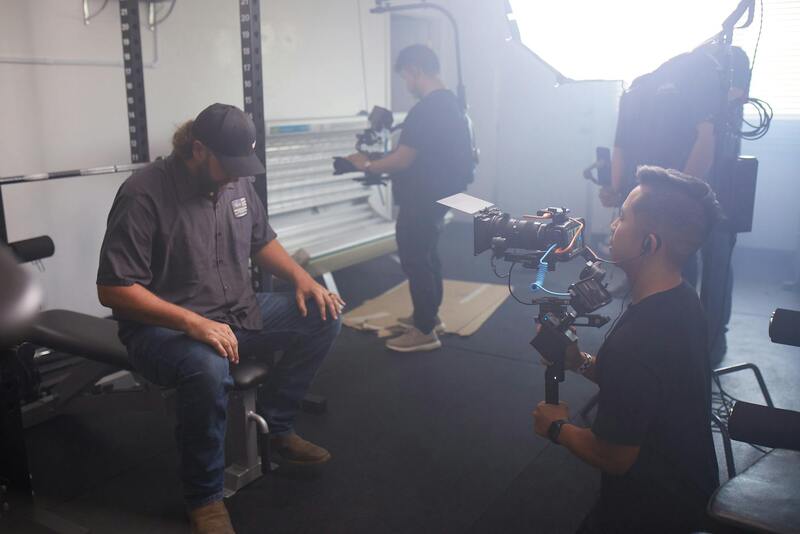
The timing of a photo shoot significantly influences the quality of images. Shooting during the golden hour—shortly after sunrise or before sunset—can bathe the property in warm, inviting light. However, for interior shots, the most effective approach is to schedule photography during the day when natural light floods through windows, illuminating the space evenly and reducing the need for excessive artificial lighting. Open curtains and blinds to maximize daylight, and adjust window coverings to control glare and reflections. Overcast days also provide diffuse light, which minimizes harsh shadows, making it easier to capture balanced, visually appealing photos.
Understanding the property’s orientation is also beneficial—north-facing rooms often receive consistent, soft light during the day, ideal for photography. Conversely, south-facing spaces may require scheduling shoots during specific times to avoid overexposure. Photographers should plan accordingly to ensure each shot highlights the home’s best features under optimal lighting conditions.

Post-Processing Techniques to Enhance Real Estate Photos
Post-processing is a vital stage in ensuring the final images are polished and impactful. Skilled editing enhances brightness, contrast, and color saturation to accurately represent the property while creating visually appealing images. Techniques such as perspective correction eliminate distortion caused by wide-angle lenses, ensuring vertical lines like walls and doorframes remain straight. Cropping can improve composition, focusing attention on key features or removing distracting elements.
HDR imaging, created by blending multiple exposures, captures a broader range of light, balancing bright windows with shadowed interiors. This technique ensures all details are visible, providing a more realistic and inviting depiction of the space. Additionally, removing minor imperfections—such as reflections, dust spots, or blemishes—can elevate image quality without misleading viewers.
While editing should aim for authenticity, subtle adjustments in sharpness and noise reduction contribute to clarity. Maintaining consistency across all images in a listing reinforces professionalism and helps create a cohesive visual presentation that resonates with prospective buyers.
Implementing Professional Photo Editing Techniques for Real Estate Images
Effective editing transforms raw real estate photos into compelling visual narratives that attract prospective buyers. Careful adjustments focus on enhancing lighting, color accuracy, and overall clarity without misrepresenting the property. This process relies on advanced editing software, which provides a suite of tools tailored for real estate photography.
One primary goal during editing is to ensure the images convey the space as it truly appears. Techniques such as brightness and contrast enhancement help in balancing exposure levels, especially in interiors with variable lighting conditions. Adjusting white balance is crucial to reproduce the true colors of walls, furnishings, and decor, thus avoiding color casts that could mislead viewers.
Color saturation should be fine-tuned judiciously. Over-saturation can create an unrealistic appearance, while subtle enhancements can make the property look more inviting and vibrant. Sharpness adjustments emphasize architectural details and textures, making floors, cabinetry, and fixtures stand out without creating unnatural edges.
Clarity and noise reduction are also integral. Noise, or grain, can diminish image quality, especially in low-light interior shots. Applying noise reduction techniques ensures cleaner visuals that highlight the property’s features clearly. Conversely, it’s essential to avoid over-blurring images, which can diminish detail and impact.
Perspective correction plays a vital role in maintaining a professional appearance. Wide-angle lenses often introduce distortions, especially toward the edges of images. Editing software enables vertical and horizontal adjustments that straighten lines like walls, doorframes, and windows, creating a more accurate spatial representation.
High Dynamic Range (HDR) imaging is widely used to balance exterior scenes with bright sunlight and shaded areas. This technique combines multiple exposures seamlessly, showcasing the property's exterior façade and interior details in a single, well-exposed image. HDR results in images that are both eye-catching and true to life.
Another critical aspect of editing is removing minor distractions or imperfections, such as reflections on glass surfaces, dust spots, or blemishes that may detract from the overall visual impact. Subtle retouching helps present a polished, professional image that resonates with discerning buyers.
Consistency is key when editing multiple images within a listing. Maintaining a uniform color tone, exposure, and style across all photos creates a cohesive visual story, reinforcing the property’s appeal and professionalism. This consistency improves the overall impression, encouraging viewers to engage with the listing further.
Ultimately, balancing authenticity with visual enhancement ensures that the property is portrayed accurately while maximizing its attractiveness to potential buyers. Skilled editing elevates the quality of real estate images, translating visual storytelling into increased interest and faster sales.
Maintaining Consistency and Authenticity in Real Estate Photography
Achieving a cohesive visual presentation across all property images is essential for creating a compelling and trustworthy real estate listing. Consistency in lighting, color tones, and perspective not only enhances the aesthetic appeal but also reinforces the property's authentic attributes. When prospective buyers browse through photos, a uniform style ensures a smooth visual flow, which keeps attention focused and facilitates a more accurate mental reconstruction of the space.
To maintain authenticity, it's crucial that the images represent the property accurately without exaggerated angles or overly saturated colors that might distort perception. Properly aligned verticals and balanced exposures help convey a true sense of space and scale, allowing potential buyers to visualize themselves within the property without feeling misled. Professional photographers often employ techniques such as proper lens selection, appropriate tilt-shift equipment, and meticulous framing to capture angles that highlight the property's best features while remaining true to reality.

Implementing Standardized Editing Procedures
Post-processing plays a pivotal role in ensuring each property image aligns with the overall aesthetic of the listing. Applying standardized editing procedures across all photos fosters a unified look, which is especially beneficial when multiple images from different rooms or angles are showcased. This consistency demonstrates professionalism and attention to detail, reassuring viewers about the credibility of the listing.
Editing should focus on subtle enhancements such as adjusting brightness, contrast, and color balance to reflect the actual ambiance of the space. Oversaturation or over-sharpening can create a false impression and potentially mislead buyers. Techniques like perspective correction and lens distortion removal are also vital for maintaining lines and proportions—especially in rooms or exteriors that might appear skewed due to camera lens effects.
Ensuring Ethical Presentation of the Property
While enhancements can improve visual appeal, they must be applied responsibly to ensure an accurate representation of the property. Misleading visuals can lead to misunderstandings and mistrust, ultimately damaging the reputation of the listing and its agent. Striking a balance between showcasing the property’s strengths and preserving its true character is fundamental.
Ethical practices involve avoiding the manipulation of images that conceal defects or exaggerate features. This includes not removing structural imperfections or adding elements that aren't present. Keeping this balance helps maintain transparency, fostering a positive relationship with potential buyers, and ensuring that expectations set by the images are met upon viewing the property in person.
Legal and Ethical Considerations in Real Estate Photography
When utilizing real estate photos in property listings, the adherence to professional standards and guidelines is crucial to maintain transparency and trust with potential buyers. Accurate representation through photography not only safeguards the reputation of the listing but also enhances the overall buyer experience. To achieve this, several best practices should be followed diligently throughout the process.
Authentic Representation of the Property
The core principle in real estate photography is to faithfully depict the property’s features and condition. This involves capturing images that genuinely reflect the space, avoiding any form of visual manipulation that may deceive viewers. Photographers should refrain from using techniques that artificially enhance the size or aesthetic appeal of rooms beyond what is physically present, such as excessive lens distortion or disproportionate editing.

Avoiding Misleading Visuals
Careful attention must be paid during the editing phase to ensure that images remain true to life. Adjustments, such as improving lighting, color balance, and minor perspective corrections, should enhance clarity without altering the property's real appearance. It’s vital to avoid over-editing, which can lead to photos that misrepresent the property's actual state. For example, removing structural imperfections or exaggerating features can create false expectations, potentially leading to dissatisfaction during property visits.
Transparent Disclosure of Image Enhancements
While visual enhancements can make listings more attractive, transparency about the extent of editing maintains integrity. It’s advisable to document or disclose any significant post-processing or alterations that significantly impact the viewer’s perception. This approach fosters trust and aligns expectations, reducing the risk of disputes or misunderstandings post-sale.
Respect for Privacy and Legal Standards
Ensuring that all photos taken are compliant with privacy regulations is essential. This involves securing permission if photographing private spaces or personal belongings and avoiding capturing identifiable individuals without consent. Additionally, photographers should be aware of local laws related to property photography, including restrictions on drone usage or capturing certain sensitive areas.
Implementing Ethical Marketing Practices
- Ensure that all images accurately showcase the property's true condition and features.
- Avoid any alterations that could mislead prospective buyers about the space's size, layout, or condition.
- Disclose any significant modifications or enhancements made during post-processing.
- Obtain necessary permissions for images that include private or sensitive information.
- Respect privacy rights and avoid intrusive photography that may infringe on the property's inhabitants or neighbors.

By following these guidelines, real estate professionals and photographers can uphold a high level of integrity in property marketing. This not only enhances the credibility of listings but also supports a positive reputation within the industry. Accurate, honest imagery creates a fair, transparent environment for all parties involved, ultimately leading to smoother transactions and satisfied clients.
Using Real Estate Photos Effectively in Marketing
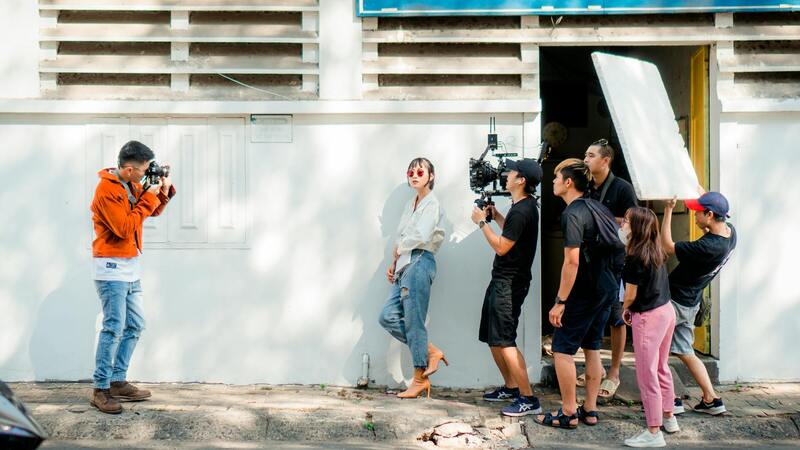
High-quality real estate photographs serve as the foundation for compelling property marketing campaigns, significantly influencing potential buyers' interest and engagement. When these images are used strategically across various platforms—such as MLS listings, social media, email newsletters, and print advertisements—they maximize exposure and attract a wider audience. The proper deployment of professional photos facilitates quicker sales by presenting properties in their best light, emphasizing unique features, and highlighting the property's full potential.
Optimizing Images for Different Marketing Channels
Each marketing platform has distinct requirements and best practices for displaying images. For online listings, high-resolution photographs should be optimized for fast loading without sacrificing quality. Mobile devices are increasingly used during property searches, so images must be clear, well-lit, and impactful on smaller screens. When creating virtual tours or 3D walkthroughs, strategic image placement helps guide viewers smoothly through the property, fostering a more immersive experience.
Creating Consistent and Attractive Visual Narratives
Maintaining a cohesive visual narrative across all photos enhances the property's appeal and reinforces the message. This involves selecting images that tell a story about the home's layout, style, and lifestyle possibilities. Consistent color grading, brightness, and framing ensure the listing appears professional and trustworthy. Quality images also support branding efforts for real estate agencies or individual agents, establishing a recognizable and reputable visual identity.
Incorporating Photos into Brochures and Print Materials
While digital marketing dominates, printed materials such as brochures, flyers, and postcards remain vital, especially in open houses or direct mail campaigns. High-resolution images should be carefully curated and printed in formats that preserve their detail and vibrancy. Strategic placement of compelling photographs, including exterior shots during optimal lighting conditions, draws immediate attention and enhances the overall presentation of the property.
Leveraging Social Media for Maximum Impact
Social media platforms offer powerful avenues for real estate promotion. High-quality photos, combined with engaging captions and targeted hashtags, increase visibility to prospective buyers and investors. Carousel posts, videos, and virtual tours can be created from professional photos, offering dynamic presentations that encourage sharing and interaction. Regularly updating content with fresh images helps maintain interest and supports ongoing marketing efforts.
Monitoring Performance and Adjusting Strategies
Analytics tools enable real estate professionals to assess how well their images perform across various platforms. Tracking metrics such as engagement rates, click-throughs, and inquiries provides insights into which visuals resonate most with the target audience. Using this data, marketers can refine their image selection and presentation approaches, ensuring each campaign is more effective and targeted over time.
Consistent, strategic use of high-quality real estate home photos refines the marketing process and enhances listings’ attractiveness across all channels. This approach not only boosts initial interest but also builds trust and credibility, fostering stronger connections with prospective buyers. Ultimately, the careful integration of professional imagery into marketing efforts translates into more successful sales and satisfied clients.