
Understanding Real Estate Drone Video Pricing
Investing in drone videos for real estate listings has become an essential strategy for showcasing properties effectively. To ensure you allocate an appropriate budget, it is vital to understand the factors that influence the overall pricing of these services. Several elements come into play, including the project's complexity, geographic location, and the quality of equipment used. A thorough appraisal of these factors allows real estate professionals and property owners to make informed decisions, optimizing visual appeal without overextending their budgets.
One of the primary determinants of drone video pricing is the project’s complexity. Simple shots of a property with minimal editing generally cost less than comprehensive videos that include high-definition aerial footage, interior walkthroughs, and cinematic transitions. Properties with complex layouts or those requiring specialized shots, such as drone moves around landscaped gardens or multi-story exteriors, typically incur higher costs due to increased flight time and meticulous planning.
The geographic location where the drone service is performed also impacts the price. Urban areas with dense traffic, strict airspace regulations, or hard-to-access properties may require additional permits, longer preparation time, and specialized drone flight permissions, which can increase overall expenses. Conversely, more accessible locations with fewer restrictions tend to be less costly.
Equipment quality is another crucial element influencing pricing. High-end drones equipped with 4K or 8K cameras, thermal imaging capabilities, or advanced stabilization systems deliver superior image sharpness and smoothness. These sophisticated devices often come with higher rental or operational costs, which are reflected in the service fees charged to clients. Additionally, skilled pilots with extensive experience tend to command higher rates, contributing to the overall price structure.
Below are some key factors impacting real estate drone video pricing:
- Project complexity: Types of shots needed and level of editing
- Location and regulatory requirements: Urban environments versus rural or secluded areas
- Equipment technology: Camera resolution, stabilization, and additional device features
- Pilot expertise: Experience and certification of the drone operator
- Delivery timeline: Urgent needs or expedited services
Understanding these contributing factors helps clarify why drone video prices vary significantly across different projects and service providers. When planning for a real estate drone marketing campaign, weighing these elements ensures a balanced approach that aligns with property presentation goals and budget constraints.
Pricing Based on Video Length and Content
The length of the drone video and the scope of content significantly influence the overall pricing structure for real estate commercial projects. Short clips, typically lasting 1 to 2 minutes, focusing on key property features and aerial shots, are generally more cost-effective and suited for social media campaigns or quick listings. These packages often include basic editing, such as color correction and simple transitions.
Extended videos, ranging from 3 to 5 minutes or more, that incorporate detailed walkthroughs, multiple angles, and elaborate editing techniques, tend to incur higher costs. This is because longer footage requires more drone flight time, meticulous editing, voiceovers, music overlay, and sometimes additional visual effects. Custom content that showcases multiple properties or neighborhoods within a single video reduces costs per property but may increase complexity and editing time.
Impact of Drone Equipment and Technology
The sophistication of drone equipment directly correlates with the quality and price of the video production. High-resolution cameras, such as 4K or 8K, produce sharp, detailed images that are essential for high-end real estate listings. Drones equipped with advanced stabilization systems, such as gimbal stabilization, ensure smooth footage even in windy conditions, reducing the need for extensive post-production corrections.
Thermal imaging or high dynamic range (HDR) capabilities further elevate the quality but come with increased operational costs. These specialized features require more expensive equipment, specialized training for pilots, and higher hourly rates. The integration of real-time editing tools or live streaming capabilities may also add to the overall cost, especially when quick turnaround is essential.
Additional Costs and Customization Options
Beyond basic footage, clients often seek additional services and customizations that influence pricing. These include:
- Advanced editing and post-production: Creating cinematic effects, color grading, animated maps, or virtual staging.
- Specialized shots: Zillow-esque panoramas, vertical shots, or time-lapse sequences require extra planning and drone flight time.
- Multiple locations: Covering several properties within one project involves travel time, setup, and potentially, permit costs.
- Rush services: Expedited editing or quick turnaround timelines can incur premium charges.
- Insurance fees: Additional coverage may be necessary for complex or high-risk drone flights, influencing the overall quote.
Pricing Models and Packages in Miami
Real estate drone videography providers in Miami typically offer various pricing models tailored to client needs. Standard packages may include a fixed fee per property with options for add-ons or upgrades. For example, baseline packages might cover a set number of drone flights, basic editing, and shorter video lengths at a predictable rate.
Premium packages often incorporate comprehensive editing, multiple camera angles, and extended footage, with customizable options based on the property size and marketing goals. Some providers also bundle aerial video with photos, virtual tours, or social media content to offer a complete marketing package.
It's advisable to review each service provider’s offerings carefully, considering not only the price but also the included features, delivery timelines, and levels of customization. Many vendors provide clear tiered packages to help clients choose options aligning with their marketing strategy and budget constraints.
Impact of Drone Equipment and Technology
The sophistication of drone equipment and related technology directly influences the pricing of real estate drone videos. High-end drones equipped with 4K or even 6K cameras, stabilized gimbals, and extended flight capacities tend to command higher fees. These advanced drones offer superior image quality, smoother footage, and the ability to capture intricate architectural details, all of which are vital for showcasing premium properties.
In addition, the integration of specialized accessories such as high-resolution lenses, multi-axis gimbals, and adjustable camera angles enhances the quality and versatility of the footage. Upgrading to platforms capable of tethered transmissions or equipped with obstacle avoidance sensors can further add to the cost but ensures safer and more efficient flights, especially in complex or crowded settings.
Technological innovations like automated flight planning, real-time editing software, and 3D mapping tools also influence pricing structures. Providers leveraging the latest technology tend to offer more dynamic and engaging final products but may require higher investment, reflected in the overall project cost.
Additional Costs and Customization Options
Beyond standard drone filming, various customization options and supplementary services can affect the final cost of a real estate video project. For instance, adding voice-overs, music licensing, or motion graphics introduces extra charges. Clients seeking specific editing styles, such as cinematic effects or branded intros, should anticipate increased costs due to longer editing times.
Customization might also include the integration of virtual staging, 3D tours, or augmented reality features, which require advanced software and specialized skills. These enhancements significantly improve the marketing potential of the videos but come at a premium. Additionally, environmental considerations, such as shooting in challenging weather conditions or at unusual times—such as dawn or dusk—may incur extra fees.
Equipment rentals, additional batteries, or transport arrangements for remote locations also contribute to overall expenses. When planning budgets, clients should discuss these options upfront with service providers to align expectations and avoid unforeseen costs.
Impact of Drone Equipment and Technology
The caliber of drone equipment employed during real estate videography significantly influences overall pricing. Advanced drones equipped with 4K or higher resolution cameras ensure detailed, crystal-clear footage that enhances property presentation. These state-of-the-art devices often feature sophisticated stabilization technology, such as gimbal systems, which provide smooth shots even in challenging conditions. Such stabilization is critical for achieving professional-grade videos that highlight a property's best features without shaky or distracting footage.
Furthermore, high-end drones often possess extended flight capabilities, allowing operators to capture comprehensive aerial perspectives and intricate property details. Features like obstacle avoidance sensors, extended battery life, and precise GPS navigation contribute to smoother operations and reduce shoot times, thereby affecting service costs.
For projects requiring specialized camera angles or complex shots, professional-grade drones with multiple-axis stabilization and integrated high-definition gimbals are essential, albeit at a premium cost. Investing in top-tier equipment empowers videographers to produce visually stunning videos that can significantly elevate a property's market appeal.
Factors Influencing Drone Video Pricing
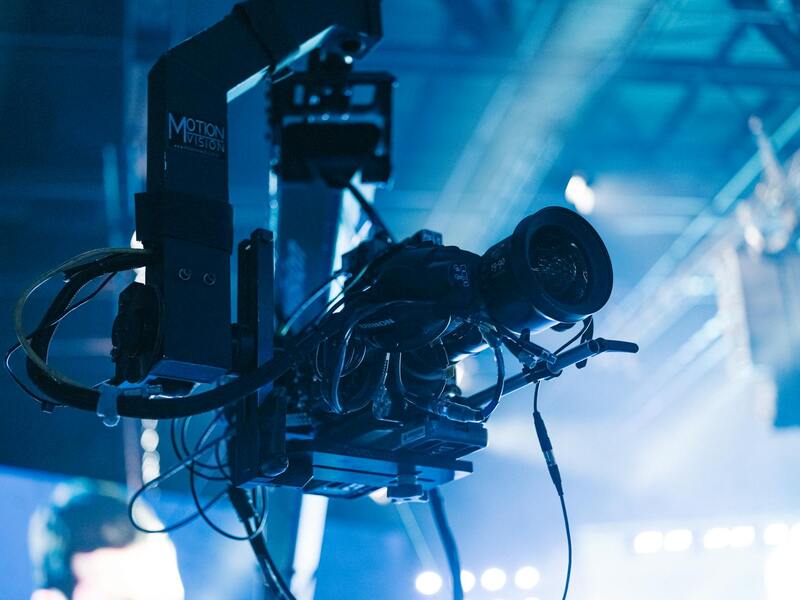
Determining the cost of real estate drone videos depends on multiple key factors that impact the overall expense. Each project has unique requirements, and understanding these elements allows property professionals to make informed decisions aligned with their marketing strategies. Primarily, the complexity and scope of the shoot significantly influence the pricing. For instance, a property with expansive grounds or difficult-access areas may necessitate additional flight time and specialized equipment, elevating costs accordingly.
Another critical aspect is the level of post-production work involved. Basic editing, such as trimming footage and color correction, might be included in standard packages, but projects demanding advanced editing—like adding graphics, inserting titles, or stitching multiple scenes—entail higher fees. The intricacy of editing directly correlates with the quality and professionalism conveyed by the final product.
Additionally, the location of the property plays a role in costing. Urban environments with tight regulations or restricted airspace can require additional permits or planning, thereby increasing operational costs. Conversely, more accessible locations may allow for quicker, less costly shoots.
Operator experience and the level of technology used are also influential. Seasoned drone pilots equipped with high-end, multipurpose drones capable of capturing 4K and higher resolutions tend to command higher rates. These professionals ensure not only better footage quality but also adherence to safety protocols, reducing potential liabilities and delays.
Average Cost Range for Real Estate Drone Videos
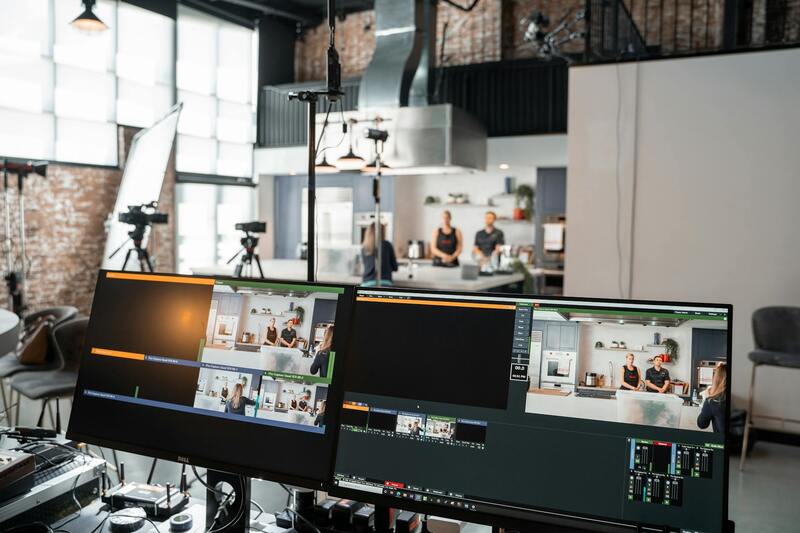
The typical expense for professional drone videography in the real estate sector can vary based on the factors discussed, but general price ranges provide a helpful overview. Most service providers in Miami and similar markets offer packages ranging from $200 to $1,000, depending on the project scope. Entry-level options may include short aerial clips of a single property, suitable for social media use, while comprehensive packages with extensive footage, multiple angles, and detailed editing are often priced towards the higher end of this spectrum.
For properties requiring multiple shoots—such as aerial views at twilight, interior walkthroughs combined with exterior shots, or videos that incorporate special effects—the cost can escalate further. It’s common for providers to offer tiered pricing or custom quotes tailored to specific client needs.
Pricing Based on Video Length and Content
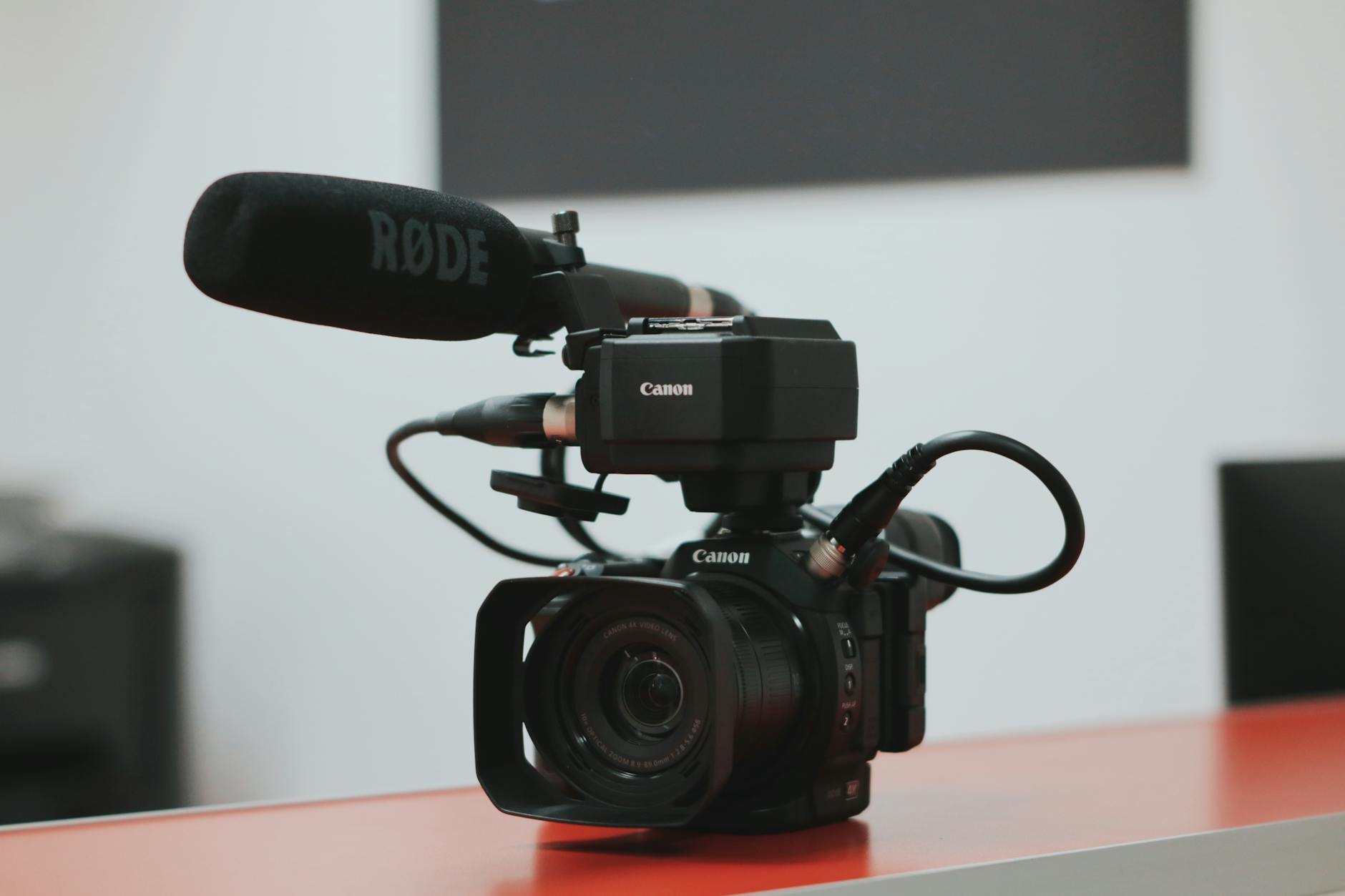
Video duration remains a primary determinant of cost. Short clips, often under two minutes, are generally more affordable and serve well for quick listings or social media promotions. Longer videos, exceeding three to five minutes, especially those incorporating multiple camera angles and dynamic flying sequences, tend to be priced higher due to extended flight time and editing efforts.
Content complexity is equally vital. Basic aerial footage focusing solely on the property's exteriors might involve simple flight paths, while more elaborate productions—including interior shots captured via handheld gimbals, aerial footage at different times of day, and extensive post-production work—drive up the price. Clients should communicate their goals clearly to ensure they receive a package suited to their marketing plans, balancing quality with budget constraints.
Impact of Drone Equipment and Technology
The sophistication of drone equipment directly influences the pricing structure. Advanced drones equipped with high-resolution cameras, obstacle avoidance sensors, and multiple-axis stabilization systems deliver superior footage quality and safety, often commanding premium rates. These features reduce the risk of accidents, enhance maneuverability in tight spaces, and produce smoother, more professional videos.
In addition to drone hardware, software capabilities such as automated flight paths, real-time footage stabilization, and intelligent tracking bring efficiency and polish to the final product. These technological advantages enable videographers to capture diverse angles swiftly and reliably, which translates into a more compelling marketing asset.
Impact of Drone Equipment and Technology
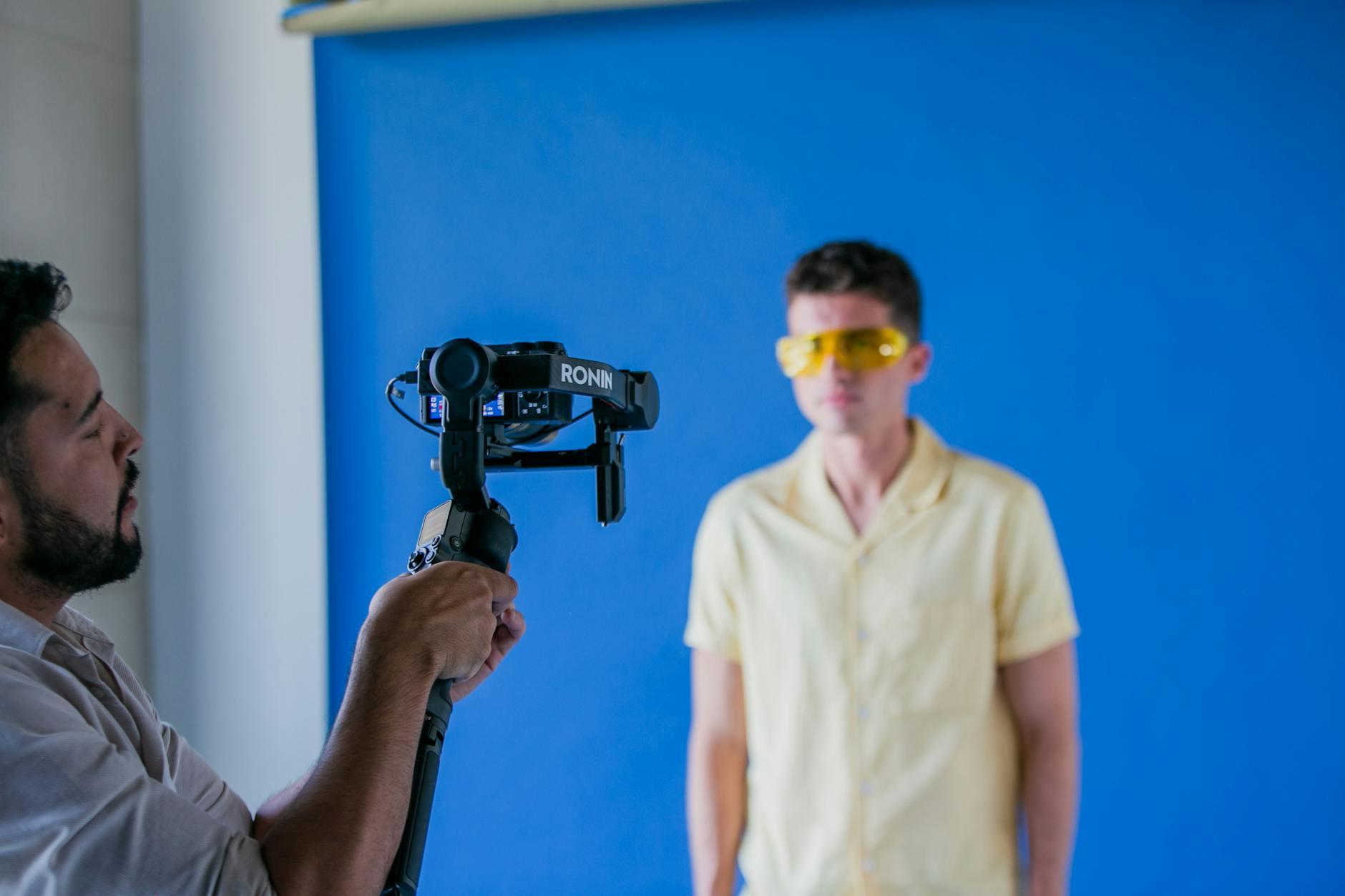
Technological advancement in drone equipment significantly affects the cost of real estate videography. High-end drones equipped with ultra-high-definition cameras, such as 4K or 8K sensors, provide crisp, detailed visual representations of properties, which are highly desirable in marketing campaigns. These drones often feature obstacle avoidance sensors, enabling safer operations in complex environments and reducing the risk of costly accidents or damages.
Multiple-axis stabilization systems are essential for steady footage, especially during dynamic flight maneuvers or in windy conditions. Such stabilization not only improves visual quality but also minimizes post-production stabilization efforts, thus influencing overall project costs. Additionally, these advanced drones often allow for extended flight times, enabling videographers to capture more comprehensive footage without frequent battery swaps, thereby increasing efficiency.
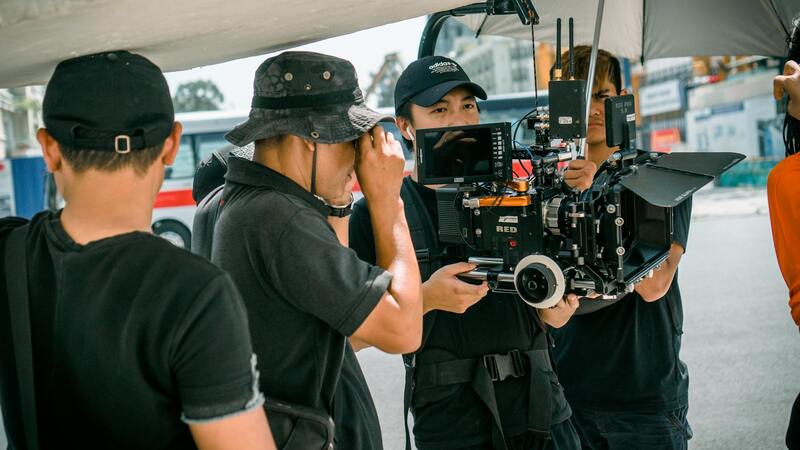
The software functionalities integrated into modern drones further enhance footage quality and production pace. Automated flight path planning reduces manual flying errors and increases shot consistency. Features like real-time footage stabilization, intelligent object tracking, and automated panorama stitching allow for more complex shots with minimal additional labor. These technological benefits often justify higher rates, as they contribute to a polished, professional final product that aligns with modern real estate marketing standards.
Overall, investing in sophisticated drone technology equates to superior visual assets that can elevate property listings. Clients opting for the latest drone features should expect correspondingly higher pricing, reflective of the equipment's performance capabilities and the quality of the final visual output.
Factors Influencing Drone Video Pricing
Several key elements determine the overall cost of producing professional real estate drone videos. The complexity of the project plays a significant role; properties with expansive landscapes or multi-story homes require more extensive flight planning and filming time, which can increase costs. Additionally, the level of detail and specific shots requested—such as aerial panoramas, interior footage, or smooth cinematic trajectories—impact the price. Drones with advanced stabilization, higher-quality cameras, and intelligent flight systems tend to command higher fees because they deliver superior visual quality and more seamless footage.
Complexity and Scope of the Property
Large or intricate properties necessitate more flight time and precise maneuvering, influencing price differentiation. Customized shot lists, including sunrise or sunset captures, aerial walkthroughs, or interior integrations, elevate the production effort and consequently, the cost. Smaller, straightforward shoots with standard angles typically fall on the lower end of the pricing spectrum.
The Experience and Skill of the Pilot
Experienced drone operators with a strong portfolio of real estate projects often charge premium rates. Their expertise ensures stable, high-quality footage while minimizing the need for extensive post-production corrections. A seasoned pilot can adapt to challenging environments—such as windy conditions or tight spaces—without compromising footage quality, which enhances overall service value.
Legal, Safety, and Insurance Factors
Employing licensed and insured drone pilots adds to the operational costs. These professionals adhere to strict safety protocols, carry liability insurance, and often obtain necessary flight permissions for specific areas, especially in densely populated neighborhoods or commercial zones. These measures contribute to a higher service fee but provide peace of mind through compliance and risk mitigation.
Average Cost Range for Real Estate Drone Videos
The typical price for a standard real estate drone video varies based on regional market rates and project specifics. In Miami, customers can expect to pay approximately $200 to $500 for basic packages that include aerial footage of smaller properties with limited editing. More comprehensive productions—covering larger homes, luxury estates, or complexes—generally range from $500 to $1,500 or higher, especially when adding features like detailed walkthroughs, sunset shots, or interior integrations.
Pricing Based on Video Length and Content
The duration of the final video significantly influences the overall cost, with longer videos requiring more filming time and editing effort. A basic 1-3 minute promotional clip typically falls within the $200-$600 range, while extended videos exceeding 5 minutes—featuring multiple angles, drone flyovers, and professional editing—can range from $1,000 to $2,500 or more.
- Short Clips (1-3 minutes): $200-$600
- Mid-Range (3-5 minutes): $600-$1,000
- Longer, Customized Content: $1,000 and above
Impact of Drone Equipment and Technology
The sophistication of drone hardware directly affects pricing. Drones equipped with high-resolution 4K or 6K cameras, multiple-axis stabilization, and obstacle avoidance systems offer smoother, more visually striking footage, which commands higher rates. The presence of intelligent flight features—such as pre-programmed auto-pilot routes, automated focus tracking, and real-time stabilization—reduces shooting time and post-production workload, justifying premium pricing.

Additional Costs and Customization Options
Beyond base filming, clients may opt for extra services that enhance the final product. These include:
- Custom animations, such as flythroughs or 3D mapping.
- Special effects or color grading to match branding or aesthetic preferences.
- Multiple filming locations or multiple property shots within a single booking.
- Rush delivery services for expedited editing and turnaround.
Each additional feature contributes to the overall project cost but offers tailored marketing assets that can significantly boost property visibility.
Pricing Models and Packages in Miami
In the Miami market, drone service providers typically offer tiered packages designed to cater to various property sizes and client needs. Standard packages often include a set number of flight minutes, basic editing, and delivery of a short promotional video. Premium packages may incorporate extended filming sessions, multiple camera angles, sophisticated editing, and expedited delivery options. It’s common for service providers to customize quotes based on specific project requirements to ensure clients receive value that aligns with their marketing goals.
Factors Influencing Drone Video Pricing
When evaluating the cost of real estate drone videos, several key factors impact pricing structures. Initially, the complexity of the property plays a significant role. Larger estates or properties with unique architectural features require more extensive flight paths and additional angles, thus increasing the total flight time and production effort. Terrain and accessibility also influence costs; challenging environments such as waterfronts, hillside estates, or urban settings with restricted flight zones demand advanced flight planning and sometimes specialized permissions, adding to the overall expense.
Furthermore, the scope of the project affects pricing. A basic shoot featuring aerial footage of the property's exterior may be less costly than a comprehensive coverage including interior walkthroughs, nighttime shots, or aerial panoramas combined with neighborhood flyovers. The level of detail and the specific shots desired directly influence labor hours and editing complexity, which are reflected in the final price.
Average Cost Range for Real Estate Drone Videos
In Miami, typical pricing for drone footage tailored to real estate ranges broadly, reflecting the diversity of client needs and property types. For a basic exterior property video, prices generally fall between $200 and $600. This range covers short clips, usually under two minutes, with minimal post-production. Moderate projects that involve longer footage, multiple angles, and some editing typically range from $600 to $1,200. For premium service levels, including extensive shoots, high-end equipment, complex editing, and expedited delivery, costs can ascend to $2,000 or more.
Pricing Based on Video Length and Content
The length of the final video is a primary determinant of cost. Short promotional clips lasting around one to two minutes often cost less, especially if the content is straightforward. Nonetheless, the quality of content, drone technology utilized, and the intended purpose of the video impact pricing. Longer videos, such as detailed property showcases or neighborhood overviews exceeding five minutes, require additional shooting time, multiple takes, and advanced editing, increasing the price accordingly.
Impact of Drone Equipment and Technology
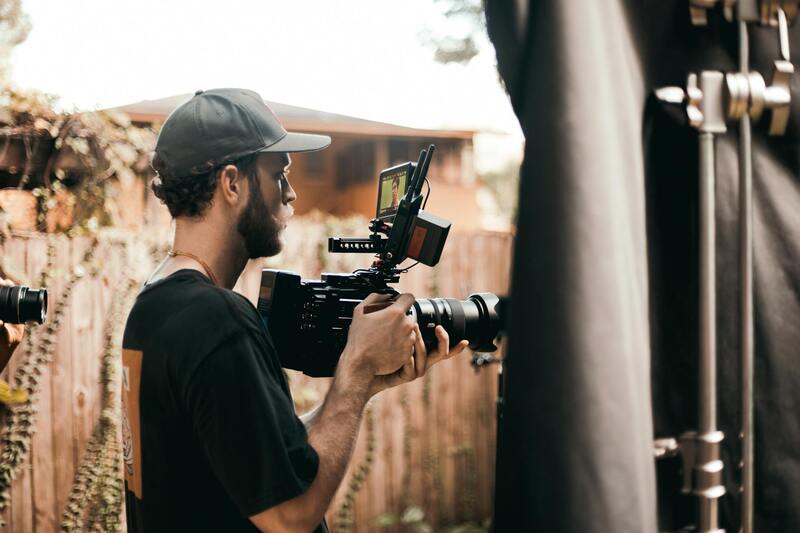
High-end drone equipment significantly enhances footage quality, stability, and creative scope. Cameras with higher resolutions, such as 4K or even 8K, capture sharper imagery that appeals to potential buyers and investors. Gimbals with advanced stabilization reduce shake and blur, delivering smooth, professional-looking videos. Drones equipped with intelligent flight features—such as pre-set flight paths, obstacle avoidance, and automated tracking—reduce the duration of filming sessions, resulting in cost savings.
Investment in cutting-edge technology often results in higher upfront costs but can lead to superior final products, impactful marketing tools, and efficiency in capturing high-quality footage. Clients seeking exceptional visuals for luxury properties or commercial developments are inclined to pay premium prices for the latest drone capabilities.
Additional Costs and Customization Options
Beyond basic filming, clients may opt for supplementary services that tailor the final product to specific marketing objectives. These can include:
- Custom animations like flythroughs or 3D property models
- Color grading and post-production effects to heighten visual appeal
- Additional footage shots of multiple locations within a single shoot
- Rush services for expedited editing and delivery
Each of these enhancements incurs additional costs but offers substantial value by creating compelling, bespoke marketing assets that can significantly influence property visibility and appeal.
Pricing Models and Packages in Miami
Drone service providers in Miami often organize their offerings into tiered packages, catering to varied client budgets and property sizes. Basic packages typically include a set amount of flight time—around 15 to 20 minutes—and standard editing to produce a short, eye-catching promotional clip. Mid-tier options add extended flight sessions, multiple camera angles, and more refined editing. Premium packages might feature longer shooting durations, drone operators with advanced credentials, and fast-track delivery services.
Customization is common, with quotes often tailored based on project specifics such as property complexity, desired footage length, and any additional custom features. This flexible approach ensures clients receive pricing aligned closely with their marketing goals and property requirements.