
Benefits of Drone Video in Real Estate
In the highly competitive real estate market of Miami, the adoption of drone technology has become a game-changer for property marketing. Drone videos offer unparalleled perspectives that traditional photography and ground-level videos cannot match, providing a comprehensive view of properties from the sky. This innovation significantly enhances the visual appeal of listings, enabling potential buyers to visualize the property’s layout, exterior features, and surrounding environment more effectively.
High-quality aerial footage captures a property’s grandeur while highlighting its key features such as expansive lawns, beautiful facades, swimming pools, and outdoor living spaces. These sweeping shots create a compelling narrative that can evoke emotional responses and generate greater interest among prospective buyers. Prospective clients often prioritize immersive visuals that give a real sense of space and scale, aspects that drone videos excel at delivering.
Aerial footage also serves as a powerful tool for marketing efforts, allowing real estate agents to showcase not only individual properties but also the attractiveness of the neighborhood. By including footage of nearby amenities, parks, schools, and scenic views, agents can present a holistic view of the living environment, emphasizing lifestyle benefits that resonate with potential buyers.
Moreover, drone videos facilitate a more engaging online presence, increasing the likelihood of interest and inquiries. Listings accompanied by professional drone footage tend to stand out on digital platforms, social media, and real estate portals, leading to faster sales cycles. The dynamic and modern imagery appeals to a broad demographic, especially tech-savvy and out-of-state buyers who rely heavily on virtual tours when evaluating properties.
Another advantage lies in the ability to demonstrate property scale and neighborhood context, which is particularly valuable in Miami's diverse real estate landscape. Whether showcasing luxury waterfront estates or urban apartments, drone videos offer nuanced visual storytelling that elevates the property's perceived value and appeal.
Utilizing drone footage also reduces the need for multiple scheduled visits, giving potential buyers a detailed, realistic preview remotely. This efficiency streamlines the sales process and fosters more informed decision-making, ultimately updating engagement levels on listings. These strategic benefits highlight the critical role of drone videos in modern real estate marketing, providing a competitive edge that maximizes property exposure and attracts serious buyers.
Types of Drone Shots for Real Estate
In the realm of real estate marketing, the variety of aerial shots captured by drones can significantly influence the presentation of a property. Different shot types serve specific purposes, enhancing the overall narrative and appeal of the listing. Common drone shot styles include:
- Overview Shots: These wide-angle views provide a comprehensive perspective of the property within its neighborhood, establishing contextual relevance such as proximity to landmarks, access roads, and natural features.
- Property Highlight Shots: Close-up or mid-range aerial footage focuses on key property features like architectural details, landscaping, pools, and outdoor amenities, emphasizing luxury and uniqueness.
- Drive-By Shots: Videos filmed from the road offer a dynamic view of the property's frontage, driveway, and access points, creating an inviting visual experience for potential buyers.
- Helicopter-Style Shots: Elevating the drone high above the property, these shots showcase its scale relative to the surrounding area, particularly useful in large estate listings or waterfront properties.
- 360-Degree Panoramas: Rotating shots give viewers a full view of the property and its environment, adding depth and immersion to the presentation.
- Interior-Aware Aerials: Although less common, drones can also capture indoor spaces from an aerial perspective in properties where tall ceilings or spacious interiors are features.
Equipment and Technology for Real Estate Drone Videos
Producing high-quality drone footage for real estate requires specialized equipment combined with advanced technology. The core components include:
- High-Resolution Cameras: Modern drones are equipped with 4K or higher resolution cameras capable of capturing sharp, vibrant images and videos that accurately portray property details.
- Gimbal Stabilizers: These devices ensure smooth footage by stabilizing camera movement, essential for producing professional-quality videos free of jitter or shake.
- GPS and Flight Sensors: Advanced GPS systems enable precise navigation and stable hovering, while obstacle avoidance sensors improve safety during flight operations.
- Controlled Flight Controllers: Modern drones feature intelligent flight modes such as orbit, waypoint navigation, and follow-me capabilities, allowing for complex shot compositions without manual control.
- Battery Technology: Extended flight times are achieved through high-capacity batteries, enabling longer shooting sessions and more comprehensive footage collection.
Utilizing recent technological advancements in drone equipment enhances the cinematic quality of aerial videos, making listings more appealing and competitive in the market. The integration of intelligent flight modes and stabilization systems contributes to seamless, professional footage, effectively capturing the essence and grandeur of property estates or urban developments.
Types of Drone Shots for Real Estate
Utilizing a variety of drone shot angles significantly enhances the visual appeal of real estate videos. Different shot types can highlight a property's key features, capture its surroundings, and create a compelling narrative that attracts potential buyers. Here are some of the most effective drone shot styles for real estate marketing:
- Aerial Exterior Shots: These wide-angle views showcase the entire property, emphasizing its layout, size, and landscaping. They often serve as the opening shot to provide viewers with a comprehensive overview.
- Neighborhood Flyovers: Smoothly traversing the surrounding neighborhood, these shots establish context and appeal by highlighting nearby amenities, parks, schools, and the community environment.
- Entrance and Driveway Views: Capturing the property's entrance creates an inviting perspective, allowing viewers to visualize the property's accessibility and curb appeal.
- Top-Down Shots: Vertical shots looking directly downward can emphasize features such as pools, gardens, decks, or unique architectural details, adding variety to the video.
- Vertical Ascents and Descents: These dynamic movements help transition between scenes, creating a compelling flow that guides viewers through the property's features seamlessly.
- Property Boundaries and Perimeters: Shots that outline the property's perimeter can display fencing, boundary markers, or land size, providing clarity on property scope.
- Nighttime or Sunset Shots: Incorporating lighting effects during sunset or nighttime adds a dramatic atmosphere, enhancing the property's visual impact and emotional appeal.
Employing a combination of these shot types results in a dynamic, engaging real estate video that captures the property's essence and appeals to prospective buyers. Strategic planning of these angles allows real estate professionals to highlight architectural details, outdoor spaces, and neighborhood benefits, ultimately increasing the property's marketability and attracting qualified inquiries.
Equipment and Technology for Real Estate Drone Videos
Producing high-quality real estate drone videos requires a precise combination of advanced equipment and cutting-edge technology. Essential drone hardware includes multi-rotor platforms equipped with high-resolution cameras capable of capturing detailed footage in various lighting conditions. These drones should incorporate stabilization features such as gimbals to ensure smooth, shake-free shots, which are critical for professional presentation.
Camera specifications play a significant role in the clarity and detail of the footage. Typically, cameras with at least 4K resolution are preferred to deliver crisp visuals that highlight property features and surrounding landscapes effectively. Additionally, cameras with wide-angle lenses provide expansive views, capturing more of the property and neighborhood in each shot.
Other technological tools include advanced flight controllers and GPS systems that facilitate precise navigation and autonomous flight paths, ensuring optimal shot framing and consistent footage quality. Obstacle avoidance sensors are also vital, especially in complex environments with trees, power lines, or narrow spaces, to prevent accidents and maintain safety during flight.
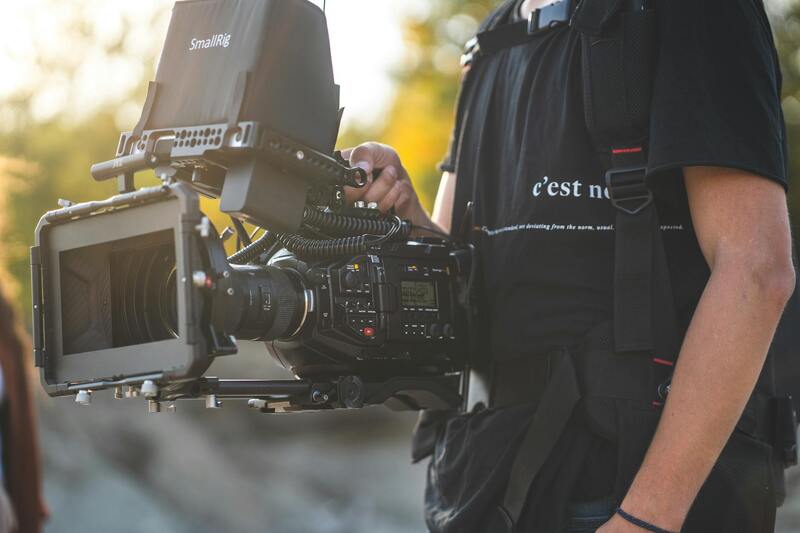
Post-production stabilization software further enhances footage quality by correcting minor jitters and smoothing transitions, while color grading tools help achieve visual consistency and vibrancy. Combining reliable drone hardware with robust editing software elevates the final product, making it more enticing and professional for marketing efforts.
Types of Drone Shots for Real Estate
Effective drone videos utilize a variety of shot types to showcase properties comprehensively and attractively. The selection of shot types—ranging from dynamic flyovers to detailed close-ups—can significantly enhance the property's visual appeal and provide potential buyers with a thorough understanding of its features and surroundings. Here are some of the most impactful drone shot types used in real estate marketing:
- Establishing Shots: These wide, sweeping shots set the scene by capturing the property in relation to the neighborhood and landscape. They are typically taken from higher altitudes, offering viewers an overview of the property’s location, nearby amenities, and natural surroundings.
- Fly-through Shots: Smooth, flowing footage that moves through and around the property. These shots can simulate walking through the exterior of the house or landscaping, providing immersive perspectives that highlight the property’s layout and design features.
- Zoom-in and Detail Shots: Close-up visuals focusing on specific architectural elements, landscaping details, or unique features. These shots can accentuate craftsmanship, material quality, or special upgrades, adding depth to the marketing presentation.
- Vertical and Oblique Angles: Shots from angles that tilt the camera to emphasize height or dimension, such as showcasing a multi-story home or tall trees on the property. These perspectives add visual interest and depth to the overall video.
- Property Boundaries and Surroundings: Drone footage can delineate property boundaries by capturing fences, walls, or landscaping features. Additionally, shots of nearby parks, lakes, or cityscapes help contextualize the property's environment and attract interest.
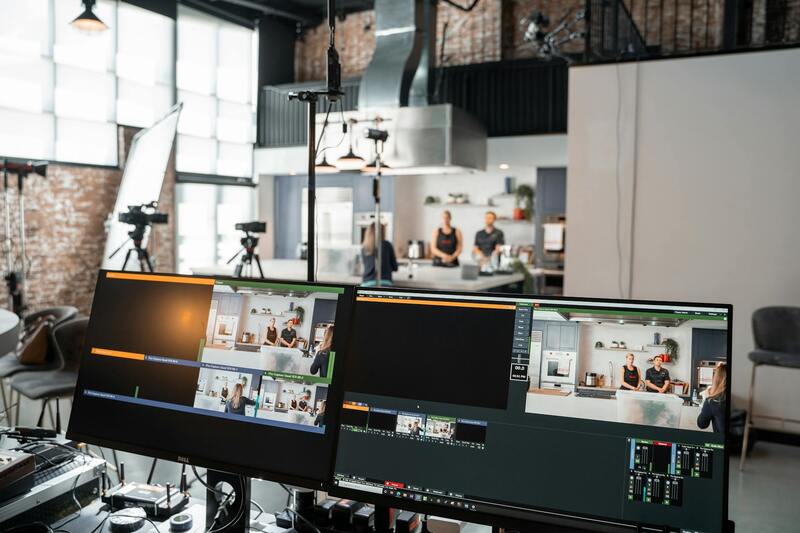
Equipment and Technology for Real Estate Drone Videos
Creating high-quality real estate drone videos requires a combination of advanced equipment and cutting-edge technology. Modern drone platforms are equipped with high-resolution cameras capable of 4K or higher resolutions, ensuring images are sharp and vibrant enough to highlight property details clearly. Stabilization systems such as gimbals are integral, providing smooth footage free of jitters, which is essential for professional presentation.
The quality of the camera's sensor and lens determines the clarity and field of view. Wide-angle lenses are preferred to capture expansive shots of properties and their surrounding landscapes, making spaces appear larger and more inviting. Additionally, drones are outfitted with sophisticated flight controllers and GPS modules for precise navigation and autonomous flight paths, improving the consistency and framing of shots.
Safety and efficiency are prioritized with obstacle avoidance sensors, which detect and navigate around trees, power lines, or structures, minimizing risks during flight. These technological features enable operators to focus on capturing cinematic visuals while maintaining safety protocols.
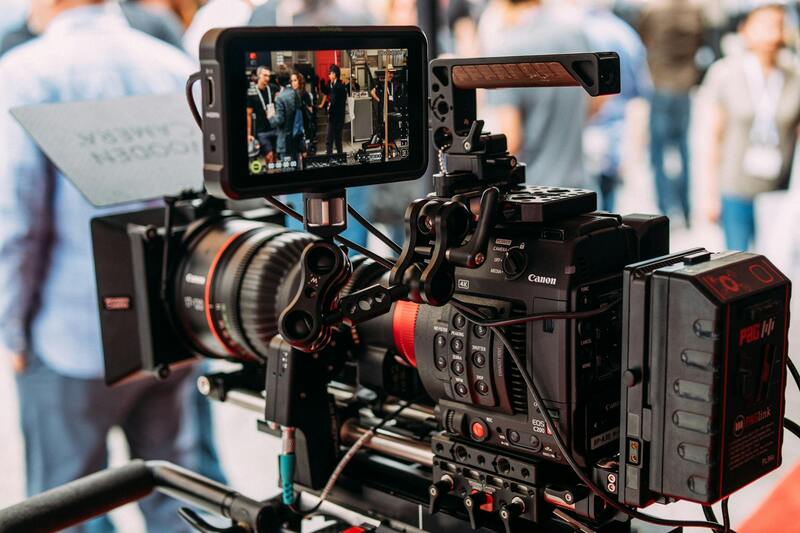
Creative Techniques and Shot Planning for Optimized Drone Footage
To maximize the impact of real estate drone videos, meticulous planning of shot sequences and creative techniques is essential. Prior to filming, a comprehensive storyboard or shot list should be developed, focusing on key property features, surrounding amenities, and unique landscape elements. Strategic pre-flight planning includes selecting the best angles and altitudes that highlight the property's architecture, yard space, and neighborhood context.
Utilizing a variety of shot types enhances the final video, ensuring it engages viewers from start to finish. For instance, establishing shots from high altitude can provide an impressive overview of the property within its environment, while lower, closer shots allow potential buyers to observe specific features such as outdoor living spaces or architectural details.
Advanced shot techniques like orbit shots, where the drone circles around the property, or reveal shots that transition from broad landscapes to detailed close-ups, can add cinematic quality and storytelling depth. Time-lapse sequences or hyper-lapses can showcase property transformations or bustling neighborhood scenes, enriching the narrative.
Picture consistency and appeal are bolstered by the optimal use of natural lighting. Filming during golden hours—shortly after sunrise or before sunset—produces warm hues and minimizes shadows, making the property appear more inviting. Various elevation angles, such as bird's-eye views or rooftop perspectives, help showcase the property's scale and design intricacies.
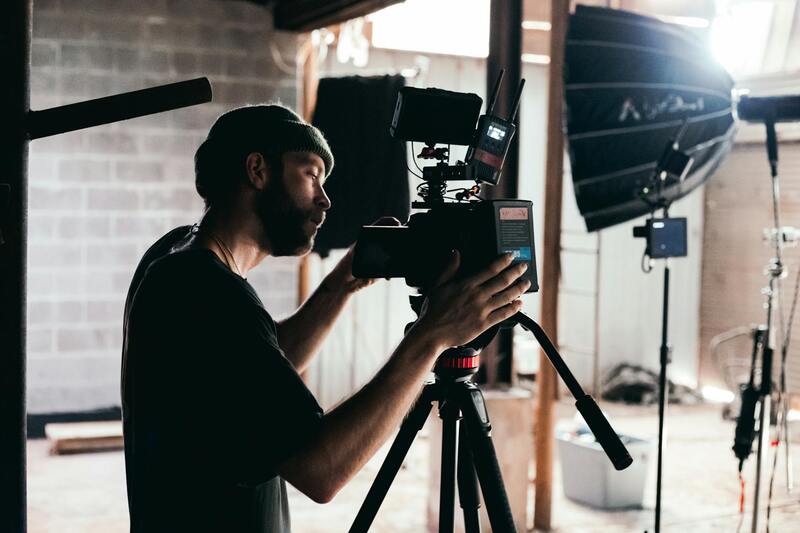
Cost Considerations and Hiring a Drone Service in Miami
When incorporating drone video into real estate marketing, understanding the associated costs is crucial for effective budget planning. The pricing for professional drone services in Miami can vary based on several factors, including the complexity of the shoot, the type of drone equipment used, and the experience of the operators. Typically, clients can expect to pay a flat fee or hourly rate that encompasses pre-production planning, filming, and post-production editing.
Standard packages often include a set number of flight hours, a specific number of high-quality footage clips, and basic editing services such as color correction and sequence assembly. Premium packages may add specialized shots, drone stabilization enhancements, or additional aerial views, which can increase the overall cost but deliver a more polished marketing asset.
In Miami's competitive property market, investing in a reputable drone service ensures high-quality footage that highlights the property's best features, engaging prospective buyers and expanding online visibility. Experience, licensing, and technology used by Miami-based drone operators directly influence pricing and the final output quality.
Engaging local drone experts often provides additional benefits, such as familiarity with regional regulations, optimal flight planning around busy urban environments, and access to cutting-edge equipment that enhances video sharpness and stability. These considerations justify the investment, as they yield superior visual content that can significantly impact property appeal.
To maximize value, it is advisable for property owners and real estate agents to evaluate multiple service providers, review portfolios, and request detailed quotes. This approach helps in securing a competitive rate without compromising on quality. Additionally, clarifying service expectations upfront—such as shot lists, desired video length, and turnaround time—can prevent misunderstandings and facilitate a seamless production process.
Furthermore, some Miami drone companies offer bundled services that include aerial footage, ground-level videography, and comprehensive editing. While these packages might have a higher initial cost, they provide a cohesive marketing video that effectively showcases the property from multiple perspectives, ultimately leading to better engagement and faster sales.
Future Trends in Real Estate Drone Video
Emerging Technologies Transforming Visual Property Marketing
Advancements in drone technology and imaging software are opening new avenues for real estate marketing, offering enhanced immersive experiences and detailed property showcases. One notable development is the integration of 3D mapping capabilities, which allow for the creation of highly accurate, interactive virtual tours derived from aerial scans. These 3D models enable prospective buyers to explore properties remotely with a level of detail that traditional photos or videos cannot match, thus broadening the reach of marketing campaigns.
In addition to 3D mapping, virtual reality (VR) integration is gaining momentum in the industry. By combining drone-captured footage with VR platforms, real estate professionals can construct fully immersive virtual walkthroughs. This technology allows potential buyers to experience a property's spatial layout and ambiance from any location, significantly reducing the need for physical visits and streamlining the decision-making process.
The Role of Artificial Intelligence and Data Analytics
Artificial intelligence (AI) and data analytics are playing an increasingly vital role in optimizing drone footage and marketing strategies. AI algorithms can analyze aerial videos to identify key features and generate detailed property reports, highlighting unique selling points such as outdoor amenities or scenic views. These tools also assist in editing processes, automatically stabilizing footage, enhancing color accuracy, and creating dynamic visual effects that captivate viewers.
Furthermore, the integration of data analytics helps marketers tailor content to target audiences more effectively. By analyzing viewer engagement and interaction metrics, real estate professionals can refine their video marketing approaches, addressing viewer preferences and increasing lead conversion rates.
Enhanced Aerial Camera Systems and Autonomous Flight
Innovations in aerial camera systems, including higher-resolution sensors and advanced stabilization features, are pushing the boundaries of drone video quality. Coupled with autonomous flight capabilities, these systems enable more precise and complex shot compositions without requiring constant manual control. This results in smoother, more professional-looking videos that highlight the property’s best features with minimal disruption during filming.
Conclusion: Staying Ahead with Innovative Aerial Marketing
As technology continues to evolve, real estate professionals who leverage these emerging tools and techniques can significantly enhance their property marketing efforts. Investing in the latest drone innovations, such as 3D modeling, VR integration, AI analytics, and autonomous flight systems, ensures that property listings remain competitive and appealing in a crowded marketplace. Embracing these future trends will not only improve visual presentation but also provide potential buyers with more engaging and informative virtual experiences, ultimately accelerating sales and increasing property exposure.