
Importance of High-Quality Real Estate Photos
In Miami’s vibrant and competitive real estate market, the presentation of a property significantly influences prospective buyers' decisions. High-quality real estate pictures serve as the visual foundation that captivates interest, builds trust, and elevates listings above competitors. Prospective buyers are increasingly relying on online listings to explore properties, making the quality of images a critical factor in attracting their attention and encouraging them to schedule viewings. Exceptional images not only highlight the property’s best features but also provide an authentic representation that resonates with potential buyers. Clear, well-lit photos showcase spaces comprehensively, emphasizing layout, design details, and unique architectural elements. This comprehensive visual storytelling helps buyers imagine themselves in the space, fostering emotional connections that can expedite the sales process. Furthermore, professionally captured images contribute to the perceived value of a property; they suggest that the seller or agent has invested in quality and professionalism. This perception can influence buyers' confidence in the listing, potentially leading to quicker offers and better negotiating positions. In a digital era where the first impression is often formed through a screen, the importance of high-quality photos extends beyond aesthetics. They perform an essential function in search engine optimization (SEO) for online listings, attracting more traffic and increasing visibility across multiple platforms. When potential buyers find listings that display crisp, compelling images, their likelihood of engaging further with the property grows exponentially. Effective real estate photography also plays a strategic role in marketing campaigns. Visual content that captures attention is more likely to be shared across social media channels, expanding the reach of listings and creating additional inquiries. This wider exposure can be particularly advantageous in Miami's diverse and transient market. Moreover, consistent use of high-caliber images across various listings fosters brand recognition for real estate agencies, enhancing reputation and trust among clients. Ultimately, high-quality real estate pictures are an investment into the success of property sales, especially in a dynamic market like Miami. They enable agents and sellers to present properties in their best light, increase engagement from qualified buyers, and catalyze faster transactions. For these reasons, employing professional photography services specialized in real estate is essential for maximizing the market potential of Miami properties.
Understanding the Role of Professional Photography
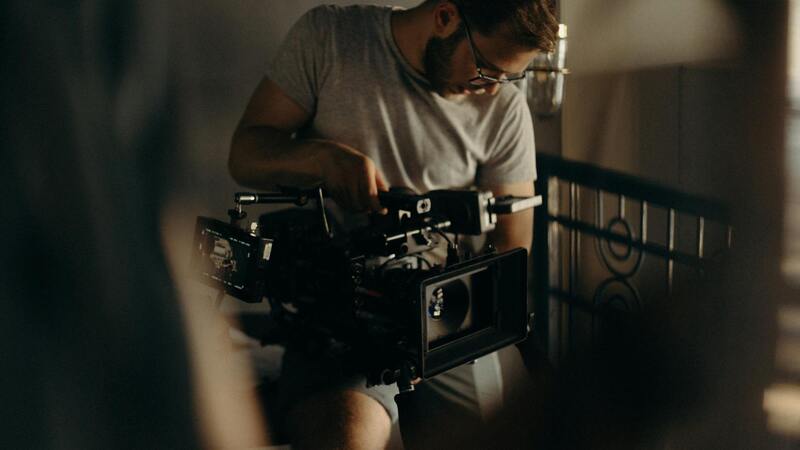
Professional photography plays a pivotal role in elevating real estate listings, ensuring each image accurately captures the property's essence. Skilled photographers utilize advanced equipment and techniques to optimize lighting, angles, and composition, resulting in visually appealing images that effectively market the property’s strengths. Their expertise ensures consistent quality across all photos, providing a cohesive and compelling visual narrative. In addition to technical proficiency, professional photographers have an understanding of current design trends and what typically appeals to buyers. They know how to highlight space, light, and unique architectural features. This strategic approach to photography ensures that listings not only look attractive but also accurately reflect the property's true character. Many professional real estate photographers also advise clients on staging and minor adjustments that can enhance the overall appearance before photos are taken. This preparation process maximizes visual impact and ensures that the images depict the property at its full potential. Techniques such as HDR imaging, wide-angle lenses, and proper post-processing further refine the photographs, minimizing distortions and enhancing clarity. Investing in professional photography ultimately results in higher engagement rates, increased inquiry volume, and faster sales cycles. For Miami's high-demand market, high-quality images serve as an essential marketing tool that communicates professionalism, credibility, and property value effectively.

Key Elements of Effective Real Estate Pictures
Creating impactful real estate images involves more than just capturing a space; it requires mastering specific elements that draw potential buyers and enhance the property’s appeal. Clear, well-composed photographs emphasize the property's best features, making them immediately noticeable. Proper lighting, whether natural or artificial, ensures that each room appears inviting and spacious, preventing shadows and dullness that can detract from the visual appeal.
Color accuracy plays a pivotal role in portraying the property authentically. Photos should reflect true hues and textures, aiding buyers in visualizing how the space will look in real life. Composition techniques, such as balanced framing and strategic focus, guide viewers' attention toward focal points like a modern kitchen, cozy fireplace, or expansive windows. Additionally, images should be free from clutter and distractions, emphasizing the architecture and flow of the space.
High-quality images also rely on technical aspects like proper exposure, distortion correction, and image sharpness. Wide-angle lenses are often employed to capture more of a room in a single shot, making spaces appear larger without distortion. The use of HDR (High Dynamic Range) imaging can balance bright windows with darker interior areas, providing a comprehensive, detailed view under varying lighting conditions. Post-processing should be subtle, enhancing clarity and color without over-editing, which could misrepresent the property.
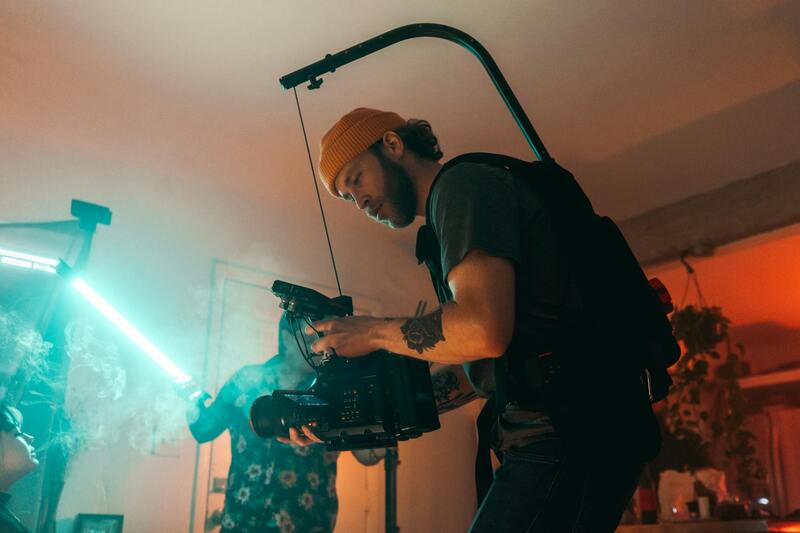
Furthermore, the staging of a property—arranging furniture and decor to maximize space and appeal—significantly influences the outcome of photographs. Skilled photographers often collaborate with stagers or property owners to ensure that each shot aligns with the overall marketing strategy. Highlighting unique architectural features, such as intricate moldings or outdoor patios, can distinguish a listing in Miami’s competitive market.
Choosing the Right Equipment and Techniques
Professional photographers select equipment that meets the specific needs of real estate imaging. This includes high-resolution digital cameras capable of capturing fine details and dynamic range. Wide-angle lenses enable expansive views of rooms, making interiors appear more open, while tripod stability ensures sharp, distortion-free images. Drones and aerial photography provide comprehensive perspectives of larger properties, showcasing outdoor amenities and landscaping from above.
Techniques like HDR blending help balance interior and exterior brightness, ensuring images are vibrant yet realistic. Focus stacking and tilt-shift lenses contribute to sharpness and perspective control, critical for accurate representations of the property’s architecture. These methods not only enhance visual appeal but also serve to create consistent imagery across listings, reinforcing a professional brand.
Optimizing Images for Online Listings
The digital presentation of real estate images demands careful attention to file size, resolution, and format. Optimized images load quickly on various devices, reducing bounce rates and increasing engagement from potential buyers. Typically, images should be saved in formats like JPEG or WebP, balancing quality and file size. Resizing images to suit listing platforms ensures compatibility and maintains visual clarity.
Additionally, implementing image SEO techniques—such as descriptive filenames and alt text—can boost the online visibility of property listings. High-quality, well-optimized images not only appeal visually but also improve search engine rankings, driving more traffic to the listing.
Leveraging Drone and Aerial Photography
Drone imagery provides an expansive view of Miami's diverse landscapes and property layouts. These aerial shots highlight outdoor spaces, proximity to amenities, and neighborhood surroundings, offering prospective buyers comprehensive insight into the property's context. Drone footage can be integrated into virtual tours or online galleries, creating a dynamic visual experience that captures attention.
Employing drone photography requires specialized training and equipment to ensure safety and quality. Properly executed aerial images present a property in its best light, emphasizing scale, accessibility, and landscape features that are otherwise difficult to showcase from ground level.
Legal and Ethical Considerations
In the realm of real estate photography, adhering to regulations regarding privacy, property rights, and safety is paramount. Photographers must secure permissions when capturing images of private property, and when using drone footage, they should ensure compliance with local airspace and privacy laws. Transparency with clients about the scope and nature of photography services fosters trust and aligns expectations.
- Obtaining written agreements before photoshoots clarifies usage rights and payment terms.
- Ensuring that drone operations are performed by certified pilots promotes safety and compliance.
- Respecting property privacy and avoiding intrusive photography maintains ethical standards and professionalism.
Working with Miami Production Agencies
Partnering with experienced local production agencies enhances the quality and reach of real estate marketing efforts. These agencies specialize in tailored photography solutions, including high-end imagery, virtual tours, and drone footage, all curated to meet market demands. Their familiarity with Miami’s unique neighborhoods and architectural styles enables them to capture authentic, compelling visuals that resonate with prospective buyers.
Collaborating with professional agencies also streamlines the production process, ensuring timely delivery and consistency across all marketing assets. Their expertise in post-production editing and marketing integrations ensures that the images align with branding strategies and maximize online visibility.
Engaging reputable agencies provides peace of mind, knowing that the photography meets industry standards while showcasing properties effectively. This strategic partnership ultimately facilitates faster sales and enhances the reputation of the real estate business.
Key Elements of Effective Real Estate Pictures
Crafting compelling real estate images involves more than just capturing a property; it requires a strategic approach to highlight the home’s strongest features and create an inviting impression. High-quality photos should focus on emphasizing spaciousness, architectural details, and unique selling points that appeal to potential buyers. Proper composition ensures that each shot conveys the right perspective, guiding viewers through the property seamlessly.
Lighting plays a crucial role in real estate photography. Natural light should be maximized to depict rooms in their true hues and avoid dark, uninviting spaces. Professional photographers often use supplemental lighting or reflectors to enhance interior brightness, ensuring that every detail is vividly captured. Additionally, choosing angles that demonstrate room proportions and flow helps buyers visualize living in the space.
While a picture can be worth a thousand words, improper framing or over-editing can mislead viewers. Authentic, well-composed images foster trust, allowing clients to minimize surprises during viewings. Maintaining consistency across photos, in terms of style and lighting, also enhances the overall presentation of the listing.
Choosing the Right Equipment and Techniques
To produce top-tier real estate images, selecting suitable equipment is essential. Professional cameras with high-resolution sensors capture detailed, crisp visuals, ensuring clarity even on large screens or printed materials. Wide-angle lenses are a staple, providing expansive views that make rooms appear larger and more inviting without distortions that could misrepresent space.
Incorporating advanced techniques like HDR (High Dynamic Range) imaging balances light levels between dark shadows and bright areas, resulting in well-exposed photos regardless of varying lighting conditions. Stitched panoramas extend the visual scope, allowing viewers to virtually explore larger areas within a single image, which is especially effective for viewpoints like living rooms or outdoor spaces.
Optimizing Images for Online Listings
Once high-quality images are captured, optimization ensures they perform well in digital environments. Compressing file sizes without sacrificing image quality is key to faster website loading times, improving user experience and SEO rankings. Properly formatted images should be in JPEG or WebP formats to strike a balance between quality and performance.
Geotagging and including relevant metadata help search engines understand the context of images, enhancing discoverability. Captions and descriptive alt text further improve accessibility and provide context for viewers, reinforcing the property's key features and location.
Leveraging Drone and Aerial Photography
Drone photography offers a dramatic perspective, capturing the property’s surroundings, landscaping, and neighborhood appeal from above. Aerial shots help showcase large estates, waterfront views, or unique architectural details that ground-level photos might miss. When executed by certified pilots, drone imagery ensures safety and quality, creating captivating visuals that set listings apart.
Strategically integrating aerial photos with interior shots creates a comprehensive visual narrative, helping prospective buyers envision the property's value within its environment. These images can be used to highlight proximity to amenities, scenic views, or extensive outdoor spaces, which are often pivotal in decision-making.
Legal and Ethical Considerations
Adhering to established standards while capturing property images protects all parties involved. Proper permissions should be obtained for private or restricted areas, and the use of drone technology must align with safety protocols and guidelines. Respect for neighbors’ privacy also involves avoiding intrusive shots or capturing images that could infringe on personal spaces beyond the property boundaries.
Maintaining transparency in how images are used and ensuring accurate representation upholds the integrity of the real estate business. Misleading visuals can damage credibility and lead to complications in the sales process. By prioritizing honest, high-quality imagery, real estate professionals can foster trust and facilitate smoother transactions.
Choosing the Right Equipment and Techniques
Investing in high-quality equipment is fundamental for capturing compelling real estate images that stand out in competitive markets. Professionals typically utilize full-frame DSLR or mirrorless cameras equipped with wide-angle lenses to encompass more of the property within each shot, highlighting spaciousness and architectural features effectively. These lenses are essential for capturing broad interior spaces and exterior facades with clarity and minimal distortion, ensuring each image accurately represents the property.
Proper lighting is equally crucial. Natural light often yields softer, inviting visuals that accentuate a home’s best features, but supplemental lighting, such as diffused flashes or softboxes, can eliminate shadows and highlight details in darker areas. Consistent lighting across photos creates a cohesive visual narrative, making listings more appealing.
Post-processing techniques also play a vital role in emphasizing key property features. Adjustments for brightness, contrast, and color balance enhance overall image quality without misleading viewers. Advanced editing can include perspective correction, removing distracting elements, or enhancing landscaping details to better showcase outdoor areas.
Furthermore, the use of a tripod stabilizes shots, ensuring stability and sharpness, especially in interior photography where slow shutter speeds are common. Combining these technical strategies results in images that are both visually attractive and authentically representative of the property.

Optimizing Images for Online Listings
Once quality images are captured, proper optimization ensures they perform effectively across various digital platforms. Digital image optimization involves resizing files for faster loading times without compromising quality, which is vital for user experience and SEO ranking.
Metadata tagging with relevant keywords, such as 'luxury Miami property' or 'waterfront condo,' enhances discoverability in search engine results. Including descriptive alt text further improves accessibility and ensures that search engines understand the content of each image.
For effective online presentation, standardize image dimensions to maintain consistency across listings. Horizontal-oriented images typically work well for exterior shots, while vertical formats may be preferable for interior or detail images. Creating multiple image versions tailored for different devices—desktop, tablet, and mobile—maximizes visual impact.
Utilizing a mix of high-resolution images and optimized formats ensures sharp visuals that load quickly, supporting higher engagement and increasing the likelihood of attracting serious buyers.
Leveraging Drone and Aerial Photography
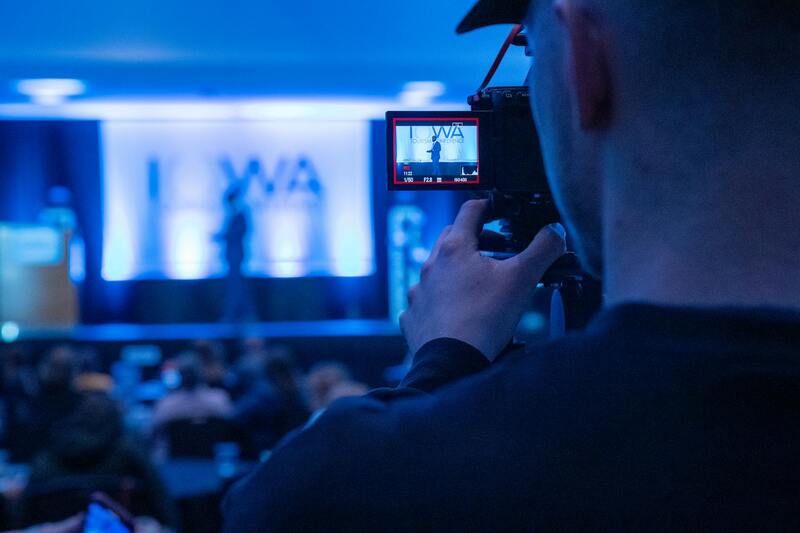
Incorporating drone photography into real estate marketing offers unique vantage points that ground photography cannot achieve. Overhead shots provide panoramic views of the property and its surroundings, emphasizing the scale, privacy, and outdoor amenities.
Aerial images are especially valuable for large estates, waterfront properties, or homes with extensive landscaping. They help potential buyers appreciate the property’s relationship to neighboring features, such as parks, beaches, or urban centers.
Drones can also capture dynamic videos that take viewers on virtual tours, enhancing the storytelling aspect of listings. These footage sequences should be carefully planned to showcase the property’s best angles while avoiding intrusive or distracting elements.
Using drones equipped with stabilized gimbals ensures smooth, distortion-free images. It’s also critical to consider fly zone regulations and to collaborate with licensed pilots who follow safety protocols, ensuring high-quality results without compromising safety.
Legal and Ethical Considerations
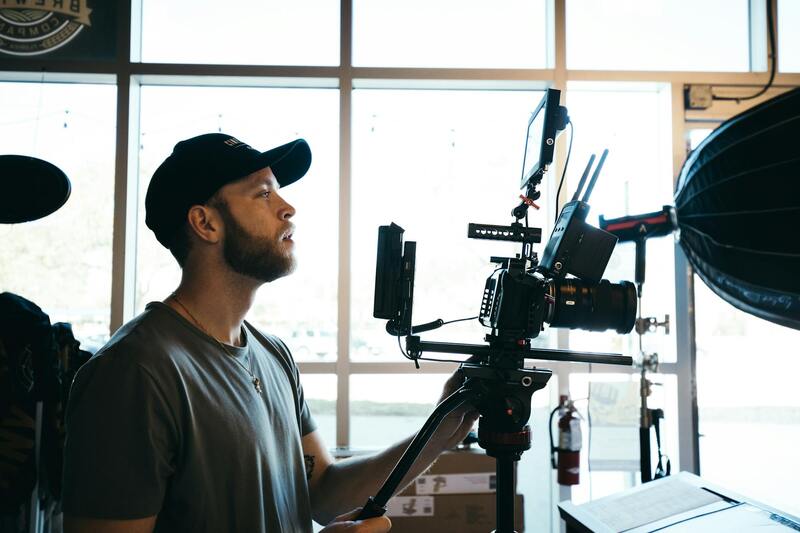
Adherence to established guidelines in real estate imagery is essential for maintaining trust and transparency. Respectful practices include securing necessary permissions when photographing private or restricted areas, especially when capturing neighboring properties or using drone technology.
Avoiding intrusive shots that infringe on personal privacy is a key ethical consideration. This involves steering clear of capturing images that extend beyond the property boundaries into personal spaces without consent.
Clarity in how images are used in marketing materials helps to prevent misrepresentation, fostering confidence among prospective buyers. Using authentic, unaltered images ensures the visual content faithfully depicts the property's condition and features.
Professionals should stay informed about the latest regulations and industry standards for the safe operation of drone equipment, and employ software tools that help manage permissions and data protection. Upholding these practices not only safeguards the interests of all parties involved but also reinforces a reputation for honesty and professionalism.
Working with Miami Production Agencies
Partnering with specialized production agencies in Miami ensures access to expertise and high-end equipment tailored for real estate photography. These agencies understand local regulations and market preferences, facilitating a seamless workflow from shooting to post-production.
Collaborative efforts include customized shooting plans that highlight the property's unique features, along with strategic scheduling to capture optimal lighting conditions. Agencies often have staff skilled in both aerial and ground photography, guaranteeing comprehensive coverage.
Post-production services offered by these agencies refine images further, optimizing them for various platforms while maintaining authenticity. Moreover, they provide fast turnaround times, enabling agents and sellers to list properties promptly.
Choosing an experienced local partner minimizes logistical challenges and enhances overall presentation quality, ultimately translating into more compelling listings and accelerated sales cycles.

Key Elements of Effective Real Estate Pictures
Creating compelling real estate images requires attention to specific visual components that draw the viewer’s eye and accurately showcase the property's best features. The primary goal is to produce images that are both aesthetically appealing and informative, enabling potential buyers or tenants to visualize themselves in the space.
Lighting plays a pivotal role in this process. Natural light enhances color accuracy and highlights architectural details, which can be achieved by shooting during optimal times of the day, typically in the early morning or late afternoon. Proper lighting eliminates harsh shadows and ensures that rooms appear bright and welcoming. When natural light is insufficient, professional lighting setups can be employed to evenly illuminate interiors without creating unwanted reflections or glare.
Composition techniques are equally important. Utilizing the rule of thirds, leading lines, and symmetry guides the viewer’s eye through the space, highlighting key areas such as the living room, kitchen, or master bedroom. Keeping the camera at eye level and ensuring horizons are straight can further improve the visual balance of images. Additionally, decluttering spaces ensures that focal points are unobstructed, allowing potential buyers to easily perceive the property's potential.
Post-processing is a fundamental step in refining real estate photos. Adjustments to brightness, contrast, and color saturation help achieve a natural yet polished look. It’s crucial that editing remains subtle to preserve authenticity and prevent misrepresentation. Techniques like vertical straightening, lens distortion correction, and removal of minor imperfections enhance overall quality without altering the true appearance of the property.
Another key element is the inclusion of detailed shots that showcase unique architectural features, special amenities, or newly renovated spaces. Wide-angle lenses are often employed to capture the full scope of rooms, providing a sense of space that standard lenses may not effectively convey.
- Clear and sharp focus: Ensures every detail is visible and professional-grade.
- Optimal framing: Structures the scene harmoniously and emphasizes room proportions.
- Consistent color temperature: Maintains uniformity across different images, fostering a cohesive listing.
These elements combined create a visually appealing narrative that can attract more interest from prospective buyers. High-quality images set a professional tone for listings, enhance marketability, and contribute significantly to faster sales or leasing processes.
Legal and Ethical Considerations
Ensuring that all real estate photography practices adhere to established guidelines is essential for maintaining trust and transparency. When capturing images of a property, it’s important to obtain the necessary permissions from property owners or authorized representatives before taking photographs. This step not only respects privacy rights but also aligns with standards for professional conduct in real estate marketing.
Additionally, following proper identification protocols when photographing property interiors helps avoid unauthorized imaging of confidential or sensitive areas. It is advisable to be transparent about the purpose of the photos and to limit images to edited, staged representations that accurately reflect the property's condition.
In the digital marketplace, creating honest and accurate representations of a property fosters positive buyer relationships and enhances the reputation of the real estate enterprise. Refraining from excessive photo manipulation ensures the images remain truthful, thereby preventing any potential misunderstandings or misinterpretations by prospective buyers.
It’s equally important to document compliance with any local or industry-specific guidelines related to photo usage, such as restrictions on certain drone shots or aerial images. Such diligence guarantees that marketing efforts remain within accepted policy boundaries. Ultimately, adopting a professional, responsible approach to real estate imagery contributes to a credible, trustworthy brand presence in the competitive Miami market.
Legal and Ethical Considerations
Maintaining high standards in real estate imagery involves adhering to established guidelines that respect privacy rights, property boundaries, and truthful representation. Professional real estate photographers must familiarize themselves with the nuances of property rights, ensuring that images do not infringe upon confidential areas or personal spaces. Respect for these boundaries not only fosters trust with clients but also aligns with best practices within the industry.
Accurate depiction of properties is vital to uphold the integrity of marketing efforts. Photographs should reflect the current state of the property without staging or digital enhancements that could mislead potential buyers. Transparency in editing and staging helps buyers form an honest impression, reducing the likelihood of disputes or dissatisfaction during the transaction process.
Furthermore, understanding the importance of compliance with local regulations and industry standards contributes to the professionalism of a real estate marketing campaign. This includes being aware of restrictions concerning aerial photography, the use of drones, and the portrayal of sensitive areas such as security systems or personal spaces.
It's equally important to ensure consent is obtained when photographing occupied properties, especially during transitional periods like staging or renovation. Clear communication with homeowners about the purpose and scope of photography reinforces trust and protects all parties involved.
Adopting a responsible approach to real estate imagery not only preserves the reputation of individual professionals but also contributes to a positive industry image. This involves diligent documentation of consent and photographic protocols, as well as ongoing education about evolving standards and best practices.
Summary
- Obtain necessary permissions before photographing occupied or sensitive areas.
- Ensure images are a truthful representation of the property’s current state.
- Stay informed about local regulations related to drone and aerial photography.
- Be transparent about any editing or staging done to the property images.
- Respect the privacy and property rights of all individuals involved.
Legal and Ethical Considerations in Real Estate Photography
Maintaining professionalism in real estate photography involves adhering to established standards that safeguard the interests of all parties involved. When capturing images of a property, it is essential to obtain explicit permission from property owners or occupants prior to conducting photoshoots. This step not only respects privacy but also ensures clarity about how the images will be used across various marketing channels.
Photographers should be transparent about any post-processing or staging techniques applied to the images. Accurate representation of the property's actual condition maintains trust with potential buyers and upholds the integrity of the listing. This includes avoiding the use of excessive enhancements that could mislead viewers and result in discrepancies between the images and the property's real appearance.
Special attention must be given to sensitive areas such as security systems, personal belongings, or private outdoor spaces. Clear boundaries and restrictions should be established before shooting, reflecting respect for the property owner’s privacy. When aerial or drone photography is involved, compliance with local airspace regulations and obtaining necessary clearances is crucial to avoid legal complications.
Practicing accountability and transparency fortifies the reputation of real estate professionals as trustworthy sources. Documenting consent forms, permissions, and adhering to agreed-upon boundaries ensures that property photography remains within professional standards. Additionally, ongoing education about evolving industry guidelines and regional regulations helps photographers stay current and compliant.
Implementing Ethical Practices in Property Photography
- Acquire explicit permission: Always secure documented consent from property owners or tenants prior to photography sessions.
- Represent properties authentically: Avoid over-editing or staging techniques that could distort the property’s true appearance.
- Respect privacy and boundaries: Refrain from capturing or sharing images of private areas not intended for public viewing.
- Stay informed about regulations: Be aware of and comply with all local rules governing drone use and aerial photography.
- Maintain transparency: Clearly communicate any modifications or staging efforts to clients and viewers.
- Document permissions: Keep records of all consents and permissions obtained during the photoshoot process.
Incorporating these ethical considerations into your real estate photography practices not only protects your reputation but also builds client trust, paving the way for sustainable success in a competitive market.