
Importance of High-Quality Real Estate Photos
In Miami's dynamic real estate market, where properties compete fiercely for attention, the significance of high-quality real estate photos cannot be overstated. Well-composed, professional images serve as the first point of contact between the property and prospective buyers, often determining whether a listing garners further interest or is overlooked. Clear, captivating visuals effectively highlight a property's best features, giving potential buyers an accurate representation of the space without the need for immediate physical tour arrangements, which saves time and resources on both sides.
Investing in high-quality real estate photos enhances listing visibility across various online platforms, social media, and real estate websites. These images are essential for making properties stand out in Miami’s competitive market, where buyers often sift through dozens of listings daily. A visually appealing listing tends to generate more clicks, inquiries, and ultimately, faster sales.
In addition to attracting more potential buyers, professional photos foster trust and credibility, reflecting a higher level of professionalism from the real estate agent or property owner. They demonstrate a serious commitment to presenting the property in its best light, which can influence buyer perception and decision-making processes positively. Given Miami's reputation for luxurious and high-end properties, high-quality visuals are particularly crucial for showcasing the unique aspects that set individual listings apart in a crowded marketplace.

Additionally, in a city where aesthetic appeal and modern design are highly valued, capturing the true essence and unique characteristics of a property can influence buyer interest significantly. Properly crafted images can evoke emotions and create a desire to explore the property further, boosting the chances of closing a sale at optimal conditions. For agents and property owners committed to maximizing their real estate investments, professional photography is an indispensable tool in the marketing arsenal, helping to elevate listings above the competition and attract serious buyers quickly and efficiently.
Key Elements of Effective Real Estate Photography
Achieving high-quality real estate photos involves meticulous attention to key visual components that can significantly influence buyer perception. These elements include composition, lighting, angles, and staging, all working together to highlight the property’s strengths and convey its unique personality.
- Composition: Framing each shot thoughtfully is essential for creating visual balance. Well-composed images guide the viewer’s eye to focal points, such as impressive architectural features or inviting living spaces. Utilizing the rule of thirds ensures that key elements are positioned strategically within the frame, avoiding clutter and emphasizing space.
- Lighting: Proper lighting is vital for capturing the true essence and ambiance of a property. Natural light is preferred for its warmth and authenticity, but supplementary lighting can be used to eliminate shadows and brighten darker areas. Shooting during optimal hours, such as late morning or late afternoon, enhances the natural beauty of the space.
- Angles: Choosing the right angles can make rooms appear larger, more inviting, and better suited to showcase unique features. Low or eye-level shots, along with wide-angle lenses, help create a sense of depth and scale, offering prospective buyers a comprehensive view of each room.
- Staging: Clean, clutter-free, and tastefully arranged interiors communicate comfort and style. Proper staging directs attention to the property’s best qualities, such as updated fixtures or generous layouts, and helps potential buyers envision themselves living in the space.

Attention to these core elements ensures that every image not only captures the physical space but also evokes an emotional response that encourages buyers to inquire further. When executed with precision, this approach can significantly accelerate the sales process and enhance the perceived value of the property.
Professional vs. Amateur Photography in Real Estate
One of the most crucial decisions in showcasing real estate is whether to employ professional photographers or rely on amateur snapshots. The difference in output quality can have a profound impact on a listing’s success. Professional real estate photographers bring specialized equipment, technical expertise, and an understanding of visual storytelling that amateurs often lack.
- Image Clarity and Resolution: Professional cameras produce high-resolution images free of grain and distortion, ensuring clarity across all viewing platforms.
- Lighting Control: Skilled photographers manipulate lighting conditions to highlight desirable features and minimize flaws, creating well-balanced and vibrant images.
- Wide-Angle and Drone Capabilities: Professionals often utilize advanced lenses and drone technology to capture expansive exterior shots and breathtaking aerial views, providing comprehensive perspectives that amateurs cannot duplicate.
- Post-Processing Skills: Experienced photographers offer touch-ups that enhance overall image quality without misrepresenting the property, maintaining honesty while maximizing visual appeal.
Choosing professional photography significantly elevates a property's presentation, helping listings stand out in a competitive Miami market where premium visuals are expected and required for high-end properties.
Choosing the Right Equipment for Real Estate Photos
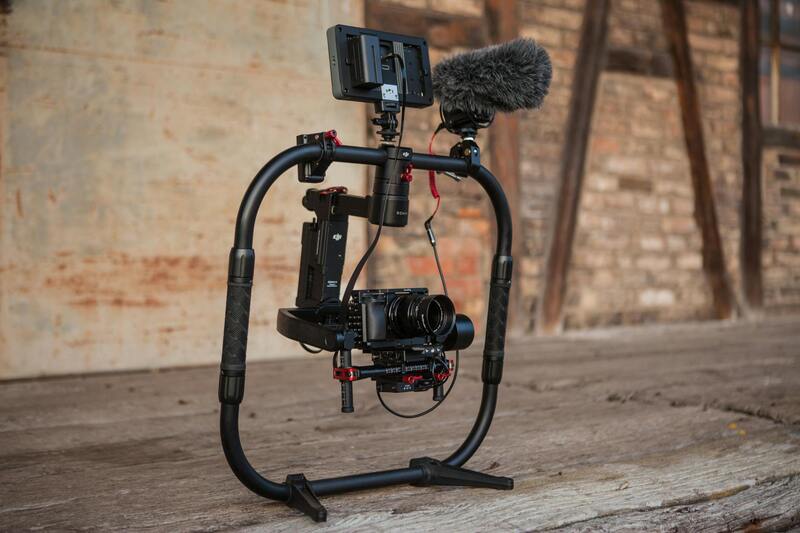
Optimal equipment selection plays a fundamental role in producing striking real estate images. High-quality cameras with full-frame sensors and fast lenses are preferred for their ability to capture detail and perform well in varied lighting conditions. Additionally, wide-angle lenses enable expansive shots of interiors, making spaces seem larger and more inviting.
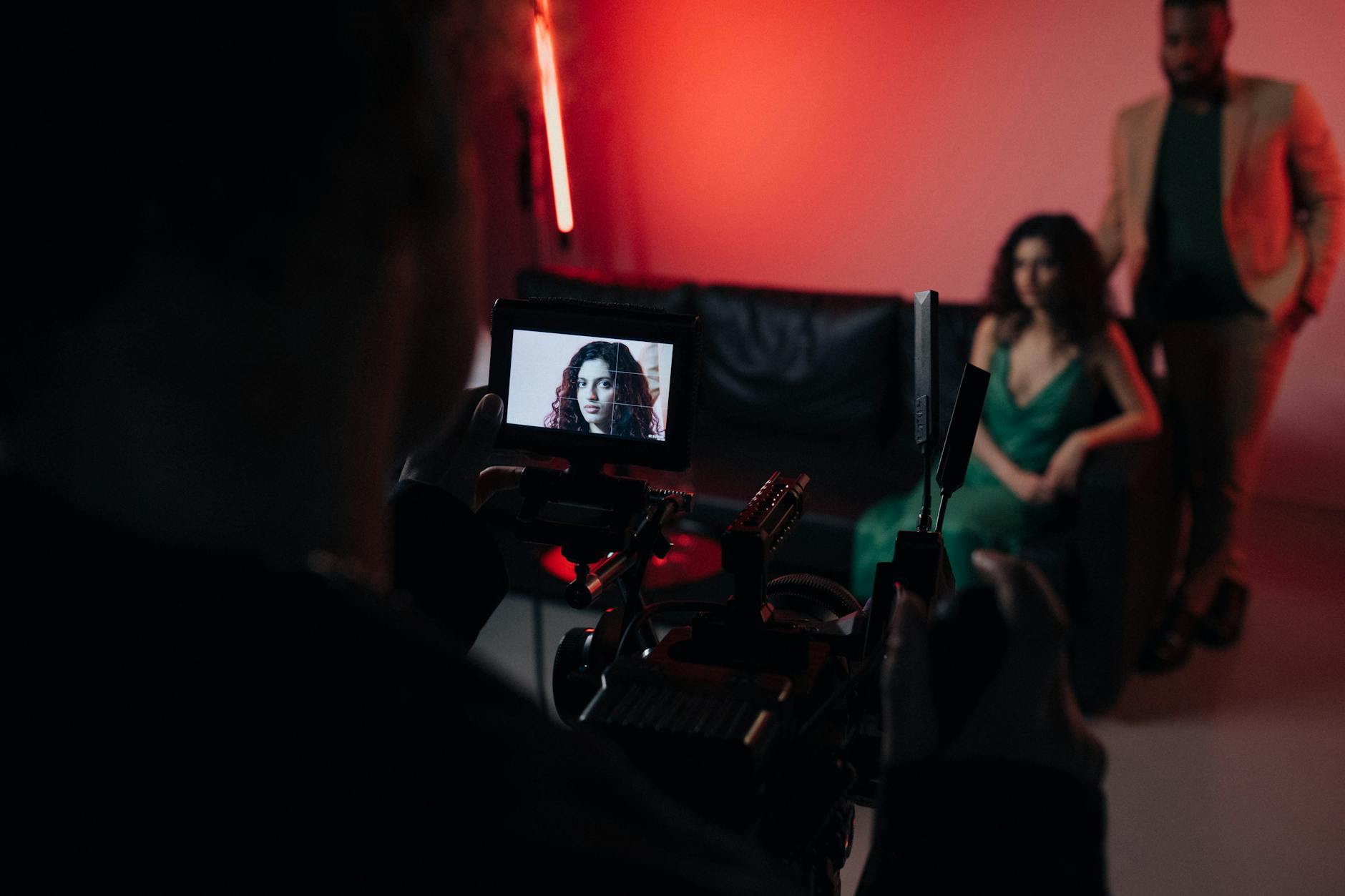
Drone devices are increasingly integral for showcasing exterior features, acreage, and surrounding neighborhoods from an aerial perspective. When integrating drone images, ensuring the equipment meets safety standards and adheres to local regulations is critical to producing high-quality, compliant visuals.
Best Practices for Shooting Real Estate Photos in Miami
Miami’s vibrant and diverse architecture requires adaptive shooting techniques. To maximize property appeal:
- Plan shoots during favorable weather conditions to ensure bright, clear skies and optimal natural light.
- Declutter interiors and tidy outdoor spaces prior to shooting to create a clean and inviting environment.
- Use wide-angle lenses to emphasize spaciousness, avoiding distortion that can misrepresent the property’s true dimensions.
- Incorporate stylistic elements, such as accent lighting or decorative accessories, to add character without overwhelming the space.
- Capture multiple shots from different angles, including overhead and perspective views, to provide comprehensive coverage.
Consistency in style, lighting, and framing across all images enhances professionalism, making listings more attractive to potential buyers and elevating market competitiveness.
Utilizing Lighting Techniques to Enhance Property Features
Effective lighting is a cornerstone of high-quality real estate photography, especially in vibrant markets like Miami, where architectural styles and interior designs vary significantly. Proper use of natural and artificial light can dramatically improve the visual appeal of a property, highlighting key features and creating a welcoming atmosphere.
For exterior shots, shooting during the golden hour—shortly after sunrise or before sunset—is ideal. This timeframe offers soft, warm natural lighting that enhances the property's exterior details and surrounding landscaping. Overcast days are also suitable as diffuse light minimizes harsh shadows and evenly illuminates the scene.
Interior photography benefits greatly from multiple lighting sources. Maximize natural light by opening curtains and blinds, and shoot during daylight hours to ensure rooms appear bright and inviting. Supplement ambient light with strategically placed artificial lights such as softbox lights or LED panels to fill shadows and accentuate architectural details.
High Dynamic Range (HDR) imaging is particularly useful in capturing scenes with contrasting light levels, such as bright windows and shadowed interiors. This technique combines multiple exposures to produce images with balanced light and rich detail throughout.

Incorporating Curb Appeal in Exterior Shots
Curb appeal plays a vital role in attracting initial interest and encouraging viewers to explore interior features further. Capturing the property from various angles that showcase its best exterior aspects—such as landscaped gardens, unique architectural elements, and outdoor living spaces—is essential.
Wide-angle lenses allow photographers to encompass the full scope of the home's facade, but care must be taken to prevent distortion. Shooting from the right vantage point ensures proportions remain true to life, providing an honest representation that builds trust with potential buyers.
Including aerial shots via drone photography offers a comprehensive view of the property’s size, layout, and surrounding neighborhood. Aerial images are particularly impactful in Miami, where large estates and scenic landscapes are common. When deploying drones, adherence to safety protocols and regulatory standards is crucial to produce high-quality images that reflect the property’s true exterior attributes.
Adding lifestyle elements, like inviting outdoor patios, pools, or lush landscaping, helps potential buyers envision the property as their future home. This immersive approach enhances emotional appeal, making the listing stand out.

Enhancing Authenticity and Visual Appeal Through Proper Image Presentation
In the competitive Miami real estate market, the way property images are presented can significantly influence potential buyers' perceptions. Post-processing and editing are instrumental in refining real estate photos to accurately convey the property’s best features while maintaining a natural appearance. It's essential to employ editing techniques that enhance lighting, correct color balance, and eliminate minor imperfections without overdoing it, which can lead to unrealistic depictions that may erode trust.
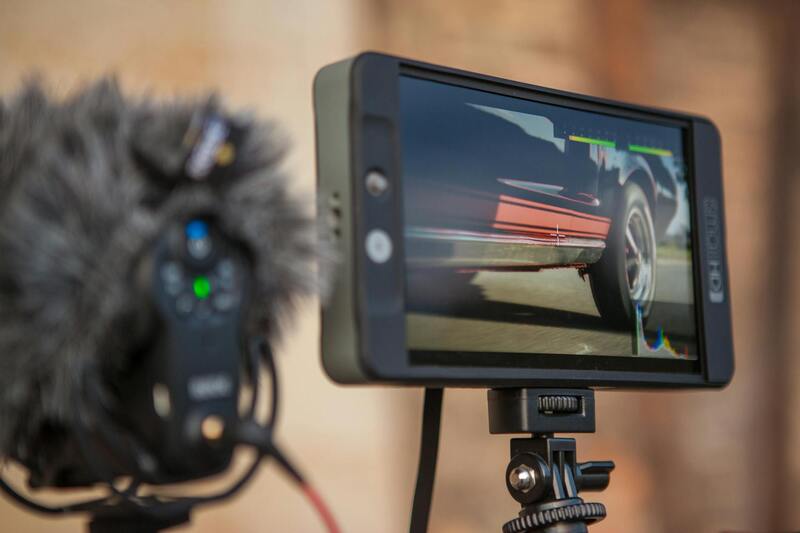
Proper editing begins with color correction to ensure that the photos faithfully represent the actual hues of interior and exterior elements, from wall colors to landscaping. Brightening interior shots can bring warmth and make spaces feel inviting, while maintaining accurate contrast reveals details in shadows and highlights. For outdoor images, adjusting the saturation and vibrancy can emphasize lush greenery, sparkling pools, or scenic views that are characteristic of Miami properties.
Another critical aspect is perspective correction, especially for wide-angle shots that may introduce distortion. Correcting these distortions preserves true proportions, giving prospective buyers a realistic sense of space and layout. Retouching minor imperfections, such as stray objects, blemishes, or uneven lighting, helps create a polished appearance without compromising authenticity.
Advanced editing might include the subtle use of HDR techniques to balance exposure across multiple zones, especially when dealing with complex lighting conditions typical of Miami’s sunny climates. These enhancements can make a home look more appealing while avoiding the risk of oversaturation or false advertising.
- Careful color balancing to match current lighting conditions
- Perspective correction to maintain accuracy of spatial relationships
- Retouching to remove distractions or imperfections
- HDR processing for even exposure in challenging lighting conditions
Effective editing complements the original shot, ensuring the images are compelling yet honest. High-quality visuals not only captivate viewers but also establish credibility and professionalism that align with the expectations of serious buyers in Miami’s diverse real estate market.

Ultimately, well-edited images serve as a powerful tool to showcase property features in their best light, capturing the attention of prospective buyers and encouraging engagement across marketing platforms. Properly processed photos also help real estate agents build a trusted reputation by providing clear, attractive visuals that reflect the true character of each property.
Post-Processing and Editing of Real Estate Photos
Meticulous post-processing is essential to elevate real estate images from quality snapshots to compelling visual storytelling tools. The primary goal of editing is to enhance the property's strengths while maintaining a truthful representation. This process involves several techniques tailored to highlight the property's best features and adapt to various lighting and environmental conditions specific to Miami’s vibrant real estate scene.
One of the most critical aspects of editing is color correction. Miami properties often benefit from natural sunlight, which can cause images to appear overly warm or cool. Correcting these color imbalances ensures that the photos accurately reflect the true hues of walls, furnishings, and outdoor landscapes. Proper color balancing helps create consistent and visually appealing images, making homes more inviting and conveying an authentic sense of space.
Perspective correction plays a vital role in maintaining the image's spatial fidelity. Sometimes, wide-angle lenses or camera tilt can distort lines, making walls appear skewed or rooms seem elongated unnaturally. Correcting these distortions ensures the viewer perceives the space accurately, fostering trust and confidence in the listing.
Retouching minor imperfections is another important step. This includes removing distracting elements such as clutter, stray objects, or minor blemishes that could diminish the appeal of the property. Subtle adjustments to lighting or shadows can also enhance depth, making rooms look more inviting without misleading viewers about the true condition or layout.
High Dynamic Range (HDR) processing is frequently employed to balance exposure across multiple images, especially in rooms with challenging lighting contrasts. HDR techniques combine several shots taken at different exposures, resulting in an image that accurately showcases bright outdoor views and interior details simultaneously. This process is particularly advantageous in Miami, where sunlight is abundant, and windows often cause high-contrast scenes.
Effective editing pairs seamlessly with the captured images to emphasize the property's most attractive features. The aim is to produce visuals that are both eye-catching and truthful, cultivating a sense of professionalism and credibility. When high-quality photos effectively communicate the property's unique appeal, they significantly increase engagement and accelerate the sales process. Well-edited images serve as a key component of a comprehensive marketing approach, resonating with prospective buyers and reinforcing the property's desirability.
Sample before and after editing images reveal the transformation, demonstrating how subtle enhancements can elevate property visuals without compromising authenticity. These adjustments contribute to building trust with prospective clients and creating a compelling narrative that captures the essence of each property, whether it's a luxury Miami condo or a family home in one of the city's vibrant neighborhoods.
Importance of High-Quality Real Estate Photos
In the competitive Miami real estate market, the visual presentation of a property can significantly influence buyer interest and engagement. High-quality real estate photos serve as a digital first impression, capturing the essence and appeal of a property in a manner that words alone cannot. These images not only attract potential buyers but also establish credibility and professionalism for real estate agents and marketers. Effective visual storytelling through compelling photos can highlight the unique features and character of a property, making it stand out amidst numerous listings.
Moreover, in an era where most property searches initiate online, the quality of visuals directly affects click-through rates and the duration visitors spend viewing a listing. Well-crafted photographs inspire confidence, helping prospective buyers envision themselves living in the space. They are also essential for various marketing channels, including social media, virtual tours, online listing platforms, and email campaigns. By investing in high-quality real estate photos, agents and sellers enhance the overall marketing strategy, leading to quicker sales and potentially higher offers.
Key Elements of Effective Real Estate Photography
- Lighting: Natural light is preferred, as it creates an inviting atmosphere and accurately depicts the space. Utilizing additional lighting equipment can help illuminate darker areas and eliminate shadows.
- Composition: Framing each shot to showcase the room’s best features, using clean lines and avoiding clutter, is essential. Wide-angle lenses help capture more of the space, giving a sense of scale and openness.
- Proper Angles: Shooting from eye level and at optimal angles ensures accurate representation of the property's dimensions. Overhead shots and corner angles can add depth and interest.
- Consistency: Maintaining a uniform style across all photos adds professionalism and makes listings more cohesive.
- Post-Processing: Editing to enhance brightness, contrast, and color accuracy ensures the images look appealing without misrepresenting the property.
Professional vs. Amateur Photography in Real Estate
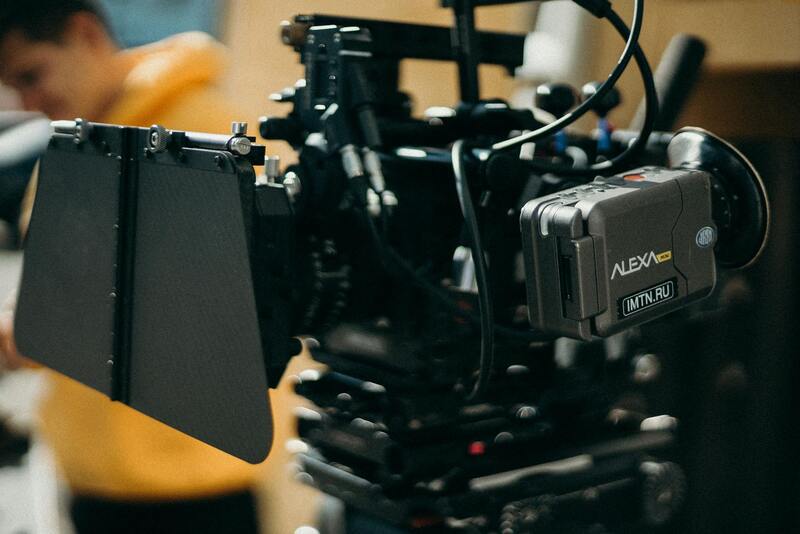
While amateur photography may seem like an accessible option, it often falls short in capturing the property's true potential. Professional real estate photographers possess the skills and equipment necessary to produce images that accurately reflect the space’s ambiance and features. They understand the importance of lighting, perspective, and composition, delivering visuals that are compelling and consistent.
Amateur photos tend to lack proper lighting, often resulting in dark or overexposed images that fail to showcase the property effectively. They may also be poorly composed, resulting in unbalanced visuals that can mislead or detract from the property's appeal. Conversely, professional images generate greater interest, attract more inquiries, and contribute to higher perceived value—an essential factor in Miami’s competitive real estate landscape.

Choosing the Right Equipment for Real Estate Photos
Effective real estate photography relies heavily on the right equipment, which allows capturing sharp, detailed images that represent the property accurately. Essential tools include:
- Wide-Angle Lenses: Vital for showcasing spacious interiors and capturing entire rooms in a single shot, making spaces appear larger and more inviting.
- Tripods: Provide stability, especially in low-light conditions, ensuring sharp images and consistent framing.
- HDR Cameras and Software: Enable balancing exposure across different areas, producing images that reflect reality, even in spaces with contrasting lighting conditions.
- Drones: Offer aerial perspectives of larger properties and their surroundings, adding depth to marketing visuals.
- Lighting Equipment: Portable lights or reflectors can fill in shadows and enhance natural light where needed.

Best Practices for Shooting Real Estate Photos in Miami
Miami’s vibrant lifestyle, architectural variety, and abundant sunlight provide excellent opportunities for captivating real estate photography. To maximize this potential, professionals follow certain best practices:
- Timing: Early mornings and late afternoons offer softer lighting, reducing harsh shadows and highlighting natural features.
- Preparation: Decluttering the space and opening curtains allow natural light to fill rooms brightly, emphasizing the property’s best attributes.
- Utilizing Natural Light: Take advantage of the plentiful sunlight by shooting during daytime hours and ensuring windows are clean to maximize light influx.
- Showcasing Views: In Miami, outdoor scenery such as beaches, cityscapes, or lush landscapes can be focal points—capture these from strategic angles.
- Post-Processing: Follow up with editing to correct color, remove minor imperfections, and ensure images match the property's real-world aesthetics.

Strategies for Maximizing the Impact of Real Estate Photos in Marketing Campaigns
Effective integration of high-quality real estate photography is essential for enhancing a property’s appeal across various marketing platforms. When applied correctly, these images can significantly influence buyer perception and engagement, ultimately accelerating the sales process. To capitalize on the visual power of real estate photos, professionals should adopt a strategic approach that aligns with modern marketing trends and consumer expectations.
Leveraging Multiple Digital Platforms
Utilizing a comprehensive digital strategy ensures that each property reaches its target audience effectively. This includes optimized listings on real estate websites, social media advertisements, email campaigns, and virtual tours. High-resolution images should be consistent across all channels, maintaining professionalism and clarity to reinforce the property’s best features.
Enhancing Listings with Descriptive Content
Complement the visual appeal with compelling descriptions that highlight key aspects showcased in the photos. Strategic use of keywords related to Miami’s real estate market — such as luxury waterfront, contemporary architecture, or proximity to local attractions — can improve search engine rankings and attract specific buyer demographics.
Creating Virtual Showcases and 3D Tours
Combining professional real estate photos with immersive virtual tours offers potential buyers a comprehensive experience. High-quality visuals enable virtual viewers to explore properties in detail, fostering a deeper emotional connection and reducing the need for early physical visits. This approach is especially effective in a competitive market like Miami, where out-of-town buyers are common.
Implementing Targeted Advertising Campaigns
Utilize targeted advertising options on social media platforms and search engines to reach specific audiences based on geographic, demographic, and behavioral data. Campaigns featuring stunning property visuals often see higher click-through rates, generating more qualified leads and enhancing overall marketing efficiency.

Consistent branding across all visual content reinforces recognition and builds trust with prospective clients. Integrating professional photos into ongoing marketing efforts ensures that each listing stands out, captures attention, and effectively communicates the property’s unique value proposition.
Measuring and Refining Visual Marketing Strategies
Regular analysis of campaign performance metrics—such as engagement rates, click-throughs, and lead conversions—helps identify the most effective visual elements. Gathering feedback from potential clients and real estate agents can further refine image presentation, ensuring continual improvement and alignment with market demands.
Final Considerations for Real Estate Business Photos in Miami
Securing top-tier real estate photos is an essential step in crafting a compelling property showcase that captures the essence and unique appeal of each listing. When thoughtfully executed, high-quality images serve as a persuasive visual narrative, inviting prospective buyers to envision themselves within the space. This level of presentation demands a deliberate approach, focusing on strategic staging, optimal lighting, and attention to detail that accentuates the property's best features.

Strategic Consistency and Branding
Incorporating consistent branding elements—such as a uniform style, color palette, and watermarking—across all property images reinforces brand recognition and trustworthiness. A cohesive visual identity demonstrates professionalism and attention to detail, making a memorable impression on prospective clients and peers within the real estate industry.
Leveraging Photography to Highlight Property Features
- Focus on the main living areas, capturing spaciousness and natural light that emphasize openness and comfort.
- Showcase unique architectural details or upgrades to distinguish each property in a competitive market.
- Include exterior shots that highlight curb appeal, landscaping, and outdoor amenities, especially in Miami's vibrant outdoor lifestyle.
- Utilize drone photography to provide aerial views, offering prospective buyers a comprehensive perspective of larger properties or expansive estates.
Integrating Professional Photos into Digital Marketing
Efficient integration of high-quality property images across various marketing platforms significantly enhances engagement and lead generation. Strategic placement on websites, social media, and listing portals maximizes visibility and attracts targeted audiences.
- Ensure images are optimized for fast loading times without compromising resolution, maintaining professionalism and accessibility.
- Use captions and descriptions that narrate the story of the property, guiding viewers through each photograph with context and emphasis on key features.
- Incorporate a mix of wide-angle shots for spatial context and close-ups to highlight craftsmanship and finishes, creating a balanced visual story.
Maintaining high standards for real estate photos not only enhances the perceived value of the property but also builds credibility with clients. In Miami's dynamic market, where competition is fierce and visual impressions are paramount, diligent investment in professional photography pays dividends by elevating listings and accelerating sales.