
Importance of Professional Photos for Real Estate Agents
In the highly competitive real estate market, the visual presentation of agents plays a crucial role in shaping client perceptions and establishing credibility. High-quality, professionally taken photos serve as a vital component of an effective marketing strategy, elevating an agent’s brand and attracting potential clients. These images not only showcase the individual’s professionalism but also foster trust and confidence among prospective buyers and sellers.
Investing in professional photos enhances the overall appeal of an agent’s profile, whether on websites, social media, or printed materials. Clear, crisp visuals help agents stand out amid a sea of listings, emphasizing their approachability and expertise. When potential clients browse online listings, images are often the first impression—making it imperative that these photos convey competence, reliability, and professionalism.
Furthermore, a well-produced photoshoot communicates attention to detail and a commitment to quality, which can translate into increased client engagement and higher conversion rates. In an environment where first impressions are created in seconds, the importance of professional photography cannot be overstated. It acts not just as a marketing tool but as a strategic investment in establishing long-term trust and authority within the real estate community.
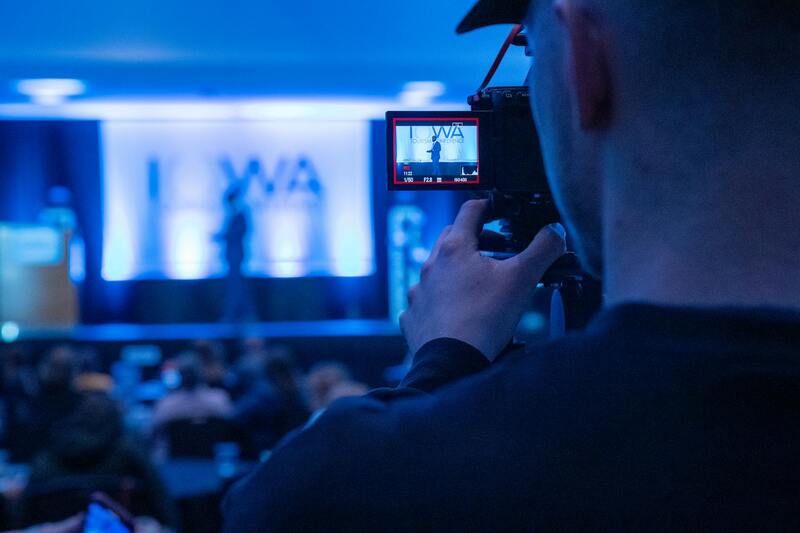
From enhancing online listings to creating compelling promotional materials, professional photos fundamentally influence how an agent is perceived. Those who understand the significance and make use of expert services often experience increased visibility, broader reach, and ultimately, greater success in closing deals. In today’s digital-first environment, high-quality visuals are a non-negotiable aspect of effective real estate branding and client engagement strategies.
Choosing the Right Location and Background
Optimizing the setting for your real estate agent photoshoot plays a vital role in creating compelling visuals that resonate with potential clients. The background should reinforce professionalism, approachability, and trustworthiness while aligning with your brand identity. Select locations that are well-maintained, free of clutter, and have sufficient natural light to enhance the overall quality of the photograph.
Indoor spaces such as modern office environments, professionally styled workspaces, or clean, minimalistic environments can help project a polished and confident image. When shooting outdoors, consider backgrounds that feature appealing yet non-distracting elements like landscaped areas, cityscapes, or architectural features that complement your attire and desired brand image.
Careful consideration should be given to color schemes in the background; neutral tones often work best to keep the focus on the agent while adding a sense of calm and professionalism. Avoid overly busy or distracting settings that might divert attention away from the subject. In some cases, incorporating subtle branding elements, such as a logo or branded signage within the shot, can reinforce brand identity without overwhelming the viewer.
Lighting Techniques for Flattering Agency Portraits
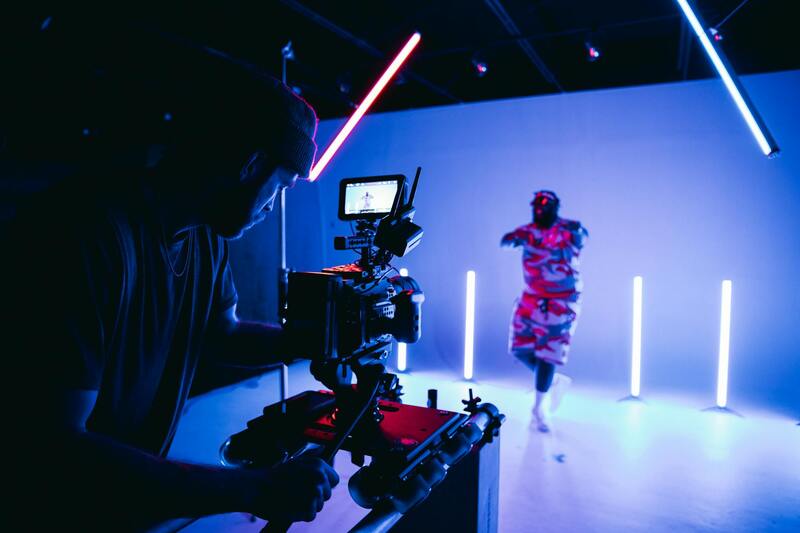
Lighting is the cornerstone of high-quality real estate agent photography, directly influencing the tone, clarity, and appeal of the images. Utilizing natural light is often the most flattering, as it softens features and produces authentic skin tones. Optimal times for shooting outdoors are during the early morning or late afternoon when sunlight is warmer and less harsh.
For indoor shoots, well-placed softboxes or ring lights diffuse light evenly across the face, reducing shadows and highlighting the agent’s features softly yet distinctly. Avoid direct overhead lighting, which can create undesirable shadows, and instead, position lights at eye level or slightly above to mimic natural illumination.
Fill lighting can be used to eliminate shadows caused by ambient sources, ensuring a balanced, professional appearance. Reflectors also serve as an effective tool for bouncing light onto the face, creating a natural glow and enhancing details.
Color temperature is another crucial factor; maintaining consistent warmth in the lighting setup ensures skin tones look natural and appealing. Should any color correction be necessary, post-processing can fine-tune warmth and brightness levels to achieve the desired result.
Selecting Appropriate Settings and Backgrounds for Your Photoshoot
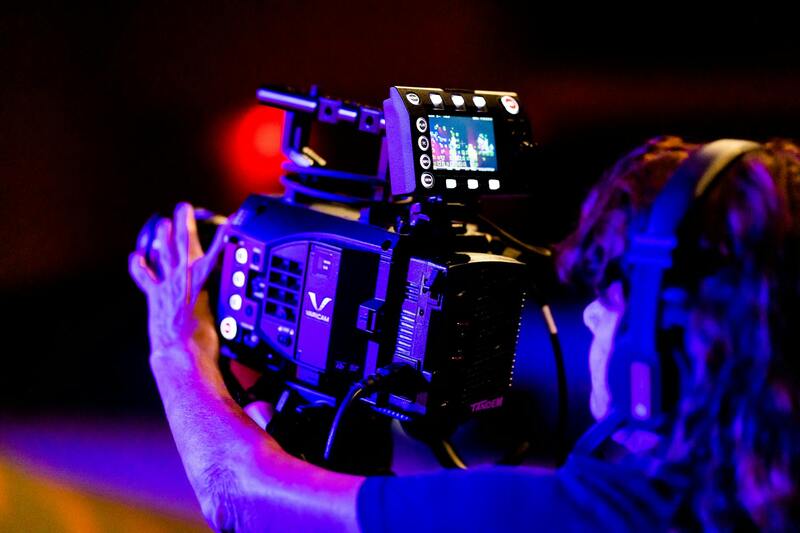
Choosing the ideal backdrop for a real estate agent photoshoot is fundamental in presenting a polished and credible image. The background should complement the subject while reinforcing a sense of professionalism and approachability. Clean, uncluttered environments are preferable to avoid visual distractions that may divert attention from the agent. Opting for neutral tones, such as light gray, beige, or soft blues, can enhance the subject’s appearance and ensure they remain the focal point.
When selecting a location, consider both indoor and outdoor settings. Indoor environments like modern office spaces, well-organized conference rooms, or a tastefully decorated reception area can convey competence and trustworthiness. These settings are also controllable, allowing for consistent lighting and background conditions.
Outdoor options might include well-maintained gardens or urban landscapes with minimal traffic or crowds. Natural backgrounds provide a sense of openness and vitality, which can resonate positively with prospective clients. It is crucial, however, to choose times of day when natural light is soft and warm—early mornings or late afternoons—thus avoiding harsh shadows and blown highlights.
In addition to functional considerations, backgrounds should align with your brand identity. For agents specializing in luxury properties may opt for upscale, sophisticated settings, while those focusing on first-time buyers might select inviting community settings. The core goal is to create a visual story that aligns with your professional image and the expectations of your target market.

In designing the shoot, think about the overall aesthetic and how each background element will appear in photos. Avoid cluttered spaces and overly busy backgrounds that detract from the primary focus—the agent. Consistency across images, especially when multiple photos are used in online listings or promotional material, helps strengthen brand recognition and trust.
By carefully selecting environments that reflect your professionalism and appeal to the demographic you serve, you create an inviting and credible visual presence that resonates with potential clients. Remember, each detail, from the background to the lighting, works together to craft images that reinforce your reputation and attract engagement.
Opting for Certified Photography Services
When seeking high-quality images for your real estate portfolio, it is essential to engage reputable photography providers who specialize in professional real estate photography. Certified photography services bring a combination of advanced technical skills, industry knowledge, and access to specialized equipment that ensures every shot captures your strengths vividly. These professionals often have extensive experience working with real estate agents and understand how to highlight property features as well as the agent’s personable presence.
Collaborating with certified photographers ensures consistency in style and quality across your images. Their familiarity with current visual trends in real estate marketing allows them to craft photos that stand out in competitive online platforms. Moreover, vetted photography providers adhere to industry standards and best practices that optimize images for various digital formats, including MLS listings, social media posts, and promotional websites.
Before choosing a photography service, consider reviewing their portfolio to assess their style and previous work in real estate photography. It is beneficial to select providers who understand the nuances of agent presentation, including wardrobe choices, angles that flatter facial features, and backgrounds that complement your professional branding.
Furthermore, professional real estate photographer certifications often include specific training in lighting, composition, and editing tailored to real estate imaging. Ensuring your photographer has such credentials can significantly influence the final outcome, providing images that portray you confidently and professionally.
Engaging certified professionals also means benefiting from advanced post-production techniques that enhance image clarity, correct color balance, and subtly retouch facial features when appropriate. This meticulous attention to detail ensures your images look polished without appearing overly edited, maintaining authenticity and trustworthiness, which are vital in real estate marketing.
Investing in official and reputable photography services not only elevates your visual presence but also promotes a cohesive and professional brand image. Consistent, high-quality imagery reinforces your reputation and helps you stand out in a crowded marketplace where first impressions are formed primarily through visual cues.
Investing in Quality Equipment and Styling for Outstanding Results
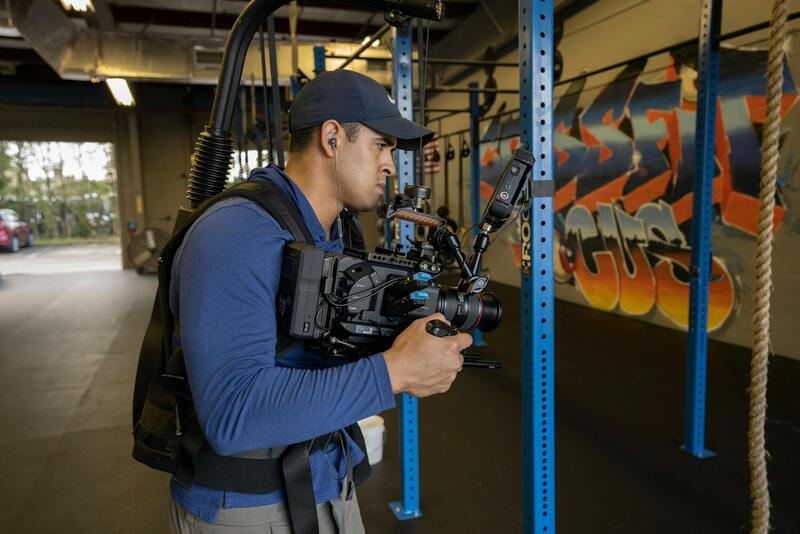
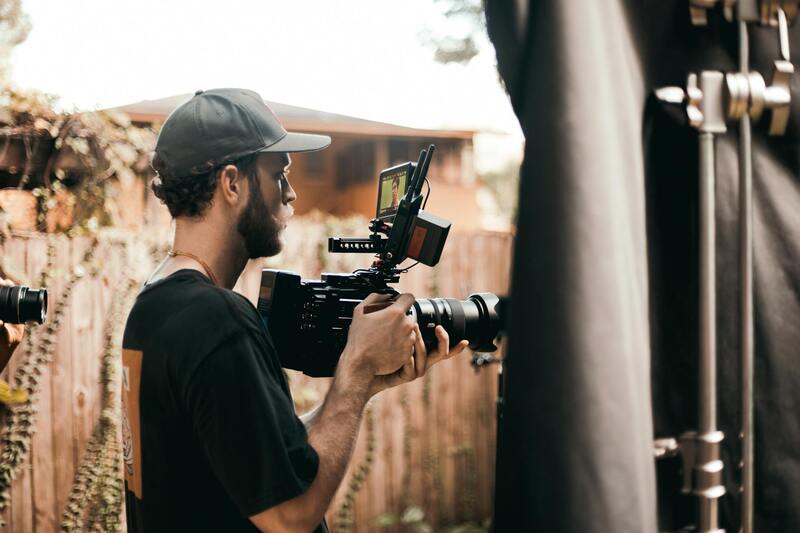
In a professional real estate agent photoshoot, the choice of equipment and styling is fundamental to achieving high-quality images that stand out in a competitive market. State-of-the-art camera gear with high-resolution sensors ensures sharp, vibrant photos capable of capturing every detail of a property and the agent’s professional presence. Utilizing professional-grade lenses optimized for portraiture and architectural shots allows for precise focus, accurate color reproduction, and depth of field control, adding visual interest and clarity to each image.
Props and styling elements play a crucial role in creating engaging visual narratives. For interior shots, integrating accessories like tasteful artwork, decorative pillows, and modern furniture can enhance space perception and showcase the property’s best features. When photographing an agent, selecting attire that aligns with the brand and complements the shoot’s aesthetic promotes a cohesive look. Incorporating subtle props such as branded signage or elegant accessories can also fortify personal branding and evoke professionalism.
Lighting equipment, including external flashes and reflectors, ensures control over natural and artificial light sources. Proper use of fill lights and reflectors minimizes shadows and balances exposure, resulting in flattering images that accurately represent the environment. Stylists may also consider background enhancements or minor set modifications to eliminate distractions and highlight key features, making the photographs more appealing and engaging.
Achieving consistency in equipment and styling across multiple shoots reinforces brand recognition and visual harmony, which are vital for building trust among clients. Well-executed styling and the right technological tools combine to produce images that reflect the agent's professionalism and convey the unique qualities of each property, ultimately supporting effective marketing strategies.
Posing and Composition Strategies
Effective posing and thoughtful composition are essential components in capturing a compelling real estate agent portrait. The goal is to showcase confidence, approachability, and professionalism through subtle yet impactful body language and framing techniques. When guiding subjects during the photoshoot, emphasize the importance of maintaining good posture; a straight back and relaxed shoulders project confidence and trustworthiness.
Encourage natural, genuine expressions that exude friendliness and openness, such as a warm smile or engaging eye contact. Avoid stiff or exaggerated poses, favoring instead relaxed stances where the subject appears comfortable and approachable. The positioning of hands and arms also influences the overall impression; resting hands naturally at the sides or gently clasped can convey confidence without appearing rigid.
Composition plays a critical role in creating a balanced, professional image. Use the rule of thirds to position the subject within the frame, ensuring key facial features are aligned along the gridlines for visual harmony. Vary angles to discover the most flattering perspective, often a slight turn at a 45-degree angle from the camera enhances depth and dimension.
Incorporate environment elements purposefully—such as a neatly organized office space or a welcoming reception area—without cluttering the frame. Ensure the background complements the subject and maintains focus on their face. Lighting should be positioned to highlight facial features softly, avoiding harsh shadows or overexposure that can distract viewers. Employing a shallow depth of field helps to keep the agent in sharp focus while gently blurring the background, drawing attention directly to their expression and professionalism.
Post-Production and Editing Tips
Post-processing is vital in refining photographs to present a polished, professional appearance. The editing process should enhance natural features and correct minor flaws without over-processing, which can diminish authenticity. Focus on adjusting brightness and contrast to ensure clarity and vibrancy, making the images more striking and engaging.
Skin retouching should be subtle—aiming to even skin tone and remove temporary blemishes—while preserving authentic textures that reflect the subject's true appearance. Correcting color balance is crucial to ensure the image accurately represents how the agent will appear in person, which builds trust with viewers.
Sharpening images slightly can enhance details in the eyes and clothing, reinforcing focus on the subject. Additionally, ensure that backgrounds are neat and free of distractions; minor blemish removal or background cleanup can elevate image quality. It's also beneficial to maintain consistency across a portfolio by applying a uniform color grading style, which helps in creating a cohesive visual identity for the agent’s branding.
Finally, optimize the images for various marketing platforms by resizing and compressing without sacrificing quality. High-resolution images are ideal for print or large displays, while appropriately compressed versions ensure quick loading on websites and social media. Proper editing not only highlights the agent’s professionalism but also amplifies the appeal of the property and overall brand.
Posing and Composition Strategies
Effective posing and composition are fundamental elements in capturing professional real estate agent photos that convey confidence and approachability. When directing an agent during a photoshoot, encourage natural, relaxed postures that reflect professionalism while avoiding stiff or overly forced positions. Slight adjustments in stance—such as angling the body to create a more dynamic silhouette—can significantly enhance visual appeal. The goal is to portray the agent as trustworthy and friendly, fostering a sense of connection with potential clients.
Composition techniques, including the rule of thirds, should be employed to create balanced and engaging images. Positioning the agent slightly off-center allows for more visually appealing shots and leaves space for branding elements or background features. Incorporating foreground and background elements thoughtfully can add depth and context to the photos, emphasizing locations or property features that the agent handles.
During the shoot, vary the angles and framing of photographs—close-ups, mid-shots, and full-body images—to provide a comprehensive visual portfolio. Close-ups focusing on the face can convey warmth and approachability, while full-body shots establish authority and presence. Consistency in framing and angle selection across the collection boosts cohesiveness, making the agent's brand more recognizable.
It’s essential to maintain eye contact with the camera to foster a personal connection with viewers. Engage the agent in conversation or provide clear directions to elicit genuine expressions and posture, resulting in authentic, relatable images. Using a shallow depth of field can also help isolate the agent from potentially distracting backgrounds, directing the viewer’s attention squarely on the subject.
This combination of strategic posing and thoughtful composition helps craft a compelling visual narrative that reinforces the agent’s professional image and builds client trust. Every element, from posture to framing, contributes to creating images that resonate with prospective clients and stand out in competitive markets.
Using Photos in Marketing and Real Estate Listings
High-quality photographs serve as a cornerstone of effective real estate marketing strategies, especially for agents aiming to establish a credible and appealing presence across multiple platforms. Properly curated images can significantly influence potential clients' first impressions, foster trust, and facilitate quicker engagement with listings. When integrating professional photos into various marketing channels, it is crucial to optimize each image for maximum impact and clarity, ensuring they highlight the agent’s professionalism and approachable demeanor.
Optimizing Images for Online Listings
To attract prospective buyers and sellers, agents should ensure that images posted on property listing websites are crisp, well-lit, and representative of the agent's personal brand. High-resolution images that accurately reflect the agent’s persona can elevate listings by providing a sense of authenticity and trustworthiness. Incorporating consistent branding elements, such as logos or signature color schemes, within the images enhances brand recognition and creates a unified visual identity across all listings.
Additionally, using a variety of shots—including wide angles to showcase the agent in the context of a luxurious or welcoming environment—can make listings more compelling. Proper cropping is essential to eliminate distractions and focus attention where it matters most. Incorporating relevant keywords in image descriptions and file names not only improves search visibility but also enhances the overall SEO of the online listing, making it easier for potential clients to find the agent’s offerings.
Leveraging Photos on Social Media
Social media platforms demand visually captivating content that resonates quickly with users. To optimize images for social media, agents should adapt their photos for specific platform requirements such as aspect ratios and resolutions. Engaging visuals that depict genuine interactions and approachable demeanor tend to generate better engagement and shareability. Using professional photos to showcase community involvement or client success stories adds social proof and builds credibility, which continues to strengthen the agent’s reputation in the local market.
Enhancing Branding Materials
Beyond online listings and social media, high-quality images should also be incorporated into branding collateral such as brochures, business cards, and presentation folders. Consistent use of professional photos in these materials reinforces the agent’s image as a polished, trustworthy professional, fostering confidence among potential clients. Incorporating these images in email marketing campaigns, newsletters, and press releases helps maintain a cohesive and professional aesthetic that aligns with the agent’s overall branding strategy.
Measuring Impact and Continuous Improvement
Finally, ongoing analysis of marketing campaigns is essential to understand which images resonate most with target audiences. Tracking metrics such as engagement rates, click-throughs, and leads generated from different channels provides insights into the effectiveness of visual content. Regularly updating photo assets based on these insights keeps marketing efforts fresh, relevant, and aligned with evolving brand goals and client preferences. This iterative approach ensures that professional agency images continue to serve as a powerful extension of the agent’s market presence and credibility.