
Role and Importance of a Real Estate Agent Photographer
In the competitive marketplace of real estate, the quality of property images can significantly influence a potential buyer’s decision-making process. A professional real estate agent photographer specializes in capturing the essence of a property in a way that appeals visually and emotionally to prospective buyers. High-quality images not only showcase the property’s best features but also create an engaging first impression that can attract more views and inquiries.
Effective real estate photography serves as a vital marketing tool, expanding the reach of property listings across various platforms. Well-composed and expertly lit photographs can make listings stand out amid numerous others, increasing the likelihood of viewings and quicker sales. In fact, listings with professional photos tend to garner higher traffic and receive offers faster than those with amateur images. The visual storytelling provided by a skilled photographer helps buyers envision living in the space, which can accelerate their purchasing decision and ultimately lead to a successful sale.
Choosing a competent photographer is an investment that reflects professionalism and enhances the overall perception of the property. For real estate agents, partnering with experienced photographers who understand the nuances of property presentation can make a significant difference in performance metrics such as showings, offers, and closing times.
Key Skills and Qualifications of a Real Estate Agent Photographer
Professional photographers specializing in real estate possess a unique blend of technical skills and aesthetic sensibilities. They are well-versed in various photography techniques to capture the spatial dynamics of homes, including the use of wide-angle lenses that expand the perception of space. Moreover, they have a keen eye for lighting, understanding how natural and artificial light can be optimized to highlight a property’s strengths.
Besides technical proficiency, a proficient real estate photographer should be knowledgeable about staging, composition, and the latest trends in real estate marketing. Certification or substantial experience in architectural and real estate photography often distinguishes top-tier professionals in the field. Additionally, familiarity with local real estate markets, such as Miami, can be advantageous in capturing images that resonate with regional tastes and trends.
Choosing the Right Photographer in Miami
Selecting an appropriate real estate photographer in Miami involves assessing their portfolio to ensure their style aligns with your marketing goals. It is important to consider their familiarity with the Miami real estate landscape, which can influence their ability to highlight features that attract local buyers. Additionally, reliable photographers offer timely delivery and flexible scheduling to match the tight timelines often associated with property listings.
Recommendations from other real estate professionals, online reviews, and direct consultations can help identify candidates who demonstrate professionalism and a consistent quality of work. Miami’s vibrant real estate market demands photographers who can adapt to various property types, from luxury condos to suburban family homes, ensuring each shot emphasizes unique selling points.
Key Skills and Qualifications of a Real Estate Agent Photographer
Professional real estate agent photographers in Miami possess a blend of technical expertise, artistic sensibility, and a comprehensive understanding of marketing principles tailored to the real estate sector. Mastery of high-end camera equipment, including DSLR or mirrorless cameras, wide-angle lenses, and advanced lighting tools, enables them to capture properties with clarity and depth. These tools are essential for creating images that showcase spaces accurately and appealingly, highlighting the property’s best features.
In addition to technical proficiency, an experienced photographer demonstrates strong composition skills, ensuring each shot emphasizes the property's key selling points while maintaining visual balance. Knowledge of natural light and artificial lighting techniques allows photographers to produce images that look vibrant and inviting, regardless of time of day or interior lighting conditions.
Familiarity with editing software, such as Adobe Photoshop or Lightroom, is crucial for post-processing images to enhance colors, correct minor imperfections, and achieve a polished look that meets high marketing standards. Photographers committed to quality invest time in meticulous editing, ensuring each photo aligns with the property’s branding and appeals to target audiences.
Beyond technical skills, a reputable real estate photographer in Miami often exhibits excellent communication abilities. They collaborate closely with agents and property owners to understand the unique features of each listing, ensuring these are effectively highlighted. Their capacity to adapt to different property types—from luxury condominiums to suburban homes—demonstrates versatility and a keen eye for detail.
Formal certifications or specialized training in architectural or real estate photography can further distinguish professionals. Such credentials verify the photographer’s competence and dedication to the craft, providing added confidence to real estate agents seeking to elevate their listings. Additionally, substantial experience working within the Miami real estate market enables photographers to understand regional architectural styles and buyer preferences, enabling them to capture images that resonate locally.
Effective Techniques for Showcasing Miami Properties
Achieving striking real estate images requires a combination of technical mastery and creative insight. Photographers aiming to highlight Miami properties often utilize specific techniques to maximize visual appeal. One such method involves employing wide-angle lenses to capture the full scope of interior spaces, giving viewers a sense of spaciousness and proportion. Properly balanced lighting, often achieved through natural light harnessing or supplemental flash, ensures that rooms appear bright and inviting without unintended shadows or overexposure.
Perspective and composition are pivotal. Photographers meticulously frame shots to emphasize key features such as panoramic ocean views, architectural details, or landscaped exteriors. Horizontal lines are corrected during post-processing to avoid distortion, maintaining the integrity of the property’s structure. Additionally, the use of drone photography has become increasingly popular, providing stunning aerial views that present the property within its neighborhood context, showcasing nearby amenities or natural landscapes.
Post-processing is an essential phase in real estate photography. Adjustments such as color correction, contrast enhancement, and sharpening can dramatically improve final images. Skilled editors ensure that photos accurately depict the property’s true colors and features, which helps set appropriate expectations and attracts serious inquiries. Virtual staging can be incorporated to showcase potential layouts or interior design ideas, especially for vacant homes, allowing prospective buyers to visualize living spaces more effectively.
In Miami’s competitive real estate market, attention to detail is critical. Photographers often specialize in capturing the unique architecture and vibrant lifestyle that define Miami homes. The use of HDR (High Dynamic Range) techniques allows for balanced exposures, highlighting both interior details and exterior views without sacrificing clarity. Employing different lighting scenarios, such as twilight shots, adds a dramatic ambiance that can make listings stand out during evening hours or in online thumbnails.
Ultimately, effective property photography in Miami involves a strategic blend of technical expertise, creative vision, and an understanding of market preferences. Photographers who stay updated on the latest industry tools and trends can deliver images that not only attract attention but also evoke an emotional response, motivating prospective buyers to take the next step. Whether through capturing sun-drenched patios, luxurious interiors, or vibrant street scenes, the goal remains consistent: to present each property in its best possible light and facilitate successful sales outcomes.
Types of Photography Services Offered
In Miami’s dynamic real estate market, a comprehensive approach to property photography is essential. Professional real estate agent photographers typically provide a suite of specialized services designed to showcase properties in their best light. These services include high-resolution interior and exterior photography that captures the property’s features with clarity and detail. Interior shots focus on highlighting spacious layouts, modern finishes, and unique design elements, often utilizing wide-angle lenses to maximize space perception. Exterior photography emphasizes curb appeal, landscaping, and architectural details, creating a compelling first impression.
Additionally, drone photography has become a staple in the industry, providing stunning aerial views that showcase property size, surrounding landscapes, and neighborhood amenities from a unique vantage point. Twilight shoots, conducted during the evening or at dusk, are also highly effective in capturing properties with inviting lighting and ambiance, especially those with impressive outdoor lighting features or scenic views. Virtual staging may be incorporated to demonstrate potential interior layouts, helping prospective buyers visualize living in the space even when the home is vacant.
Best Practices for Working with a Real Estate Photographer
Effective collaboration with a real estate agent photographer requires clear communication and understanding of goals. It begins with scheduling the shoot at optimal times, considering natural lighting conditions to produce vibrant, well-lit images. Providing access to all areas of the property, including outdoor spaces, basements, and rarely accessed rooms, ensures comprehensive coverage.
Preparation is crucial: decluttering spaces, staging key areas, and optimizing lighting can significantly elevate the quality of the photos. It's advisable to coordinate with the photographer beforehand to specify desired shots and any particular features that should be highlighted. During the shoot, maintaining an open dialogue allows adjustments to be made in real-time, ensuring the images align with marketing objectives.
Post-shoot, reviewing proofs and providing feedback can help refine the selection of images, ensuring the final set maximizes the property's appeal. Consistent branding, such as logo placement and color correction, can further enhance the professionalism of the listings.
Cost and Budget Considerations
The investment in professional real estate photography varies based on scope, property size, and additional services. Typically, Miami-based photographers offer packages ranging from basic interior and exterior shots to comprehensive listings that include drone footage and twilight photography. Pricing usually correlates with the level of detail and the number of images required. While there is an upfront cost, the enhanced visual appeal of a property listing often results in quicker sales and higher offers. It’s important for agents to balance quality with budget constraints, ensuring a return on investment that justifies the expenditure.
Impact of Professional Photography on Property Listings
High-quality images serve as the cornerstone of effective real estate marketing. They capture attention quickly in online listings, social media platforms, and digital advertisements. Listings with professional photography are statistically more likely to generate viewings and inquiries, as they accurately reflect the property’s appeal and encourage engagement.
The aesthetic quality of the photos influences buyers’ perceptions of a property’s value and desirability. Well-composed images that highlight the property's strengths help differentiate listings in a competitive Miami market. This visual clarity can reduce the time a property spends on the market and enhance the likelihood of receiving competitive offers.
Legal and Licensing Aspects
Using images obtained through professional photography necessitates an understanding of licensing rights. A legitimate photographer’s agreement typically grants the client usage rights for marketing and promotional purposes. It is essential to ensure that the images can be used across various platforms without infringing on intellectual property rights.
Furthermore, drone photography must comply with aviation regulations and privacy laws governing airspace and property rights. Proper authorization and adherence to local guidelines safeguard against legal complications. Maintaining transparent agreements regarding image rights and usage ensures a smooth promotional process and preserves professional standards.
Role and Importance of a Real Estate Agent Photographer
A dedicated real estate agent photographer plays a critical role in creating captivating visual content that elevates property listings. Their primary objective is to produce images that not only accurately reflect a property's interior and exterior but also evoke emotional responses from prospective buyers. High-quality visuals serve as the initial point of contact between the property and potential clients, often determining whether they choose to engage further. In Miami’s dynamic real estate market, where competitiveness is fierce, the contribution of a professional photographer can significantly influence the speed and success of property sales. Well-crafted images help to establish a strong first impression, emphasizing the property's unique features while masking any less appealing aspects. This visual storytelling assists agents in showcasing properties in their best light, fostering increased interest and higher engagement across digital platforms. Effective real estate photography also enhances brand credibility for agents and agencies. Consistent, professional imagery signals a commitment to quality and reliability, attracting discerning clients who value presentation and attention to detail. Additionally, high-caliber photographs are integral to creating compelling marketing materials, including online listings, virtual tours, and social media advertisements, which can lead to more inquiries and quicker sales cycles. Investing in top-tier visual content demonstrates a strategic approach to real estate marketing, leveraging the power of imagery to differentiate listings in a crowded marketplace. This approach not only attracts more viewers but also elevates the perceived value of the property, often translating into higher offers and better market positioning.
Key Skills and Qualifications of a Real Estate Agent Photographer
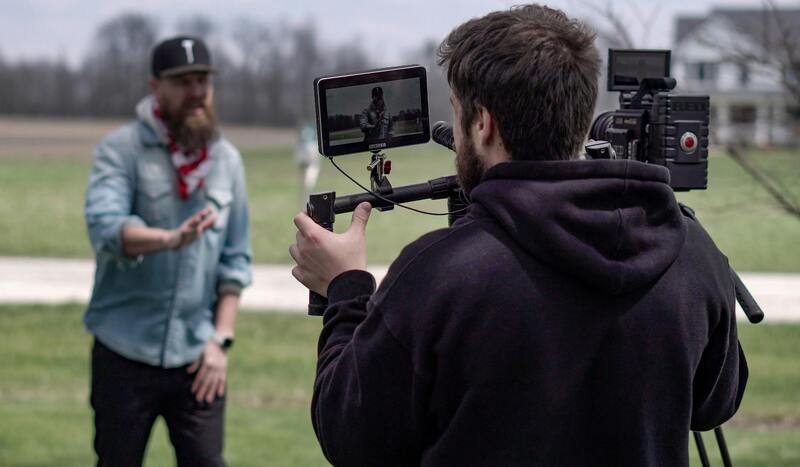
A proficient real estate agent photographer should possess a blend of technical expertise, artistic sensibility, and industry-specific knowledge. Technical skills include mastery in camera operation, lighting techniques, and image editing software to ensure each shot meets high standards of clarity and visual appeal. An understanding of architectural design and spatial dynamics allows photographers to frame properties effectively, highlighting their most attractive features while minimizing distortions or unflattering angles. Experience with interior and exterior photography ensures versatility across various property types and conditions. Additional qualifications often include certifications in drone operation for aerial shots, knowledge of current real estate marketing trends, and familiarity with digital platforms used for property promotion. Strong communication skills enable the photographer to collaborate closely with agents, understanding their vision and requirements. A commitment to ongoing learning and adaptation to technological advancements ensures that the photographer remains at the forefront of industry standards. This continuous professional development helps in delivering images that are not only visually stunning but also aligned with the marketing goals of each listing.
Choosing the Right Photographer in Miami
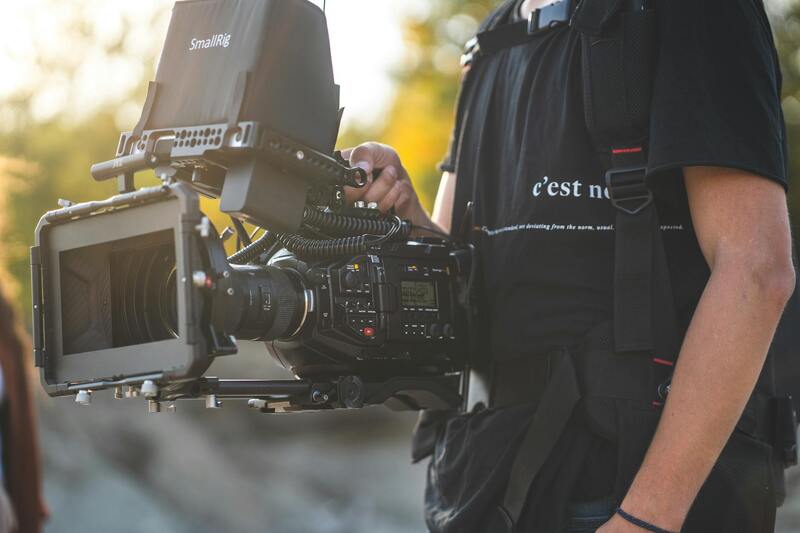
Selecting a suitable real estate photographer in Miami requires a strategic approach. Prospective clients should evaluate a photographer’s portfolio to assess style consistency, creativity, and technical proficiency. A diverse portfolio showcasing various property types—luxury homes, condos, commercial spaces—provides insight into their versatility and experience. Recommendations from industry colleagues and reviews from previous clients contribute to understanding the photographer’s reliability, professionalism, and ability to meet deadlines. It is advantageous to engage with photographers who have specific experience in the Miami area, as they are familiar with local lighting conditions, architectural styles, and market preferences. Clear communication during the initial consultation ensures alignment on expectations, shoot scope, and delivery timeline. Discussing pricing, licensing rights, and revision policies upfront helps prevent misunderstandings and fosters a transparent working relationship. Furthermore, evaluating the technical equipment used—such as high-resolution cameras, drone capabilities, and lighting gear—can be a key factor in guaranteeing top-notch results. Investing effort in finding a photographer whose style aligns with your branding strategy enhances the overall effectiveness of your property marketing endeavors.
Types of Photography Services Offered
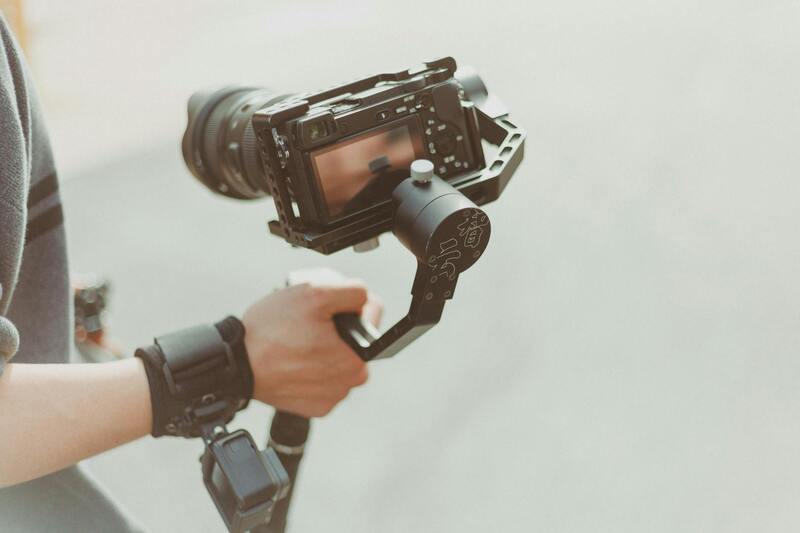
Real estate photographers in Miami offer a comprehensive range of services tailored to meet diverse marketing needs. These typically include high-resolution interior and exterior photography, which captures the property in the best light, highlighting architectural features, staging, and curb appeal.
- HDR (High Dynamic Range) Photography: Combines multiple exposures to produce balanced images that accurately reflect inside and outside lighting conditions.
- Drone Photography and Videography: Provides aerial perspectives that showcase property size, landscape, and surrounding amenities, often used for luxury listings and commercial properties.
- Virtual Tours and 360-Degree Imagery: Facilitates immersive experiences for remote buyers, enhancing online engagement and reducing in-person viewings.
- twilight and HDR imagery: Captures properties during different times of day and lighting conditions to add visual variety and appeal.
- Floor Plans and Renderings: Offers detailed visualizations that assist buyers in understanding property layouts more clearly.
Many professionals also provide post-processing enhancements to ensure images are crisp, vibrant, and convey the property’s best attributes effectively. Clients can select service packages based on their specific marketing strategy, budget, and property type, ensuring targeted and impactful visual content.
Legal and Licensing Aspects
When engaging a real estate agent photographer in Miami, it is essential to verify that they adhere to appropriate licensing requirements and have the necessary permissions to operate professionally. This ensures that the images produced are compliant with local regulations and that rights related to the use and distribution of imagery are properly secured. Property owners and agents should request documentation or proof of licensing to confirm the photographer's credentials. This not only affirms their legitimacy but also offers peace of mind that the services provided align with regional standards.
Additionally, photographers should possess all necessary permits to operate drone photography services, especially for aerial shots. In Miami, drone operators are required to follow regulations established by the Federal Aviation Administration (FAA) and local authorities, including registration and pilot certification. Ensuring these licenses are up to date helps prevent potential legal issues that could disrupt marketing efforts or result in fines.
Contracts and licensing agreements play a vital role in formalizing the scope of work, intellectual property rights, and usage rights for the images. A clear agreement specifies how the photographs can be used, whether for MLS listings, social media, or other marketing channels. It also clarifies ownership rights, ensuring that both parties understand and agree upon the rights to reproduce, modify, or transfer images after the shoot.
Engaging professionals who understand and comply with all relevant licensing and regulatory requirements ultimately enhances the integrity of your marketing campaign. It mitigates risks associated with intellectual property disputes or regulatory non-compliance and ensures that your property listings project a professional and trustworthy image. Always seek transparency regarding licensing and permissions during initial consultations to confirm that your marketing efforts are supported by legitimate and authorized imagery.
Cost and Budget Considerations
When planning to elevate property listings with professional imagery, understanding the cost structure associated with hiring a real estate agent photographer in Miami is crucial. Investment levels vary depending on the scope of services, the complexity of the property, and the type of photography selected. Most providers offer tiered packages, ranging from basic exterior shots to comprehensive packages that include interior, aerial, twilight, and 360-degree virtual tours.
Mid-range packages tend to focus on high-resolution images suitable for MLS listings, social media, and website showcases, often priced between $200 and $500 per property. For larger or more luxurious properties, costs may increase, especially if amenities, aerial drone footage, or cinematic videography are included. These premium services can range from $800 to $2000 or more per property, reflecting the additional effort and equipment required.
Budgeting for quality photography is an investment that can significantly impact marketing effectiveness. Properties with professional images typically sell faster and at higher prices, justifying the expense. It’s essential to consider not only the immediate costs but also the potential return on investment through quicker sales and increased visibility among potential buyers.
When evaluating photographers, request detailed quotes that itemize each service component to compare value appropriately. Transparent communication about what each package includes helps avoid unforeseen expenses. Additionally, some photographers offer subscription or bundle packages for agents managing multiple listings, providing cost efficiencies over time.
Legal and Licensing Aspects
Permissions and Rights to Use Visual Content
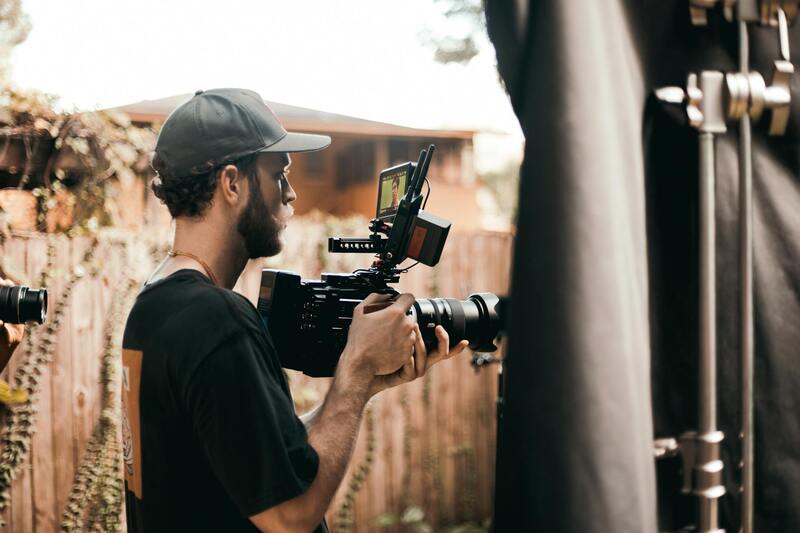
Professional real estate photography in Miami necessitates clear agreements regarding image usage rights. Photographers typically retain copyright, while clients receive a license to use the images for specific marketing purposes. It is crucial to establish these terms beforehand, specifying whether images can be used across multiple platforms, including MLS listings, social media, and promotional materials.
Having documented rights ensures that real estate agents can leverage the photographs fully without infringing on intellectual property laws. This clarity prevents potential disputes and guarantees that the images will serve as a valuable asset for the property’s marketing campaign.
Standards and Best Practices in Professional Photography
Adhering to established professional standards maintains consistency and quality in real estate imagery. Certified photographers follow guidelines that ensure accurate representations of properties, avoiding distortions or misleading visual techniques. Quality assurance protocols include proper lighting, composition, and post-processing that enhance the property's appeal without misrepresentation.
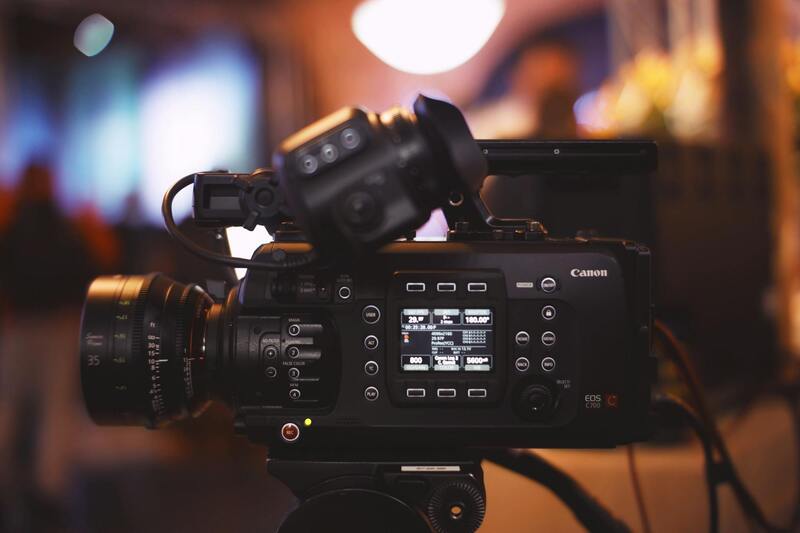
Furthermore, licenses or certifications in drone operation and virtual tour creation may be necessary, especially for aerial shots and immersive experiences. Professionals operating such equipment should possess relevant operational licenses and adhere to local regulations governing drone flights and privacy standards.
Compliance with Local Regulations and Industry Standards
Photography services in Miami must comply with local ordinances concerning aerial photography and privacy considerations. For instance, drone usage guidelines stipulate no-fly zones and altitude restrictions, which photographers should strictly observe. Additionally, respecting the privacy of neighbors and bystanders during shoots preserves goodwill and aligns with best industry practices.
Maintaining high standards in photography also involves staying updated on evolving regulations and technological advancements. This ongoing compliance ensures that real estate listings remain professional and legally sound, avoiding potential issues that could arise from non-conforming visual content.
Ultimately, investing in licensed and regulation-compliant photography services reinforces the credibility of real estate marketing efforts, builds trust with clients, and ensures the property’s visual presentation aligns with industry standards and local legal requirements.