
Introduction to Aerial Videography in Real Estate
In the highly competitive Miami real estate market, property presentation is crucial for attracting potential buyers and investors. Traditional photography provides valuable visuals, but the integration of aerial videography offers a transformative advantage by capturing comprehensive, dynamic views of properties and their surroundings. Utilizing advanced drone technology, real estate professionals can showcase large estates, commercial developments, and beachfront properties with stunning clarity and movement that static images cannot achieve. This approach not only highlights the property's key features but also accentuates its integration within the local environment, giving prospective clients a vivid sense of spatial relationships and property scale. Moreover, aerial videography enhances online property listings by providing engaging content that stands out amidst the multitude of digital listings. The ability to incorporate smooth, cinematic footage from various altitudes and angles elevates the visual appeal and provides a more immersive experience for viewers, ultimately leading to increased inquiries and quicker sales.
As Miami continues to grow as a hub for luxury developments and unique properties, the demand for innovative marketing tools like aerial videography becomes increasingly evident. When executed effectively, aerial footage acts as a powerful storytelling device, presenting properties within their broader surroundings—be it proximity to beaches, parks, or cityscapes. This comprehensive view helps buyers visualize living in the space and understand the property's true scale and aesthetic appeal. Furthermore, businesses specializing in real estate visual content leverage aerial videography to create compelling virtual tours that resonate with modern audiences, who increasingly favor digital engagement over traditional sales methods. The strategic use of high-resolution, stabilized aerial videos can differentiate listings, foster emotional connection, and accelerate transaction processes. As such, integrating aerial videography into marketing campaigns is now an essential component for successful property sales in Miami.
Key Features of Aerial Videography for Real Estate
Effective real estate aerial videography hinges on selecting the right technological tools and capturing footage that highlights the property's most appealing aspects. Modern drone technology offers a variety of options designed specifically for high-quality property marketing, enabling the creation of cinematic visuals that emphasize the property’s surroundings and unique features.
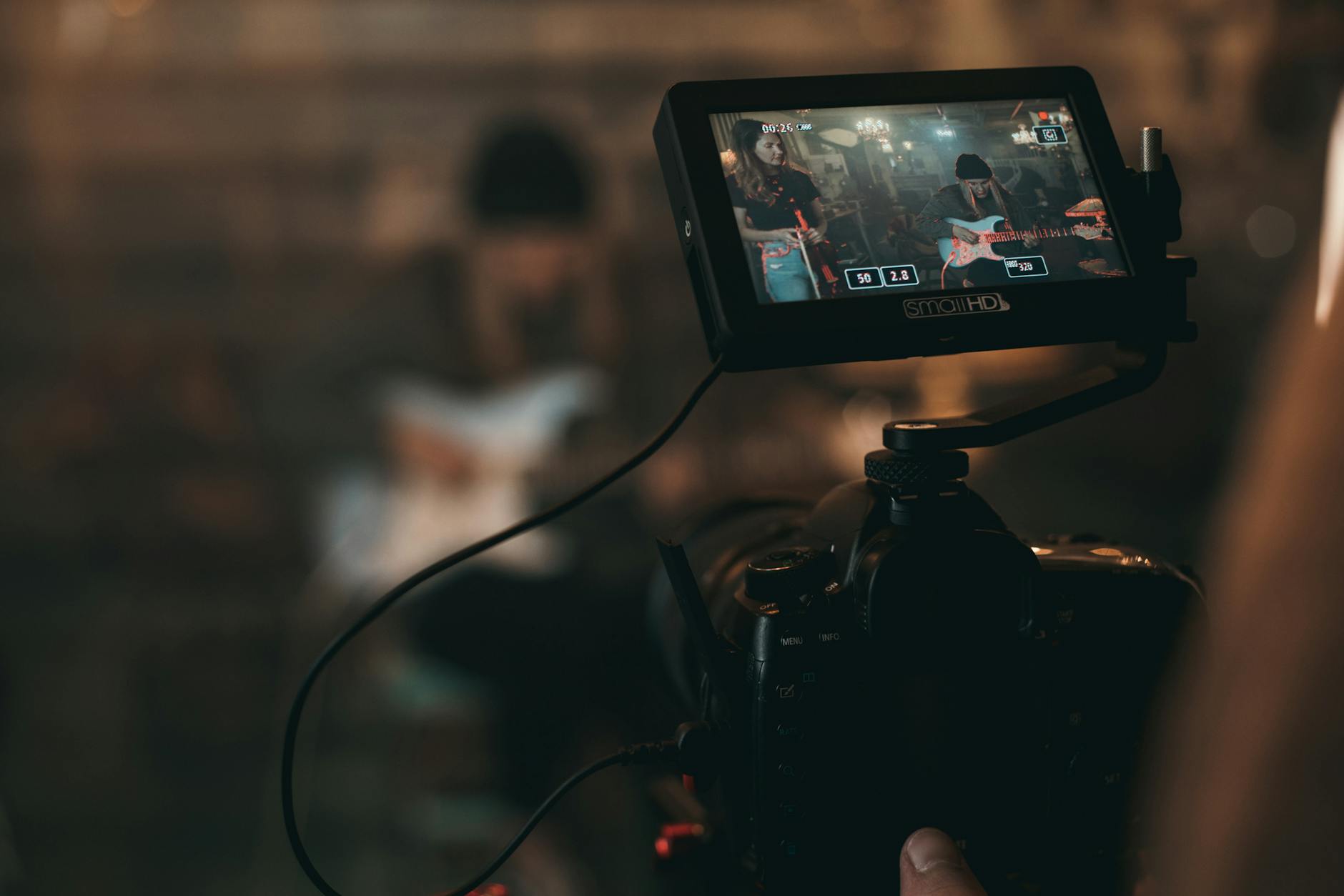
One of the primary considerations is the type of camera equipment used. High-resolution cameras, often with 4K or higher capabilities, ensure that every detail of the property and its landscape is crisp and vibrant. Gimbal-stabilized cameras are essential for generating smooth, professional footage free from jitter or abrupt movements, which enhances the visual experience for viewers.
Drone choice is equally critical. Multi-rotor drones, favored for their maneuverability, provide versatile flight patterns and can access tight spaces or intricate property details with precision. Fixed-wing drones might be utilized for broader aerial mapping or larger estates, offering extended flight times for comprehensive coverage.
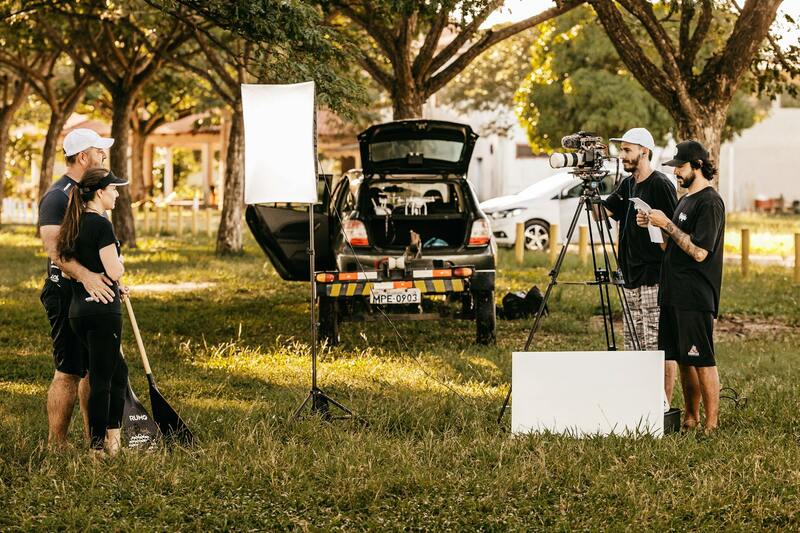
Filming techniques also play a vital role. Dynamic shots such as sweeping panoramas, vertical ascendings, or orbit shots around the property create engaging visual narratives. These techniques help potential buyers visualize the property in its environment and appreciate the scale and design intricacies.
Post-production editing is another crucial component. Professional editing enhances the footage with color correction, stabilization, and sometimes the addition of branded overlays or transitions to ensure the final product is polished and compelling.
Ultimately, the combination of top-tier camera technology, agile drones, and refined filming techniques creates immersive, visually striking videos that capture the essence of properties efficiently and stunningly. When executed with precision, these features elevate real estate marketing efforts and effectively attract serious buyers in competitive markets like Miami.
Legal and Regulatory Considerations in Miami
When integrating aerial videography into real estate marketing strategies within Miami, understanding the framework for aerial operations is essential. This involves adhering to specific protocols that govern airspace usage, ensuring operations are conducted safely and without interference with other aerial activities. It is important to work with authorized operators who maintain proper certifications and operate within prescribed guidelines to guarantee smooth and compliant flight operations.
Miami’s vibrant real estate market often requires filming in diverse locations, including densely populated urban areas, parks, and near private properties. Coordinating with local authorities and property owners before scheduling shoots is a fundamental step. This proactive approach helps in avoiding unnecessary disruptions and ensures access rights are respected, creating a seamless experience for all parties involved.
Moreover, operators need to be familiar with Miami-Dade County’s specific regulations pertaining to drone operations. These may include restrictions on altitude, specific no-flight zones, and operational hours. Compliance with FAA regulations alongside local ordinances is crucial to prevent penalties and to maintain a professional reputation within the industry. Regular updates on legislation and ongoing training for drone pilots help ensure all aerial footage complies with evolving standards.
Proper documentation, such as flight plans, permits, and insurance coverage, supports a transparent process that emphasizes integrity and professionalism. Maintaining a detailed record of each project provides a clear trail of compliance and safeguards investments. The goal is to leverage advanced technology while respecting operational boundaries, fostering trust with clients and authorities alike.
By prioritizing these considerations, real estate professionals and videographers can produce high-quality aerial content that aligns with regulatory standards. This disciplined approach ensures that the visual marketing tools, such as immersive property tours and neighborhood overviews, are created responsibly while maximizing potential engagement and reach in Miami’s competitive real estate scene.
Legal and Regulatory Considerations in Miami
In the dynamic landscape of Miami’s real estate market, conducting aerial videography requires adherence to specific operational protocols established by local authorities. Carefully navigating these frameworks involves understanding the essential processes for obtaining necessary authorizations, such as drone permits that are tailored to both state and municipal levels.
To legally operate a drone for real estate purposes in Miami, videographers must secure appropriate authorizations that validate the flight activities. This process often involves submitting detailed plans that outline flight paths, safety measures, and operational schedules to the relevant agencies overseeing airspace use. Maintaining transparent communication with local authorities not only facilitates smooth project execution but also ensures that all activities fall within the parameters of local policies.
Moreover, Miami's unique airspace considerations necessitate collaboration with air traffic control when operating in congested or sensitive zones. Engaging with the FAA’s regulations, coupled with Miami-Dade County's specific ordinances, helps in establishing clear operational boundaries. This dual compliance approach minimizes disruptions and supports the smooth integration of drone-based visual content within property marketing strategies.
Security measures, such as insurance coverage and comprehensive documentation of each flight, further reinforce professionalism. Insurance policies should clearly delineate coverage for potential liabilities derived from drone operations, safeguarding both service providers and clients. Additionally, maintaining meticulous records—including flight logs, permits, and adherence to specific conditions—serves as evidence of compliance and diligence during project audits or reviews.
Adhering to these regulatory aspects underscores a commitment to responsible operation, which sustains trust with clients, regulatory bodies, and the broader community. By aligning operations with established guidelines, real estate videographers contribute to a reputable industry standard that prioritizes safety, transparency, and high-quality visual content.
Legal and Regulatory Considerations in Miami
Operating aerial videography services in Miami requires meticulous attention to the regulatory landscape that governs airspace use. While numerous guidelines exist to ensure safe and responsible drone operations, understanding specific requirements related to permits, flight restrictions, and operational zones is essential for professionals aiming to deliver high-quality real estate content without interruption.
For aerial videography practitioners, acquiring the appropriate authorizations involves coordinating with Miami-Dade County authorities and adhering to federal aviation regulations. This process typically includes submitting detailed flight plans, especially when operating in or near urban centers, airports, or other sensitive areas. Proper planning minimizes potential disruptions and ensures that drone flights are conducted smoothly and efficiently, aligning with the local infrastructural considerations.
In Miami, special attention should be paid to designated no-fly zones, such as proximity to certain governmental buildings, critical infrastructure, or large public events. Thorough pre-flight assessments of airspace restrictions help prevent inadvertent violations. It’s also recommended to establish communication with air traffic control for flights in densely trafficked sky regions, ensuring that aerial videography activities integrate seamlessly with existing airspace operations.
Beyond obtaining necessary permits, operators should develop comprehensive documentation of each flight, including obtaining drone operating licenses, maintaining detailed flight logs, and verifying insurance coverage. Such meticulous record-keeping reflects professionalism, facilitates compliance reviews, and provides a clear audit trail for each project.
Insurance assumptions typically include coverage for third-party liabilities and property damages, which are crucial in the event of unforeseen incidents. A well-structured insurance policy assures clients that their investment is protected against potential risks associated with drone usage, reinforcing confidence in the service provider’s operational standards.
By aligning operational practices with these regulatory standards, professionals ensure their aerial videography activities contribute positively to Miami’s real estate marketing landscape—delivering compelling visual stories that enhance property visibility while respecting regulatory boundaries and safety protocols.
Effective Communication and Post-Production Optimization
Once the aerial footage has been captured, the process of editing and refining the videos becomes crucial to maximizing their impact. Professional aerial videographers employ advanced editing techniques to enhance image clarity, stabilize footage, and optimize color grading. These enhancements not only improve visual appeal but also ensure that every shot accurately represents the property’s unique features.
Integrating multimedia elements, such as animated maps or overlaying property information, can provide viewers with comprehensive insights into the property’s location and attributes. High-quality sound design, including background music or voiceovers, can also elevate the viewer experience, making the listing more engaging and memorable.
To ensure maximum reach and visibility, the finalized videos should be optimized for various online platforms. This includes creating different aspect ratio versions for social media, ensuring fast load times, and incorporating relevant keywords into video descriptions and tags to enhance search engine exposure.
Distribution Strategies for Aerial Real Estate Videos
Deploying the videos through targeted digital marketing strategies can significantly boost engagement. Uploading to popular real estate listing platforms, embedding videos within property websites, and sharing via social media channels are effective methods to increase exposure.
- Real Estate Websites: Embedding high-quality aerial videos directly on property listings offers prospective buyers a comprehensive view of the property and its surroundings.
- Social Media: Short teaser clips or highlight reels can generate interest and direct viewers to the full video on listing platforms or the agency’s website.
- Email Campaigns: Incorporating aerial videos into targeted email marketing enhances engagement rates and provides a dynamic way to showcase properties to interested buyers.
Regularly updating content and leveraging analytics to monitor viewer engagement allows real estate professionals to refine their marketing efforts continuously. By providing visually captivating and well-optimized aerial videos, agents can significantly accelerate the property sale process and gain a competitive advantage in the Miami real estate market.
Legal and Regulatory Considerations in Miami
In Miami, conducting aerial videography for real estate involves adherence to specific guidelines that ensure safe and responsible operation. It is crucial to stay informed about the procedural requirements set by local authorities and agencies overseeing drone usage. Typically, this includes obtaining appropriate permissions for flying over private property or restricted airspace, especially when capturing residential neighborhoods, commercial districts, or protected areas.
Operators must also respect height restrictions and maintain visual line-of-sight during flights to ensure control and safety. Additionally, understanding no-fly zones—such as near airports, government facilities, or military installations—is essential to avoid interference with sensitive airspace.
Compliance with community regulations and obtaining necessary approvals helps prevent interruptions in filming schedules and potential disputes. Professional aerial videography providers often have extensive experience navigating these regulatory landscapes, ensuring your real estate videos are produced without legal complications.
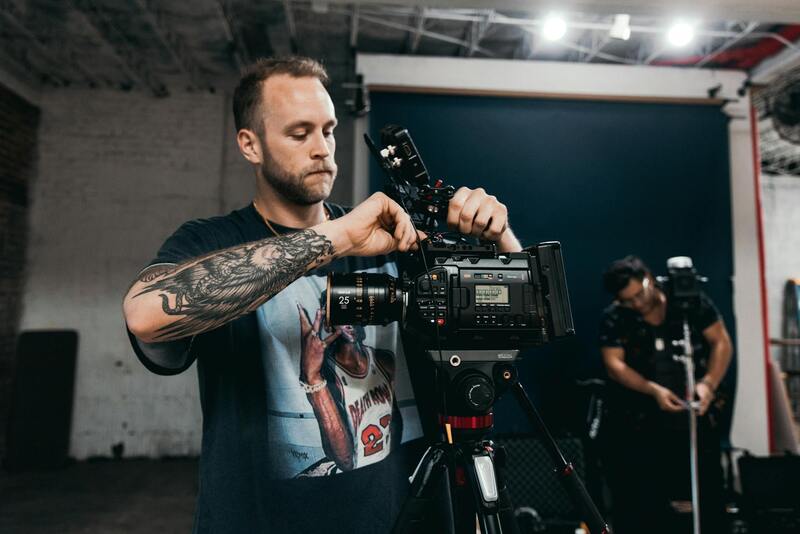
Investing in licensed and insured drone operators guarantees adherence to these standards, which translates into a seamless production process. Such professionals maintain awareness of evolving policies and ensure each shoot aligns with current operational guidelines, facilitating efficient project completion.
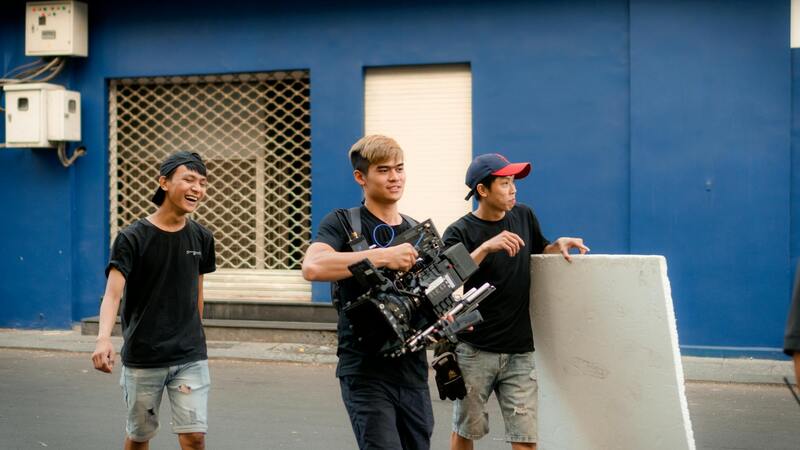
Final Considerations for Aerial Videography in Miami Real Estate
When implementing aerial videography as part of your real estate marketing strategy in Miami, it is vital to understand the importance of comprehensive planning and execution. Professional drone operators employ state-of-the-art equipment coupled with advanced filming techniques to produce high-quality visuals that can significantly enhance a property's appeal. Their expertise extends beyond merely capturing beautiful shots; it involves meticulous planning to ensure that each frame highlights the unique features of the property and its surroundings, conveying the intended message to prospective buyers.
To maximize the impact of aerial videos, clients should collaborate closely with experienced providers who understand the nuances of real estate marketing. This includes choosing optimal times of day, such as during golden hours, to capture natural light and produce warm, inviting visuals. Additionally, professionals use stabilizing technology and high-definition cameras to deliver smooth, crisp footage that reflects the property's desirability.
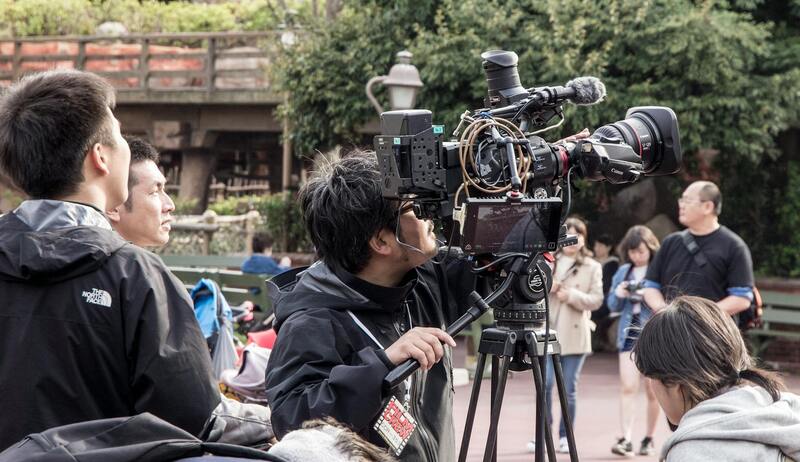
Ensuring Data Security and Privacy
Given the sensitive nature of real estate transactions, it is also critical for aerial videography providers to prioritize data security and client confidentiality. Proper handling of footage, secure storage, and restricted access to proprietary content protect the interests of clients and maintain trust. When selecting a service provider, inquire about their protocols for data management and ensure that they adhere to standard safety practices during flight operations.
Measuring ROI and Success
Effective use of aerial video content can be evaluated through various metrics, including increased property inquiries, higher engagement rates online, and faster sale cycles. Tracking these indicators helps real estate professionals refine their marketing efforts, invest wisely in visual content, and achieve better sales outcomes.
As the market in Miami continues to evolve, integrating aerial videography into your property marketing toolkit offers a strategic advantage. It not only elevates your listings visually but also demonstrates commitment to innovation and excellence in showcasing Miami's vibrant and diverse real estate landscape.