
Importance of High-Quality Property Photos
In the competitive Miami real estate market, the first impression often lies in the visual presentation. High-quality property images have a profound impact on how potential buyers perceive a listing. Professional photographs showcase the property’s best features, highlighting spaciousness, natural light, and unique design elements that might otherwise be overlooked. This enhanced visual appeal can significantly influence a buyer's initial interest, making them more likely to arrange a viewing.
Research consistently demonstrates that listings with superior images tend to attract more clicks, generate higher engagement, and sell faster. For sellers, this translates to reduced time on the market, which in turn can lead to quicker sales and potentially higher sale prices. On a broader scale, eye-catching images help listings stand out in Miami’s bustling property market, capturing the attention of serious buyers and investors alike.
Moreover, premium property photographs underscore professionalism and trustworthiness, reinforcing the credibility of the listing agent and the property's appeal. This can facilitate smoother negotiation processes and assure prospective buyers that the property has been thoughtfully presented, ultimately streamlining the transaction process and fostering confidence among all parties involved.
Key Elements of Effective Property Photography
- Lighting: Utilizing natural lighting to illuminate rooms and highlight architectural features.
- Composition: Framing shots to showcase the space’s flow and key areas effectively.
- Staging: Arranging furniture and decor to accentuate space and functionality.
- Angles: Capturing the property from multiple perspectives to provide comprehensive views.
- Image Quality: Ensuring sharp focus and high-resolution shots to emphasize clarity and detail.
Choosing the Right Photography Equipment and Techniques
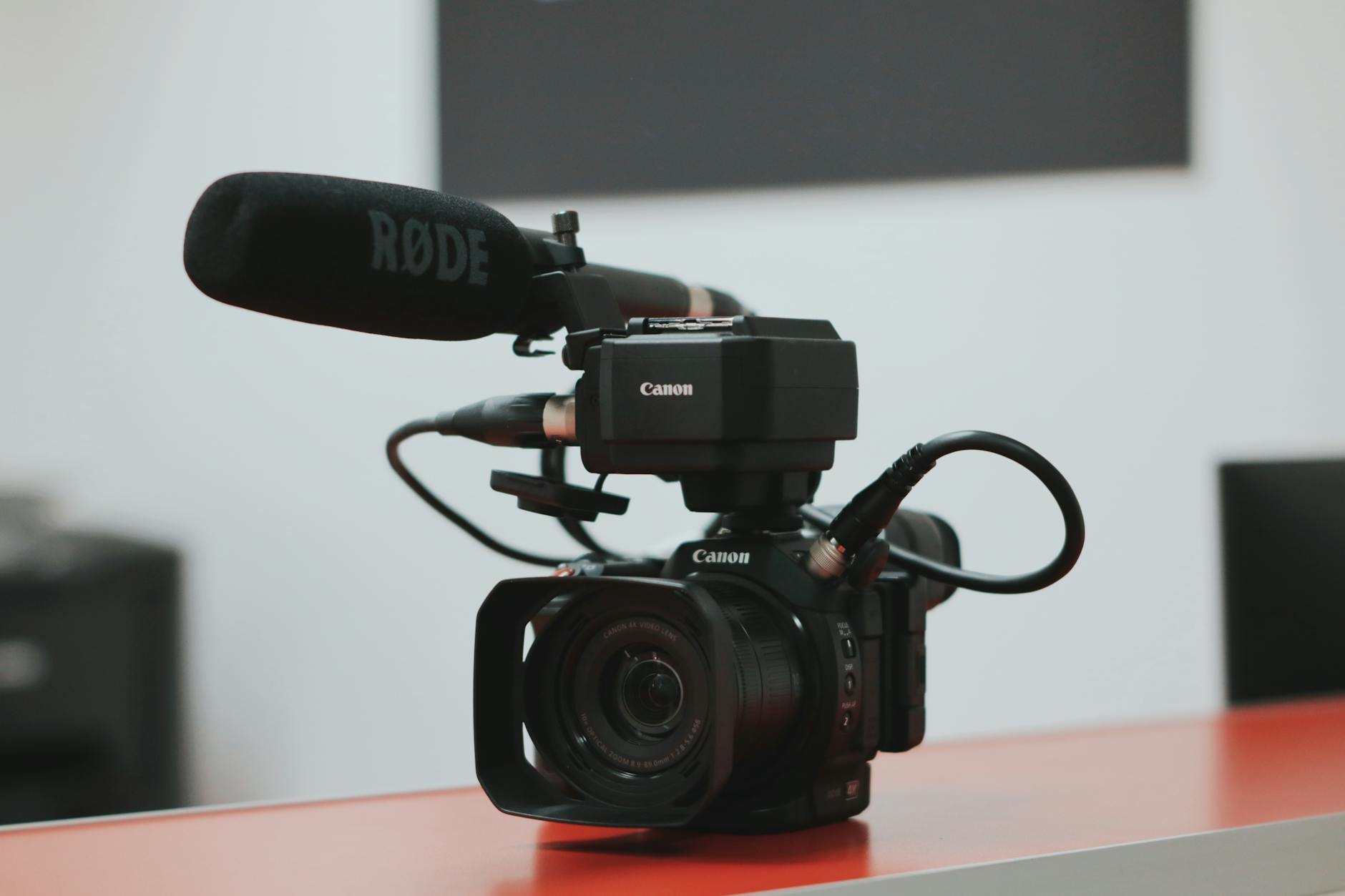
Professional property photography relies on advanced equipment such as wide-angle lenses and high-resolution cameras to produce crisp, inviting images. Techniques like HDR (High Dynamic Range) photography allow for balanced exposure, capturing both interior brightness and exterior details without overexposure or underexposure. Tripods and stabilizers prevent motion blur, ensuring every image maintains sharpness. Skilled photographers also use post-processing tools judiciously to enhance the images without misrepresenting the property.
Preparing Properties for Photography
Effective preparation is essential for optimal results. This includes decluttering spaces, depersonalizing interiors, and ensuring all lights are functional and turned on. Rooms should be meticulously cleaned, with beds made and surfaces polished. Weather considerations are crucial; outdoor shots should be taken when lighting conditions are optimal. Proper staging, combined with timely positioning and property tidiness, creates an inviting atmosphere that resonates with online viewers.

Key Elements of Effective Property Photography
Achieving compelling property photos requires careful attention to several core components that influence the visual impact and informational clarity of each shot. These elements serve as the foundation for presenting a property in the most attractive, honest light, encouraging prospective buyers or renters to explore further.
Lighting
Natural light is preferable; it enhances the natural colors and textures of the space, creating a bright, welcoming atmosphere. Photographers often schedule shoots during times of day when sunlight is abundant, such as mid-morning or late afternoon, to maximize this effect. For interior shots, using a combination of ambient and supplementary lighting can eliminate shadows and highlight room features without overexposing highlights or losing interior details.
Composition
Proper composition guides the viewer's eye across the photograph, emphasizing the property's best features. This involves strategic placement of furniture, balanced framing, and ensuring key areas are clearly visible. Techniques like the rule of thirds help in positioning focal points, making images more engaging. Maintaining a clean, clutter-free environment is crucial, as distractions can detract from the property's appeal and authenticity.
Angles
Capturing a property from multiple perspectives delivers a comprehensive sense of space and layout. Wide-angle lenses are instrumental in showcasing expansive rooms and open floor plans, providing viewers with an accurate understanding of room dimensions. Combining primary shots with supplementary angles for each area offers a nuanced overview, helping potential buyers visualize themselves within the space.
Staging
Staging transforms an empty or cluttered space into a welcoming environment that appeals to targeted demographics. Thoughtfully arranged furniture, tasteful decor, and strategic accents highlight the property's strengths while minimizing flaws. Proper staging facilitates a cohesive look, making rooms appear larger, more functional, and aesthetically pleasing.

Enhancing Property Images Through Strategic Techniques
In addition to core elements, employing advanced photography techniques significantly elevates the quality of property images. Techniques such as high-dynamic-range (HDR) imaging assist in balancing the exposure between interior brightness and exterior views, revealing details in shadowed areas and avoiding washed-out highlights. Ultrastable equipment, including tripods and gimbal stabilizers, ensures camera steadiness, producing crisp visuals even in low-light conditions. Post-processing tools are utilized to fine-tune color balance, correct lens distortions, and enhance overall image clarity while preserving authenticity. These practices collectively contribute to images that are both visually striking and true to the actual space.
Best Practices for Online Property Listings
Optimizing property images for online platforms involves more than just high-quality photography. Image size, resolution, and format are critical considerations to ensure fast loading times without sacrificing detail. Including a variety of shots — exterior, interior, amenities, and unique features — offers a comprehensive view that caters to different viewer interests. Metadata, such as descriptive file names and alt text, further enhances searchability and accessibility. Consistent editing style across all images maintains professionalism and brand coherence. An appropriately curated gallery with high-resolution, well-composed images can significantly increase engagement and interest in the property.
By adhering to these key elements and employing strategic techniques, property professionals can produce captivating, accurate visuals that effectively communicate a property’s value and appeal online.
Preparing Properties for Photography
Achieving exceptional property pictures begins well before the camera is even set up. Proper preparation of the space is essential to highlight the property's best features and ensure the resulting images accurately represent the space. First, decluttering is critical; removing personal items, excess furniture, and unnecessary decorations creates a clean, spacious appearance that appeals to potential buyers or renters. Consider staging key areas, such as the living room and kitchen, with tasteful furniture and accessories that evoke a sense of comfort and style.
Lighting plays a crucial role in property photography. Natural light should be maximized by opening curtains and blinds before the shoot, forcing the space to look bright and inviting. For areas with limited natural light, supplementary lighting, such as softbox lights or reflectors, helps eliminate shadows and evenly illuminate the space. It’s also advisable to turn off overly bright or colored lighting fixtures that might distort the natural tone of the environment.
Before the session, thoroughly clean the property, paying close attention to windows, floors, and surfaces, as dirt and clutter are more noticeable in high-resolution images. Small details like freshly laundered bedding, polished fixtures, and neatly organized spaces significantly enhance the visual appeal. Employing a consistent color scheme and maintaining a neutral palette can help the property look harmonious and appealing across various shots.
Additionally, ensuring that all repairs and maintenance issues are addressed prior to filming is vital. Visible wear and tear, such as chipped paint, leaky faucets, or damaged flooring, can detract from the property’s perceived value. When well-prepared, a property stands out with vibrant, true-to-life images that draw viewers in and facilitate a smooth connection with potential buyers or tenants.
Preparing a Property for Photography
Achieving outstanding property images begins well before the camera is set. A strategic approach to staging, cleaning, and organizing significantly influences the final visual presentation. It’s essential to create an inviting atmosphere that accentuates the property’s strengths while minimizing any imperfections.
Start by decluttering all spaces, removing personal items, and ensuring that surfaces are free of debris. Furniture placement should enhance the flow of the space, making rooms appear larger and more inviting. If sections of the property are underutilized or have awkward layouts, consider rearranging furniture to better showcase functionality. Small touches like fresh flowers, neatly arranged cushions, and tasteful decorative accents can add a warm, welcoming feel.
Meticulous cleaning is non-negotiable. Dirt, smudges, or water stains become glaring in high-resolution images. Focus on details such as spotless windows, gleaming floors, and clean appliances. When necessary, use professional cleaning services that can target areas often overlooked during routine cleaning—especially in kitchens and bathrooms, where cleanliness directly influences perceived quality.
Proper lighting is crucial. Open curtains and blinds to maximize natural light, which lends a vibrant, authentic atmosphere to the images. In darker spaces, supplementary lighting should be used to eliminate shadows and brighten key features. Neutral color palettes on walls and accessories tend to appeal broadly, creating a harmonious environment that enhances visual continuity throughout the property.
Staging is particularly effective for empty properties. Virtual staging can complement physical efforts, filling in with digitally added furniture and decor that highlight potential layouts and design ideas. This technique caters to viewers' imagination and helps them envision living in the space, especially when the property lacks existing furnishings.
Equally important is addressing maintenance issues beforehand. Touching up chipped paint, fixing leaky faucets, and repairing flooring flaws avoid distractions in the images. A well-prepared property not only produces high-quality photographs but also streamlines the entire marketing process, reducing the frequency of retakes and extensive editing. These efforts ensure the property appears at its best, enabling potential buyers or tenants to form a positive initial impression and fostering confidence in the listing.
Role of Virtual Staging and 3D Imaging
Virtual staging and 3D imaging have become integral tools in the realm of property marketing. Virtual staging allows for the addition of furniture and decor digitally, transforming empty or poorly furnished spaces into visually appealing environments without physical staging costs. It offers flexibility to demonstrate different styles or configurations, helping potential occupants visualize living in the space more effectively.
3D imaging provides immersive virtual tours that enable viewers to navigate through the property remotely. This technology enhances online listings by offering a realistic sense of scale, layout, and flow of the space. Such comprehensive visualizations attract more serious inquiries and can significantly accelerate the decision-making process.
Both virtual staging and 3D imaging are valuable complements to professional photography, enriching listings and broadening the reach to potential clients. When integrated seamlessly, these digital enhancements elevate the property's appeal and demonstrate a commitment to quality presentation.
Optimizing Property Images for Online Listings
Once high-quality images are captured, optimization is essential to maximize their impact online. High-resolution photos should be compressed without sacrificing clarity to ensure fast loading times across various devices and platforms. Proper formatting and sizing guarantee images display correctly in different listing formats, maintaining visual consistency and professionalism.
Keyword-rich file names and descriptive alt texts improve search engine visibility, making the listing more discoverable by search engines. An effective image strategy also includes showcasing diverse angles and key features—focusing on unique architectural details, outdoor spaces, and amenities—to provide a comprehensive overview of the property.
In addition, strategic image placement on the listing page guides viewers naturally through the property, highlighting its best features and encouraging engagement. This approach reinforces the property's appeal and encourages prospective buyers or tenants to explore further, ultimately increasing the likelihood of inquiries and visits.
Legal and Ethical Considerations in Property Photography
Competent property photography hinges on adhering to established guidelines that ensure the accuracy and integrity of the images presented. This includes avoiding manipulations that could misrepresent the property's actual condition or features. Photographers and real estate professionals must prioritize transparency by accurately representing spaces, lighting, and features, thus fostering trust with prospective clients. Maintaining compliance with intellectual property rights is also crucial. This involves securing necessary permissions for any images or virtual elements used in the listing, especially when incorporating proprietary software or third-party content. Respect for privacy is paramount; photographs should exclude personal belongings or sensitive information that could compromise occupant confidentiality. Furthermore, ethical practices dictate that images showcase the property in its true state without deceptive embellishments. For example, ensuring that lighting and angles do not exaggerate room sizes or conceal flaws contributes to a truthful presentation that aligns expectations with reality.
By committing to these principles, real estate professionals enhance their credibility and maintain a reputable reputation within the market. Clear photography not only attracts genuinely interested buyers but also reduces the risk of dissatisfaction or disputes arising from misaligned expectations.
Working with Professional Property Photographers in Miami
Partnering with experienced photographers in Miami ensures that property images meet industry standards for quality and authenticity. Professionals familiar with local market trends and aesthetic preferences can capture the property's unique selling points more effectively, providing a competitive edge in listings. A dedicated photographer invests in advanced equipment and applies techniques that highlight each property's best features. This expertise translates into images that are sharp, well-lit, and visually appealing, increasing the likelihood of higher engagement rates. Moreover, professional photographers often understand the optimal compositions and angles to present spaces in the most flattering manner. Collaborating with reputable photography service providers in Miami also streamlines the process, allowing real estate agents to focus on client relations while confident in the visual presentation of their listings. This synergy enhances marketing efforts and helps showcase properties with integrity and professionalism.
Role of Virtual Staging and 3D Imaging
In the digital age of real estate, virtual staging and 3D imaging have become indispensable tools for creating compelling property presentations. Virtual staging involves digitally furnishing and decorating empty or under-furnished spaces, allowing potential buyers to visualize the property's full potential without the need for physical staging. This method enhances the appeal of a listing by showcasing how a space can be utilized, making it more attractive and relatable.
3D imaging takes this concept further by providing immersive, interactive tours of a property. Buyers can navigate through a home remotely, exploring each room from various angles, which offers a comprehensive understanding of the layout and spatial dynamics. These virtual tours significantly increase engagement and time spent viewing a listing, leading to higher chances of inquiries and showings.

Utilizing virtual staging and 3D imaging also supports marketing efforts by providing versatile content for multimedia campaigns across social media, email marketing, and multiple listing platforms. Since these technologies can be updated and customized easily, real estate professionals can tailor visual content to target specific buyer demographics or highlight unique property features.
Sophisticated software and experienced digital imaging professionals ensure these visual enhancements are realistic and impactful. When executed properly, virtual staging and 3D imaging serve as powerful tools to differentiate listings in competitive markets like Miami, drawing more qualified prospects and accelerating the sales process.
Legal and Ethical Considerations in Property Photography
Ensuring that property images accurately represent the space is essential for maintaining integrity in real estate marketing. Professional real estate photographers in Miami adhere to strict guidelines regarding image authenticity, avoiding misleading distortions or enhancements that could misrepresent the property. This commitment to transparency helps foster trust between agents and prospective buyers, reducing misunderstandings and potential disputes.
It is crucial to respect intellectual property rights by obtaining proper permissions for any proprietary equipment, proprietary software, or location-specific restrictions. Photographers should clearly distinguish between actual property features and virtual enhancements, especially when virtual staging or digital edits are involved. Disclosures concerning virtual modifications should be made explicitly to inform viewers about the nature of the images, maintaining transparency and credibility.
Accurate property images also involve updated listings that reflect the current state of the property. Outdated or altered images that do not correspond with the property's present condition can lead to dissatisfaction and wasted time for both buyers and sellers. Professionals are expected to provide current, high-resolution images that highlight the authentic features of the property, including any recent renovations or changes.

In Miami's competitive market, it is advantageous for real estate professionals to stay well-informed about the latest standards and best practices for property photography. This commitment to ethical image presentation not only promotes a trustworthy brand reputation but also ensures compliance with any applicable local guidelines governing real estate advertising.
Legal and Ethical Considerations in Property Photography
Maintaining high standards in property photography involves adhering to ethical practices that respect the rights of all involved parties. Photographers should obtain explicit permission before capturing images on private property, ensuring that property owners and tenants are comfortable with the process. This respect for privacy extends beyond legal boundaries and fosters a trustworthy relationship between agents, photographers, and clients. Clear agreements on image rights and authorized usage help prevent misunderstandings and protect the integrity of the marketing efforts.
It’s essential to accurately portray a property without misleading potential buyers or tenants. This means avoiding manipulative editing or the selective presentation of features that do not reflect the actual condition of the property. For instance, virtual staging and digital enhancements should be transparently disclosed, highlighting any virtual modifications alongside authentic features. This transparency not only builds credibility but also aligns with the expectation of honesty in real estate advertising.
Additionally, professionals should be aware of the importance of current, accurate imagery. Outdated photos or images that do not correspond to the property's present state can mislead viewers, leading to dissatisfaction or wasted efforts. Consistently updating listings with recent, high-quality images ensures that prospective buyers receive an accurate visual representation, fostering a smooth and honest buying process.
Photographers and real estate professionals must also respect proprietary rights, avoiding infringing on copyright or intellectual property associated with images or content that are not their own. This involves securing permissions for proprietary equipment, locations, or copyrighted elements in the imagery.
In markets like Miami, where competition is fierce, adhering to these ethical standards not only enhances reputation but also ensures compliance with local advertising regulations. Upholding these practices demonstrates a commitment to transparency and integrity, cultivating trust among clients and prospective buyers alike.
Working with Professional Property Photographers in Miami
Partnering with experienced photographers in Miami can significantly elevate the quality of property images. When selecting a photography agency, consider their portfolio to assess their familiarity with real estate visuals, including interior and exterior shots, wide-angle capabilities, and photo editing skills. Ask for client testimonials or references to gauge their professionalism and reliability.
Understanding the cost structure is also crucial. Reputable photographers typically offer packages based on the scope of work, such as the number of images, aerial shots, virtual staging, or 3D tours. While premium services may be more costly, they often include higher resolution images, faster turnaround times, and personalized assistance in preparing the property for the shoot.
Ensuring quality delivery involves setting clear expectations regarding image resolution, editing standards, and completion timelines. Transparent communication from the outset helps avoid misunderstandings and ensures that the final product aligns with the marketing goals. A professional photographer familiar with the Miami real estate market will understand how to highlight each property's unique features, attracting the right buyers and improving overall listing performance.