Importance of Professional Property Photography
High-quality property photography plays a vital role in the real estate process, especially within Miami’s competitive market. Exceptional images serve as the first impression potential buyers or renters have of a property, influencing their interest and engagement. When listings feature crisp, well-composed photographs, they stand out amidst numerous competitors, increasing visibility across various platforms.
Effective property photographs showcase the property's features, architectural details, and ambiance, enabling viewers to envision themselves living or working within the space. This visual storytelling fosters an emotional connection, encouraging prompt inquiries and visits. Property photography also enhances online listings' credibility, conveying professionalism and trustworthiness to prospective clients and investors.
In Miami's dynamic real estate environment, where luxury condominiums, waterfront estates, and commercial spaces abound, high-caliber imagery can significantly accelerate the selling or leasing process. Properties presented with professional photography typically receive more views, higher engagement, and faster transactions, directly impacting sales prices and rental yields. As a cornerstone of compelling marketing strategies, premium property images serve as an investment that offers measurable returns in attracting qualified inquiries and closing deals.
In summary, investing in expert property photography is essential for differentiating listings, capturing the true essence of a space, and ultimately facilitating quicker sales or rentals in Miami’s vibrant property market.
Key Elements of Effective Property Photos
Achieving striking property images involves attention to several critical aspects:
- Lighting: Utilizing natural light or professional lighting setups to highlight features and create inviting atmospheres.
- Composition: Framing shots to showcase the property's best angles and spatial relationships.
- Clarity and Focus: Ensuring images are sharp, free from blurriness, and accurately represent the space.
- Staging: Arranging furniture and decor to enhance appeal and demonstrate potential uses of spaces.
- Consistency: Maintaining uniformity in style and quality across all listing images to reinforce professionalism.
These elements collectively contribute to captivating visuals that resonate with viewers and convert online interest into physical visits.
Choosing the Right Equipment and Techniques
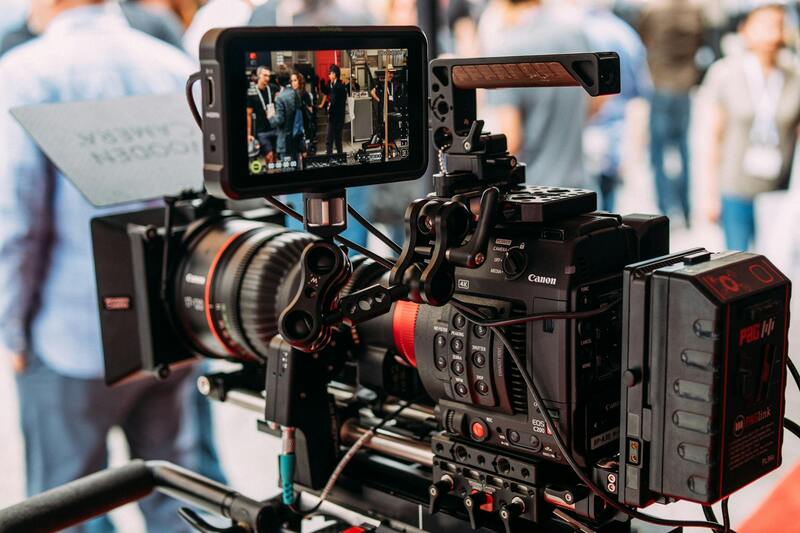
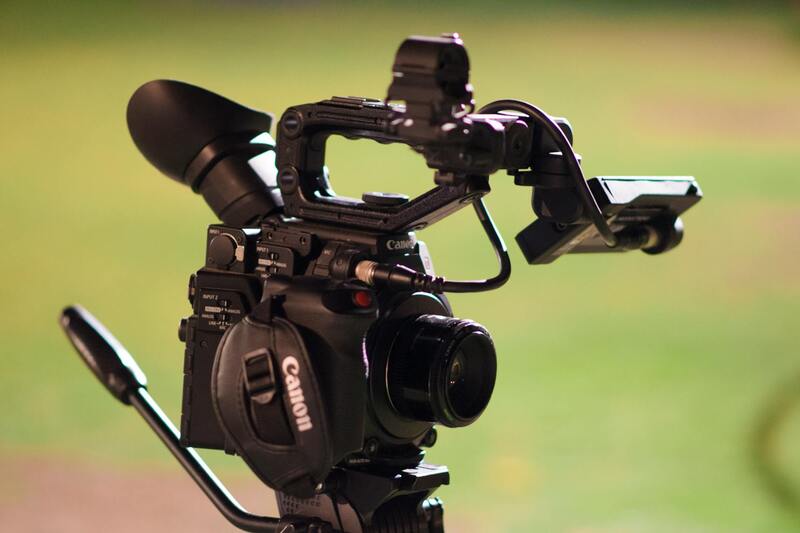
Professional property photography relies on using advanced equipment and refined techniques tailored to capture the property's best features. High-resolution DSLR or mirrorless cameras paired with wide-angle lenses are industry standards, enabling comprehensive views of indoor and outdoor spaces.
Employing tripod stability ensures sharp images, while low-dynamic-range settings can help in challenging lighting conditions. Techniques such as HDR (High Dynamic Range) imaging blend multiple exposures to balance light and shadow, revealing details in both bright and dim areas equally. Additionally, proper lens selection minimizes distortion, preserving the property's true proportions.
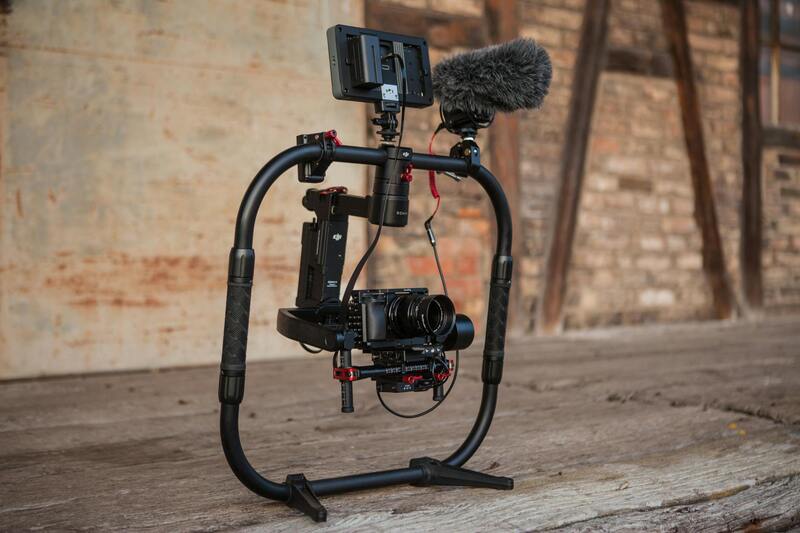
This strategic use of technology results in visually compelling images that accurately depict the property, enticing prospective buyers or tenants.
Key Elements of Effective Property Photos
Creating standout property photographs involves a thoughtful balance of several visual elements that work together to showcase a space optimally. These elements are fundamental in capturing buyer interest and making listings more appealing. High-quality lighting is essential; natural light, when possible, illuminates rooms evenly and enhances the atmosphere of the space. Proper composition employs techniques such as the rule of thirds, perspective lines, and strategic framing to draw the viewer’s eye into the scene. Staging remains critical—furniture arrangements and decor choices should reflect the potential uses of each space while also adding a sense of warmth and livability.
Achieving depth through foreground and background elements helps create a dynamic sense of scale. Color balance and contrast are also vital; they ensure that the images look vibrant and true to life without appearing overly processed. Incorporating leading lines guides the viewer's gaze through the property, emphasizing its key features and spatial flow.
Moreover, consistency across images—such as maintaining similar color tones, angles, and exposure levels—reinforces a professional and cohesive presentation. When these components are executed with precision, property photographs not only amplify visual appeal but also serve as sincere representations of the space, fostering greater trust among viewers and increasing the likelihood of engagement.

Choosing the Right Equipment and Techniques
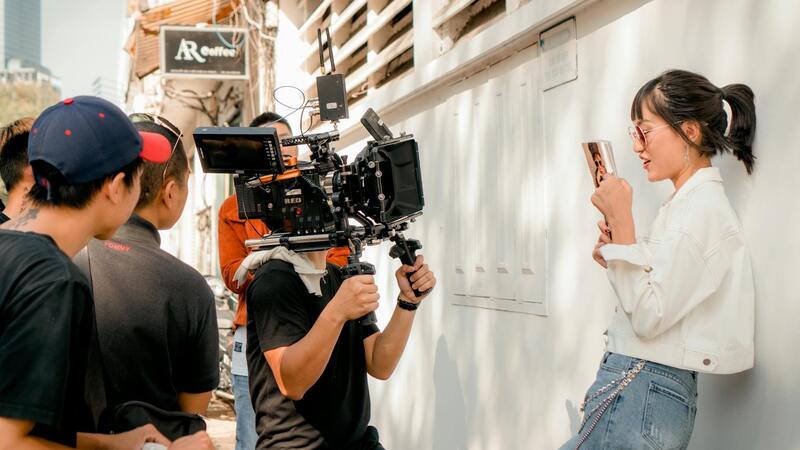
Achieving exceptional property photographs relies heavily on selecting the appropriate equipment and employing effective shooting techniques. Advanced camera gear, high-quality lenses, and specialized methods enable photographers to capture spaces with clarity and depth that resonate with potential buyers or renters. When investing in professional property photography, the gear used should be capable of capturing wide angles, high-resolution images, and accurate color representation, all essential for showcasing a property’s true appeal.
Essential Camera Equipment
- Full-frame DSLR or Mirrorless Cameras: These cameras provide high resolution and excellent low-light performance, vital for capturing detailed property images.
- Wide-Angle Lenses: Typically ranging from 14mm to 24mm, wide-angle lenses allow photographers to capture more of a room in a single shot, emphasizing space and openness.
- Tripods and Stabilizers: Stability during shooting ensures sharp images and helps maintain consistent framing across multiple shots.
- Remote Triggers and Brackets: These accessories facilitate seamless shooting and HDR techniques, ensuring well-exposed images with balanced highlights and shadows.
Shooting Techniques for Optimal Results
- The Use of HDR (High Dynamic Range): Combining multiple exposures helps balance bright windows and shadowed interior details, producing natural and vibrant images.
- Proper Aperture Settings: Using a smaller aperture (higher f-number) increases depth of field, keeping more of the scene in sharp focus.
- Maintaining Consistent Perspectives: Shooting from similar angles across different rooms creates a cohesive visual narrative, vital for viewing continuity.
- Utilizing Natural Light: Scheduling shoots during daytime with ample natural sunlight enhances the brightness and inviting feel of the property.
- Post-Shoot Review and Adjustment: Immediately reviewing images allows for quick adjustments, ensuring every shot aligns with the desired standard of quality.
Incorporating Specialized Techniques
Panoramic stitching, indoor and outdoor multi-exposure blending, and careful lighting adjustments are techniques that can elevate the quality of property images. When executed properly, these methods underscore the spatial dimensions and unique features of the property, rendering a comprehensive visual story that draws viewers in.
Final Thoughts
Working with the right equipment and harnessing advanced photography techniques empowers real estate professionals and property marketers to produce images that authentically reflect the space’s personality and potential. Skilled application of these tools ensures that each photograph acts as a compelling invitation to explore the property further, significantly enhancing online presence and marketability.

Legal and Ethical Considerations in Property Photography
Adherence to established protocols in property photography involves respecting the rights of property owners and complying with local regulations. Photographers should obtain explicit permission before capturing images, especially when photographing private areas or restricted access zones. This approach not only maintains trust but also ensures transparency in marketing efforts.
When utilizing tools like drones for aerial shots, it is crucial to follow airspace guidelines and secure necessary permits. Operating these devices within permitted zones prevents potential legal complications and safeguards the safety of all parties involved.
Respecting the privacy of individuals is paramount. Avoid capturing images that include personal belongings, confidential documents, or sensitive information. Maintaining focus on the property exterior and public-facing areas helps preserve the privacy rights of residents and neighbors.
Accurate representation is a key aspect of ethical property photography. Photographers should refrain from digitally altering images in a way that misleads potential buyers or renters. Any post-production adjustments should aim to enhance clarity and color accuracy without distorting the true appearance of the property.
Engaging with licensed professionals and using authorized equipment ensures that images meet industry standards. This adherence reinforces the credibility of the marketing materials and builds confidence among prospective clients.

Editing and Post-Production Techniques
After capturing high-quality property images, the editing process plays a pivotal role in presenting the property in its best light. Professional editors utilize advanced software to enhance images without compromising authenticity. Techniques such as color correction, exposure adjustments, and lens correction ensure that images accurately reflect the property's true appearance while being visually appealing. It is essential to maintain a balance where edits improve clarity and vibrancy without resulting in overly polished images that may mislead viewers.
Retouching may be applied to eliminate minor imperfections, such as distracting reflections or minor blemishes, but should never alter the fundamental features of the property. High dynamic range (HDR) processing allows multiple exposures to be combined, revealing details in both shadows and highlights, which is particularly beneficial in rooms with challenging lighting conditions. Consistency across images is crucial to create a cohesive visual narrative for the listing. This includes maintaining uniform color tones and perspectives, which helps potential buyers or tenants get an accurate sense of the property’s appearance.
Furthermore, strategic cropping and straightening are used to improve composition and framing. Fixing vertical and horizontal alignments ensures that architectural features are correctly represented, avoiding distortions that could compromise credibility. Rendering images in a way that emphasizes space and depth can also be achieved through subtle adjustments to perspective and brightness. Overall, a meticulous post-production process enhances the visual storytelling of a property while upholding the integrity of the images.
Legal and Ethical Considerations
Property photography must be conducted with strict adherence to guidelines that uphold ethical standards. This includes ensuring that all images accurately represent the property's current condition. Overly staged or heavily edited photos that distort reality can lead to misunderstandings and dissatisfaction among clients. Transparency in the visual presentation builds trust and fosters long-term relationships with property owners and prospective buyers.
Obtaining explicit permission to photograph private properties and respecting restrictions on certain areas is fundamental. Photographers should inform property owners of the scope and purpose of the photoshoot so that there are no ambiguities. Respect for privacy extends to avoiding the inclusion of personal belongings, confidential documents, or any sensitive information that could compromise resident confidentiality.
When using aerial images captured via drone technology, adhering to airspace regulations and obtaining necessary permits are imperative. Violations of flight zones or privacy boundaries can result in substantial penalties and damage reputation. Post-production adjustments should align with ethical standards, ensuring images do not mislead viewers through deceptive enhancements or altered perspectives.
Maintaining a clear distinction between real and digitally enhanced images, and avoiding manipulative techniques that could influence potential buyers' perceptions unjustly, exemplifies professional integrity. Ethical property photography not only reflects professionalism but also safeguards the credibility of marketing efforts.
Legal and Ethical Considerations
Engaging in property photography involves a set of responsibilities that uphold standards of honesty and respect. Photographers must ensure they have clear permission to photograph private spaces, and they should communicate transparently with property owners about the scope and purpose of the images. This openness helps prevent misunderstandings and fosters a positive working relationship.
Respecting privacy boundaries is essential, which includes avoiding the capture of personal belongings, confidential documents, or any sensitive areas that could infringe on residents' privacy. When employing aerial photography through drone technology, compliance with airspace regulations and obtaining necessary permits are critical steps to prevent disruptions or legal complications.
Post-production editing should be conducted with integrity, emphasizing accurate representation over exaggerated enhancements. Adjustments such as color correction and image sharpening serve to highlight property features without misleading viewers. Maintaining authenticity in the visual presentation supports the trustworthiness of the marketing efforts and aligns with industry best practices.
Photographers should also be aware of local advertising standards and industry guidelines to ensure their images comply with regional expectations. Such adherence not only protects their professional reputation but also guarantees that potential buyers receive a truthful visual account of the property.
Importance of Professional Property Photography
High-quality property photography plays a pivotal role in real estate marketing by capturing the true essence of a property and presenting it in the most appealing way possible. In competitive Miami markets, professional images can significantly influence a potential buyer’s first impression, increasing engagement and facilitating quicker sales or rentals. Property photos are often the primary visual element in online listings, and their quality directly correlates with the level of interest a property garners. Well-composed, vibrant images help highlight unique features, improve perceived value, and evoke emotional responses from viewers, prompting them to schedule viewings or contact agents directly.
Furthermore, consistently high-quality visuals establish trust and professionalism, reinforcing the credibility of real estate agencies and property owners alike. In a market like Miami, known for its diverse real estate options, outstanding photography can be a decisive factor in distinguishing listings from competitors. Ensuring that photographs are taken with purpose and precision enhances the property's appeal and accelerates the transaction process, ultimately benefiting all parties involved.
Key Elements of Effective Property Photos
- Lighting: Natural and artificial lighting should be balanced to highlight the space without dramatic shadows or overexposure.
- Composition: Wide-angle shots are essential to capture the full scope of rooms while maintaining visual harmony.
- Staging: Properly arranged furniture and decor emphasize the functionality and aesthetic appeal of each space.
- Clarity and Focus: Sharp images with minimal distortion ensure that details are easily perceivable by viewers.
- Showcasing Unique Features: Highlight distinctive architectural elements or upgrades that set the property apart.
Choosing the Right Equipment and Techniques
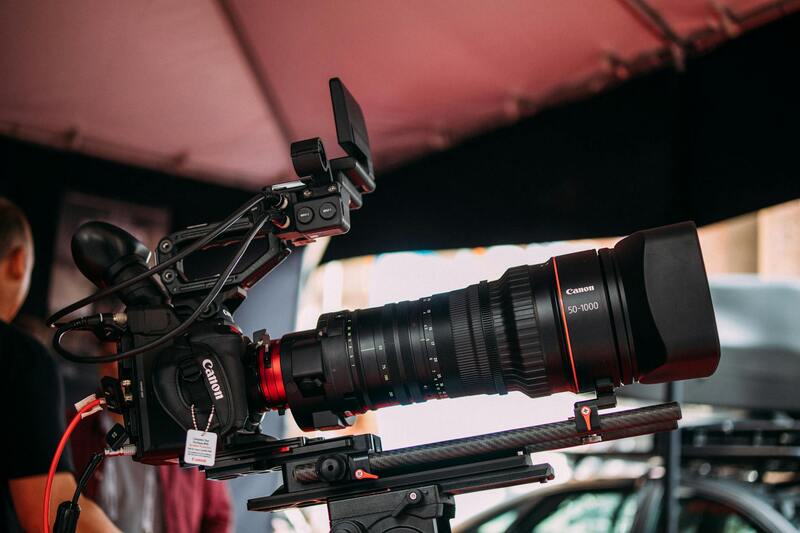
Utilizing high-resolution cameras with wide-angle lenses allows photographers to capture more of each room in a single shot, reducing the need for multiple images and creating a sense of spaciousness. Tripods ensure steady shots, especially in low-light conditions, preventing motion blur. In addition, employing techniques such as HDR (High Dynamic Range) imaging helps balance exposure in scenes with varied lighting, rendering images with vibrant detail both inside and outside the property.
Best Practices for Staging and Preparing Properties
Effective staging involves removing clutter, depersonalizing spaces, and arranging furniture to optimize the flow and size perception. Bright, neutral colors tend to appeal to a broader audience and reflect well in photographs. Ensuring proper lighting and open blinds or curtains to maximize natural light contributes to lively, inviting images. Also, addressing minor repairs and cleanliness before the shoot can significantly improve visual impact, making spaces appear well-maintained and ready for occupancy.
Use of Drone and Aerial Photography
Drone photography offers a compelling perspective of the property and its surrounding environment, especially for listings featuring large estates, waterfronts, or scenic landscapes. Elevated views can demonstrate property size, layout, and proximity to key amenities, providing potential buyers with context that ground-level photos cannot capture. When integrating drone imagery, it’s crucial to follow safety protocols and secure necessary permits to ensure compliance and smooth operation.
Editing and Post-Production Techniques
Post-processing is an integral part of property photography, used to refine images and ensure they accurately represent the space. Techniques such as color correction help reproduce true-to-life hues, while adjusting contrast and sharpness enhances details, making features pop. However, editing should avoid overdoing enhancements that could mislead viewers. Subtle adjustments preserve authenticity, reinforcing trust and credibility in listings. Additionally, stitching multiple exposures through HDR can balance interior and exterior contrast, delivering images that are both vibrant and true to reality.
Legal and Ethical Considerations
In the realm of property photography, adhering to established legal and ethical standards is paramount to maintaining professionalism and trust. It is essential to secure proper permissions before photographing private property, especially if creating aerial images with drones or capturing interiors that include private or sensitive content. Respect for the privacy of current occupants and neighbors must be maintained; this often involves notifying individuals and obtaining consent where necessary.
Furthermore, accuracy in representing property features is vital. Photographers and agents should avoid digital alterations that could mislead potential buyers or distort the property's true appearance. Employing transparent methods and providing realistic images foster credibility and help build lasting relationships with clients.
Respecting intellectual property rights is also a critical aspect of ethical property photography. Content should be original, or permission must be obtained for any third-party images or assets used. This practice not only upholds professional standards but also prevents legal complications.
In practice, abiding by these guidelines ensures that property listings are trustworthy and reflect the actual property conditions. Clear communication about what prospective buyers can expect from viewing the actual property, supported by honest imagery, creates a positive reputation for real estate professionals and photographers alike.