
Understanding the Role of Property Photographers
Property photographers play a vital role in the real estate industry by creating high-quality images that capture the essence and appeal of a property. Their primary responsibility is to produce visual content that attracts potential buyers and tenants, providing an accurate yet enticing representation of the property’s features. In a competitive market like Miami, where eye-catching visuals can significantly influence buying decisions, the skill of a property photographer becomes even more crucial.
These professionals are tasked with more than just taking photos; they understand the importance of lighting, composition, and perspective to showcase a property’s best attributes. They often work closely with real estate agents, property owners, and marketers to understand the unique selling points of each property. Their work involves preparing the space to look inviting, using specialized techniques to enhance natural light, and selecting angles that maximize space perception.
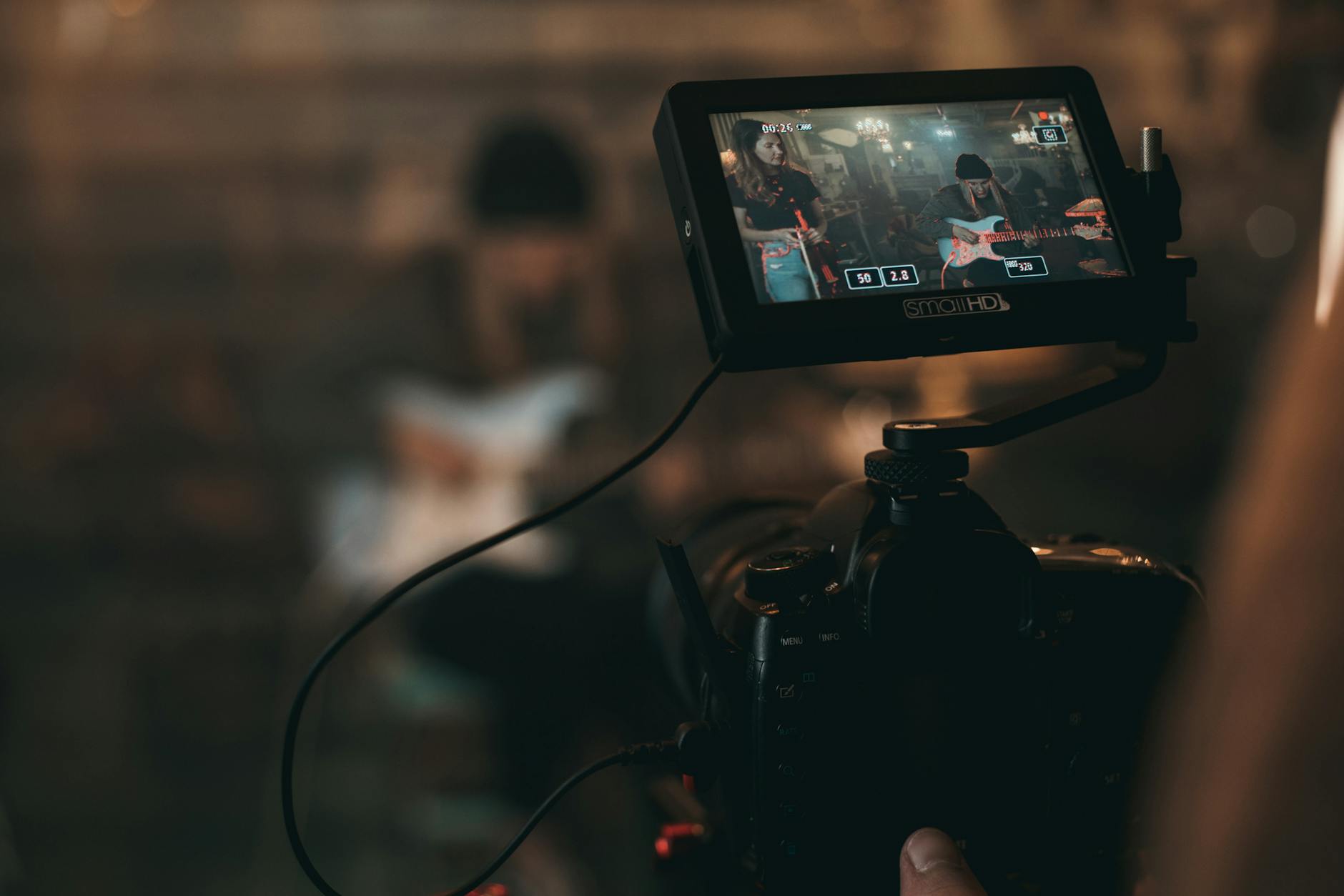
The impact of professional photography on property sales cannot be overstated. Listings with high-quality images tend to attract more viewings and generate faster sales compared to those with subpar visuals. This makes property photographers a critical component of successful real estate strategies, offering a competitive edge to sellers and agents alike.
Moreover, in markets like Miami—known for its luxury homes and vibrant real estate scene—property photographers are often called upon to craft visuals that reflect the unique lifestyle and aesthetic appeal of the area. Through this specialized work, they help facilitate quicker transactions and higher property valuations, reinforcing their importance in contemporary real estate practices.
In summary, property photographers serve as the visual storytellers of real estate, blending technical expertise with artistic sensibility to produce images that captivate and persuade. Their work influences buyer perception, accelerates sales processes, and ultimately plays a significant role in the success of property marketing efforts.
Understanding the Role of Property Photographers
Within the real estate industry, property photographers serve as vital visual storytellers. Their primary responsibility is to create compelling images that capture the essence of a property, showcasing its best features to potential buyers. This task involves more than just clicking photos; it requires an understanding of architecture, spatial relationships, and lighting to produce visuals that resonate emotionally and practically with viewers.
Property photographers employ a combination of technical expertise and artistic vision. Mastery over camera settings, lens selection, and composition allows them to highlight the unique qualities of each property. They meticulously choose angles and focal points that accentuate space, brightness, and appeal, often utilizing techniques such as HDR (High Dynamic Range) imaging to balance lighting contrasts. This ensures interior spaces appear inviting and well-lit, while exterior shots emphasize curb appeal and neighborhood context.
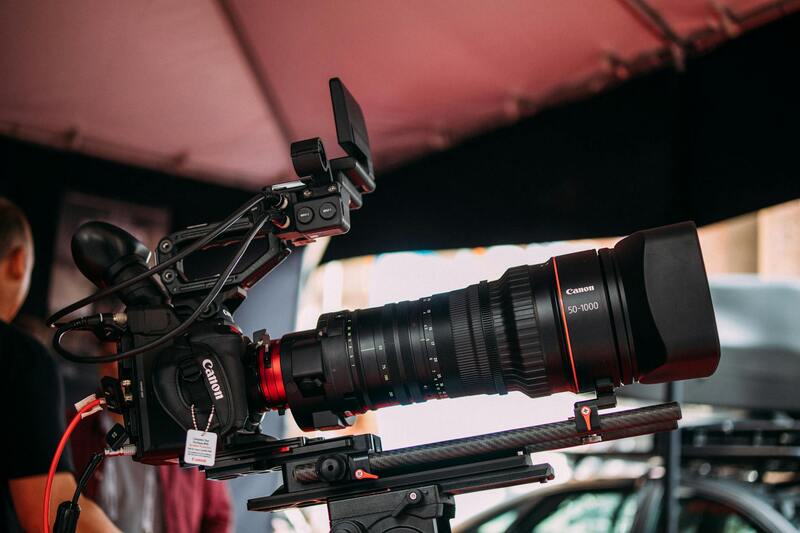
Beyond technical precision, property photographers adapt their approach to align with the target market. For luxury homes, they might prioritize sweeping views and elegant aesthetics, whereas for more practical properties, they focus on clarity and accurate representation. In popular real estate hubs like Miami, where aesthetics and lifestyle are key selling points, property photographers often work closely with agents to craft visuals that mirror the vibrancy and exclusivity of the local market.
The impact of their work extends beyond aesthetics. Well-executed photographs can shorten the selling cycle, attract more interested parties, and facilitate higher sale prices. Listings adorned with professional images tend to garner greater online engagement, leading to increased foot traffic and inquiries. Consequently, property photographers play an integral role in bridging the visual gap between property owners, real estate professionals, and prospective buyers.
In markets like Miami, where presentation significantly impacts demand, the work of property photographers becomes even more crucial. Their images help encapsulate the lifestyle, luxury, and aesthetic qualities that appeal to discerning buyers. This persuasive visual storytelling not only accelerates transaction times but often elevates property valuations, reinforcing the importance of investing in professional photography services.
By transforming static spaces into vibrant visuals that evoke aspiration and desire, property photographers contribute to a seamless and engaging real estate experience. Their skill in capturing properties at their best ensures that listings stand out in a competitive marketplace, ultimately benefiting sellers, agents, and buyers alike.
Implementing Effective Photography Techniques for Property Listings
For property owners and real estate professionals aiming to make their listings stand out, understanding the technological and stylistic approaches used by professional property photographers is essential. These techniques ensure that each property is presented in the most appealing and accurate manner, ultimately aiding in attracting qualified buyers.
One fundamental aspect of high-quality property photography involves meticulous staging of the space. This process includes decluttering, arranging furniture to highlight the best features, and optimizing lighting. Proper lighting, whether natural or augmented with professional equipment, plays a crucial role in creating bright, inviting images. Soft, even lighting minimizes shadows and enhances architectural features, making rooms appear more spacious and welcoming.
Another key technique is the use of wide-angle lenses. These instruments allow photographers to capture full room layouts and give viewers a comprehensive sense of space. When combined with strategic camera positioning, wide-angle shots avoid distortions and provide an accurate perspective that appeals to potential buyers.
The angle and composition in property photography significantly influence viewer engagement. Photographers often employ the rule of thirds, ensuring focal points, such as fireplaces, views, or architectural details, are positioned effectively within the frame. Symmetry and balanced composition further draw the eye and create aesthetically pleasing visuals.
In addition to traditional photography, drone imagery has gained prominence for its ability to showcase expansive outdoor spaces, surrounding amenities, and neighborhood views. Drone shots offer prospective buyers a comprehensive understanding of the property's context within its environment and often lead to increased interest in listings.
Post-processing also plays a vital role in professional property photography. Skilled editors refine images to correct color balances, enhance details, and remove distractions that could detract from the property's appeal. This meticulous attention to detail ensures the photos reflect the property’s best attributes without misrepresenting the space.
Furthermore, immersive virtual tours and 3D walkthroughs are increasingly integral to modern property marketing strategies. These virtual experiences allow potential buyers to explore property layouts remotely, providing a realistic sense of movement and spatial relationships that static images cannot fully convey.
By integrating these advanced techniques and equipment, property photographers in Miami can produce compelling visuals that serve as powerful marketing tools. The ultimate goal is to evoke emotional responses from viewers, convey the property’s unique features, and facilitate quicker, more lucrative transactions.
Understanding the Role of Property Photographers
Property photographers play a vital role in the real estate market by creating compelling visual representations of properties. Their primary responsibility is to capture the essence, style, and unique features of a property in a manner that appeals to prospective buyers or tenants. They function as visual storytellers, transforming spaces into enticing images that highlight architectural details, interior design, and outdoor landscapes. This involves a keen understanding of lighting, angles, and composition to ensure each shot showcases the property at its best. Professional property photographers are adept at working with various property types, including residential homes, commercial spaces, and luxury estates. They tailor their approach based on the property’s target audience and market segment, employing techniques that maximize visual impact. For instance, wide-angle lenses are used to depict spacious interiors, while drone photography provides sweeping views of expansive outdoor areas. Their expertise ensures that every image conveys authenticity while amplifying the property's visual appeal. Beyond capturing images, property photographers also work on staging advice, helping to enhance the photo-ready appearance of a space. They collaborate closely with real estate agents, property managers, and homeowners to understand the key features and selling points that need emphasis. These professionals are proficient in leveraging natural light and supplementary lighting equipment, such as strobes and softboxes, to produce balanced and inviting images. Ultimately, property photographers aim to generate images that evoke emotional responses, foster curiosity, and generate interest. Their work is a crucial element in creating marketing materials that stand out in competitive listings and online platforms. Quality imagery can significantly influence how quickly a property sells or rents, making the role of property photographers indispensable in modern real estate marketing strategies.
Key Skills and Equipment for Property Photography
Effective property photographers possess a range of technical skills and utilize specialized equipment to produce superior images. These skills include a mastery of camera operation, understanding effective lighting setups, and an eye for composition. They are well-versed in different shooting techniques to adapt to various space sizes and lighting conditions. The equipment employed by property photographers often includes professional-grade DSLR or mirrorless cameras capable of capturing high-resolution images. Wide-angle lenses are essential for interior shots to create a sense of space and openness. Tripods ensure stability for sharp images, especially in low-light conditions or interior spaces where natural light is insufficient. Furthermore, drone technology has become a standard tool, providing aerial perspectives that showcase entire property layouts and surrounding environments with vibrancy and detail. Gimbals and stabilizers are also used to ensure smooth, professional-looking footage during virtual tours or video walkthroughs. Post-processing software, such as Adobe Lightroom and Photoshop, is equally important. Photographers utilize these tools to adjust color balance, correct lens distortions, and remove minor distractions, ensuring each image accurately reflects the property’s character while maintaining visual appeal. Attention to detail during editing enhances clarity and vibrancy without misrepresenting the space. Understanding the importance of timing, property photographers often work during the day to incorporate natural light, optimizing the visual quality of images. Their proficiency with this combination of skill and equipment directly impacts the quality and effectiveness of property marketing campaigns.
Understanding the Role of Property Photographers
Property photographers are specialized professionals dedicated to capturing the essence and appeal of real estate properties through high-quality images. Their work plays a crucial role in the marketing and presentation of properties, making listings more attractive, engaging, and informative for potential buyers. By utilizing advanced techniques and equipment, they aim to showcase each property's unique features, spatial dimensions, and ambiance to help properties stand out in a competitive market.
Their responsibilities extend beyond mere image capturing; they involve strategic staging, lighting, and composition to highlight a property’s best aspects. The goal is to evoke an emotional response from viewers, encouraging them to envision living in the space. Whether focusing on interior layouts, exterior landscapes, or aerial views, property photographers must understand real estate marketing dynamics and tailor their approach accordingly.
This professional approach ensures listings receive maximum visibility online, which correlates directly with increased interest and potential sales. The visual quality provided by expert photographers can drastically reduce the time a property stays on the market. For real estate agencies, investing in skilled property photographers translates into more compelling marketing campaigns, higher engagement, and ultimately, quicker sales cycles.
Key Skills and Equipment for Property Photography
Successful property photographers possess a combination of technical expertise, artistic sensibility, and familiarity with the latest imaging technology. Their skill set includes proficiency in camera operation, understanding lighting conditions, and mastering post-processing techniques. They also skillfully manage the staging and layout to ensure each shot captures the property’s appeal effectively.
High-quality equipment forms the backbone of professional property photography. This includes:
- Professional-grade DSLR or mirrorless cameras capable of capturing detailed, high-resolution images.
- Wide-angle lenses, essential for interior shots, to create an expansive sense of space.
- Tripods to stabilize the camera for sharp images, especially in low-light environments.
- Drone technology to provide aerial perspectives that reveal the property's overall layout and environment.
- Gimbals and stabilizers for smooth video shots and virtual tours.
- Advanced editing software such as Adobe Lightroom and Photoshop for color correction, distortion adjustments, and image enhancement.
Beyond equipment, understanding the importance of timing and natural lighting plays a role in capturing compelling images. Photographers typically schedule shoots when natural light is optimal, often during daytime hours, to enhance color accuracy and depth. The integration of skill, high-quality tools, and timing results in images that truly reflect the property’s character and appeal.
Types of Property Photography Services
Property photography encompasses various service types to meet the diverse needs of real estate professionals and property owners. These include:
- Interior Photography: Focusing on creating inviting, well-lit images of living spaces, emphasizing layout and design features.
- Exterior Photography: Highlighting the property's facade, landscaping, and curb appeal to attract interest from potential buyers.
- Aerial Photography: Using drones to capture expansive views, showcasing property boundaries, surrounding amenities, and neighborhood context.
- Virtual Tours and 3D Walkthroughs: Providing immersive experiences that allow prospective buyers to explore the property remotely.
- Video Walkthroughs: Creating dynamic, engaging video content that narrates the unique story of the property with smooth, professional footage.
These varied services enable a comprehensive presentation of the property, catering to different marketing platforms and audience preferences, thereby maximizing exposure and engagement.
Evaluating Photographer Credentials and Portfolio
When selecting exterior property photographers, it’s essential to assess their professional background and portfolio. A well-curated portfolio offers insight into the photographer’s style, attention to detail, and consistency across different property types. Prospective clients should review images from previous projects to gauge the quality of lighting, composition, and post-processing techniques. An experienced photographer often has a diverse portfolio demonstrating their ability to adapt to various architectural styles and environmental conditions, which is crucial in capturing unique property features effectively.
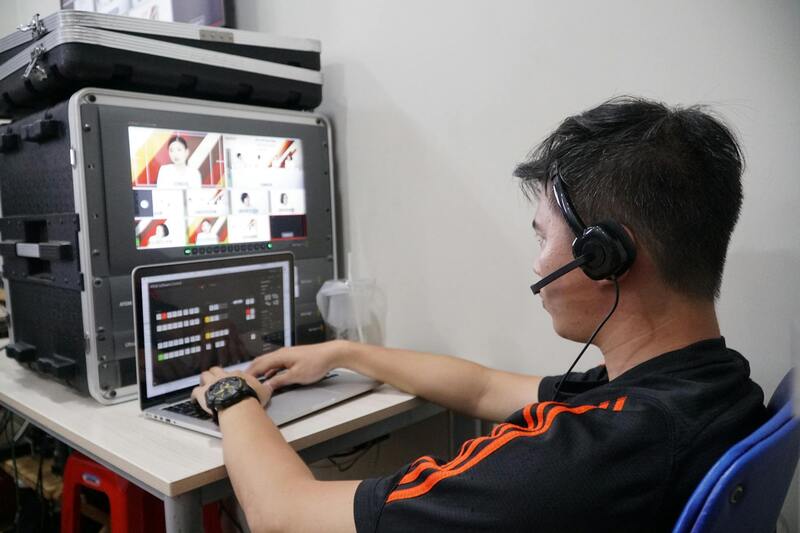
Moreover, verifying ongoing professional development and industry affiliations can provide additional assurance of their commitment to staying current with evolving photography trends and technical advancements. Such credentials often indicate a photographer’s dedication to maintaining high standards, which can directly influence the quality of final images delivered.
Understanding the Photographic Process and Client Collaboration
Property photographers typically follow a structured process that begins with understanding the client’s objectives and the unique features of the property. Effective communication is vital to ensure that the photographer highlights key selling points, whether it’s spacious interiors, luxurious finishes, or stunning exterior landscapes. Prior to a shoot, clients should collaborate with the photographer to plan scheduling around optimal lighting conditions and specific areas of focus.
During the photo session, professional photographers employ various techniques—manipulating angles, utilizing natural and artificial light, and arranging furniture or décor elements—to create inviting images. Post-production editing, including color correction, retouching, and staging enhancements, further refines the visuals, ensuring they are both realistic and compelling for marketing purposes.
Post-Shoot Delivery and Usage Guidelines
Once the images are captured and edited, clients should clarify the delivery format and timeline with their photographer. High-resolution digital files optimized for online listing platforms, brochures, and social media are the standard deliverables. Clear communication about licensing rights and permitted uses of the images is also essential to prevent any misunderstandings.
Property photos are central to marketing campaigns, and professional photographers often provide guidance on best practices for utilizing images effectively across various channels. From website listings to virtual tours, consistent and high-quality visuals enhance the property’s presentation and attract more prospective buyers or tenants.
Final Considerations for Selecting Property Photographers
When finalizing a choice, clients should consider factors such as turnaround times, the photographer’s familiarity with local Miami real estate markets, and reviews or references from previous clients. Establishing a clear contract that outlines scope, costs, delivery timelines, and revision policies helps ensure a smooth collaboration.
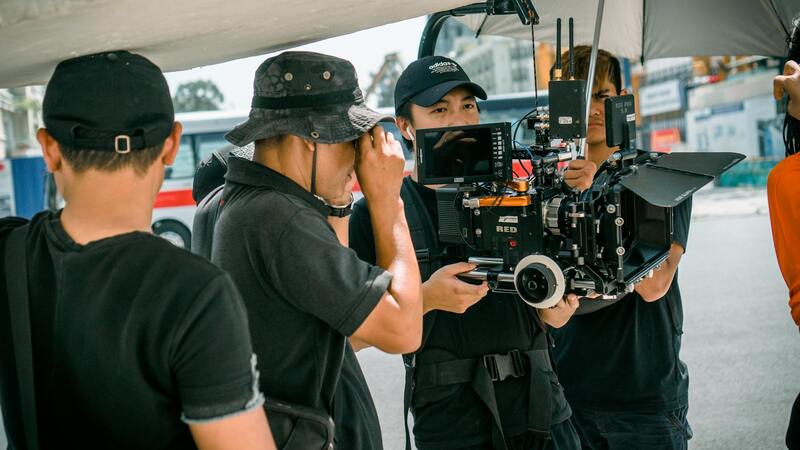
By focusing on these official and methodical steps, property owners and agents in Miami can secure professional photography services that effectively showcase their listings, ultimately supporting faster sales and higher property values through visually compelling presentation.
Understanding the Role of Property Photographers
Property photographers serve as vital contributors to the real estate marketing process, capturing compelling images that highlight a property's best features. Their work extends beyond simple photography; they create a visual narrative that appeals to prospective buyers and renters, ultimately influencing their decision-making process. Skilled property photographers possess a deep understanding of spatial composition, lighting techniques, and post-processing skills, enabling them to produce images that reflect the true essence of each property. Their expertise ensures that every shot is optimized to showcase spaces in the most flattering and inviting manner possible.
Significance of Visual Representation in Property Marketing
In today’s competitive Miami real estate market, high-quality images are often the first point of contact between a property and potential buyers. Professional property photographers utilize advanced techniques and equipment to create visuals that not only attract attention but also convey an accurate representation of the property. This accurate visual portrayal helps to set correct expectations and attract genuinely interested parties. An expertly captured photograph can enhance a property’s perceived value, increase engagement on listing platforms, and reduce the time a property spends on the market.
Impacts on Buyer Engagement and Marketability
Research consistently illustrates that listings with premium photography garner more views, inquiries, and showings than those with amateur or low-quality images. Well-composed, well-lit photographs foster emotional connections, allowing viewers to imagine themselves living within the space. For Miami’s diverse real estate landscape, where luxury condos, expansive homes, and commercial properties abound, professional imagery captures the unique features and architectural details that set each property apart. This differentiation is crucial in saturated markets, where striking visuals can significantly influence purchasing decisions.
Enhancing Marketing Strategies with Professional Photography
Effective property marketing hinges on high-quality visuals. From online listings to print brochures and social media campaigns, professional photographers provide images optimized for various channels. Their expertise ensures consistency across marketing materials, strengthening brand recognition and property presentation. Moreover, photographs that accurately reflect lighting, space, and ambiance are essential for virtual tours or 3D walkthroughs, which are increasingly popular in Miami's real estate transactions.
Why Professionalism Matters
Partnering with experienced property photographers ensures adherence to best practices in image composition, lighting, and editing. Their familiarity with local Miami market trends allows them to highlight properties' standout features effectively. Furthermore, established photographers typically have reliable workflows, delivering high-resolution images within agreed-upon timeframes, which is crucial for quick turnaround in fast-moving markets. Ensuring a professional approach minimizes revisions, avoids misrepresentations, and guarantees that property listings present a polished, compelling visual narrative.
Maximizing the Impact of Property Photography through Professional Techniques
Achieving the highest quality property images requires more than just a good camera and a skilled photographer. It involves strategic preparation and collaboration to ensure that each shot accurately portrays the property's best features, creating compelling visuals that resonate with potential buyers and tenants. Here are some essential practices for real estate agents and homeowners aiming to optimize their property photography outcomes.
Property Preparation for Optimal Photography
Preparing a property before a photography session is critical. Clutter and personal items should be removed or stored away to allow clear visibility of the space. This decluttering process helps to emphasize the property's size, layout, and design without distractions, making rooms appear more spacious and inviting. Additionally, cleaning surfaces, windows, and floors to a high shine ensures that natural and artificial light can reflect well, adding to the vibrancy of the images.
Lighting plays a pivotal role in property photography. During the shoot, it’s important to leverage natural light by opening curtains or blinds to maximize sunlight. For areas with limited natural light, professional photographers often supplement with high-quality lighting equipment to eliminate shadows and bring out the property's true ambiance.
Effective Collaboration with Property Photographers
Clear communication between the property owner or agent and the photographer is essential. Providing a detailed brief about the key features or specific angles to highlight ensures that the final images serve the marketing goals effectively. Photographers can suggest optimal times for natural light, camera angles that enhance space perception, and any specific stylistic preferences.
Establishing a collaborative environment encourages the photographer to apply their expertise creatively while aligning with the property’s unique selling points. Additionally, scheduling the shoot during favorable weather conditions can significantly impact exterior shots, capturing the property in the best possible light.
Leveraging High-Quality Post-Production Techniques
Post-processing is a crucial step in property photography. Skilled editing can correct minor lighting issues, adjust color balance, and enhance architectural details to produce visually consistent and professional images. However, it’s important that editing remains true to the property’s real appearance, allowing potential buyers to form accurate expectations based on the photographs.
High-resolution images optimized for digital and print use facilitate different marketing channels. Consistent styling across all photos, including interior, exterior, and detail shots, helps foster a cohesive visual story that captures the property’s essence effectively.
Adopting Consistent Photography Standards
Applying standardized techniques across all property shoots ensures a uniform look that strengthens branding efforts for real estate agencies. Using specific camera settings for exposure, white balance, and perspective can help maintain this consistency. For instance, employing wide-angle lenses can highlight spatial relationships in smaller rooms, while drone photography adds breathtaking aerial views that showcase large estates or commercial properties.
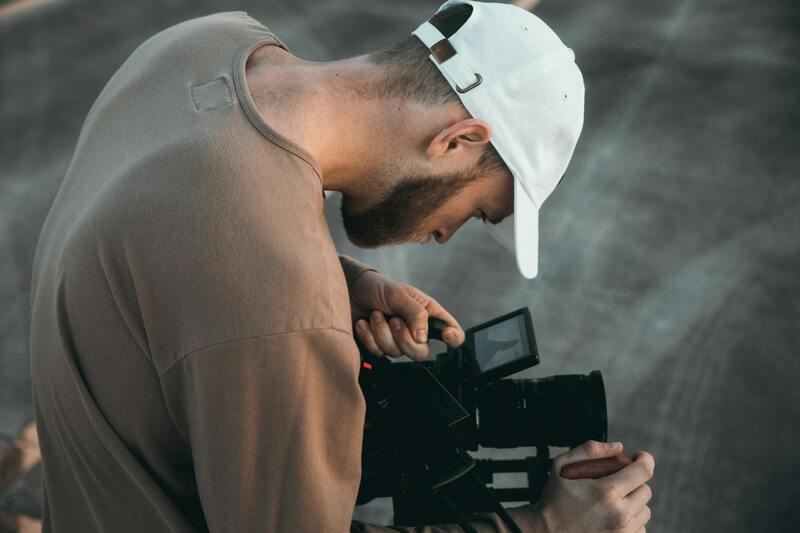
Ultimately, maximizing the impact of property photography involves a comprehensive approach that integrates meticulous property preparation, close collaboration with skilled photographers, precise post-production, and consistent application of industry standards. Such practices elevate property listings, foster buyer interest, and contribute to faster sales or leasing cycles, especially when executed by experienced professionals specializing in property photography services in Miami.