
Importance of High-Quality Realtor Photos
In the competitive Miami real estate market, the significance of high-quality realtor photos cannot be overstated. Stunning visuals serve as the first point of contact between a property and prospective buyers, often determining whether an individual chooses to explore further. With a vast number of listings available online, captivating images make a property stand out, creating an immediate curiosity that encourages potential buyers to schedule viewings. These photographs not only highlight the aesthetic appeal of the property but also communicate its unique features and overall condition, providing a comprehensive impression that words alone cannot achieve.
In Miami’s diverse real estate landscape, it is crucial for sellers and agents to present properties with visual clarity and precision. High-quality images convey professionalism, build trust, and enhance the perceived value of the property. Moreover, they facilitate quicker sales cycles by reducing the amount of time prospective buyers need to decide whether to pursue a property further. In essence, professional realtor pictures serve as a strategic asset that can maximize exposure, generate interest, and ultimately lead to faster, more lucrative transactions.
In addition to attracting individual buyers, polished images assist in marketing across various online platforms—MLS listings, social media, property websites, and email campaigns. The visual impact of expertly taken photographs enhances the overall marketing effort, ensuring that each listing reaches its optimal audience with a compelling presentation. Therefore, investing in professional quality images is not merely a visual enhancement but a fundamental component in the success of property sales within Miami’s dynamic real estate environment.
Additional Elements to Consider
- High-resolution images to ensure clarity across all devices
- Proper lighting that highlights the property's interior and exterior features
- Wide-angle shots that give a comprehensive view of spaces
- Accurate color representation to convey true property aesthetics
- Consistent editing style to maintain a professional portfolio
By prioritizing quality in real estate imagery, agents and sellers can significantly influence the perception and attractiveness of a property, thereby increasing the chances of a successful sale or lease in one of the most competitive markets in the country.
Choosing the Right Photographer and Equipment
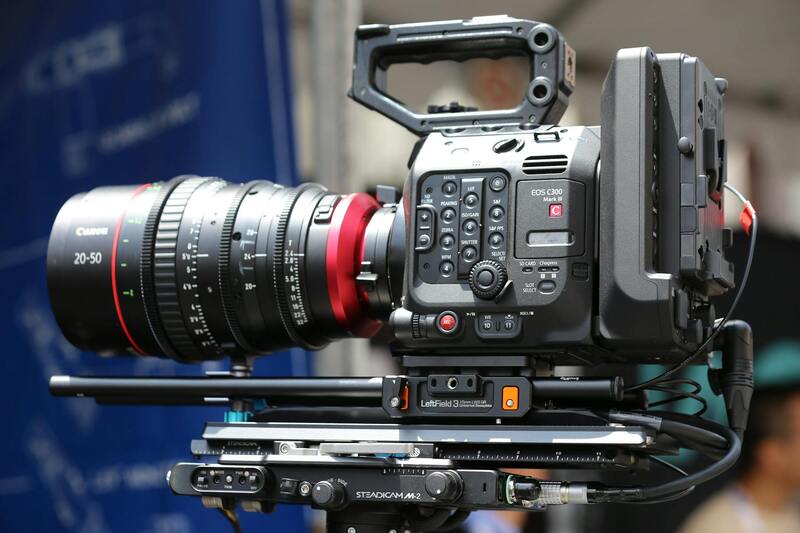
Securing the services of an experienced real estate photographer is crucial to capturing the true essence of a property. A professional photographer familiar with the nuances of realtor imagery understands how to manipulate camera settings, utilize the right equipment, and frame shots to maximize visual appeal. Equipment choices play a significant role in this process, including the use of high-resolution cameras with wide dynamic ranges, professional-grade lenses, and stabilization tools. Such gear ensures images are crisp, clear, and vibrant, regardless of lighting conditions or interior complexities.
Beyond the camera itself, specialized accessories like drone cameras for aerial shots or wide-angle lenses to accentuate space are invaluable. Drones can reveal property layouts from above, showcasing the surroundings effectively. Wide-angle lenses, on the other hand, create a sense of openness within even modestly sized rooms, making spaces appear larger and more inviting. When selecting a photographer, reviewing their portfolio for consistency, style, and familiarity with real estate visuals is essential. Experience with properties similar to those in the Miami market can enhance the chances of producing engaging images that resonate with prospective buyers.
Preparing Properties for Photoshoots
For outstanding results, properties need careful preparation before the camera flashes. This preparation involves decluttering spaces to create an orderly and inviting environment, ensuring that potential buyers can focus on the core features of the property without distractions. Staged furnishings and slight rearrangements can help accentuate key selling points, such as spaciousness, natural lighting, or architectural details.
Attention to details such as making beds neatly, removing personal items, and ensuring windows are clean maximizes the visual impact. Also, ensuring all areas are well-lit—either through natural or artificial lighting—helps in achieving high-quality images. In some cases, scheduling shoots during times of optimal natural light, like early morning or late afternoon, enhances the photograph’s quality by providing a warm and welcoming atmosphere. Properly prepared properties will significantly reduce the need for extensive editing later, resulting in more authentic and appealing images.
Post-Production Techniques and Editing
After capturing the raw images, post-production editing plays a vital role in refining photos to their best potential. Professional editing involves adjusting brightness, contrast, and color balance to ensure true-to-life representations while enhancing visual appeal. Techniques such as straightening horizons, removing minor blemishes, and balancing exposure help create a polished look that appeals to viewers.
Advanced editing can also involve subtle adjustments to highlight architectural features or create visual focal points within the image. The goal is to produce images that are captivating and consistent, reflecting the property's true beauty without over-editing or misrepresenting it. Maintaining a consistent editing style across all photos builds a professional portfolio and sets the property apart in competitive markets like Miami.
Integrating Realtor Photos into Marketing Strategies
High-quality images are more than just visual assets; they are integral to various marketing channels. Expert photos should be incorporated into MLS listings to grab the attention of potential buyers browsing online catalogs. The impact is amplified when images are optimized for web use, loading quickly without sacrificing quality.
Additionally, realtor photos are highly effective in social media marketing, where engaging visuals increase sharing, views, and inquiries. Property websites also benefit from immersive galleries that provide virtual tours and detailed views, creating an interactive experience for buyers unable to visit in person. Email campaigns featuring professional images further enhance email open rates and engagement, helping agents reach a wider audience. Overall, integrating top-tier realtor images across all marketing platforms maximizes exposure and accelerates the sale process.
Choosing the Right Photographer and Equipment
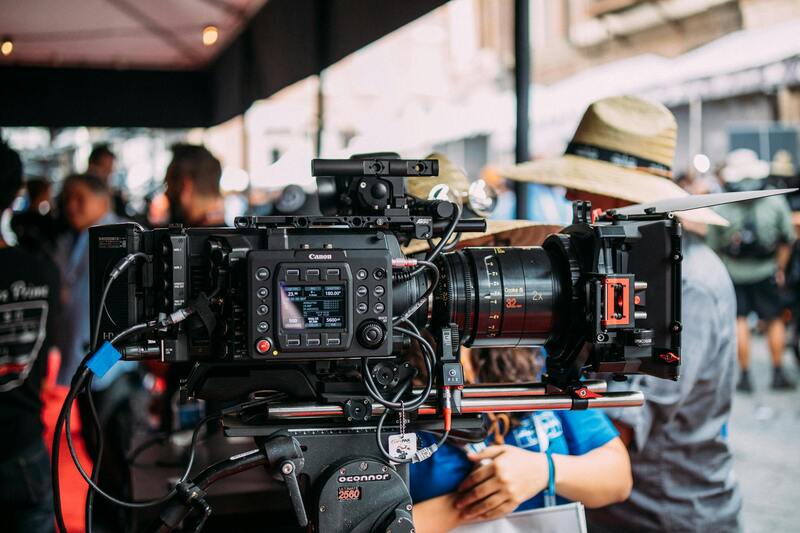
Selecting a professional photographer with extensive experience in real estate imagery significantly elevates the quality of the final photos. An expert photographer understands the nuances of lighting, composition, and timing necessary to showcase a property in its best light. They are adept at utilizing advanced camera gear, including high-resolution digital cameras, wide-angle lenses, and stabilization equipment, to produce sharp and expansive images that capture the full essence of a property.
The choice of equipment is crucial for achieving clarity and depth in each shot. High-quality sensors and lenses help in capturing details while managing light conditions across different areas of the property. For instance, when photographing spaces with varying lighting levels, professional photographers rely on high dynamic range (HDR) techniques to balance exposure and emphasize architectural features accurately.
Furthermore, experienced photographers know how to stage a property visually, highlighting its strongest features and minimizing distractions. They also understand the importance of efficient shooting processes, ensuring quick turnaround times while maintaining high standards of quality.
When selecting a photographer, consider their portfolio and familiarity with real estate photography to ensure they can deliver images that resonate with target audiences. Modern real estate marketing relies heavily on visually compelling content, making it essential that the photographer's skills align with industry standards for professionalism and technical excellence.
Post-Production Techniques and Editing
After capturing the initial images, the post-production phase plays a vital role in ensuring that realtor photos meet the highest standards of visual excellence. Professional editing involves more than basic adjustments; it requires a keen eye for detail to enhance the overall aesthetic without compromising authenticity. High-quality images demand precise color correction to accurately represent the property's natural hues, creating an enticing yet truthful depiction of the space.
Utilizing advanced editing software allows photographers to fine-tune elements such as brightness, contrast, and sharpness, ensuring each image highlights architectural details and interior design features effectively. Correcting lens distortions, removing minor imperfections, and balancing exposure in areas with challenging lighting conditions are essential steps that contribute to a polished final product.
HDR blending techniques are often employed to combine multiple exposures, resulting in images where both interior brightness and exterior views are well-balanced. This approach preserves the detail in shadows and highlights, offering a comprehensive view that appeals to prospective buyers. Additionally, subtle adjustments like lens flare reduction, sky enhancement, and cleaning up clutter or distracting objects in the frame can significantly elevate the image quality.

Consistent editing styles across a property’s photo gallery help reinforce branding and professionalism, which can influence viewers' perception positively. Importantly, maintaining authenticity during editing ensures the images accurately reflect the property's true appearance, fostering trust and confidence among prospective clients.
Integrating Realtor Photos into Marketing Strategies
High-quality realtor images serve as a cornerstone for effective property marketing. They should be strategically integrated across various platforms to maximize visibility and engagement. For instance, professional photos are crucial in property listing websites, social media campaigns, virtual tours, and print brochures. Each channel benefits from the consistency and visual appeal of well-produced images, which can significantly influence a buyer’s decision process.
Employing a cohesive visual language through high-quality imagery enhances the overall branding efforts of real estate agents and agencies. This can include using the same style of photos, color grading, and framing techniques to create a unified presentation that resonates with the target audience and reinforces credibility.
Legal and Ethical Considerations
When showcasing properties through professional realtor photography, it is essential to respect the rights of all parties involved. This includes obtaining proper permissions for photographing private spaces and ensuring that any included individuals have consented to their likenesses being used in promotional materials. Additionally, accurately representing a property without selectively optimizing images to mislead viewers fosters transparency and trust.
Photographers should also be cautious about the use of digital alterations that could distort the reality of the space. Ethical photo editing involves enhancing the natural features of a property without creating false impressions, which helps maintain integrity in marketing efforts and preserves a professional reputation.
Trends and Innovations in Realtor Photography
Staying abreast of emerging trends and technological advancements can give real estate professionals a competitive edge. The incorporation of 360-degree virtual tours, drone photography, and augmented reality allows potential buyers to explore properties remotely, providing immersive experiences that were previously unavailable.
Furthermore, advances in lighting technology, lens systems, and editing software continue to elevate the quality of realtor images. The adoption of AI-driven editing tools assists in streamlining post-production workflows, maintaining consistency, and optimizing images for various display formats.
Post-Production Techniques and Editing
After capturing the initial shots, the post-production phase plays a crucial role in ensuring that professional realtor pictures not only look appealing but also accurately represent the property. Top-tier editing involves fine-tuning aspects such as brightness, contrast, color balance, and sharpness to highlight the property's best features without overdoing it. Skilled photographers utilize advanced software to correct distortions, remove minor imperfections, and highlight natural light, creating a balanced and inviting visual narrative.
Retouching should enhance the space's appeal without misleading potential buyers. This means avoiding excessive alterations that could create false impressions of the property’s size, layout, or condition. Professional editing ensures consistency across images, which is essential for establishing a cohesive visual identity in marketing campaigns. Additionally, the use ofHDR (High Dynamic Range) imaging techniques can bring out details in both shadowed and illuminated areas, producing images with a depth that closely resembles how the eye perceives the space.
Employing color correction and wide-angle lens enhancements can make interiors appear more spacious and inviting. These adjustments must be executed carefully to retain accuracy, thereby building trust with prospective buyers and reinforcing the property’s genuine qualities. Innovative editing tools, leveraging artificial intelligence, are now increasingly used to streamline workflows, improve uniformity, and create striking visuals efficiently.
Beyond basic enhancements, specialized techniques such as virtual staging and sky replacements are also gaining popularity. These methods allow realtors to present a fully furnished or idealized version of a space, aiding buyers in visualizing potential without compromising transparency. When performed ethically and professionally, post-production editing turns raw images into compelling marketing assets that resonate with viewers, ultimately driving increased interest and engagement.
Investing in meticulous post-production ensures that professional realtor pictures meet high standards of quality, helping properties stand out in competitive markets. Properly edited images not only attract more viewers but also set accurate expectations, fostering trust and professionalism in all marketing endeavors.
Legal and Ethical Considerations in Professional Realtor Photography
Ensuring that all visual representations of a property are both accurate and truthful is fundamental to maintaining credibility in real estate marketing. When implementing digital enhancements, realtors and photographers must adhere to established standards that prevent misleading portrayals. This involves avoiding manipulations that could significantly alter the property's true appearance, such as excessive sky replacements, virtual furniture additions, or perspective distortions that misrepresent room sizes or features.
Transparency in editing processes is essential. Clearly indicated virtual modifications help foster trust with prospective buyers and uphold professional integrity. For example, if virtual staging is used, it should be communicated explicitly that such images are representations of potential spaces rather than existing conditions.
Adhering to consistent color correction practices ensures that photos reflect natural lighting and color tones, providing a genuine preview of the property's appearance. Overly saturated or artificially enhanced images can set unrealistic expectations, which may lead to dissatisfaction or mistrust post-viewing.
Realtors should also consider the timing and conditions under which photos are taken. Capturing images during optimal lighting conditions and avoiding images that omit vital features create a more truthful depiction. Properly portraying the property's size, layout, and condition sets a foundation of transparency that benefits both sellers and buyers.
Developing guidelines for photoshoot practices, including standardized editing protocols, can help maintain consistency and integrity across all marketing materials. Additionally, staying informed about best practices and industry standards ensures that real estate professionals remain compliant with evolving expectations regarding ethical photography.
Ultimately, the goal is to present properties in their best light while maintaining respect for factual accuracy. Doing so not only enhances the reputation of real estate professionals but also supports informed decision-making for buyers, creating a more transparent and trustworthy market environment.
Legal and Ethical Considerations in Realtor Photography
When incorporating professional realtor pictures into marketing campaigns, real estate professionals must adhere to established standards that promote honesty and transparency. Utilizing high-quality images that accurately depict a property's condition and features is fundamental to fostering trust with prospective buyers and maintaining a reputable practice within the industry. Misrepresenting a property through overly edited or selectively captured images can undermine credibility and lead to complications during the sales process.
One critical aspect involves the explicit disclosure of any modifications or enhancements made during post-production editing. For example, if images are retouched to remove imperfections or to enhance certain visual elements, this should be clearly communicated to avoid misleading potential buyers. Additionally, images should avoid exaggeration of space, features, or renovations, so buyers receive an authentic preview of the property.
Proper rights management is also essential. Photographs taken by professional photographers are often owned by the photographer or the agency they represent. Securing clear permission for the use of these images, particularly for promotional purposes and across various platforms, safeguards against legal complications and supports ethical practices.
Realtors must also be attentive to the inclusion of people, especially in interior or neighborhood shots. It is important to obtain consent from individuals featured in any photos to respect privacy rights. Similarly, property descriptions accompanying the images should be accurate, cohesive with the visual content, and free from language that could be interpreted as misleading.
To meet these standards, real estate practitioners often develop internal guidelines that specify acceptable editing techniques, disclosure protocols, and rights management procedures. Regular training and updates ensure that their teams are aligned with evolving industry expectations, fostering a culture of compliance and ethical responsibility.
Trends and Innovations in Realtor Photography
As technology continues to advance, new trends emerge that enhance the quality and authenticity of realtor images. Techniques such as HDR (High Dynamic Range) photography allow for balanced lighting in challenging conditions, producing more appealing and true-to-life images. Drone photography is increasingly popular for capturing extensive views of properties and their surrounding neighborhoods, providing prospective buyers with a comprehensive perspective.
Virtual staging and 3D tours are transforming the way properties are presented, offering immersive experiences without physically altering or visiting spaces. These innovations enable buyers to visualize potential layouts and interior designs, making real estate marketing more engaging and informative.
However, integrating these cutting-edge tools responsibly remains crucial. Ensuring that virtual representations are accurate and providing clear indications of any digital modifications help maintain transparency. This balanced approach between innovative techniques and truthful depiction supports sustainable practices that benefit both sellers and buyers.
Legal and Ethical Considerations in Realtor Photography
Maintaining integrity in real estate marketing is fundamental for fostering trust and establishing a professional reputation. Property images must accurately represent the space without exaggeration or misrepresentation, which could mislead potential buyers. Real estate practitioners often develop internal guidelines that specify acceptable editing techniques, disclosure protocols, and rights management procedures. Regular training and updates ensure that their teams are aligned with evolving industry expectations, fostering a culture of compliance and ethical responsibility.
Clear documentation of any alterations made during post-processing safeguards transparency. For example, editing to enhance lighting or remove minor blemishes should not distort the property's true appearance or conceal features essential for decision-making. Disclosure about virtual staging and digital modifications in listings adds an extra layer of transparency, helping buyers to make informed choices based on accurate representations.
It's also crucial to respect copyright laws and intellectual property rights. Photographers often retain ownership of images, and real estate agents should secure appropriate licensing agreements to avoid unauthorized use. Proper attribution and permission prevent legal complications and uphold professional standards in the industry.
Adhering to ethical guidelines extends to the selection and use of marketing channels. Realtors should ensure that images are consistent across print and digital platforms, avoiding manipulative tactics such as over-saturation or deceptive angles that could mislead viewers. Transparency and honesty in visual marketing efforts reinforce trust with clients and prospective buyers alike.
By embedding these principles into daily practices, real estate professionals demonstrate their commitment to integrity and ethical excellence. This approach not only complies with industry expectations but also contributes to a positive reputation that can drive long-term success in a competitive market.