
Importance of High-Quality Realtor Photos
In the dynamic and highly competitive Miami real estate market, first impressions are often formed through digital listings. High-quality professional realtor photos serve as the visual gateway that draws potential buyers and tenants into a property. Well-composed, clear, and captivating images can significantly influence a viewer’s decision to schedule a viewing or make an offer. In a city renowned for its vibrant neighborhoods and luxurious properties, the visual presentation is crucial to stand out among numerous listings.
Magnificent visuals not only increase the visibility of a property but also enhance its perceived value. Buyers tend to spend more time inspecting listings with compelling imagery, which can lead to faster sales and higher offers. For real estate professionals in Miami, investing in professional realtor photography translates into tangible benefits—more showings, reduced days on the market, and better chances of closing deals at desirable prices.
Additionally, the power of professionally captured imagery extends to establishing credibility and trust. When listings feature high-quality photos, prospective clients perceive the realtor as detail-oriented and committed to excellence. As the competition intensifies, particularly in popular Miami locales, the visual appeal cultivated through expert photography becomes a key factor in securing client confidence and setting your listings apart.
Moreover, the influence of professional realtor photos extends beyond individual listings. They determine how a realtor’s brand is perceived in the digital space, impacting search engine visibility and overall marketing effectiveness. High-quality images are more likely to be shared across social media platforms, printed as marketing collateral, or featured in digital advertisements, further expanding reach and attracting potential buyers from diverse demographics.
In summary, the strategic use of professional realtor photos is no longer optional but a fundamental component of effective real estate marketing in Miami. The visual representation of a property directly correlates with buyer engagement, marketability, and ultimately, sales success. Real estate agents and property owners who prioritize top-tier imagery position themselves for a competitive advantage and ensure their listings resonate with the discerning Miami clientele.
To maximize these benefits, partnering with experienced real estate photography professionals is highly recommended. Such collaborations guarantee that the properties are presented in the most appealing light, capturing the essence of each unique Miami home. The investment in quality visuals is an investment in faster sales, higher offers, and a stronger brand reputation in the Miami real estate landscape.
Key Elements of Effective Realtor Photography
Producing impactful realtor photos hinges on multiple critical components that work together to create images capable of captivating potential buyers. The core elements include lighting, staging, composition, and focus, each playing a vital role in showcasing the property's best features and evoking a desirable lifestyle.
Lighting
Natural light is often the preferred source in real estate photography, as it highlights space and creates a welcoming ambiance. Professional photographers utilize optimal timeframes, such as dawn or late afternoon, to harness soft, diffuse sunlight that reduces harsh shadows and evenly illuminates interiors. When natural light is limited, supplemental lighting setups such as softbox lights or strobes are employed to ensure every room appears bright, clear, and inviting.
Staging
Effective staging involves arranging furniture and decor to accentuate the property's strengths, de-emphasize flaws, and enhance the overall aesthetic appeal. Skilled photographers often collaborate with stagers to achieve the right balance of space and detail, ensuring that rooms look both functional and aspirational. Proper staging guides the viewer’s eye through the space and helps them envision their future home. It also emphasizes key features like fireplaces, panoramic windows, or unique architectural elements, making them focal points in the imagery.
Composition
Composition is the blueprint of compelling realtor photos. Photographers employ techniques such as the rule of thirds, leading lines, and framing to create balanced, dynamic images. Proper angle selection maximizes the perceived space, especially in smaller rooms, by capturing wide perspectives that showcase the entire area. Strategic use of vertical and horizontal lines ensures that images are straight and easy on the eyes, while avoiding distortion and skewed perspectives.
Focus
Sharp, well-focused images ensure clarity and detail, which are crucial in real estate photography. Photographers meticulously adjust their equipment to achieve crisp focus throughout the scene, highlighting textures, finishes, and architectural details. Precise focus draws attention to the property's most attractive elements, such as a modern kitchen backsplash or a scenic balcony view, influencing viewer interest and engagement.
Choosing the Right Photography Equipment
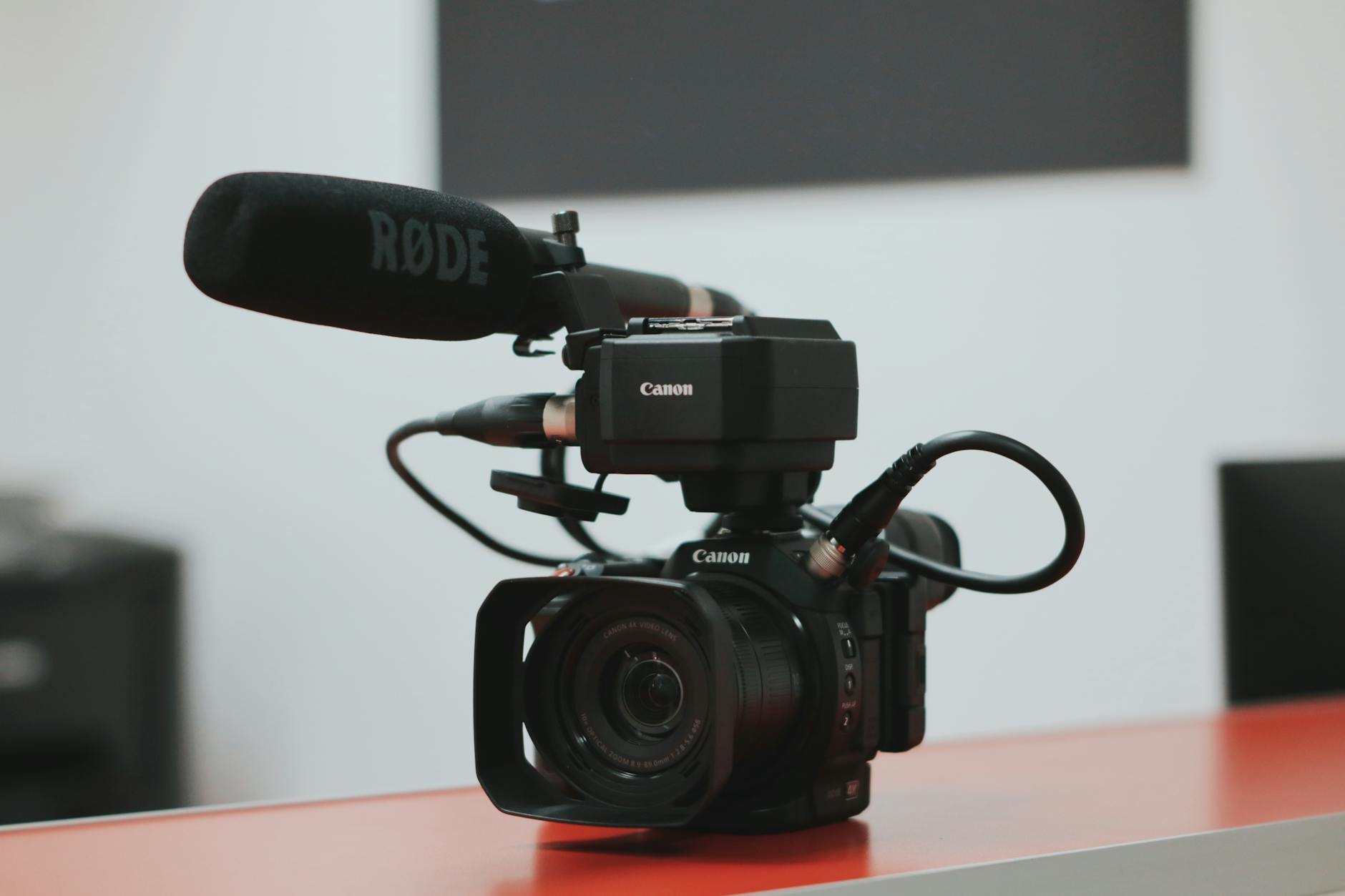
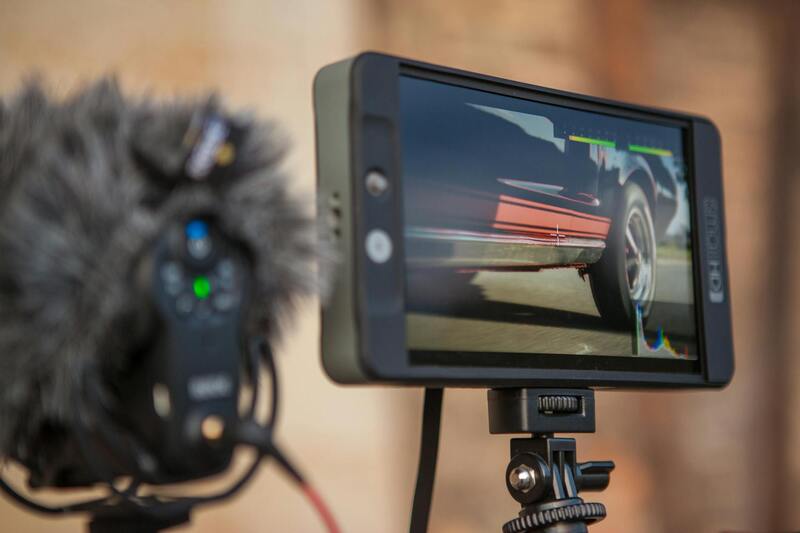
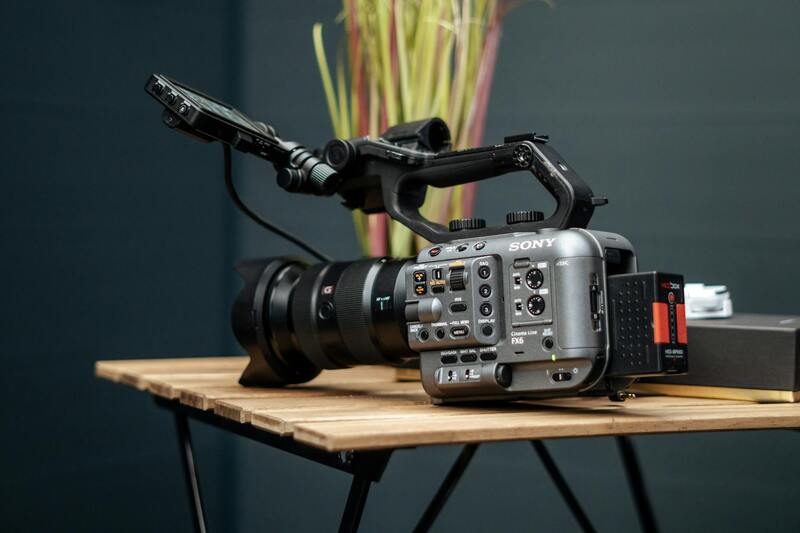
High-quality images begin with selecting appropriate equipment. Professional photographers typically utilize DSLR or mirrorless cameras equipped with wide-angle lenses, which are essential for capturing expansive interior and exterior shots. Wide-angle lenses help convey the full scope of a space, making rooms appear larger and more inviting. Tripods are also crucial to ensure stability and sharpness, particularly in low-light conditions or interiors where longer exposure times are necessary. Additionally, drones and aerial cameras provide unique perspectives of larger properties or Miami's scenic landscapes, adding a compelling dimension to marketing materials.
The Role of Professional Photographers vs. DIY Shots
While some real estate professionals attempt to take photos independently, DIY approaches often fall short of the standards needed for competitive listings. Amateur shots tend to lack proper lighting, framing, and focus, which can diminish a property's appeal. In contrast, professional photographers possess the technical expertise, equipment, and artistic sensibility to produce images that highlight a property's strengths and evoke emotion. Their experience also ensures that images are correctly processed and edited, enhancing natural light, adjusting colors, and removing imperfections without overdoing it.
Optimizing Photos for Online Listings
Once captured, images must be optimized for online platforms to maximize visibility and impact. High-resolution photos should be resized and compressed without sacrificing quality to ensure faster load times on websites. Strategic use of HDR (High Dynamic Range) processing blends multiple exposures, balancing interior and exterior lighting to prevent overexposed windows or dark corners. Additionally, showcasing a variety of shots — wide angles, close-ups of amenities, and lifestyle images — provides a comprehensive view that captivates viewers and encourages inquiries.
Legal and Ethical Considerations in Real Estate Photography
Before photographing a property, gaining proper permissions is essential. This involves securing approval from property owners or authorized representatives, especially when capturing exterior or drone imagery. Respect for clients’ privacy must be preserved; private areas or personal belongings should be excluded or blurred as necessary. Adhering to ethical guidelines also involves accurate representation, avoiding photo manipulations that mislead viewers about a property's condition or features. Transparency and integrity in photography reinforce trust and uphold professional standards within the real estate market.
Choosing the Right Photography Equipment
High-quality realtor photos require more than just a good eye; they demand the appropriate tools. Selecting the right camera is fundamental. Digital single-lens reflex (DSLR) or mirrorless cameras with high-resolution sensors are preferred for capturing sharp, detailed images that highlight the property's features. These cameras allow for better control over settings such as ISO, aperture, and shutter speed, which are crucial in varying lighting conditions typical of Miami's diverse environments.
Lens choice significantly impacts the composition and perspective of real estate photos. Wide-angle lenses, typically ranging from 10mm to 24mm, enable photographers to capture more of a room's interior, creating a sense of space that appeals to prospective buyers. It's essential to use lenses that minimize distortion to maintain the actual proportions of the space, ensuring the images authentically represent the property.
Lighting setup is equally vital for professional realtor photos. Natural light is often the most flattering, so shooting during the day and opening curtains to let in sunlight can enhance the image quality. Supplementing with external flashes or portable lighting equipment can help illuminate darker areas, ensuring uniform brightness without unwanted shadows. Reflectors can also be used to bounce light into corners and shaded areas, balancing the exterior and interior lighting for a cohesive look.

Investing in professional-grade tripod systems is crucial for stability and ensuring sharp images, especially when working in low-light situations or capturing HDR sequences. Additionally, utilizing advanced camera settings and accessories tailored for real estate photography elevates the quality of images. Combining these tools with expertise results in visuals that accurately and beautifully showcase a property's unique characteristics.
Strategies for Enhancing Visual Appeal through Proper Editing
Post-processing plays a crucial role in transforming raw images into polished, captivating realtor photos that attract potential buyers. Professional editing techniques focus on maintaining the authenticity of the property's features while enhancing visual appeal. Adjustments to brightness, contrast, and color balance ensure that rooms appear vibrant yet realistic. Diligent color correction can rectify any color casts caused by artificial lighting, rendering the images true to life. Cropping and straightening images contribute to a clean and balanced composition, emphasizing key features of each space.
Another essential aspect of real estate photography editing involves the use of perspective correction tools. These help straighten vertical lines and rectify distorted angles, especially when wide-angle lenses are used, which can sometimes produce skewed images. As a result, interiors appear more balanced, and architectural details are accurately represented. Noise reduction is also important when images are captured in low-light conditions, helping to produce smooth, clear visuals without unwanted graininess.
In addition, some photographers incorporate subtle enhancements like sharpening to emphasize details, and spot removal to eliminate distracting elements or imperfections present during the shoot. These adjustments, when carefully applied, contribute to a cohesive portfolio of images that showcase the property’s best features while ensuring that prospective buyers receive an honest visual representation.
Ensuring Consistency Across All Listing Photos
Consistency in photography style and quality across a property listing helps create a unified and professional appearance that builds trust with potential buyers. This involves maintaining similar exposure levels, color schemes, and angles throughout all images. Establishing a standard editing protocol allows real estate professionals to produce a cohesive visual story of the property, emphasizing its flow and spatial relationships.
For instance, consistent lighting adjustments prevent disparities that might distract viewers or give an impression of inconsistency. Similarly, configuring camera settings to match across different shots ensures the images align aesthetically when presented in online listings or virtual tours. This uniformity reinforces the property's appeal, making each shot look like part of a deliberate, carefully curated visual narrative.
Furthermore, high-quality realtor photos should be optimized for various digital platforms. This entails resizing images appropriately for online listings, social media, and any promotional material, while preserving their clarity and impact. Effective post-processing combined with consistent stylistic choices yields listings that captivate viewers and accelerate their interest in the property.
Implementing Advanced Editing Techniques for Realtor Photos
Enhancing real estate images through advanced editing techniques is essential for creating captivating and accurate property representations. Effective post-production adjustments help highlight key features, correct color imbalances, and ensure the images appear vibrant and inviting, thus attracting more potential buyers.
One of the most impactful editing practices involves brightness and contrast adjustments, which can bring out the architectural details and make interior spaces appear more spacious. Proper color correction ensures that the images reflect the true ambiance of the property, avoiding over-saturation or dullness that could mislead viewers. Sharpness enhancements also play a role in emphasizing textures and architectural elements, lending clarity to each shot.
In addition to basic edits, professional photographers often employ techniques like perspective correction to eliminate distortions caused by wide-angle lenses. This ensures straight lines and proportions are maintained, providing an authentic visual experience. Moreover, the strategic use of subtle vignettes can guide the viewer's focus toward key areas of the property, such as a stylish kitchen or a scenic outdoor space.
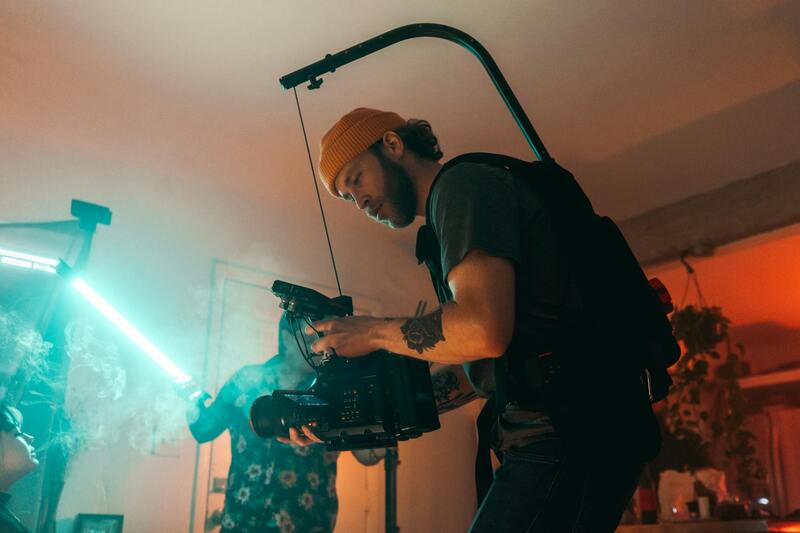
Advanced editing software allows the blending of HDR (High Dynamic Range) imaging, which balances exposure levels between bright and shadowed regions of a shot. This technique ensures that no details are lost in dark corners or overly bright areas, providing a comprehensive view that appeals to viewers. Finally, meticulous editing helps eliminate minor imperfections or distractions, such as clutter or reflections, ensuring the focus remains on the property's strengths.
Standardizing Image Presentation Across Listings
Consistency in editing styles across all property images results in a unified visual narrative, which enhances the overall professionalism of your real estate marketing efforts. Developing a standardized editing protocol, including preset color profiles, exposure settings, and cropping guidelines, enables real estate professionals to produce high-quality images efficiently. This consistency not only improves the aesthetic appeal but also builds trust with prospective buyers who associate uniform quality with reputable listings.
To optimize images for various digital platforms, resizing and compression should be carefully managed to preserve quality while ensuring fast loading times. Properly optimized images display beautifully on websites, smartphones, and social media, increasing the chances of capturing viewer interest and facilitating quicker transactions. Regular quality checks and adherence to best practices in editing not only enhance visual appeal but also support the overall strategic marketing of real estate assets.
Legal and Ethical Considerations in Real Estate Photography
When professionals prepare high-quality realtor photos for property listings, it is essential to adhere to proper practices that respect property rights and privacy. Clearly communicating the intent of the photography, securing necessary permissions before capturing images in private spaces, and ensuring that all parties involved are informed help maintain transparency and uphold ethical standards.
Property owners should be aware of what the photos will be used for and provide written consent, especially for images that might include personal belongings, private areas, or sensitive information. This process safeguards against misunderstandings and ensures that all stakeholders are aligned with the marketing plan.
Furthermore, photographers must be vigilant not to misrepresent the property through excessive editing, misleading angles, or selective framing that could deceive potential buyers. Accurate portrayal of the size, features, and condition of the property fosters trust and contributes to a positive buyer experience.
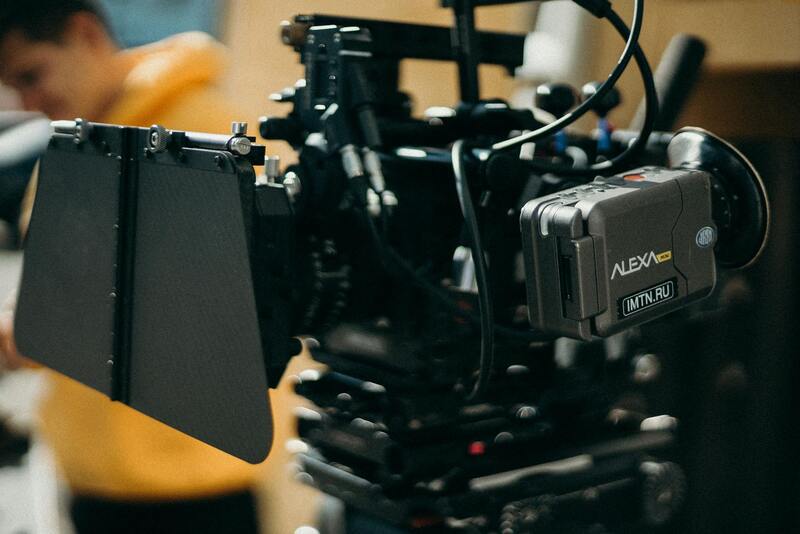
In addition to consent, photographers should also consider the privacy of neighboring properties. Capturing images that inadvertently include private areas or sensitive information from adjacent properties might lead to privacy concerns or disputes. Strategies such as strategic framing, cropping, or editing help avoid this issue while still showcasing the property effectively.
Adherence to local regulations regarding signage, drone use, and public spaces is vital to ensure images are acquired legally and ethically. Using drone photography, for example, requires understanding specific federal and local guidelines to prevent trespassing or invasions of privacy.
Best Practices for Ethical Real Estate Photography
- Obtain written permission from property owners prior to shooting.
- Disclose the purpose of the images and their intended use.
- Ensure the photos accurately represent the property's features without misleading edits.
- Respect neighbor privacy by framing shots carefully and avoiding intrusion.
- Follow all applicable rules and regulations concerning drone photography and public spaces.
By integrating these ethical considerations into the photography process, real estate professionals can enhance their reputation, foster trust with clients, and deliver marketing content that accurately supports property sales.
Enhancing Listing Visibility Through Proper Photo Optimization
Once high-quality realtor photos are captured, the next critical step involves optimizing these images for online listings. Proper optimization ensures that potential buyers see clear, vibrant, and detailed images that accurately represent the property, encouraging engagement and inquiries. This process includes several key strategies to maximize visual appeal while maintaining fast load times and compatibility across various devices.
Image Compression and Resolution Management
The first step in optimization is balancing image quality with file size. Large, uncompressed images can slow down website loading times, potentially discouraging visitors. Professional photographers often provide images in optimized formats such as JPEG or WebP, which preserve clarity while reducing size. Working with a reliable platform that compresses images without sacrificing detail ensures seamless viewing experiences across desktops, tablets, and smartphones.
Consistent Color Correction and Brightness
Consistent color correction across all property images ensures a uniform, professional appearance that highlights property features effectively. Brightness and contrast adjustments help showcase interior details and exterior landscaping, making spaces appear inviting and well-maintained. When images are optimized with accurate color tones, they create a more appealing and trustworthy presentation for potential buyers.
Implementing SEO-Friendly Image Metadata
Embedding relevant metadata within images is a strategic step to enhance search engine visibility. Descriptive file names, alt tags, and captions that incorporate targeted keywords, such as "luxury Miami condo" or "spacious family home Miami," improve the chances of appearing in local searches. Proper metadata also aids visually impaired users and aligns with best practices for accessibility, fostering an inclusive marketing approach.
Utilizing 360-Degree and Interactive Content
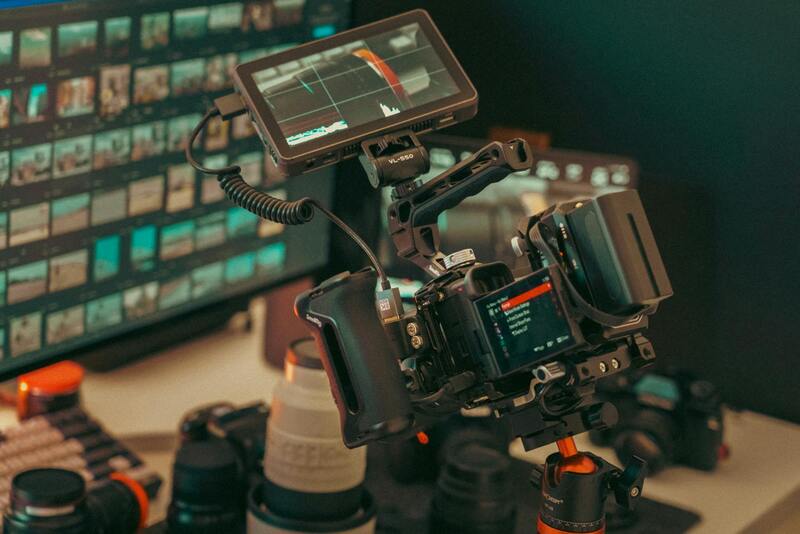
Incorporating interactive elements like 360-degree virtual tours or high-resolution panoramic images not only enhances user engagement but also offers a comprehensive view of the property. Optimized for quick loading, these features give prospective buyers an in-depth understanding of layout and space, making listings more compelling and informative.
Strategic Placement and Display
Display images strategically within your listing, using high-quality cover photos to grab attention immediately. Follow with detailed interior shots, emphasizing key features such as kitchens, master suites, and outdoor living spaces. For effective storytelling, organize images in a logical sequence that guides viewers through the property. Proper placement combined with optimized visuals increases the likelihood of inquiries and showings.
Additional Technical Considerations
- Ensure images are responsive to adapt seamlessly to various screen sizes.
- Utilize CDN (Content Delivery Network) services to deliver images quickly across different regions.
- Maintain consistency in aspect ratios and framing to preserve a professional look.
By meticulously optimizing realtor photos, real estate professionals can significantly enhance the online appeal of their listings, attract more potential buyers, and facilitate faster sales cycles. Collaboration with experienced real estate photographers or an agency specializing in property media ensures that these optimization best practices are implemented effectively, delivering both aesthetic quality and technical excellence.
Legal and Ethical Considerations in Real Estate Photography
Maintaining integrity in real estate photography is essential to establish trust with clients and prospective buyers. It involves adhering to industry standards that prioritize truthful representation of the property, avoiding any modifications or enhancements that could mislead viewers. Photographers should disclose when images have been edited or digitally enhanced, especially if alterations significantly alter the appearance of rooms or features. This transparency ensures prospective buyers receive accurate impressions, fostering confidence in the listing. Respecting privacy is another critical aspect. Photographers must obtain permission before capturing images of neighboring properties or private outdoor spaces that could infringe on the privacy rights of others. In densely populated neighborhoods, careful consideration should be given to the angles and perspectives used to avoid capturing unintended residences or personal areas. Additionally, adherence to copyright laws is paramount. Use of licensed or original images prevents legal disputes and maintains the professional reputation of the real estate agency. Proper attribution or licensing for visual assets, such as drone footage or specialized equipment, ensures all content is used responsibly. Finally, respecting cultural sensitivities and promoting diversity in visual representations can enhance the appeal of listings across varied buyer demographics. Including images that showcase accessible features, family-friendly spaces, and inclusive environments helps attract a broader audience and demonstrates a commitment to ethical marketing practices. By focusing on transparency, respect, and legal compliance, real estate professionals can uphold the highest standards in realtor photography, ensuring their listings are both compelling and trustworthy.