
Importance of High-Quality Real Estate Photography
In the bustling Miami real estate market, the visual presentation of a property can significantly influence its appeal and the speed at which it sells. High-quality real estate photographs serve as a vital marketing tool, capturing the unique features and atmosphere of each property with clarity and professionalism. These images provide prospective buyers with an immersive experience, allowing them to visualize living in the space even before visiting in person. This initial impression can make or break the interest level, making professional photography an essential investment for sellers aiming to stand out.
Excellent photography enhances online listings by offering vivid, well-lit images that highlight a property’s best attributes. In an era where most home searches begin online, the first impression often comes solely from digital images. If these images are blurry, poorly lit, or inadequately styled, it can deter potential buyers from exploring further or scheduling a visit. Conversely, professional photos showcase a property's spatial dimensions, emphasizing its layout, natural light, and flow, which are key factors in the decision-making process.

The importance of professional real estate images extends beyond initial listing engagement. These visuals are crucial for marketing across multiple platforms, including social media, email campaigns, and property websites. Well-crafted photos can generate greater interest, more showings, and higher selling prices, making the quality of visual content a valuable investment. In Miami’s fast-moving property environment, high-caliber imagery not only enhances perceived value but can also reduce time on the market, turning listings into closed sales with efficiency.

Key Elements of Effective Real Estate Images
To ensure that property listings resonate with potential buyers, certain fundamental aspects must be meticulously addressed during the photography process. These elements work in tandem to craft compelling visuals that accurately represent the property’s strengths and facilitate an emotional connection with viewers.
Lighting
Optimal lighting is paramount in real estate photography. Utilizing natural light enhances the space’s authenticity and warmth, making rooms appear more inviting. During the shoot, it's essential to schedule sessions during periods of ample daylight, often late morning or early afternoon, to maximize sunlight. Supplementing natural light with professional lighting equipment can help eliminate shadows and highlight architectural details, creating a balanced and appealing image. Proper lighting not only accentuates textures and colors but also ensures that images accurately reflect the property's true ambiance.

Composition
A well-thought-out composition guides the viewer’s eye through the photograph, emphasizing the property's key features. The use of symmetry, leading lines, and strategic framing can create visually balanced images that feel harmonious and spacious. Employing a wide-angle lens can capture the full scope of a room, but it should be used carefully to avoid distortion. Proper framing of each shot highlights focal points such as fireplaces, window views, or unique architectural details, making each image engaging and informative.
Staging
Staging involves arranging furniture and decor to showcase the property's potential. Clean, clutter-free environments with thoughtfully curated decor help prospective buyers envision living in the space. Adequate staging accentuates the functionality of rooms, designates purpose, and presents the property in its best light. During the photography process, slight adjustments in furniture placement and decor can significantly enhance visual appeal, leaving a lasting positive impression.
Image Consistency
Maintaining consistent style, lighting, and editing across all images creates a cohesive visual story. This consistency reflects professionalism and enhances the perceived quality of the listing. Uniformity in color grading, saturation, and perspective ensures the images work harmoniously, reinforcing the property’s perceived value and appeal.
Details and Angles
Capturing various angles and close-up details provides potential buyers with a comprehensive understanding of the space. Wide shots include entire rooms, while close-ups focus on features like countertops, fixtures, or unique finishes. Multiple perspectives allow viewers to grasp the property's layout and architectural nuances fully, offering a transparent and inviting depiction that facilitates confident decision-making.
Guidelines for Selecting the Most Suitable Photographer or Production Agency
Choosing a qualified professional or a reputable agency is paramount for capturing high-quality real estate images that truly reflect a property's allure. When exploring options, it is crucial to evaluate their experience specifically within the Miami property market, as familiarity with local architectural styles, lighting conditions, and neighborhood characteristics can significantly influence the quality of the final images. Experienced real estate photographers understand the nuances of optimal lighting, angles, and staging, ensuring each shot emphasizes the property's strengths effectively.
Review portfolios meticulously to assess their style consistency and technical proficiency. A diverse portfolio showcasing various property types, from luxurious waterfront estates to compact urban apartments, indicates adaptability and broad expertise. Additionally, testimonials and client references can offer insights into their professionalism, punctuality, and ability to meet deadlines, all vital for seamless collaboration during the fast-paced process of real estate marketing.
Engaging with a photographer or agency that employs the latest equipment, such as high-resolution DSLR or mirrorless cameras, wide-angle lenses, and drone technology, can elevate the quality of images to professional standards. Ask about their post-production process, as skilled editing can enhance lighting, color accuracy, and overall aesthetic without compromising authenticity. Furthermore, clear communication regarding delivery timelines and package options helps in planning marketing strategies efficiently.

Ultimately, investing in a professional who understands the local property landscape and prioritizes client satisfaction can make a significant difference in the listing's visual impact. Such partnership ensures every image precisely captures the property's appeal, increasing engagement from prospective buyers and accelerating sales.
Post-Production and Image Optimization
Once the initial photography session is complete, the next crucial step involves post-production editing and image optimization to ensure that each photograph accurately represents the property’s best features. Utilizing advanced editing software, professional real estate photographers enhance lighting, adjust color balance, and correct minor imperfections to create vibrant and inviting images. These adjustments not only elevate the aesthetic appeal but also ensure consistency across all photos, reinforcing a cohesive visual presentation for the listing.
Careful consideration should be given to maintaining realism while making edits. Over-editing can distort the true appearance of the property, potentially leading to mismatched expectations and diminished buyer confidence. Skilled editors focus on subtle enhancements—such as brightening interiors, sharpening details, and fine-tuning contrast—to produce images that are compelling yet honest representations of the space.
In addition to visual editing, optimizing images for online platforms is essential. High-resolution photos should be resized appropriately to facilitate quick page load times without sacrificing quality. Implementing SEO best practices, such as descriptive filenames and alt text with relevant keywords, can improve the listing’s visibility in search engine results. Proper formatting ensures that potential buyers browsing real estate websites or mobile devices experience seamless viewing, increasing the likelihood of engagement and inquiries.

Furthermore, implementing strategic watermarking can protect the images from unauthorized use while maintaining a professional appearance. An effective watermark is subtle yet identifiable, ensuring brand recognition without distracting from the property’s features. Combining meticulous editing with optimized image delivery directly impacts the property's online presence, making it more appealing to prospective buyers and real estate agents alike.
Preparation Tips for Shooting Day
Ensuring a successful real estate photoshoot begins with meticulous preparation. Prior to the scheduled shoot, homeowners and listing agents should dedicate time to staging the property effectively. Clearing clutter from visible surfaces, enhancing lighting conditions, and arranging furniture to highlight the space's best features are vital steps. Naturally lit areas should be accessed to maximize sunlight, and window coverings should be adjusted to allow as much natural light as possible, creating a warm and inviting atmosphere.
Creating a clean, well-organized environment not only facilitates a smoother photography session but also results in images that truly showcase the property's potential. It's advisable to remove personal items or excessive decorations that might distract viewers and to ensure that all rooms are accessible and in an orderly state. Attention to detail during this phase can markedly elevate the quality of the captured images.

On the day of the shoot, walk through the property beforehand to identify optimal angles and lighting conditions for each area. Confirm that all electrical fixtures, appliances, and fixtures are in good condition, and replace any burnt-out bulbs to maintain consistent lighting. Additionally, consider the timing of the shoot—mid-morning or late afternoon sessions often provide favorable natural light, reducing the need for extensive artificial lighting adjustments.
Ensure that the property is accessible for the photographer or videographer, and communicate any particular features or areas of focus. Providing a clear shot list or key points to emphasize can help streamline the session, ensuring that all important aspects are captured thoroughly.

Finally, double-check the weather conditions if shooting outdoors and plan accordingly. Overcast days can produce diffuse, shadow-free lighting that is ideal for exterior shots, while bright, sunny days can create vibrant and inviting images. Regardless of the weather, maintaining a clear and organized environment on the day of the shoot will ensure that every photograph tells a compelling story about the property’s unique qualities and lifestyle potential for prospective buyers.
Post-Production and Image Optimization
Once the exterior and interior shots are captured, the process of post-production begins. This phase is essential for refining images to ensure they accurately reflect the property’s best features and appeal to prospective buyers consuming listings online. Professional real estate photographers utilize advanced editing techniques to correct color balance, adjust brightness and contrast, and enhance details that may be subdued due to lighting conditions during the shoot.
Color correction is a critical step to ensure that the images represent the actual hues and tones of the property, thereby providing a truthful visual narrative. This involves balancing the color temperature—making sure whites appear neutral and not overly warm or cool—so that potential buyers get an accurate impression of the space. Additionally, noise reduction might be applied to eliminate any digital grain, especially in images taken in low-light conditions, thus creating crisp, clear visuals.
Image enhancement also involves sharpening and clarity adjustments, which help define architectural features, textures, and furnishings. It’s vital that the images highlight the property's key selling points without appearing overly processed. Subtle enhancements like lightening shadowed areas or selectively brightening focal points can direct viewers' attention to the most attractive aspects of each room.

Interpolation and resolution optimization are equally important for digital listings. High-resolution images ensure that details are crisp and clear across various devices, and properly optimized files load quickly, enhancing the user experience on property websites and online platforms. Properly annotated metadata and alt text improve the images' search engine visibility, ensuring that the property listing appears prominently in relevant online searches.
In digital marketing, images are often resized and formatted for various platforms—such as social media, IDX websites, or email campaigns—requiring consistent quality across all channels. This ensures that the property makes a positive impression whether viewed on a smartphone, tablet, or desktop. Ultimately, professional post-production elevates property images from simple visuals to compelling marketing tools that generate greater interest and facilitate faster sales.
Types of Photos Every Property Listing Should Include
Capturing the full potential of a property requires a diverse array of images that tell a compelling story about the space. The selection of photo types can significantly influence prospective buyers’ perception and engagement, making it essential to include a strategic mix in each listing.
- Exterior Shots: These images establish the property's curb appeal and provide context for the property's surroundings. Wide-angle shots of the front, showcasing landscaping, architecture, and entryways, are vital. Highlighting features such as porches, driveways, and outdoor amenities helps create a positive first impression.
- Living Rooms and Common Areas: These are often the focal points of a home. Wide-angle captures that showcase space, natural lighting, and furnishings help viewers visualize living comfortably in the property. Attention to detail in staging and decluttering enhances the overall appeal.
- Bedrooms and Baths: Clear, bright images of bedrooms emphasize comfort and space. For bathrooms, detail shots showing fixtures and tile work can elevate perceived quality, especially when lighting highlights cleanliness and modern updates.
- Kitchen: The kitchen is a key selling feature. Professional images should focus on the countertops, appliances, cabinetry, and lighting. A well-composed shot can make the space appear inviting and functional.
- Special Features and Upgrades: Showcase unique selling points such as fireplaces, built-in shelving, smart home features, or scenic views. These elements differentiate the property and attract niche buyers.
- Aerial and Drone Shots: When feasible, aerial images provide an overview of the property and its lot, highlighting size, landscaping, and neighborhood context. They are particularly effective for larger estates, waterfront properties, or homes with extensive outdoor areas.
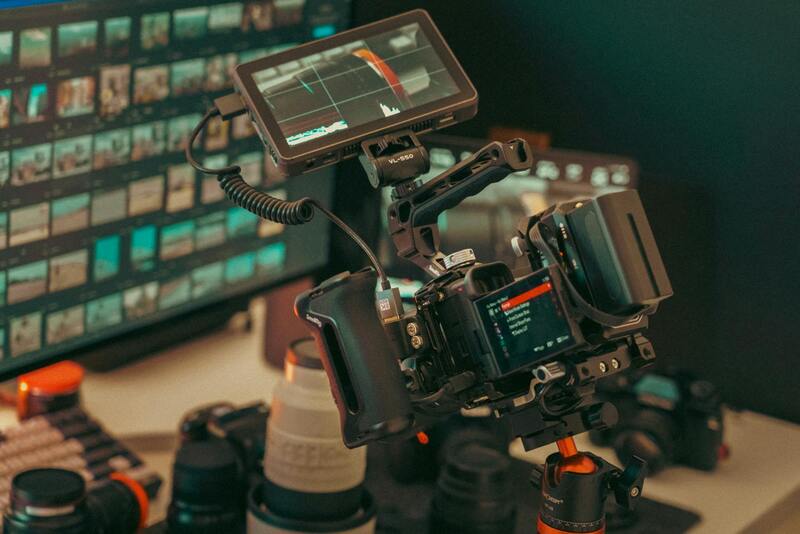
Enhancing Your Property Portfolio with Authentic Visual Content
Leveraging Multiple Photography Styles for Diverse Marketing Needs
In the competitive Miami real estate market, utilizing a variety of official imaging techniques ensures your listings stand out. Real estate photography encompasses several specialized styles, each serving a specific purpose within a comprehensive marketing strategy. These include exterior shots that set the first impression, interior images capturing spatial flow, and lifestyle photos that evoke the experience of living in the property.
Panoramic and wide-angle shots are essential for depicting spaciousness, especially in living areas and master bedrooms. They help prospective buyers assess proportions and visualize themselves within the environment. Close-up images of key features like fixtures, finishes, and appliances highlight quality and craftsmanship, reinforcing the property's value.
Utilizing Floor Plans and Virtual Tours for a Complete Viewing Experience
Beyond static images, integrating detailed floor plans alongside professional photographs offers viewers a clear understanding of layout and spatial relationships. Accurate floor plans facilitate better decision-making and reduce showings for properties that may not meet a buyer’s spatial criteria.
Virtual tours, whether live or 3D walkthroughs, complement still images by providing an immersive experience. They allow prospective buyers to virtually navigate through the property, gaining a realistic sense of space, flow, and ambiance without physical presence. This technology is particularly beneficial for remote clients or during times when in-person visits are limited.

Maintaining Consistency for Brand Recognition
Consistent visual branding through professionally produced images helps establish a recognizable and trustworthy identity for your listings. Using uniform editing styles, color tones, and image formats ensures each property reflects your agency’s standards and attracts the target audience effectively.
Authentic representations built through official photography foster trust, as viewers receive an honest depiction of what they can expect. Avoiding overly edited or exaggerated images maintains transparency, an essential element in establishing credibility in the Miami real estate market.

Implementing Strategic Image Usage Across Digital Platforms
Effective distribution of professional real estate images across multiple channels enhances visibility. Optimized images should be used on your website, MLS listings, social media profiles, and email campaigns, ensuring each platform’s specifications are met to maintain quality and loading speed.
For social media, smaller sized images with compelling captions can attract engagement, while high-resolution images on your website demonstrate professionalism and credibility. Consistent quality and presentation across all digital touchpoints maximize the impact of your visual content, leading to increased inquiries and faster sales cycles.