
Importance of High-Quality Real Estate Photos
In Miami’s vibrant and competitive real estate market, the visual presentation of a property can significantly influence its marketability. High-quality real estate photos serve as the primary virtual window into a listing, captivating potential buyers and generating interest long before they schedule a physical visit. For real estate agents, investing in professional photography is essential to stand out amidst a plethora of listings, ensuring properties appear polished, inviting, and accurately represented.
Exceptional images increase online engagement by capturing viewer attention within seconds. Given that prospective buyers often browse dozens of listings daily, compelling photos can make your property the one they choose to explore further. Besides attracting immediate attention, they help establish trust and credibility, positioning the agent as a professional who values quality and transparency.
Furthermore, professionally captured images highlight key features of a property—be it spacious interiors, modern upgrades, or appealing outdoor spaces—so that these elements resonate with potential buyers. In Miami’s diverse and fast-moving market, properties with standout visuals often sell faster and at better prices. High-resolution, well-composed photographs not only enhance the property's online footprint but also aid in print advertising and promotional materials, reinforcing a unified, professional brand image.
By consistently utilizing top-tier photography, real estate agents can significantly improve the perception of their listings. This strategic approach ensures that every property gains maximum exposure, attracts qualified buyers, and achieves more competitive sale outcomes. The importance of professional real estate photos extends beyond mere aesthetics—they are an investment in the property's market success.

Key Elements of Professional Real Estate Agent Photos
For real estate agents aiming to present a credible and inviting image, the visual quality of their photographs plays a crucial role. High-caliber images not only showcase professionalism but also help establish trust with prospective clients. To achieve this, certain key elements must be meticulously managed during every photoshoot.
- Lighting: Proper lighting is essential to create a warm, welcoming ambiance while accurately representing the agent’s appearance. Natural light should be preferred whenever possible, as it produces a soft, even glow that minimizes shadows. When using artificial lighting, avoid harsh flashes that can cause unflattering shadows or reflective glare. Consistent lighting throughout the shoot enhances the overall professionalism of the images.
- Background: A clean, uncluttered background ensures the focus remains on the agent. Neutral colors such as whites, grays, or subtle earth tones work best, avoiding distractions that can detract from the main subject. Properly staged backgrounds that align with the brand’s aesthetic reinforce a polished image.
- Attire: Dressing professionally reflects the agent's credibility and dedication. Solid, well-fitted clothing in neutral or muted tones is recommended to prevent drawing attention away from the face. Accessories should be minimal, and grooming must be impeccable to present a neat, approachable persona.
- Posture and Expression: An upright stance combined with a genuine, approachable smile conveys confidence and friendliness. Maintaining eye contact with the camera reinforces trustworthiness. Subtle adjustments in posture, such as slight angling of the body or tilting the head, can add visual interest and dynamism.

These elements come together to produce images that are both authentic and engaging, allowing agents to present themselves as competent professionals. The consistency in quality and style across marketing materials plays a vital role in building a recognizable brand presence in Miami’s competitive real estate market.
Working with Professional Photographers
Collaborating with skilled photographers who specialize in real estate and portrait photography guarantees that each shot captures the agent’s professionalism and approachable demeanor. Experienced photographers understand how to utilize advanced techniques such as proper framing, depth of field, and optimal lighting to highlight the agent effectively. They can advise on the best angles that accentuate the agent's most flattering features, while also maintaining a visually appealing composition that draws viewers’ attention to the property and the agent alike.
Communication with the photographer prior to the shoot is essential to align expectations and provide guidance on the desired image style. Sharing details about the agent's brand identity, target audience, and the specific purpose of the photos helps in tailoring the shoot to produce results that resonate in all marketing channels. Photographers often provide comprehensive pre-shoot consultations, where they review location setups, wardrobe choices, and the use of props or backgrounds, ensuring that every element adheres to professional standards.
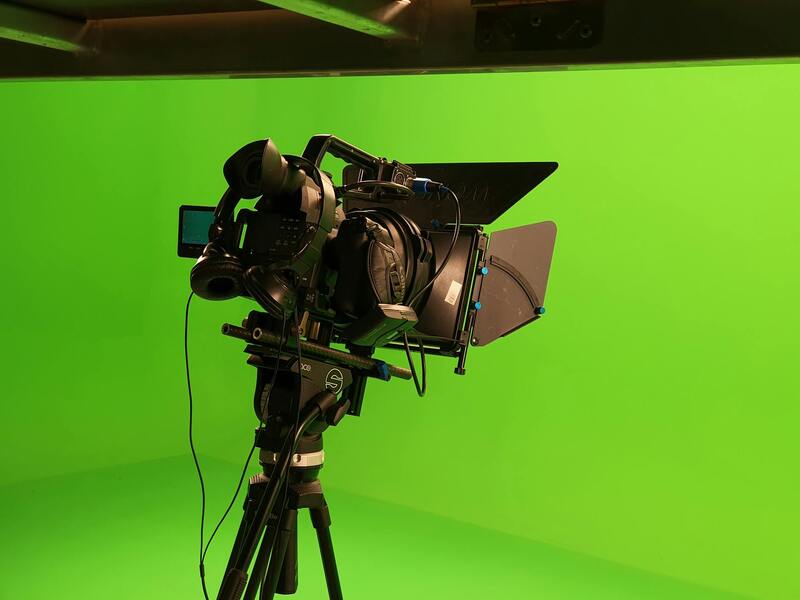
During the shoot, the photographer’s expertise ensures that the lighting is balanced and the environment is optimized for clarity and visual impact. Post-shoot, they offer editing services that refine the images, enhancing brightness, contrast, and sharpness to produce a polished final product. Partnering with a professional photographer not only results in visually stunning images but also strengthens the agent’s brand credibility and consumer trust.
Post-Processing and Editing
Once the photoshoot is complete, meticulous editing plays a critical role in producing images that are both authentic and visually striking. Post-processing involves adjusting exposure levels, removing minor imperfections, and ensuring color consistency across different shots. It is vital that editing respects the natural appearance of the agent, avoiding over-processing that can distort features or create unrealistic impressions.
Consistent editing styles across an agent’s visual portfolio enhance brand recognition and professional image. Techniques such as subtle background blurring can help focus attention on the agent, while color correction ensures skin tones and attire appear natural and vibrant. High-resolution images suitable for both digital marketing and print campaigns should be produced, maintaining quality without unnecessary compression that can diminish clarity.

Optimizing Photos for Digital and Print Use
To maximize the effectiveness of professional real estate agent images, proper optimization for various formats is essential. Digital platforms such as websites, social media, and email marketing require images that load quickly while maintaining high visual quality. This involves resizing images to appropriate dimensions and compressing files without compromising detail or clarity.
For print collateral, such as brochures and banners, images must be prepared at high resolutions (typically 300 dpi or higher) to ensure crisp details and vibrant colors. Adjustments in brightness and contrast are often necessary to ensure images translate well across media. Incorporating these images into marketing materials should be done with attention to aspect ratio and file format, ensuring compatibility across all printing and digital channels.
Legal and Ethical Considerations
Creating and utilizing professional real estate agent photos involves adherence to specific standards that respect privacy rights and intellectual property. It is important to obtain explicit consent from the agent prior to photography, especially when capturing personal appearances or private settings. Clear agreements should outline the scope of use for the images, which typically encompass digital marketing, print advertising, and promotional materials.
Respect for client confidentiality and image rights ensures ethical compliance and fosters trust. When using images of locations or third-party property interiors, any necessary permissions should be secured to avoid infringing on proprietary rights. Moreover, transparency regarding editing practices and image use policies reinforces ethical practices in marketing.
Measuring the Impact of Professional Photos
Evaluating the effectiveness of high-quality images involves tracking various performance metrics across digital marketing channels. Key indicators include increased website engagement, higher click-through rates, and improved conversion rates for property inquiries. On social media platforms, visually appealing images typically result in higher engagement rates, such as likes, shares, and comments, which expand the reach of marketing campaigns.
Furthermore, consistent branding through professional photography enhances the overall perception of the agent’s credibility, leading to more client trust and stronger professional relationships. Regular assessment of marketing results amid ongoing efforts to improve visual content ensures that each investment in professional photography translates into tangible business advantages.
Post-Processing and Editing
After capturing high-quality images, the next crucial step involves post-processing and editing to enhance their visual appeal while maintaining authenticity. Professional real estate photographers utilize advanced editing software to correct color balance, adjust brightness and contrast, and optimize image sharpness. These enhancements help showcase the property in the best possible light, highlighting architectural details, interior finishes, and exterior landscaping effectively.
Careful editing ensures that images accurately represent the property without misleading potential buyers. Avoiding over-editing or excessive manipulation preserves the integrity of the visual content and aligns with best practices for ethical marketing. Subtle retouching can remove distracting elements, such as minor blemishes, wires, or clutter, thereby creating cleaner, more inviting images.
Additionally, photographers often apply techniques like vertical correction for more accurate room proportions, lens correction to reduce distortion, and color correction to ensure true-to-life representations of interior and exterior environments. Consistent editing standards across a real estate portfolio reinforce a professional and cohesive brand image, boosting trust among prospective clients.
Optimizing Photos for Digital and Print Use
Effective real estate photos are tailored to suit various digital and print platforms. For online listings, images should be optimized for fast loading without sacrificing quality. This involves adjusting resolution and file formats to ensure clarity and sharpness across desktops, tablets, and smartphones. High-resolution JPEG or PNG files are typically preferred for websites, with dimensions that suit the platform’s display requirements, ensuring that images remain crisp and professional-looking.
On social media, images must be visually compelling and correctly formatted to maximize engagement. Cropping images to fit platform-specific aspect ratios, such as square or vertical formats, increases visibility and interaction. Consistency in style and color tone across all digital content strengthens branding efforts.
Printed marketing materials, such as brochures, flyers, or signage, require even higher resolution images to maintain clarity and detail in physical formats. Preparing images for print involves ensuring that color profiles are consistent with printing standards and that files are saved in suitable formats like TIFF or PDF for optimal quality.
Adapting images for diverse use cases requires a thorough understanding of technical specifications and consumer preferences, enabling agents and marketers to deliver compelling visuals that resonate with their target audience.
Legal and Ethical Considerations
Maintaining ethical standards in real estate photography is fundamental to building trust and credibility within the industry. All images should faithfully depict the property, avoiding misleading enhancements or distortions that could create false expectations. Transparency about any digital adjustments ensures that clients and prospects have a clear understanding of what to expect from the property.
Securing proper permissions before photographing private residences is essential, especially when capturing interiors or sensitive areas. This respect for privacy reinforces professional integrity and fosters positive relationships with both clients and third-party stakeholders.
It is equally important to respect intellectual property rights related to property locations, proprietary furnishings, or distinctive architectural features. Use of copyrighted artwork, branded signage, or private property images without authorization can compromise marketing efforts and potentially lead to disputes. Clear documentation regarding image rights and usage rights should be maintained to support transparent and ethical promotional practices.
Implementing consistent guidelines for editing, publication, and distribution helps ensure compliance with industry standards and upholds the reputation of the real estate professional.
Post-Processing and Editing
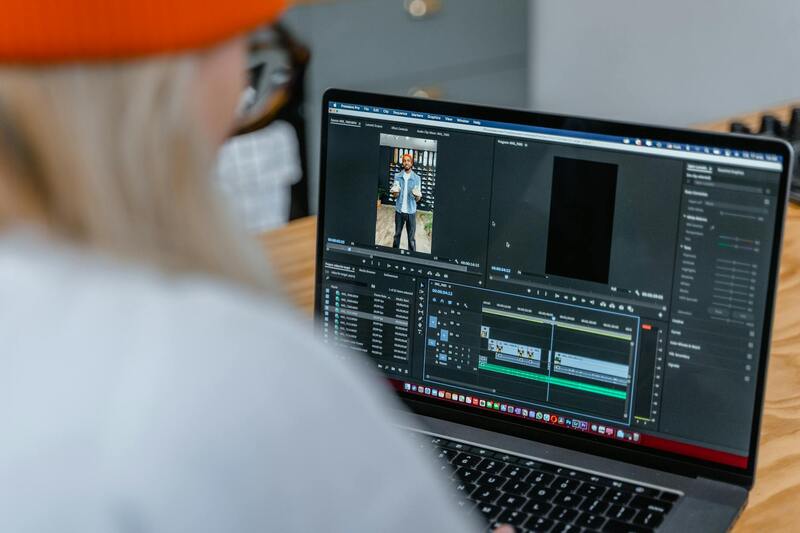
Post-processing is a critical step in creating compelling real estate photographs that accurately represent a property’s best features while maintaining authenticity. Skilled editing techniques involve color correction to ensure the images reflect the true hues and lighting conditions of the space. Proper exposure adjustments can brighten interior shots or tone down overly bright outdoor scenes, balancing the overall look of the photos. Retouching should enhance the space without distorting its actual appearance, such as smoothing out minor imperfections or removing distractions that could divert attention from the property's key selling points.
Another essential aspect involves perspective correction. Ensuring lines are straight and proportions are accurate prevents misrepresentation of the property's scale and layout. When applied judiciously, these techniques contribute to an inviting, professional aesthetic that draws potential buyers without misleading them. It is also advisable to maintain a consistent editing style across all property images to reinforce a professional brand image.
Optimizing Photos for Digital and Print Use
Once the images are polished and ready, optimizing them for various platforms is crucial to maximize their impact. For online listings, image resolution should be high enough to display clear details on all devices, yet optimized to prevent slow loading times. Compressing images without sacrificing quality ensures fast website performance, which can influence user experience and search engine rankings.
For print marketing materials such as brochures, flyers, or signage, images need to be formatted at a higher resolution, typically 300 DPI. This ensures sharpness and clarity, providing prospective buyers with visually appealing materials that communicate professionalism. Formatting for different formats and aspect ratios allows the images to adapt seamlessly across various marketing channels.
Measuring the Impact of Professional Photos
The effectiveness of high-quality real estate photos can be gauged through various metrics that reflect engagement and interest levels. Enhanced photographs typically lead to increased click-through rates on online listings, garnering more views and inquiries from potential buyers. Analyzing analytics data—such as time spent on listing pages, bounce rates, and the number of saved or shared images—provides insights into how well the visual content resonates with audiences.
Feedback from clients and prospective buyers is also invaluable. High-quality images that accurately depict the property boost credibility and facilitate a quicker decision-making process, often resulting in shorter time on the market. Additionally, professional photos can elevate a property’s perception, generating more interest and potentially higher offers. Tracking these outcomes helps real estate professionals refine their visual marketing strategies and maintain a competitive edge in the market.
Legal and Ethical Considerations
Ensuring compliance with industry standards when creating and utilizing professional real estate agent photos involves adhering to established guidelines that promote transparency, respect, and accuracy. This includes obtaining clear consent from individuals appearing in photographs, particularly if personal identifiers or private spaces are involved. Respect for privacy rights and personal boundaries is paramount throughout the photography process.
Authenticity in visual representation is essential to maintain consumer trust. It is crucial that images accurately depict the property and the environment without misleading potential buyers. This includes presenting the property in its true condition, avoiding the embellishment or exclusion of features that may influence buyer perceptions unfairly.
In addition, real estate professionals should familiarize themselves with branding and intellectual property rights. Permission must be secured for the use of any proprietary or copyrighted content incorporated into marketing materials, including the work of photographers, graphic designers, or other creative contributors.
Adopting a transparent and honest approach to real estate imagery not only aligns with ethical practices but also fortifies the credibility of agents and brokers within the marketplace. It encourages a reputation built on integrity, fostering trust with clients and prospective buyers alike.

Post-Processing and Editing
After capturing high-quality images, the next essential step involves meticulous post-processing and editing to enhance visual appeal without compromising authenticity. Professional editing ensures that each photo highlights the property's best features while maintaining true-to-life colors and lighting. Adjustments such as brightness, contrast, and sharpness can significantly improve the clarity and overall impact of the images, making the property more attractive to potential buyers.
It’s important to avoid overly stylized edits that could mislead viewers about the real appearance of the property. Subtle retouching to remove minor imperfections, such as distracting reflections or blemishes, helps present a clean, inviting look. Additionally, correcting perspective distortions caused by wide-angle lenses ensures that rooms appear proportionate and accurate, fostering trust with viewers.
High-quality editing often involves balancing enhancements to accentuate key areas like kitchens, bathrooms, and living spaces while maintaining an honest representation of the property. This balanced approach supports authenticity, which is vital in establishing credibility and encouraging prospective buyers to explore the listing further.
Optimizing Photos for Digital and Print Use
Optimizing images is critical to ensure they perform well across various platforms, including real estate websites, social media, email campaigns, and print catalogs. Sized, formatted, and compressed correctly, these images load quickly and display sharply, providing an optimal viewing experience that sustains viewer engagement.
For online listings, images should be optimized for fast loading without sacrificing quality — typically, high-resolution images are resized to responsive dimensions suitable for different devices. Including detailed metadata, such as relevant keywords and descriptive alt text, enhances search engine visibility and accessibility.
Print materials, such as flyers, brochures, and signage, require higher resolution images to ensure clarity and professionalism in physical formats. Proper color calibration during the printing process guarantees that the printed photos mirror their digital counterparts accurately, reflecting the true aesthetics of the property.
Effective optimization combines technical precision with strategic presentation, ensuring that each image serves as a powerful marketing tool tailored for its intended platform. Properly optimized photos elevate the property's appeal and increase engagement across all marketing channels.
Legal and Ethical Considerations
Ensuring that every aspect of real estate photography adheres to established standards is vital for maintaining professionalism and trust within the industry. Property owners and agents should always obtain proper authorization before photographing any part of a property, especially when it involves private spaces or features that may have legal restrictions. This not only protects the privacy rights of current tenants or owners but also upholds the integrity of the marketing process.
When capturing images, it's important to accurately represent the property without engaging in deceptive practices. This includes avoiding the use of misleading photo editing or staging that could inflate the property's appeal beyond its actual condition. Transparency about any renovations, upgrades, or unique features in the images reassures prospective buyers, fostering confidence in the listing.
Respecting copyrights and intellectual property is equally crucial. Only use images taken with permission or those created by licensed professionals. Improper use of copyrighted images or unauthorized alterations can lead to legal complications and tarnish the reputation of the agent or agency involved.
It is also recommended to maintain a clear record of consent forms, image rights agreements, and usage permissions. These documents provide a safeguard for all parties and clarify the intended use of the photographs, whether for online listings, print materials, or promotional campaigns.
By upholding these standards, real estate professionals demonstrate their commitment to ethical practices that support fair, honest, and transparent marketing efforts. This commitment not only aligns with industry best practices but also enhances overall professionalism, which is essential in building long-term trust and credibility.