
Importance of High-Quality Property Photos
In the competitive real estate market of Miami, presenting a property with stunning, professional photos is no longer optional—it is essential. High-quality property photographs serve as the critical first impression for potential buyers browsing online listings. They can significantly influence a viewer’s decision to schedule a viewing or move forward with an inquiry.
Effective real estate photography amplifies the property’s best features, showcasing its unique architecture, spacious interiors, and desirable details in the best light. When these photos are taken with a keen eye for detail and proper technique, they create a compelling narrative that draws viewers into the property’s story. This visual storytelling helps establish an emotional connection, encouraging potential buyers to envision themselves living there.
Moreover, professional property photos enhance the property’s online visibility across multiple channels, including listing websites, social media, and digital marketing campaigns. Superior imagery attracts more clicks, increases engagement, and can lead to faster sales or rental agreements. In an era where digital impressions determine market success, investing in top-tier photography is an evident strategy for property owners and agents aiming to stand out amidst a sea of listings.
Further, high-quality images are crucial for portraying the true appearance and ambiance of a property. They accurately represent the space, colors, and lighting, reducing the likelihood of surprises during in-person visits. This transparency builds trust with prospective buyers, fostering confidence that the property matches its online presentation. Ultimately, professional photos are a valuable asset that elevates the market value of a property and accelerates the sales process by showcasing its true potential.

Enhanced Online Visibility
In the digital age, most property searches start online. Eye-catching photographs naturally attract more attention in crowded listing platforms, boosting a property's online presence. Search engines and listing websites prioritize listings with high-quality images, placing them higher in search results and in potential buyer feeds.
Property Presentation and Appeal
While text descriptions provide context, images are the primary drivers of interest. Professionals who specialize in property photography understand how to highlight a property’s strengths and minimize any perceived flaws. This balanced approach creates a polished, inviting appearance that appeals to discerning buyers.
Time-Sensitive Markets
In rapidly moving real estate markets like Miami, quick visibility can make the difference between a sale and missed opportunity. High-quality images can help properties sell faster by capturing attention immediately and compelling buyers to take action.

Key Elements of Professional Property Photography
Achieving standout property images hinges on mastering several core elements that professional photographers meticulously incorporate. Each component works synergistically to produce visuals that resonate with prospective buyers, convey the property’s essence, and generate a compelling visual narrative.
- Lighting: Optimal lighting is paramount in showcasing a property’s true colors, textures, and spatial dimensions. Natural light, captured during the golden hours, tends to produce warm, inviting images that highlight the property’s best features. Professional photographers often use additional lighting equipment—such as strobes or diffusers—to eliminate shadows and ensure even illumination, especially in interior shots with limited natural light.
- Staging: Properly staged spaces furnish photographs with a welcoming and lived-in appeal. Experts often suggest minimal yet impactful styling, focusing on furniture arrangement and decor that enhance a room’s functionality and aesthetic. Well-staged spaces create an aspirational environment that resonates with potential buyers, making the property feel move-in ready.
- Camera Angles and Composition: Skilled photographers select vantage points that maximize the perceived size and appeal of each room. Wide-angle lenses are frequently employed to capture more of a space within a single frame, creating a sense of openness. Composition techniques like the rule of thirds guide the framing of each shot, ensuring visual balance and clarity that draws viewers’ eyes to focal points.
- Perspective and Depth: Incorporating multiple viewpoints, including aerial shots (when applicable), helps illustrate the full scope of the property. depth cues and leading lines lead the viewer through the space, encouraging engagement and exploration of features.
- Image Resolution and Clarity: High-resolution images are crucial for detailed viewing, especially on large screens. Clarity ensures that every detail, from architectural features to texture nuances, stands out sharply, reinforcing the perceived quality of the property.
Incorporating these elements consistently results in a collection of photographs that not only attract attention but also build trust by accurately representing the property’s features. A strategic blend of technical expertise and artistic direction ensures that each image aligns with the overall marketing goal—creating a compelling, visually cohesive presentation that encourages prospective buyers to take the next step.
Choosing a Professional Photography Service in Miami
To ensure the property’s visual presentation aligns with industry standards and captures its true appeal, selecting a reputable photography service in Miami is essential. Experienced real estate photographers possess a deep understanding of lighting, composition, and staging techniques that elevate property images beyond simple snapshots. They are familiar with local market trends and know how to highlight features that resonate with prospective buyers. When evaluating potential service providers, consider their portfolio to assess the quality and consistency of their work. A diverse portfolio demonstrating various property types and styles indicates versatility and technical proficiency. It is also beneficial to inquire about their experience specifically in real estate, as this specialization ensures familiarity with the nuances of capturing spaces meant to sell. Reliable providers use state-of-the-art equipment, including high-resolution cameras, professional-grade lenses, and lighting setups that mimic natural daylight, resulting in vibrant and inviting images. They understand the importance of quick turnaround times, especially within fast-moving markets like Miami, to ensure listings remain active and engaging. Client testimonials and reviews can provide insight into their professionalism, punctuality, and ability to meet specific project requirements. Establishing clear communication about expectations, desired shot lists, and particular features to emphasize helps streamline the process and assures that the final results align with your marketing goals.

Preparation Tips for Property Photography
Proper preparation significantly impacts the quality of professional property photos. Before the photographer arrives, clear clutter and personal items to present each space at its best. Ensure all areas are clean, well-lit, and staged thoughtfully to showcase their potential. Staging furniture and decor can help accentuate the property’s layout and size, making spaces appear more inviting. Open curtains to maximize natural light and turn on all lights to eliminate shadows, especially in poorly lit areas. Coordinate with the photographer regarding any special shots or angles you want to include. Consider the time of day for natural lighting and plan accordingly to capture the property's exterior and interior at their optimal brightness.
Types of Shots and Features to Capture
An effective property photo collection covers a variety of perspectives to depict the home comprehensively. Key shots include exterior front and backyard views, capturing the curb appeal and landscaping. Interior images should focus on main living areas, bedrooms, kitchens, and bathrooms, emphasizing spaciousness, modern features, and architectural details. Aerial shots, when applicable, showcase the property’s size and surrounding environment. Highlight unique features such as fireplaces, custom finishes, large windows, or outdoor living spaces. Including room measurements and focal points helps deliver a complete visual narrative.

Editing and Post-Processing Practices
Post-processing transforms raw images into polished marketing assets. Skilled editors enhance lighting, color balance, and sharpness while maintaining an authentic appearance. Proper exposure correction ensures details are visible in shadows and highlights, creating a balanced look. Retouching may involve removing minor imperfections, cleaning reflections, or adjusting window views to reduce glare. However, it is crucial that editing preserves a true representation of the property, fostering trust with prospective buyers. Consistency across images in terms of tone and style reinforces a cohesive visual presentation and strengthens brand identity. Advanced techniques like HDR (High Dynamic Range) and panoramic stitching can be used to create stunning, detailed images that elevate the listing’s appeal.
Integrating Photos into Marketing Strategies
High-quality images should be seamlessly integrated into every aspect of the marketing campaign. Listings on websites and real estate portals benefit from optimized images that load quickly and display well on all devices. Incorporate a mix of exterior and interior shots to attract interest and encourage inquiries. Social media platforms are ideal for sharing eye-catching visuals that generate engagement and brand recognition. Using consistent branding elements, such as logos or specific filters, strengthens visual identity. Virtual tours and videos utilizing professional photos provide an immersive experience, increasing the property’s visibility and appeal to remote or busy buyers. A strategic approach to image placement and presentation maximizes exposure and drives interest in the property.
Cost Considerations and ROI of Professional Property Photos
Investing in professional property photography can lead to significant returns through faster sales and potentially higher offers. While the initial cost varies based on the property size, location, and photographer expertise, the investment typically results in increased visibility and attractiveness of the listing. High-quality photos reduce the time a property remains on market by capturing the interest of qualified buyers more effectively. They also help set the property apart in competitive neighborhoods, ensuring your listing grabs the attention it deserves. Careful selection of experienced professionals coupled with strategic photo usage optimizes marketing spend, delivering measurable improvements in sales outcomes. The key is to view these images not as an expense, but as an essential component of a compelling, results-driven real estate marketing strategy.
Selecting the Right Photography Equipment and Professional Techniques
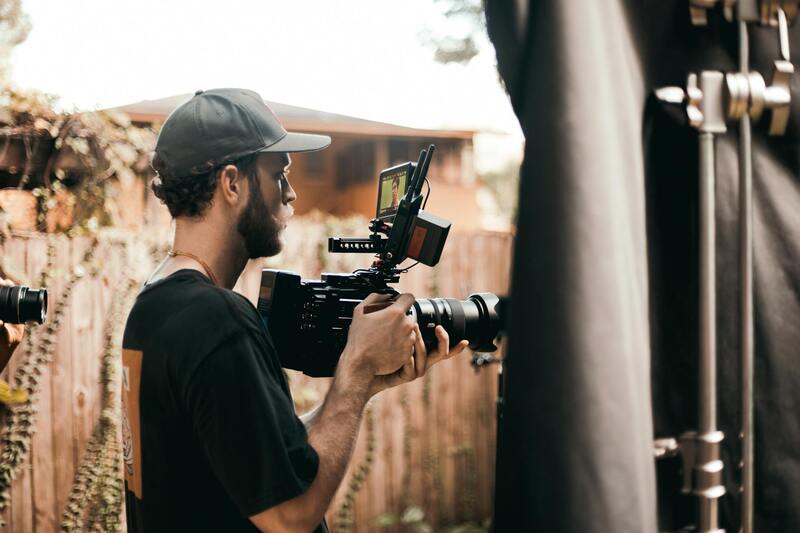
To ensure the high quality of property photos, professional photographers leverage advanced equipment and refined techniques. High-resolution DSLR or mirrorless cameras with wide-angle lenses are standard tools, capturing expansive views that make interior spaces appear larger and more inviting. Proper lens selection minimizes distortions and ensures that each room's proportions are accurately represented, which is critical for setting realistic expectations for potential buyers.
Beyond the camera hardware, skilled photographers utilize tripod stabilizers to maintain sharp focus and control perspective. Shooting in RAW format allows for greater flexibility during the editing process, preserving image quality and detail. Utilizing professional lighting solutions—such as diffused strobes or softboxes—eliminates harsh shadows and bright spots that can detract from the visual appeal of a space.
Mastering Composition and Image Framing
Effective composition is fundamental to creating engaging property photos. Professionals carefully select vantage points that showcase each room's best features while maintaining a balanced, inviting atmosphere. The rule of thirds is a common guide, positioning key elements along grid lines to draw viewers' eyes naturally across the scene.
Vertical and horizontal alignment is meticulously maintained to produce distortion-free images. Shooting from slightly elevated angles prevents floor and ceiling distortion, providing a more realistic perspective. Additionally, including prominent architectural features or unique design details can add character and increase the property's appeal.
Optimizing Lighting and Timing for Maximum Impact
Lighting significantly influences the mood and perceived size of a space. Professional property photography often involves shooting during the golden hour—shortly after sunrise or before sunset—to leverage soft, natural light that enhances textures and colors. In interior settings, supplementary lighting is adjusted to eliminate shadows and highlight key areas, such as kitchens, bathrooms, and living rooms.
Timing the shoot when natural light is abundant minimizes the need for extensive post-processing. Properly lit images not only look more appealing but also create a warm, welcoming atmosphere that encourages potential buyers to envision themselves in the space.
Details on which areas and features to focus on, such as spacious rooms, unique architectural details, and outdoor spaces.
In professional property photography, a strategic focus on specific spaces and features enhances the property's visual storytelling and marketability. Highlighting the size and layout of rooms, especially living areas, master bedrooms, and kitchens, provides potential buyers with a clear understanding of spatial flow and capacity. Expansive, well-lit spaces are best captured from multiple angles to demonstrate their openness and versatility.
Architectural details serve as focal points that distinguish the property from others on the market. Elements such as crown moldings, intricate door frames, custom millwork, or unique built-in features can be accentuated through carefully composed shots, emphasizing craftsmanship and character. These details often resonate with buyers seeking distinctive homes, adding perceived value and desirability.
Outdoor spaces are equally vital. Thoroughly documenting gardens, patios, decks, pools, and scenic views can significantly boost appeal. Wide-angle shots can capture the full extent of outdoor entertaining areas, while close-ups highlight premium features like elegant stonework or bespoke fixtures. Ensuring these areas are immaculate and well-lit, preferably during peak sunlight hours, accentuates their attractiveness and potential uses.

Moreover, including detailed shots of functional spaces such as laundry rooms, home offices, and storage areas can fulfill buyer curiosities and foster confidence in the property's practicality. These often-overlooked features, when presented professionally, contribute to a well-rounded visual portfolio of the property.
Professional photography also involves capturing the property's view lines and surroundings, such as skyline vistas or nearby parks. Such images enhance the narrative of location advantages and lifestyle benefits, making the property more compelling to prospective buyers.

In essence, a comprehensive photographic approach that balances interior, exterior, and contextual imagery ensures that each element of the property is presented in its best light, aligning visual storytelling with effective marketing strategies. This meticulous attention to detail not only attracts more viewers but also encourages faster, higher-value sales.
Importance of High-Quality Property Photos
In today’s competitive real estate market, the visual presentation of a property can significantly influence buyer interest and engagement. High-quality property photos serve as a vital tool in attracting qualified buyers and creating a compelling online presence. Well-crafted images provide viewers with a realistic and aesthetically appealing representation of the property, encouraging them to schedule viewings or make inquiries. These professional photographs are often the first impression potential buyers have, setting the tone for their entire viewing experience. Poor quality images, on the other hand, can diminish a property’s perceived value, even if the property has many desirable features.
Additionally, professional property photos can help mitigate the limitations of digital browsing. By capturing the full spatial dynamics, natural lighting, and architectural details, these images translate the property’s ambiance and potential into a visually engaging narrative. Properly shot and edited photos showcase the property’s best attributes, highlight unique selling points, and create an emotional connection with prospective buyers. This emotional resonance can be compelling enough to influence decision-making, often leading to faster sales and higher offers. As online listings continue to dominate, investing in high-quality imagery guarantees that a property stands out among myriad options, increasing its visibility and attractiveness in a crowded marketplace.
Furthermore, high-caliber photographs contribute to a consistent and professional brand image for real estate agents and agencies. They help reinforce credibility and trustworthiness, assuring clients that their property is being marketed with care and expertise. From luxury condos to family homes, every property benefits from images that accurately reflect its style, condition, and character. In essence, professional property photos are not just ornamental but essential assets that serve strategic marketing purposes, directly impacting how quickly and profitably a property sells.

Key Elements of Professional Property Photography
- Lighting: Utilizing natural and artificial lighting appropriately to ensure spaces are bright and inviting.
- Composition: Framing shots to emphasize room flow, architectural details, and focal points.
- Angles: Using wide-angle lenses or strategic positioning to capture maximum spatial dimensions.
- Timing: Shooting during optimal times, such as daylight hours, for vibrant, well-lit images.
- Detail Shots: Close-ups of premium finishes, fixtures, and distinctive features that add character to the property.
Choosing a Professional Photography Service in Miami
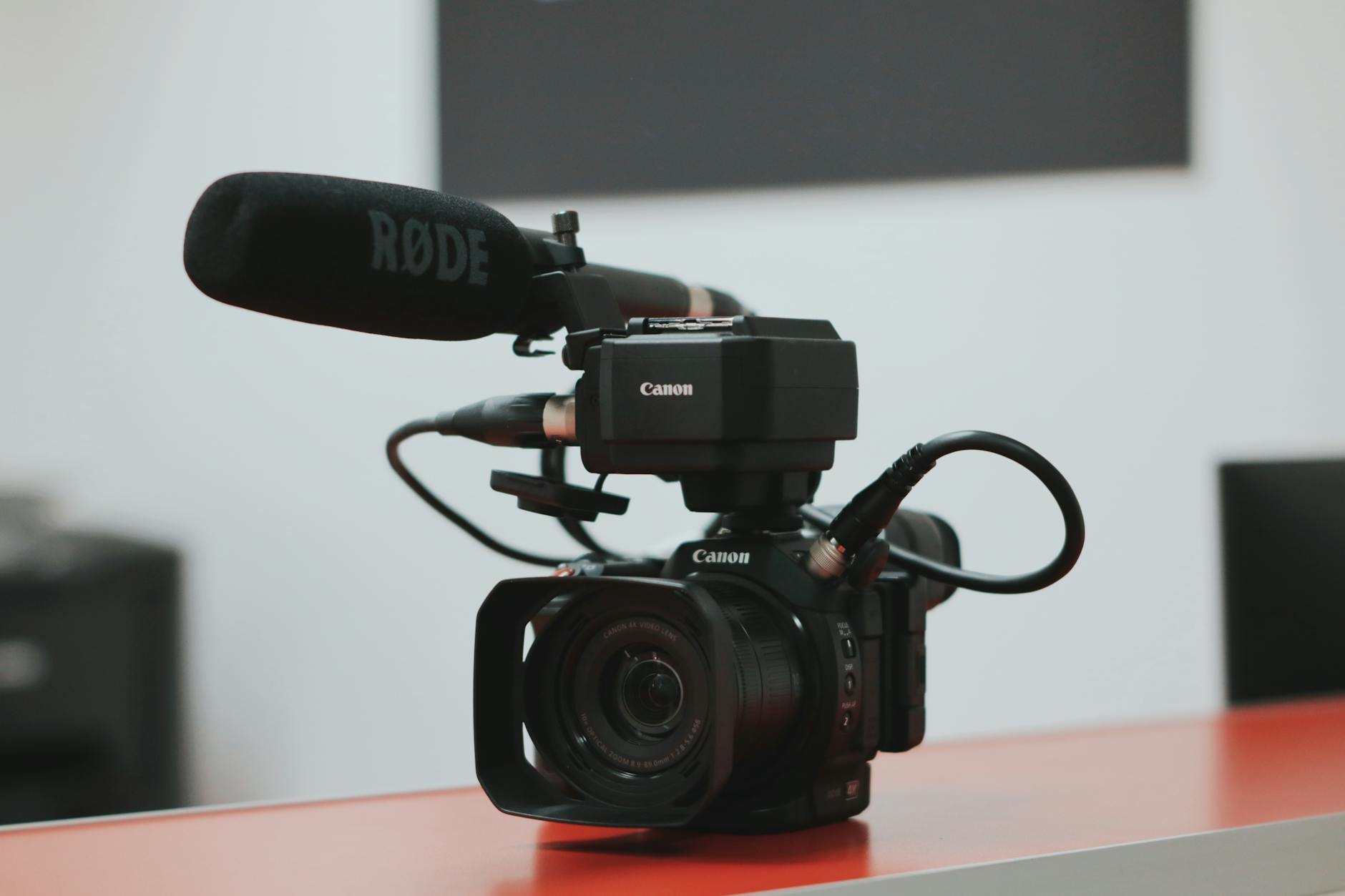
Selecting a reputable expert in property photography ensures that the images align with current market standards and marketing goals. Look for photographers or agencies with extensive experience in real estate marketing, a portfolio showcasing diverse properties, and positive client testimonials. Proven expertise in using advanced camera equipment, lighting techniques, and editing software is essential for capturing the full potential of any property. Collaboration with a local Miami-based service also offers the advantage of understanding regional architectural styles and outdoor environments, enabling more tailored and impactful imagery.
When evaluating options, consider packages that include both interior and exterior shots, twilight photography, and virtual staging if needed. The goal is to create a comprehensive visual story that resonates with target audiences, highlighting not only the property’s measurable features but also its lifestyle appeal.
Preparation Tips for Property Photography
Preparation plays a crucial role in achieving stunning, professional images. Begin by decluttering and staging the property to showcase its best features without distractions. Ensure all surfaces are clean, furniture is arranged in a manner that emphasizes spaciousness, and personal items are minimized to appeal to a broad audience. Address any maintenance or repair issues beforehand so that they are not visible in photos.
Lighting control is key—open curtains and blinds to maximize natural light, but be mindful of harsh shadows. Enhance indoor lighting with lamps or supplemental fixtures where necessary to ensure consistent brightness throughout each room. Prioritize cleaning and tidying outdoor spaces, including gardens, patios, and walkways, to present an inviting exterior environment that complements interior shots.
- Schedule the shoot during the day with ample sunlight for exterior and interior photos.
- Coordinate with the photographer to identify priority shots and strategic angles.
- Keep the property neat and ready for the day of photography, avoiding last-minute clutter or repairs.
Types of Shots and Features to Capture
A comprehensive property showcase includes various shot types designed to appeal to different buyer interests. Wide-angle images of living rooms, kitchens, and bedrooms give viewers a sense of space and proportion. Exterior shots should emphasize curb appeal, including landscaped gardens and architectural details. Highlight view lines, such as ocean vistas or city skylines, particularly if they are significant selling points.
Interior details like custom fixtures, appliances, and finishes can add to the property’s perceived value. Capture these features with close-up shots to showcase craftsmanship and quality. Additionally, capturing lifestyle elements—such as a beautifully set dining table, cozy reading nooks, or outdoor entertaining areas—helps buyers imagine themselves living in the space.
To provide a well-rounded view, include images of functional spaces like laundry rooms, home offices, or storage areas, which often influence purchasing decisions. Natural light should be maximized to enhance colors, textures, and overall ambience across each shot. The collection of images must balance scene-setting photos with detail-driven shots, creating a compelling narrative that highlights the property’s unique attributes and potential.
Strategic Use of Professional Property Photos in Marketing
Effective integration of high-quality property images is essential for maximizing visibility and attracting potential buyers. Precise placement of compelling photos across various marketing channels can significantly influence a property's online presence and engagement.
Optimizing Online Listings
In the digital realm, the first impression often determines whether a viewer proceeds to explore further. Including a selection of professionally captured images at the top of online property listings ensures immediate attention. Emphasize wide-angle shots of exteriors and main living spaces to communicate the property’s scale and style. Supplement these with detailed views of unique features—such as custom finishes, appliances, or architectural accents—that highlight the property’s distinctive qualities.
Proper formatting and quality are critical to preserving the images' clarity and impact. Ensure images are correctly sized and compressed to load quickly without sacrificing resolution. Balanced photo sequences that tell the story of the space can keep prospective buyers engaged, encouraging them to schedule viewings or contact agents.
Leveraging Social Media Platforms
Social media channels are invaluable for broadening the reach of a property’s presentation. Professionally curated photos can be strategically posted to showcase the property’s best features, creating eye-catching snippets that encourage shares and interactions. Consistency in style and quality reinforces branding and builds trust with potential clients. Utilizing carousel formats, stories, and reels allows for dynamic displays that highlight different aspects of the property and its surroundings.

Enhancing Print and Brochure Marketing
In addition to digital channels, professionally crafted photographs significantly enhance print marketing materials such as brochures, flyers, and postcards. High-resolution images allow for crisp, detailed reproductions that appeal to prospective buyers and investors at open houses or targeted campaigns. Carefully select images that tell a story—such as a stunning skyline view or cozy outdoor patio—to evoke emotional responses and help buyers envision their future home.
Measuring Impact and Continuous Improvement
Utilize analytics and feedback mechanisms to gauge the effectiveness of your marketing visuals. Monitor engagement metrics on digital platforms and gather insights from client inquiries to determine which images generate the most interest. Regularly updating the photo content, especially as the property staging or features change, ensures the marketing remains fresh and compelling.
Qualities of a Successful Photo Integration Strategy
- Consistency in visual style and messaging across all channels
- Highlighting unique property features and lifestyle potential
- Ensuring high-quality, properly optimized images for various formats
- Strategic placement to maximize visibility and engagement
- Ongoing analysis for refining marketing approaches
Cost Considerations and ROI of Professional Property Photos
Investing in high-quality professional property photos is a strategic decision that can significantly influence the speed and success of property sales or rentals. While the initial expense may vary depending on the scope of the project and the credentials of the photographer or firm, the return on investment often justifies the expenditure. High-resolution, expertly captured images attract more prospective buyers and renters, increasing online engagement and foot traffic to open houses.
Pricing models for professional property photography typically include flat rates, hourly charges, or packages that encompass pre-shoot consultations, on-site shooting, and post-processing. Many reputable photographers in Miami offer comprehensive packages that balance quality with affordability, ensuring clients receive excellent images without exceeding their marketing budget. It is crucial to understand what services are included—such as staging assistance, drone shots, or virtual tours—to evaluate the overall value.
From a return on investment perspective, professionally captured images expedite the sale process by providing clear, appealing visual narratives of the property. Listings with high-quality photos tend to garner more clicks, inquiries, and scheduled visits, reducing the time a property spends on the market. This efficiency not only saves marketing costs but also minimizes holding costs, making the investment in quality photos financially advantageous. Moreover, superior images can elevate the perceived value of a property, enabling sellers to command higher asking prices.

Furthermore, the consistent use of top-tier images in digital and print marketing campaigns fosters brand recognition and establishes a premium positioning in the competitive Miami real estate market. The increased visibility and compelling presentation can lead to more offers and faster negotiations, ultimately driving higher returns for property owners and investors alike.
Investing in professional property photos is an essential component of a comprehensive marketing strategy that delivers measurable results. When paired with effective pricing and targeted outreach, high-quality images serve as a catalyst for closing deals more efficiently, ensuring a noteworthy return on the initial investment and enhancing overall market performance.