
Overview of Professional Property Photography
Professional property photography involves the skillful capturing of residential and commercial real estate to highlight its best features and create an appealing visual presentation. It goes beyond simple snapshots, requiring expertise in composition, lighting, and editing to produce images that resonate with prospective buyers and renters. In a competitive market like Miami, where real estate is highly sought after, high-quality photographs serve as a critical marketing tool. They can significantly influence a potential client's perception, encouraging them to explore a property further and ultimately make a purchase or rental decision.
In today’s digital era, most property searches begin online. The quality of your property images can make the difference between attracting serious inquiries and being overlooked. Professional property photography ensures images are sharp, well-lit, and showcase each space's unique appeal, whether it’s a luxurious oceanfront condo or a spacious family home in Miami’s suburbs. This strategic approach to visuals not only enhances listings but also reinforces the credibility and professionalism of the real estate seller or agent.

The Miami real estate market benefits immensely from professional photography thanks to its vibrant, diverse properties and the high volume of potential buyers from across the globe. By showcasing properties with professional images, agents and sellers can create a compelling first impression, encouraging viewers to schedule viewings or contact the listing agent directly. Quality photography acts as a visual passport to the property, providing a true-to-life representation that can persuade even the most discerning clients to take the next step in their property journey.
Furthermore, well-executed property photography is integral to building a property’s online presence, including websites, social media platforms, and listing portals. It helps in maintaining consistency across-marketing materials, fostering a professional brand image that establishes trust and confidence among prospective buyers and renters. The importance of professional photography in the Miami real estate scene cannot be overstated, as it plays a key role in transforming listings into highly attractive opportunities.
Key Elements of Effective Property Photography
Achieving high-impact property images requires a meticulous approach to various elements that influence the overall quality of photographs. These elements include proper lighting, optimal angles, composition, and attention to detail. When executed skillfully, they create visually appealing images that resonate with prospective buyers and renters, ultimately enhancing the property's marketability.
One of the most critical aspects of professional property photography is lighting. Natural light should be maximized whenever possible, as it highlights the space's true colors and atmosphere. In spaces where natural light is limited, professional lighting equipment can ensure even illumination, reducing shadows and revealing the property's best features.
Camera angles significantly affect how a space is perceived. Wide-angle lenses are typically employed to capture more of a room, making it appear larger and more inviting. However, it is essential to use these lenses carefully to avoid distortion that could misrepresent the property's proportions. The goal is to showcase each room's best attributes while maintaining an authentic view of the space.
Composition plays a vital role in drawing attention to key features within a property. Framing shots to include focal points such as a fireplace, views, or architectural details helps to tell a compelling visual story. Additionally, consistent color balance and sharp focus across images ensure a professional and polished appearance.
Attention to detail involves decluttering spaces, styling interiors, and ensuring that each shot presents the property in its best light. These subtle touches eliminate distractions and help buyers envision living in the space.
In addition to capturing the interior, exterior shots should emphasize curb appeal and neighborhood features. These images set the stage for potential buyers and highlight the property's surroundings, which can be decisive factors in the decision-making process.
Utilizing advanced techniques, such as HDR (High Dynamic Range) imaging, can effectively balance brightness and contrast, especially in scenes with varying light levels. Panoramic and aerial photography also serve to provide comprehensive views and showcase larger properties or unique aspects, such as waterfronts or landscaped gardens.

For real estate professionals, understanding and applying these key elements in their photography process ensures that each property stands out in a competitive market. Maintaining consistency in style and quality across all listings builds brand recognition and reinforces trust with clients.
Key Elements of Effective Property Photography
To produce compelling property images, several fundamental elements must be meticulously managed. This includes the deliberate use of lighting, precise framing, strategic angles, and thoughtful staging—all of which collectively enhance the visual appeal of a property. Proper lighting plays a critical role in highlighting the property’s best features, creating a warm and inviting atmosphere that appeals to prospective buyers. Natural light, complemented by professional lighting equipment when necessary, ensures that each space is accurately represented without harsh shadows or overexposure.
Framing techniques are crucial for emphasizing the property’s layout and unique characteristics. Employing symmetrical compositions or leading lines can guide the viewer's eye through the image, making spaces look more spacious and inviting. Angles are selected carefully to showcase rooms, architectural details, or special features such as high ceilings, large windows, or outdoor amenities. A low or high vantage point can change the perception of space, making rooms appear larger or more dynamic.
Staging is integral to property photography, involving the arrangement of furniture and decor to create an appealing, lived-in atmosphere that invites prospective buyers to envision themselves in the space. Clean, clutter-free environments with neutral color palettes often perform best, as they appeal to a broad audience. Attention to details, such as properly making beds or adjusting curtains, minimizes distractions and keeps focus on the property’s strengths.
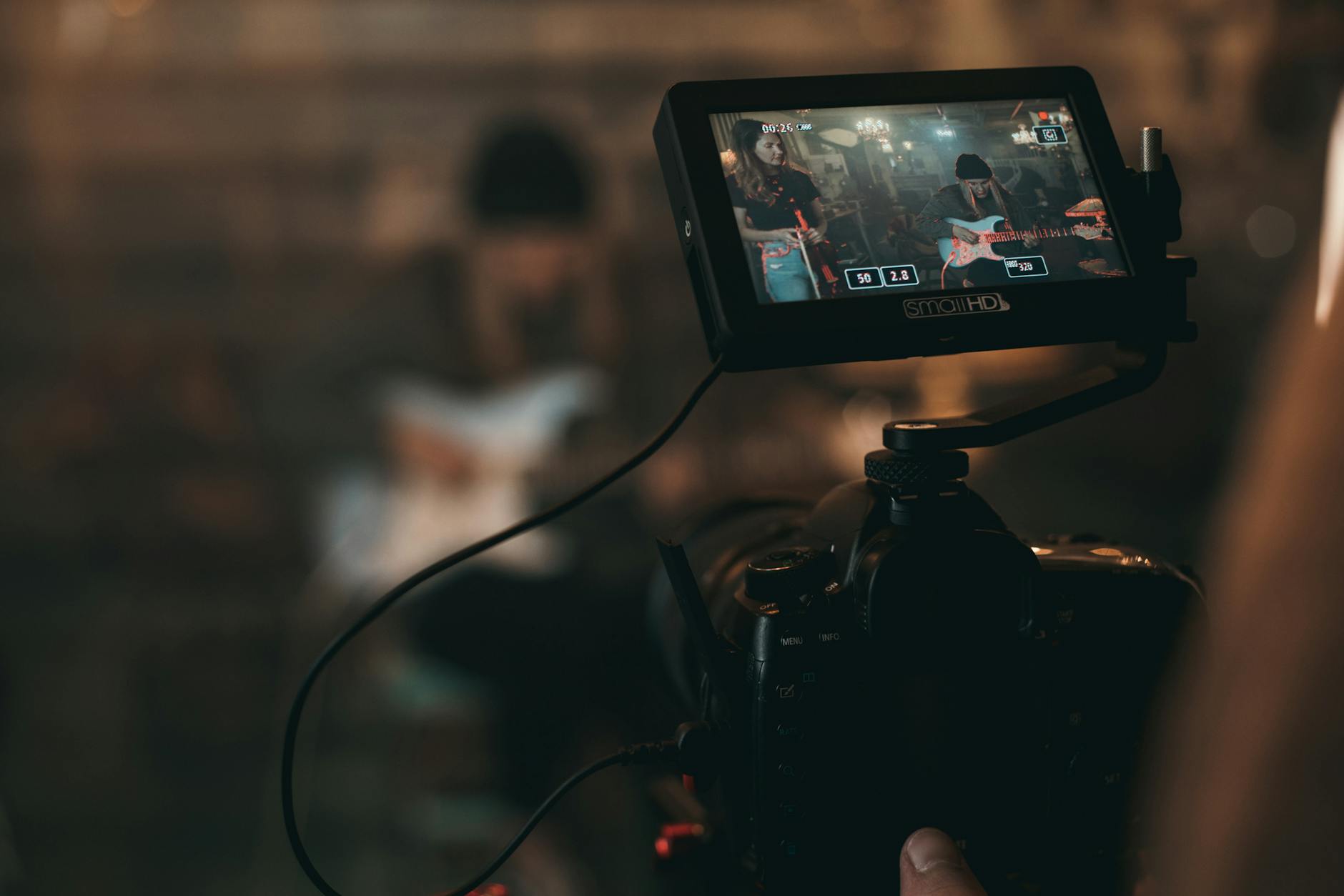
Consistent image quality across listings can significantly boost a real estate brand’s credibility, encouraging trust and recognition among clients. When these key elements are integrated seamlessly into the photography process, the resulting images serve as powerful tools to attract interest and facilitate faster sales. It is this meticulous approach that distinguishes average listings from those that truly stand out in a competitive market.
Choosing the Right Equipment and Techniques
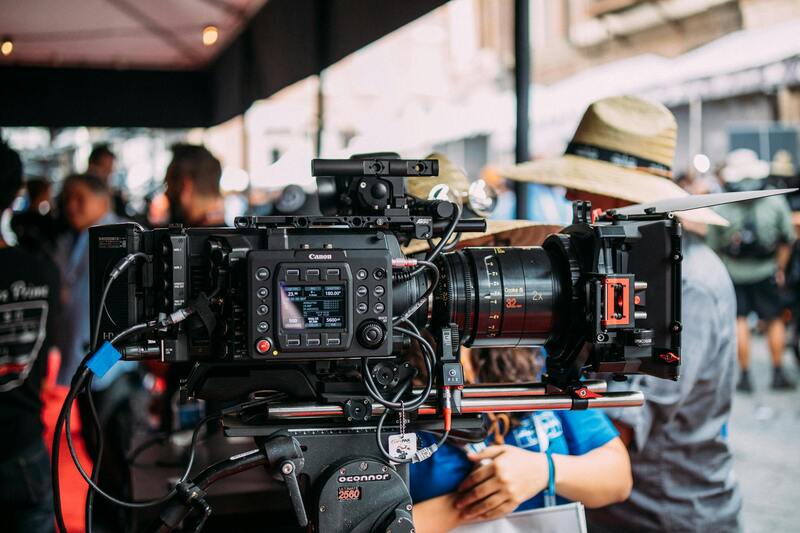
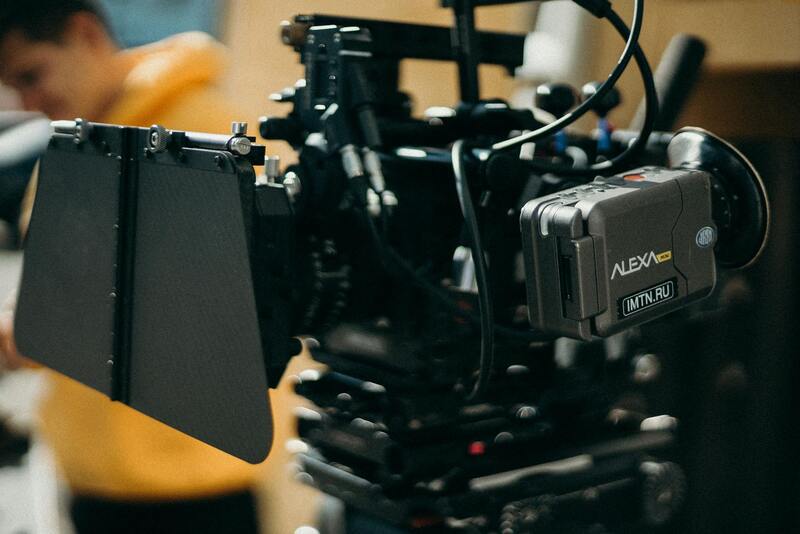
Professional property photography relies on precise equipment and advanced techniques. High-resolution cameras equipped with wide-angle lenses are standard, enabling capture of expansive interiors and exterior views within a single shot. Tripods ensure stability, maintaining sharpness and consistency, especially during low-light conditions. External conditions are equally important; shooting during optimal times of day with favorable weather creates more appealing images.
Specialized techniques, such as High Dynamic Range (HDR) imaging, are employed to balance bright and dark areas within a scene, preventing under- or overexposure. Panoramic shots extend the field of view, offering prospective buyers a broader perspective of the property and its surroundings. Drone photography introduces aerial views, which are particularly effective for highlighting landscaped gardens, waterfronts, or large estates, providing context and scale that ground-level photos cannot match.
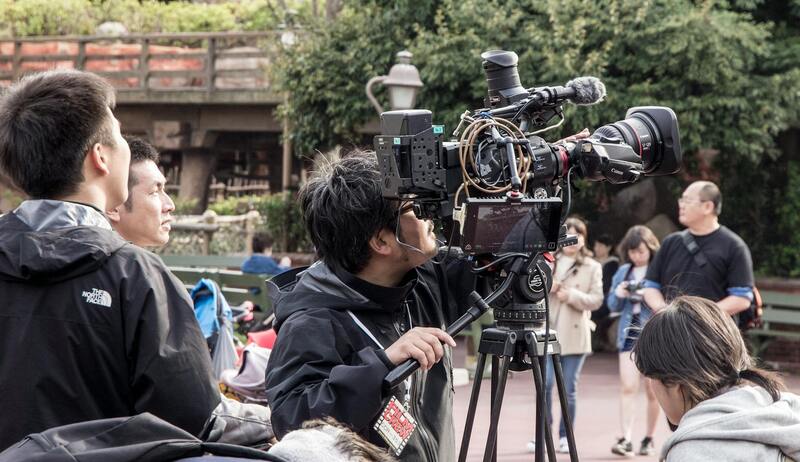
Investments in high-quality gear and mastery of these techniques yield images that stand out. They convey professionalism and attention to detail, reinforcing a property’s appeal and increasing engagement from potential buyers.
Overview of Professional Property Photography
Professional property photography involves capturing high-quality images that showcase a property's best features with precision and artistic vision. It requires a combination of expert technique, specialized equipment, and an understanding of real estate marketing principles. The goal is to create visually compelling images that resonate with prospective buyers, evoke emotion, and highlight the property's unique qualities. Employing the right methods ensures that each photo contributes to a cohesive visual story, making the property more appealing and memorable in a competitive market.

The Significance of High-Resolution and Composition
At the heart of professional property photography is the use of high-resolution cameras that produce sharp, clear images. A well-composed photograph leverages principles such as the rule of thirds, symmetry, and leading lines to guide viewers’ focus and create a sense of balance. Proper framing ensures that the key features of a property are highlighted effectively, while avoiding cluttered or distracting backgrounds. Advanced post-processing techniques, including color correction and minor retouching, further enhance the visual quality without misrepresenting the property.
Utilization of Specialized Equipment and Techniques
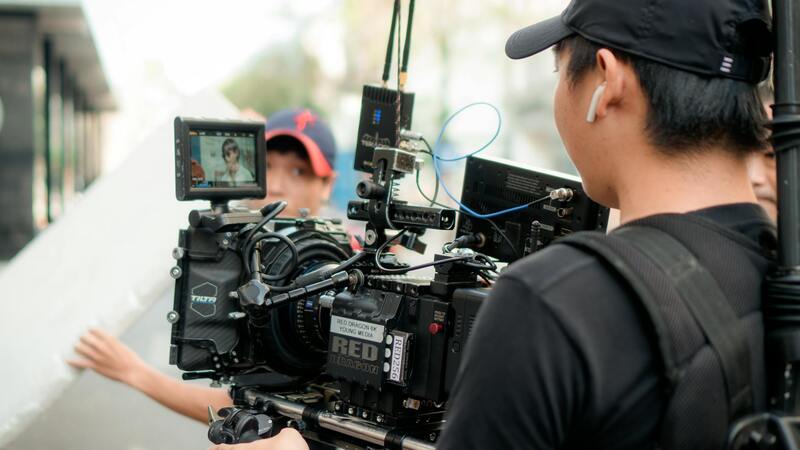
In addition to standard camera gear, professionals employ tools like wide-angle lenses to capture more expansive interior and exterior shots within a single frame. Tripods stabilize cameras for sharpness, especially in low-light conditions, and external lighting setups help illuminate dark corners. Drones extend the visual narrative through aerial views that provide context about size, landscaping, and surrounding areas. Techniques such as High Dynamic Range (HDR) imaging balance exposure across bright and dark areas, revealing details that would otherwise be hidden. Panoramic stitching showcases entire interiors or exterior landscapes, delivering immersive images that can be very persuasive for viewers.
Strategic Editing and Post-Processing
Post-production is vital in refining photos to their maximum potential. This process includes adjusting brightness, contrast, and sharpness to ensure images appear vibrant and true to life. Minor retouching can eliminate distracting elements, while maintaining authenticity is paramount. Cropping images judiciously emphasizes focal points without losing context. The goal is to produce images that look polished and professional, drawing attention to the property's best attributes while remaining realistic.
Overview of Professional Property Photography
Professional property photography involves skillfully capturing the essence and unique features of a real estate asset through high-quality images. It requires a combination of technical expertise, artistic vision, and the use of specialized equipment to produce visuals that attract potential buyers or renters. The primary goal is to showcase the property in the best possible light, emphasizing its strengths and creating an emotional connection with viewers. Well-executed property photography does more than just display a space; it tells a story about lifestyle, comfort, and potential, thereby significantly influencing the decision-making process in real estate transactions.
Importance of High-Quality Images in Real Estate
In a competitive real estate landscape, high-quality images serve as the first impression of a property. They form the foundation of online listings, which are often the initial point of contact between buyers and the property. Crisp, clear images with accurate lighting and angles can significantly enhance the perceived value of a property, attracting more inquiries and viewings. Conversely, poorly lit or unprofessional photographs can detract from a property’s appeal, causing listings to be overlooked despite their actual potential. Quality images also facilitate virtual tours, allowing prospective buyers to explore a property remotely, which has become increasingly important in today’s digital-first market environment.
Key Elements of Effective Property Photography
- Lighting: Proper lighting ensures the property appears bright, inviting, and accurately colored. Natural light is preferred, supplemented by professional lighting equipment when necessary.
- Angles and Composition: Shooting from optimal angles highlights spatial dimensions and architectural features. Utilizing the rule of thirds and other compositional techniques enhances visual interest.
- Focal Points: Concentrating on key features like a stunning kitchen, spacious living room, or scenic outdoor area draws attention to the property’s assets.
- Decluttering and Staging: Removing unnecessary items and staging rooms enhances visual clarity and appeal, helping viewers envision themselves living in the space.
- Consistent Style: Maintaining a uniform style across images ensures a cohesive listing that provides a professional presentation of the property.
Choosing the Right Equipment and Techniques
Employing advanced tools and methodologies is essential for capturing compelling real estate images. Wide-angle lenses allow for expansive shots that convey more of the interior or exterior in a single frame, emphasizing space and flow. Stabilizing equipment like tripods guarantee sharp images, especially in low-light conditions, while external lighting setups can eliminate shadows and highlight architectural details.
For outdoor shots and aerial perspectives, drone technology offers a unique vantage point, showcasing landscaping, property boundaries, and surrounding amenities. High Dynamic Range (HDR) imaging combines multiple exposures to balance overly bright and dark areas, ensuring that interior and exterior features are visible with clarity. Panoramic stitching creates immersive views of large spaces or scenic landscapes, providing a comprehensive visual experience that can captivate viewers.
Strategic Editing and Post-Processing
Post-production techniques are crucial to polishing property images, making them visually striking while retaining authenticity. Adjustments to brightness, contrast, and saturation enhance the overall vibrancy of the photos, making spaces appear more appealing. Minor retouching is performed to remove distractions such as blemishes or clutter, with an emphasis on maintaining a realistic portrayal of the property. Cropping techniques help frame the scene effectively, emphasizing focal points without losing contextual integrity. The aim is to present images that look refined and professional, effectively drawing attention to the property’s most desirable features.
Overview of Professional Property Photography
Professional property photography encompasses the art and science of capturing real estate in a manner that highlights its best features, appeals to potential buyers, and efficiently communicates the property’s unique qualities. This specialized photography involves sophisticated techniques, high-grade equipment, and an understanding of composition, lighting, and staging. When executed correctly, these images serve as powerful tools in marketing efforts, drastically increasing the likelihood of engagement and interest from prospective buyers. Skillful photography ensures that both interior and exterior spaces are showcased with clarity, vibrancy, and precision, providing viewers with a compelling virtual experience that encourages them to learn more or schedule a visit.
Importance of High-Quality Images in Real Estate
In today’s digital marketplace, high-quality images are a crucial component of effective real estate marketing. They significantly influence a potential buyer’s first impression and can influence their decision to explore a property further. Clear, well-lit, and professionally composed photographs showcase a property’s space, architecture, and details more accurately than amateur snaps. These images help set realistic expectations, eliminate ambiguities, and attract serious inquiries. The visual appeal created by professional photography also encourages sharing across social media platforms, expanding the property’s reach and visibility to a broader audience.
Moreover, high-caliber imagery reduces the time a property spends on the market by generating increased interest and qualified leads. Buyers tend to form an emotional connection to properties they see online, and vibrant, realistic photographs facilitate this connection. As a result, professional property photography becomes an investment that champions the property’s marketability and overall re-sale value.
Key Elements of Effective Property Photography
- Lighting: Utilizing natural light, supplemented by professional lighting setups, ensures that spaces appear bright, inviting, and true to life.
- Staging: Properly arranged furniture and decor highlight a property’s potential and help viewers imagine living there.
- Composition: Strategic framing, rule of thirds application, and attention to angles focus on the property’s most attractive features.
- Focus and Sharpness: Maintaining sharpness throughout the images enhances details, making spaces appear more appealing and realistic.
- Post-Processing: Professional editing adjusts brightness, contrast, and color balance, ensuring consistency and vibrancy in all photos.

Choosing the Right Equipment and Techniques
Achieving professional-quality property images relies heavily on selecting proper equipment and employing advanced techniques. High-resolution digital cameras with full-frame sensors are preferred for their superior image detail and color accuracy. Wide-angle lenses are crucial, allowing photographers to capture expansive interior spaces and architectural details without distortion. Tripods provide stability, especially for interior shots in low-light conditions, ensuring sharp and blur-free images.
Additional tools such as drone cameras are invaluable for aerial views, showcasing landscaping, neighborhood amenities, and property boundaries from a unique perspective. Graduated neutral density filters can balance exposure differences between interior windows and outdoor lighting, while HDR (High Dynamic Range) photography combines multiple exposures to produce balanced images, even in challenging lighting conditions. Techniques like panoramic stitching create immersive views of larger spaces or outdoor scenery, inviting viewers into a comprehensive visual journey of the property.
Applying these methods allows real estate professionals and homeowners to produce images that are not only visually appealing but also accurate representations of the property, fostering trust and engagement among prospective buyers.
Key Elements of Effective Property Photography
To capture the true essence of a property, professional photographers focus on several critical elements that collectively elevate the visual appeal. These include optimal lighting, careful staging, precise composition, and color accuracy. Each component plays a vital role in producing images that are both attractive and faithful representations of the property.
Optimal Lighting
Proper lighting is the cornerstone of compelling property images. Natural light enhances the interior’s warmth and space, so shooting during daylight hours with minimal external obstructions is ideal. Professional photographers often utilize diffusers and reflectors to soften shadows and distribute light evenly across interior surfaces. Additionally, supplemental artificial lighting may be employed to highlight specific areas or counteract low-light conditions, ensuring consistency throughout the shoot.
Staging and Decluttering
Effective staging involves arranging furniture and décor to showcase a space’s potential. It’s essential to declutter and remove personal items, enabling prospective buyers to envision themselves in the environment. Neutral tones and minimal accessories help create a clean, inviting atmosphere that appeals to a broad audience.
Composition and Framing
Skillful composition directs the viewer’s eye and emphasizes the property’s best features. Using the rule of thirds, photographers position key architectural elements and furniture to create balanced images. Strategic framing ensures that interior spaces appear spacious and inviting, while exterior shots showcase the property's curb appeal.
Color and White Balance
Accurate color reproduction is vital in conveying the true appearance of the property. Adjusting the white balance setting on the camera ensures that colors are true to life, preventing images from appearing too warm or cool. Post-processing may be used to fine-tune color balance further, enhancing vibrancy without oversaturation.
Choosing the Right Equipment and Techniques
Employing advanced equipment and methodologies guarantees high-quality results in property photography. A professional digital camera with a full-frame sensor is preferred for its capacity to capture rich detail and broad dynamic range. Wide-angle lenses, typically between 14mm and 24mm, allow more of a room to fit into a single shot, creating an expansive feel that draws viewers into the space without distortion.
Tripods are vital for stability, especially when shooting in dimly lit interior environments or employing multiple exposures for HDR images. Drone technology offers aerial perspectives, revealing landscape features, surrounding amenities, and overall property layout from above. This helps potential buyers gain a comprehensive understanding of the property within its environment.
Advanced techniques like HDR photography blend multiple exposures to balance interior lighting with outdoor brightness, resulting in images that faithfully depict the scene. Panorama stitching can also be utilized to showcase large outdoor spaces or interior rooms with a wide field of view, creating immersive experiences.
Post-Processing and Image Enhancement
While capturing the right shot is crucial, post-processing ensures the images meet professional standards. Adjustments include refining brightness, contrast, and color balance, as well as correcting distortions or imperfections. Subtle enhancement techniques help highlight architectural features and interior details, making the property more attractive without misleading potential buyers.
Overview of Professional Property Photography
Professional property photography entails the careful capturing of residential or commercial spaces by skilled photographers who utilize specialized equipment and techniques. The goal is to create visually compelling images that effectively showcase a property’s unique features, layout, and ambiance. Through strategic composition, lighting, and post-processing, these images serve as powerful tools for real estate marketing, attracting potential buyers or tenants with high-quality visual content. Ensuring every photograph accurately represents the property's true appearance enhances trust and engagement, which are essential for successful transactions.
Importance of High-Quality Images in Real Estate
In today’s digital market, visual presentation is paramount. High-quality images serve as the first point of contact for prospective buyers browsing online listings. Clear, well-lit photographs allow viewers to imagine themselves within the space, increasing interest and inquiry rates. They also reduce the need for extensive physical viewings by providing an authentic preview of the property, which is particularly valuable in competitive markets like Miami. Additionally, professional images help listings stand out on crowded real estate platforms, enhancing visibility and perceived value.
Key Elements of Effective Property Photography
Several critical elements define successful property photography:
- Lighting: Utilizing natural light wherever possible and supplementing with professional lighting ensures the space appears bright, inviting, and true to life.
- Composition: Strategic framing emphasizes the property's best features, creating a balanced and harmonious visual flow.
- Angles: Wide-angle lenses help illustrate the full scope of rooms and outdoor areas, giving viewers a comprehensive perspective.
- Timing: Capturing images at optimal times of day, such as during the golden hour, enhances natural light and shadows for more appealing photos.
- Post-Processing: Subtle editing adjusts brightness, color balance, and sharpness, refining images to meet professional standards without misleading viewers.
Choosing the Right Equipment and Techniques
Employing the appropriate tools is crucial for achieving high-quality results. Digital single-lens reflex (DSLR) or mirrorless cameras with high-resolution sensors are preferred for their ability to produce detailed images with excellent dynamic range. Wide-angle lenses, generally between 14mm and 24mm, enable capturing more of the interior and exterior spaces in a single shot. A sturdy tripod eliminates camera shake, allowing for sharper images, especially in low-light situations or when employing HDR techniques. Advanced methods like high dynamic range (HDR) photography combine multiple exposures to balance interior lighting with exterior brightness, creating images that faithfully represent the scene.
Benefits of Hiring a Professional Photography Service in Miami
Partnering with experienced local photographers offers numerous advantages. Professionals are familiar with Miami’s unique architectural styles and lighting conditions, allowing them to tailor their approach accordingly. They possess specialized equipment, such as drone devices for aerial shots and panoramic stitching gear, which elevates the quality and scope of visual content. Their expertise ensures images are consistent, compelling, and optimized for various marketing channels, from online listings to printed brochures. Additionally, professional services often include comprehensive post-processing, further enhancing the images’ appeal and accuracy.
Best Practices for Property Photography in the Miami Area
Miami's vibrant architectural diversity and coastal landscapes create unique opportunities and challenges for property photography. To maximize impact, photographers should prioritize capturing properties during daylight hours, utilizing the natural glow of Miami’s abundant sunlight. Highlighting outdoor amenities such as pools, patios, and ocean views can significantly boost listing appeal. For indoor shots, keep spaces uncluttered and use controlled lighting to accentuate architectural details and interior design elements. Incorporating aerial images with drones can effectively showcase expansive properties, nearby beaches, and lush landscaping, giving potential buyers a broader perspective of the real estate site.
Integrating Photography into Real Estate Marketing
High-quality property images are an integral component of effective real estate marketing strategies. They should be seamlessly integrated into online listings, social media campaigns, and virtual tours to maximize reach and engagement. Consistent visual branding, including style and color schemes, helps build recognition and trust across different platforms. Enhanced images with virtual staging or 3D walkthroughs can further attract prospective buyers and streamline the decision-making process. Leveraging professional photography in conjunction with targeted advertising amplifies property visibility, ensures broader exposure, and ultimately accelerates sales or leasing processes.