
Importance of High-Quality Real Estate Photography
In the competitive Miami real estate market, first impressions can determine a property's success or failure. High-quality professional photography plays a crucial role in capturing the true essence and appeal of a home, making it stand out amidst countless online listings. Skilled photographers utilize advanced techniques and equipment to showcase properties in their best light, highlighting their unique features and creating an inviting atmosphere.
When prospective buyers browse listings, their initial interest is often influenced heavily by the quality of images presented. Clear, well-lit photos convey professionalism and trustworthiness, encouraging viewers to explore further. Conversely, poorly taken photos can lead to overlooked opportunities, delayed sales, or reduced offers. Therefore, investing in professional photography is not just about aesthetics; it is a strategic choice to maximize property visibility and attractiveness.
In an era dominated by online searches, visual content transforms property listings from simple advertisements into compelling visual stories. Professional images achieve this by emphasizing space, light, and detail, creating a realistic and appealing representation of the home. This approach consistently results in faster sales, higher offers, and an overall more successful transaction process.
Impact on Buyer Engagement and Sale Outcomes
- Attracts a larger number of potential buyers to online listings
- Encourages more in-person viewings and inquiries
- Helps establish a positive initial impression and emotional connection
- Contributes to bidding wars and higher sale prices
In brief, the importance of high-quality real estate photography cannot be overstated. It is a foundational element of any effective marketing strategy within the Miami housing market and essential for achieving a swift, profitable sale.
Choosing the Right Equipment and Techniques
Professional real estate photography in Miami requires more than just a good camera; it involves selecting the appropriate tools and applying proven techniques to achieve stunning results. High-end DSLR or mirrorless cameras equipped with wide-angle lenses are essential for capturing the full scope of each room, ensuring depth and spatial relationships are accurately represented. These lenses help create a sense of openness, making smaller spaces appear larger and more inviting.
Utilizing a tripod is crucial for maintaining sharpness and consistency across shots, particularly in low-light conditions common in interior spaces. For optimal lighting, professional photographers often employ external flashes or strobes, strategically placed to eliminate shadows and highlight architectural features. Additionally, techniques such as HDR (High Dynamic Range) imaging combine multiple exposures to balance bright windows with darker interior areas, producing balanced, natural-looking images.
Aside from hardware, mastery of composition is fundamental. Skilled photographers use the rule of thirds, leading lines, and symmetry to draw viewers' eyes toward focal points. Proper framing includes avoiding clutter and ensuring the property's key features are clearly presented. Post-processing also plays a significant role—color correction, perspective adjustments, and minor retouching enhance the final images to meet high professional standards without misrepresentation.
Staging and Preparing the Property for Photos
Well-prepared and staged properties are essential for maximizing visual appeal. This involves decluttering spaces, rearranging furniture for optimal flow, and adding tasteful accents such as fresh flowers or bright towels to evoke warmth and personality. Natural light should be harnessed by opening curtains and blinds, while turning on existing lights can help eliminate shadows and brighten dark corners.
Attention to detail extends to cleaning surfaces, fixing minor repairs, and removing personal items that distract from the property's features. The goal is to create a neutral, welcoming environment that potential buyers can envision as their own. Proper staging combined with professional photography ensures the property's best attributes are highlighted, resulting in more engaging listings and faster sales.
Choosing the Right Equipment and Techniques
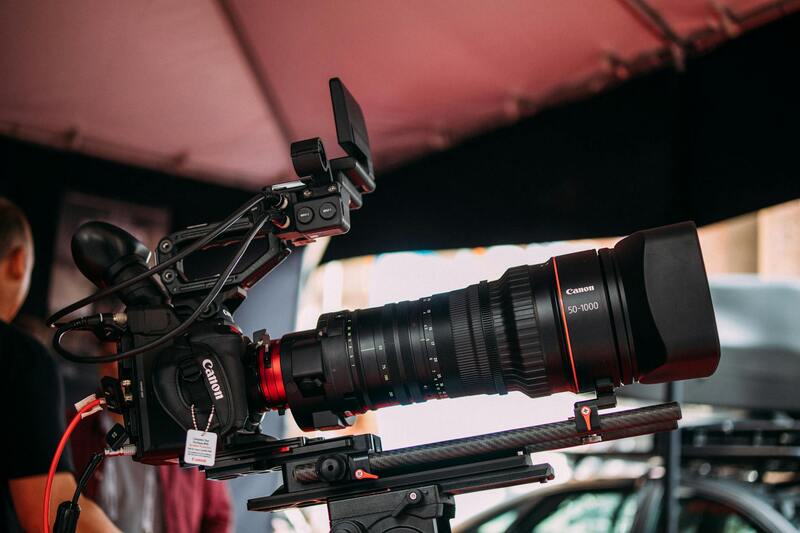
Achieving exceptional real estate imagery requires more than just a good camera—it demands the use of specialized tools and refined techniques that highlight the property’s best features. Professional photographers invest in high-resolution DSLR or mirrorless cameras equipped with wide-angle lenses, which are essential for capturing expansive interior spaces and intricate architectural details without distortion. The focal length of these lenses typically ranges from 14mm to 24mm, providing a broad perspective that makes rooms appear more spacious and inviting.
Proper camera settings are equally important. High dynamic range (HDR) photography is often employed to handle contrasting light conditions within a space. This involves capturing multiple images at different exposures and blending them to produce balanced photos where both shadowed and brightly lit areas retain detail. For interiors, a small aperture (f/8 to f/11) ensures sharpness from foreground to background, while a low ISO minimizes grain and noise, resulting in crisp, clean images.
Tripods are an essential accessory, providing stability for longer exposure shots that enhance image clarity and reduce motion blur. Additionally, professional photographers often use remote shutters or camera timers to prevent camera shake during capture. Post-processing software such as Adobe Lightroom or Photoshop plays a crucial role in refining images—adjusting brightness, contrast, and color balances to produce images that accurately reflect the property's true appearance without exaggeration.
While equipment greatly impacts image quality, mastery of techniques ensures that every shot emphasizes the property's strengths. Strategic framing, correct angles, and mindful composition—like avoiding clutter and highlighting architectural features—are crucial for creating compelling visuals. The combination of proper gear and technical skill results in high-impact imagery that attracts prospective buyers and facilitates a faster sale process.
Choosing the Right Equipment and Techniques
Achieving high-quality real estate photographs requires more than just an understanding of photography principles; it necessitates leveraging the appropriate equipment and techniques to capture each property in its best light. The foundation of professional house photography lies in selecting the right tools and mastering their use to produce compelling visual narratives that resonate with potential buyers.
Essential Camera Equipment for Real Estate Photography
- Digital Single-Lens Reflex (DSLR) or Mirrorless Cameras: These cameras offer manual controls, allowing precise adjustments to exposure, aperture, and ISO. Their ability to produce high-resolution images ensures details are sharp and colors are true to life.
- Wide-Angle Lenses: Typically ranging from 14mm to 24mm (full-frame equivalent), wide-angle lenses capture expansive interior spaces, making rooms appear larger and more inviting. Proper use prevents distortion, which can mislead potential buyers.
- Tripods: Stability is critical for clarity, especially in lower light conditions. Tripods enable slow shutter speeds to gather more light, resulting in brighter, more vibrant images without blur.
- Remote Shutters or Timers: These accessories eliminate handshake artifacts during long exposures, ensuring crisp, sharp images.
- Exterior Lenses and Filters: Circular polarizers can reduce glare from windows and reflective surfaces, while neutral density filters help manage exposure in bright sunlight.
Techniques for Optimal Property Imaging
Employing proven techniques enhances the visual storytelling of a property, emphasizing its architectural features and spatial flow. Some key methods include:
- Use of HDR Photography: Combining multiple exposures balances lighting disparities, ensuring both bright and shadowed areas retain detail. This technique is especially effective for rooms with large windows or varied lighting conditions.
- Proper Composition and Framing: Strategic angles highlight the property's best features. Shooting from a corner can showcase depth, while aligning vertical lines keeps proportions true, avoiding distorted images.
- Adequate Lighting: Utilizing natural light during the day enhances interior vibrancy. Supplementing with professional lighting setups can fill shadows and produce evenly lit scenes.
- Correct Use of Aperture and ISO: An aperture of f/8 to f/11 ensures all elements are in focus, while a low ISO setting maintains image clarity by minimizing noise.
- Post-Processing Refinement: Editing software helps correct minor distortions, adjust brightness and contrast, and enhance colors to present an accurate and appealing image.
Mastering these equipment choices and techniques ensures that each photograph maximizes the property's visual appeal, drawing in prospective buyers and accelerating the selling process.
Utilizing Proper Post-Processing Techniques
Effective post-processing is essential to elevate real estate photography from good to exceptional. High-quality editing not only corrects minor imperfections but also enhances the property's best features, making images more appealing to prospective buyers. Color correction ensures that the photos accurately reflect the property's true appearance, providing a trustworthy representation that builds confidence in listing viewers. Adjusting brightness and contrast helps to highlight interior spaces and architectural details, while strategic sharpening emphasizes textures and structural elements.
When editing real estate photos, it is crucial to maintain a natural look to avoid misleading potential buyers. Over-enhancement can create unrealistic expectations and reduce credibility. Instead, subtle adjustments that improve clarity and vibrancy are most effective. Techniques such as straightening skewed lines, removing distracting objects or reflections, and balancing color tones contribute to a polished final image.
Advanced tools enable the removal of minor blemishes or imperfections, helping to present the property in its best light without altering its authenticity. Consistency across the entire photo set is vital to creating a cohesive visual story. When done correctly, post-processing can significantly decrease the time a property spends on the market, as attractive, professional images draw more interest and facilitate quicker engagement from potential buyers.
The Importance of Consistent Aesthetic in Property Listings
Maintaining a consistent aesthetic across all property images enhances the professionalism of a listing. It aids potential buyers in forming a coherent visual impression, which can increase their confidence in the property's presentation. Consistency involves using similar lighting, color tones, and compositional styles, ensuring no visual elements distract from the property’s appeal.
Uniformity also simplifies the viewing experience, making it easier for prospective buyers to compare features across different rooms or properties. When photos follow a consistent style, it conveys meticulous attention to detail and professionalism, reinforcing trust and credibility.
To achieve this, real estate agents and photographers should establish a set of editing standards and shooting protocols for each property. This approach ensures that the final images align with the desired marketing message and branding, ultimately supporting faster sales at higher prices.
Legal Methods for Enhancing Property Appeal Through Photography
When aiming to present a property in the most appealing and accurate light, utilizing legitimate and recognized forms of professional photography is essential. These methods not only attract potential buyers but also uphold a level of trust and transparency in the listing process.
One of the primary approaches involves hiring certified professional photographers who specialize in real estate imagery. These experts use advanced techniques, proper equipment, and industry-standard practices to capture the property's true essence. They ensure that images are well-lit, skillfully composed, and accurately represent the space without any distortions or misleading perspectives.
Virtual staging is another effective and approved method. Instead of physically furnishing empty rooms, virtual staging uses high-quality digital editing to add furniture and decor, helping prospective buyers visualize the living space. This approach is widely recognized as a reliable tool to enhance visual appeal and make properties more inviting.
High-dynamic-range (HDR) imaging is a technical process that involves capturing multiple exposures and blending them for a balanced, vibrant picture. This method reveals details in both shadows and highlights, providing a realistic and appealing depiction of the interiors and exteriors.

In addition to photography, compliance with established standards such as proper image resolution and appropriate file formats is critical. Professional images should meet the specifications set forth by leading real estate listing platforms, ensuring they display correctly across various devices and screen sizes. This includes using high-resolution files that maintain clarity when zoomed in or viewed on large screens.
Metadata management also plays a vital role. Embedding relevant keywords, geotags, and descriptive information within image files can improve the visibility of listings in online search results, attracting more potential buyers. This information helps algorithms recognize and rank the images appropriately, increasing the listing's reach.
Legal use of drone photography is increasingly mainstream, providing breathtaking aerial views that offer unique perspectives of a property and its surroundings. Ensuring that drone operators follow prescribed flight regulations and have proper licenses maintains ethical standards and safety compliance, further establishing credibility for the listing.
Employing these validated methods not only elevates the quality and attractiveness of property listings but also reinforces a professional image for the real estate agent or agency involved. Transparency, accuracy, and adherence to official techniques ensure that potential buyers receive truthful representations, fostering trust and confidence in the transaction process.
Enhancing Listing Visibility with Effective Image Optimization
Beyond capturing stunning visuals, the presentation of real estate images plays a crucial role in attracting potential buyers and facilitating quick sales. Properly optimized images ensure that listings are not only visually appealing but also perform well across various online platforms. This includes applying specific techniques to improve load times, such as compressing images without sacrificing quality, which is vital for maintaining user engagement and reducing bounce rates.
Standardized image formats like JPEG and PNG are preferred for their compatibility and balance of quality and file size. High-resolution images should be used judiciously—large enough to highlight details but optimized to prevent sluggish website performance. Incorporating descriptive, keyword-rich filenames enhances search engine indexing, making listings more discoverable when potential buyers search for properties in specific neighborhoods or styles.
Metadata insertion adds another layer of optimization. Embedding relevant information such as geographic coordinates, property specifics, and descriptive tags can improve search rankings. These data points assist algorithms in categorizing the images accurately, further amplifying visibility. Additionally, geotagging images with precise location data provides contextual relevance, enabling local search enhancements that attract geographically targeted inquiries.
Implementing these best practices in image optimization not only increases the likelihood of capturing the attention of online visitors but also creates a cohesive, professional appearance that elevates the overall listing. When images are clear, fast-loading, and strategically tagged, they contribute significantly to a listing’s success by drawing more views, encouraging engagement, and ultimately accelerating the sale process.
Enhanced Techniques for Showcasing Sector-Specific and Unique Property Types
In the competitive Miami real estate market, effectively highlighting distinctive property features can significantly influence prospective buyers. Incorporating specialized photography approaches tailored to specific property types can dramatically improve listing appeals. For example, luxury homes benefit from detailed images that emphasize high-end finishes, unique architectural elements, and premium amenities. This requires the use of professional-grade equipment such as high-resolution lenses capable of capturing intricate details and textures that set luxury properties apart.
Similarly, waterfront properties demand aerial shots to showcase views, proximity to water bodies, and outdoor living spaces. The strategic placement of camera angles to highlight expansive water views, private docks, or beachfront access can evoke desire and provide comprehensive visual context.
Commercial properties, on the other hand, often necessitate wide-angle shots to demonstrate spatial layouts and accessibility. Proper lighting, both natural and artificial, ensures interiors appear inviting and functional, which is critical for spaces intended for business use.
Utilizing Lifestyle and Contextual Photography
Beyond traditional property shots, lifestyle photography introduces a narrative element by portraying the property amidst its ideal living environment. Photos of outdoor entertainment areas, landscaped gardens, or nearby community features help prospective buyers envision their life in the space. This approach often involves capturing images at optimal times of day, such as golden hour, to leverage natural lighting conditions that add warmth and appeal.
Contextual shots that include local landmarks, nearby parks, or vibrant neighborhood streets contribute to a sense of community and lifestyle quality, making listings more appealing to a broader audience. These images should be carefully styled and staged to present the property in its best light, emphasizing its potential for comfort and convenience.
Innovative Photography Tools and Techniques for Elevated Listings
Advancements in photography equipment offer opportunities to create standout property listings. Techniques such as HDR (High Dynamic Range) photography enable capturing details in both shadows and highlights, resulting in more balanced and appealing images. Panoramic photography can provide immersive views of interior spaces or expansive outdoor areas, offering virtual walkthrough-like experiences that enhance online engagement.
Integrating virtual staging within photography workflows allows potential buyers to visualize furnished living spaces without physically altering the property. This method is particularly useful for vacant homes or properties requiring renovation, adding an aspirational element to visual presentations.
Automation and Post-Processing Enhancements
Post-processing plays a vital role in refining raw images to meet high professional standards. Techniques such as color correction, perspective correction, and noise reduction enhance the visual realism and attractiveness of photos. Additionally, using consistent editing styles helps maintain a uniform aesthetic across listings, strengthening brand recognition for real estate agents and agencies.
Automation tools and software can streamline workflows, ensuring quick turnaround times for high-quality images, which is essential for time-sensitive listings. These enhancements, when applied judiciously, ensure every image accurately reflects the property's true potential while captivating viewers visually.