Understanding the Importance of Professional House Photography
In the highly competitive real estate market of Miami, first impressions are critical. Prospective buyers often form their initial perception of a property based solely on photographs. High-quality, professionally captured images not only showcase the unique features and aesthetic appeal of a home but also serve as powerful tools to attract more interest and accelerate the sales process. When potential buyers browse listings online, compelling visuals can significantly influence their decision to arrange a viewing or make an offer.
Professional house photography transcends simple documentation. It involves expert techniques to highlight a property's best features through strategic lighting, framing, and the use of advanced equipment. Well-crafted images evoke emotions, create meaningful connections, and facilitate a quicker understanding of the property’s space and potential. This is especially vital in Miami’s vibrant market, where properties often compete with luxurious amenities, stunning architecture, and scenic surroundings that deserve to be prominently featured.
Effective house photography significantly improves a property's visibility across digital platforms, which remains the primary channel for property searches. Listings with high-quality images garner more clicks, longer viewing times, and higher engagement rates than those with poorly lit or amateur photos. This increased attention often translates into higher inquiries, more scheduled showings, and ultimately, quicker sales at desirable prices.
Furthermore, professional photography sets a listing apart in a crowded marketplace. When buyers see consistent, clear, and visually appealing images, it builds trust and confidence in the quality of the property and the professionalism of the seller. In a city like Miami, where properties often feature modern architecture, waterfront views, and luxurious interiors, capturing these details effectively through professional photographs can dramatically influence the perception of value.
In addition, high-caliber images support marketing efforts across multiple channels including real estate websites, social media, and print advertisements. The warm Miami climate, vibrant neighborhood scenes, and stylish home exteriors all benefit from professional photography that enhances their natural appeal and captures the essence of the property, making listings not only more attractive but also more memorable.
Ultimately, investing in professional house photography is a strategic move that aligns with the goals of maximizing visibility, attracting serious buyers, and facilitating faster and more profitable transactions. Given the complexities of Miami’s dynamic real estate environment, working with skilled photographers ensures that every property’s unique charm is effectively communicated, leading to more successful sales outcomes.
Choosing the Right Equipment and Techniques
To achieve high-quality imagery that truly showcases a property's best features, professional house photographers in Miami utilize advanced equipment and refined techniques. The choice of camera equipment is pivotal; full-frame digital cameras with high-resolution sensors are preferred for their ability to capture fine details, reproduce accurate colors, and manage a wide dynamic range. This allows for clear, vibrant images that highlight both interior and exterior spaces effectively.
Lens selection plays a crucial role in capturing the spatial proportions and architectural details of a home. Ultra wide-angle lenses are commonly used to encompass more of the room in a single frame, creating a sense of space and openness. Macro lenses might also be employed for capturing intricate interior details or decor elements, adding depth and texture to the visual narrative.
In addition to the physical gear, photographers rely on sophisticated techniques to optimize lighting, composition, and image clarity. Bracketing exposure is often employed to balance bright outdoor views with indoor lighting, ensuring details are visible across various lighting conditions. HDR (High Dynamic Range) imaging combines multiple exposures to produce photos that truly reflect a property's visual depth, especially in scenes with strong contrasts like panoramic waterfront views or homes with large windows.
Moreover, drone photography has become an invaluable asset for capturing expansive aerial views of waterfront estates, sprawling gardens, and neighborhood topography. Elevated perspectives offer prospective buyers an immersive understanding of the property's placement and surrounding environment, adding a valuable dimension to Miami real estate listings.
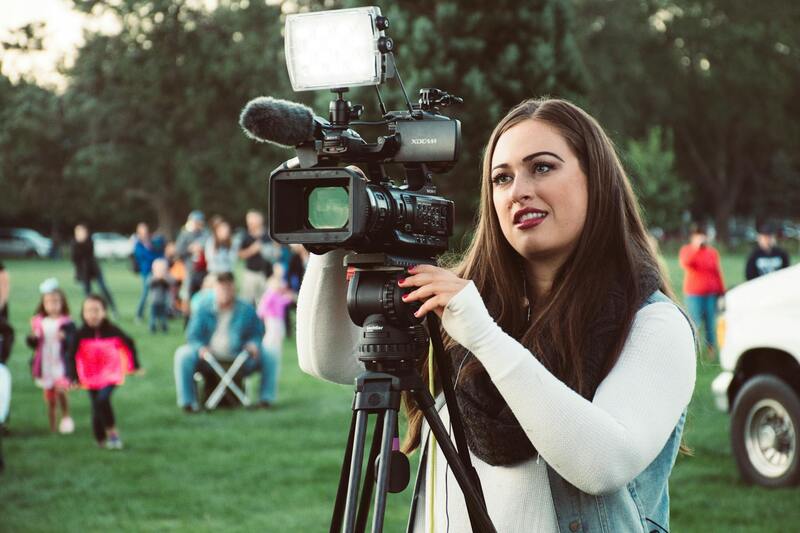
The mastery of these tools and techniques, combined with an eye for detail, enables professional photographers to produce images that are not only visually appealing but also authentic representations of the property’s true character. This meticulous approach ensures that potential buyers receive an accurate, engaging view of the home, fostering greater interest and confidence in the listing.
How to Verify the Use of Authentic and Ethical Photography Methods
When seeking professional house photography services, it is essential to understand the approaches and standards that underpin high-quality imagery. Authentic methods primarily involve the use of genuine photography techniques that prioritize accuracy, clarity, and the true representation of a property. Real estate professionals and photographers committed to maintaining the integrity of their visual content rely on well-established practices that are transparent and reproducible.
One of the primary indicators of authentic house photography is the exclusive use of genuine equipment—such as professional-grade cameras and lenses—paired with legitimate software for editing and post-processing. High-resolution DSLR or mirrorless cameras with prime or zoom lenses specific to interior and exterior shots allow photographers to capture sharp, detailed images with accurate color reproduction. This equipment ensures each image reflects the property's true appearance, offering prospective buyers an honest preview.
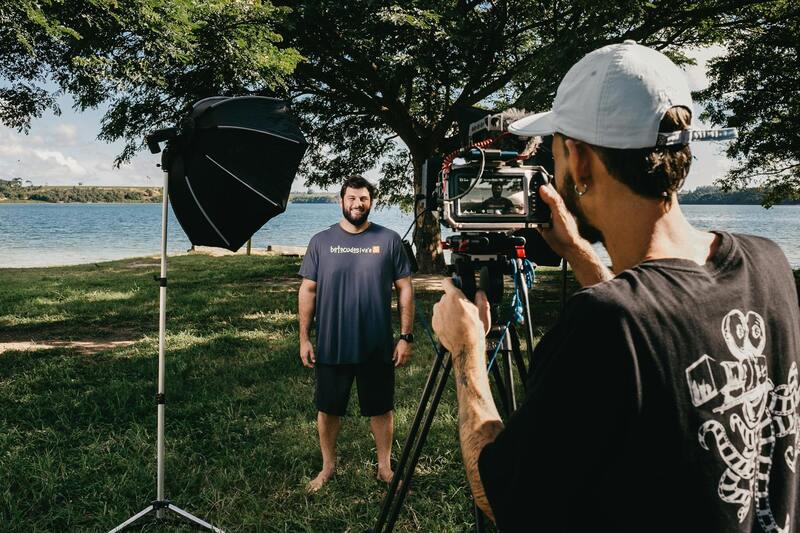
Techniques like careful lighting management, proper composition, and consistent framing are fundamental. These are applied through legitimate methods such as natural lighting enhancement, controlled artificial lighting, and the strategic use of lighting gear to avoid distortions or false impressions. Photographers should refrain from excessive editing that significantly alters the property's appearance, as this can distort buyer expectations and compromise trust.
Post-processing, when performed responsibly, enhances the image quality without manipulating the actual features of the property. Techniques like color correction, perspective adjustments, and noise reduction are performed within accepted standards, ensuring the final photos are both visually appealing and an accurate reflection of the space.
Clients should verify that their chosen photography provider employs proven, known techniques rooted in industry best practices. This includes inspecting a portfolio to observe consistency in image clarity, lighting, and view accuracy. Furthermore, ongoing professional development, adherence to industry protocols, and the use of certified editing standards reinforce the credibility of the service provider.
In striving for truthfulness, legitimate house photography will favor subtle enhancements over overt manipulations, delivering a compelling yet honest presentation that builds trust with prospective buyers and supports more effective real estate marketing efforts. Authenticity in photography ultimately fosters a transparent experience, empowering clients with reliable visuals that genuinely represent the property and meet the expectations of discerning home buyers.
Ensuring Proper Composition and Lighting
One of the cornerstones of professional house photography is mastering composition and lighting. A well-composed shot guides the viewer’s eye naturally through the space, highlighting key features without overwhelming the image. This involves utilizing techniques such as the rule of thirds, leading lines, and symmetry to create balanced and engaging photographs.
Lighting plays a pivotal role in showcasing a property’s true character. Natural light is preferred whenever possible, accentuating the room's dimensions and color accuracy. Photographers often schedule shoots during times when sunlight filters in optimally, typically early mornings or late afternoons. When natural light is insufficient, professional lighting equipment, such as softboxes and diffusers, ensures even illumination that minimizes shadows and highlights the property's best attributes.
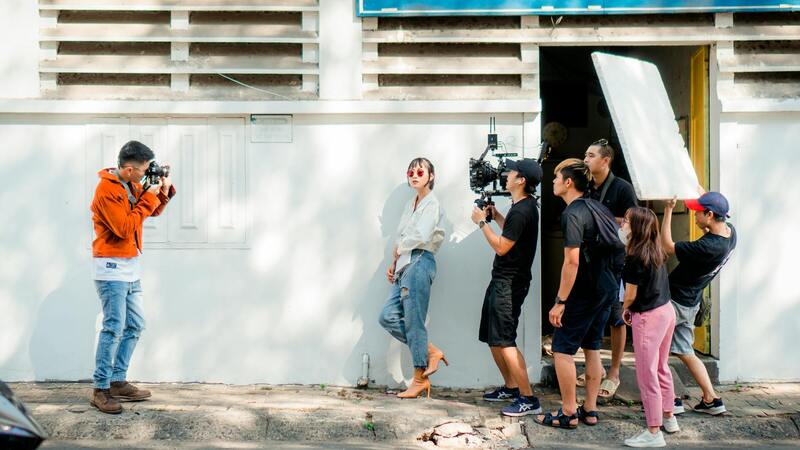
Proper composition combined with ideal lighting conditions results in images that are both inviting and true to life, enabling potential buyers to envision living in the space with confidence. It requires a delicate balance; overexposure or underexposure can distort the perception of a room's size and ambiance, while poorly framed shots may obscure critical features or create confusion about the layout.
Strategic Use of Angles and Perspectives
Choosing the right angles is essential in maximizing space perception and emphasizing a home's strengths. Low or high vantage points can dramatically alter how a room appears; for instance, shooting slightly from a corner often reveals more of a room’s dimensions than a head-on shot. Wide-angle lenses are commonly employed to create a sense of openness, but they must be used judiciously to avoid distortion that can misrepresent the space.
Depth is also achieved by incorporating foreground elements, leading lines, or framing techniques to add visual interest and context. Such detailed attention to perspective helps prospective buyers grasp the flow between rooms, the proportion of spaces, and the overall layout, fostering a clearer understanding of the property's potential.
Posture and Camera Settings
Meticulous adjustments to camera settings underpin high-quality house images. A low aperture setting ensures sharp focus throughout the scene, capturing fine details that appeal to viewers. Meanwhile, the appropriate ISO setting minimizes graininess in various lighting conditions, whether capturing bright sunlight or dimly lit interiors.
The choice of shutter speed also impacts image clarity—slower speeds require a tripod to prevent blurring, which is vital for interior shots that demand stability. Consistent use of these settings across a property provides a cohesive visual experience, avoiding jarring transitions between images that could distract viewers or diminish the overall impact.
Summary
Every aspect of composition, lighting, perspective, and technical setup contributes to the overall quality of professional house photography. Mastering these elements ensures that every photograph accurately reflects the property’s appeal, fostering engagement and trust among potential buyers. Attention to detail in these areas helps real estate listings stand out in competitive markets and accelerates the selling process by presenting the home in its best light.
Proper Lighting Techniques to Enhance Property Features
Effective lighting is fundamental to capturing stunning images that showcase a property's best attributes. Natural light, when utilized correctly, can create warm, inviting atmospheres that resonate with potential buyers. Photographers often time shoots during the golden hour—shortly after sunrise or before sunset—to leverage soft, flattering sunlight that highlights textures and colors without harsh shadows. When natural light is insufficient, supplementing with professional lighting equipment ensures consistent illumination across all spaces.
For interiors, diffused lighting minimizes glare and shadow contrast, revealing the true colors of walls, furniture, and decor. Multiple light sources can be strategically placed to eliminate dark corners, emphasizing the property's spatial dimensions. Additionally, understanding the direction of light sources helps in managing reflections and shadows, especially in rooms with large windows or shiny surfaces.
Figure 1:
Mastering Composition and Angles for Maximum Impact
Composition plays a crucial role in creating cohesive, visually compelling images. Professional house photographers employ techniques such as the rule of thirds, leading lines, and framing to draw viewers’ attention to key features of the property. Optimal angles typically involve shooting from a corner to capture a room's full depth, which gives a sense of spaciousness.
Elevating the perception of space is achieved by avoiding clutter and extraneous objects that could distract from the main focus. Wide-angle lenses are often used to encompass more of a room within a single frame, but careful attention is needed to prevent distortion. The use of consistent viewpoints across multiple images helps maintain a unified look, ensuring potential buyers can easily navigate the visual flow.
Figure 2:
Technical Settings for Crystal-Clear Home Images
Achieving high-quality house images requires a thorough understanding of camera settings that optimize clarity and detail. Aperture control is vital; a narrow aperture (around f/8 to f/11) ensures sharp focus throughout the scene, capturing fine textural details of surfaces and decor. A tripod is essential to maintain stability during longer exposures, especially in low-light environments.
Adjusting ISO settings appropriately minimizes noise; selecting a lower ISO for well-lit conditions preserves image crispiness, while slightly higher ISO can be used sparingly in darker rooms. Shutter speed adjustments help manage motion blur; slower speeds with a tripod result in sharper interior shots, while faster speeds are suitable for capturing dynamic exterior scenes.
Consistent application of these settings during a shoot ensures a harmonious visual presentation across all images, which is critical for viewer engagement and trust.
Figure 3:
Proper Techniques for Shooting and Composition
Implementing effective photographic techniques is essential for capturing the true essence of a property. Utilizing symmetrical compositions and framing techniques can highlight architectural elements and create visual harmony. When photographing interiors, leading lines drawn by furniture or architectural features guide the viewer’s eye naturally through the space, emphasizing key areas.
Balancing natural light and artificial lighting is vital for achieving a warm and inviting ambiance. Techniques such as shooting during the golden hour provide soft, diffused sunlight that enhances the property's appeal. Employing external flash units or reflectors can help fill in shadows, ensuring uniform lighting across each room.
Angle selection also influences a space's perceived size and functionality. Shooting from a corner perspective often provides a more comprehensive view of a room, increasing depth perception. Maintaining vertical lines straight with proper tripod setup prevents distortion, preserving the integrity of architectural features.
Utilizing Lighting to Enhance Property Features
Lighting plays a crucial role in elevating the visual impact of house photographs. Properly lit images not only attract potential buyers but also depict the property in its best light. During shoots, natural light should be maximized by opening curtains and blinds; however, in situations where natural light is limited, supplemental lighting becomes necessary.
Incorporating multiple light sources helps eliminate dark corners and highlights the property’s best features, such as updated kitchen countertops or large windows. Color temperature consistency ensures that the images reflect the true hues of interior surfaces and decor. Using daylight-balanced bulbs or filters maintains a natural look, while warm lighting can evoke a cozy, welcoming atmosphere.
Adjusting exposure settings to accommodate varying lighting conditions ensures a balanced brightness level. Proper use of diffusers and reflectors softens harsh shadows, providing a smooth, professional appearance. When combined with post-processing adjustments, these lighting techniques create a cohesive and appealing visual presentation.
Understanding the Importance of Professional House Photography
High-quality images serve as the visual foundation for any successful real estate marketing strategy. When it comes to marketing properties effectively, professional house photography transcends basic skill; it encapsulates a keen eye for detail, understanding of space, lighting mastery, and technical expertise. Stunning photographs can significantly boost a property's appeal, creating a strong first impression that draws potential buyers or renters to consider a property seriously. In competitive markets like Miami, where luxury and aesthetic appeal often drive buyer interest, having professionally captured images is indispensable.
The impact of professional house photography extends beyond mere visuals. It influences how viewers perceive a property’s value, size, and ambiance. Well-composed images highlight key architectural features, unique design elements, and the overall spatial flow, helping potential clients envision themselves living within the space. The clarity and quality of photos also foster trust and credibility, positioning the listings as high-end and trustworthy, which can set a property apart from others on the market. These elements combine to enhance marketing reach, engagement, and ultimately, faster sales or rentals.
Key Elements of Effective House Photography
- Lighting: Proper lighting is the cornerstone of captivating house photos. It involves leveraging natural light, supplemented with professional lighting equipment when necessary, to create bright, inviting images without harsh shadows or overexposure.
- Composition: Strategic placement of camera angles and framing ensures that each room appears spacious and balanced. Vertical lines should be straight, and horizontal lines aligned to maintain architectural accuracy.
- Timing: Capturing images during optimal lighting conditions, preferably during the golden hour or when weather permits, results in warmer, more appealing photographs.
- Details and Focus: Sharp focus on architectural details, textures, and decor enhances the depth and interest of images. Using a tripod ensures stability and consistent framing.
- Post-Processing: Editing software helps refine images by correcting exposure, enhancing colors, and removing distractions, ensuring the final product aligns with the property's true appeal.

Choosing the Right Equipment and Techniques
Utilizing appropriate equipment and advanced techniques elevates the quality of house photographs. High-resolution digital cameras, wide-angle lenses, and sturdy tripods form the basis of professional property photography. Wide-angle lenses enable capturing expansive interior spaces, making rooms appear larger and more inviting. Tripods provide stability, ensuring sharp images and allowing for precise framing, particularly in low-light conditions.
Techniques such as HDR (High Dynamic Range) imaging help blend multiple exposures to achieve balanced brightness in scenes with both bright windows and dark corners. Dusk or twilight shots can add a magical ambiance, showcasing exterior lighting and the property's overall curb appeal in various lighting scenarios. Proper use of lens filters, such as polarizers, can reduce reflections and glare, further enhancing image quality.
Staging and Preparing the Property for Photos
Preparing a property for professional photography involves meticulous staging to create an appealing, clutter-free environment. Decluttering surfaces, organizing furniture, and adding fresh linens or decor accents help emphasize the property's best features. Properly arranging furniture can enhance spatial perception, making rooms look larger and more welcoming.
Cleaning and minor repairs are essential to remove any distractions or imperfections. Natural light should be maximized by opening curtains and blinds, while strategic placement of accent lighting can highlight architectural details and interior design elements. Homing in on key areas like kitchens, bathrooms, and living spaces ensures the images showcase the property’s strengths effectively.
Editing and Post-Processing in House Photography
Post-processing is the final step to refining photographs, ensuring they accurately represent the property's charm while being visually striking. Adjustments to brightness, contrast, and color balance correct any discrepancies caused by lighting conditions during the shoot. Removing minor imperfections such as dust spots, reflections, or distracting objects helps maintain a clean and professional appearance.
Advanced editing may involve perspective correction to straighten skewed lines and enhance architectural features. Still, care must be taken to preserve the authenticity of the property, avoiding overly aggressive edits that could mislead viewers. Consistency in editing style across all images maintains a cohesive presentation, vital for branding and marketing efforts.
Effective Strategies for Showcasing Your Property through Professional House Photography
Utilizing High-Quality Equipment for Impactful Visuals
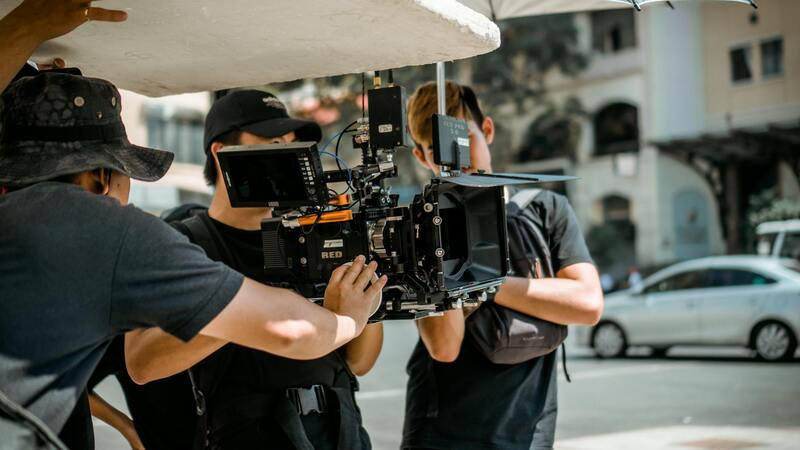
Achieving exceptional house photography begins with selecting the right equipment. High-resolution digital cameras with full-frame sensors are preferred for capturing detailed images with rich color depth. Pairing these with fast, versatile lenses—such as wide-angle lenses—allows photographers to include more of a space within a single frame, creating a sense of openness and expansiveness critical for real estate visuals.
Tripods serve as indispensable tools to ensure stability, especially in indoor environments with limited lighting. They facilitate long exposure shots that can brighten interiors without noise, revealing intricate details of rooms and architectural features. Additionally, professional photographers often utilize advanced lighting equipment, such as strobes or softboxes, to supplement natural light and eliminate shadows that could obscure key elements of the property.
Mastering Techniques for Consistent and Captivating Images
Incorporating specific shooting techniques enhances the appeal of property photos. Vertical and horizontal lines should be kept straight, which can be achieved through perspective correction tools during post-processing or by adjusting the camera's position during the shoot. Utilizing a tripod ensures level shots and accurate framing, avoiding distortion that can detract from the property's true proportions.
Lighting plays a pivotal role. Shooting during the golden hour—shortly after sunrise or before sunset—can add warm, inviting tones to exterior images. For interior shots, maximizing natural light is crucial. Opening curtains and blinds and avoiding harsh midday sun reduces unflattering shadows and overly bright spots. When natural light is insufficient, supplementary lighting helps to highlight interior design elements evenly across all rooms.

Post-Processing to Enhance Authenticity and Visual Appeal
Post-processing is essential for refining images to meet high standards. Adjusting exposure, contrast, and white balance ensures that photos accurately reflect the property's true appearance. Minor blemish removal, such as cleaning up dust or reflections, helps maintain a crisp, professional look.
Advanced editing techniques may include perspective adjustments to correct skewed lines and straighten architectural features. It is vital to exercise restraint during editing to prevent misrepresenting the property’s actual look. Maintaining consistency in editing style across all images reinforces branding and provides a cohesive experience for prospective buyers or tenants. Properly edited photos not only attract more interest but also convey a sense of professionalism and trustworthiness in the property listing.