
Importance of Professional Real Estate Photography
In today’s competitive property market, the quality of visual presentation can significantly influence a property’s success. High-quality real estate photography serves as a powerful tool to attract potential buyers and expedite the sales process. When listings feature crisp, well-lit images that accurately represent the property, it captures attention quickly and encourages viewers to explore further. These images create a compelling first impression that can differentiate a listing from countless others, making it vital for real estate agents aiming to maximize engagement.
Effective real estate photography not only enhances the visual appeal but also builds trust and credibility with prospective clients. Buyers are increasingly relying on digital platforms as their primary means of property search, so polished images become the foundation of an impactful online presence. Professional photography helps highlight a property's best features, from spacious interiors to attractive exterior facades, ultimately translating into more inquiries, showings, and offers.
Beyond attracting initial interest, high-quality images streamline the buyer's journey by providing a comprehensive view of the property. Clear, detailed photographs reduce the need for multiple physical viewings, saving time for both agents and clients. This efficiency accelerates transactions and contributes to a smoother sales process. For real estate professionals in Miami, investing in top-tier photography can be the difference between a stagnant listing and a swiftly sold property, turning visual content into a strategic asset that boosts overall sales performance.
Choosing the Right Equipment and Techniques
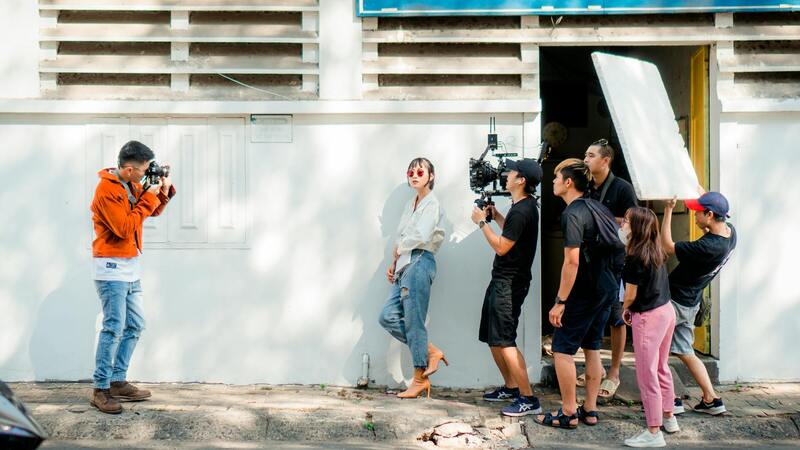
Selection of appropriate equipment and application of effective techniques are fundamental to producing high-quality real estate photographs that accurately showcase a property’s features. Professional cameras with high-resolution sensors are essential to capture detailed images with vibrant color rendition and clarity. Wide-angle lenses are commonly employed to encompass more of a room within a single shot, making spaces appear larger and more inviting. These lenses are particularly useful in confined areas, such as bathrooms or narrow hallways, where traditional lenses might impose limitations.
Proper lighting setup remains crucial, especially in interior photography. While natural light provides a warm, authentic ambiance, additional lighting equipment—such as softboxes or LED lights—ensures consistent illumination across all photos, eliminating shadows or uneven brightness. Scheduling shoots during optimal daylight hours allows for the utilization of ambient light, highlighting the property’s best attributes without the need for excessive artificial lighting.
Techniques such as utilizing tripod stabilization help maintain sharpness and prevent blurring, especially in interior shots where slower shutter speeds are necessary. HDR (High Dynamic Range) imaging is also a valuable method, combining multiple exposures to retain details in both bright and dark areas of a scene. This is particularly beneficial in properties with large windows or varying light conditions. Additionally, strategic composition—placing key features at the intersection points of the grid, or following the rule of thirds—guides viewers’ attention to focal points and creates visually engaging photographs.
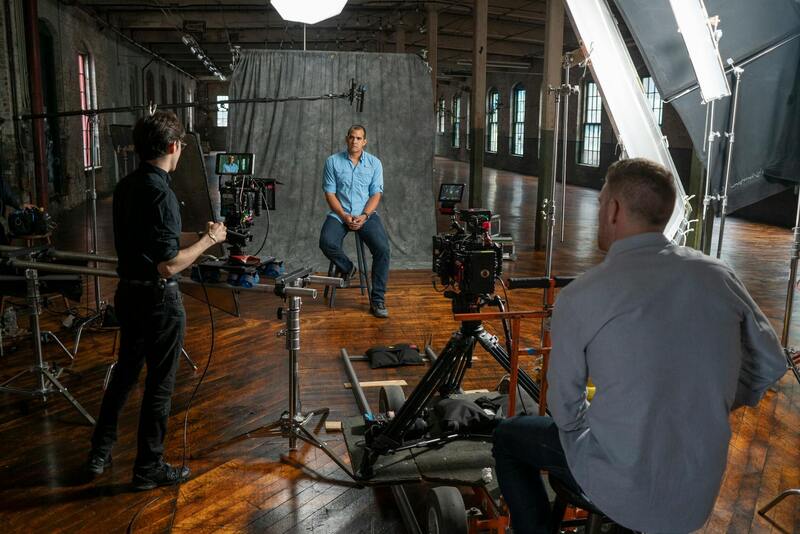
Investing in quality equipment and mastering essential techniques lead to a collection of images that effectively communicate the property's value, heightening interest and reducing time on market.
Choosing the Right Equipment and Techniques
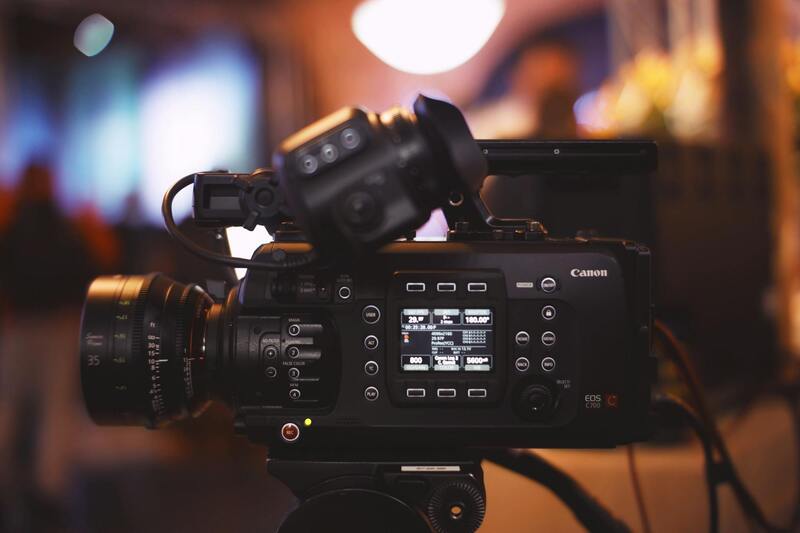
Utilizing the proper camera gear and techniques is fundamental to producing compelling real estate images that captivate prospective buyers. The choice of equipment significantly influences the image quality and the ability to accurately represent the property’s features. A high-resolution DSLR or mirrorless camera with a full-frame sensor is preferred for its superior image clarity, noise performance, and dynamic range, which are essential for capturing both interior and exterior spaces with fine details.
Lens selection plays a pivotal role in real estate photography. Ultra-wide-angle lenses, typically ranging from 14mm to 24mm, enable photographers to encompass more of a room within a single shot, making spaces appear larger and more inviting. These lenses should have minimal distortion to ensure that the property’s dimensions are represented accurately and without inconvenient warping.
Shooting techniques should be tailored to highlight a property’s best features while ensuring clarity and continuity. Using a tripod is essential for maintaining stability, especially in low-light conditions or interior settings, resulting in sharp, well-exposed images. When capturing interiors, it’s advisable to shoot in the early morning or late afternoon to leverage natural lighting and create warm, inviting atmospheres. For spaces with challenging lighting conditions, bracketing exposures and combining them through HDR processing can extend the dynamic range of photos, capturing details in both shadowed and brightly lit areas.
Mastering camera settings is equally important. Using a small aperture (high f-stop) increases depth of field, ensuring entire rooms are in sharp focus. A low ISO reduces noise, producing cleaner images. Adjusting shutter speed based on lighting conditions helps prevent motion blur, especially when photographing large open areas or when utilizing handheld shots in less controlled environments.
In addition to static images, incorporating techniques such as panoramic stitching can be advantageous for capturing expansive exterior views or interior layouts. This method involves taking multiple overlapping shots and merging them into a single wide-angle image, providing a comprehensive view without distortion. Similarly, employing strategic composition principles—including the rule of thirds and leading lines—guides viewers’ eyes to focal points and enhances visual appeal.
Effective post-processing is the final step in refining real estate images. Adjustments to brightness, contrast, and color balance should be subtle, enhancing the natural aesthetics of the property without misrepresentation. Correcting perspective distortions caused by wide-angle lenses ensures accurate spatial perception. Texture enhancement and sharpening can add definition to details, further attracting potential buyers. Proper editing not only elevates image quality but also aligns visuals with overall marketing strategies, creating a cohesive and professional presentation of the property.
Legal Considerations and Best Practices
Implementing high-quality real estate photography requires adherence to established standards that promote transparency and trustworthiness. When capturing images for property listings, it is essential to obtain necessary permissions, especially when showcasing private or sensitive areas of a property. Clear communication with property owners ensures consent is documented, avoiding potential misunderstandings.
It is equally important to accurately represent the property through photography. This involves avoiding manipulative editing that could mislead prospective buyers regarding the size, layout, or features of the property. Maintaining authenticity in images fosters credibility and helps buyers make informed decisions based on visual information that accurately reflects the actual space.
When utilizing equipment like drones, operators must be aware of local airspace regulations and restrictions. Ensuring compliance with these rules not only guarantees safety but also upholds professional standards. Conducting thorough risk assessments before drone flights minimizes accidents and ensures smooth operation during aerial shoot sessions.
Proper handling of copyright and intellectual property rights is also a crucial aspect of lawful real estate photography. Ensuring that all imagery used in marketing materials belongs to the photographer or has appropriate licensing prevents disputes and preserves the integrity of branding efforts. Clear licensing agreements with clients should outline usage rights and authorized platforms for distributing images.
Furthermore, including disclaimers that clarify the scope of visual representations can help manage buyer expectations, especially regarding renovation potentials or property boundaries. Incorporating these practices into a comprehensive approach to real estate marketing ensures a professional image that respects legal standards and elevates client confidence.
Legal Considerations and Best Practices
Maintaining adherence to industry standards and ethical practices is essential for producing trustworthy and impactful real estate imagery. When operating in Miami, it is crucial to ensure that all photographs comply with local regulations governing property representation, including respecting privacy rights of residents and neighbors. Displaying images that accurately represent the property without distortions or misleading enhancements helps preserve the integrity of your marketing efforts.
One fundamental aspect involves obtaining appropriate permissions. Securing consent from property owners before capturing and distributing images safeguards against potential disputes. This is particularly important when shooting in multi-unit buildings or private residences where the rights of inhabitants must be respected.
Another vital consideration is the proper handling of intellectual property rights. Photographers should ensure that all photography work is either their own original creation or appropriately licensed, with clear ownership and usage rights defined within contractual agreements. This clarity prevents copyright infringements and preserves the rights of both the photographer and client.
Adhering to safety standards during aerial photography is crucial, especially when employing drone technology. Operators should be well-versed in Miami's airspace regulations, including restrictions on altitude and proximity to airports, to avoid violations that could lead to penalties or operational halts. Conducting detailed risk assessments prior to drone flights not only promotes safety but also aligns with best practices for responsible aerial photography.
In addition, comprehensive disclosure in marketing materials about the scope of images, such as their depiction of the property at a specific point in time or reflecting current conditions, helps manage buyer expectations. Including disclaimers where appropriate can further clarify any limitations of the images, such as areas under renovation or features not visible from certain angles.
Professional photographers should also maintain meticulous documentation of their work processes, licenses, permissions, and client agreements. This documentation serves as evidence of compliance and responsible practices, reinforcing credibility among clients and stakeholders.
Legal Considerations and Best Practices
Ensuring compliance with industry standards and regulations is essential for maintaining professionalism and trust in real estate photography. Licensed professionals adhere to established protocols that safeguard clients' interests and uphold the quality of visual content. This involves obtaining necessary permissions for property access and respecting privacy considerations, especially when photographing interior spaces or private landscapes.
The use of drone technology introduces specific operational guidelines, including adherence to local airspace restrictions, to prevent unauthorized flights over private or sensitive areas. Photographers should familiarize themselves with Miami’s regulations regarding drone operations, including altitude limitations, flight permissions, and restricted zones, to ensure all aerial imagery is captured within approved boundaries.
Furthermore, clear contractual agreements outline the scope of work, usage rights, and rights to images. These agreements specify whether images can be used across various platforms, including websites, social media, and print, and help prevent misunderstandings related to ownership and licensing. Detailed documentation of consent from property owners and any governmental or neighboring entity approvals reinforces transparency and accountability.
Professional standards also extend to the ethical portrayal of properties. Photographers should present homes accurately, avoiding misleading angles or digital enhancements that could distort the true features of the property. Honest representations build buyer confidence and support ethical marketing practices.
Additionally, experts recommend ongoing education for photographers and agents involved in real estate marketing. Staying informed about evolving regulations, technological advancements, and industry best practices ensures that all visual content remains compliant and of the highest quality. Participating in professional workshops, certifications, and industry seminars can further solidify a photographer’s reputation and effectiveness in showcasing properties responsibly.
Legal Considerations and Best Practices
Successfully capturing compelling real estate imagery in Miami requires more than just technical skill; it necessitates adherence to established guidelines and best practices that ensure professional standards are maintained. This involves comprehensive awareness of the processes involved in obtaining the necessary permissions, respecting property boundaries, and understanding the implications of using various photographic techniques. Clear communication with property owners and stakeholders is key to aligning expectations and securing consent for images to be used in marketing campaigns.
One fundamental aspect involves securing proper authorization before conducting any form of visual documentation. This ensures that all parties involved acknowledge the scope of photography, including the types of images to be produced, usage rights, and distribution channels. Written agreements that specify these details help prevent misunderstandings and provide clarity on rights related to the commercial use of photographs. These agreements should include the scope of work, ownership rights, and stipulated usage rights that align with marketing objectives.
In the context of aerial photography, strict adherence to local flight rules and property permissions is essential. This includes understanding zoning laws, no-fly zones, and restrictions imposed by Miami’s regulatory authorities. Photographers must also verify that they have explicit consent from property owners for aerial shots, especially when capturing drone footage over private property or sensitive areas. Respecting these boundaries preserves professional integrity and fosters trust within the local real estate community.
Ethical Representation and Accurate Depictions
Maintaining honesty and integrity in visual representation directly influences a property's perceived value and buyer confidence. It is crucial to avoid digital manipulations that distort the property's features or mislead viewers. Instead, focus on capturing authentic images that showcase a home's best attributes without exaggeration. This involves using appropriate angles, natural lighting, and high-quality equipment to present the property accurately and attractively.
Additionally, photographers should be vigilant about the environmental and contextual elements captured in their shots. For example, incorporating compelling exterior images under optimal lighting conditions can highlight curb appeal, while interior shots should accurately reflect the space's size and layout. By presenting properties ethically and truthfully, real estate professionals foster a sustainable relationship of trust with clients and prospective buyers.
Continued Education and Industry Standards
Staying updated with the latest equipment, techniques, and legal requirements is essential. Engaging in ongoing training through workshops, seminars, and certification programs enhances skills and knowledge, ensuring that real estate imagery aligns with current industry standards. This commitment to professional growth demonstrates credibility and reinforces a reputation for responsible, high-quality marketing practices.
Transparency is also reinforced through continual learning about legal updates and technological advancements. For instance, new regulations regarding drone operations or changes in property disclosure laws influence how photographs are captured, used, and shared. Proactively incorporating these updates into workflows helps maintain compliance and elevates the overall quality of visual content.
Ultimately, embracing these best practices ensures that real estate photography not only captures visually appealing images but also supports ethical, legal, and professional standards essential in the competitive Miami market.
Legal Considerations and Best Practices
For real estate professionals utilizing photography as a marketing tool, understanding the proper protocols around image rights, property access, and licensing is fundamental. Respecting property boundaries and securing the necessary permissions before conducting shoots helps maintain ethical standards and fosters good relations with property owners. Clear agreements regarding the use of images—whether for online listings, promotional videos, or print materials—are essential to prevent misunderstandings and ensure that all parties’ rights are protected.
When capturing images in private or restricted areas, securing explicit consent from property owners or authorized representatives is a crucial step. This process should be documented with written agreements that specify the scope of image use, duration, and distribution channels. Such documentation not only safeguards the photographer but also aligns with best practices in transparency and mutual respect.
Licensing also plays a vital role in professional real estate photography. Photographers and agencies should verify that their equipment, such as drones or specialized camera gear, carries the appropriate operational permissions and certifications. This adherence to licensing requirements ensures compliance with local regulations, especially in a vibrant market like Miami where aerial photography via drones is popular.
Furthermore, understanding image rights involves being aware of intellectual property laws. Photographers should establish clear policies regarding the ownership and usage of the photos they produce. Typically, licensing agreements outline whether the client has exclusive rights or if the photographer retains ownership, which can impact future marketing efforts and content reuse.
Adhering to Technological Guidelines and Industry Standards
In the ever-evolving field of real estate marketing, staying aligned with technological guidelines ensures the quality and legality of all visual content. For instance, drone operators must follow rules set forth by aviation authorities, including obtaining necessary flight permits and conducting safety assessments. These steps minimize risks and reinforce responsible practices in aerial photography.
Additionally, adhering to updated industry standards in image resolution, lighting, and staging reflects a commitment to professionalism. Using high-quality equipment, combined with responsible editing practices, provides prospective buyers with an accurate view of the property, fostering trust and confidence.
Ongoing education about legal and technological developments further enhances credibility. For example, being informed about recent changes in data protection laws can influence how client information and property images are stored and shared. This proactive approach secures the integrity of marketing efforts and underscores a dedication to best practices.