Understanding the Importance of Interior Real Estate Photography
High-quality interior photography plays a pivotal role in the successful marketing and sale of real estate properties. Well-executed images serve as the primary point of contact for prospective buyers browsing online listings, offering a visual narrative that highlights the property’s best features. Clear, detailed, and professionally captured interior images can significantly increase online engagement, generate more inquiries, and ultimately shorten the time a property remains on the market. In a competitive real estate environment, the visual presentation of interiors can distinguish a listing from others and create a lasting impression that inspires potential buyers to schedule viewings.
Achieving compelling interior images requires an understanding of how photography influences buyer perceptions. Photos that accurately depict a room’s space, light, and details instill confidence in buyers about the property's condition and potential. Moreover, professional interior photos help real estate agents and property owners communicate a lifestyle or ambiance that resonates with targeted audiences. When images are crisp, well-lit, and properly composed, they create an emotional connection that encourages viewers to envision themselves living in the space, thereby boosting the likelihood of a sale.
In addition to attracting interest, high-quality interior photography underpins other marketing strategies such as virtual tours, online advertisements, and social media campaigns. These visuals serve as the foundation for a comprehensive marketing portfolio that showcases the property’s unique attributes and maximizes exposure across various platforms. Ultimately, investing in professional interior photography aligns with the goal of achieving faster sales at optimal prices, emphasizing the need for precise execution and attention to detail throughout the process.
Preparing the Space for Photography
Before capturing images of a property’s interior, meticulous preparation is essential to ensure the space appears as inviting and well-maintained as possible. Proper staging, cleaning, and organization can dramatically enhance the visual impact of photographs. Agents and owners should-declutter surfaces, remove personal items, and straighten furniture to create a clean, welcoming environment. Additionally, minor repairs such as fixing broken fixtures or patching wall blemishes contribute to a polished appearance.
Natural light is a critical element in interior real estate photography. It’s advisable to schedule shoots during times when sunlight fills the space effectively, typically mid-morning or late afternoon. Opening curtains and blinds allows maximum daylight to penetrate the rooms, reducing reliance on artificial lighting. For spaces lacking natural light, supplemental lighting equipment may be necessary to achieve even illumination. Ensuring the space is consistent in cleanliness, presentation, and lighting conditions sets the stage for capturing images that truly reflect the property’s potential.
In summary, thorough preparation not only improves the aesthetic quality of photographs but also helps convey a sense of care and professionalism, reinforcing the property’s value and appeal to prospective buyers.
Preparing the Space for Photography
Effective interior real estate photography hinges on meticulous space preparation. This process begins with strategic staging to highlight a property's best features. Furniture arrangements should accentuate the room's openness and functionality, avoiding cluttered or awkward setups. Owners and agents should prioritize decluttering surfaces, drawers, and shelves to create a sense of spaciousness and order. Personal items such as family photographs or memorabilia should be minimized, allowing potential buyers to envision themselves in the space.
Cleaning is equally vital. Surfaces, windows, and fixtures must be free of dust, smudges, and fingerprints. Turning attention to minor repairs, like fixing leaky faucets or replacing burned-out bulbs, can significantly elevate the photograph's quality, underscoring the property's upkeep. A fresh coat of neutral paint may be beneficial if walls are marked or faded, further improving the overall aesthetic.
Lighting plays an essential role in elevating interior images. Schedule shoots when natural light is at its peak—mid-morning or late afternoon—to ensure rooms are evenly illuminated. Opening curtains and blinds maximizes daylight, reducing dependency on artificial sources. For spaces naturally lacking light, supplemental lighting equipment such as softboxes or portable LED panels ensures an even, flattering glow without harsh shadows.
Optimal Staging Techniques
- Arrange furniture to emphasize room size and flow.
- Use neutral tones and minimal décor to appeal to a broad audience.
- Ensure beds are made, tables are cleared, and decorative elements are subtle yet inviting.
- In kitchens and bathrooms, keep countertops clutter-free and add fresh towels or accessories for a polished look.
Lighting Enhancements
- Utilize natural light during the peak daylight hours.
- In darker spaces, employ professional lighting kits to avoid unbalanced or underexposed images.
- Diffusers and reflectors can soften and distribute light evenly, reducing glare and shadows.
Investing in proper space preparation paves the way for capturing high-quality, compelling images that effectively market the property. Creating bright, clean, and well-organized spaces ensures that the photographs resonate with prospective buyers, highlighting the property’s best features while maintaining authenticity.
Choosing the Right Equipment and Camera Settings for Interior Real Estate Photography
Achieving stunning interior images begins with selecting appropriate equipment and fine-tuning camera settings to suit the environment. A professional-grade digital camera with manual control options provides the flexibility needed to capture the vivid details and true colors of a space. Full-frame cameras are typically preferred for their superior image quality and ability to handle low-light conditions more effectively.
Lens selection plays a crucial role in real estate interior photography. A wide-angle lens, usually in the range of 14mm to 24mm for full-frame cameras, allows photographers to encompass more of a room in each shot, helping to convey the space’s true proportions. These lenses reduce the need for excessive camera movement and minimize distortion when used correctly. To further combat distortion, utilizing tilt-shift lenses or software correction during post-processing can ensure straight lines and accurate room dimensions.
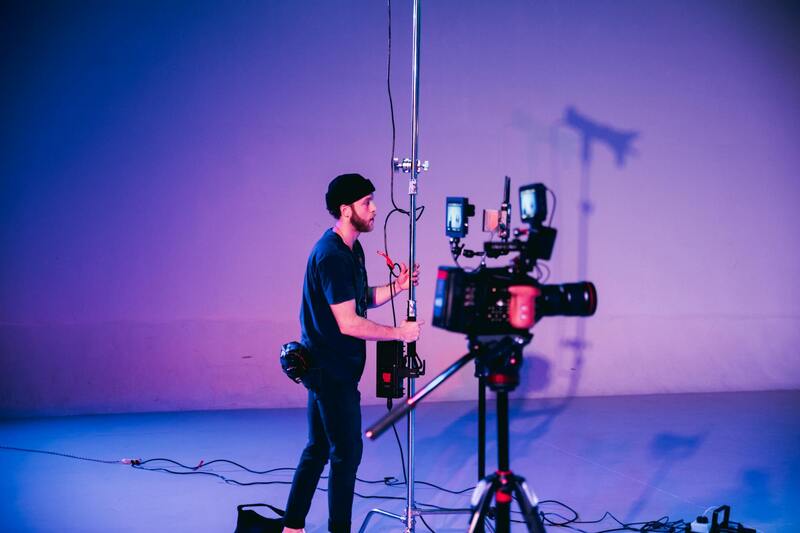
Camera settings should prioritize clarity, exposure, and color accuracy. Shooting in RAW format is highly recommended as it captures the maximum amount of image data, allowing for detailed post-editing without degrading quality. Aperture selection typically falls between f/8 and f/11, increasing depth of field to keep multiple elements in focus. This setting ensures that features from the foreground to the background remain sharp and well-defined.
ISO settings should be kept as low as possible—normally ISO 100 or 200—to avoid grain and noise, especially in well-lit environments. Shutter speed can vary depending on available light; however, using a tripod permits longer exposures without camera shake, which is critical in low-light settings or when capturing interior details in darker spaces. Adjusting the white balance to match the lighting conditions ensures accurate color reproduction, preventing unnatural hues in the final images.
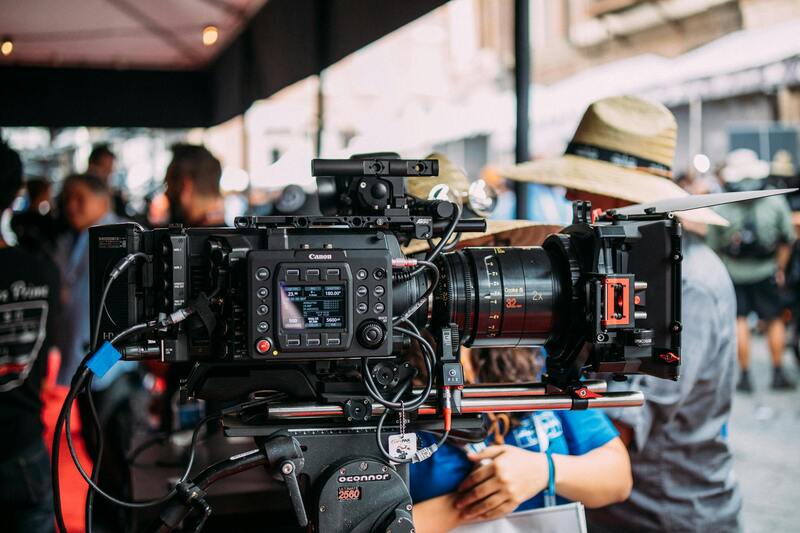
Investing in good equipment and understanding optimal camera configurations empowers professionals to produce high-quality visuals that accurately reflect a property's features. Meticulous attention to settings and equipment choices allows for the creation of images that are both visually appealing and representative of the space's true character, making them highly effective for marketing purposes.
Techniques for Capturing Wide-Angle and Distortion-Free Shots
Achieving expansive, accurate representations of interior spaces relies heavily on the strategic use of wide-angle lenses combined with techniques to mitigate distortion. When photographing interior real estate, a lens with a focal length typically between 14mm and 24mm on a full-frame camera provides the breadth necessary to encompass entire rooms in a single shot, making spaces look more inviting and spacious. However, these lenses can introduce distortion, especially near the edges of images, causing straight lines—such as walls, door frames, and window frames—to appear curved or skewed.
To counteract these distortions, precise camera positioning is essential. Shooting from a corner of the room rather than directly facing walls helps maintain natural proportions and reduces the risk of exaggerated perspective. Additionally, keeping the camera level is crucial; using a tripod with a bubble level or a digital leveler ensures that the lens remains perfectly horizontal and vertical, preventing skewed lines that diminish the professional appearance of the photo.
Advanced techniques include employing tilt-shift lenses, which can correct perspective distortion in-camera, maintaining architectural accuracy. For those using standard wide-angle lenses, some post-processing correction is beneficial, utilizing software tools to straighten converging lines while preserving the overall composition. Proper lens calibration, combined with framing shots to avoid extreme angles, results in images that faithfully represent the space's true dimensions and features.
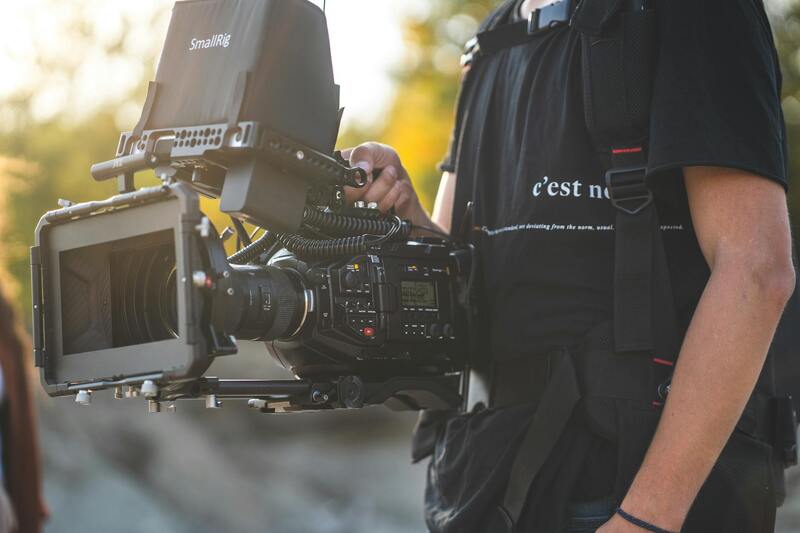
By adhering to these practices, real estate professionals can produce visually appealing and trustworthy images that accurately reflect the rooms’ scale and layout. This precision enhances the potential for attracting buyers and offering a transparent glimpse of the property, reinforcing confidence in the listing.
Choosing the Right Software for Post-Processing
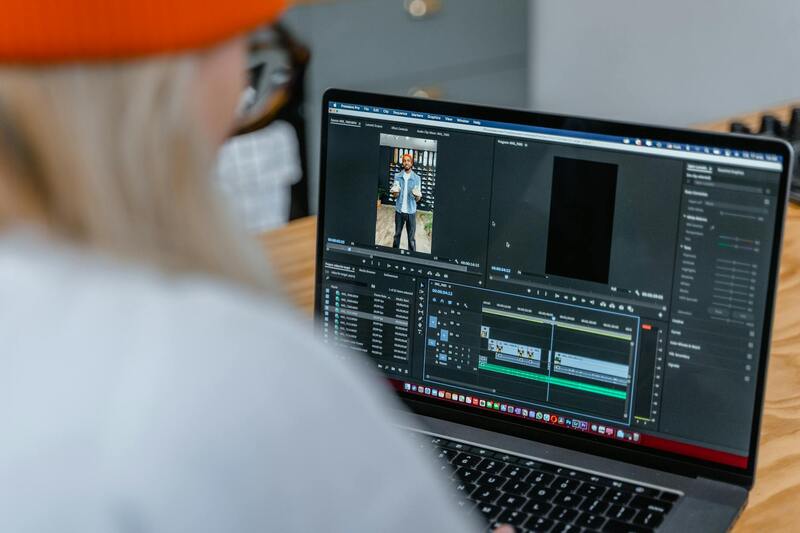
Opting for specialized photo editing software is essential to refine interior real estate images. Programs like Adobe Lightroom and Photoshop offer extensive tools to enhance lighting, correct color balance, and straighten lines. When working with these tools, focus on maintaining a natural appearance by avoiding over-saturation or excessive sharpening, which can mislead viewers. Batch processing capabilities allow for efficient editing of multiple images, ensuring a consistent look across a property’s entire visual presentation.
Applying Perspective Correction and Color Grading
Perspective correction is a critical step to ensure walls and structural lines appear straight and true to life. Many editing tools feature automatic or manual perspective correction options, enabling adjustments that align with the architectural features of the property. After correcting distortions, color grading helps achieve a warm, inviting atmosphere. Adjusting white balance and contrast, along with fine-tuning shadows and highlights, can significantly enhance the visual appeal of interior images, making spaces feel more spacious and welcoming.
Enhancing Details for a Sharp, Clear Presentation
To highlight the key features of a property, sharpening images and reducing noise are necessary steps in post-processing. Carefully enhancing details such as textures of fabrics, wood grains, or tile patterns adds depth and clarity. It's vital to avoid over-sharpening, which can introduce artifacts or create an artificial look. Precision in detailing ensures that viewers experience an authentic representation of the space, fostering trust and interest from potential buyers.
Integrating Consistent Editing Styles for Marketing Cohesion
Maintaining a uniform style throughout all interior images helps reinforce professionalism and brand identity. Establishing standard editing parameters, such as consistent exposure, contrast, and color tone, ensures seamless visual storytelling. Consistency in image presentation supports an effective marketing narrative, allowing viewers to navigate property listings effortlessly and forming a positive impression that encourages further exploration of the property.
Final Quality Checks Before Publishing
Before sharing images online or in print, conduct thorough quality checks. Verify that all images are correctly exposed, free from lens distortions, and accurately represent the property's interior. Review for consistency in color temperature and brightness across all photos. It’s also prudent to view images on various devices to ensure they render well under different screen settings. Proper quality control guarantees that the images will make a compelling, trustworthy impression on prospective buyers, aiding in faster sales and more effective marketing campaigns.
Ensuring Proper Image Composition and Perspective Control
Capturing high-quality photographs of interior spaces requires a mastery of composition and perspective management. Proper framing emphasizes the most important features of a room, highlighting architectural details, furniture, and spatial organization. To achieve this, use framing techniques that balance the shot, avoiding clutter or distracting elements in the periphery, which can divert attention from the property’s key selling points.
In terms of perspective, it’s crucial to minimize distortion that can skew the viewer’s perception of space. Wide-angle lenses are invaluable for showcasing larger interior areas, but they can introduce perspective distortion where straight lines—such as walls and doorframes—appear curved or skewed. To counteract this, photographers often employ specific techniques such as:
- Using a tripod with a leveling base to maintain consistent composition and reduce camera shake.
- Applying a slight tilt correction during post-processing to straighten lines while preserving realistic proportions.
- Adopting proper shooting angles that keep vertical lines parallel, providing a true representation of room dimensions.
Utilizing Tripods and Leveling Tools for Precision
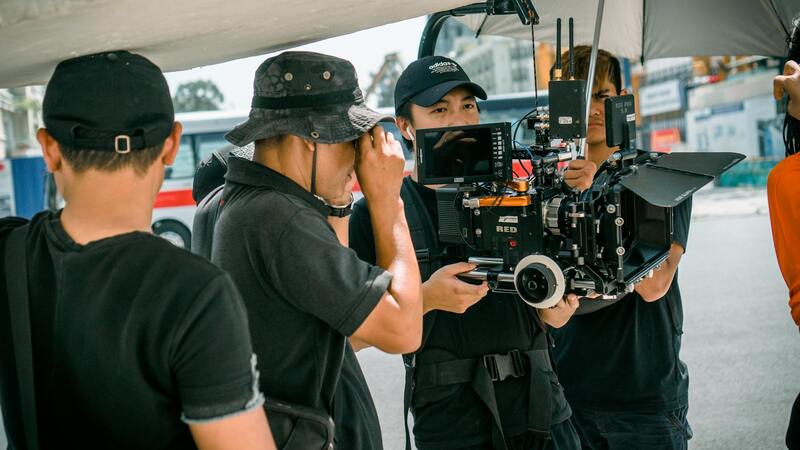
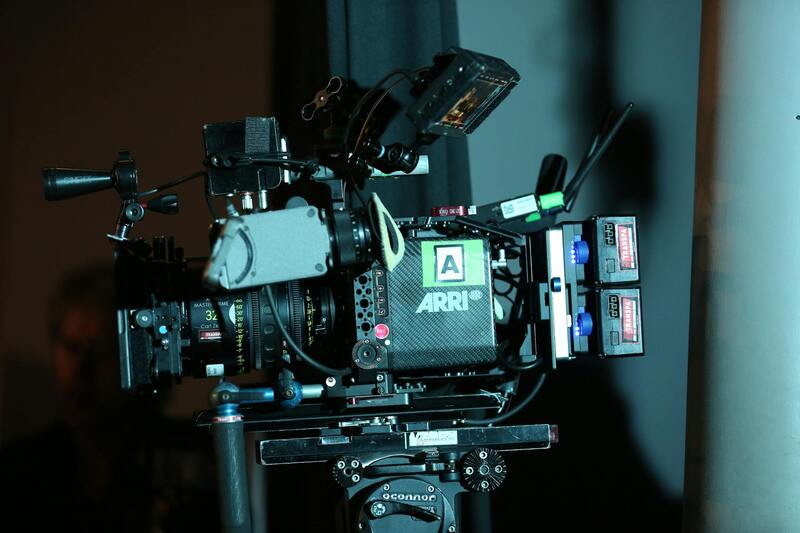
The use of tripods significantly enhances image quality by providing stability for longer exposures and allowing for precise framing. Modern tripods equipped with bubble levels or electronic leveling systems help ensure the camera remains perfectly horizontal, which is vital for straight, distortion-free images, especially when photographing interior corners or high-ceiling spaces.
In addition to hardware, software solutions like perspective correction tools in editing programs allow for further refinement, ensuring that your images maintain geometric accuracy. These adjustments not only improve visual appeal but also provide prospective buyers with a trustworthy view of the property’s layout, promoting confidence and facilitating informed decision-making.
Implementing Proper Image Stitching and HDR Techniques
For larger or complex interiors, combining multiple images through stitching can create comprehensive panoramic views that depict entire rooms or interconnected spaces without losing detail. This technique is especially useful in showcasing open-plan layouts or expansive living areas.
High Dynamic Range (HDR) imaging is another essential method, capturing multiple exposures to balance interior lighting conditions. HDR effectively resolves issues caused by contrasting light levels, such as bright windows and darker corners, producing images that accurately portray a room’s ambiance and natural brightness.
Final Considerations for Authentic and Appealing Interior Photography
The ultimate goal is to produce images that are true to reality, giving viewers an honest impression of the property. This involves careful control of perspective, distortion, and lighting during both shooting and editing stages. Consistent use of these techniques ensures that each image aligns with the property's actual condition and layout, fostering trust and engagement from prospective buyers.
By integrating methodical composition strategies with the appropriate use of equipment, interior photographers can deliver compelling visuals that elevate real estate listings. Maintaining high standards throughout the process results in professional, attractive photographs that effectively communicate the property's value, ultimately contributing to faster sales and successful marketing campaigns.
Legal and Ethical Considerations in Interior Real Estate Photography
Capturing compelling images of interior spaces requires a commitment to adhering to established standards that respect property owners, tenants, and the surrounding community. Ensuring proper permissions have been obtained before entering or photographing a property is essential to maintain professionalism and uphold industry best practices.
Property owners and management teams should be fully informed about the scope of the shoot, including which areas will be photographed and how the images will be used. Clear communication prevents misunderstandings and fosters a trustworthy relationship between the photographer and client.
Respecting Privacy and Personal Property
Interior photography often involves capturing spaces with personal belongings or sensitive areas. Photographers must exercise discretion by avoiding intrusive shots of private spaces or personal items that could compromise privacy. When necessary, obtain explicit consent from occupants or property managers before including such areas in marketing materials.
Permissions and Access Rights
Securing written permissions or agreements is a standard practice for commercial real estate photography. These documents clarify the scope of usage rights, confidentiality stipulations, and liability considerations. Proper documentation not only provides legal clarity but also ensures mutual understanding and professionalism throughout the process.
Handling Sensitive or Confidential Spaces
Some interior spaces, such as medical offices, corporate facilities, or private residences with personal artifacts, require special attention. Photographers should clarify with clients any restrictions or areas that should remain off-limits to maintain confidentiality and respect the property's unique needs.
Minimizing Disruption During Shoots
Professional photographers understand the importance of scheduling shoots at appropriate times, especially in occupied properties. They aim to minimize disruption to occupants and ensure safety protocols are followed. This respectful approach enhances cooperation and results in higher-quality images.
By implementing these principles, real estate professionals and photographers can foster an environment of trust, ensuring that every visual representation genuinely reflects the property's qualities while maintaining ethical standards across all stages of the process.
Understanding the Importance of Interior Real Estate Photography
Capturing the essence of interior spaces through high-quality photography is an essential component of successful real estate marketing. Professional images not only attract potential buyers but also convey the property's character, layout, and unique features with clarity and appeal. In the competitive real estate market, detailed and well-composed photographs can significantly influence a prospective buyer’s impression and decision-making process. Therefore, employing legitimate and effective photography techniques ensures that the property's visual presentation aligns with its market value and potential.
Adhering to Secure Permitting and Scheduling Practices
To capture authentic and comprehensive interior images, photographers must operate within proper permission frameworks. This involves obtaining formal agreements or permissions from property owners or managers, which specify areas accessible for photography and usage rights. Scheduling shoots during appropriate times minimizes disruptions, especially in occupied spaces, and respects the privacy of current occupants. These practices foster trust, streamline the process, and uphold the professional standards essential for successful real estate marketing campaigns.
Using Advanced Equipment and Techniques
Utilizing state-of-the-art camera gear, including wide-angle lenses and tripods, allows photographers to produce images that accurately represent the real space without distortion. Adjusting camera settings meticulously, such as aperture, ISO, and shutter speed, ensures optimal exposure and sharpness. Stabilization tools prevent blurring, while color calibration maintains true-to-life tones. Focusing on the critical elements within each room helps highlight the property's strengths, making it more appealing to prospective buyers.
Implementing Ethical Photo Composition
Ethical interior photography involves accurately portraying spaces without enhancing or manipulating images to mislead viewers. This means capturing each room with honest lighting and perspective, avoiding overuse of edits that could distort size or features. Maintaining transparency and integrity in image presentation builds trust with clients and potential buyers, reinforcing the credibility of the marketing effort. Clear, honest images ultimately facilitate informed purchasing decisions and foster long-term professional relationships.
Incorporating Safe and Respectful Practices During Shoots
Respect for privacy and property is paramount. Photographers must strictly follow access permissions, avoid photographing confidential or sensitive items inadvertently, and ensure that the space is left in the original condition. Special care should be taken in spaces with personal or proprietary information, where limitations on what can be captured and shared need to be clearly understood and observed. Such respectful practices uphold the dignity of the property and the trust placed in the photographer by clients and owners alike.
Ensuring Documentation and Compliance
Maintaining thorough documentation of permissions, shoot procedures, and post-processing steps is vital. These records demonstrate the adherence to agreed-upon terms and serve as valuable references, especially in case of disputes or questions about the content. Strict compliance with these practices guarantees a professional approach and helps safeguard the interests of all parties involved in the real estate marketing process.