
Importance of High-Quality House Photography
In the competitive real estate market, the visual representation of a property can significantly influence buyers' perceptions and decisions. High-quality house photography serves as a powerful marketing tool, making listings stand out and attracting potential buyers through compelling imagery. Accurate and expertly captured photos help convey the property's true essence, highlighting its best features and creating an emotional connection with viewers.
For real estate professionals and homeowners alike, investing in professional photography enhances credibility and showcases the property in its best light. Well-composed images that emphasize the space, natural light, and unique architectural details can generate higher interest and engagement. This, in turn, often translates into faster sales and higher property values.
Moreover, professional photographs are optimized for various digital platforms, ensuring the property looks attractive on all devices and listing websites. High-resolution images also allow for detailed viewing, giving prospective buyers confidence in their assessment before scheduling an in-person visit. Consequently, the significance of high-quality house photography extends beyond aesthetics; it directly impacts the effectiveness of marketing efforts and the overall success in closing deals.
Additionally, the increasing reliance on virtual tours and online listings necessitates top-tier images that can communicate the property's character effectively through visual storytelling. Whether for a luxury estate or a cozy family home, professional photography provides a competitive edge by offering viewers an engaging and trustworthy view of the property. It helps allocate marketing budgets more efficiently by reducing unnecessary open house visits and ensuring the interest is generated among genuinely qualified buyers.
Best Equipment and Settings for House Photography
To achieve images that truly showcase a property’s appeal, selecting the appropriate equipment and settings is essential. Professional-grade cameras with high-resolution sensors are preferred, as they enable capturing fine details and ensuring the images remain sharp across various platforms and print materials. A wide-angle lens, typically ranging from 14mm to 24mm, allows photographers to capture more of a room in a single shot, making spaces appear larger and more inviting. This lens choice is particularly effective for interior shots, where space constraints often limit the field of view.
Proper camera settings are critical for optimal results. Shooting in RAW format provides greater flexibility in post-processing, allowing for adjustments in exposure, white balance, and contrast without degrading image quality. A low ISO, ideally between 100 and 400, minimizes noise and ensures clarity. Aperture settings should typically be between f/8 and f/11 to maintain sharp focus throughout the room. Additionally, using a tripod stabilizes the camera, enabling longer exposure times in low-light conditions without introducing blur. Proper tripod use facilitates consistent framing across different shots, which is crucial for editing and creating a cohesive virtual tour or listing presentation.
Utilizing HDR and Bracketing Techniques
High Dynamic Range (HDR) photography is particularly effective in capturing house interiors with contrasting lighting conditions—bright windows and darker shaded areas. By taking multiple exposures at different levels and combining them in post-processing, photographers can produce balanced images that reveal the true ambiance of a space. Bracketing ensures details are preserved both in highlights and shadows, improving the overall visual quality and realism of the photographs.
Accessorizing for Precision and Efficiency
Additional equipment such as remote shutters or timers minimizes camera shake during long exposures. Light modifiers, including diffusers and reflectors, help control natural and artificial light, reducing harsh shadows and glares. Wireless flash units may be employed to evenly illuminate darker areas, especially in rooms with limited natural light. These tools contribute to a polished and professional appearance, elevating the overall quality of the image portfolio.
Careful consideration of camera settings and equipment enhances the efficiency of the shooting process, reduces the need for extensive post-editing, and results in compelling visuals that accurately depict the property's layout and features. Investing in high-quality gear and mastering its use creates a photographic foundation that supports effective marketing and appeals directly to discerning homebuyers and investors.
Optimal Equipment and Camera Settings for House Photography
Achieving stellar house images hinges significantly on the choice of equipment and the precise adjustment of camera settings. Professional-grade cameras with high-resolution sensors are essential, as they allow capturing intricate details and producing large-format images suitable for various marketing platforms. DSLR and mirrorless cameras are preferred due to their versatility and image quality, especially when paired with prime and zoom lenses designed for architectural photography.
In terms of lenses, wide-angle options ranging from 14mm to 24mm are typically favored because they can effectively capture interior spaces within a single frame, giving viewers a comprehensive view of rooms and layouts. However, caution must be exercised to avoid distortion; using lenses with minimal distortion or employing correction tools during post-processing ensures the final images remain proportionally accurate.
Regarding camera settings, the key is to balance exposure, sharpness, and color accuracy. A small aperture, generally between f/8 and f/11, maintains depth of field, ensuring everything from foreground to background remains crisp. A low ISO setting, such as ISO 100 or 200, minimizes noise, which is critical for producing clean, professional-looking photos. Shutter speed should be adjusted according to lighting conditions; longer exposures in darker rooms with the aid of tripods can capture sufficient light without sacrificing clarity.
Using a tripod stabilizes the camera during prolonged exposures, enabling sharper images devoid of blur caused by hand movement. Additionally, employing remote shutters or timer releases prevents camera shake during the photo capture process. White balance settings should be tailored to the lighting environment—daylight for natural light, tungsten or fluorescent for artificial lighting—to ensure colors render accurately.
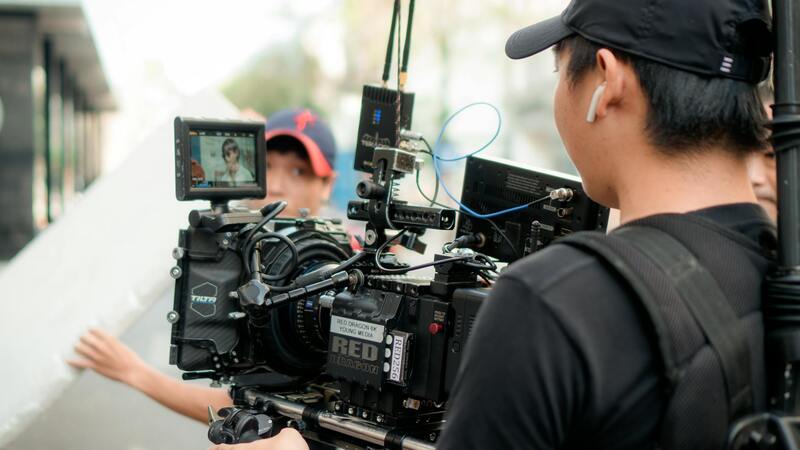
Finally, bracketing exposures and integrating High Dynamic Range (HDR) techniques can effectively handle scenes with contrasting illumination, such as bright windows and dim interiors. This approach ensures that all details are visible and the final image faithfully represents the property’s ambiance. By meticulously selecting the right gear and fine-tuning settings, photographers can produce images that captivate prospective buyers and highlight the property's unique features with clarity and professionalism.
Optimal Techniques for Capturing Exterior Shots of Houses
Capturing compelling exterior images is essential for creating a positive first impression and highlighting the curb appeal of a property. Successful exterior photography hinges on understanding how lighting, angles, and framing work together to showcase the house's architectural features and surrounding landscape. Natural daylight, particularly during the golden hour shortly after sunrise or before sunset, provides soft, warm illumination that enhances the property's appearance. Shooting during these times minimizes harsh shadows and highlights the home's best features.
Angles play a crucial role in exterior photography. Positioning the camera at an eye level and choosing an angle that captures the front facade without distortion helps in presenting a balanced view of the house. Incorporating multiple vantage points—such as a slight elevation view or a shot from the sidewalk—can add depth and context to the views, giving potential buyers a more comprehensive understanding of the property.
Proper framing involves paying attention to the surroundings. Including elements like well-maintained landscaping, unique architectural details, or appealing driveway features can draw focus and create a vibrant scene. It is advisable to avoid clutter or distracting objects in the frame to maintain a clean, professional look.
Utilizing a wide-angle lens can be beneficial for capturing the entire frontage without distortion. However, care should be taken to avoid excessive distortion that can make the house appear unnatural. During late afternoon or early evening, turning on exterior lighting can add warmth and depth, especially for homes with intricate architectural features. Additionally, techniques such as HDR photography can be employed to manage scenes with contrasting elements—bright skies and shaded areas—ensuring that details are preserved uniformly across the image.
Ultimately, capturing impressive exterior shots involves a combination of timing, equipment choices, and composition skills. By paying close attention to lighting conditions, selecting appropriate perspectives, and framing scenes thoughtfully, photographers can produce compelling images that elevate the property’s market appeal and attract prospective buyers effectively.
Utilizing Proper Lighting and Composition Techniques
Achieving exceptional photographs of houses relies heavily on effective lighting and precise composition. Natural light remains the most advantageous resource, illuminating interior and exterior spaces to reveal their true character and atmosphere. Photographers should aim to shoot during times when daylight is abundant, such as early mornings or late afternoons, to capture soft, warm tones that enhance the property's appeal.
In addition to timing, the use of supplementary lighting can be instrumental. External lighting fixtures, strategically placed, can highlight architectural features after sunset, creating an inviting ambiance. Indoors, the use of diffused lighting minimizes harsh shadows and ensures that room details are evenly visible. Utilizing light modifiers like softboxes or reflectors can further soften illumination, resulting in more balanced images.
Composition plays a crucial role in translating a house’s space and potential through photography. Maintaining a clean, clutter-free environment allows the viewer to focus on the property's architectural flow. Employing the rule of thirds, leading lines, and symmetry can guide the eye naturally through the image while emphasizing key features, such as a fireplace or a panoramic window view.
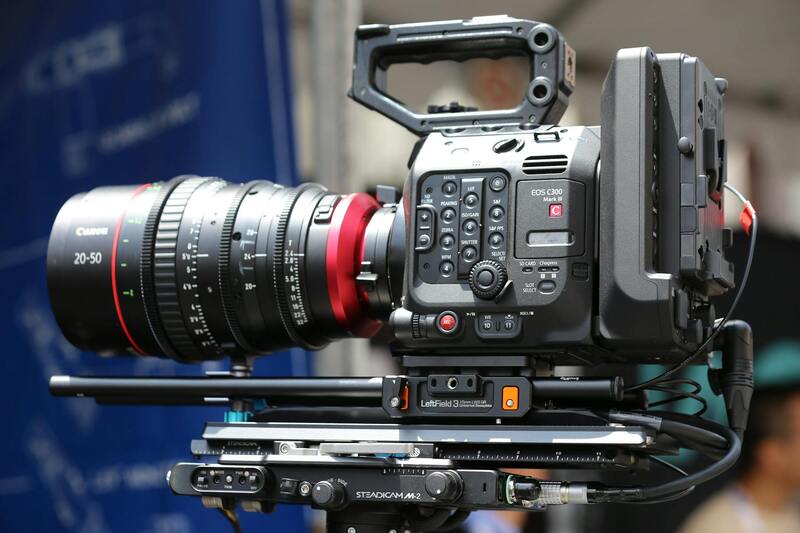
Angles also significantly influence how spacious and inviting a property appears. Shooting from a slightly elevated position can provide a comprehensive view of the interior layout or exterior front, creating an immersive impression. Additionally, utilizing wide-angle lenses—while maintaining awareness of distortions—helps encompass more of the space within a single shot, making rooms appear larger and more appealing.
Highlighting Unique Features to Elevate Appeal
Every house possesses distinctive characteristics that can set it apart in a competitive market. Recognizing these features and capturing them thoughtfully is essential. Whether it is a custom staircase, designer fixtures, or outdoor amenities, these elements should be highlighted; this may require specific angles or close-up shots to convey their significance effectively.
In addition to technical skills, understanding the story of the property enhances its presentation. For properties with historical or artistic details, adjusting camera angles to showcase textures, patterns, or craftsmanship can create a compelling narrative visually. When properly executed, these images not only attract potential buyers but also foster an emotional connection with the space.
Furthermore, integrating environmental elements—like lush landscaping or appealing outdoor furniture—can help prospective buyers visualize a lifestyle associated with the property. Proper framing and timing combined with strategic use of natural elements contribute to creating a balanced, inviting scene that emphasizes the home’s best attributes.
Legal and Ethical Considerations in House Photography
When conducting house photography, adhering to established professional standards is essential to maintain trust and integrity within the industry. Photographers should always operate with explicit permission from property owners before capturing images. This involves transparent communication regarding the purpose of the photos, how they will be used, and any consent required for capturing certain areas or features of the property.
Respect for personal privacy and property boundaries must be at the forefront of every photoshoot. This includes avoiding intrusive photography of private spaces, cluttered areas, or personal belongings unless explicitly authorized. Clear boundaries and professional discretion ensure a respectful approach that aligns with the expectations of homeowners and property managers.
Using licensed or properly sourced equipment and editing tools safeguards the authenticity of the images and prevents misrepresentation. Photographers should avoid any alterations that could distort the true appearance of the property, such as excessive photoshopping or manipulation that could mislead prospective buyers. Maintaining authenticity helps build credibility and trust with clients and viewers alike.
It is also advisable to familiarize oneself with local regulations or community guidelines related to drone photography or the use of certain equipment. Some areas may have restrictions on aerial shots or certain angles, and respecting these rules avoids potential legal complications. Comprehending these protocols ensures that all photographic activities are conducted lawfully and professionally.
For real estate professionals, securing written agreements that specify the scope of work, image rights, and usage rights provides clarity and protects all parties involved. These agreements should outline rights to use the photos across various marketing channels, including online listings, print materials, and social media campaigns.

Legal and Ethical Considerations in House Photography
Engaging in house photography requires adherence to foundational principles that respect the rights and privacy of property owners. Prior to capturing images, it is essential to secure explicit permission from the homeowner or authorized representative, particularly when photographing interior spaces or identifiable personal elements. This practice fosters transparency and aligns with professional standards in real estate marketing.
Understanding the scope of what can be photographed within a property safeguards all parties involved. When photographing private areas, such as bedrooms or personal offices, obtaining informed consent minimizes potential misunderstandings and upholds ethical boundaries. Additionally, clearly communicating the purpose of the images, how they will be used, and the distribution channels involved helps maintain the trust and confidence of clients.
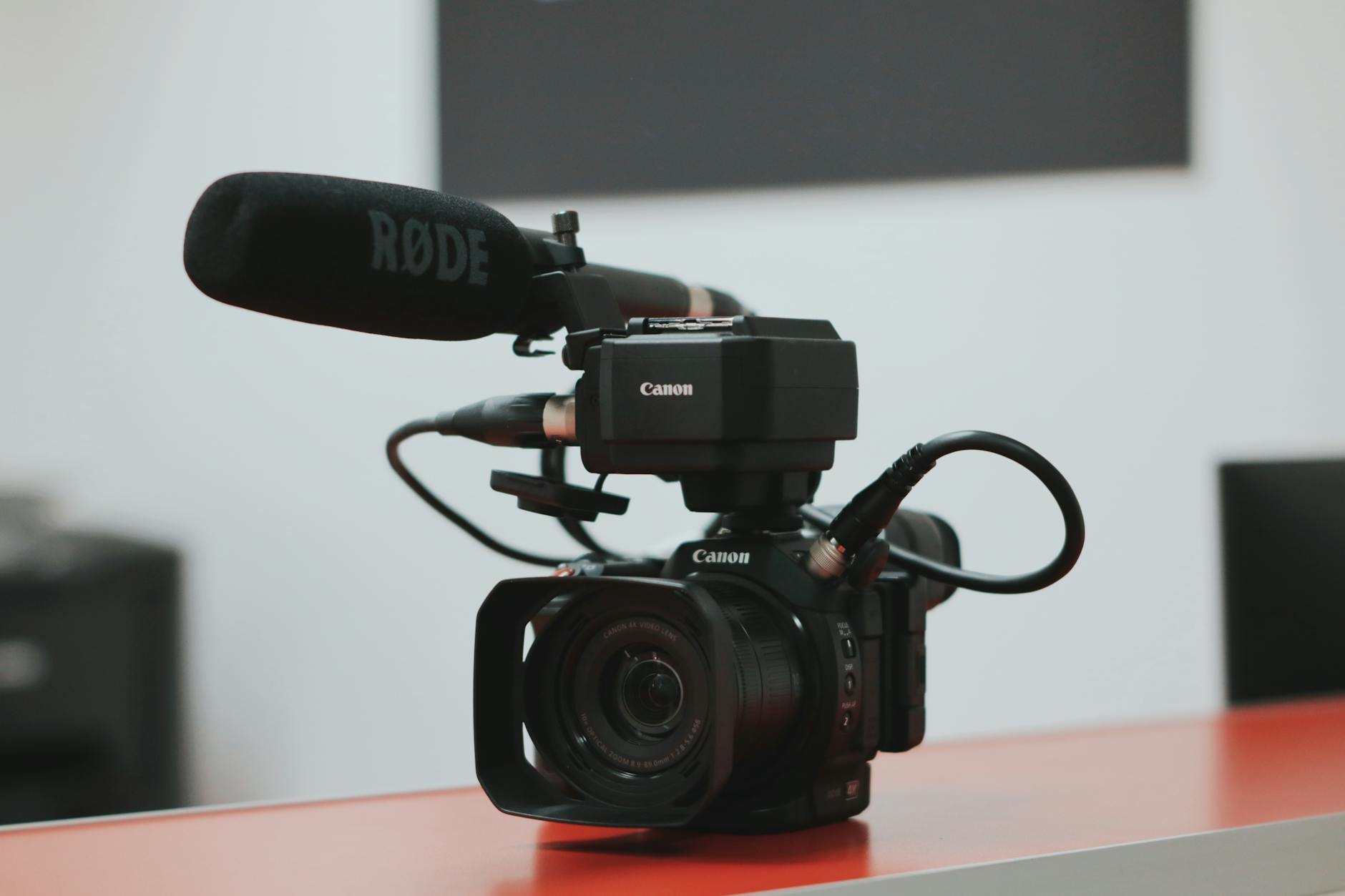
It is crucial to avoid misrepresentation by ensuring that images accurately depict the property without unauthorized enhancements or alterations. Maintaining authenticity not only bolsters credibility but also prevents future disputes related to property condition or features. Photographers should leverage high-resolution captures that truly reflect the property's appearance, avoiding over-editing that could distort details or mislead viewers.
Respecting community guidelines and property restrictions is equally important. Certain neighborhoods may have specific policies regarding the use of drones, aerial photography, or reflective surfaces that could interfere with neighboring properties. Familiarity with local regulations ensures the photographic process complies with all applicable rules, fostering professionalism and reducing potential conflicts.
For comprehensive rights management, drafting detailed agreements with clients is highly recommended. Such documents should specify the extent of the coverage, rights to reproduce and distribute images, and any limitations on usage. Creating clear contractual terms helps to prevent misunderstandings and provides legal clarity for both parties.
Furthermore, practicing discretion and professionalism when handling sensitive information or private property details helps preserve the integrity of the photographer's reputation. This approach ensures that house photography serves as a transparent, fair, and respectful component of property marketing strategies.
Legal and Ethical Considerations in House Photography
Maintaining transparency and integrity in house photography is fundamental to fostering trust with clients, potential buyers, and the broader community. Photographers are responsible for providing images that genuinely represent the property, ensuring that visual content aligns with the actual condition and features of the home. This practice not only sustains credibility but also helps prevent any misunderstandings or disputes that could arise from misrepresentation.
Accurate depiction involves leveraging high-resolution images that capture the true essence of each space, avoiding excessive editing that might alter colors, scale, or details. Overly enhanced photos can create unrealistic expectations, which might lead to dissatisfaction once potential buyers view the property in person. Striking a balance between visual appeal and authenticity is essential, ensuring that prospective buyers receive a clear and honest view of the home.
Furthermore, respect for community standards and property restrictions plays a vital role. Certain residential areas impose regulations on drone usage, aerial shots, or the reflection of neighboring structures in windows or mirrors. Photographers should familiarize themselves with local ordinances and neighborhood rules, adjusting their methods accordingly to avoid infringing upon privacy or causing disturbances. This awareness demonstrates professionalism and helps cultivate positive relationships with local communities.
Developing comprehensive agreements with clients is another key element. These contractual documents should clearly define the scope of work, rights to use and reproduce images, and limitations on dissemination. Precise terms prevent misunderstandings and provide clarity regarding ownership and usage rights, which is essential in safeguarding both the client and the photographer’s interests.
Handling sensitive property details with discretion is equally important. Whether it involves private entrances, security features, or personal belongings, photographers must respect privacy boundaries. Ensuring confidentiality maintains the integrity of the project and upholds a professional reputation. It also underscores the importance of transparency and ethical conduct in real estate visual marketing.
By adhering to these guidelines and best practices, house photographers can confidently offer services that uphold the highest standards of professionalism, fostering trust and long-term relationships within the property marketing industry.