
Importance of Professional Real Estate Photography
In the competitive housing market, compelling visuals stand as a crucial element to capture potential buyers' attention. High-quality real estate photography not only highlights the property's best features but also provides a truthful representation that can influence a buyer's decision. Professionally taken images showcase the space’s true potential, helping to generate greater interest and quicker sales. Well-executed photos can significantly enhance online listings, making properties stand out amid numerous options. This increased visibility often correlates with more inquiries, scheduled viewings, and higher offers.
Moreover, quality real estate photos can elevate the perceived value of a property. When prospective buyers see clear, well-lit images that accurately depict the property's condition and unique features, they are more likely to view it as a valuable investment. This perception can translate into a higher asking price or better negotiating power. For real estate agents and property owners alike, hiring a specialized photographer ensures that all aspects of the property—spaciousness, lighting, architectural details—are presented in the most appealing way.
Effective real estate photography also plays an essential role in marketing strategy, reaching a broader audience across digital platforms. With most buyers starting their property search online, having professional images becomes a non-negotiable element of an effective listing. Real estate photography is an investment that can yield substantial returns, transforming a simple listing into a compelling visual story that entices buyers to take the next step.
Choosing the right photographer who specializes in real estate ensures these images meet industry standards and effectively showcase the property’s best features. This is particularly important for listings aiming to make a strong impression in a crowded market. Professional real estate photographers possess the expertise to utilize lighting, angles, and editing techniques to produce vibrant, inviting photos that resonate with prospective buyers.
For properties near you, such as in Miami, working with a local real estate photographer can offer additional advantages. Local professionals understand the regional market trends, preferred styles, and optimal times for outdoor shooting, all of which contribute to creating attractive, market-ready images. With professional real estate photography, property owners and agents not only highlight their listings but also build a reputation for quality marketing that attracts serious buyers.
How to Find a Local Real Estate Photographer
Locating a dependable real estate photographer in your vicinity involves leveraging multiple channels to ensure you connect with qualified professionals. Begin by exploring reputable online directories that specialize in real estate or professional photography services. These platforms often include detailed profiles, portfolios, and customer reviews, providing insight into each photographer's style and reliability. In addition to online directories, review local listings on business directories and community boards. Many real estate agencies and property management companies also maintain partnerships with skilled photographers, which can be a valuable resource for referrals. Word-of-mouth recommendations serve as an effective way to identify trusted photographers. Engage with local real estate agents, property owners, or investors, as they frequently collaborate with photographers and can offer firsthand experiences. Attending real estate networking events or industry meetups can also facilitate personal connections with talented professionals. For locations such as Miami, specialized local knowledge is crucial. Consider searching with the keyword "photographer for real estate near me" or similar phrases, which helps narrow down your options to professionals operating within your target area. Local photographers who are familiar with Miami’s distinct neighborhoods, lighting conditions, and market trends will be better equipped to capture images that appeal to regional buyers. Ultimately, selecting a photographer from your immediate vicinity simplifies logistics, allows for face-to-face consultations, and often results in more tailored service. When reaching out, inquire about their experience with real estate projects, review their portfolio, and discuss your specific requirements to ensure their style aligns with your marketing goals.
Key Skills and Equipment of a Real Estate Photographer
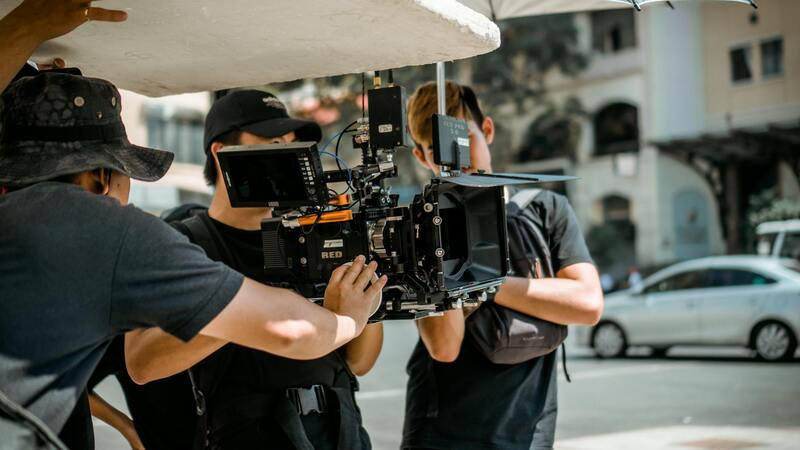
Professional real estate photographers bring a combination of technical expertise, artistic vision, and specialized equipment to produce high-quality images that effectively showcase properties. Their skill set encompasses a deep understanding of lighting, staging, and composition, all crucial elements in creating appealing visuals. One fundamental skill is the ability to optimize natural and artificial light. During a shoot, a seasoned photographer uses techniques such as HDR (High Dynamic Range) imaging to balance exposure across different areas of a room, capturing both bright and shadowed details without losing fidelity. Mastery of wide-angle lenses is essential, as they allow for capturing expansive interior shots that give viewers a sense of space. When paired with a tripod, these lenses facilitate sharp, distortion-free images, even in low-light conditions. Editing software proficiency is another critical capability. Post-processing adjustments enhance the vibrancy of colors, correct distortions, and remove distracting elements, ensuring each image looks polished and professionally presented. Regarding equipment, real estate photographers typically utilize high-resolution DSLR or mirrorless cameras capable of capturing detailed images. They also employ specialized lighting tools, including portable strobes and diffusers, to control light sources precisely. Additional equipment may include drone cameras for aerial shots, tripod stabilizers for consistency, and panoramic gear for wide, immersive photos. These tools collectively elevate the quality of real estate imagery, providing clients with assets that stand out in competitive markets.
Verifying Credentials and Building Trust with Local Photographers
Ensuring that your chosen real estate photographer holds the appropriate credentials and a solid track record can significantly impact the quality of your marketing materials. Experienced professionals often showcase a portfolio of previous work, illustrating their ability to capture properties in the best light. When searching for a photographer "near me," it’s beneficial to review their online presence, including verified reviews and testimonials from satisfied clients, which demonstrate their reliability and skill.
Requesting references from past clients provides insight into the photographer’s professionalism, punctuality, and the clarity of their communication. Authentic accreditation from industry associations or certifications in real estate photography can further affirm their expertise. These credentials suggest familiarity with the latest techniques, equipment standards, and industry best practices, leading to superior results.
Additionally, consult local real estate agents or property managers who frequently collaborate with photographers. Their recommendations are often based on firsthand experience, reducing the risk of subpar results or miscommunication. Local providers tend to have a deeper understanding of market preferences and the specific aesthetic that appeals to buyers in your area, making them an invaluable resource during your search.
In-Depth Consultation and Service Customization
Effective communication is essential in detailed planning sessions with your photographer. By discussing your objectives, preferred style, and property highlights beforehand, you ensure that the final images align perfectly with your marketing goals. A reliable local photographer will listen attentively to your needs, ask pertinent questions regarding property features, and offer expert advice on staging, lighting, and angles.
Some professionals provide additional services like virtual tours, 3D walkthroughs, or aerial drone footage, which can further enhance your listing’s visibility. Clarifying such options in advance helps you understand the scope of work and associated costs, enabling a clear comparison among local providers.
Assessing Availability and Turnaround Times
Promptness and flexibility in scheduling are important factors when choosing a photographer locally. Properties often have tight marketing timelines, and delays in receiving professional images can hinder your listing. Verify the photographer’s availability and inquire about their typical turnaround time for delivering edited images. Most experienced professionals understand the urgency involved in real estate sales and can accommodate expedited requests if needed.
Understanding their workflow, including the number of images provided and the levels of editing offered, helps set realistic expectations. It’s advisable to select a photographer with a proven record of punctuality to help facilitate smooth and timely property marketing campaigns.
In conclusion, selecting the right local real estate photographer involves thorough verification of credentials, seeking referrals, engaging in detailed consultations, and considering their availability. By focusing on these official and reputable methods, you maximize your chances of obtaining stunning, professional images that effectively attract potential buyers and stand out in the competitive real estate market near you.
Effective Strategies for Finding a Reliable Photographer for Real Estate Near Me
Locating a dependable photographer specializing in real estate within your vicinity requires a strategic approach rooted in verified information and professional credibility. The first step involves conducting thorough online research using trusted search engines and local business directories. When searching for a photographer for real estate near me, it’s essential to focus on platforms that feature verified reviews, client testimonials, and portfolios of previous work. This ensures you assess their style, quality, and experience directly relevant to real estate photography.
Besides online searches, consulting with local real estate agents and property managers can be highly beneficial. These professionals frequently work with trusted photographers and can provide recommendations based on their experience. Personal referrals often lead to more reliable engagements since they come with firsthand accounts of the photographer’s professionalism, punctuality, and quality of work.
It’s also advisable to visit the official websites of local photography agencies or solo professionals specializing in real estate imagery. Reputable agencies typically display detailed portfolios, service descriptions, and contact information. Direct communication with these professionals allows you to inquire about their process, availability, and pricing, ensuring transparency from the outset.
Verifying Credentials and Portfolio Authenticity
When narrowing down your options, request to see a comprehensive portfolio of recent projects. High-quality images that highlight well-lit, sharp, and properly staged property shots are indicators of proficient real estate photographers. Ask for client references or reviews to gauge their reputation and reliability. Confirm whether the photographer has experience working with properties similar to yours in scale and style, as this influence the quality and relevance of the images produced.
Engaging with Local Photography Experts
Establishing direct contact with potential photographers allows you to discuss your property’s specific needs, such as twilight shots, HDR imaging, or virtual tours. Clarify their process for preparing the property prior to the shoot, the equipment they use, and their editing procedures. A professional photographer will be transparent about their approach and provide a clear outline of deliverables, ensuring your expectations are aligned.
Aligning your property with a photographer familiar with the local market nuances can significantly enhance its visual appeal and marketability. Local professionals understand the architectural styles, lighting conditions, and common property features unique to the area, which translates into more compelling and authentic imagery. Leveraging their local insights results in a polished presentation that resonates with potential buyers, providing a competitive edge in listings.
Ultimately, finding a reputable photographer for real estate near you involves verifying credentials via trusted sources, assessing their portfolio, obtaining referrals, and conducting detailed consultations. These steps ensure you partner with a professional capable of showcasing your property at its best, facilitating effective marketing strategies and successful sales outcomes.
Legal and Licensing Considerations
Securing the appropriate permissions and meeting regulatory requirements are essential steps when hiring a photographer for real estate near you. While the focus is on professional presentation, understanding the necessary legal frameworks helps ensure a smooth transaction and clear agreement between parties. This involves verifying that the photographer holds valid business licenses, permits, and appropriate insurance coverage, which protects against potential liabilities during the shoot.
It's important to review and sign comprehensive contracts outlining the scope of work, delivery timelines, usage rights, and payment terms. Clear documentation prevents misunderstandings and ensures both parties agree on the project's parameters. For instance, usage rights specify whether you can use the images for online listings, print advertisements, or other marketing channels, and for how long.
When working on properties within complex jurisdictions or protected areas, additional permissions might be required. This includes obtaining access rights if the property has restrictions, such as homeowner association rules or specific zoning laws. Consulting with local authorities or real estate professionals familiar with regional regulations can streamline this process, avoiding delays or legal complications.
Furthermore, adherence to copyright laws is vital. Ensuring that the photographer retains rights only as agreed upon prevents future disputes over image rights or unauthorized usage. Typically, professional photographers offer licensing agreements that specify how images can be used, whether exclusively or non-exclusively.
Finally, clarifying confidentiality and privacy concerns safeguards the interests of property owners, especially when sensitive areas or personal belongings are involved. Establishing these legal considerations upfront lays a foundation for a reliable partnership, promoting peace of mind and a focus on high-quality visual content.

Legal and Licensing Considerations
When engaging a photographer for real estate near you, understanding the legal and licensing aspects is essential to securing a smooth collaboration and high-quality results. It is vital to work with professionals who clearly define the scope of image usage and licensing terms upfront, ensuring that both parties share a mutual understanding of rights and restrictions. This includes specifying whether the images can be utilized across online listings, printed marketing materials, or social media platforms, and establishing the duration of their usage. Clear licensing agreements prevent potential conflicts over intellectual property rights. Many experienced photographers offer licensing options that outline whether the images are granted for exclusive use or shared across multiple platforms. It's important to confirm that these agreements are explicitly documented, avoiding ambiguities that could lead to disputes later. Property owners should also be aware of permissions related to the property's location. For properties in regulated zones or privately owned communities, additional permissions or access agreements might be necessary. Ensuring that the photographer has the proper authorization to photograph in these areas helps avoid delays or interruptions during the shoot. Furthermore, confidentiality clauses may be included to address sensitive aspects such as personal belongings or restricted areas within the property. A comprehensive understanding of these legal and licensing essentials supports a professional workflow, reduces risk, and guarantees that your investments in high-quality imagery are protected.
Choosing the Right Photographer for Your Property
Selecting a skilled, local real estate photographer requires careful consideration. Start by evaluating their portfolio to assess their style, quality, and versatility. Look for consistency in capturing spaces that highlight the property's best features, as well as their ability to adapt to different property types and sizes. Experience with real estate photography is crucial, especially if the property includes complex features or unique architectural details. A seasoned photographer understands how to leverage natural light, control reflections, and stage rooms to enhance visual appeal. Additionally, familiarity with the local real estate market can give them an edge in capturing images that resonate with prospective buyers.
- Review previous work, testimonials, and client references to gauge professionalism and reliability.
- Ensure they are equipped with professional-grade cameras, wide-angle lenses, drone technology (if needed), and lighting equipment.
- Clarify if they offer additional services such as virtual tours, twilight photography, or 3D walkthroughs.
- Discuss turnaround times and delivery methods to ensure timely availability of images for listings and marketing campaigns.
- Compare pricing packages to find options that balance quality with your budget, ensuring transparent pricing and no hidden fees.
Legal and Licensing Considerations
Securing the appropriate agreements and understanding the rights associated with real estate photography are essential steps in partnering with a photographer near you. Clear contracts should specify usage rights, ensuring that the high-quality images captured of your property can be utilized across various marketing platforms without issues.
Typically, photographers retain copyright to their images, but agreements can be negotiated to grant you specific rights, such as unlimited use for online listings, print advertising, and social media promotions. It's important to delineate the scope of usage to avoid ambiguity or potential disputes.
Licensing arrangements also encompass aspects like model releases, if there are any individuals identifiable in the photos, or drone photography regulations if aerial shots are involved. Proper licensing ensures compliance with local and federal laws governing privacy and aerial operations.
Establishing these contractual and licensing terms upfront not only protects your marketing efforts but also ensures smooth collaboration with your local Miami-based real estate photographer. This clarity supports a professional relationship based on mutual understanding, contributing to the overall success of your property’s visual presentation.
Choosing the Right Photographer for Your Property
When evaluating prospective photographers, it’s beneficial to consider not only their technical skills but also their understanding of the local market dynamics. A photographer familiar with Miami’s unique neighborhoods and architectural styles can craft visuals that resonate emotionally with prospective buyers.
Assess their portfolio for consistency and diversity, demonstrating their ability to handle various property types, from high-rise apartments to waterfront homes. Clients should also inquire about their experience in highlighting unique property features, such as custom interiors or expansive outdoor spaces.
Beyond technical proficiency, a collaborative attitude and effective communication are vital. A reliable photographer provides detailed briefings, is receptive to your input, and offers guidance on staging and decluttering to optimize results.
Lastly, proximity is invaluable. Choosing a local professional ensures prompt scheduling, quicker turnaround times, and a deeper understanding of the neighborhood’s real estate nuances. These factors collectively contribute to capturing compelling images that accelerate your property’s sale potential.
Legal and Licensing Considerations
Ensuring compliance with legal and licensing standards is a fundamental aspect of engaging a photographer for real estate near me. When collaborating with a local Miami-based photography service, verifying that they possess the appropriate permits and licenses guarantees that the images produced adhere to industry standards and local regulations. This not only preserves the integrity of your marketing materials but also protects you from potential disputes related to image rights and usage.
Professional real estate photographers typically acquire certifications or licenses that demonstrate their adherence to industry best practices. These credentials may include business licenses, professional associations memberships, or certifications from recognized photography institutions. Requesting proof of these credentials before signing a contract can provide assurance of their legitimacy and commitment to quality.
Moreover, a clear and detailed contract outlining the scope of work, licensing rights, and usage permissions is essential. This legal document should specify how the images can be used—whether exclusively for your listing, across multiple platforms, or in print advertising—and clarify ownership rights post-shoot. Understanding these terms helps prevent misunderstandings and ensures your marketing campaigns proceed smoothly.
In Miami's competitive real estate market, engaging a photographer who operates within legal parameters ensures your property’s promotional visuals are not only stunning but also compliant with local regulations. This adherence enhances your reputation by demonstrating professionalism and attention to contractual obligations.
Investing in a photographer with proper licensing also reduces the risk of copyright infringements, which can result in costly legal disputes. When selecting a professional, inquire about their licensing status, and review any contracts carefully to confirm that all legal aspects are addressed thoroughly.
Ultimately, safeguarding your interests through proper legal and licensing channels ensures your property’s visual content is both legally sound and effectively positioned to attract potential buyers. Not only does this commitment to compliance reflect positively on your professionalism, but it also fosters a transparent collaboration that benefits all parties involved.