
Importance of High-Quality Real Estate Photography
In today’s competitive real estate market, visual presentation holds significant weight in attracting potential buyers and closing deals efficiently. High-quality real estate photography serves as the first point of contact between a property and prospective buyers, making it essential for listings to stand out amid numerous competitors. When images are captured professionally, they not only showcase the property’s most appealing features but also evoke a sense of trust and credibility, prompting viewers to schedule viewings or request additional information.
Research indicates that listings with professional photos receive substantially higher engagement online. Potential buyers are more likely to spend extended time reviewing well-composed images, which can translate into increased inquiries and scheduled visits. This heightened visibility ultimately elevates the property’s market presence, reducing the time it spends on the market. Moreover, high-quality photography can significantly influence the perceived market value of a property, often resulting in higher offers and quicker sales.
Effective real estate photography emphasizes key aspects such as lighting, perspective, and composition, all of which contribute to a truthful yet compelling portrayal of the property. Proper lighting accentuates the space, highlights architectural details, and creates an inviting atmosphere. Strategic angles and framing guide the viewer’s eye through the property, emphasizing spaciousness and functionality. Beyond aesthetics, well-executed imagery facilitates an emotional connection, enabling prospective buyers to imagine themselves living in the space.

In dynamic markets like Miami, where luxury, waterfront properties, and unique architectural styles dominate the landscape, professional photography becomes even more crucial. It captures the essence of these distinctive features, showcasing properties in a manner that static, amateur images simply cannot achieve. Investing in professional real estate photography offers a tangible advantage, maximizing the property's appeal and ensuring it commands the attention it deserves in a crowded market.
Ultimately, high-quality imagery sets a solid foundation for successful real estate marketing, influencing buyer perceptions, and driving faster, more profitable sales. For real estate agents and property owners alike, leveraging expert photography services—in particular, those offered by experienced professionals—becomes an indispensable component of a comprehensive property marketing strategy.
Choosing the Right Photographer for Real Estate Listings
Selecting a qualified photographer for real estate listings involves evaluating several critical factors that directly impact the quality of your marketing visuals. Expertise in real estate photography goes beyond basic technical skills; it encompasses a keen understanding of how to showcase a property's best features and translate its unique character into compelling images. A proficient photographer should demonstrate a portfolio that showcases diverse property types, including luxury homes, waterfront properties, and architectural feats commonly found in Miami's vibrant market.
Experience with current photography equipment and editing software is essential. Modern real estate photos often require high-resolution cameras, wide-angle lenses, and post-processing skills to ensure clarity, accurate color rendition, and balanced lighting. The photographer’s familiarity with different lighting conditions—whether capturing properties during daytime or in evening settings—is crucial for producing images that are vibrant and true to real-life appearances.
Equally important is the photographer’s ability to adapt to various property styles and sizes. From compact condominium units to sprawling estates, each property demands a tailored approach. An experienced professional understands how to highlight architectural elements, leverage natural light, and use space to create an inviting atmosphere. They should also possess a solid grasp of branding principles, ensuring the images align with the agent’s or owner’s marketing objectives.
Reliability and professionalism should be assessed through reviews, testimonials, and direct communication. Prompt scheduling, efficient turnaround times, and respectful interactions contribute to a smooth collaboration. For real estate agents, establishing a long-term partnership with a dependable photographer ensures consistency across listings, maintaining a high standard that reflects well on their brand.
Furthermore, a local photographer familiar with the Miami market can provide insights into which angles and features resonate most with prospective buyers in the region. Being embedded in the community allows them to capture properties in a way that appeals to local tastes and market nuances. This local expertise can be a decisive advantage when competing in a highly dynamic real estate environment.
In summary, choosing the right photographer for real estate listings is a strategic decision that requires attention to technical skill, experience, reliability, and regional insight. Collaborating with a professional who combines these qualities ensures that each property is presented in the best possible light, ultimately facilitating faster sales and higher property values.
Effective Use of Lighting and Composition in Real Estate Photography
Optimal lighting is fundamental for capturing compelling images that enhance a property’s appeal. Natural light, especially during the golden hour, can produce warm, inviting scenes that resonate with potential buyers. Photographers should skillfully manipulate lighting conditions, utilizing reflectors or diffusers when necessary to eliminate harsh shadows and evenly illuminate interiors.
While natural light enhances authenticity, supplementary artificial lighting often becomes essential in darker spaces or during overcast days. Professional photographers plan their shoots meticulously, ensuring all rooms are well-lit to showcase features clearly and attractively. Proper composition also plays a vital role; framing rooms and key features with purpose guides the viewer’s eye and highlights a property’s best assets.
employing techniques such as the rule of thirds, leading lines, and strategic angles helps in creating balanced and engaging images. Wide-angle lenses are typically used to convey spaciousness, making rooms appear larger and more inviting. The use of perspective to demonstrate flow and functionality of spaces can significantly influence a viewer’s perception and interest.
Ensuring Consistency and Brand Alignment Across Listings
Consistency in photographic style across multiple listings reinforces a real estate agent's brand image and creates a cohesive marketing portfolio. Working with a professional photographer committed to a specific visual style or editing standards ensures that each property’s photos reflect the agent’s branding, whether it entails a contemporary, minimalist, or classic aesthetic.
This uniformity helps in building trust with potential clients and makes marketing efforts more recognizable. Diligent communication regarding style preferences, color grading, and image treatments upfront can streamline the process and produce a uniform set of images that enhance online and offline listings.
Furthermore, a seasoned photographer stays updated on current market trends and visual preferences, adjusting their approach to ensure images meet contemporary expectations. They also maintain high standards in post-production, involving careful editing to enhance images without exaggeration, preserving a truthful representation of the property. Such professionalism ensures that all listings, regardless of their individual characteristics, contribute positively to the overall branding strategy.

Choosing the Right Photographer for Real Estate Listings
Selecting an appropriate photographer is fundamental to ensuring your property listings stand out and attract the right buyers. The process involves evaluating professionals based on their technical skills, experience with real estate photography, portfolio quality, and understanding of market trends. A dedicated real estate photographer specializes in capturing images that highlight a property's strongest features, create emotional appeal, and present each space in its best light.
It’s essential to review a photographer’s portfolio thoroughly. Look for consistency in image quality, composition, lighting, and editing style across multiple projects. This consistency indicates a well-established approach aligned with current best practices in property presentation. Furthermore, seeing a diverse range of property types in their portfolio demonstrates adaptability and a capacity to meet varied client needs, from modern apartments to luxury estates.
When assessing potential photographers, inquire about their familiarity with real estate marketing strategies and their understanding of what appeals to buyers. Professional real estate photography involves more than just good camera work; it requires an eye for spatial nuances, strategic framing, and lighting techniques that enhance the property’s features. Photographers with experience working directly for real estate agencies or in the property marketing field tend to have a deeper understanding of what resonates in online listings and brochures.
Communication plays a significant role in choosing the right photographer. Clear discussions about expectations, preferred style, and specific needs ensure both parties are aligned. The photographer should be receptive to feedback and willing to customize their approach to fit your branding and marketing goals. Additionally, discussing turnaround times and availability ensures your listings can go live promptly, avoiding delays in the sales process.
Experience and technical proficiency should be complemented by professionalism and reliability. A reliable photographer will arrive punctually, prepare all necessary equipment ahead of time, and adhere to safety standards, especially when working with aerial or drone imagery. The ability to execute a comprehensive shot list, including exterior, interior, and aerial shots, ensures a full portrayal of the property’s potential.
In conclusion, selecting the right photographer involves more than just assessing their portfolio; it requires considering their experience, technical skills, communication style, and professionalism. Partnering with a knowledgeable real estate photographer helps maximize property appeal, reduces time on the market, and ultimately accelerates sales by ensuring every image accurately reflects the property’s value and potential to prospective buyers.
Enhancing Your Listings with Advanced Photographic Techniques
In today’s competitive real estate market, leveraging advanced photographic techniques is essential to capture a property's unique features and showcase its full potential. Modern approaches such as HDR (High Dynamic Range) imaging, which combines multiple exposures to highlight both bright and shadowed areas, ensure that interiors and exteriors appear vibrant and true to life. Employing professional staging in conjunction with photography can further accentuate a property's best attributes, creating an inviting atmosphere that appeals to prospective buyers.
Utilizing controlled lighting, both natural and artificial, can dramatically improve the quality of images, highlighting architectural details and refinements. Photographers often incorporate angle adjustments and strategic composition to emphasize spaciousness and flow, aiding buyers in visualizing themselves within the space. Attention to detail in framing ensures that each shot aligns with the property’s unique character while maintaining consistency across the entire listing portfolio.
High-quality images should be complemented by strategic editing and post-processing. Professional editing involves color correction, removing imperfections, and enhancing clarity without overdoing effects that might misrepresent the property. A skilled photographer understands the balance needed to make images appealing yet authentic. This meticulous process ensures prospective buyers receive a truthful representation, fostering trust and interest.
Optimal Lighting for Real Estate Photography
Lighting plays a critical role in translating the physical characteristics of a property into compelling images. For well-lit interiors, photographers often utilize a combination of natural daylight and supplemental lighting systems, such as softboxes or reflectors, to eliminate shadows and highlight features. During exterior shoots, capturing images during the golden hour — shortly after sunrise or before sunset — can produce warm, inviting tones that attract viewers.
In situations with challenging lighting conditions, advanced techniques such as bracketing and blending multiple exposures can help achieve balanced illumination. This ensures both interior and exterior details are visible and appealing, making the property more attractive online. Proper lighting not only enhances aesthetic appeal but also provides a realistic preview, encouraging more engagement and inquiries.
Incorporating Lifestyle and Context Shots
Beyond standard images, including lifestyle shots — such as a family enjoying the backyard or a chef preparing in the kitchen — helps visitors imagine living in the space. Context shots that capture the property within its neighborhood, including nearby parks or local attractions, can widen the property's appeal by illustrating its convenience and community benefits.
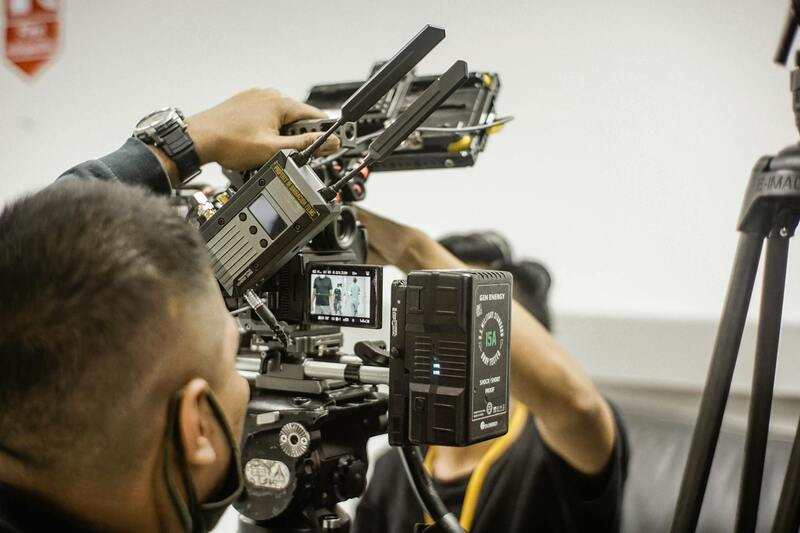
Working with a professional photographer familiar with these advanced skills ensures your listings stand out and communicate the property's true essence. Properly executed techniques can significantly influence a viewer's perception, making your property more memorable and increasing its attractiveness in the marketplace.
Impact of Professional Real Estate Photography on Sales Timeline
Utilizing a professional photographer for real estate listings significantly influences the speed at which a property transitions from listing to sale. High-quality images create an immediate visual impact, capturing potential buyers’ attention and generating more interest within a shorter period. Listings accompanied by expertly shot photographs tend to garner higher click-through rates on online platforms, drawing a larger pool of prospective buyers to schedule viewings.
When a property is presented with clear, compelling images, it reduces the need for multiple viewings and follow-up inquiries. Potential buyers feel more confident in their decision-making process, as the photographs give an accurate and appealing representation of the space. This transparency fosters trust and minimizes hesitation, thereby accelerating the negotiation process.
Furthermore, properties shown with high-quality visuals tend to remain competitive in the marketplace. Professional photography can highlight unique features and selling points more effectively, making the property stand out against similar listings. As a result, listings can sell more quickly, often leading to fewer price reductions and a faster closing timeline. This efficiency benefits sellers eager to move quickly and helps agents meet their sales targets.
Data indicates that listings with professional photography sell approximately 32% faster than those with amateur images. The visual impact not only draws initial attention but also sustains interest through engaging and persuasive presentation. Real estate professionals understand that investing in quality visuals is ultimately a strategic decision that streamlines the sales process, reducing downtime for the property and maximizing return on investment.
In competitive markets like Miami, where a multitude of listings vie for buyer attention, consistently high-quality images serve as a critical differentiator. Realtors and property owners who prioritize professional photography often notice a marked improvement in sales velocity, enabling them to close deals more rapidly and efficiently.
Effective Use of Proof and Credentials to Demonstrate Expertise
Establishing credibility is essential when selecting a photographer for real estate listings. Reputable professionals in Miami often showcase their credentials, certifications, and affiliations with recognized industry organizations. These credentials serve as tangible evidence of their commitment to quality and continuous professional development, reassuring clients of their expertise.
A well-crafted portfolio is another crucial component. Displaying high-resolution images of diverse property types, from luxury condos to suburban homes, demonstrates versatility and skill. The photographer’s ability to adapt to different property styles and lighting conditions underpins their professionalism and capacity to elevate any listing.
Client testimonials and case studies can provide further insight into a photographer’s reliability and the tangible benefits they deliver. Recommendations from satisfied real estate agents and property owners highlight the photographer’s punctuality, attention to detail, and effectiveness in producing images that drive sales. These endorsements help build confidence in the photographer’s methods and results.
Moreover, a photographer’s familiarity with Miami’s dynamic property market is advantageous. Understanding local aesthetics, popular architectural styles, and seasonal lighting variations allows the photographer to produce images that resonate with regional buyer preferences and enhance the property’s appeal.
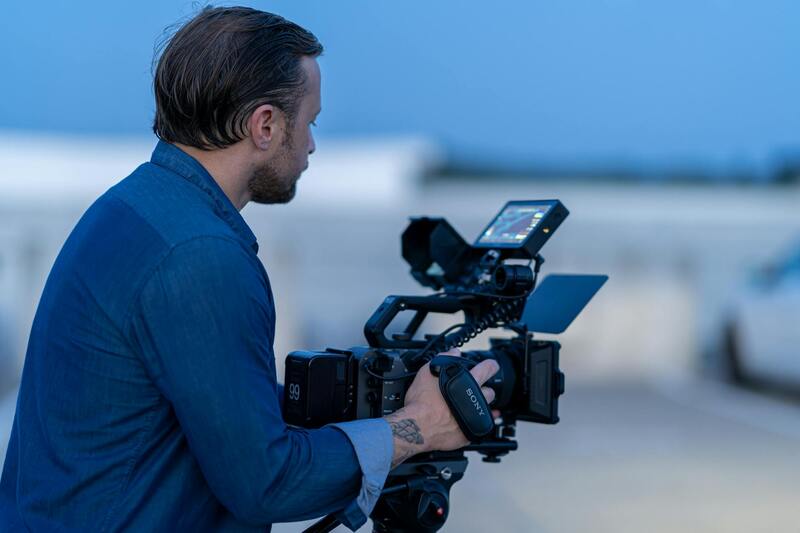
In addition to formal credentials, access to cutting-edge equipment is a significant indicator of quality. The use of high-resolution cameras, wide-angle lenses, professional lighting setups, and editing software ensures the production of crisp, vibrant images that effectively highlight the property’s features. Investment in these tools reflects a photographer’s dedication to delivering top-tier results tailored specifically to real estate marketing needs.
Finally, ongoing education and industry involvement enhance a photographer’s ability to stay current with evolving trends and technologies. Participation in workshops, webinars, and industry conferences demonstrates a proactive approach to skill enhancement, which directly benefits clients seeking innovative and impactful visual content.
Utilizing Proper Image Optimization Techniques for Maximum Reach
To ensure that real estate photographs achieve their full potential in attracting prospective buyers and securing optimal visibility online, meticulous image optimization practices are essential. These practices not only enhance user experience but also improve search engine ranking, making listings more accessible and appealing to a broader audience.
One of the fundamental aspects of optimization is selecting the appropriate image format. JPEG is typically preferred for real estate photography because it offers a good balance between image quality and file size, facilitating faster loading times without sacrificing detail. Additionally, PNG format can be advantageous for images that require transparency or higher resolution detail, such as close-up shots of unique architectural features or interiors.
Next, implementing effective compression techniques is crucial. Using advanced compression tools reduces file sizes significantly while maintaining perceptible image quality. This optimization leads to quicker page loads, decreasing bounce rates and encouraging potential buyers to browse more listings. Moreover, consistent use of compression standards across all images ensures a cohesive visual experience for viewers.
Properly naming image files with descriptive, keyword-rich filenames further enhances SEO. For instance, instead of generic labels like 'image1.jpg,' filenames should include specific details relevant to the property, such as 'Miami-beachfront-condo-living-room.jpg.' This strategy helps search engines understand the content and context of each image, improving the likelihood of appearing in relevant search results.
Another vital element is adding alt text to all images. Alt text provides descriptive information about the visual content, which not only boosts accessibility for users with disabilities but also aids search engines in indexing the images. Incorporating targeted keywords naturally into alt descriptions can drive additional traffic from image searches.
Embedding images correctly within the webpage's HTML structure is equally important. Lazy loading techniques can be implemented so that images load only as users scroll down the page, further improving load times and overall site performance. Responsive image design ensures that images display optimally across various devices—desktops, tablets, and smartphones—without compromising quality or usability.
Regularly updating images and maintaining a consistent visual style can also impact the effectiveness of real estate marketing efforts. Fresh, high-quality visuals capture attention and reflect the current state of the property, which encourages buyers to explore listings further. Collaborating with professional photographers who understand these optimization strategies ensures that each property’s visuals are polished, impactful, and discoverable across multiple digital channels.