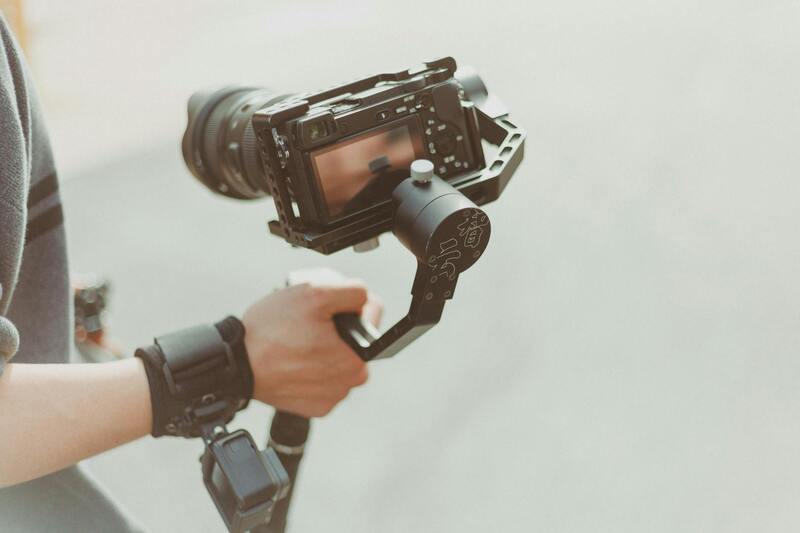
Importance of High-Quality Photography in House Sales
In today’s competitive real estate landscape, exceptional photography has become a fundamental component of successful property marketing. For homeowners and real estate agents in Miami, capturing visually compelling images significantly boosts visibility and attracts serious buyers. High-caliber house sale photography serves as the virtual first impression, offering potential buyers an insightful glimpse into the property's unique features and spatial layout before they schedule an in-person visit.
Research consistently shows that homes showcasing professional-quality images tend to garner increased online engagement, higher listing views, and ultimately faster sales. In particular, the vibrant Miami market benefits immensely from bright, crisp imagery that highlights the property’s best attributes—whether it’s a panoramic view of the ocean, an elegant interior design, or a spacious backyard. This elevates the property’s appeal, places it above competing listings, and fosters a greater emotional connection with prospective buyers.

Furthermore, the visual quality of a listing communicates professionalism and attention to detail, traits that resonate positively with buyers. In an era where digital impressions influence decision-making profoundly, high-quality images are essential for making listings stand out in crowded online platforms. This importance underscores why employing expert house sale photography has transitioned from an optional upgrade to a necessary strategy for achieving optimal sale outcomes.
Key Elements of Effective House Sale Photography
Effective photography captures the essence of a property through several crucial elements:
- Lighting: Proper lighting accentuates room features and creates inviting, warm atmospheres. Natural light is preferable, but supplementary lighting can be used to highlight key areas.
- Composition: Proper framing and angle selection showcase the property's spaciousness and design flow, ensuring each shot highlights the property’s best aspects.
- Clarity and Sharpness: High-resolution images with optimal focus help convey the true condition of the property, removing ambiguities and encouraging viewer engagement.
- Staging and Decluttering: Presenting a tidy, well-staged space maximizes visual appeal and helps buyers imagine themselves living there.
Choosing the Right Equipment and Techniques
To produce images that meet these key elements, professionals utilize advanced camera gear and specialized techniques. High-quality digital cameras equipped with wide-angle lenses capture expansive views and interior details. Drone photography offers breathtaking aerial shots that highlight the property's location and surrounding neighborhood features. Additionally, techniques such as HDR imaging balance exposure levels, ensuring that both interior shadows and exterior highlights are correctly rendered, resulting in well-balanced photos.
Timing and Scheduling for Optimal Results
Timing plays a pivotal role in capturing compelling images. Scheduling photography sessions during daylight hours maximizes natural light, reducing shadows and ensuring vibrant, true-to-life colors. Optimal weather conditions contribute to a brighter, more inviting appearance, especially in a sunny Miami climate. Planning photography during peak daylight hours allows for flexibility in capturing various angles and ensures consistency across all images.
Post-Processing and Image Editing
Following photo shoots, professional editors enhance images to highlight the property’s strengths further. Adjustments include color correction, brightness and contrast modifications, perspective correction, and retouching minor imperfections. These enhancements refine raw images, making them more appealing and aligned with the property's authentic character, thereby attracting serious buyers more effectively.
Key Elements of Effective House Sale Photography
To produce compelling visuals that resonate with potential buyers, focusing on critical components such as lighting, composition, and staging is paramount. Proper lighting ensures that property features are showcased clearly and attractively. Natural light is preferred whenever possible, as it produces vibrant and true-to-life images; however, supplementary lighting may be necessary to illuminate darker areas without creating unflattering shadows. Proper composition involves framing the property to emphasize its most attractive features, utilizing techniques such as the rule of thirds and leading lines to guide viewers’ eyes through the space. Strategically staging furniture, decor, and accessories elevates the property's visual appeal, highlighting its functionality and ambiance, which can significantly influence buyer perception.
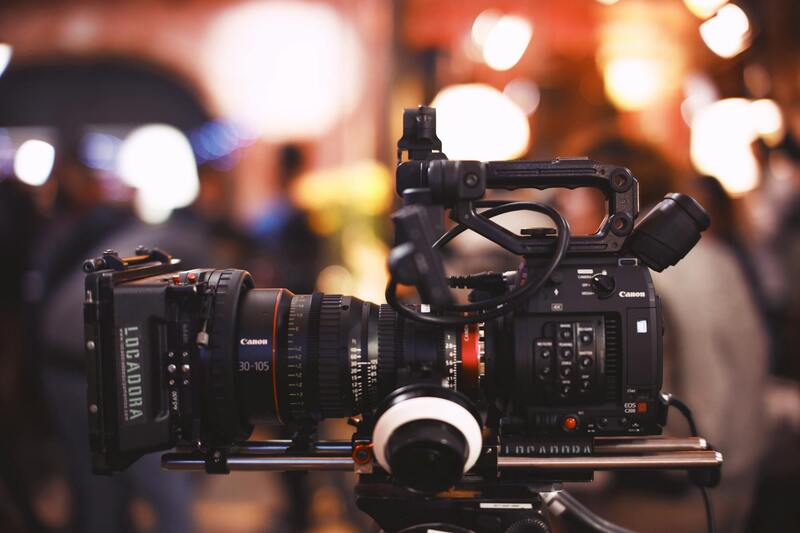
Moreover, consideration should be given to the amount of space conveyed in each shot. Wide-angle lenses are often employed to capture more of the room without distortion, providing viewers with a comprehensive understanding of the layout. High-quality, professionally arranged photos can make spaces appear larger and more inviting, encouraging prospective buyers to schedule viewings. Attention to detail during the shoot, such as ensuring windows are unobstructed and surfaces are tidy, contributes to the overall polish of the images, making them stand out in listings and marketing campaigns.
Choosing the Right Equipment and Techniques
Selecting appropriate gear is essential for capturing high-resolution images that highlight a home's best features. Professional-grade DSLR or mirrorless cameras paired with wide-angle lenses allow for sharp, expansive shots that showcase interiors effectively. Drones are invaluable for providing aerial perspectives that emphasize the property’s neighborhood context and external features, especially for larger estates or properties with notable outdoor amenities. Some advanced techniques include HDR imaging, which combines multiple exposures to balance interior shadows and exterior highlights, ensuring a cohesive visual representation regardless of challenging lighting conditions. Tripods and remote shutters are used to stabilize cameras, preventing blur and ensuring crisp images, especially in low-light environments.
Timing and Scheduling for Optimal Results
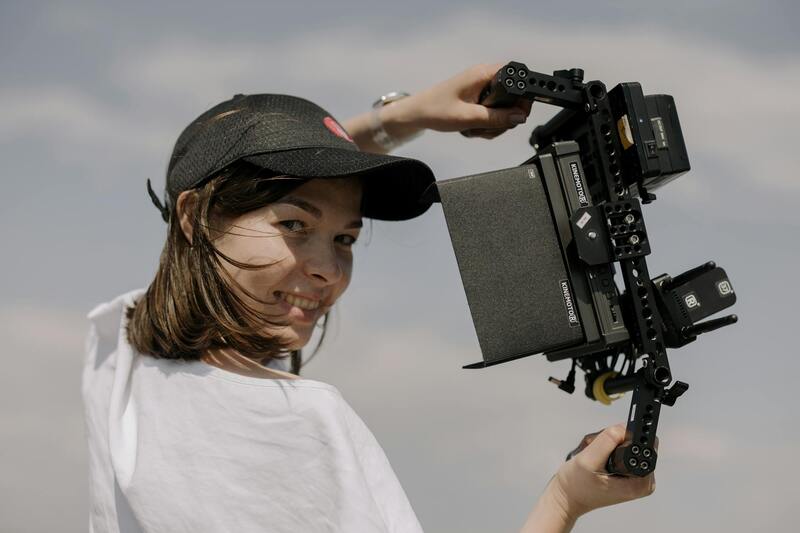
Timing plays an integral role in delivering captivating images. Planning photo sessions during the daytime ensures ample natural light, which is the most flattering for indoor and outdoor shots. Early morning or late afternoon, often referred to as the golden hours, produce soft light that adds warmth and depth to photographs. Scheduling around Miami’s typically clear weather contributes to brighter, more inviting images, free from overcast shadows or rain-drenched scenes. Coordinating the shoot to avoid times of heavy foot traffic ensures that spaces can be staged without intrusion, allowing for cleaner shots. Additionally, capturing various angles and both interior and exterior views in a single shoot maximizes efficiency and consistency across the visual material presented in listings.
Post-Processing and Image Editing
After capturing the images, professional editing refines the visual presentation to its highest potential. Adjustments such as color correction ensure that the photos accurately represent the property's true appearance, making interior hues appear warm and inviting. Brightness and contrast enhancements evoke a lively atmosphere. Perspective correction is crucial to rectify any distortion caused by wide-angle lenses, helping to straighten lines and preserve realistic proportions. Minor retouching, such as removing distractions or blemishes, smooths out imperfections while maintaining authenticity. These post-processing techniques create a polished visual narrative that draws buyers' attention—even in competitive markets—by emphasizing authentic beauty and spatial harmony.
Investing in high-quality post-production ensures that every image aligns with the intended marketing message, ultimately elevating the property's appeal and accelerating the sales process.
Choosing the Right Equipment and Techniques
For professionals engaged in house sale photography, selecting the appropriate gear is fundamental to capturing compelling images that resonate with prospective buyers. High-resolution digital cameras equipped with wide-angle lenses are standard tools, enabling photographers to encompass expansive interior spaces or broad exterior vistas in a single shot. These lenses help to illustrate the property's spatial dimensions accurately, creating an inviting sense of openness.
Stability and clarity are achieved through the use of tripods, which ensure sharpness and prevent blurring caused by hand shake. Additionally, employing remote shutter releases can minimize camera movement during exposure, resulting in cleaner images. For shooting interiors, utilizing HDR (High Dynamic Range) techniques allows capturing a balanced exposure between bright windows and shadowed corners, revealing the full depth and detail of each room.
Lighting equipment also plays a role, especially when natural light is insufficient or inconsistent. Portable LED panels or softboxes can supplement ambient light, providing a consistent and flattering illumination that complements natural daylight. The consistency in lighting conditions across different shots fosters uniformity in the final image set, strengthening the overall presentation.
To maximize the visual appeal, advanced shooting techniques should be employed. These include panoramic stitching to showcase large open spaces, and proper perspective control to eliminate distortion—particularly important for exterior shots. Shooting during early morning or late afternoon, when daylight is softer, enhances the natural ambiance of the property and reduces harsh shadows.
Timing and Scheduling for Optimal Results
Optimal scheduling of a house photo shoot is critical to harness the best natural lighting conditions, which significantly influence the overall quality of the images. Scheduling shoots during periods of bright, indirect sunlight ensures spaces are photographed in their most appealing state, with balanced lighting that highlights architectural details and interior textures.
Additionally, understanding the property's natural features and daily lighting patterns allows photographers to select the ideal time for each shoot. For instance, capturing exterior shots in the golden hour—shortly after sunrise or before sunset—can produce warm, inviting images that evoke emotional responses from viewers.
Clear communication with the property owner ensures access to the space at optimal times and allows for proper staging. Removing personal clutter and preparing the environment to appear spacious and inviting during these peak times can make a notable difference in the imagery.
Post-Processing and Image Editing
After capturing high-quality images of the property, meticulous post-processing is essential to enhance visual appeal while maintaining authenticity. Professional editing involves adjusting brightness and contrast to ensure proper exposure, correcting color balance for natural tones, and sharpening details to bring out architectural features. It’s also beneficial to straighten horizons and correct lens distortion, especially in wide-angle shots, to preserve a realistic perspective.
Retouching should be subtle, remove distracting clutter or imperfections, and brighten interior spaces to make rooms look more inviting. Using techniques such as HDR (High Dynamic Range) processing can help balance the exposure in scenes with challenging lighting conditions, unveiling details in both shadows and highlights. Consistent editing standards across all images create a cohesive visual presentation that underscores the property’s strengths.
It’s crucial to avoid overly saturated images or misleading enhancements that could skew prospective buyers’ perceptions. Authentic, well-edited photographs better represent the property and foster trust, facilitating a smoother sales process.
Investing in professional editing not only amplifies the property’s appeal but also ensures the images stand out across various marketing channels. When potential buyers see crisp, vibrant, and true-to-life photos, their confidence in the property’s presentation increases, ultimately boosting engagement and inquiries. High-quality visual content derived from skilled post-processing creates a memorable first impression that can significantly accelerate the sales cycle.
Legal and Ethical Considerations in Property Photography
Maintaining transparency and authenticity in house sale photography is essential to foster trust with prospective buyers and uphold professional standards. Photographers must ensure that images accurately represent the property’s current condition, avoiding any manipulations that could mislead viewers. This includes refraining from extreme alterations or enhancements that might alter the true appearance of rooms, fixtures, or outdoor spaces. Emphasizing realistic depictions ensures that buyers’ expectations align with actual findings upon viewing the property in person.
Moreover, obtaining the necessary permissions before capturing images is a fundamental step. This involves confirming access rights to the property and securing consent from homeowners or tenants, especially when photographing interior spaces or private areas. Respecting privacy boundaries not only aligns with best practices but also cultivates professional integrity and trustworthiness.
Practitioners should be mindful of composition ethics, ensuring that all intended features are shown accurately without omission or distortion. For example, deliberately hiding areas that may detract from the property's appeal or presenting overly flattering images that do not reflect actual conditions can lead to misunderstandings and dissatisfaction. Instead, focusing on comprehensive, honest portrayals facilitates a transparent sales process that benefits all parties involved.

When employing storytelling techniques or staging within photography, clarity about what has been arranged or enhanced should be communicated. Disclosing any staging efforts or enhancements in property listings preserves integrity and helps manage buyer expectations. This level of honesty supports a fair, straightforward sales environment where trust is paramount.
Ultimately, adhering to these appropriate practices in house sale photography contributes to a professional reputation and ensures that the visual content supports a smooth, credible transaction process.
Legal and Ethical Considerations in Property Photography
Maintaining professionalism and integrity in house sale photography involves adhering to established standards that uphold trust and transparency throughout the selling process. The representation of a property through images must be truthful and comprehensive, reflecting its true condition and features to provide prospective buyers with a clear understanding of what to expect. This entails capturing images that accurately display room dimensions, structural details, and overall ambiance without manipulation or exaggeration.
One fundamental aspect is respecting the privacy of current occupants and neighbors. Photographers should always avoid including private areas or personal belongings that are not relevant to the property's presentation unless explicitly permitted. When capturing exterior shots, attention should be paid to public spaces and neighboring properties, ensuring that images do not infringe upon others' privacy or comfort.
The ethical standards extend to the dissemination of images, where any post-processing should be done judiciously. Enhancements such as adjusting lighting, removing minor flaws, or adjusting color tones should enhance the visual appeal without misrepresenting the property's actual state. Overly edited or overly flattering images can lead to mismatched expectations, which may complicate the transaction process.
Disclosures related to staging, renovations, or improvements should be openly communicated in the listing. Clarifying what has been enhanced or altered helps set proper expectations and facilitates informed decision-making by buyers. The goal is to present a complete, honest portrayal that encourages confidence in the property and smooths the sales process.
Compliance with local regulations and guidelines regarding real estate advertising further reinforces ethical practices. Ensuring that all promotional content aligns with these standards helps maintain a professional reputation and safeguards against potential misunderstandings or disputes.
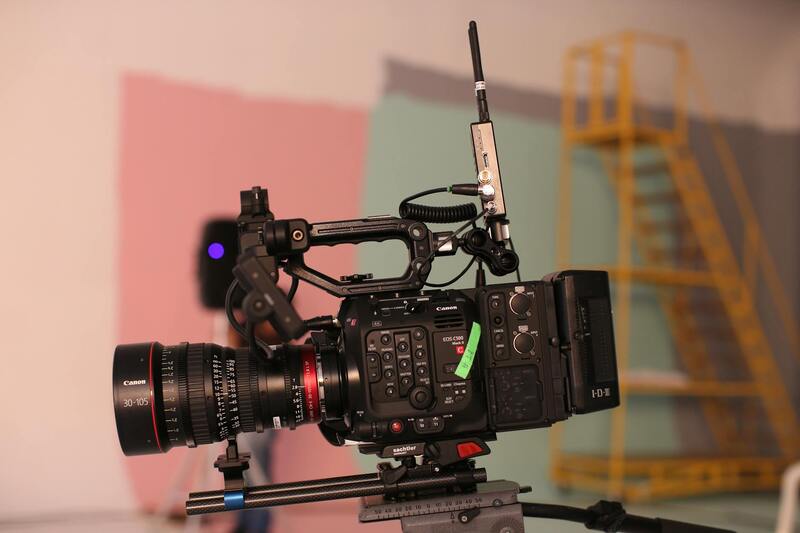
Legal and Ethical Considerations in Property Photography
When conducting house sale photography, adherence to the highest standards of professionalism and respect for legal boundaries is essential. Photographers and real estate professionals must understand that capturing images of a property involves more than just technical proficiency; it requires a conscious effort to respect privacy, property rights, and community standards.
One fundamental aspect is ensuring that all photographic representations accurately reflect the property's current condition and features. Misleading images, whether through deliberate staging or unintentional oversight, can distort a buyer's perception and lead to complications in negotiations. It is crucial to present images that genuinely depict the property's layout, finishes, and overall ambiance without exaggeration or omission.
Respect for neighbors and surrounding areas is also a key consideration. Photographers should be mindful of capturing public spaces, streets, and neighboring properties, avoiding intrusions into private property or areas where privacy might be compromised. This approach not only maintains ethical integrity but also fosters good community relations.
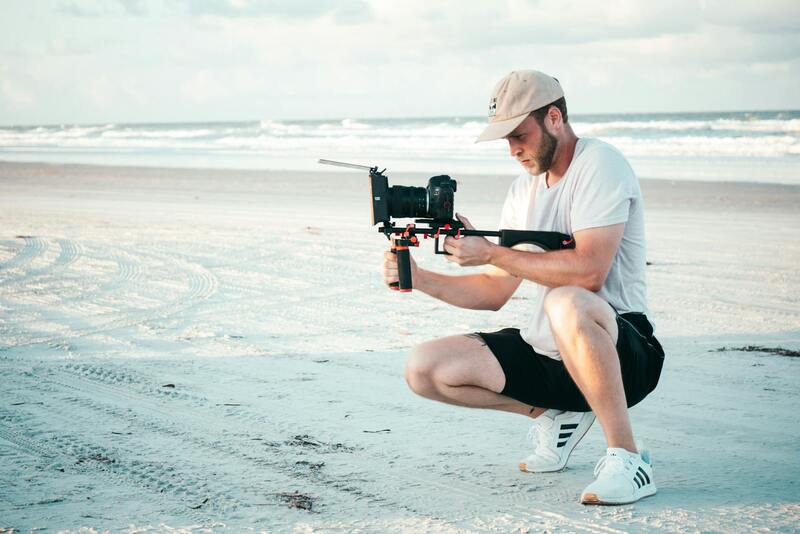
Moreover, practitioners should stay informed about local regulations governing real estate advertising and photography. These standards often specify what can and cannot be shown, including restrictions related to drone photography, aerial shots, or images of certain sensitive areas. Ensuring compliance helps in avoiding misunderstandings and maintains fair marketing practices.
Transparency plays a vital role in building trust with prospective buyers. Disclosing any renovations, enhancements, or staging details in the property description aligns with ethical marketing principles. This openness helps manage buyer expectations and prepares them for a seamless inspection and purchase process.
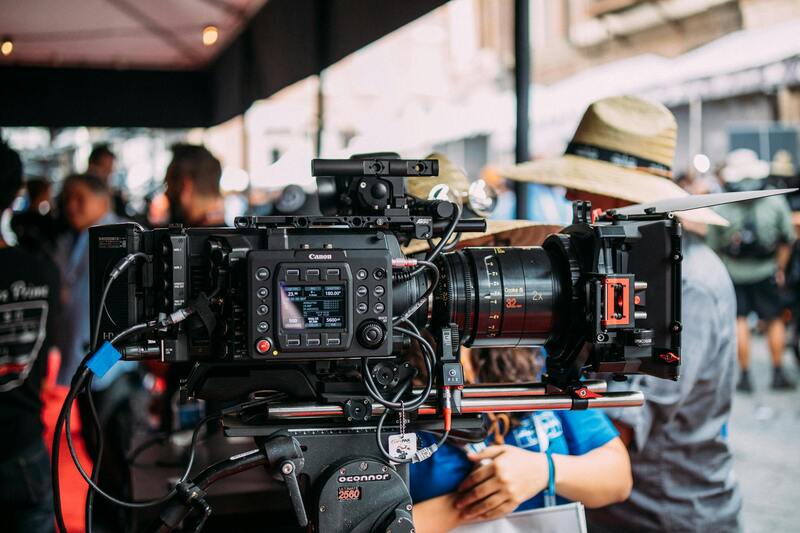
Additionally, maintaining a consistent and professional approach during the entire photography process reinforces credibility. This includes obtaining necessary permissions when photographing occupied properties or focusing on areas free from personal or confidential information.
Investing in qualified and reputable photographers who understand these ethical standards can bolster a brand's reputation and promote long-term success in the housing market. By aligning photography practices with these principles, agents and marketers can ensure that their listings are both compelling and respectful of legal and ethical norms.
Choosing the Right Production Partner for House Sale Photography in Miami
Selecting a professional production agency for your house sale photography is a crucial step in ensuring your property listing stands out effectively. A reputable agency brings a blend of technical expertise, industry experience, and a nuanced understanding of the Miami real estate market.
When evaluating potential collaborators, prioritize agencies with a robust portfolio of real estate photography. Review their previous work to assess their ability to capture properties in a way that highlights unique features and minimizes common pitfalls such as poor lighting or unflattering angles. An experienced agency will also understand the importance of seasonality and time of day, leveraging optimal lighting conditions to enhance visual appeal.
Communication is fundamental. The agency should be receptive to your specific needs, whether that involves staging considerations, focusing on certain property aspects, or accommodating scheduling constraints. Clear dialogue ensures alignment in expectations and leads to a seamless shoot that accurately represents the property.
Moreover, the chosen provider should employ advanced equipment and current techniques such as HDR photography, wide-angle lenses, and drone imaging when appropriate. These tools allow for comprehensive and captivating visuals, revealing the property's best qualities.
A professional Miami-based agency will also have a thorough understanding of local regulations affecting property photography. They will manage permissions for aerial shots and navigate any zoning restrictions, ensuring all images are compliant and ready for marketing use.
Long-term success in real estate marketing depends heavily on consistent quality. Partnering with a dedicated firm that adheres to high standards and ethical practices not only produces visually appealing content but also bolsters your brand's credibility.
Ultimately, the investment in a skilled house sale photography provider translates into more engaging listings, faster sales, and often higher offers. This approach provides a tangible edge in competitive Miami markets, ensuring your property attractsinterest from qualified buyers efficiently.