
Understanding the Role of a House for Sale Photographer
A house for sale photographer plays a pivotal role in the real estate marketing process by capturing high-quality images that showcase the property's best features. Their primary responsibility is to produce visually appealing photographs that highlight the unique aspects of a home, from spacious living areas to finely curated yards. Through meticulous attention to lighting, composition, and detail, these professionals craft images that entice potential buyers to envision themselves living in the space. The effectiveness of their work can significantly influence a property’s marketability, often serving as the first point of contact for prospective buyers browsing online listings.
Real estate photographers are skilled in understanding how to emphasize the room’s proportions, capture natural light, and minimize distractions, ensuring each shot communicates the property’s true potential. They often coordinate with real estate agents to determine which features should be accentuated and the best times to photograph based on lighting conditions. By doing so, they help generate interest and increase the likelihood of property showings.
In addition to traditional photography, some house for sale photographers also incorporate virtual tours, drone footage, and 3D imaging to provide a comprehensive view of the property. They utilize modern equipment and advanced techniques to deliver images that are crisp, well-lit, and accurately represent the property's space and features. Their work forms the cornerstone of effective real estate marketing, serving as a visual gateway that can influence a potential buyer’s decision to explore further or submit an inquiry.
Ultimately, the responsibility of a house for sale photographer extends beyond simply taking pictures; they aim to create a compelling visual story of the property, maximizing its appeal to stand out in a competitive market. Their expertise not only attracts attention but also builds trust and confidence in the property's presentation, accelerating the sale process and potentially increasing the final sale price.
Choosing the Right Equipment for Real Estate Photography
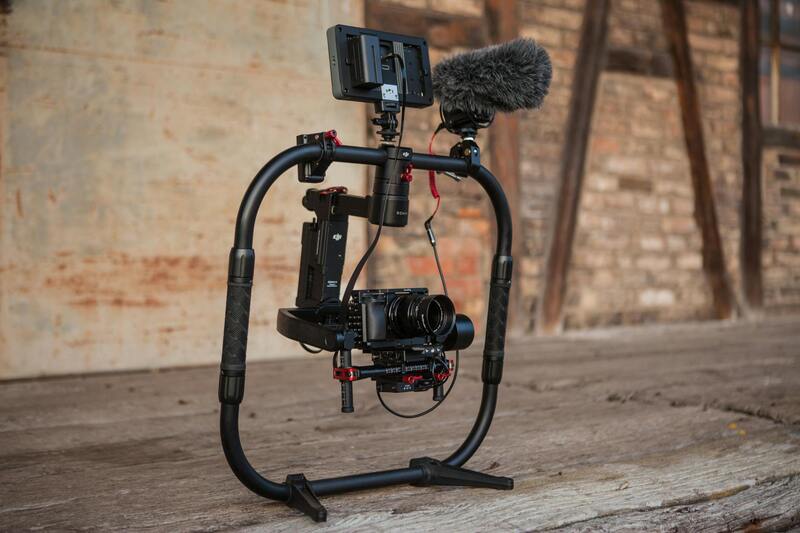
When it comes to capturing stunning images of a house for sale, the choice of equipment plays a pivotal role in ensuring high-quality results. Professional real estate photographers invest in advanced camera systems, wide-angle lenses, and stabilization tools to produce images that accurately showcase a property's space and features. A full-frame DSLR or mirrorless camera with a high-resolution sensor allows for detailed shots with excellent color accuracy and dynamic range, making interiors appear vibrant and inviting.
Wide-angle lenses are essential for capturing more of a room in a single shot, providing viewers with a comprehensive perspective that highlights the scale and layout. These lenses help minimize distortion and ensure that rooms look spacious and proportionate, which is crucial for attracting potential buyers. Tripods and stabilization rigs are also indispensable, allowing for sharp, well-composed images even in low-light conditions, such as during dusk or in dimly lit interiors.
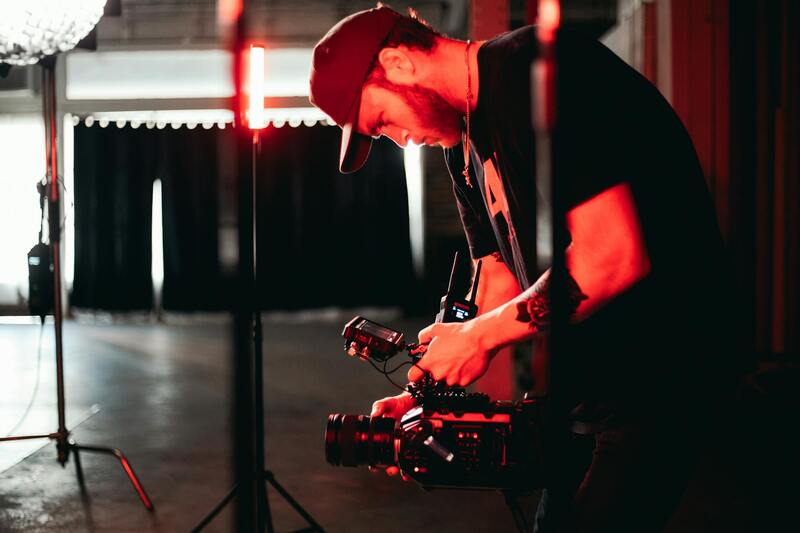
In addition to traditional photography gear, many professionals also utilize specialized tools such as drone cameras for aerial shots that provide perspective on the property's surroundings, or 3D scanners for virtual walkthroughs. These technological advancements create more engaging, comprehensive marketing materials that can significantly boost online visibility and interest.
Best Practices for Scheduling and Preparing Photoshoots
To maximize the impact of the photography session, scheduling at optimal times is critical. Many experts recommend shooting during daylight hours when natural light streams through windows, illuminating the interiors and creating an inviting ambiance. Arranging the property to be tidy, decluttered, and well-staged before the shoot ensures that all features are prominently displayed. This preparation enhances the overall aesthetic and helps in capturing images that truly reflect the property's potential.
Sometimes, slight modifications such as opening curtains, turning on lights, or arranging furniture can make a significant difference. It’s also advantageous to communicate with the real estate agent to understand which features should be prioritized in the images. Scheduling during favorable weather conditions further reduces shadows and ensures consistent lighting for exterior shots.
Key Elements of Effective Home Photos
To produce compelling real estate images that draw in prospective buyers, attention to several core elements is paramount. Proper lighting is essential—utilizing natural sunlight whenever possible creates warm, inviting atmospheres that highlight the property’s best features. Overhead or soft diffused lighting can minimize shadows and evenly illuminate rooms, avoiding harsh contrasts that detract from the visual appeal.
Choosing optimal camera angles involves strategic positioning to accentuate the space's dimensions and flow. Wide-angle lenses are commonly employed to make rooms appear more spacious without distorting proportions excessively. Shooting from a corner or at eye level ensures the interiors look realistic and inviting, providing viewers with a true sense of scale and layout.
Staging plays a crucial role in presenting a home at its best. Decluttering and tidying living areas, bedrooms, and kitchens help highlight key features while creating a sense of order and comfort. Thoughtful furniture arrangement can emphasize the room's functionality and spaciousness, guiding the viewer’s eye naturally through the space. Small touches such as adding fresh flowers, open curtains to let in natural light, and turning on ambient lighting can significantly enhance the overall atmosphere.
Composition techniques, including the rule of thirds, can lead the viewer’s gaze throughout the image and create a balanced, harmonious appearance. Incorporating leading lines such as hallways or furniture guides the eye towards focal points like fireplaces, bay windows, or scenic vistas visible from the property. High-quality photography also involves capturing multiple angles of each space, providing a comprehensive view that helps prospective buyers envision themselves living there.
In addition to that, exterior shots should be taken during optimal weather conditions to showcase the property’s curb appeal. Highlighting attractive landscaping, driveways, and outdoor amenities can enhance the property's overall desirability. Ensuring consistency in lighting and perspective across interior and exterior images maintains a cohesive visual narrative, which is vital in digital listings.
Investing effort into these elements ensures that each photograph not only captures the property's physical attributes but does so in a way that resonates emotionally with potential buyers. High-quality images serve as the foundation for compelling online listings, printed brochures, and virtual tours, ultimately leading to increased interest and faster sales.
Choosing the Right Equipment for Real Estate Photography
To ensure that property images are clear, vibrant, and detailed, selecting the appropriate equipment is crucial for house for sale photographers. High-resolution digital cameras with full-frame sensors are preferred as they capture more light and detail, producing sharp and crisp images that highlight every feature of the home. DSLR or mirrorless cameras are commonly used due to their versatility and adaptability in various lighting conditions.
Lens selection significantly impacts the portrayal of interior and exterior spaces. Wide-angle lenses, typically ranging from 14mm to 24mm, are essential in real estate photography, as they allow photographers to include more of a room in a single shot, enhancing the sense of space. Tilt-shift lenses can also improve perspective control, avoiding distortion in images of vertical elements like walls and windows.
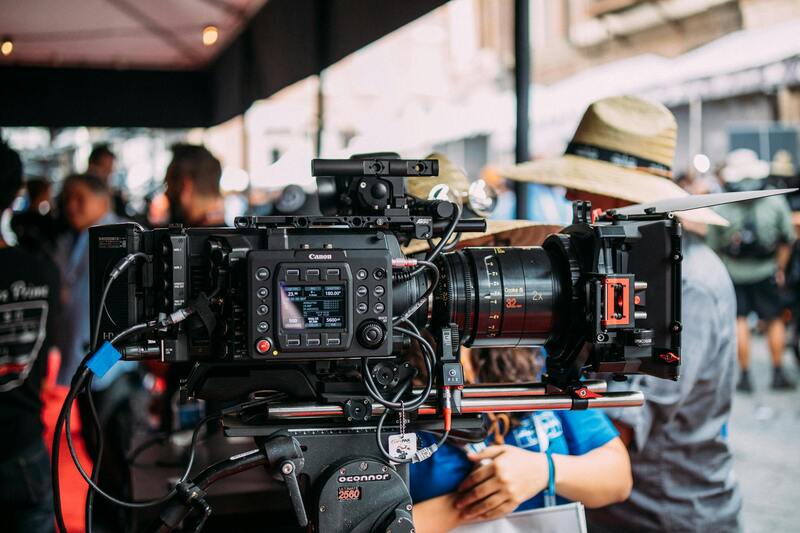
Lighting equipment plays a vital role in achieving optimal exposure, especially in rooms with uneven natural light or low-light conditions. While natural lighting is preferred, portable flash units and continuous lighting setups can help fill shadows, brighten darker corners, and create a welcoming atmosphere. Diffusers and reflectors are also useful tools for controlling and softening light, ensuring uniform illumination.
Tripods are indispensable for stabilizing camera gear during long exposures or low-light scenarios, ensuring sharp images free of motion blur. Remote triggers and timers aid in minimizing camera shake when capturing multiple shots.
Additional accessories such as panoramic heads enable seamless 360-degree shots for virtual tours, while drone technology can be used to capture aerial views of the property, enhancing its marketing appeal. Investing in quality equipment tailored to real estate photography needs ultimately delivers professional-grade images that attract potential buyers and elevate listings.
Sample Equipment List for House for Sale Photography:
- Full-frame DSLR or mirrorless camera
- Wide-angle lens (14-24mm)
- Tripod with sturdy build
- External flash or continuous lighting kit
- Reflectors and diffusers
- Panoramic head or 360-degree camera solution
- Drone with high-resolution camera capabilities
Understanding the Role of a House for Sale Photographer
A house for sale photographer plays a pivotal role in transforming a property's visual presentation. Their expertise extends beyond simply capturing images; it involves understanding the unique architectural features, lighting nuances, and spatial dynamics of a home to produce compelling visuals. These professionals are skilled in utilizing advanced techniques to highlight the property’s best features, ensuring the photographs resonate emotionally with prospective buyers. They often possess a deep knowledge of real estate marketing strategies, which allows them to frame shots that emphasize a home's spaciousness, natural light, and inviting atmosphere effectively.
Moreover, a skilled photographer adapts to various property types, whether it's a cozy apartment, a luxurious estate, or a commercial space, tailoring their approach to suit the specific context. Their proficiency in staging, composition, and technical execution ensures that each image accurately represents the property, creating a visual narrative that draws in potential buyers and fosters faster sales. Their work also involves meticulous planning for shoot days, selecting the right time for natural lighting, and coordinating with real estate agents to align with marketing timelines.
Importance of Professional Photography in Real Estate Marketing
The impact of high-caliber images in real estate marketing cannot be overstated. In an increasingly digital market, most prospective buyers begin their property search online, where the initial impression is often shaped solely by photographs. Well-crafted images enhance listing visibility, generate more engagement, and cultivate a stronger emotional connection to the property. Professional photographers bring an artistic eye, technical mastery, and an understanding of market trends to produce images that stand out.
In addition to attracting more views, quality photography can dictate the perceived value of a property. Listings featuring professional images tend to sell faster and often at higher prices relative to those with amateur photos. This direct correlation underscores the importance of investing in professional photography services when preparing a home for sale.
Key Elements of Effective Home Photos
- Lighting: Proper illumination is fundamental. Utilizing natural light where possible and supplementing with professional lighting setups helps produce bright, inviting images. Diffusers and reflectors are essential tools for softening shadows and achieving uniform light distribution.
- Composition: Strategic framing emphasizes the home’s best features while maintaining a sense of balance and flow. Avoid clutter, straighten horizon lines, and shoot from angles that showcase spaciousness.
- Equipment: Using wide-angle lenses allows capturing expansive interior views, while tripods ensure stability and sharpness. A drone can offer striking aerial perspectives, adding a unique dimension to property showcases.
- Post-Processing: Editing enhances the raw images, correcting exposure, correcting color balance, and retouching minor imperfections to ensure each photo reflects the property’s true potential without misleading viewers.
Choosing the right photography tools and techniques is essential in creating compelling visuals that elevate real estate listings. The combination of technical skill, artistic vision, and strategic planning delivers a portfolio of images capable of making a lasting impression on potential buyers, thereby expediting the sale process and optimizing property exposure in the competitive Miami market.
How to Select a House for Sale Photographer in Miami
Choosing the right photographer for your real estate listing in Miami involves careful consideration of several key factors. While numerous professionals claim expertise in property photography, discerning the most suitable specialist requires a strategic approach that emphasizes experience, skill, and understanding of local market nuances.
Evaluating Experience and Portfolio
Begin by reviewing each photographer’s portfolio, paying close attention to the diversity and quality of their work. A seasoned house for sale photographer will showcase a range of properties, from modern condos to traditional family homes, demonstrating adaptability across different styles. Look for images that highlight clarity, color accuracy, and composition, which are vital for capturing a property’s best features.
Understanding Local Market Dynamics
Real estate photography in Miami requires familiarity with the area’s unique characteristics. An experienced photographer understands how to leverage Miami’s natural light, seasonal variations, and architectural styles to produce compelling visuals. Their knowledge of local neighborhoods helps them capture properties in ways that resonate with prospective buyers, emphasizing both aesthetic appeal and contextual relevance.
Technical Proficiency and Equipment
Technical competence is essential. Confirm that the photographer uses high-quality equipment, such as professional wide-angle lenses, stabilizing tripods, and drone technology, to deliver sharp, expansive images. Their post-processing skills should enhance the photos without over-editing, maintaining authenticity while improving exposure, color balance, and details.
Professionalism and Reliability
Reliable communication, punctuality, and a clear understanding of timelines are fundamental attributes. A professional photographer adheres to scheduled appointments, respects the property’s guidelines, and delivers images promptly. Reading client reviews or seeking references can provide insight into their reputation and work ethic.
Customized Services and Packages
Given the diversity of properties, the best photographers offer tailored packages that cater to specific needs. These may include aerial shots, twilight photography, virtual tours, and floor plans. Discussing your unique property requirements upfront ensures comprehensive coverage that maximizes listing appeal.
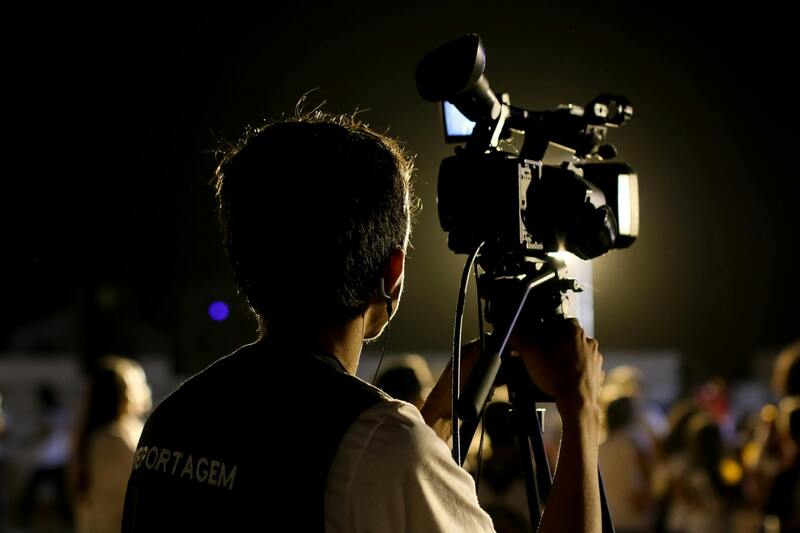
Selecting a qualified house for sale photographer is a strategic investment in your property's marketability. By prioritizing experience, technical expertise, market understanding, and professionalism, you elevate your listing’s visual presentation, attracting more potential buyers and facilitating a quicker sale.
Legal Considerations and Ethical Standards in Real Estate Photography
When engaging in real estate photography, it is essential to adhere to established standards that uphold professionalism and integrity. This includes respecting property owners' rights and privacy, obtaining necessary permissions for drone usage, and accurately representing the property’s features without manipulation or misrepresentation. A reputable photographer will maintain transparent communication with clients about what can be depicted in images, ensuring that the final photos align with the property's true appearance and condition.
Developing a thorough understanding of local regulations and best practices related to drone operation, privacy, and property disclosures is vital. Photographers dedicated to maintaining high standards will stay updated on industry guidelines, ensuring compliance and safeguarding both their reputation and that of their clients. This diligence fosters trust and enhances the credibility of the property listing, ultimately contributing to a smoother sales process.
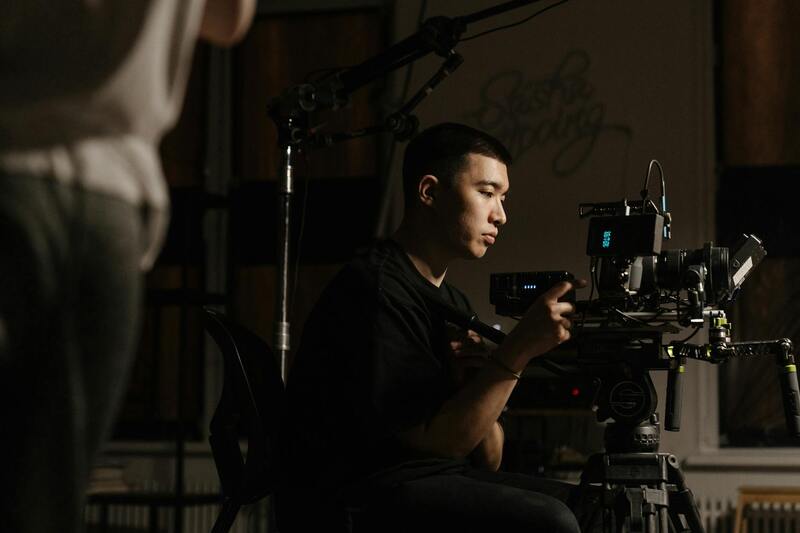
Investing in professional and ethically guided photography not only showcases properties to their best advantage but also reflects a commitment to transparency and accuracy. Marketers and real estate agents benefit from collaborating with photographers who prioritize ethical practices, thereby establishing a reliable and reputable listing that appeals to discerning buyers looking for honest representation of their potential new home.
Understanding the Role of a House for Sale Photographer
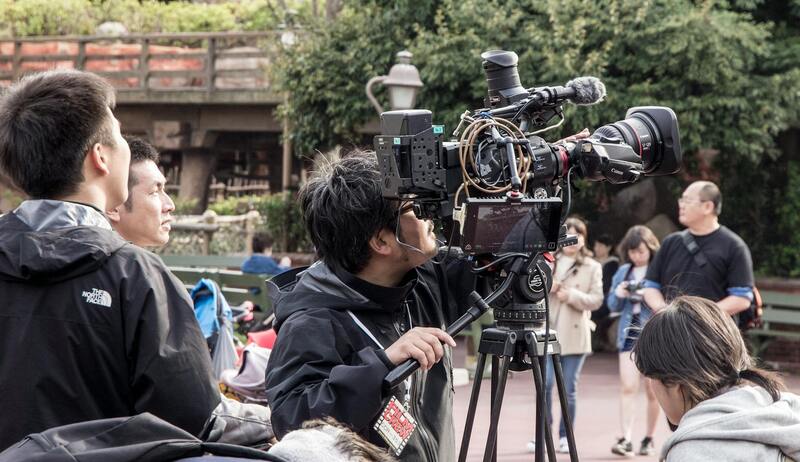
The primary responsibility of a house for sale photographer is to create high-quality images that accurately depict the property, highlighting its best features while providing a clear and appealing representation. These professionals possess specialized skills in capturing the essence of each space, utilizing lighting, composition, and technical expertise to craft images that resonate with prospective buyers. A proficient photographer understands the nuances of real estate marketing, ensuring that every shot aligns with the overall strategy to attract interest and generate inquiries.
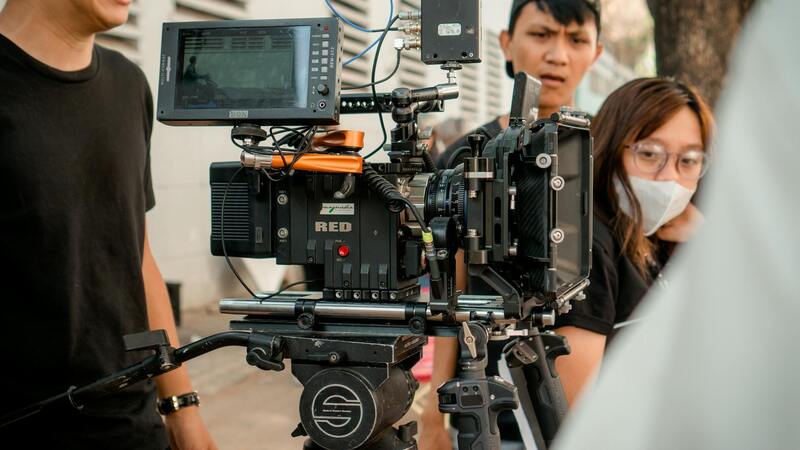
Beyond technical prowess, a house for sale photographer often collaborates closely with real estate agents, homeowners, and marketing teams to understand the unique selling points of each property. This collaboration ensures that the images produced are aligned with the property’s key features and appeal to the targeted market segment. Their role extends to planning the shoot, selecting the best angles, and sometimes even providing guidance on staging to enhance visual appeal. By employing professional techniques and a keen eye for detail, these photographers help foster trust and transparency by presenting homes in their most authentic and attractive light.
Importance of Professional Photography in Real Estate Marketing
In today's digital-driven real estate landscape, quality visuals are more critical than ever. Professional photographs serve as the primary impression for prospective buyers browsing online listings. Studies demonstrate that listings with high-quality images garner more views, longer viewing times, and higher engagement rates, often translating into faster sales and potentially higher offers. Well-composed, vibrant images can evoke emotional responses, making viewers envision themselves living in the space and fostering a connection that encourages action.
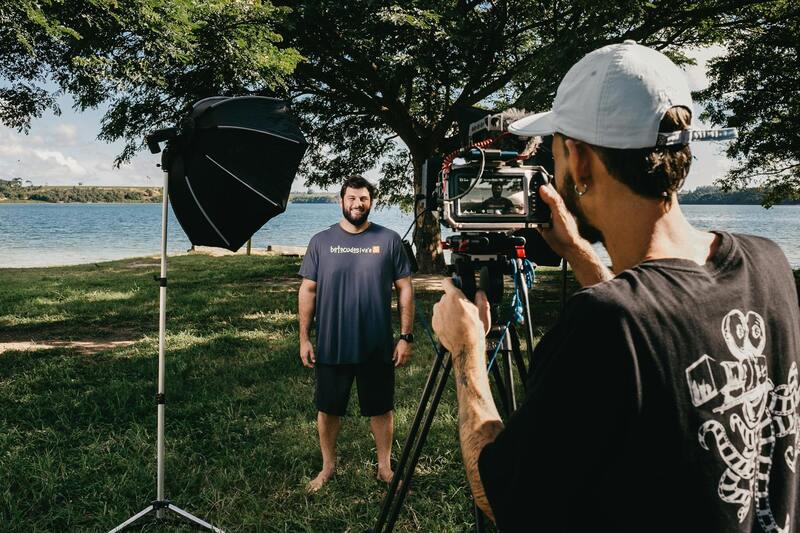
Additionally, professional photography ensures consistency across listings, reinforcing the credibility of the seller and enhancing overall brand perception. When home images are taken with attention to detail, they minimize misconceptions, set accurate expectations, and reduce disappointments after viewings. For real estate professionals, investing in expert photography translates to a strategic advantage, positioning their listings as premium options within a competitive market.
Key Elements of Effective Home Photos
- Lighting: Adequate, natural lighting that brightens the space and highlights architectural features.
- Composition: Well-balanced framing that showcases the room's dimensions and flow.
- Decluttering: Removing personal items and clutter to make spaces appear larger and more inviting.
- Angles: Strategic camera positions to accentuate the property's best attributes.
- Timing: Capturing images during optimal light conditions, often during daytime hours.
Masters of real estate photography harness these elements to craft compelling images that elevate listings and attract qualified buyers.
Choosing the Right Equipment for Real Estate Photography
Effective real estate photography relies heavily on the use of specialized equipment. This includes professional-grade DSLR or mirrorless cameras capable of capturing high-resolution images, ensuring that every detail is visible. Wide-angle lenses are essential for encompassing more of a room within a single shot, creating a sense of space that appeals to viewers. Tripods stabilize shots, reducing blurriness and allowing for consistent framing in multiple images of the same property.
Additional tools such as drone cameras can provide aerial perspectives, showcasing property layouts and surrounding landscapes. Proper lighting equipment, including external flash units or modifiers like reflectors, can help eliminate shadows and evenly illuminate spaces, especially indoors. Photographers also utilize post-processing software to fine-tune image quality, correct color imbalances, and enhance visual appeal without misrepresenting the property.
Best Practices for Scheduling and Preparing Photoshoots
To maximize the impact of property images, scheduling shoots at optimal times and preparing the spaces appropriately are crucial. Ideal times are typically mid-morning or late afternoon, when natural light enhances interiors without causing harsh shadows. Homeowners and agents should ensure that spaces are tidy, well-lit, and free of personal clutter before the photographer arrives. Opening blinds, turning on all interior lighting, and removing any distracting elements can significantly improve the quality of images.
Advance planning includes checking weather conditions for outdoor shots, coordinating access to the property, and creating a shot list that prioritizes key areas. Additionally, allowing sufficient time for the photographer to set up and capture multiple angles ensures comprehensive coverage without rushing, ultimately producing images that genuinely reflect the home's appeal.
Post-Processing and Editing Techniques
Post-processing is a vital component of professional real estate photography. Skilled editors enhance images through techniques such as adjusting brightness and contrast, correcting color balance, and removing minor imperfections like dust spots or uneven lighting. High dynamic range (HDR) processing can blend multiple exposures, ensuring details are visible in both bright and shadowed areas. Straightening lines and skewed perspectives repairs distortions caused by wide-angle lenses, resulting in more natural, appealing images.
However, ethical editing practices are paramount—alterations should not mislead viewers about the property's true appearance. Subtle enhancements that improve clarity and vibrancy without exaggeration help maintain trust and foster informed decision-making among potential buyers.
Benefits of Working with a Miami Production Agency
Partnering with a reputable Miami-based production agency offers numerous advantages, including access to a team of specialists equipped with the latest technology and industry-specific expertise. These agencies understand local market trends and regulations, ensuring that every shoot adheres to regional standards. Their comprehensive service approach encompasses planning, execution, and post-production, providing seamless support throughout the entire process.
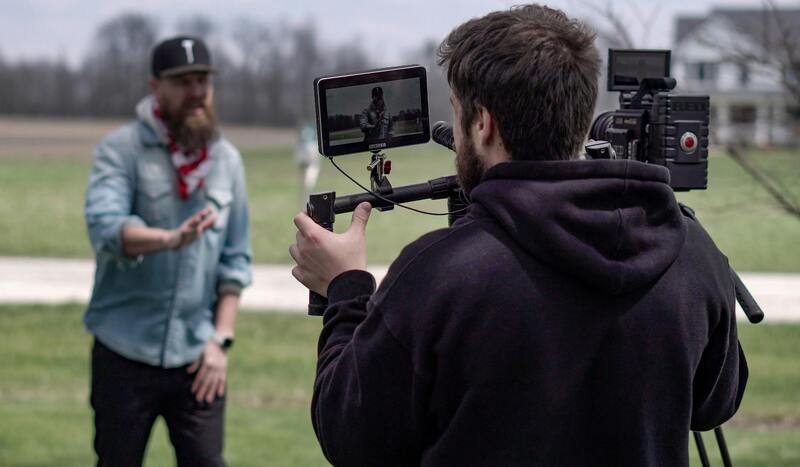
An experienced agency also provides strategic guidance on staging and innovative imaging techniques, such as virtual tours or 3D walkthroughs, which can further enhance listings. The enhanced visual presentation increases the property’s exposure across multiple channels, thereby accelerating the sales timeline and achieving better market positioning. Ultimately, engaging with seasoned professionals ensures that every visual asset supports the overall marketing objectives, elevating the property’s appeal to the right audience.