
Importance of Quality Sales Photos
In the competitive real estate market, the visual presentation of a property plays a pivotal role in attracting potential buyers. High-quality sales photos serve as the first point of contact for anyone interested in a house for sale, making a compelling impression that can lead to increased interest and quicker sales. When prospective buyers browse online listings, their initial impression is often based solely on the images. Thus, the clarity, composition, and overall professionalism of these photos directly influence the perceived value of the property. Effective photos highlight a home’s best features, create a sense of space, and evoke emotional responses that can drive a buyer’s decision. Poorly lit, cluttered, or unprofessional images can deter prospective purchasers regardless of the property's actual appeal. As a result, investing in high-quality photography is essential to maximize a property's visibility and desirability. Furthermore, top-tier images build trust and credibility. Buyers tend to perceive listings with high-quality photos as more reliable and serious, which can accelerate the sales process. The importance of visuals extends beyond attracting initial interest; they also contribute to online reputation, influence viewing appointments, and ultimately aid in closing a sale expeditiously.
For those looking to make a significant impact with their property listing, professional photography is not merely an option but a necessity. It ensures the home stands out amidst numerous other listings and captures the essence of the space in a manner that words behind the screen cannot convey alone.

Preparing the Property for the Photoshoot
Preparing a home for professional photography involves strategic planning to ensure the space appears inviting and well-maintained. Clear clutter is one of the primary considerations; removing personal items, excess furniture, and unnecessary accessories helps create a clean, spacious look. It is also important to perform a thorough cleaning to ensure surfaces gleam and carpets look fresh. Curb appeal is equally vital—neatly trimmed landscaping, clean walkways, and an inviting front entrance set a positive tone before the photographs even start. Inside the home, natural light should be maximized by opening curtains and blinds, as well-lit spaces appear larger and more welcoming in photos. Neutral colors and minimal decor allow potential buyers to envision themselves in the space, making it easier to showcase the home’s potential. Attention to small details such as making beds, arranging furniture thoughtfully, and ensuring that fixtures and appliances are spotless can make a significant difference. Lighting, both natural and artificial, should be adjusted to accentuate the best features of each room. Decluttering with purpose and showcasing key areas—such as the living room, kitchen, bedrooms, and bathrooms—ensures the photos will highlight the property's strengths effectively.
Choosing the Right Time for Shooting
Selecting an optimal time for the photoshoot is crucial for capturing the property in its best light. The goal is to take advantage of natural daylight, which naturally enhances color vibrancy and creates warm, inviting atmospheres. Mid-morning to early afternoon typically provides the soft, even lighting needed for high-quality images. Overcast days are often preferred over bright, harsh sunlight, which can cause unwanted shadows or glare. If shooting during sunny days, scheduling around the hours when sunlight does not directly hit windows can help maintain balanced exposure. Timing also involves considering the home's occupancy. Conducting the shoot when the house is unoccupied allows for complete control over the environment, reducing disruptions and ensuring the photographer can access all areas. Weather conditions should be clear or partly cloudy to avoid dull or overly shadowed images. For exterior shots, capturing the property during favorable weather conditions ensures the home looks its best. Strategic scheduling in this manner guarantees that each photograph showcases the property in the most appealing way possible, thus boosting the overall effectiveness of the listing.
Preparing the Property for the Photoshoot
Effective photography starts long before the camera is set up. Ensuring the property is meticulously staged and thoroughly cleaned creates an inviting environment that highlights the home’s best features. Clear surfaces, neatly arranged furniture, and the absence of clutter direct the viewer’s attention to the space itself, rather than distractions. Specific attention should be paid to key areas such as the living room, kitchen, and master bedrooms, as these are often the primary selling points. Adding subtle decorative touches—like fresh flowers, throw pillows, or tasteful art—can also accentuate the property's appeal without overwhelming the space.
Cleaning the property from top to bottom is equally important to present a pristine appearance. This includes wiping down surfaces, vacuuming carpets, polishing fixtures, and ensuring windows are spotless to maximize natural light entry. Attention to minor details such as trash removal, organizing personal belongings, and repairing minor damages guarantees that the property looks well-maintained, which can significantly influence prospective buyers’ perceptions.
Optimizing Curb Appeal
First impressions are critical, and the exterior of the home often sets the tone for the entire viewing experience. Mowing lawns, trimming bushes, and removing debris keep the outdoor spaces neat. Brightening the façade with a fresh coat of paint or cleaning windows can refresh the look. Adding potted plants or tidy outdoor furniture can make exterior shots more lively and inviting, enticing potential buyers to envision themselves living there.
Ensuring Proper Lighting
Natural light is a fundamental element in creating compelling house for sale photos. Opening curtains and blinds allows sunlight to flood the rooms, infusing photos with warmth and vibrancy. When interior lighting is insufficient, supplementary lighting such as softboxes or ring lights can fill shadows without creating harsh glare. Consistent color temperature across shots also helps maintain a natural and appealing aesthetic in the finished images.
Utilizing Proper Equipment
High-quality cameras equipped with wide-angle lenses enable capturing broad, detailed views of each space, giving viewers a realistic sense of scale. Tripods help stabilize the camera for sharp images, especially in lower light conditions, ensuring every shot is crisp and professional. Pairing these tools with appropriate settings—such as high dynamic range (HDR)—can enhance details in both shadows and highlights, producing well-balanced images that accurately represent the property.
Equipment and Technical Considerations
Achieving high-quality images of a house for sale requires careful selection of photography equipment and an understanding of technical aspects that influence image clarity and appeal. Professional-grade cameras are preferred over smartphones due to their superior sensor size and versatility in various lighting conditions. Cameras with full-frame sensors capture more detail and provide better depth of field, which accentuates the three-dimensional feel of each space.
Incorporating wide-angle lenses—typically between 14mm and 24mm—allows for capturing expansive room views, making spaces appear larger and more inviting without distortion. Proper lens selection is crucial; overly wide lenses can produce unnatural images, so choosing a perspective that accurately represents the property is essential. Tripods are indispensable tools for stabilizing shots, especially when working in lower light conditions or when aiming for consistent framing across multiple images.
Lighting control is vital. Even when shooting during the day, supplemental lighting such as diffused softboxes can eliminate shadows and brighten darker corners. Light modifiers help create even illumination, avoiding hotspots that can distract or misrepresent the space. For interior shots, balancing interior lighting with natural light ensures no part of the room appears underexposed or overly bright.

Understanding camera settings, including ISO, aperture, and shutter speed, enhances image quality. A low ISO setting reduces noise, while an aperture of around f/8 to f/11 offers optimal sharpness throughout the scene. Adjusting shutter speed allows for correct exposure, especially in varied lighting environments. Employing high dynamic range (HDR) techniques—taking multiple exposures and blending them—ensures details are clear in both dark and bright areas, presenting a balanced and vibrant image.
Additionally, maintaining consistent white balance across all shots prevents color discrepancies, ensuring the photographs accurately reflect the home’s interior and exterior colors. Post-shoot calibration and color correction further enhance the photos, aligning them with professional standards.
Choosing the Right Equipment and Technical Considerations
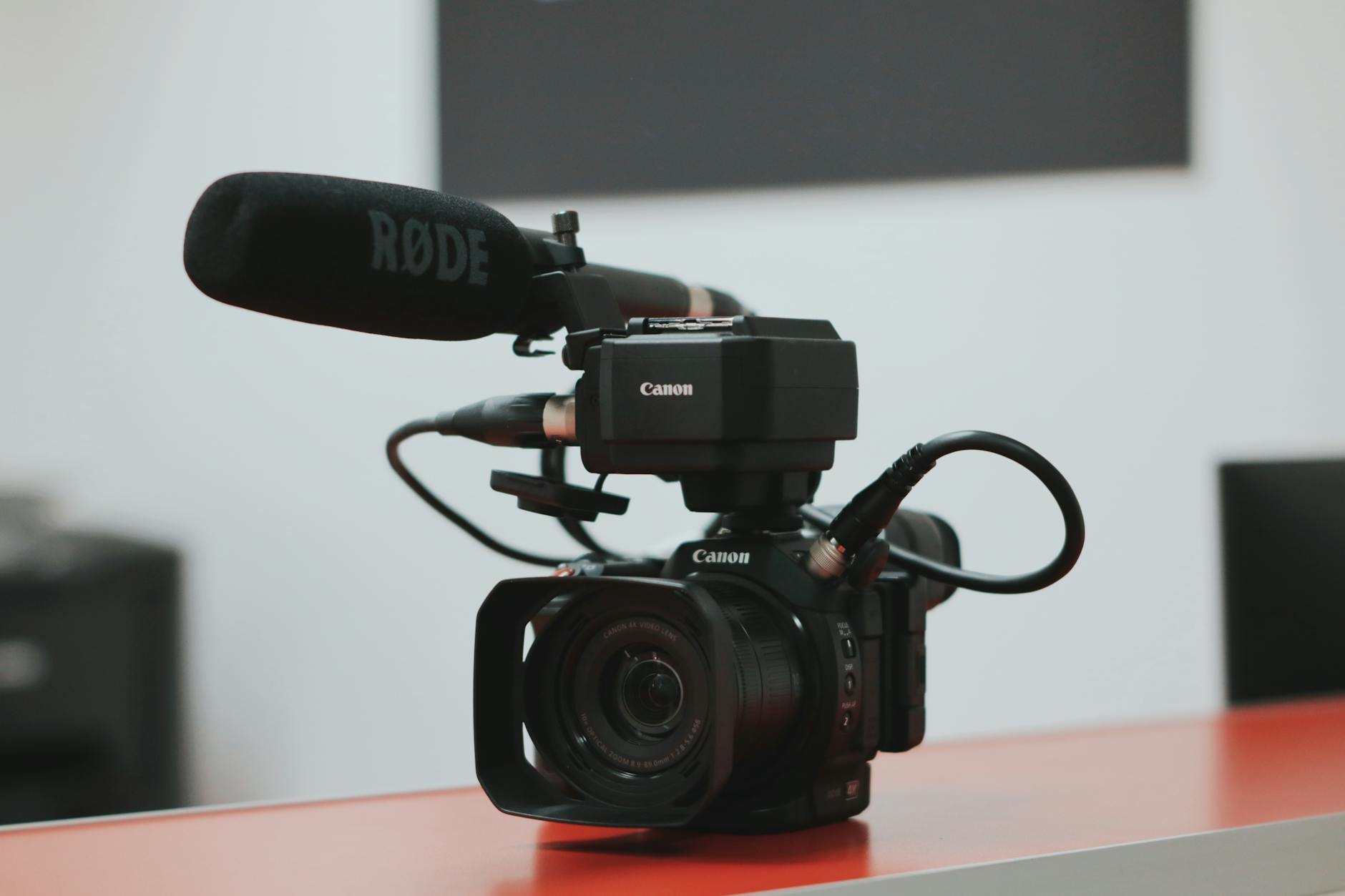
High-quality images depend heavily on the selection of appropriate equipment and meticulous technical execution. Professional-grade cameras are essential to achieve sharpness, clarity, and accurate color representation. A high-resolution camera ensures that every detail of the property is captured vividly, allowing potential buyers to virtually explore the space without loss of quality.
Wide-angle lenses are particularly valuable in real estate photography. They enable the photographer to capture more of a room or exterior shot in a single frame, making spaces appear more open and inviting. When selecting lenses, a focal length between 14mm and 24mm often provides the most effective coverage without excessive distortion. Using these lenses minimizes the need for multiple shots and stitching, streamlining the process and maintaining a cohesive look across images.
Stabilization tools such as tripods and monopods are critical. They prevent camera shake, especially in low-light situations where slower shutter speeds are necessary. Proper stabilization results in crisp images with consistent framing, which is vital for creating a professional visual presentation. Additionally, remote shutter releases or timer functions help eliminate vibrations caused by physical camera contact during the shot.
Technical settings should be carefully adjusted to maximize image quality. Maintaining a low ISO setting reduces digital noise, producing cleaner images. Aperture settings around f/8 to f/11 provide optimal depth of field, ensuring both foreground and background are sharply in focus. Shutter speed must be adapted to lighting conditions; slower speeds in dimly lit interiors are compensated for with proper stabilization.
Implementing high dynamic range (HDR) photography is highly effective for real estate images. This technique involves capturing multiple exposures of the same scene at different brightness levels and blending them to create a balanced, detailed image. HDR helps retain details in shadowed areas of rooms and exterior features, ensuring a comprehensive and visually appealing presentation.
White balance calibration should be consistent across all shots to prevent color mismatches. Accurate color representation is crucial for portraying the property authentically. Post-shoot adjustments, such as color correction and exposure fine-tuning, help refine the images to meet professional standards, making each photo compelling and true to life.
Photography Techniques for Showcase Effectiveness
Proper composition and framing are fundamental to displaying a property effectively. Use leading lines to draw viewers' eyes toward focal points within a room. Incorporate a mix of wide shots that reveal entire spaces and detailed close-ups that highlight quality finishes or unique features. Shooting at eye level provides a natural perspective that resonates with viewers, while tilting or high-angle shots can emphasize spaciousness or exterior views.
Lighting plays a pivotal role in real estate photography. Aim to shoot during times of natural light abundance, such as late morning or early afternoon. Avoid harsh midday sunlight that can create unwanted shadows and overexposed highlights. When natural light is insufficient, supplement with soft, diffused artificial lighting, carefully balanced to match the daylight tone. Interior lights should be turned on to enhance warmth and ambiance, especially in areas with limited window access.

The composition should be designed to lead the viewer through the space, highlighting its most attractive features. Declutter shot areas to present a clean, inviting environment. Straighten the horizon and ensure vertical lines such as walls and doorframes are aligned, avoiding skewed images that can diminish perceived professionalism.
Post-Processing and Editing
Post-processing is a crucial step in refining real estate photos. Basic adjustments include correcting exposure, contrast, and white balance to ensure the images accurately reflect the home. Editing software enables removal of minor imperfections, such as dust, scratches, or distractions, which might detract from the overall presentation.
Color correction should be applied judiciously to maintain natural tones. Overly saturated or artificially enhanced colors can mislead potential buyers. Additionally, straightening images and cropping them for optimal framing ensures a polished and professional appearance. Consistency across all images in terms of color temperature, brightness, and perspective further reinforces the quality of the visual content.
Compliance with Real Estate Photography Standards
Adhering to established standards involves using images that truthfully represent the property without exaggeration. Consistent perspective, accurate color rendition, and honest lighting portray the space accurately, fostering trust with prospective buyers. Ensuring images are free from digitally manipulated distortions preserves integrity and aligns with best practices in property marketing.

Standard guidelines recommend capturing multiple angles of each room, including exteriors, to provide a comprehensive view of the property. High-quality images should be well-lit, sharply focused, and free from clutter or distracting elements. The goal is to create a visual narrative that accurately invites viewers to explore the property further.
Leveraging Photos for Marketing
Effective property marketing hinges on high-resolution images that attract attention across various platforms. Clear, vibrant photos enhance online listings, social media campaigns, and printed materials. Optimized images load quickly on websites but retain excellent quality, ensuring an engaging user experience.
Property images should be organized to tell a story, starting with an impressive exterior shot followed by interior highlights. Providing multiple perspectives, including wide-angle shots and close-ups, gives potential buyers confidence in the listing. Incorporating lifestyle images, such as decorated rooms or outdoor amenities, can evoke an emotional response, encouraging buyers to envision themselves living in the space.
Equipment and Technical Considerations
When capturing a house for sale photo, selecting the appropriate equipment is crucial to ensure high-quality visuals that accurately represent the property. Utilizing a digital single-lens reflex (DSLR) or mirrorless camera with a wide-angle lens (typically 14-24mm) allows for capturing expansive interior spaces and exterior shots, providing viewers with a comprehensive perspective. A sturdy tripod stabilizes the camera, reducing the risk of blurring caused by hand movement, especially in lower light conditions or when longer exposure times are necessary.
Proper camera settings are fundamental to achieving optimal image quality. A low ISO setting minimizes noise, ensuring crisp and clean pictures. Adjusting aperture settings to a narrower range (such as f/8 to f/11) enhances depth of field, keeping most of the scene in focus. Adequate shutter speed prevents motion blur, which is vital for clear depictions of spaces, particularly when shooting handheld or in less-than-ideal lighting conditions.
Lighting equipment can significantly improve the quality of house for sale photo sessions. Natural light remains the best option, so scheduling the shoot during the day when sunlight is abundant can dramatically enhance the image brightness and color vibrancy. Use reflectors or diffusers to control shadows and soften harsh sunlight, creating a balanced exposure throughout the space. Supplemental lighting, such as portable LED panels, can be employed in darker areas to ensure consistent lighting, contributing to the overall appeal of the property’s images.
Post-production editing plays a vital role in refining house for sale photo. Color correction adjusts the image’s hue, saturation, and contrast to match real-life conditions faithfully. Cropping helps eliminate distracting elements from the frame, and straightening ensures horizontal lines, such as walls and doorframes, remain level. Minor adjustments to brightness and sharpness highlight the property’s features without over-processing, maintaining authenticity. These steps collectively enhance visual impact while preserving the integrity of the property’s appearance.
In addition to technical considerations, understanding the environment is important. Ensuring windows are clean, staging furniture is tidy, and clutter is minimized creates a polished look that appeals to prospective buyers. Using a calibrated monitor for editing helps maintain color accuracy, while regularly reviewing shots on different devices ensures consistency across various viewing platforms.
Compliance with Real Estate Photography Standards
Adhering to established standards in real estate photography is crucial for creating compelling visuals that accurately represent the property. This involves ensuring images are captured with proper framing, avoiding distortions caused by wide-angle lenses that can mislead viewers. The perspective should accurately showcase the property's spatial dimensions without exaggeration. Maintaining consistent lighting across all shots helps portray a cohesive look, which minimizes visual discrepancies that could detract from the property's appeal. Furthermore, images should be free from digital artifacts, distortions, or any post-production enhancements that alter the true appearance of the property beyond acceptable limits. These standards promote trustworthiness and provide prospective buyers with a genuine understanding of what to expect, ultimately leading to more informed decisions and a smoother sales process. Use of proper metadata tagging, including accurate property details and keywords, enhances discoverability across listing platforms. Highlighting key features within each photo, such as upgraded kitchens, spacious living areas, or scenic views, utilizing close-up shots combined with wide-angle images, ensures a comprehensive visual narrative. Consistency in image orientation, avoiding overly vertical or horizontal skewing, preserves visual harmony and professionalism. High-quality visuals aligned with these standards reflect a commitment to integrity and transparency, encouraging potential buyers to engage further with the property listing.

Leveraging Photos for Marketing
Effective utilization of high-quality house for sale photos significantly amplifies marketing efforts. Optimized images can be employed across multiple platforms, including property listing websites, social media, email campaigns, and virtual tours. Engaging visuals catch the eye of potential buyers, prompting further inquiry and visits. For maximum impact, photos should be strategically arranged to tell a visual story of the property, highlighting its best features in a compelling sequence. Utilizing a variety of shots — from wide-angle exterior views to detailed interior close-ups — helps showcase the property's full potential. In addition to static images, incorporating virtual staging can enhance empty spaces, allowing viewers to better envision their future home. Consistent branding elements, such as logos or color themes, integrated subtly within visuals reinforce brand recognition without detracting from the property's appeal. Sharing high-resolution images on social media with targeted descriptions and relevant keywords increases engagement and extends reach to the right audience. Properly optimized images are also vital for search engine visibility, ensuring the property appears prominently in relevant search results. Regularly updating the photo content to reflect seasonal changes, renovations, or improvements maintains the listing's freshness and attractiveness, keeping prospective buyers engaged and increasing the likelihood of a prompt sale.
Compliance with Real Estate Photography Standards
When executing a house for sale photo session, adherence to established standards guarantees that images serve their intended purpose effectively. These standards encompass various aspects, including image clarity, proper lighting, and truthful representation of the property. Ensuring photos are well-composed and free from distortions helps maintain a professional appearance, which is essential for building trust with prospective buyers.
Proper lighting is critical in real estate photography. Natural light should be maximized to illuminate the property's features, reducing shadows and evening out color tones. When natural light is insufficient, supplemental lighting equipment such as softboxes or portable flashes responsibly enhances the scene without overexposure.
Consistency in color balance and image sharpness across all photos ensures a cohesive visual presentation. This uniformity simplifies the viewing process, allowing potential buyers to focus on the property's attributes without distraction. Additionally, perspective correction methods help avoid skewed lines or unnatural angles, preserving the authentic proportions of rooms and exteriors.
This meticulous approach extends to staging and styling, which should reflect the property's best features truthfully. Overstaging or excessive editing can mislead viewers, so balance is key. The goal is to portray an inviting and realistic view of the home, encouraging genuine interest and inquiries.
Leveraging Photos for Marketing
High-quality, standards-compliant images form the backbone of an effective marketing strategy. When these visuals meet industry expectations, they enhance listing credibility and attract a broader audience. Customized multimedia campaigns, including social media promotions and virtual tours, rely heavily on these photos to generate engagement.
Optimized images, with appropriate file sizes and resolutions, load swiftly across different digital platforms without compromising quality. Incorporating relevant keywords in image metadata increases visibility within search engines, helping to position the property at the forefront of online searches.
Beyond online listings, professional photographs can be integrated into brochures, email newsletters, and other marketing materials, maintaining consistency in branding and presentation. Regular updates with fresh images highlight any improvements or seasonal changes, revitalizing the property's appeal and keeping it top-of-mind for prospective buyers.
Careful adherence to photo standards not only elevates the property's perceived value but also streamlines the entire sales process. When prospective buyers see clear, honest, and professionally captured images, it fosters confidence, making them more likely to commit to viewing or purchasing the property.
Ensuring Compliance with Real Estate Photography Standards
Maintaining industry standards in real estate photography is essential to ensure that all visual representations of a property are truthful, clear, and professional. While the pursuit of appealing images is natural, it is equally important to avoid techniques that distort the property’s true appearance or create false impressions. Adhering to established photography norms involves a balanced approach, paying attention to composition, lighting, and post-processing practices that reflect the property's actual features.
One key aspect is the avoidance of over-editing or excessive enhancement, which can mislead potential buyers about the property's condition or size. For example, using HDR photography can be effective for capturing a broad dynamic range, but overuse may result in unnatural-looking images. Likewise, perspective corrections should be applied carefully to ensure the true proportions of rooms are maintained, preventing misleading representations of space and layout.
Proper framing and composition are fundamental. Utilizing the rule of thirds, ensuring vertical lines are straight, and decluttering each shot contribute to a clean, professional presentation. Consistency across all images reinforces reliability, allowing viewers to develop an accurate mental model of the property. Incorporating a variety of shot types—exterior, interior, close-ups of unique features—provides a comprehensive view that aligns with the property's true character.

Guidelines for image size and resolution are also critical. High-quality images should load quickly on various devices without compromising detail. This involves selecting appropriate file formats and compression techniques that balance quality and performance, ensuring images look sharp on desktops, tablets, and smartphones.
Additionally, metadata optimization, such as including relevant keywords in image tags and descriptions, can support search engine visibility. When images meet industry-recognized standards, they uphold the listing's professional appearance and foster buyer confidence, ultimately facilitating a smoother sales process.