
Overview of HD Real Estate Photography
High-definition (HD) real estate photography refers to the process of capturing detailed, crisp, and vibrant images of properties using advanced imaging technology. This method emphasizes clarity, color accuracy, and resolution, allowing potential buyers or renters to visualize the space more effectively. In today’s competitive real estate market, the quality of property images can significantly influence the interest and engagement levels of prospective clients. Utilizing HD imagery enhances the visual appeal of listings, making properties stand out amidst numerous online options.
HD real estate photography is more than just high resolution; it involves strategic composition, proper lighting, and post-processing techniques that highlight a property's best features. When executed correctly, HD images provide a true representation of the property's interior and exterior, fostering trust and transparency between sellers and buyers.
In the digital age, where the majority of house searches begin online, the importance of high-definition visuals cannot be overstated. Clear, professional images create an immediate positive impression, encouraging viewers to explore further and consider visiting the property in person. High-quality photography often serves as the first point of contact with potential clients, making it an essential component of modern real estate marketing strategies.

Technical Aspects of HD Real Estate Photography
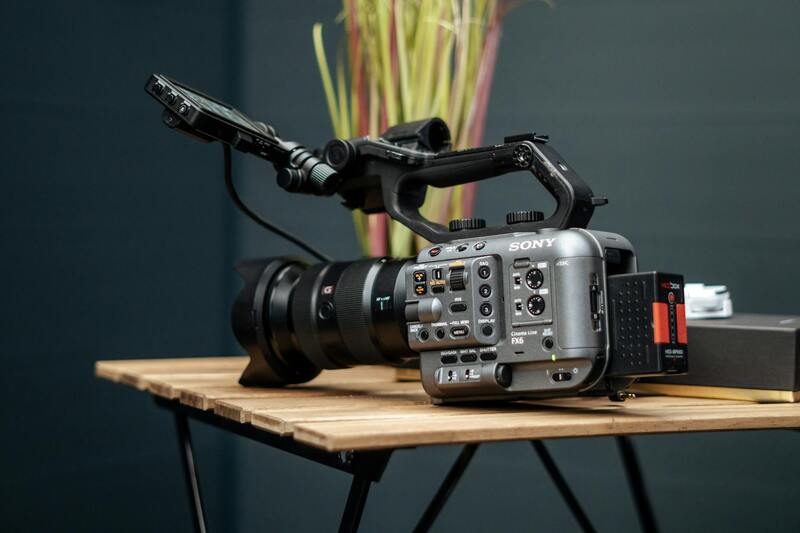
Achieving stunning high-definition imagery for real estate requires a combination of advanced equipment, proper techniques, and meticulous post-processing. The camera gear used typically includes full-frame DSLR or mirrorless cameras capable of capturing detailed images with minimal noise, even in challenging lighting conditions. Wide-angle lenses are fundamental in real estate photography, enabling the photographer to capture entire rooms and exterior facades in a single shot, thereby showcasing space more effectively.
Lighting plays a crucial role in producing sharp, vibrant images. Natural light should be maximized during shoots by scheduling sessions during daylight hours when sunlight can illuminate interior spaces evenly. Supplementary lighting, such as external flashes or studio strobes, are often used to fill shadows, highlight architectural features, and ensure balanced exposure across complex scenes. Proper use of reflectors and diffusers further enhances the lighting quality, preventing overexposure or underexposure issues.
Post-processing is equally important in producing polished, high-detail images. Professional editing involves adjusting exposure levels, color correction, and sharpness enhancement to accurately represent the property. Techniques such as HDR (High Dynamic Range) merging are often employed, combining multiple exposures to reveal details in both shadowed and bright areas of the scene. Virtual staging and minor retouching can also be incorporated to make interior spaces look inviting and clutter-free, without misrepresenting the property's true condition.
Choosing appropriate file formats and resolutions is essential for online and print use. High-resolution files ensure that images remain clear when viewed on large screens or printed, while optimized JPEGs or other compressed formats enable quick website load times without sacrificing visual quality. Proper image compression maintains the fine details that make an HD image stand out, ensuring that potential buyers can appreciate the property’s nuances without delay or distortion.

Ultimately, mastering these technical aspects results in images that attract attention, build trust, and convert online viewers into prospective buyers, reinforcing the importance of professional execution in high-definition real estate photography.
Technical Aspects of HD Real Estate Photography
Producing high-definition real estate images requires a precise blend of advanced equipment, strategic lighting, and meticulous post-processing techniques. The selection of camera gear is fundamental; professional-grade DSLR or mirrorless cameras with high-resolution sensors form the backbone of HD real estate photography. These cameras should be paired with wide-angle lenses to capture expansive views of interior and exterior spaces, enabling viewers to gain a comprehensive perspective of the property in a single shot. High-quality lenses with low distortion are preferable to ensure straight lines and true-to-life representations of architectural features.
Lighting plays a pivotal role in achieving the desired image clarity and color accuracy. Natural light is ideal; therefore, shooting during peak daylight hours can illuminate interior spaces and highlight architectural details. Supplemental lighting, such as softboxes, diffusers, and reflectors, helps to eliminate harsh shadows and evenly distribute light throughout the space, ensuring consistent brightness and color balance. Proper lighting not only enhances visual appeal but also reveals intricate textures and design elements within the property.
Post-processing is crucial in refining raw images into professional-grade photographs. Techniques such as high dynamic range (HDR) merging combine multiple exposures to capture details in both shadowed and brightly lit areas. Color correction ensures that the images accurately reflect the true appearance of the property’s materials, paint colors, and decor. Sharpening tools emphasize fine details, making textures and features more prominent. Carefully executed cropping and straightening preserve the composition’s integrity and focus the viewer’s attention on the property's key aspects.
Choosing the correct file formats and resolutions is essential for various display mediums. High-resolution images preserve the fine details necessary for immersive viewing, especially when showcasing exterior landscapes or intricate interior features. For online use, optimized JPEGs or WebP formats balance visual quality with faster load times, ensuring seamless browsing for potential buyers. Additionally, maintaining consistent aspect ratios and color profiles across images builds a cohesive visual experience that aligns with branding and marketing strategies.
By integrating advanced camera technology with strategic lighting and expert post-processing, real estate professionals can produce HD images that truly capture the depth and character of each property. These high-quality visuals significantly impact viewer engagement and perception, making them an indispensable tool in today’s competitive real estate market.
Technical Aspects of HD Real Estate Photography
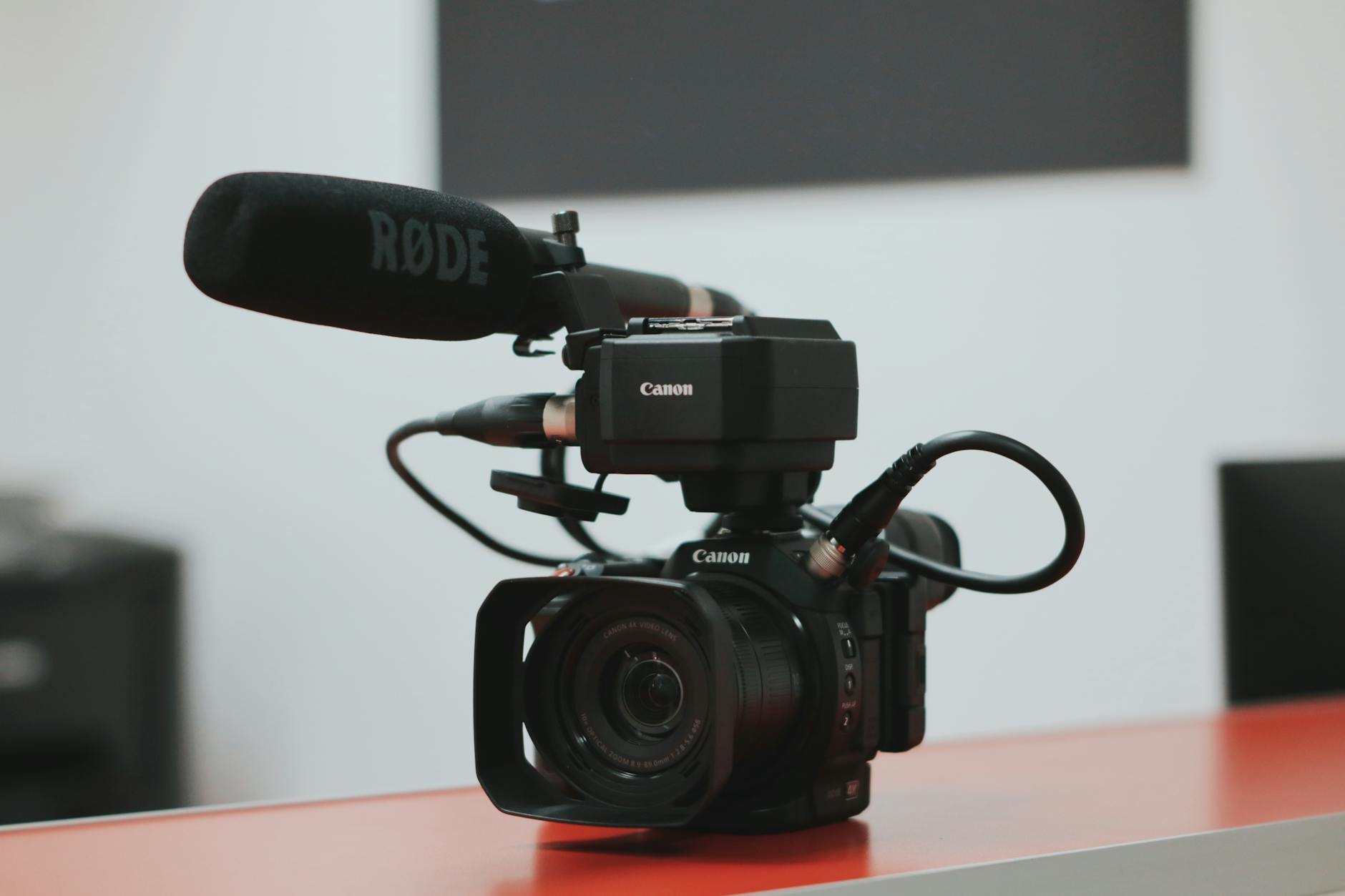
Achieving superior clarity and detail in real estate images necessitates a comprehensive understanding of the technical components involved in high-definition photography. Cloud-based platforms and advanced camera equipment are fundamental to capturing the intricacies of a property’s interior and exterior. Modern DSLR and mirrorless cameras equipped with large sensors provide the dynamic range required to represent both shadowed and brightly lit areas without loss of detail. This ensures that even in challenging lighting conditions, the images retain their vibrancy and depth.
One key element is the use of high dynamic range (HDR) imaging. This technique involves capturing multiple exposures at different brightness levels and merging them into a single image. The result is a well-balanced photograph that portrays the full spectrum of light within a scene, revealing textures and details in dark corners as well as bright highlights, ultimately bringing a realistic portrayal of the property.
Color correction and white balance adjustments are equally critical. These processes ensure that colors are true to life, which is especially important for marketing materials where accurate representations influence buyer perceptions. Color profiles, such as sRGB or Adobe RGB, should be consistent across all images to maintain visual coherence.
Focus accuracy and sharpness are achieved through meticulous lens selection and precise focusing techniques. Utilizing wide-angle lenses allows for capturing expansive interior spaces within a single frame, providing potential buyers with an immersive experience. To enhance texture and fine details, post-processing sharpening tools are applied cautiously, preserving natural appearances while accentuating key features.
Post-processing workflows integrate several steps: noise reduction in low-light scenarios, perspective corrections to straighten tilting lines, and cropping to emphasize focal points. These adjustments refine the overall aesthetic and ensure the images presented are both professional and engaging.

Choosing appropriate file formats and resolutions is essential, especially considering different display platforms. For online listings, optimized JPEG or WebP files balance high visual quality with quick loading times, ensuring a seamless browsing experience for potential buyers. For print materials, higher resolution TIFF or PNG formats provide the necessary detail without compression artifacts. Consistency in aspect ratios and color profiles across all images reinforces branding and ensures a cohesive presentation.
By leveraging these technical strategies, real estate professionals can produce HD images that not only showcase a property’s features accurately but also enhance its appeal. The fusion of advanced camera technology, precise lighting, and expert post-processing crafts visuals that stand out in a competitive market, capturing the attention of prospective buyers and elevating marketing efforts to new heights.
Technical Aspects of HD Real Estate Photography
Achieving high-definition (HD) real estate images requires meticulous attention to technical parameters that influence the overall quality of the photographs. The choice of camera equipment plays a pivotal role; professional-grade DSLR or mirrorless cameras equipped with full-frame sensors are frequently employed due to their superior resolution and dynamic range. These cameras capture fine details with clarity, making the images suitable for various marketing platforms and print formats.
Lens selection is equally crucial. Wide-angle lenses, typically ranging from 10 to 24mm for full-frame cameras, enable photographers to encompass larger spaces within a single frame, thus illustrating the scope and grandeur of a property. Proper lens calibration and the use of tilt-shift lenses can mitigate distortion, ensuring straight lines and accurate proportions, which are vital for both interior and exterior shots.
Lighting setup is one of the defining factors distinguishing HD real estate photography. Natural light is preferred; however, in environments with limited daylight, professional lighting equipment such as strobes, softboxes, and reflectors are utilized to evenly illuminate spaces. Proper lighting not only enhances visual appeal but also ensures the true colors and textures of surfaces are vividly represented. Employing HDR (High Dynamic Range) techniques allows photographers to capture scenes with contrasting light levels, balancing shadows and highlights to produce well-exposed images.
Optimizing camera settings is essential. Shooting in RAW format preserves maximum image data, facilitating extensive post-processing without loss of quality. Adjustments in aperture (typically between f/8 and f/11) ensure sufficient depth of field, highlighting both foreground and background details sharply. A stable tripod is indispensable for avoiding camera shake, especially in low-light conditions or when using longer exposure times. Additionally, remote triggers or timer functions allow for precise shooting without introducing motion blur.
Post-processing workflows are integral to realizing the full potential of HD real estate images. Advanced editing software enables enhancements such as noise reduction in dimly lit areas, perspective correction to straighten lines, and color grading to produce vibrant yet natural hues. High-resolution files are then optimized for their intended display platform—JPEG or WebP formats for online listings, and TIFF or PNG for printed materials—ensuring high quality and quick loading times. Consistency across images in aspects like aspect ratio and color profile reinforces a professional and cohesive presentation of the property.
Through a combination of appropriate camera technology, precise lighting, and expert editing, real estate professionals in Miami can produce images that not only showcase property features with high fidelity but also appeal to a broad audience. These high-quality visuals serve as a powerful tool in attracting prospective buyers, elevating marketing campaigns, and standing out within a competitive real estate landscape.
Overview of HD Real Estate Photography
High-definition (HD) real estate photography has become an essential component in modern property marketing. Utilizing advanced camera equipment, professional photographers capture images with exceptional clarity, vibrant colors, and sharp details that reflect the true essence of a property. This level of precision allows potential buyers to experience the space visually as if they are physically present, fostering a stronger emotional connection. In practice, HD images accentuate architectural features, interior design details, and the surrounding landscape, creating a compelling narrative that draws viewers into the property. As a result, HD real estate photography serves not just as a visual tool but as a strategic asset that enhances the overall appeal of property listings, making them more noticeable and memorable in a competitive real estate market.

Benefits of Using HD Quality Images in Real Estate Listings
Employing HD images in real estate listings offers a multitude of advantages that directly impact marketing effectiveness. Firstly, high-resolution visuals provide clear and detailed representations of the property, reducing ambiguities and setting accurate expectations for prospective buyers. This transparency fosters trust and encourages more inquiries and visits. Secondly, HD images stand out in online platforms where visual competition is fierce; crisp, vibrant photos attract attention and generate higher click-through rates. Furthermore, these images facilitate virtual viewing experiences, making remote viewing more immersive and engaging. They also aid in branding efforts by positioning agents and agencies as professional and detail-oriented, encouraging clients to choose their services over competitors. Additionally, clear images help in faster decision-making by presenting properties in their best light, potentially leading to quicker sales cycles.
Technical Aspects of HD Real Estate Photography
Achieving HD quality in real estate photography involves meticulous attention to technical details. High-resolution cameras with large sensors are preferred, as they capture more detail and provide higher image clarity. Proper lens selection is crucial; wide-angle lenses are commonly used to encompass more of a space within a single shot, emphasizing room proportions without distortion. Consistent lighting, whether natural or supplementary, ensures balanced exposure and highlights the property's best features. During shooting, a stable tripod prevents camera shake and enhances sharpness, especially in low-light conditions or when using longer exposures. Additionally, shooting in RAW format preserves maximum image data, allowing for extensive post-processing adjustments. Post-production editing is vital: it involves sharpening images, correcting perspective distortions, adjusting color balances, and minimizing noise or imperfections, all of which contribute to the high quality expected of HD real estate photography.
Best Practices for Shooting Real Estate in Miami
Miami's unique architectural styles and vibrant environments necessitate tailored approaches to real estate photography. When preparing a property for shooting, decluttering and staging the interiors ensures that the focus remains on the home's features. Adequate lighting is essential; utilizing natural light during the day combined with supplemental lighting can help eliminate shadows and highlight space dimensions. Shooting at optimal times, such as during the golden hour, can enhance exterior shots with soft, warm light. For interiors, wide-angle lenses are invaluable for capturing entire rooms, but avoid excessive distortion by maintaining proper camera angles. Staging outdoor spaces, including landscaping and pool areas, can boost curb appeal. During the shoot, multiple exposures might be combined to achieve balanced lighting in scenes with high contrast. Post-processing is used to correct perspective issues and enhance visual appeal, ensuring images are consistent and professional. Ultimately, understanding local architectural nuances and environmental lighting conditions helps maximize the visual impact of each property.
The Role of Professional Photography Agencies in Miami
Collaborating with seasoned photography agencies in Miami offers numerous advantages for real estate professionals. These agencies employ highly trained photographers equipped with cutting-edge camera technology and lighting tools to produce superior HD images. Their expertise extends beyond technical execution to understanding local market trends and architectural styles, ensuring each property is showcased in the most compelling way. Agencies also handle the entire workflow seamlessly, from pre-shoot preparations to post-production edits, delivering ready-to-upload images within tight timeframes. This partnership allows real estate agents to focus on client engagement and sales strategies while delegating the visual marketing component to specialists. Consistency in image quality across multiple listings, professional styling insight, and adherence to branding standards further amplify the effectiveness of visual content. In Miami’s competitive market, professional photography agencies serve as strategic partners, elevating a property’s presentation and increasing its visibility across digital channels, which ultimately expedites the sales process.
Technical Aspects of HD Real Estate Photography
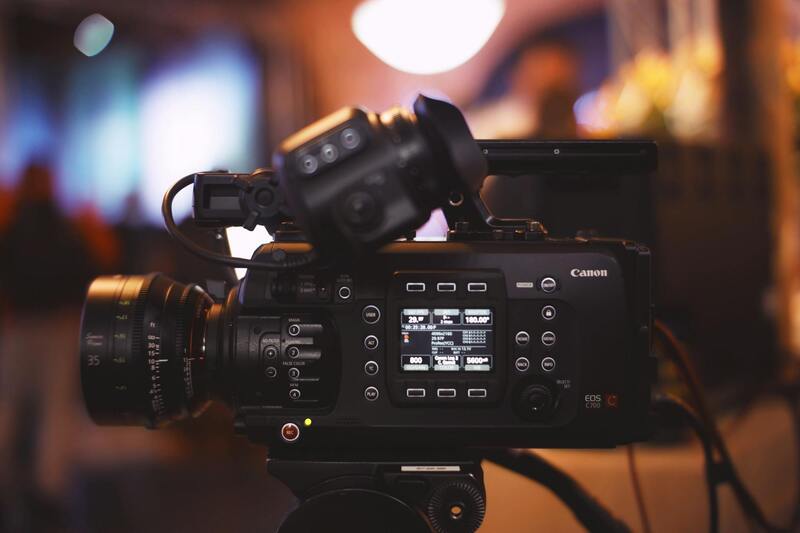
Achieving high-quality real estate images requires an understanding of the core technical elements that influence image clarity, color accuracy, and overall visual impact. The choice of camera equipment plays a pivotal role, with professional-grade DSLRs or mirrorless cameras being the preferred tools due to their superior sensor sizes and ability to capture fine details. High-resolution sensors ensure that images maintain sharpness even when enlarged or displayed on large screens, which is essential for online listings and promotional materials.
Lens selection is equally critical. Wide-angle lenses are commonly used to encompass more of a room within a single frame, creating an inviting sense of space. However, they should be used carefully to avoid distortion that can misrepresent the property’s proportions. Proper lens positioning helps in capturing the architecture without introducing unnatural perspective effects.
Lighting conditions significantly influence the final outcome of property images. Natural lighting is generally preferred because it produces vibrant, authentic colors and highlights the property's best features. However, in cases where natural light is insufficient, professional artificial lighting setups are employed. These include softboxes, diffusers, and flash units that evenly illuminate the space without creating harsh shadows or overexposed areas.
Post-processing plays a vital role in elevating raw images to professional standards. Techniques such as perspective correction ensure that vertical lines remain straight and true, preventing the room from appearing distorted. Color correction and brightness adjustments help to reflect the real appearance of the property, appealing to prospective buyers without exaggeration. Final retouching can also remove minor distractions, like blemishes or clutter, creating a clean and inviting presentation.
Digital HDR (High Dynamic Range) imaging is often utilized in HD real estate photography to balance exposures within a shot. This technique merges multiple images captured at different exposure levels, resulting in a well-lit interior with visible details in both shadows and highlights. HDR imaging ensures that details are preserved across different lighting conditions, making images more realistic and appealing.

Finally, understanding metadata management—such as image resolution, color profiles, and file formats—is essential for optimized online display and marketing efficiency. High-resolution images with appropriate color profiles ensure consistency across various digital channels and printing formats, facilitating a seamless viewing experience for potential buyers.
Impact of HD Real Estate Photography on Marketing Strategies
High-definition real estate photography significantly enhances the effectiveness of marketing strategies by providing visually compelling content that resonates with potential buyers. In a competitive market like Miami, where visual appeal can determine whether a property catches the eye, investing in professional HD images ensures listings stand out across various platforms.
Employers and agents leverage HD photos to craft comprehensive marketing campaigns that include online listings, social media promotions, and digital advertisements. Crisp, clear images attract more clicks and generate higher engagement rates, ultimately leading to increased inquiries and viewings. By showcasing properties with life-like clarity, real estate professionals can accurately convey the property's true character, which fosters trust and encourages prospective buyers to schedule visits.
Furthermore, HD real estate photography supports targeted marketing efforts. Detailed images allow for precise highlighting of key features, such as spacious interiors, modern fixtures, or scenic views, aligning potential buyers’ preferences with property attributes. This tailored approach can expedite decision-making processes, reducing the overall time a property spends on the market.
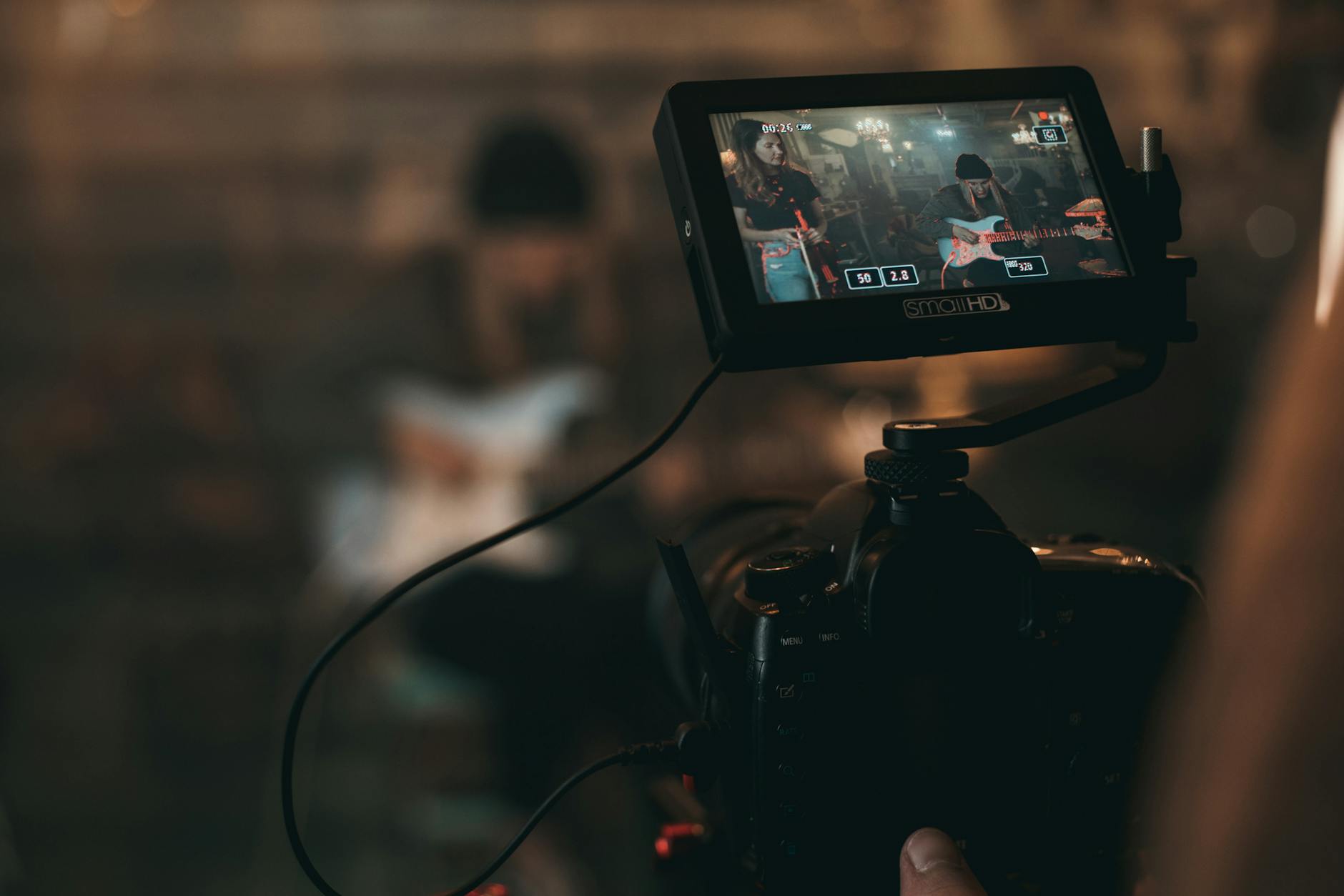
In addition, high-quality visuals facilitate a cohesive brand presence for real estate agencies. Consistent, professional imagery enhances credibility and reinforces the agency's reputation for excellence. When paired with detailed property descriptions, HD images create a comprehensive narrative that appeals visually and informationally, making listings more memorable and persuasive.
Ultimately, integrating HD real estate photography into marketing strategies maximizes outreach efficiency and conversion rates. This approach not only attracts more prospective buyers but also elevates the perceived value of the properties, resulting in quicker sales at favorable prices. As Miami’s real estate industry continues to evolve, embracing high-definition imaging remains a vital component of a successful marketing blueprint.