Understanding the Importance of Great Real Estate Photos
In today’s competitive real estate market, the quality of property photographs can significantly influence how quickly a property sells or leases. High-quality real estate photos serve as the first impression for potential buyers or tenants, providing a visual gateway into the property’s features and atmosphere. When photographs accurately capture the property's best aspects, they generate greater interest and engagement online, leading to increased foot traffic and inquiries.
Effective real estate marketing hinges on visual appeal. Well-composed, clear, and professionally taken images help highlight key selling points such as spacious living areas, modern finishes, and outdoor amenities. This visual storytelling fosters an emotional connection, making prospective buyers more inclined to arrange for a viewing.
Moreover, great real estate photos reinforce credibility and build trust with clients. They reflect the service quality of the real estate agency or individual agent, positioning them as dependable professionals in the industry. In contrast, low-quality images can diminish a listing’s perceived value and deter serious buyers from considering a property.
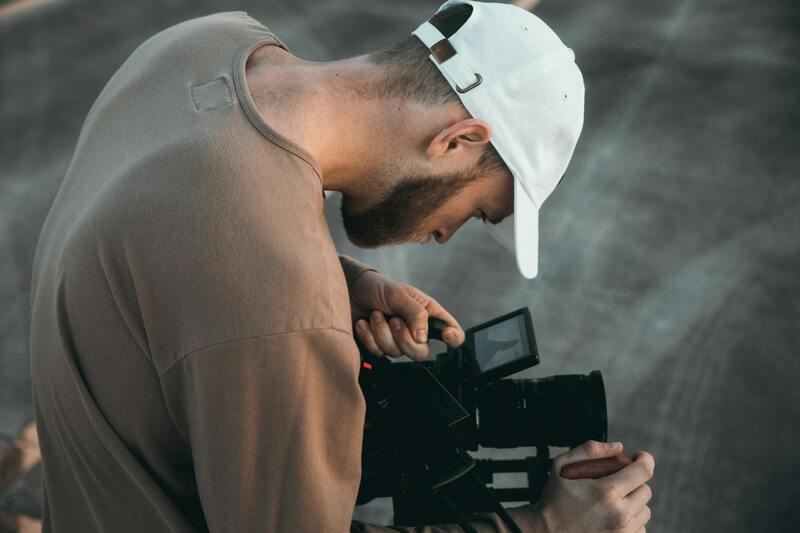
Research consistently shows that properties with high-quality photos sell faster and often at better prices than those with subpar images. This correlation underscores the importance of investing in proper photography techniques and equipment. Additionally, as online property listings have become the primary source of property discovery, compelling visuals are essential to stand out amid a multitude of competing listings.
Beyond initial attraction, quality real estate photos also improve overall marketing effectiveness. They support various digital platforms, including websites, social media, and online real estate marketplaces. Visually appealing images can be repurposed across marketing channels, amplifying reach and influence.
In essence, great real estate photos are an indispensable element of a comprehensive marketing strategy. They bridge the gap between a property and its potential buyers or tenants, ensuring that listings generate maximum interest and provide an accurate, engaging representation of the property’s true value.
Essential Equipment for Real Estate Photography
Achieving high-quality real estate photos hinges on the right equipment, which ensures sharp images, accurate color representation, and optimal lighting. The foundation begins with a professional-grade DSLR or mirrorless camera capable of capturing high-resolution images. These cameras provide the necessary versatility and image quality essential for showcasing properties with clarity and detail.
Pairing the camera with a wide-angle lens—typically between 14mm and 24mm—allows photographers to capture expansive interior spaces in a single shot, making rooms appear larger and more inviting. A sturdy tripod is equally crucial, providing stability for long exposures necessary in low-light conditions, thereby avoiding blurriness and ensuring crisp images.
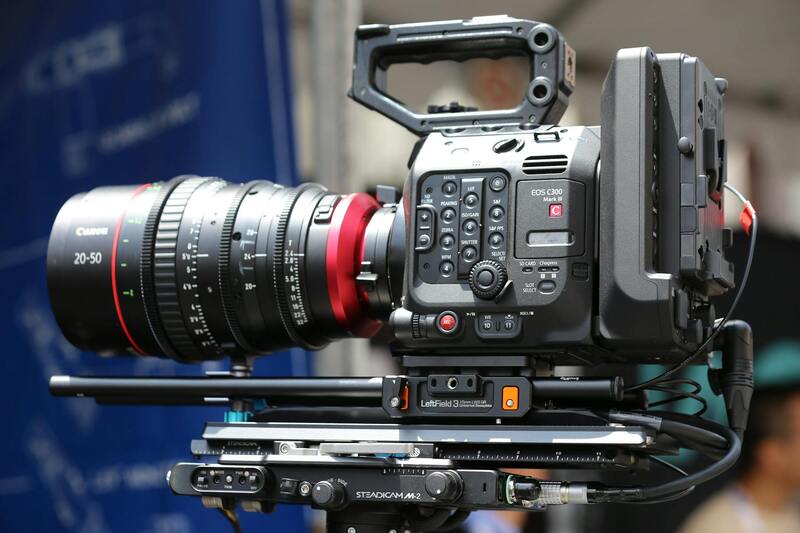
Additionally, good lighting equipment, such as external flashes or portable continuous lights, helps illuminate dark corners and enhance brightness uniformly throughout the space. Reflectors can also be useful to bounce natural light into shadowed areas, creating a well-balanced and appealing image.
For exterior shots, drones equipped with high-resolution cameras enable aerial imagery that provides prospective buyers with a comprehensive view of the property and its surrounding landscape. Furthermore, investing in a remote shutter release or timer minimizes camera shake during longer exposures, elevating the overall quality of the photos.
Proper post-processing software like Adobe Lightroom or Photoshop allows for meticulous editing—correcting color balance, straightening lines, and removing imperfections—to produce polished, professional images that accurately reflect the property.
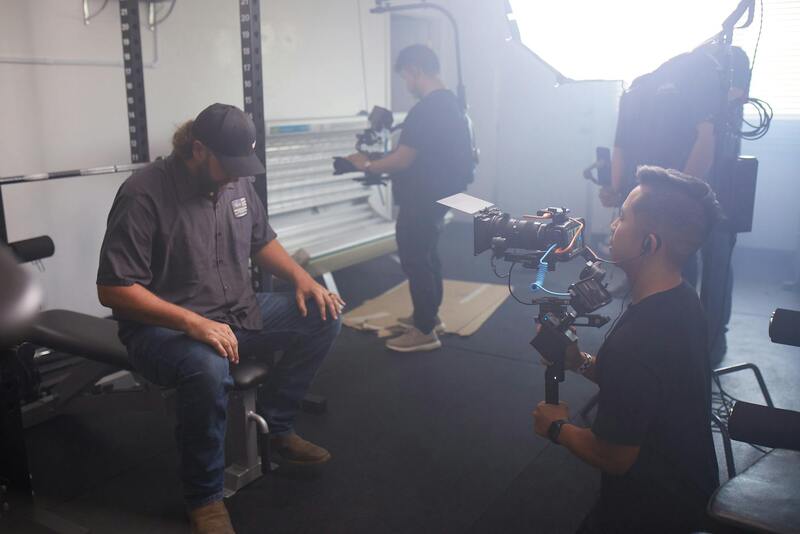
Having and correctly utilizing this equipment translates into visually compelling images that draw in potential viewers and enhance overall marketing efforts. Consistent use of professional gear and techniques ensures your property listings stand out in the competitive real estate landscape.
Mastering the Use of Tripods and Remote Triggers for Precision
Utilizing tripods in real estate photography is fundamental to achieving sharp, distortion-free images. A stable platform ensures the camera remains steady during long exposure shots, especially in low-light conditions or when capturing interior details. This stability reduces camera shake and results in clearer, more professional images that accurately depict the property's features.
Additionally, remote shutter releases or wireless triggers are invaluable in minimizing vibrations that can occur when pressing the shutter button manually. By utilizing these tools, photographers can maintain perfect alignment and focus, creating images with straight lines and undistorted perspectives—crucial for architectural clarity. This consistency not only enhances visual appeal but also builds trust with potential buyers who rely on authentic representations of a property.
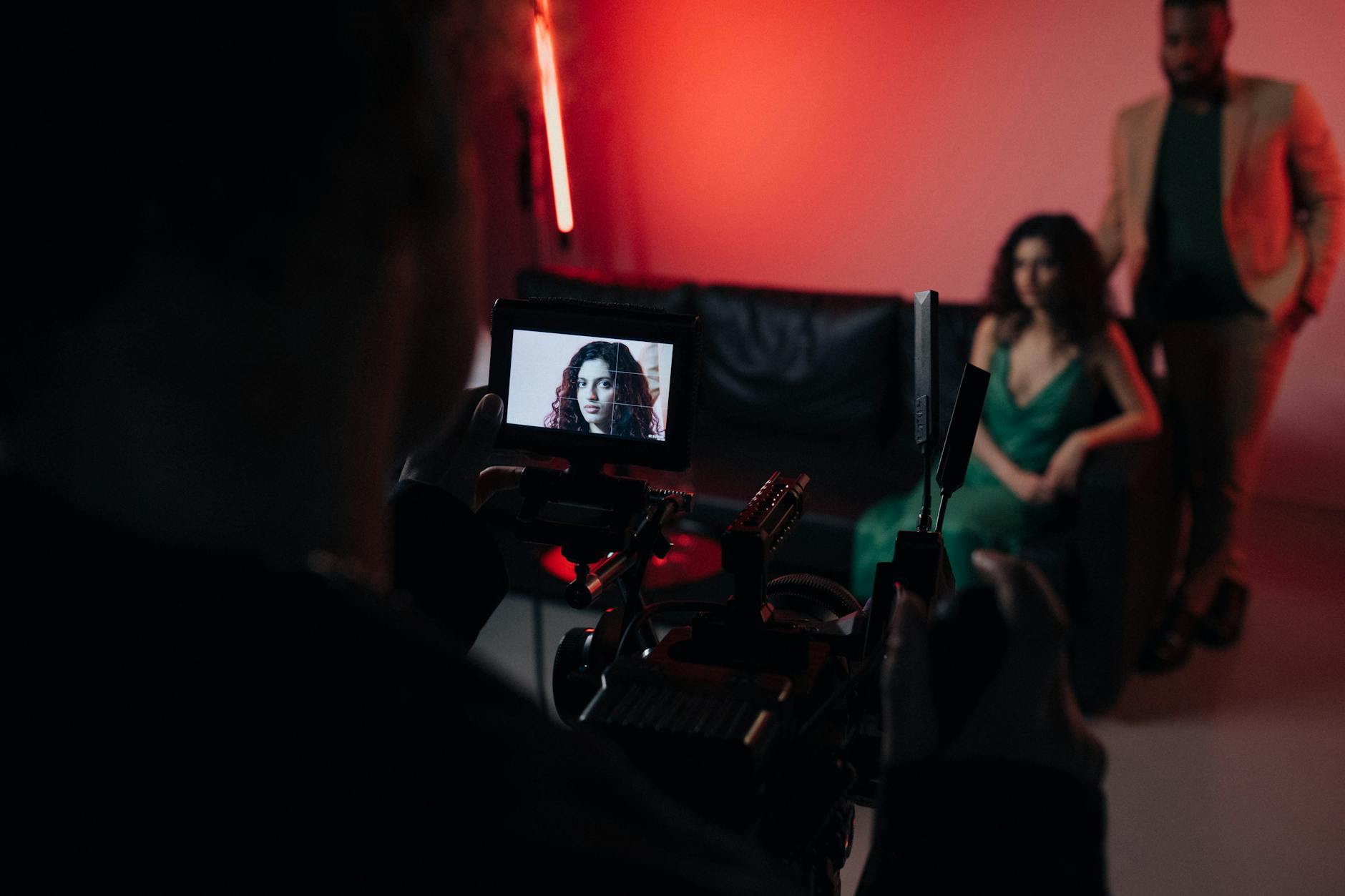
Practice with various tripods, including adjustable models that suit different heights and terrains, guarantees optimal setup for a variety of spaces. Coupled with camera settings such as low ISO and aperture adjustments, these tools allow for the capture of high-quality photos that highlight the property's best features without unwanted noise or distortion.
Harnessing HDR Photography for Enhanced Real Estate Images
High Dynamic Range (HDR) imaging is an essential technique in real estate photography, especially when dealing with challenging lighting scenes. By capturing multiple images at different exposures and merging them seamlessly in post-processing, photographers can showcase the full spectrum of light in a space. This approach balances interior brightness with exterior views, ensuring windows and shadows are not oversaturated or underexposed.
Proper use of HDR minimizes the need for extensive editing and provides a natural, well-exposed view of each room. It allows prospective buyers to get an accurate sense of space, lighting, and ambiance, which is critical in making informed purchasing decisions.
It's essential to shoot HDR images with a tripod and use a consistent exposure bracketing sequence. Many cameras and smartphones now include built-in HDR modes, but manual control often yields superior results. Properly processed HDR images should look natural and not overly processed, maintaining realism while enhancing visual appeal.
Utilizing Light Meters and Color Calibration for Accurate Color Reproduction
Accurate color representation significantly influences how potential buyers perceive a property. Using a light meter to measure ambient light conditions helps determine the ideal camera settings for optimal exposure. This step guarantees that interior and exterior colors are captured faithfully, supporting credibility and transparency in listings.
Employing color calibration tools, like gray cards and calibrated monitors, ensures consistent color profiles across images. This consistency is vital when creating a cohesive visual presentation of the property, especially when multiple images are compiled into virtual tours or slideshow formats.
Meticulous attention to color fidelity confirms that the furniture, paint colors, landscaping, and other key features appear as true to life as possible. This level of detail fosters trust and credibility, encouraging viewers to envision themselves living in the space.
Understanding the Importance of Great Real Estate Photos
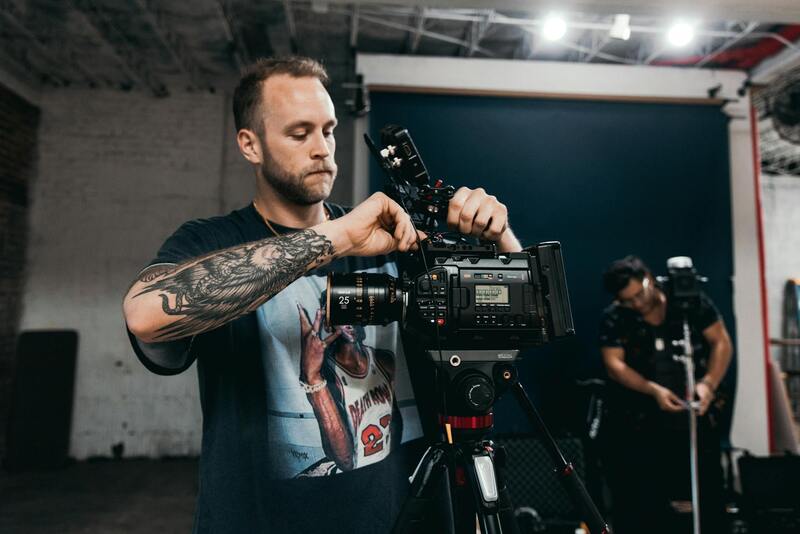
High-quality images are fundamental for attracting potential buyers and successfully marketing a property. Exceptional real estate photos not only showcase the property's best features but also provide an accurate representation that builds trust and credibility. When images are well-executed, they create an emotional connection with viewers, encouraging them to envision themselves living in the space. Visual appeal plays a crucial role in standing out amidst numerous listings, making it essential to prioritize professional photography standards. Additionally, great photos can significantly reduce the time a property spends on the market by generating increased interest and inquiries. Clear, vibrant, and well-composed visuals serve as the cornerstone of a compelling online listing, elevating the property's perceived value and ensuring it captures the attention of serious buyers in a competitive real estate environment.
Preparing a Property for Photo Shoot
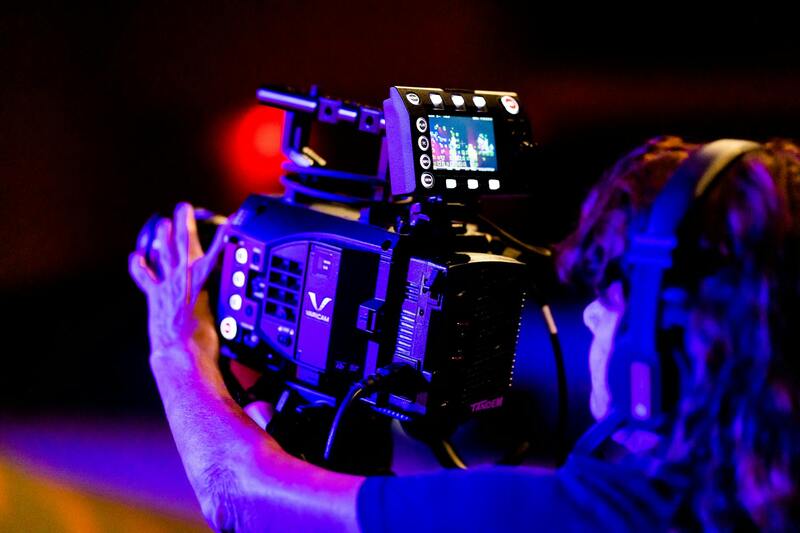
Preparation plays a vital role in achieving outstanding property images. Decluttering and tidying each space creates a clean and inviting atmosphere, allowing viewers to focus on the property's features without distraction. It’s advisable to remove personal items such as family photos or excessive decor to help potential buyers envision themselves in the space. Enhancing curb appeal is equally important; this involves trimming landscaping, cleaning windows, and ensuring the exterior is well-maintained, as the outdoor ambiance often sets the first impression.
Lighting the scene appropriately, opening curtains or blinds to let in natural light, and adjusting window coverings to maximize brightness are crucial steps. During the shoot, interior lights should be turned on to complement daylight, especially in rooms with limited windows. Consider arranging furniture to create a sense of flow and to highlight architectural elements. The goal is to present the property in its best light, emphasizing spaciousness, functionality, and unique features that distinguish it from competitors.
Essential Equipment for Real Estate Photography
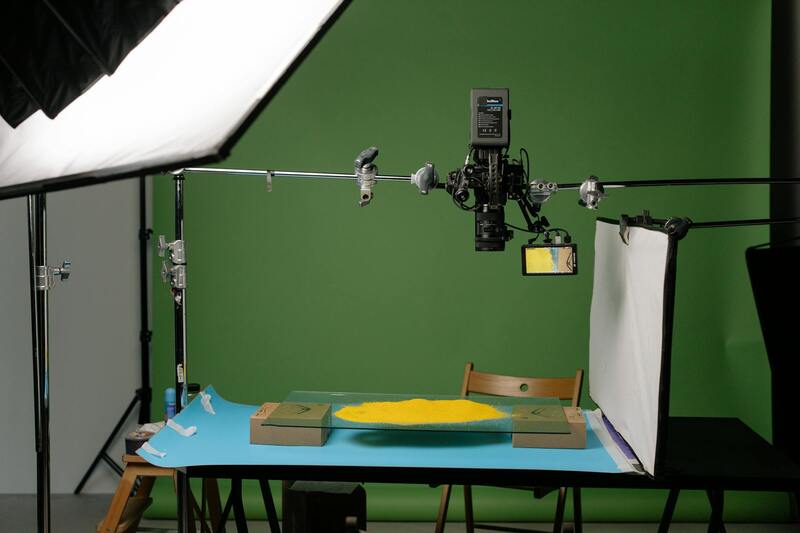
Achieving professional-grade images requires the right equipment, including a high-resolution camera capable of capturing detailed shots. A wide-angle lens is indispensable, as it allows for expansive views of interior spaces, making rooms appear larger and more inviting. A sturdy tripod ensures stability, especially during longer exposure shots or HDR captures, reducing camera shake and resulting in sharp images. Proper lighting tools, such as external flash units or continuous lighting, help illuminate dark areas without creating harsh shadows.
Additional equipment like remote shutters or intervalometers can prevent camera shake during long exposures, while wide-angle or tilt-shift lenses may be beneficial for correcting distortion and achieving precise framing. For outdoor shots, drone photography can add an impressive aerial perspective, showcasing the property's exterior and landscaping from above. Investing in high-quality equipment ensures that images are crisp, correctly exposed, and true to life, ultimately elevating the overall quality of the listing.

Leveraging Post-Processing and Editing to Enhance Real Estate Photos
After capturing high-quality images of a property, post-processing and editing become vital steps in ensuring the photos effectively engage potential buyers. Proper editing not only refines the visual appeal but also corrects any flaws or inconsistencies that might have occurred during the shoot. The goal is to produce images that are vibrant, balanced, and true to the property's actual appearance, all while maintaining a professional and trustworthy presentation.
Color Correction and Exposure Adjustment
One of the primary aspects of post-processing involves color correction and exposure adjustment. Minor tweaks to brightness, contrast, and saturation can make photos more inviting without overstating the property's features. Correcting color balance ensures that walls, floors, and furnishings appear lifelike, avoiding overly warm or cool tones that could misrepresent the space. Fine-tuning exposure helps highlight well-lit areas and prevents darker regions from losing detail, providing a balanced overall aesthetic.
Enhancement of Details and Clarity
Enhancing details and sharpness in post-production ensures that the textures, fixtures, and architectural elements stand out. High-resolution images allow for increased clarity, which is essential for showcasing fine craftsmanship or intricate design details. Using tools like clarity sliders or sharpening filters can add depth to an image, making interiors appear crisp and enticing. However, moderation is key to prevent images from looking unnatural.
Correcting Distortions and Perspective
Wide-angle lenses are common in real estate photography, but they can introduce distortions that make straight lines, such as walls and door frames, appear skewed. Post-processing software provides correction tools to adjust these distortions and straighten lines, ensuring architectural features look accurate. Additionally, perspective correction tools can help to align images vertically and horizontally, making the space appear more authentic and balanced.
Removing Distractions and Imperfections
Distractions such as clutter, reflections, or small imperfections can interfere with the visual impact of a property photo. Advanced editing techniques include removing unwanted objects, cleaning up surfaces, or smoothing out minor imperfections like scratches or stains. These edits should aim to present a realistic but polished version of the property, persuading prospective buyers to envision themselves living there.
Consistency and Branding in Photo Editing
Maintaining consistency across all images enhances the professionalism of real estate listings. Establishing a standard workflow—including specific color grading, exposure settings, and style preferences—helps create a cohesive visual narrative. Consistent editing reinforces brand recognition and provides a seamless experience for viewers navigating multiple property listings.
Using Software Tools Effectively
Popular post-processing software options such as Adobe Lightroom, Photoshop, or Capture One offer extensive features tailored for real estate photography. Learning and mastering specific tools within these programs ensures efficient editing workflows and optimal outcomes. Some professionals also utilize preset filters or actions to streamline repetitive tasks, maintaining uniformity across listings.
Optimizing Photos for Online Platforms and Listing Websites
Once high-quality images of a property have been captured and meticulously edited, the next crucial step involves optimizing these photos for various online platforms. Effective optimization ensures that images load quickly, display correctly across devices, and attract potential buyers or renters. A strategic approach to image optimization enhances user experience and improves the property's visibility in search results.
Key factors include selecting the appropriate file formats and compression settings. JPEG is widely favored for its balance of quality and file size, making it ideal for real estate images. Using lossless compression tools can reduce file size without compromising visual integrity, resulting in faster page loads. Additionally, maintaining consistent aspect ratios and image dimensions across listings ensures a cohesive presentation.
Metadata management also plays an essential role in image optimization. Adding descriptive alt text with relevant keywords improves accessibility and SEO. Proper naming conventions for image files, such as including property location or distinctive features, further bolster search engine rankings and make the images easier to organize internally.

Another vital aspect is implementing mobile-friendly image display. As a significant portion of real estate searches originate from smartphones and tablets, ensuring that images render sharply and load quickly on various screen sizes is critical. Employing responsive image techniques, like HTML's srcset attribute, enables different image sizes to serve depending on the device, optimizing load times and visual quality.
Furthermore, integrating images with virtual tour links or 3D walkthroughs can increase user engagement. High-resolution visuals combined with interactive elements provide prospective buyers with a comprehensive view of the property, which can lead to higher inquiry rates and quicker sales conversions.
Lastly, consistent updates to image galleries with fresh, high-quality photos can help keep a property listing active and appealing. Outdated or poorly showcased images may diminish interest, whereas regularly refreshed photos demonstrate ongoing maintenance and freshness, enticing viewers to explore further.
Overall, applying meticulous optimization techniques not only maximizes the visual impact but also strategically enhances the property's online presence, making it stand out in a competitive market.
Professional Composition and Framing Techniques
Achieving captivating real estate photos hinges on mastery of composition and framing. Employing the rule of thirds can significantly enhance visual interest by positioning key architectural features off-center, creating a balanced yet dynamic image. Proper alignment of vertical lines ensures buildings appear straight and true to life, avoiding the distortion that can arise from unintended camera tilt. Additionally, thoughtful framing involves decluttering the scene by removing extraneous objects and distracting elements, focusing viewers’ attention solely on the property’s best features.
Utilizing foreground elements, such as a lush landscape or a welcoming pathway, can add depth and perspective, inviting viewers into the scene. Incorporating multiple perspectives—overhead shots for expansive views, close-ups of architectural details, and interior angles—provides comprehensive insight into the property’s character. These techniques not only elevate the aesthetic appeal of images but also reinforce the property's desirability in a fiercely competitive market.
Optimal Use of Camera Settings
Adjusting camera settings appropriately is crucial for capturing vibrant, sharp images. A narrow aperture (high f-stop number) ensures greater depth of field, keeping both foreground and background in focus. A lower ISO setting reduces grain and noise, resulting in cleaner images, especially in well-lit conditions. Conversely, a slow shutter speed can be advantageous in low-light scenarios, utilizing tripods to prevent motion blur.
Understanding and controlling white balance is equally important, as it guarantees color accuracy under different lighting conditions—whether natural daylight or artificial interior lighting. Mastering these technical aspects allows photographers to produce images that authentically represent the property’s true colors and textures, ultimately enticing prospective buyers.
Creating a Cohesive Photo Set
A comprehensive collection of images ensures potential buyers gain a genuine understanding of the property’s layout and flow. Start with exterior shots during optimal lighting conditions—preferably early morning or late afternoon—to capture warm, inviting tones. Follow with interior photos highlighting expansive living areas, bedrooms, kitchens, bathrooms, and unique selling points such as views or architectural details.
Ensure consistency in style, perspective, and lighting throughout the gallery. Using similar angles and focal lengths across images creates a harmonious visual experience, reinforcing the property’s appeal. Including adjacent features like outdoor living areas, gardens, or nearby amenities further contextualizes the property within its environment, helping viewers envision their future home more vividly.
Maintaining Image Quality with Proper Equipment
Utilizing high-quality lenses and cameras optimized for real estate photography is fundamental. Wide-angle lenses—typically between 14mm and 24mm—allow capturing more space, making rooms appear larger and more inviting. Tripods stabilize the camera and facilitate long exposures, which are especially useful in interior shots to maximize light intake without compromising sharpness.
Employing professional-grade cameras with high-resolution sensors ensures detailed images capable of showing intricate features of a property. Additionally, incorporating tripod mounts and remote triggers minimizes camera shake, further enhancing image clarity. The investment in proper equipment translates directly into more compelling visuals that attract discerning buyers and elevate the property’s online presence.
Legal and Ethical Considerations in Real Estate Photography
Securing adherence to legal and ethical standards is fundamental to maintaining professional integrity and fostering trust with clients and viewers alike. This encompasses obtaining necessary permissions, respecting privacy, and following established best practices in all photographic activities.
Proper Permissions and Approvals
Before conducting any shoot, it is essential to acquire explicit permission from the property owner or authorized representative. This written consent not only includes access rights but also clarifies the scope of the photography session, ensuring that both parties are aligned on expectations. For properties under management, coordination with property management teams can streamline the process and prevent misunderstandings. Securing permissions also extends to any third-party elements visible or present on the premises, such as displayed artwork, private outdoor spaces, or personal items that could infringe on privacy or proprietary rights.
Respecting Privacy and Confidentiality
Protecting the privacy of current occupants or tenants is paramount. During interior shoots, avoid capturing personal items, confidential documentation, or identification marks that could compromise individual privacy. Employ framing techniques that exclude such elements, and use editing tools to crop or blur sensitive areas if necessary. When photographing outdoor spaces, be mindful of neighboring properties or private areas that should remain confidential. Additionally, refraining from intrusive photography practices or unauthorized drone flights over private property aligns with ethical standards and fosters professionalism.
Compliance with Local Regulations
Different regions may have specific regulations governing aerial photography, drone usage, and the use of imaging technology. It is imperative to stay informed about local ordinances, airspace restrictions, and permit requirements. Operating drones, in particular, often involves adhering to altitude limits, no-fly zones, and privacy laws. Ensuring compliance mitigates potential legal disputes and demonstrates responsibility. Consulting with industry professionals or legal counsel about these standards can further safeguard the integrity of the photographic process.
Best Practices for Ethical Photography
- Always seek explicit consent before photographing or publishing images of individuals or private property.
- Prioritize truthful representation by accurately capturing the property's features and condition without exaggeration or digital enhancement that could mislead viewers.
- Maintain transparency with clients regarding the use and distribution of photos, including online listings, promotional materials, or social media platforms.
- Respect intellectual property rights by avoiding the use of copyrighted elements without permission or appropriate licensing.
- Implement secure storage and transfer protocols for digital files to protect client confidentiality and proprietary information.
Continual Education and Professional Development
Ethical standards are dynamic and may evolve with technological advances and industry shifts. Engaging in ongoing education through workshops, seminars, or industry associations ensures staying refreshed on best practices. Connecting with experienced professionals allows for mentorship opportunities, which can provide valuable insights into balancing creative vision with legal obligations.