
Importance of High-Quality Real Estate Photos
In Miami’s highly competitive real estate market, the visual presentation of a property can significantly influence its desirability and sales potential. Stunning, professionally captured photographs serve as the first impression for prospective buyers browsing online listings. They not only enhance the perceived value of the property but also increase the likelihood of attracting serious inquiries. High-quality images can create an emotional connection, highlight the unique features of the property, and convey a sense of lifestyle that resonates with prospective buyers. As the digital marketplace continues to expand, the importance of visually compelling, clear, and accurate photographs becomes crucial for any real estate agent or property owner aiming to stand out in the crowded Miami market.
Effective real estate photos do more than merely showcase a space—they tell a story and evoke a sense of possibility. When well-executed, these images can reduce time on the market, minimize the need for additional viewings, and foster trust by presenting transparency about the property’s condition and features. In Miami’s vibrant environment, where waterfront properties, luxury homes, and city apartments compete for attention, professional imagery is often the differentiating factor that influences purchasing decisions. Property listings that feature vibrant, compelling photos have a distinct advantage, capturing the interest of viewers and encouraging them to explore the property further.
Furthermore, attention to detail in real estate photography can highlight the best attributes of a property—be it a panoramic ocean view, an innovative interior design, or a spacious backyard—helping potential buyers visualize themselves living there. As technology advances, the expectations for high-quality visual content continue to rise, making it indispensable to utilize professional methods to achieve optimal results. The strategy of investing in top-tier real estate photography aligns with a broader marketing approach that prioritizes quality, appeal, and authenticity, ultimately translating into faster sales and higher transaction values.
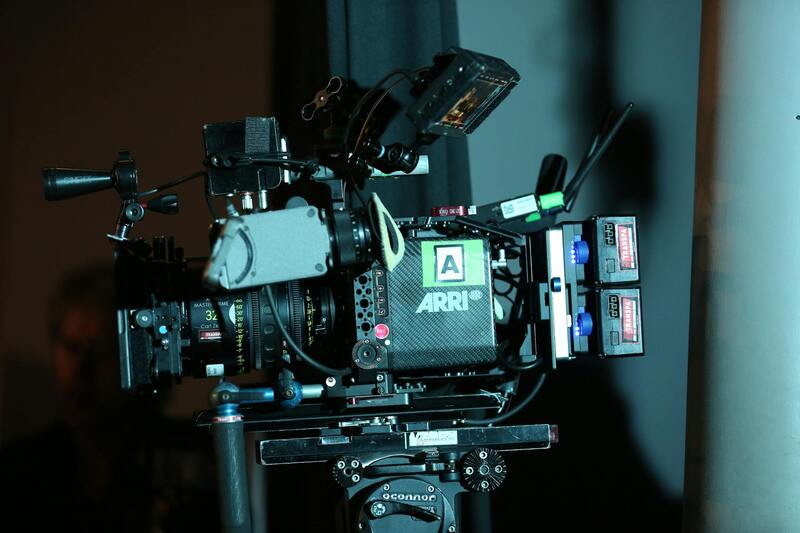
Preparation for Photoshoots
Achieving excellent real estate photos begins well before the camera starts clicking. Proper preparation ensures that each shot accurately captures the property’s best features and creates an inviting atmosphere for potential buyers. This process includes meticulous staging, thorough cleaning, and strategic tidying of the space to eliminate clutter and distractions. It’s important to depersonalize the environment, removing personal belongings and unnecessary accessories to help prospective buyers envision themselves in the space.
Scheduling the shoot at optimal times of day can significantly impact photo quality. Utilizing natural light during morning or late afternoon when sunlight is softer can enhance the warmth and appeal of the interior. Ensuring all light fixtures are functional and turned on during the shoot also contributes to bright, welcoming images.
Additionally, inspecting the property for any repairs or maintenance issues before the shoot can prevent unflattering images. Replacing worn-out fixtures, fixing minor damages, and ensuring windows and doors are clean and functional are essential steps. Creating a comprehensive shot list allows photographers to focus on capturing each room’s key attributes systematically, minimizing the need for reshoots and streamlining the process.
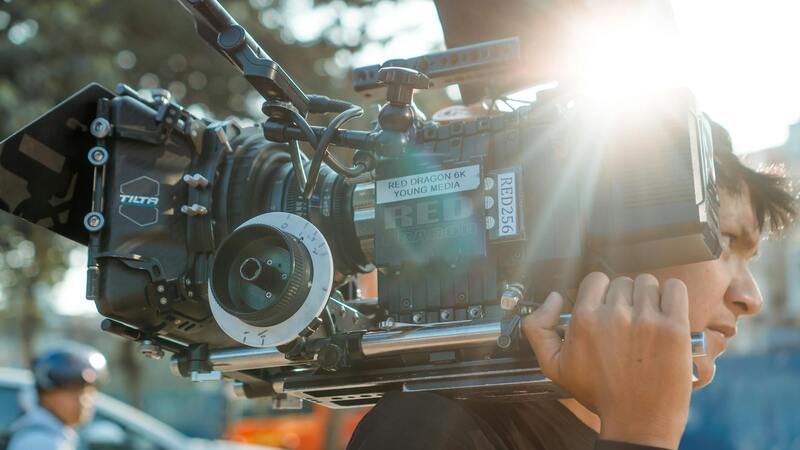
Photographic Techniques for Better Real Estate Photos
Employing specific photographic techniques elevates the quality of real estate images, making listings stand out in a competitive market. Wide-angle lenses are fundamental tools, allowing photographers to encompass more of a room’s space, making smaller rooms appear larger and more inviting. Correct focal length and aperture settings ensure sharpness across the entire image while controlling depth of field.
Balancing natural and artificial lighting is crucial. HDR (High Dynamic Range) photography combines multiple exposures to capture details in both bright and dark areas, resulting in well-exposed images that faithfully represent the property. Proper use of tripod stabilization prevents camera shake, ensuring crisp details and vertical lines in images of structural elements.
Angles matter greatly in real estate photography. Shooting from a corner perspective offers a sense of depth and spatial awareness, while eye-level shots maintain a natural viewpoint. Highlighting key features such as fireplaces, expansive windows, or unique architectural details can greatly enhance the visual storytelling.
Post-processing is the finishing touch that refines images further. Adjusting brightness, contrast, and color balance helps achieve a vibrant, true-to-life appearance, while removing minor imperfections ensures a polished presentation.
Legal and Ethical Considerations
When capturing high-quality real estate photos, adhering to proper practices ensures the integrity and professionalism of your shots. Respect for privacy involves obtaining consent from residents before photographing interior spaces, particularly in occupied properties. This not only safeguards personal privacy but also upholds standards of ethical conduct in real estate marketing.
Honest depiction of the property is paramount. Photographers should avoid excessive editing or digital enhancements that could misrepresent the actual state of the property. Accurate lighting, color, and perspective ensure prospective buyers receive a truthful visual representation, fostering trust and transparency.
Maintaining consistency across images is also vital, especially when showcasing multiple units or properties. Uniform color grading, angles, and lighting help create a cohesive and professional listing that accurately reflects the property's features.
Furthermore, respecting intellectual property rights involves using licensed or original images only. Unauthorized use of copyrighted materials, such as proprietary furniture or artwork, can lead to legal complications and damage credibility.

By following these guidelines, photographers and agents can preserve the trust of clients and prospective buyers, ultimately enhancing the reputation of the property and the agency involved. Clear communication about what the images depict, coupled with honest representation, builds a solid foundation for successful property transactions.
Legal and Ethical Considerations
In the realm of real estate photography, adhering to legal and ethical standards ensures the integrity of listings and fosters trust with clients. While capturing images of properties, photographers and agents must respect the rights of all involved parties, which includes verifying permission to photograph certain areas and avoiding intrusive or inappropriate images. It is equally important to accurately depict the property without altering or omitting features that could influence buyer perceptions.
Using images that genuinely represent the space eliminates the risk of misinterpretation and potential disputes. Proper attribution and licensing of copyrighted materials—such as artwork, furniture, or decorative items visible in the photos—are essential to prevent intellectual property issues. If a property contains leased or restricted items, these should be clearly identified or, when necessary, omitted from images to maintain transparency and avoid misleading prospective buyers.
Additionally, privacy considerations are paramount. Before photographing interior spaces in occupied properties, obtaining explicit consent from residents is crucial. This respects their privacy and aligns with industry best practices. Excluding personal items or sensitive areas from photo compositions preserves confidentiality and presents the property in its best light without compromising personal privacy.
Compliance with these guidelines demonstrates professionalism and a commitment to transparent communication. This approach not only bolsters customer confidence but also helps avoid potential legal challenges, ensuring a smooth transaction process. Maintaining high ethical standards in real estate photography ultimately supports long-term success and a reputable market presence.
Preparation for Photoshoots
Effective real estate photography begins long before the camera is even raised. Proper preparation ensures that each shot captures the property’s best features and presents it in an appealing, accurate manner. First, a thorough decluttering of every space is essential. Removing personal items, unnecessary furniture, and clutter-free surfaces help to create a clean, inviting environment that allows prospective buyers to envision themselves living there. Freshly cleaned and well-maintained interiors, including shiny floors, pristine windows, and polished fixtures, significantly enhance visual appeal.
Lighting is a critical component. Since natural light highlights the true colors and dimensions of a space, scheduling shoots during daylight hours when sunlight floods into rooms is ideal. Opening curtains and blinds beforehand maximizes light flow, reducing the need for extensive post-processing. In areas with limited natural light, consider supplementing with professional lighting equipment to eliminate shadows and ensure even illumination, preventing darker corners that might diminish the quality of the images.
Staging plays a vital role in making architectural features stand out and creating an inviting atmosphere. The arrangement of furniture should highlight the room’s size and functionality without obstructing pathways or key focal points. Thoughtful accessorizing with neutral decor, fresh flowers, and simple artwork can add warmth without cluttering the space.
Photographic Techniques for Better Real Estate Photos
Employing advanced photographic techniques can dramatically improve the quality and impact of property images. Wide-angle lenses are fundamental, enabling photographers to capture broad perspectives and showcase entire rooms in a single shot. This perspective enhances spatial understanding and emphasizes the spaciousness of a property. However, it’s important to avoid distortion by adjusting focal lengths and shooting angles carefully.
Effective composition involves framing shots to emphasize architectural features and maintain visual balance. Utilizing the rule of thirds can draw attention to key elements in the scene. Shooting at eye level ensures a natural and relatable perspective, providing a realistic view that resonates with online viewers.
Utilizing HDR (High Dynamic Range) photography allows the capture of both shadowed and brightly lit areas within the same frame. This technique is especially useful in spaces with contrasting lighting conditions, such as front facades with bright exteriors and shaded interiors. Bracketing multiple exposures and merging them in post-processing results in well-exposed images that accurately depict the property's appearance.
Post-production editing also plays a crucial role. Adjustments to brightness, contrast, and color balance should enhance the photograph without misrepresenting the space. Minor retouching to remove distracting elements or imperfections can improve overall presentation but should never alter the genuine appearance of the property.
Legal and Ethical Considerations in Real Estate Photography
Ensuring that real estate photos accurately and ethically represent a property is crucial for maintaining transparency and trust between sellers, agents, and potential buyers. While the focus is often on capturing visually appealing images, it’s equally important to adhere to standards that prevent misleading representations. Honest photography practices reinforce the integrity of the listing and facilitate more informed decision-making for prospective buyers.
Photographers should avoid engaging in any form of image manipulation that could distort the true appearance of the property. This includes alterations to architectural features, the addition or removal of elements, and enhancements that could significantly change the property's look. Subtle edits that correct lighting issues, remove temporary obstructions, or fix minor imperfections are acceptable, provided they do not deceive viewers about the actual condition or layout of the property.
One essential aspect involves the accurate depiction of all spaces included in the listing, such as rooms, outdoor areas, and special features. Displaying rooms in a way that reflects their true size and layout helps set realistic expectations, which is key for fostering genuine interest. Overstating a room's dimensions or the extent of outdoor spaces can lead to disappointment and loss of credibility.
It is also important to respect privacy and legal boundaries when photographing a property. This means avoiding the inclusion of personal belongings or private spaces not meant for public viewing, and obtaining proper permissions when necessary. Additionally, photographers should be aware of local rules regarding drone photography or other specialized methods to ensure that all activity remains compliant with regulations.
Transparency in Shooting Conditions
Disclosing details about the conditions under which photos were taken can further enhance credibility. For example, noting when photographs were captured—such as during specific times of day or under particular lighting conditions—provides context that helps manage viewer expectations. This transparency can be particularly valuable when considering the influence of natural light or weather on the photos' appearance.
Impact on Market Perception
Ethically produced images contribute to a positive market perception of the property and the listing agent. Consistent, honest visuals reinforce professionalism and commitment to quality. A gallery of images that truthfully showcase the property's features encourages serious inquiries and cements trustworthiness in a competitive market.
Role of Professional Real Estate Photographers
Engaging seasoned photographers for real estate images significantly elevates the presentation of property listings. Experienced professionals possess the technical skills and artistic insight required to capture the essence of each space, highlighting its best features with precision and clarity. Their expertise includes optimal lighting techniques, the use of advanced camera equipment, and an understanding of ideal angles that make rooms appear more spacious and inviting. By leveraging these skills, professional photographers can produce images that not only attract potential buyers but also instill confidence in the quality of the listing.
Furthermore, skilled photographers are adept at post-processing practices that enhance visual appeal while maintaining authenticity. They know how to adjust brightness, contrast, and color balance to ensure that images are vibrant and true to life without exaggeration. This balance is crucial for building trust with viewers, encouraging serious inquiries and reducing the rate of mismatched expectations upon property visits. Hiring professional photographers often results in a cohesive and polished image gallery that sets listings apart in a saturated market.
Trends and Innovations in Real Estate Photography
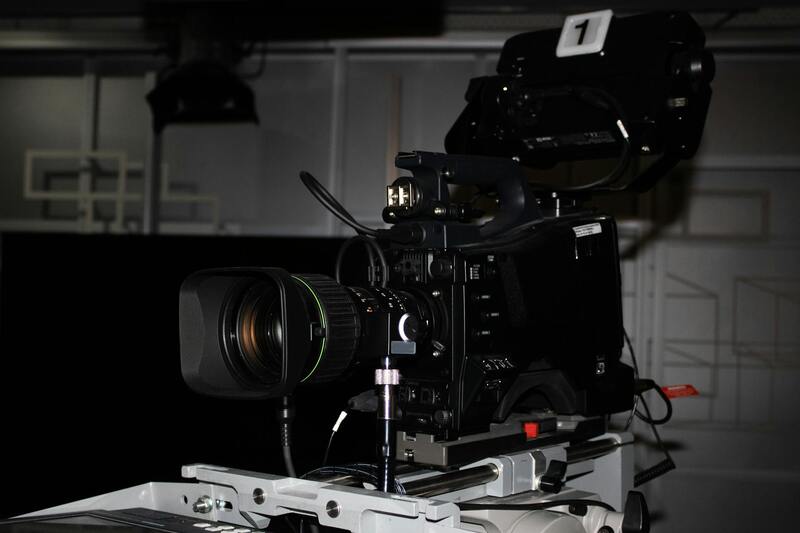
Staying current with emerging technologies and creative techniques is essential for maximizing the impact of property imagery. Recent advancements include the integration of drone photography, providing sweeping aerial views that highlight a property’s surroundings and layout in a compelling way. Dynamic 3D virtual tours and high-resolution panoramic images enable potential buyers to explore the space remotely, offering a comprehensive perspective that static photos cannot provide.
Lighting innovations, such as HDR (High Dynamic Range) photography, combine multiple exposures to achieve well-lit images that reveal details in both shadows and highlights, regardless of natural lighting constraints. Additionally, the use of wide-angle lenses helps to create a sense of spaciousness within rooms, a critical factor in attracting interest.
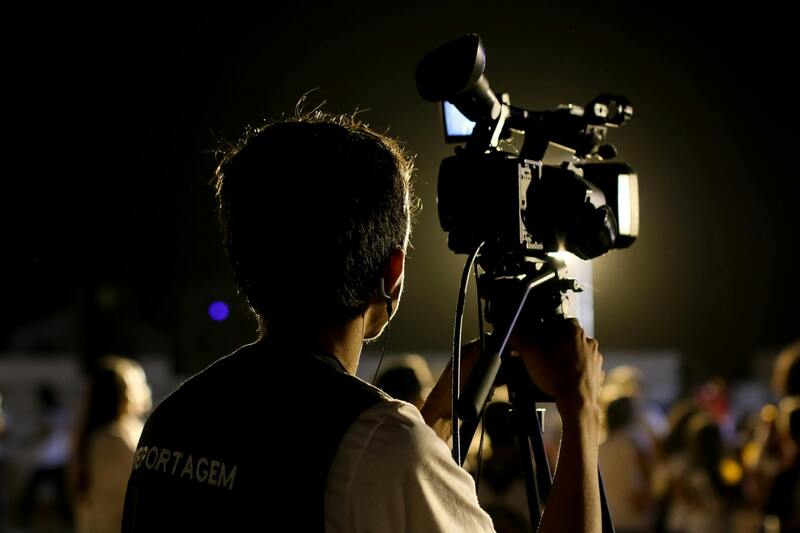
As the market evolves, staying informed about these innovations allows real estate professionals and photographers to utilize the most effective tools, ensuring that property images remain competitive and compelling across all digital platforms.
Role of Professional Real Estate Photographers
Engaging the services of a professional real estate photographer can significantly elevate the visual appeal of property listings. These experts possess an in-depth understanding of lighting, composition, and camera equipment, enabling them to produce images that accurately and attractively showcase a property’s best features. Their experience ensures that each shot captures the spatial dynamics, highlighting the unique architectural elements and interior design details that appeal most to prospective buyers.
Professional photographers also bring a strategic approach to staging and positioning, often suggesting minor adjustments or the optimal times of day for shooting to maximize natural light. This meticulous attention to detail results in photographs that are not only aesthetically pleasing but also informative, providing viewers with a comprehensive and inviting view of the property. With high-resolution equipment and advanced editing capabilities, these photographers can enhance images post-shoot to correct any imperfections, balance lighting, and ensure color accuracy, all while maintaining a natural look.
Tools and Techniques Used by Professional Photographers
- HDR Photography: Combines multiple exposures to produce images with well-balanced lighting that reveal details in shadows and highlights.
- Wide-Angle Lenses: Allow for capturing more expansive views of interior spaces, emphasizing room size and layout.
- Staging Recommendations: Providing advice on furniture placement and decluttering to enhance visual appeal.
- Post-Processing: Utilizes advanced editing software to correct distortions, enhance color vibrancy, and ensure consistency across images.
- Use of Drones: For capturing aerial shots that showcase the property's exterior environment and layout from a broader perspective.
These targeted techniques contribute to creating a compelling narrative for each listing, making properties more enticing to potential buyers and increasing engagement across digital platforms.
Cost-Benefit of Using Skilled Photographers
While hiring a professional may involve upfront expenses, the benefits often outweigh the costs by leading to faster sales and often higher offers. High-quality images serve as a powerful marketing tool, attracting more online views, scheduled showings, and ultimately, confirmed sales. In highly competitive markets, the investment in professional photography can differentiate a listing from others with amateur visuals, significantly boosting the property's visibility.
Utilizing the expertise of seasoned real estate photographers ensures that every visual detail is optimized for online presentation, creating a professional and trustworthy impression that resonates with buyers and agents alike. With the right person behind the camera, properties are presented in their best light, fostering faster sales cycles and superior market placement.