
Understanding the Importance of Quality Real Estate Photos
In the highly competitive Miami real estate market, capturing attention quickly is crucial for successful property sales. High-quality real estate photography serves as the first impression for potential buyers browsing online listings. Well-composed, professional images can significantly increase listing visibility, attract more interested parties, and promote faster transactions. Moreover, striking visuals help properties stand out from the sea of other listings, emphasizing the property's best features and creating an emotional connection with viewers.
Real estate professionals and property owners recognize that in today’s digital age, visual content is king. Buyers often browse dozens of listings daily, and their decision-making process is heavily influenced by the quality of images they see. Poorly lit, blurry, or cluttered photographs can deter potential buyers and result in longer time on the market. Conversely, good real estate photography ensures that properties are presented in the most appealing way, highlighting architecture, interior design, and unique selling points.
Furthermore, professional photography helps establish credibility and trustworthiness. It reflects the quality of service provided by agents and the care invested in presenting properties. In Miami’s diverse and vibrant market, where buyers are often international and highly discerning, impressive visuals can bridge geographical gaps and convey the essence of a property globally.
To reap the benefits of high-grade imagery, it’s essential to understand that real estate photography is not just about capturing images but about telling a compelling story of the property. This storytelling through images can influence buyer perceptions and foster a quick, confident decision-making process. In essence, good real estate photos act as a digital handshake—inviting, professional, and persuasive—making them an indispensable part of any successful marketing strategy in Miami.
Choosing the Right Equipment and Settings
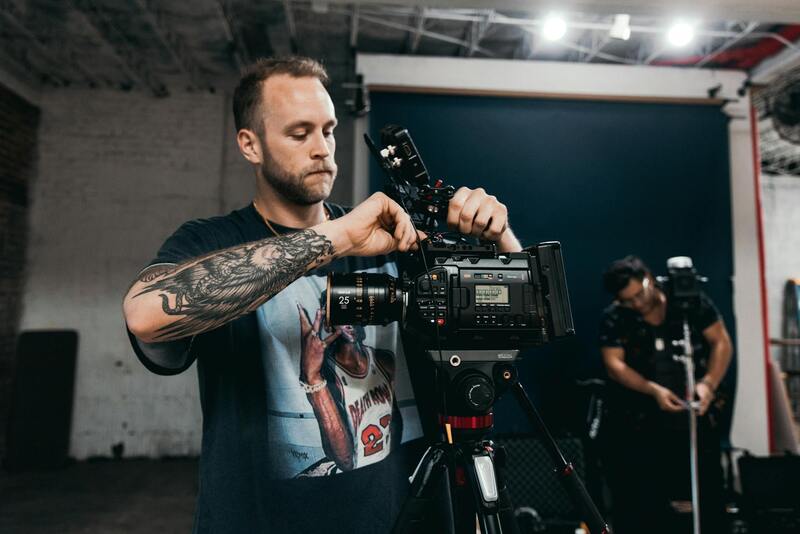
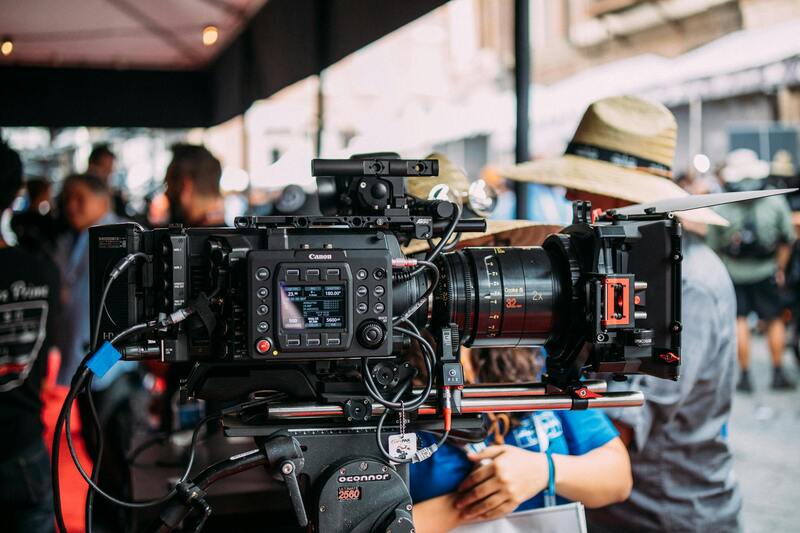
Selecting appropriate equipment is fundamental to capturing images that showcase a property’s best features. High-resolution digital cameras with large sensors are preferred, as they can capture greater detail and produce sharp, clear images. Alongside a reliable camera, using various lenses—particularly wide-angle lenses—can effectively encompass more of a room or exterior shot in a single frame, providing viewers with a comprehensive perspective of the space.
Tripods are essential for ensuring stability, especially in low-light conditions or when using slower shutter speeds to achieve optimal brightness without introducing blur. Additionally, utilizing remote shutter releases or camera timers can prevent camera shake during shot capture, further enhancing image clarity.
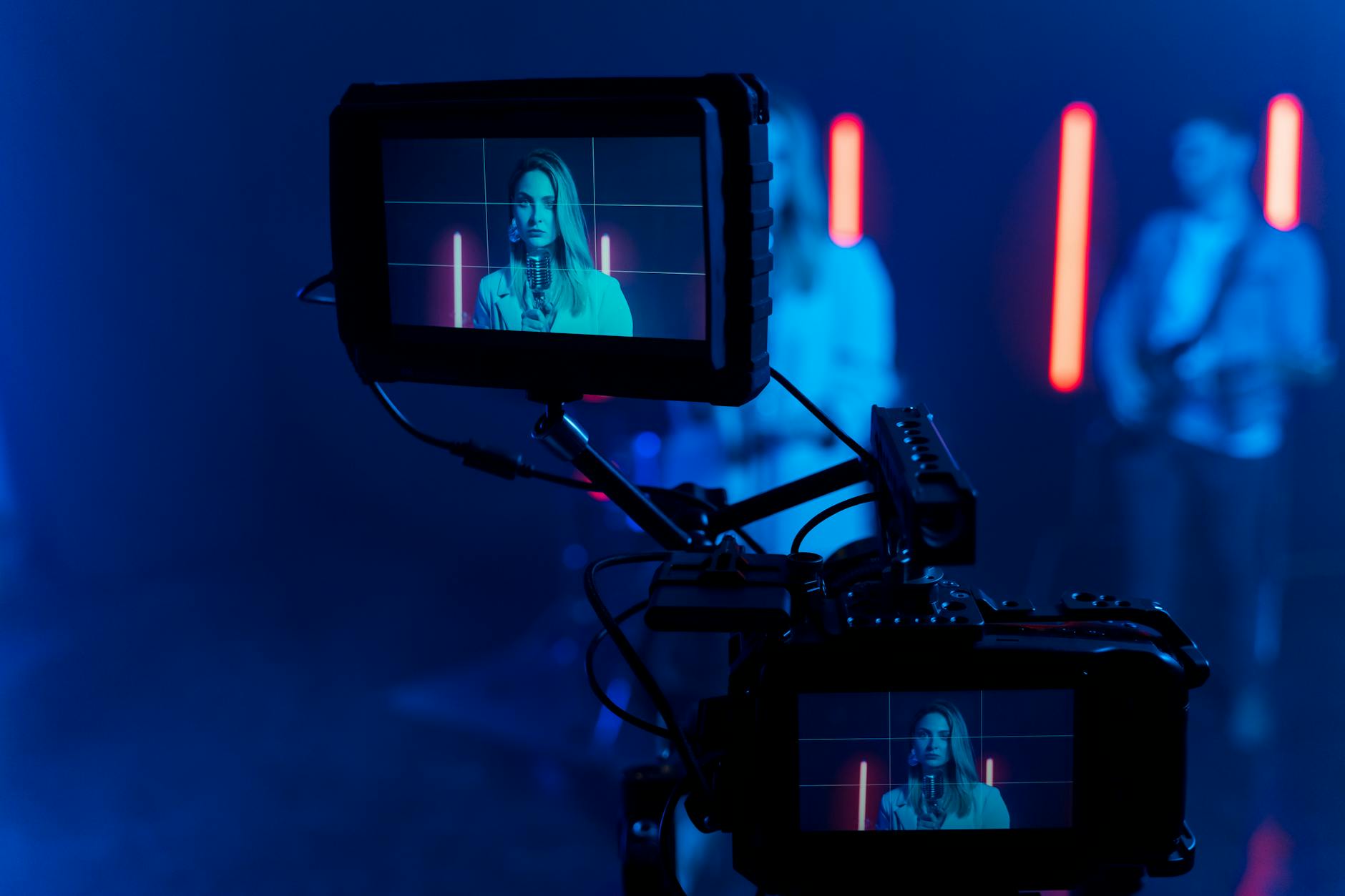
Understanding camera settings is equally important. Adjusting ISO sensitivity to low levels minimizes graininess, while aperture settings (preferably between f/8 and f/11) ensure greater depth of field, keeping the entire room in sharp focus. Managing shutter speed allows for the optimal balance of light entering the camera, which is critical in different lighting environments present within properties.
For exterior shots, especially during the golden hour—the period shortly after sunrise or before sunset—using the camera’s manual settings can highlight architectural details and landscape features with warm, appealing tones. Properly calibrated white balance ensures color accuracy, making interiors look inviting rather than washed out or overly yellow.
In addition to traditional camera equipment, some professionals incorporate drone photography for expansive exterior shots. Drones equipped with high-resolution cameras can capture unique aerial perspectives, offering potential buyers a sense of the property's surroundings and landscape features that ground-level images cannot provide.
Investing in proper equipment and mastering camera techniques significantly contributes to the overall quality of real estate photos. It allows agents and property owners to produce visually compelling images that accurately represent the property’s potential and appeal.
Choosing the Right Equipment and Settings
Achieving exemplary real estate photographs begins with selecting the appropriate equipment. Professional-grade cameras, such as digital single-lens reflex (DSLR) or mirrorless models, offer superior image quality and versatility. These cameras allow precise control over settings like ISO, aperture, and shutter speed, which are essential for capturing well-exposed images in varying lighting conditions typical of real estate interiors and exteriors.
Pairing these cameras with high-quality lenses is crucial. Wide-angle lenses, typically ranging from 10mm to 24mm, are favored in real estate photography as they encompass more of the room within a single frame, providing an expansive perception of living spaces. These lenses help in accentuating room dimensions without distorting proportions when used correctly. Additionally, tilt-shift lenses can be employed to correct perspective distortion when photographing exterior facades or interiors, ensuring straight vertical lines and a professional appearance.
Lighting gear also plays a significant role. Portable LED panels and flash units can be used to supplement natural light, especially in darker rooms or areas with uneven lighting. Proper lighting not only enhances the clarity of the photos but also highlights design features and the overall ambiance of the property.
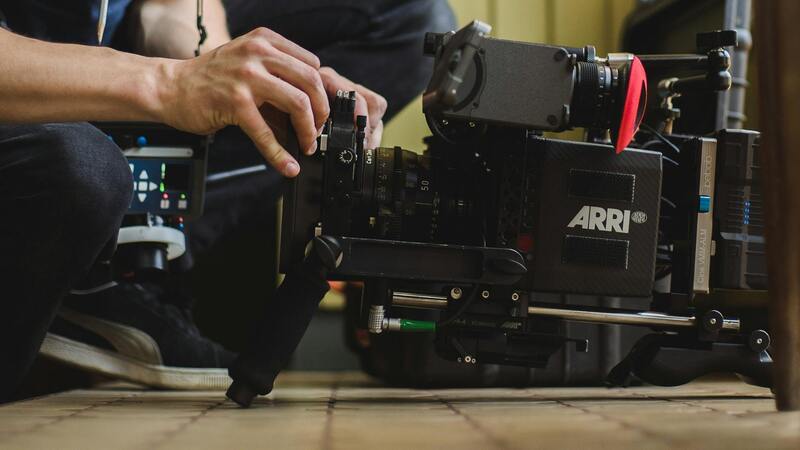
Optimal camera settings further refine image quality. A low ISO setting (around 100-200) reduces graininess, which is especially vital in interior shots with controlled lighting. Aperture selection between f/8 and f/11 ensures a greater depth of field so that both foreground and background elements remain in sharp focus. Adjusting shutter speed based on ambient light maintains proper exposure without introducing blur. In well-lit environments, faster shutter speeds prevent overexposure, while longer exposures can be used to maximize available light in darker settings.
Utilizing the camera's manual mode provides the flexibility to balance these settings dynamically, ensuring each shot accurately reflects the space’s aesthetic and spatial dimensions. For exterior shots, particularly during the golden hour, calibration of white balance becomes critical to capture the warmth and inviting atmosphere of the property, avoiding overly yellow or washed-out tones.
Furthermore, drone technology offers a compelling supplement to ground-level photography. High-resolution aerial imagery can dramatically showcase larger properties, landscaping, and environmental context, which ground photos might not fully capture. For drone operation, selecting models with stable gimbals and high-quality cameras ensures sharp, steady images that convey the layout and scale effectively.
Investing in the right equipment and mastering specific camera techniques elevate the visual representation of properties, making listings more appealing and helping to generate greater interest from potential buyers. High-caliber imagery not only captures attention but also communicates professionalism and attention to detail crucial in the competitive Miami real estate landscape.
Best Practices for Shooting Real Estate Photos
Achieving superior real estate images requires a strategic approach that emphasizes consistency, attention to detail, and technical precision. When setting up for a shoot, it is vital to establish a comprehensive plan to capture each space effectively, including considerations for lighting, composition, and perspective. Adhering to established best practices ensures that photos accurately represent the property’s strengths and unique features.
Optimal Lighting Techniques
Lighting is the cornerstone of good real estate photography. Utilizing natural light during the day minimizes reliance on artificial sources and preserves true color representation. Shooting during the golden hour or just after sunrise and before sunset often yields warm, inviting images. To maximize natural light, it's essential to open curtains and blinds fully before the shoot, allowing sunlight to illuminate each room evenly.
When natural light is insufficient, high-quality external flashes or continuous lighting setups can fill shadows subtly without creating harsh contrasts. It is equally important to avoid direct flash aimed at walls or ceiling surfaces, as this can produce undesirable reflections or uneven lighting. Instead, bouncing light or diffusing flash helps create a softer, more natural look.
Composition and Framing
Thoughtful composition enhances visual interest and guides viewers' eyes through the space. Use the rule of thirds to place key elements strategically within the frame, emphasizing focal points such as a fireplace, view, or architectural feature. Incorporate leading lines, such as hallways or countertops, to draw attention to the depth and size of rooms.
Maintain a consistent perspective across images to provide a coherent viewing experience. When possible, shooting from a slightly higher vantage point can prevent distortion and better showcase ceiling heights. Wide-angle lenses are indispensable tools for capturing entire rooms in a single frame, but they must be used carefully to avoid distortion that can mislead potential buyers about room dimensions.
Perspective and Angles
Choosing the right angles is crucial for presenting each space in its best light. Typically, shooting from corners of rooms provides a comprehensive view of the area, emphasizing spaciousness. Avoid shooting from the center of a room directly in front of a large window, which can result in extreme contrast and underexposure of interior details.
In exterior shots, capturing the property at eye level from multiple angles offers viewers a well-rounded understanding of the home's curb appeal. Drone photography can supplement ground-level shots, especially for showcasing expansive landscapes, waterfronts, or large properties.
Technical Settings and Camera Control
Using manual camera settings ensures control over exposure and focus, critical for maintaining consistency across images. Setting appropriate aperture values (usually between f/8 and f/11) provides a sharp depth of field, keeping both foreground and background in focus. ISO settings should be kept low (ISO 100-200) to minimize noise.
Shutter speed must be adjusted carefully: faster speeds (1/100s or higher) freeze motion and prevent blur in handheld shots, while slower speeds (up to 1/4s) can be used with a tripod to gather more light in darker environments. A tripod is indispensable for achieving sharp images during longer exposures, ensuring that every shot maintains clarity and professional quality.
Technical Aspects of Capturing High-Quality Real Estate Images
Achieving good real estate photography fundamentally relies on mastering the technical components of image capture. The choice of camera, lens, and settings can dramatically influence the final output. Professional-grade DSLRs or mirrorless cameras equipped with wide-angle lenses (typically 14-24mm) are preferred because they allow for capturing expansive spaces within limited interior dimensions. These lenses help minimize distortion, ensuring that rooms appear proportionate and inviting.
Consistent image quality is maintained through proper camera settings. Using manual mode provides control over exposure, aperture, ISO, and shutter speed, all of which must be balanced to produce images that are bright, clear, and true to life. An aperture of f/8 to f/11 generally offers sufficient depth of field to keep entire rooms in sharp focus, highlighting design details and spatial relationships.
ISO values should stay low—around 100-200—to reduce noise, especially in well-lit environments. When lighting conditions are poor, or interior spaces are darker, slow shutter speeds become necessary. In such cases, a tripod becomes essential to prevent camera shake, allowing for longer exposures without sacrificing sharpness. Utilizing remote triggers or timer functions minimizes vibrations caused by pressing the shutter button, further enhancing image crispness.
Optimizing Shooting Conditions and Techniques
Lighting plays a pivotal role in producing compelling real estate images. Whenever possible, shooting during the golden hour—shortly after sunrise or before sunset—adds warmth and softens shadows, making spaces appear inviting. Additionally, utilizing natural light by opening curtains and blinds helps illuminate rooms evenly.
Staging the property effectively before each shoot ensures that each space looks its best, with minimal clutter and appealing decor. Precise framing and camera angles emphasize the size and features of the property, often from the corners of rooms to maximize depth and perception of space. Straight vertical lines should be maintained to avoid distortion, especially when shooting interior corners or exterior facades.
Refining the Images: Post-Processing Techniques
Post-processing is the final step in transforming raw images into polished marketing assets. Adjustments to brightness, contrast, and color balance help achieve accurate depictions of the property’s appearance. Correcting lens distortions and vertical distortions, especially in wide-angle shots, ensures that architectural lines remain straight and true.
Enhancing images with subtle adjustments—such as sharpening to bring out details and noise reduction to improve clarity—can significantly impact visual quality. It's vital that editing maintains authenticity to accurately represent the property, avoiding overdoing effects that could mislead prospective buyers.
Implementing Best Practices for Consistency
To establish a professional and trustworthy presentation, all images must adhere to consistent standards in color temperature, exposure, and composition. Developing a standard workflow for shooting and editing helps maintain this uniformity across various listings. This consistency is crucial for building brand recognition and delivering a seamless experience to potential clients.
Understanding the Importance of Quality Real Estate Photos
High-quality real estate photography plays a critical role in attracting potential buyers and renters. When images are clear, well-lit, and professionally composed, they effectively showcase the property's best features and create a strong first impression. This emotional connection can significantly influence decision-making, encouraging viewers to arrange viewings or submit inquiries.
Quality images also enhance the perceived value of a property. In competitive markets like Miami, where listings often compete for attention, professionally captured photographs can make a property stand out among numerous options. They serve as a vital component of a comprehensive marketing strategy, often forming the backbone of online listings, social media campaigns, and virtual tours.
Furthermore, well-executed real estate photos reduce the chances of miscommunication regarding the property's features. Accurate and appealing images set realistic expectations, minimizing potential misunderstandings and fostering trust with prospective clients. The investment in good real estate photography ultimately translates into faster sales processes and better negotiations, benefiting both sellers and real estate professionals.
Establishing a Competitive Edge
In a vibrant real estate market such as Miami, where luxury properties and unique architecture abound, capturing the essence of each property requires skill and attention to detail. Good real estate photography emphasizes architectural details, interior design, and the overall ambiance, providing prospective buyers with a true sense of space and style. This approach not only draws more viewers but also positions the property as a desirable option, increasing the likelihood of quick and profitable sales.
Enhancing Online Presence and Credibility
Digital platforms are the primary channels for property marketing today. High-quality images improve search engine rankings and engagement rates, making listings more visible and attractive. Consistent, professional photography also enhances the overall credibility of the real estate brand, assuring clients that they are dealing with experienced and detail-oriented professionals. This trust can translate into long-term business growth and repeat clients in the competitive Miami real estate landscape.
Understanding the Importance of Quality Real Estate Photos
High-quality real estate photographs are fundamental in creating compelling property listings that attract potential buyers and renters. In today’s competitive market, a listing’s visual presentation can significantly influence a viewer’s decision to explore further or move on. Well-composed, clear images accurately represent the property’s features, scale, and ambiance, providing prospective clients with a genuine sense of what to expect. These images serve as the first impressions in online listings and can determine whether an interested party clicks to learn more or scroll past. Moreover, consistent adherence to quality standards helps build trust and credibility for real estate professionals, demonstrating a commitment to excellence in marketing services.
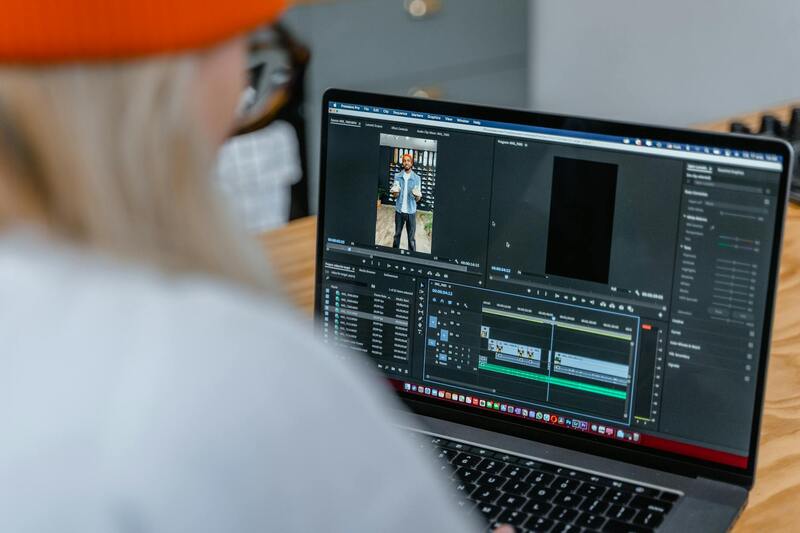
In markets like Miami, where luxury residences, architectural marvels, and unique properties dominate, exceptional visual representation becomes even more critical. Capturing the essence of a high-end property demands expertise that highlights architectural details, interior design nuances, and the overall atmosphere. When executed correctly, stunning visuals can convey the lifestyle and unique qualities of the property, influencing prospective buyers' perceptions and increasing engagement. Such imagery fosters emotional connections and motivates immediate action, which translates into faster sales cycles and often higher sales prices.
Key Elements of Good Real Estate Photography
- Lighting: Natural light enhances the space, creating an inviting atmosphere while reducing harsh shadows.
- Composition: Framing the shot to showcase the property’s best features and maintain balance within the frame.
- Clarity and Sharpness: Ensuring images are focused and detailed to reveal textures, surfaces, and architectural elements.
- Staging: Presenting the property in its best light by decluttering and arranging furniture appropriately.
- Perspective: Utilizing angles that maximize space and depth, offering viewers a realistic sense of the property’s layout.
Choosing the Right Equipment and Settings
Effective real estate photography depends heavily on the appropriate choice of tools and camera settings. Wide-angle lenses are essential for capturing entire rooms and providing a sense of spaciousness. Tripods help maintain stability and consistency across shots, especially in lower-light conditions. Proper camera settings include a balanced aperture to keep the entire scene in focus, along with appropriate ISO and shutter speed adjustments to ensure well-exposed images devoid of noise or motion blur. When shooting interiors, utilizing HDR (High Dynamic Range) techniques can help blend multiple exposures, balancing bright windows and darker interior spaces for a natural, well-lit appearance.
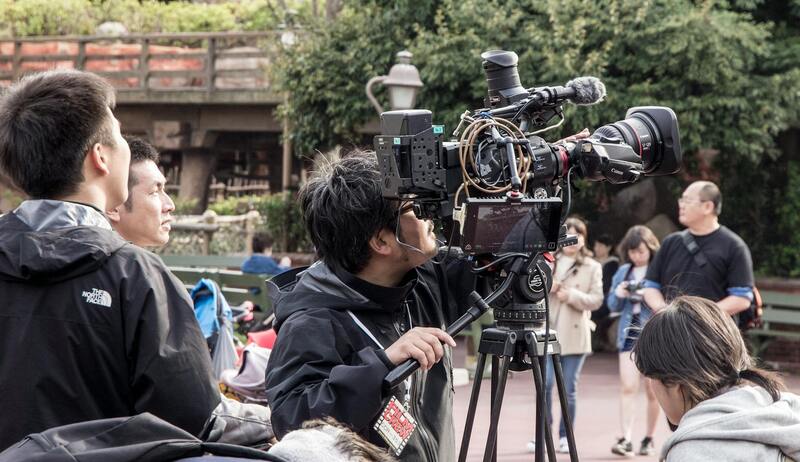
Understanding the intricacies of camera operation and scene composition is crucial for producing images that stand out. Skilled photographers tailor their approach to each property, adjusting lighting, angles, and camera parameters to capture the property’s best features while maintaining a genuine representation. This technical proficiency ensures consistency across the portfolio of listings, facilitating a professional and cohesive brand identity for real estate agencies.
Maximizing the Impact of Professional Real Estate Photography
Creating a Consistent Visual Narrative
High-quality real estate images are most effective when they collectively tell a compelling story of the property's unique features and overall appeal. Consistency in style and lighting across photos helps establish a cohesive visual narrative that resonates with potential buyers or renters, offering a clear and attractive presentation of the property. A professional photographer meticulously plans each shot to highlight different aspects such as spacious living areas, modern kitchens, or scenic views, ensuring that the images work together seamlessly to portray the property at its best.
Optimizing Photography for Different Platforms
Different marketing channels demand specific image formats and qualities to maximize engagement. For online listings, images should be high-resolution but optimized for quick loading to prevent user frustration. Social media platforms favor images that are visually striking at thumbnail size but also look impressive when viewed more closely. Virtual tours or 360-degree photos should be integrated with clear, detailed images for a comprehensive virtual experience. By tailoring images to fit these platforms' specifications, real estate professionals can attract a broader audience and enhance engagement metrics.
Implementing Strategic Image Placement and Sequencing
Placement and sequencing of images play a crucial role in guiding viewers through a property’s visual story. Beginning with exterior shots that capture the property's curb appeal sets an inviting tone. Following with key interior spaces, such as the living area, kitchen, and master bedroom, provides a logical flow that mirrors the buyer's potential walkthrough. Including additional images of outdoor spaces, unique architectural features, and amenities further enriches the presentation. Strategically sequencing photos not only maintains viewer interest but also emphasizes the property's most selling points, increasing the likelihood of inquiries.
Using High-Quality Images to Enhance Virtual and Augmented Reality Experiences
As immersive property viewing technologies continue to grow in popularity, the importance of high-quality images becomes even more pronounced. Clear, detailed photographs serve as the foundation for virtual reality (VR) and augmented reality (AR) applications, allowing prospective buyers to explore properties remotely with confidence. High-resolution images enable the creation of realistic virtual tours that accurately reflect the property's spaces and details, fostering trust and engagement from virtual viewers. Ensuring consistency, clarity, and quality in every image significantly enhances the realism and appeal of these advanced marketing tools.
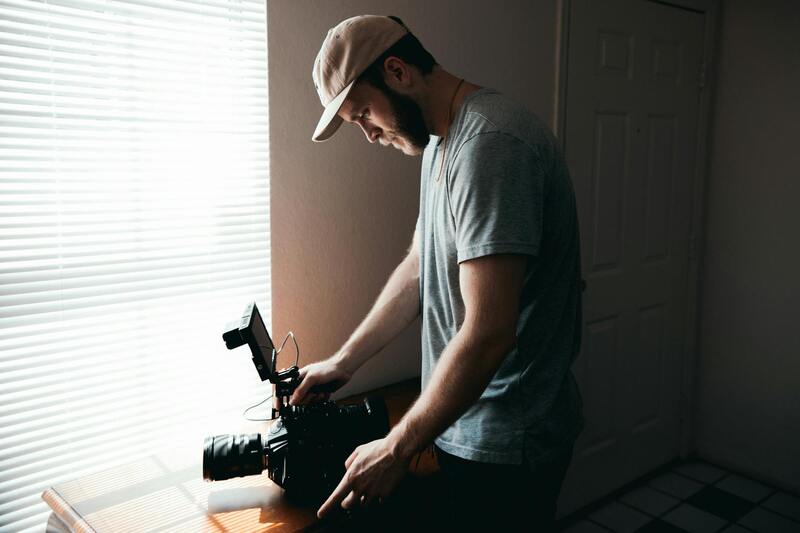
Investing in professional real estate photography forms a cornerstone of effective property marketing, especially in competitive markets like Miami. By focusing on consistent, strategic, and high-quality imagery, agents and property owners can significantly improve their listings' visibility and attractiveness. The key lies in capturing each space with technical skill and artistic sensibility, ensuring that every photo not only presents the property accurately but also entices potential buyers to take the next step in their journey.